Toledo, Spain feels like stepping straight into a living history book. Perched high above the Tagus River, this city has been shaped by centuries of shared culture, earning its nickname as the “City of Three Cultures.” Christians, Muslims, and Jews once lived side by side here, and you can still see that layered history woven into Toledo’s streets, architecture, and everyday rhythm.
I still remember wandering through Toledo for the first time—getting happily lost in its winding alleys, pausing to admire carved stone doorways, and feeling that rare sense of being somewhere truly timeless. Toledo doesn’t rush you. It invites you to slow down, look closer, and let the city reveal itself one quiet corner at a time.
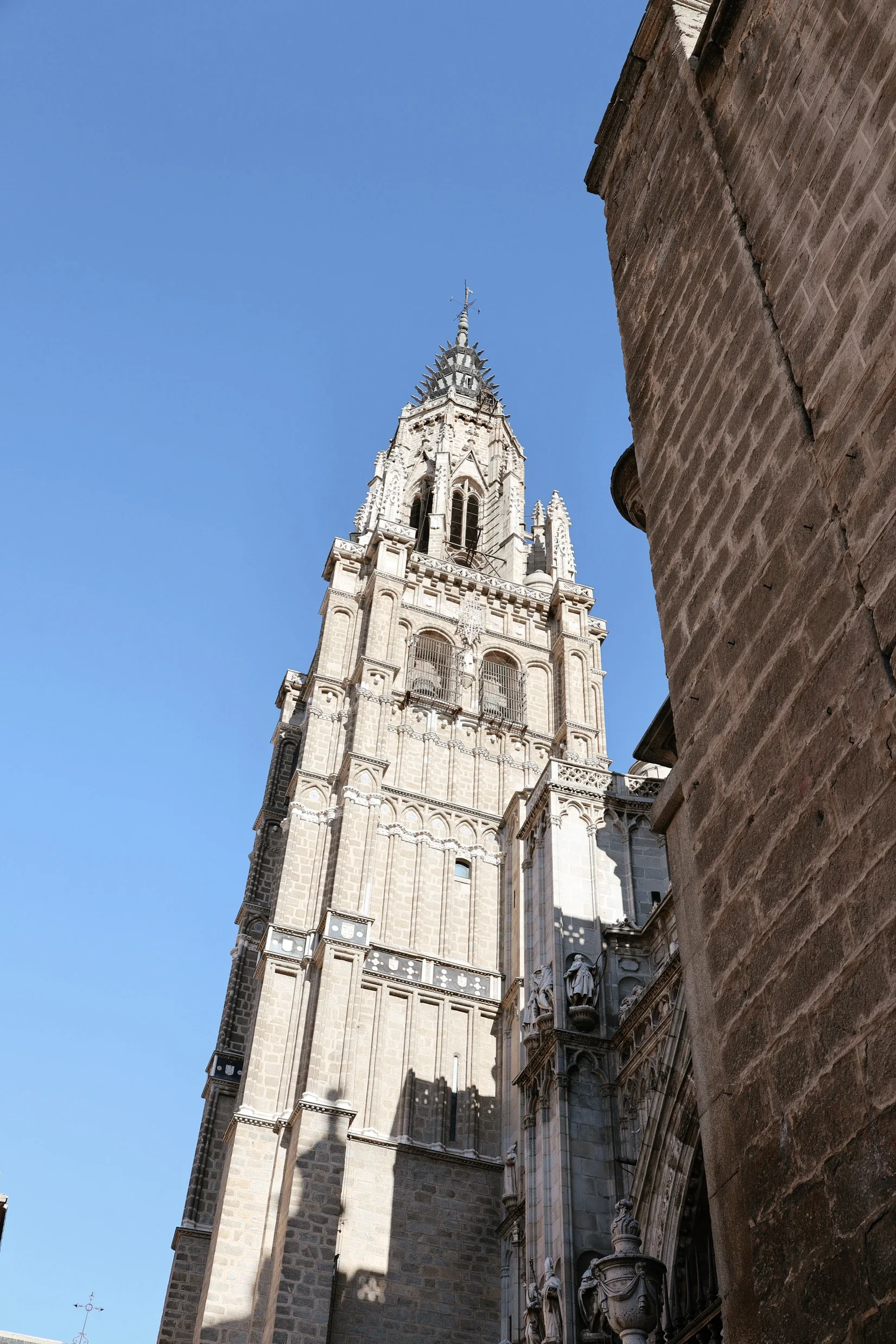
Getting to Toledo, Spain
Getting to Toledo is refreshingly easy, whether you’re coming from Madrid or another part of Spain—and how you arrive really depends on your travel style.
If you like having flexibility, driving is a great option. From Madrid, the trip takes about an hour via the A-42 highway. It’s a straightforward drive, and watching the landscape shift from city to countryside makes the journey part of the experience. I personally enjoy road trips like this—they give you the freedom to stop, detour, or linger if something catches your eye.
For a more budget-friendly and relaxed option, buses run frequently between Madrid and Toledo. ALSA operates several daily routes from Madrid’s Plaza Elíptica station, and the ride takes around an hour and a half. It’s comfortable, affordable, and a solid choice if you don’t feel like driving.
The fastest—and arguably easiest—way to get to Toledo is by train. High-speed AVE trains leave from Madrid’s Atocha Station and arrive in Toledo in just 30 minutes. It’s smooth, efficient, and perfect if you’re short on time or planning a day trip. Tickets are easy to book through Renfe, and the short ride makes it feel almost effortless.
In my case, I traveled to Toledo from Salamanca. The drive took about three hours and turned into a beautiful journey through the heart of Spain—quiet roads, open landscapes, and that sense of anticipation as Toledo’s hilltop silhouette finally came into view. If you’re not driving from Salamanca, you can also take a train to Madrid and transfer to the AVE, which makes the trip both efficient and scenic.
No matter how you arrive, that first glimpse of Toledo—rising above the Tagus River—is unforgettable.
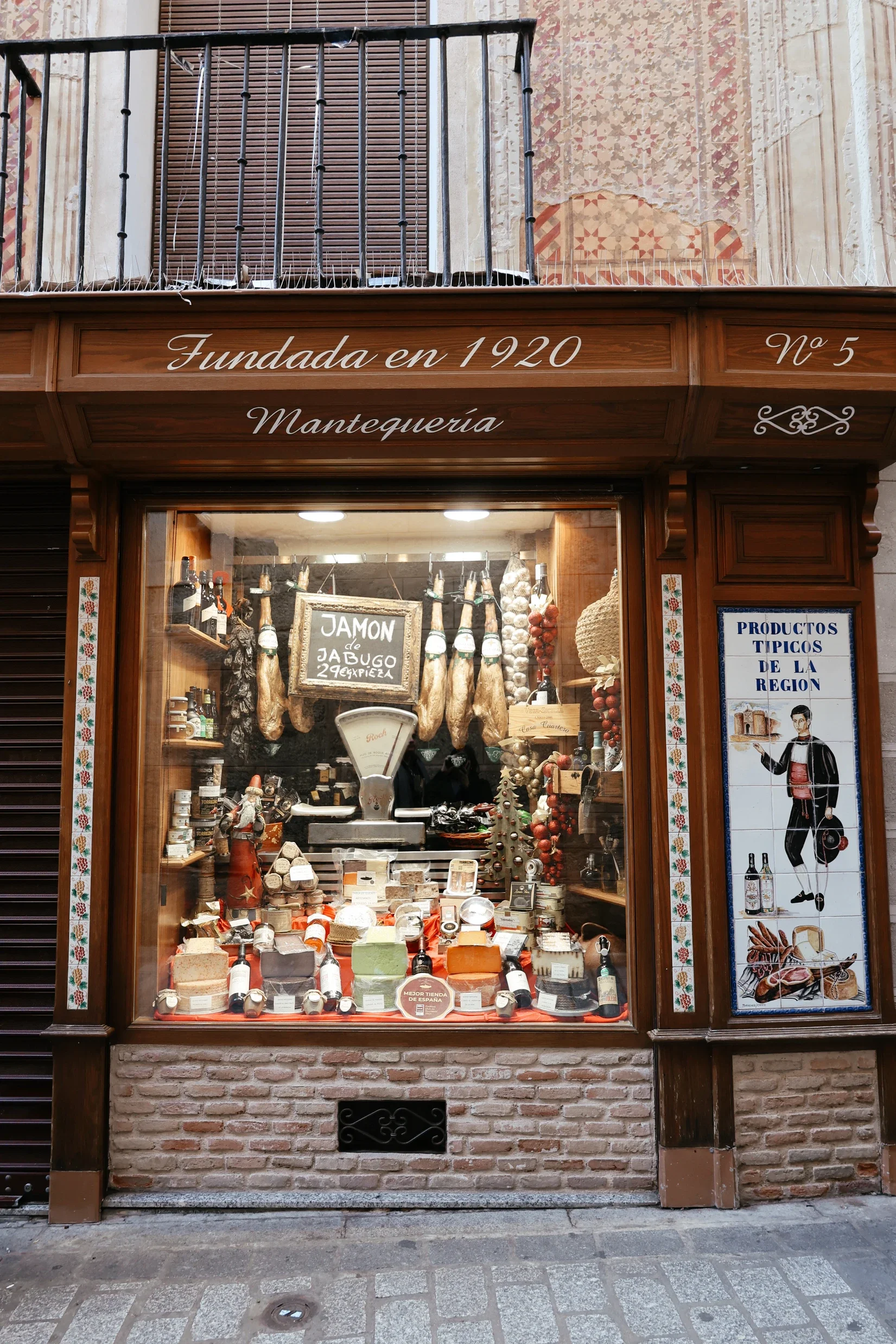
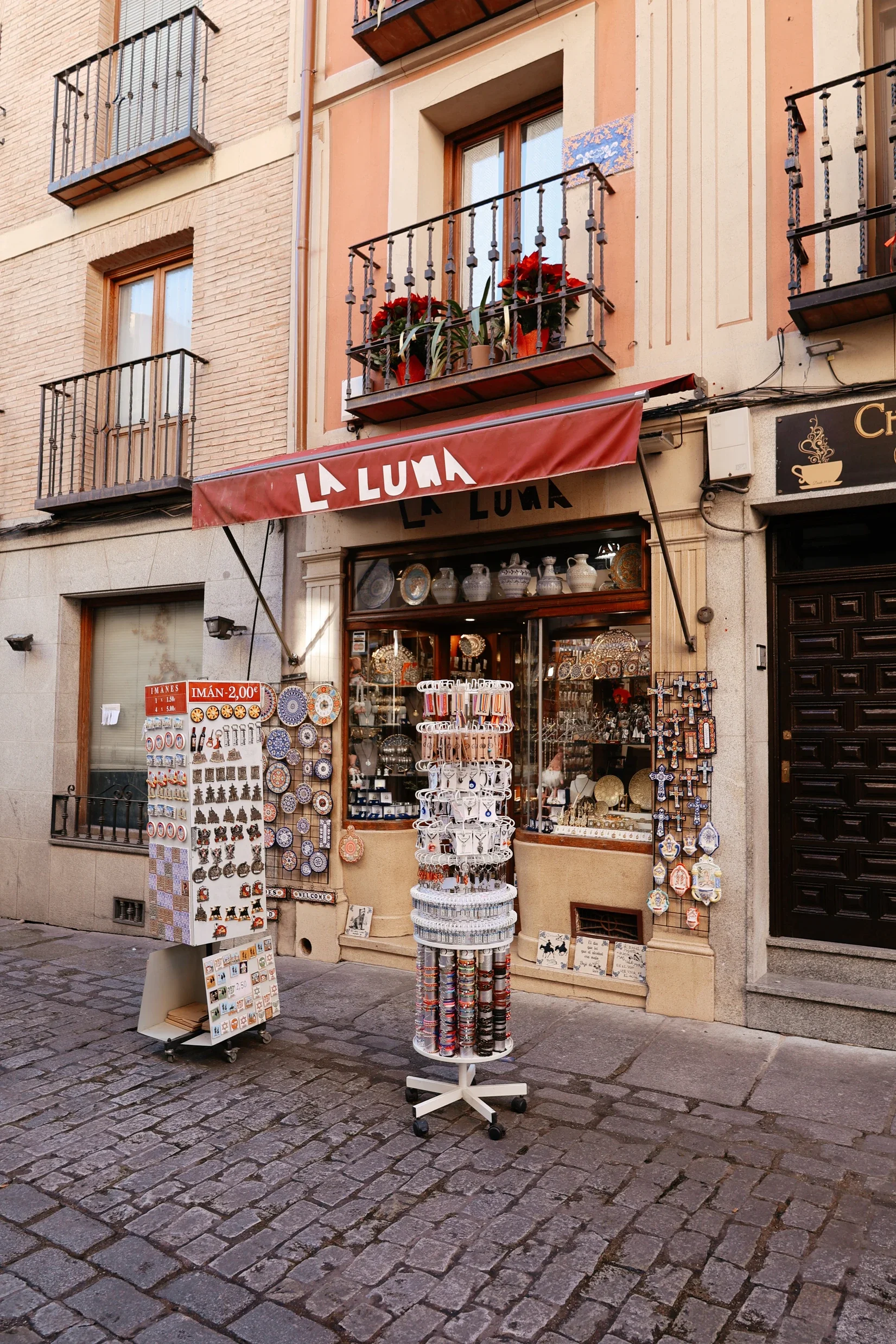
Things to Do in Toledo, Spain
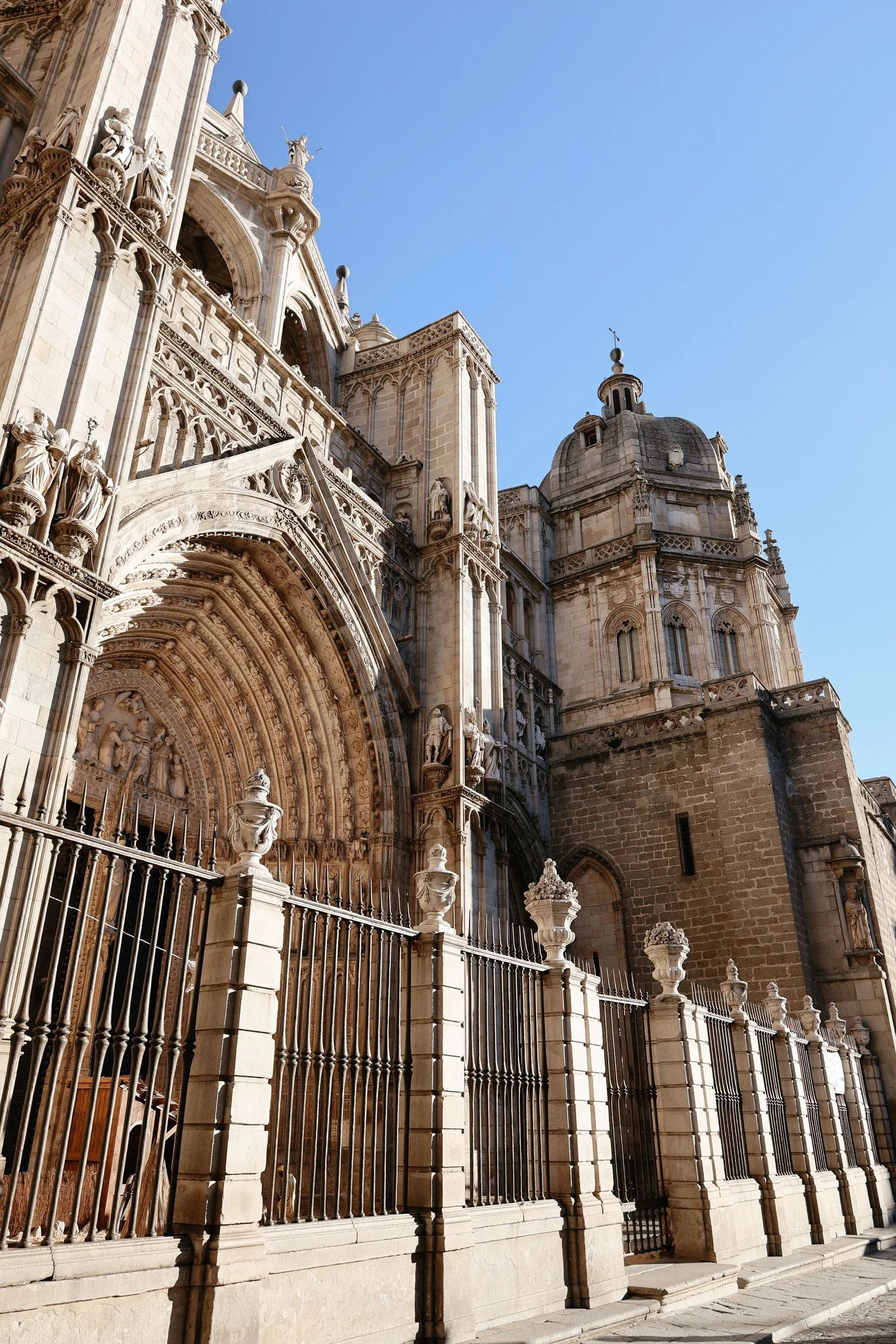
Toledo Cathedral (Catedral Primada de Toledo)
Walking into Toledo Cathedral genuinely stopped me in my tracks. The moment you step inside, you’re surrounded by soaring Gothic arches, glowing stained glass, and a sense of history that feels almost overwhelming—in the best way. It’s one of those places where you instinctively lower your voice, even without meaning to. I spent a long time just wandering slowly, taking in the intricate woodwork, the sheer scale of the space, and the jaw-dropping altarpiece, which is incredibly detailed and rich in symbolism. Everywhere you look, there’s something worth pausing for—chapels tucked into corners, centuries-old artwork, and layers of history woven into the stone itself.
I highly recommend using the audio guide. It adds so much context and really helps you appreciate how the cathedral evolved over time and why it holds such an important place in Spanish religious and cultural history. By the time I left, I felt like I had walked through multiple centuries in one visit.
Entrance is around €10 (about $11), and it’s absolutely worth every euro. If you only visit one landmark in Toledo, make it this one.
Alcázar of Toledo
The Alcázar of Toledo is impossible to miss—it rises above the city like a quiet guardian, watching over Toledo from every angle. Walking up to it already feels significant, but stepping inside makes you realize just how much history these walls hold. Exploring the Alcázar felt like moving through a living museum. The vast rooms are filled with medieval armor, weapons, and historical exhibits that bring Spain’s past vividly to life. There’s a weight to the place—not heavy, but meaningful—and you can really feel how central this fortress has been to Toledo’s story over the centuries.
The absolute highlight for me was heading up to the towers. The panoramic views from the top are breathtaking, offering a sweeping perspective over Toledo’s rooftops, the winding Tagus River, and the surrounding countryside. I lingered up there longer than planned, just taking it all in and reflecting on how many generations have stood in this same spot, looking out at the same landscape.
Tickets are around €5 (about $5.60), and for both the history and the views alone, it’s well worth it.
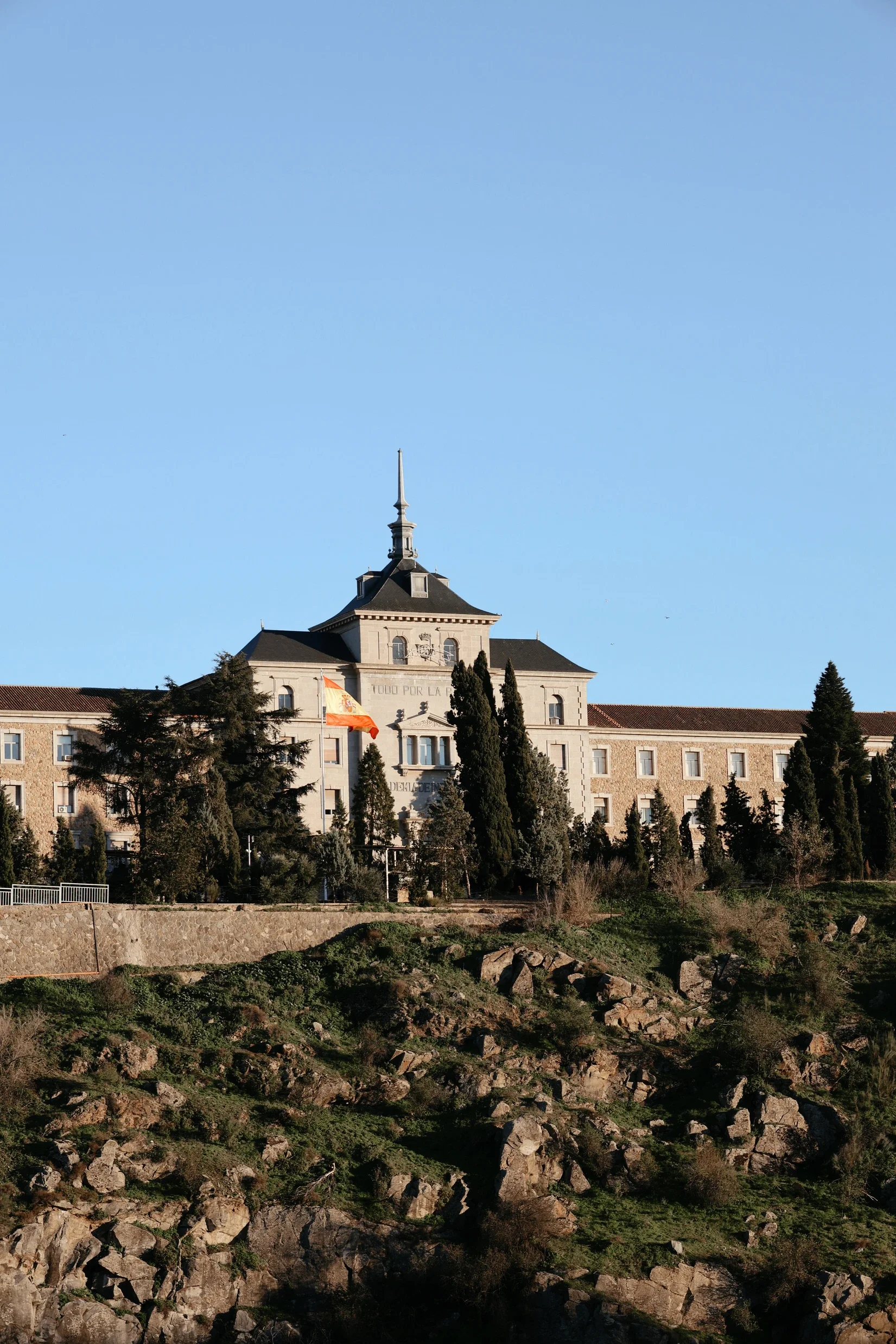
El Greco Museum
Visiting the El Greco Museum felt intimate and quietly powerful. Housed in a beautiful 16th-century building, the museum offers a glimpse into both the artist’s world and the city that shaped him. The space itself is warm and understated, which makes the artwork feel even more personal. Walking through the galleries, you really begin to understand how deeply El Greco was influenced by Toledo. His dramatic use of color, elongated figures, and emotional intensity feel perfectly at home here. One piece that especially stayed with me was The Holy Family with Saint Anne—there’s something about the composition and expression that draws you in and makes you pause longer than expected.
Because the museum is relatively small, it never feels overwhelming. Instead, it allows you to slow down, look closely, and appreciate the details of each work while learning more about El Greco’s life in Toledo. Admission is around €3 (about $3.40), making it one of the most meaningful—and accessible—cultural stops in the city.
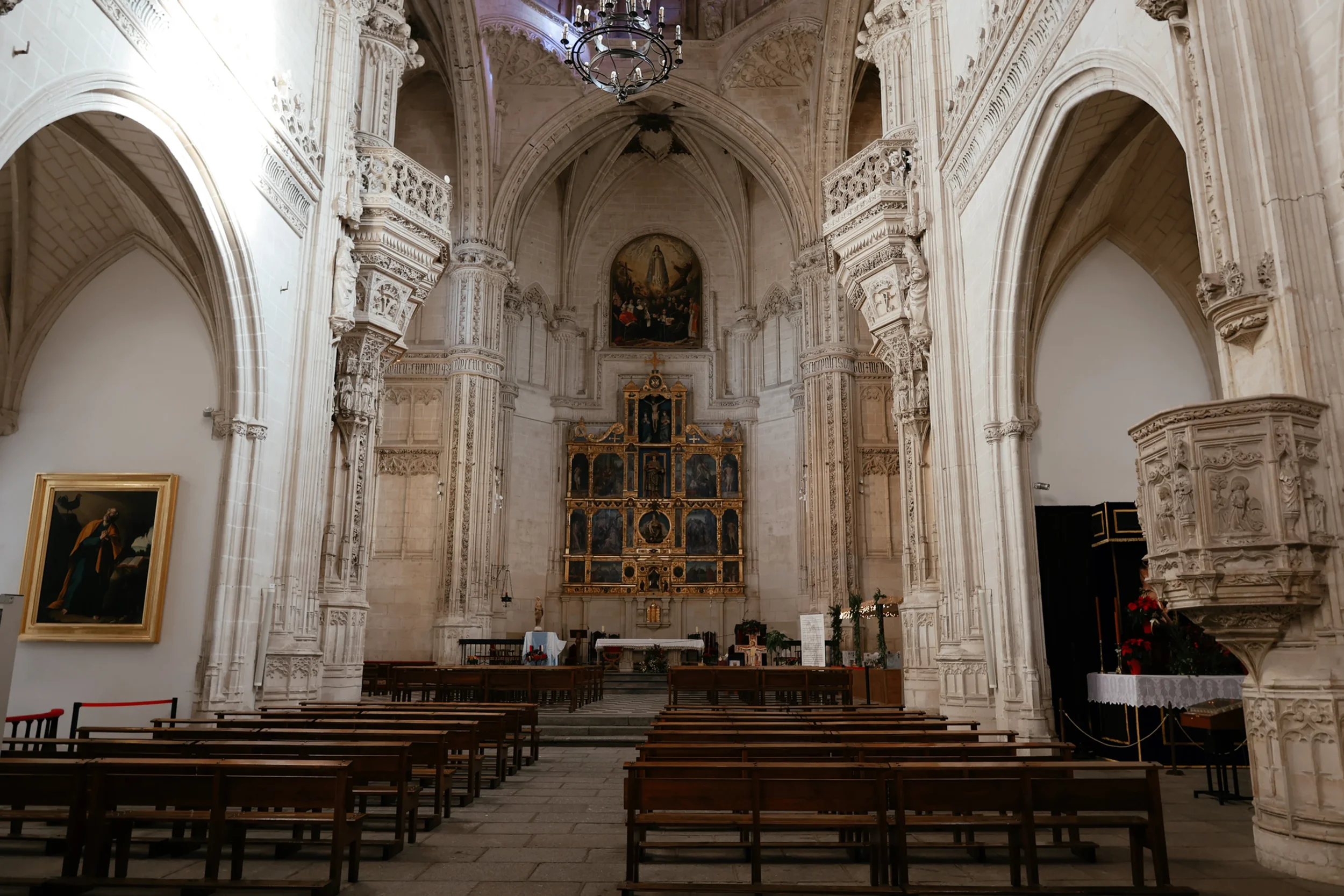
Church of Santo Tomé
The Church of Santo Tomé was one of the most memorable stops of my time in Toledo—and for good reason. Inside this modest, Mudejar-style church hangs one of Spain’s most important works of art: The Burial of the Count of Orgazby El Greco.
Seeing the painting in its original setting is something else entirely. The emotional intensity, dramatic contrasts, and vivid colors feel far more powerful in person than any photo could capture. I found myself standing there longer than expected, absorbing the way the earthly and heavenly realms are layered within the composition—it’s mesmerizing.
Beyond the artwork, the church itself feels calm and contemplative. The space is simple and serene, and I spent a few quiet moments sitting in the pews, letting the atmosphere settle in. Entry is around €3 (about $3.40), and it’s absolutely worth it—not just for the masterpiece, but for the peaceful pause it offers in the middle of Toledo’s winding streets.
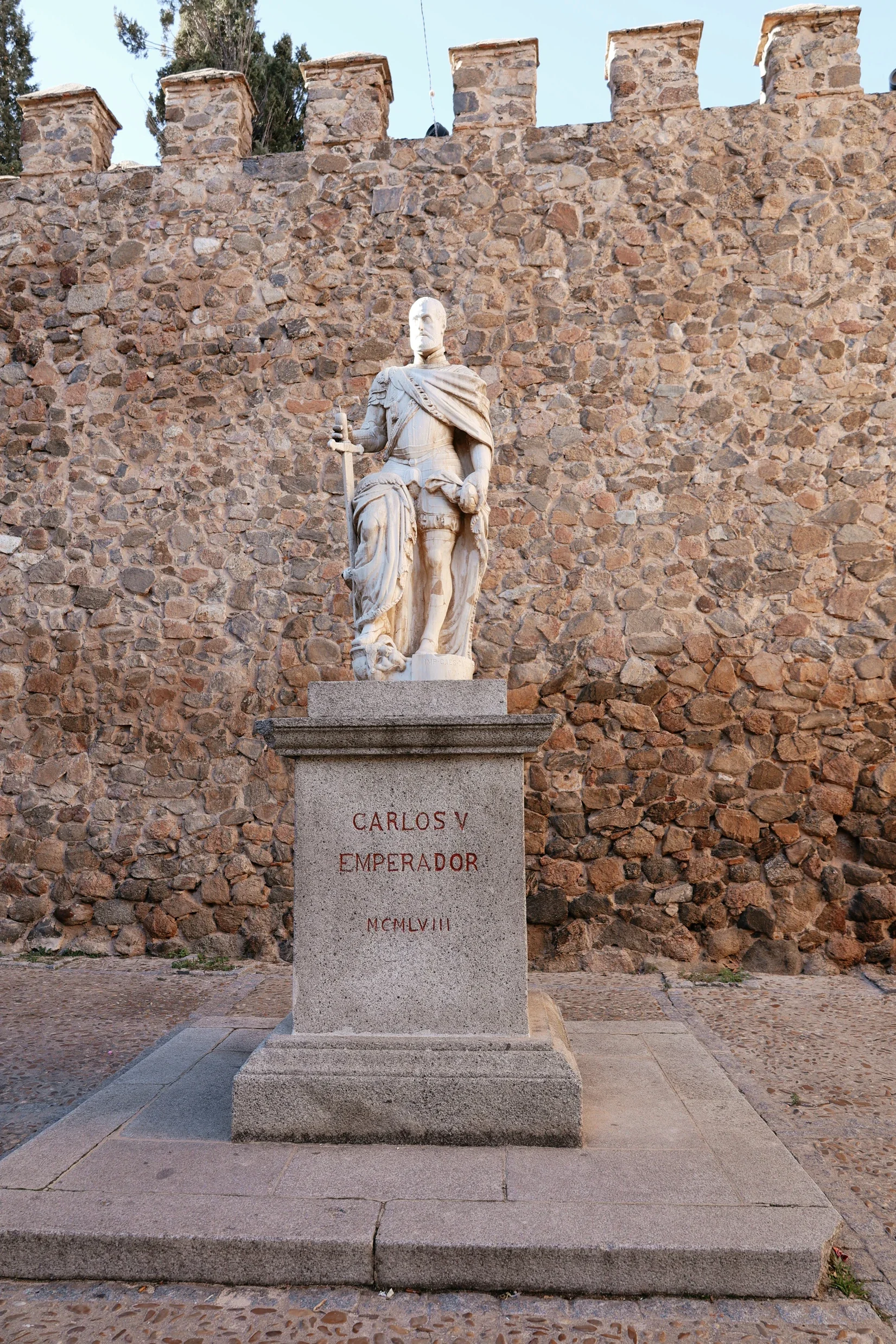
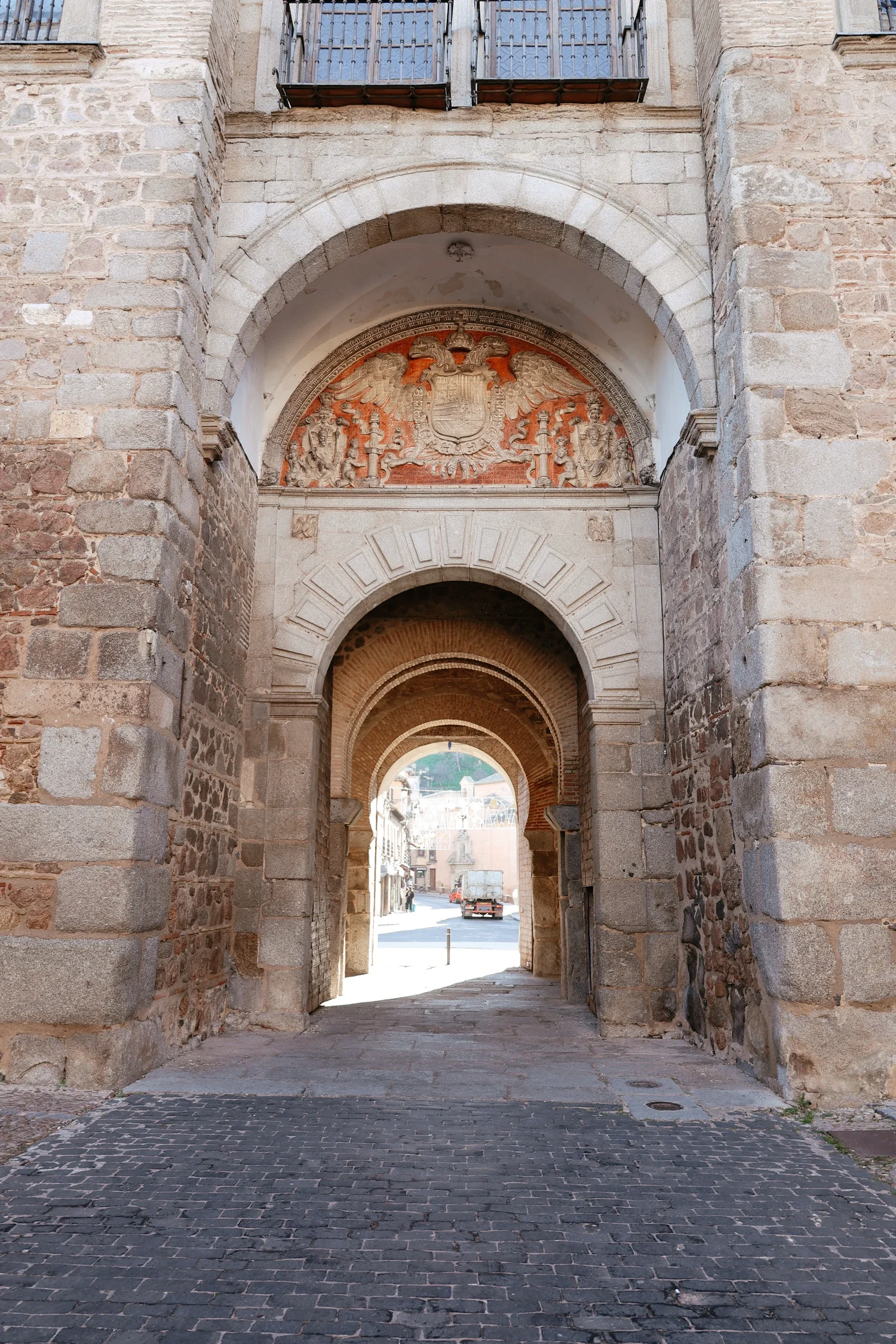
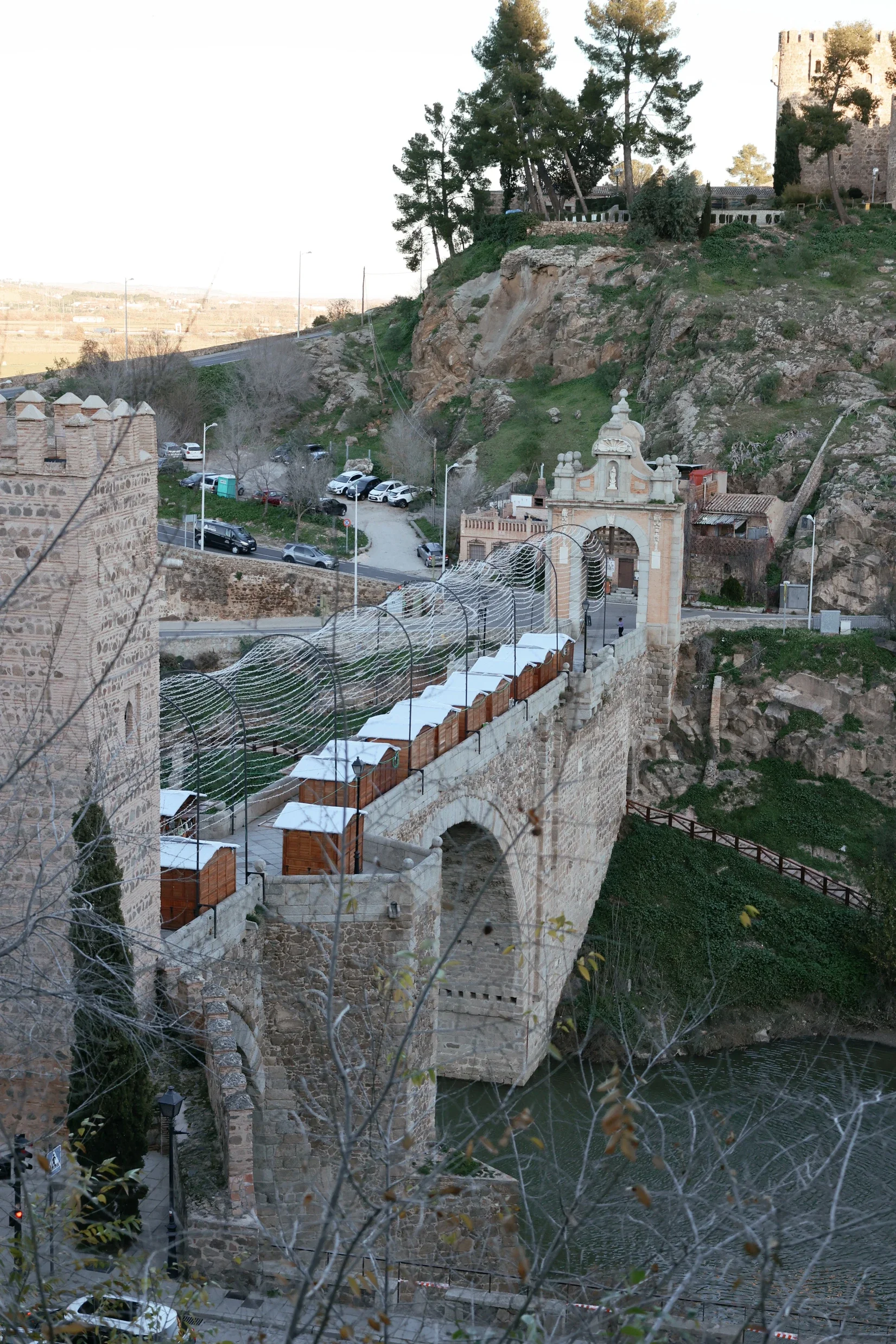
Puente de Alcántara
Walking across the Puente de Alcántara felt like slipping quietly into another era. This ancient Roman bridge, with its sturdy stone arches stretching over the Tagus River, has stood the test of time—and you can feel that history with every step.
The walk itself is peaceful and unhurried, offering beautiful views back toward Toledo’s hilltop skyline. From the bridge, the city feels especially dramatic, rising above the river just as it has for centuries. I paused for a while, imagining how important this crossing must have been in Roman and medieval times, connecting travelers and trade to the heart of the city.
It’s one of those simple moments that ends up being surprisingly meaningful—no ticket required, no crowds rushing you along. And best of all, it’s completely free to visit, making it an easy and rewarding stop as you explore Toledo.
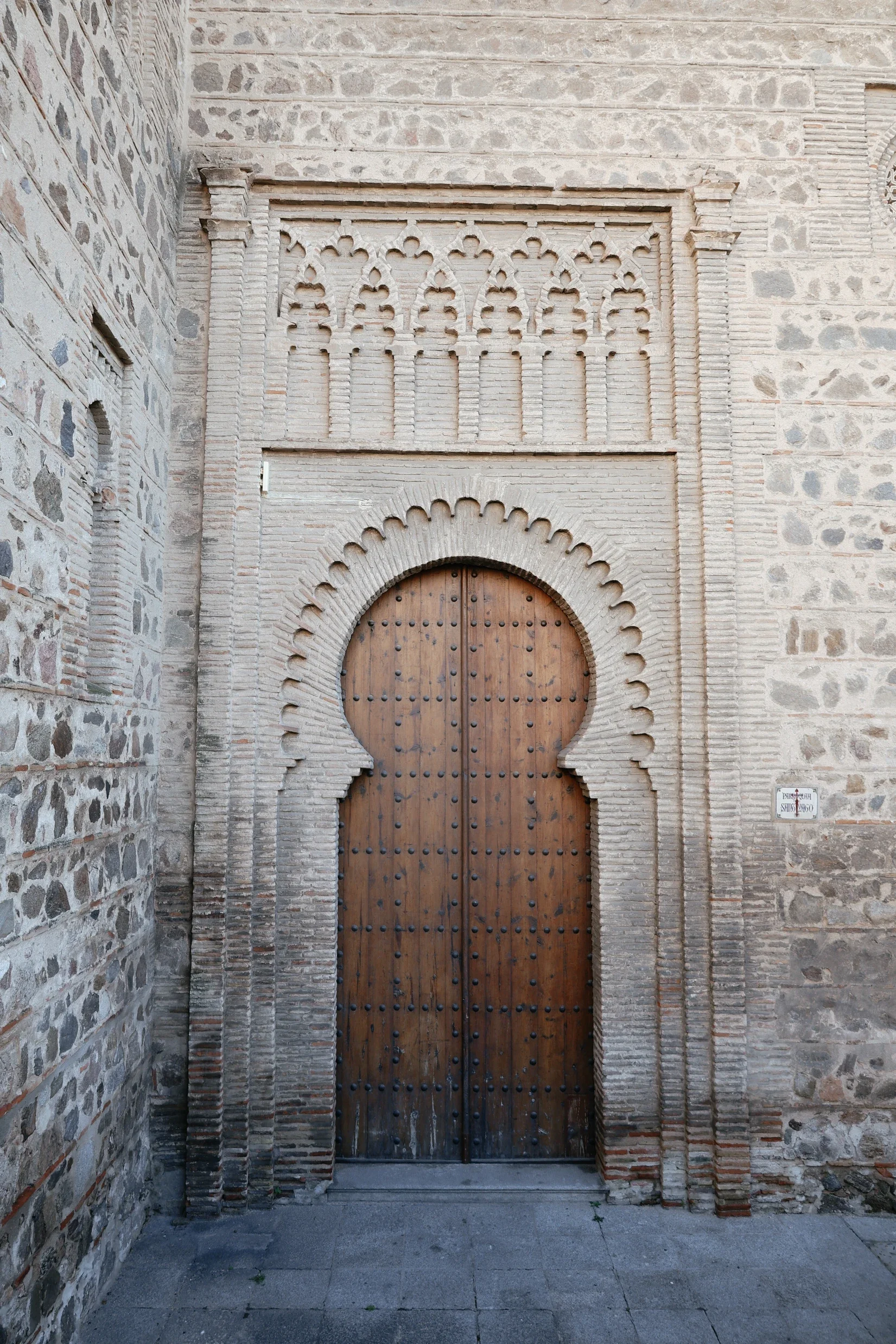
Synagogue of El Tránsito
Visiting the Synagogue of El Tránsito was one of the most moving experiences of my time in Toledo. The moment you step inside, you’re met with breathtaking Moorish architecture—delicate stucco work, intricate carvings, and Hebrew inscriptions that speak quietly but powerfully of the city’s layered past. The synagogue now houses the Sephardic Museum, which offers a thoughtful and deeply human look into the history of Jewish life in Spain. Walking through the exhibits helped me better understand the cultural richness that once defined Toledo and the resilience of the Sephardic community.
I was especially drawn to the details—the craftsmanship on the walls, the way light filters into the space, and the peaceful courtyard tucked just outside. It felt like a pause from the busier streets, a place to reflect and absorb the history rather than rush through it.
Tickets are around €3 (about $3.40), and it’s absolutely worth the visit—not just for its beauty, but for the perspective it adds to Toledo’s story as a true city of coexistence and cultural depth.
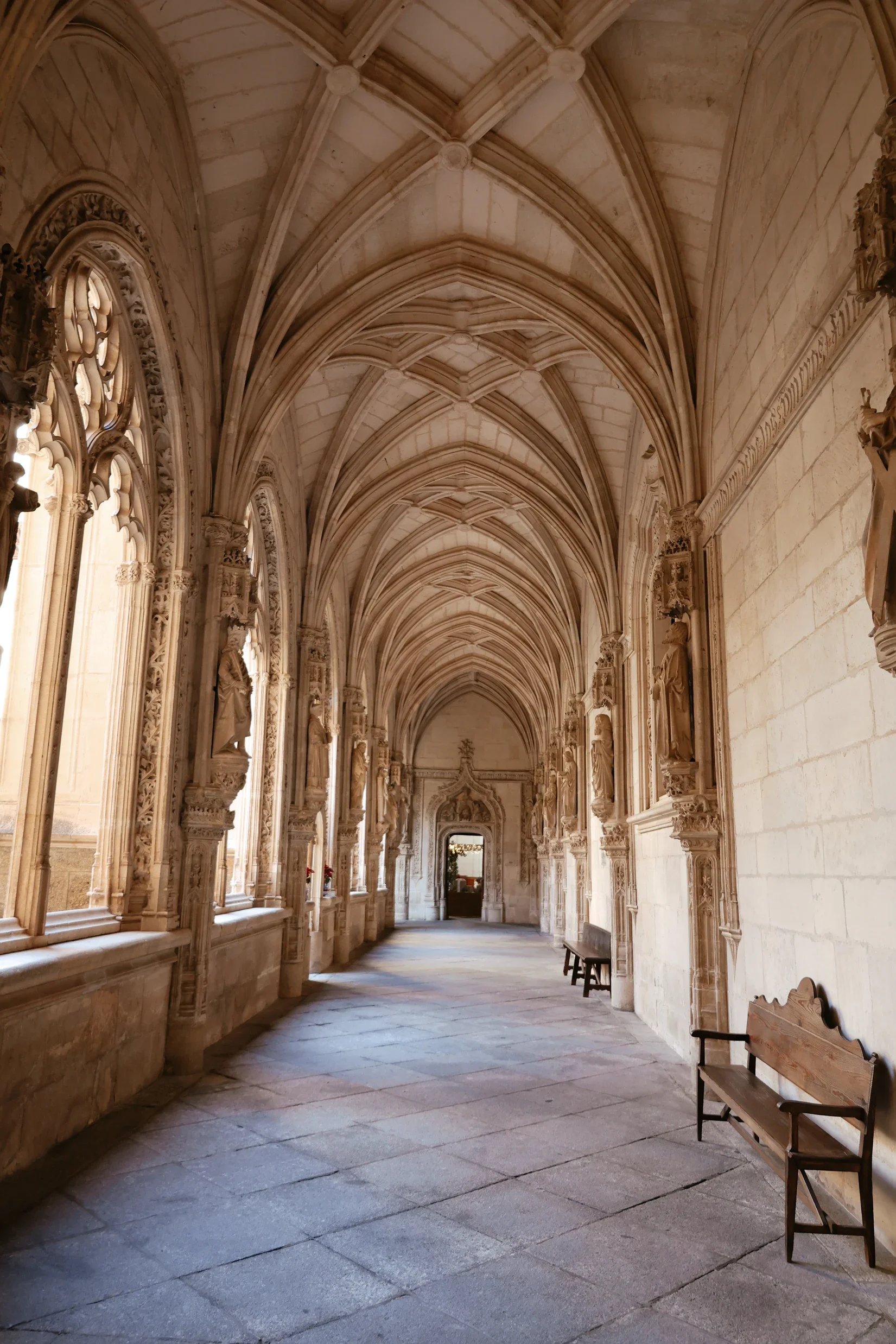
Monastery of San Juan de los Reyes
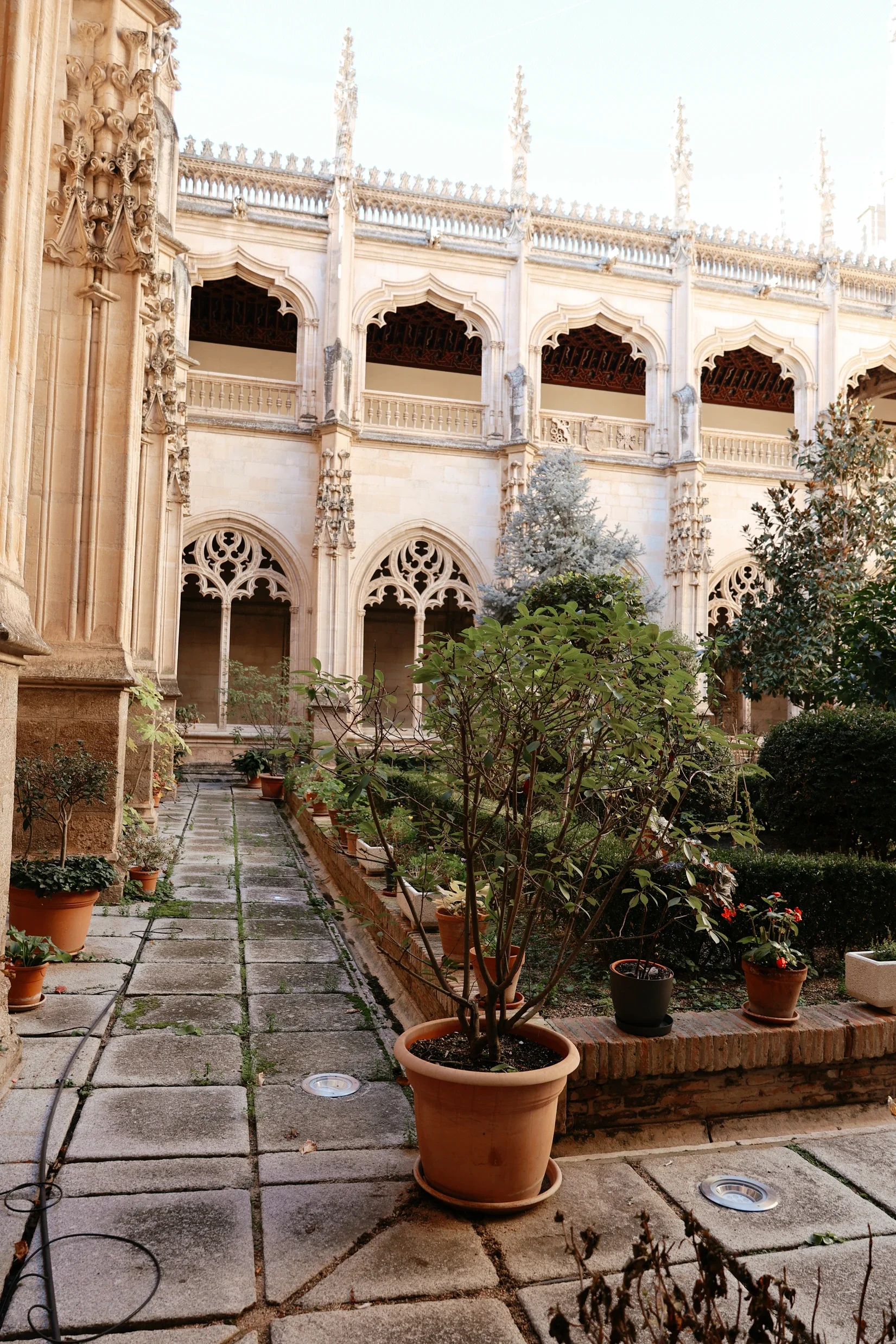
The Monastery of San Juan de los Reyes felt like a gentle exhale in the middle of Toledo’s winding streets. From the moment I stepped inside, the atmosphere shifted—quieter, calmer, almost meditative. The Gothic arches and beautifully preserved cloisters are the heart of the monastery. I spent time slowly walking through the courtyard, admiring the intricate stone carvings and the peaceful garden tucked within the arches. It’s one of those places where you naturally slow your pace, taking in the details without feeling rushed.
The historical context adds another layer to the visit, with displays explaining the monastery’s significance and its role in Toledo’s past. It helped bring the space to life beyond its architectural beauty. Admission is around €3 (about $3.40), and it’s absolutely worth it.
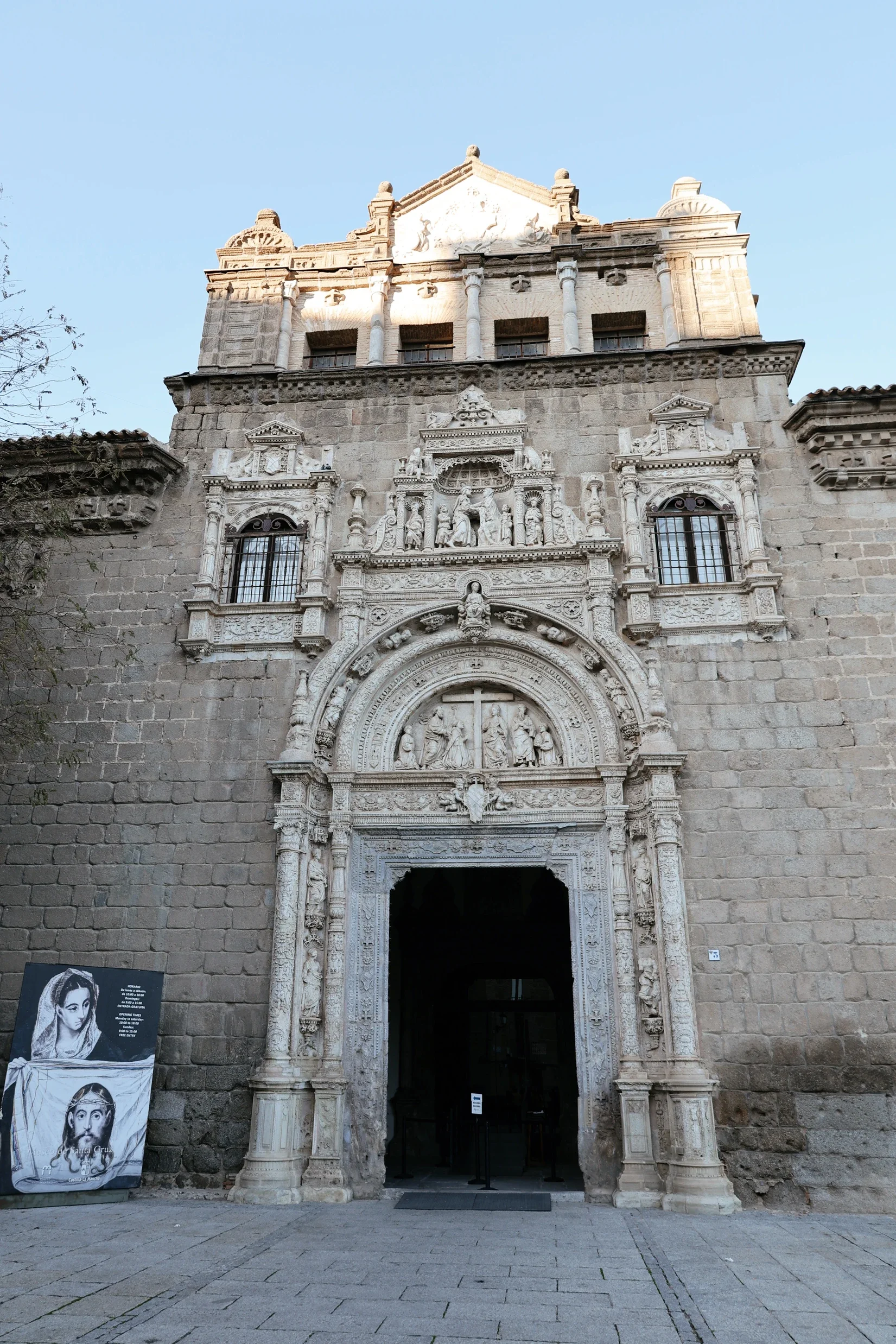
Museo de Santa Cruz
The Museo de Santa Cruz was a wonderful surprise and a perfect blend of art, history, and architecture. Housed in a stunning Renaissance building, the museum itself is just as impressive as the collections inside. As I moved through the exhibits—ranging from religious artwork to archaeological finds—I kept finding moments that made me stop and linger. The collection is thoughtfully curated and gives you a deeper understanding of Toledo’s layered past without feeling overwhelming.
One of my favorite parts was the courtyard. Quiet, elegant, and full of light, it’s the kind of place where you naturally slow down and reflect on everything you’ve just seen. It felt like a peaceful pause in the middle of a history-filled day.
Taller del Moro
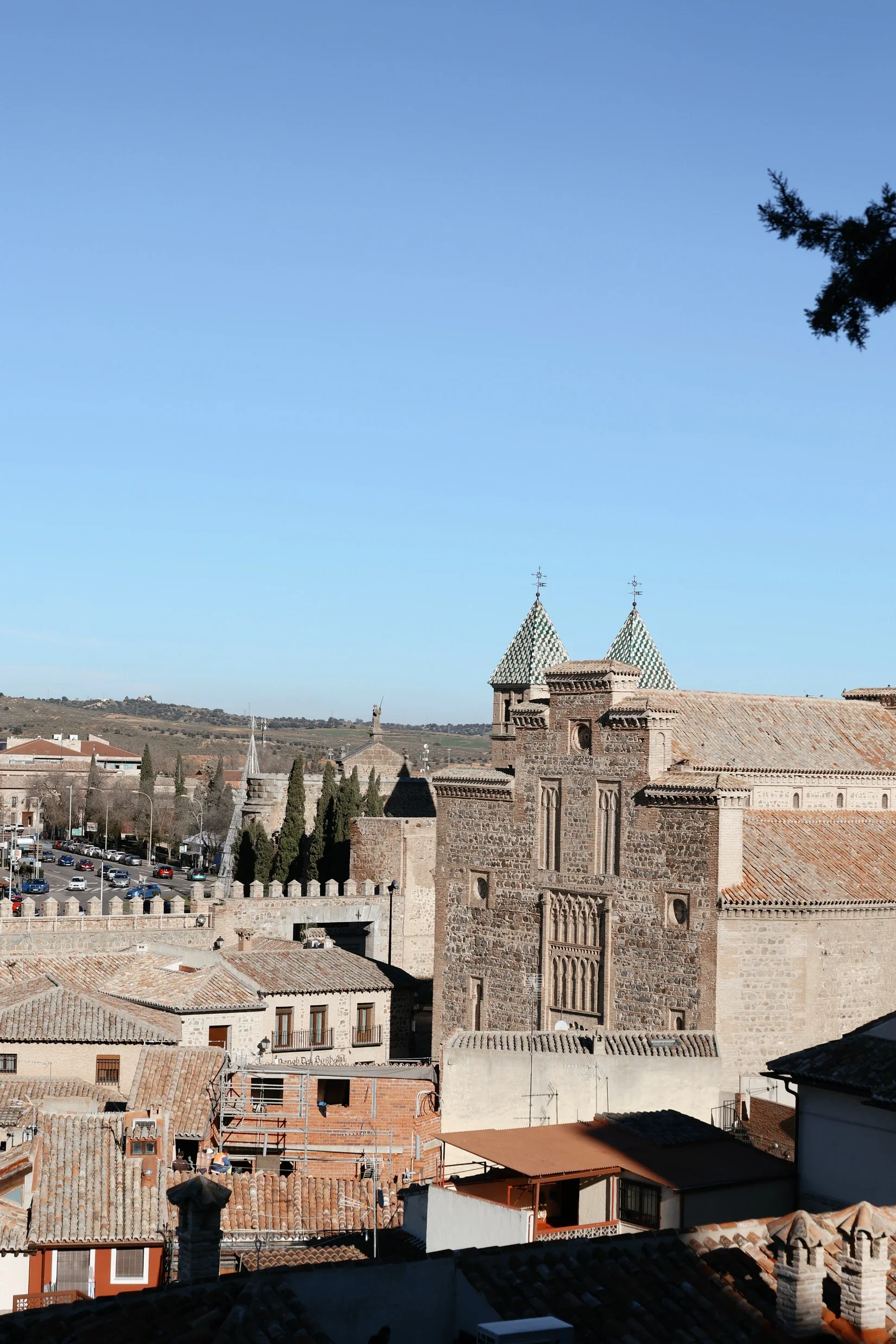
Visiting Taller del Moro felt like uncovering a quiet, lesser-known layer of Toledo’s past. Tucked away from the busier landmarks, this historic building is a beautiful example of Moorish architecture and craftsmanship that once played a key role in the city’s cultural fabric.
As I explored the space, I was struck by the intricate decorative details—delicate tile work, carved elements, and geometric patterns that reflect centuries-old artistic traditions. Seeing these designs up close really drives home how skilled and intentional the craftsmanship was, and how deeply these influences shaped Toledo’s identity.
What I loved most about Taller del Moro was its intimacy. It doesn’t feel grand or overwhelming; instead, it invites you to slow down and appreciate the details. It’s a thoughtful stop that adds depth to your understanding of Toledo’s multicultural history and is well worth including if you enjoy architecture, design, and the quieter corners of a city.
Jewish Quarter (Barrio Judío)
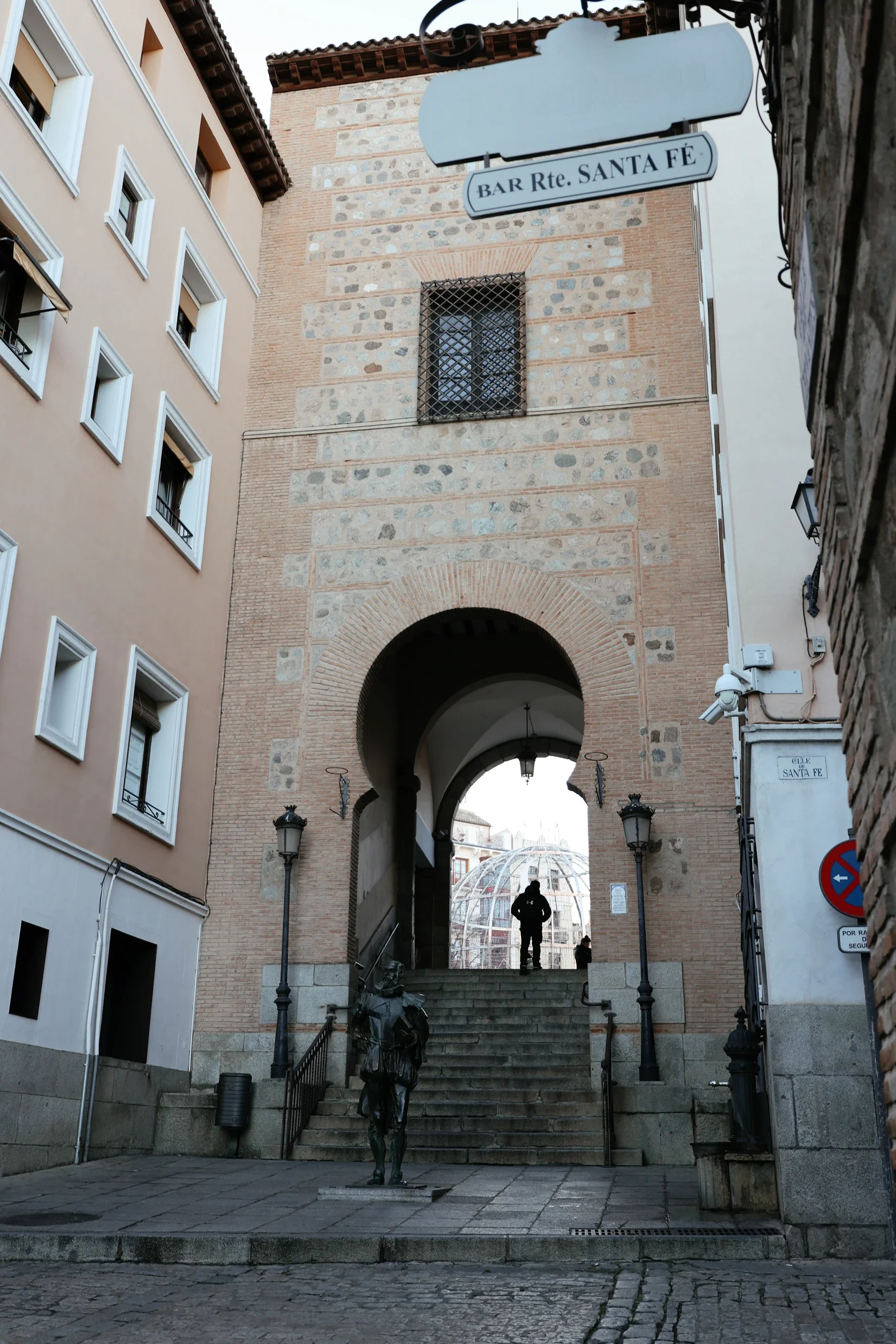
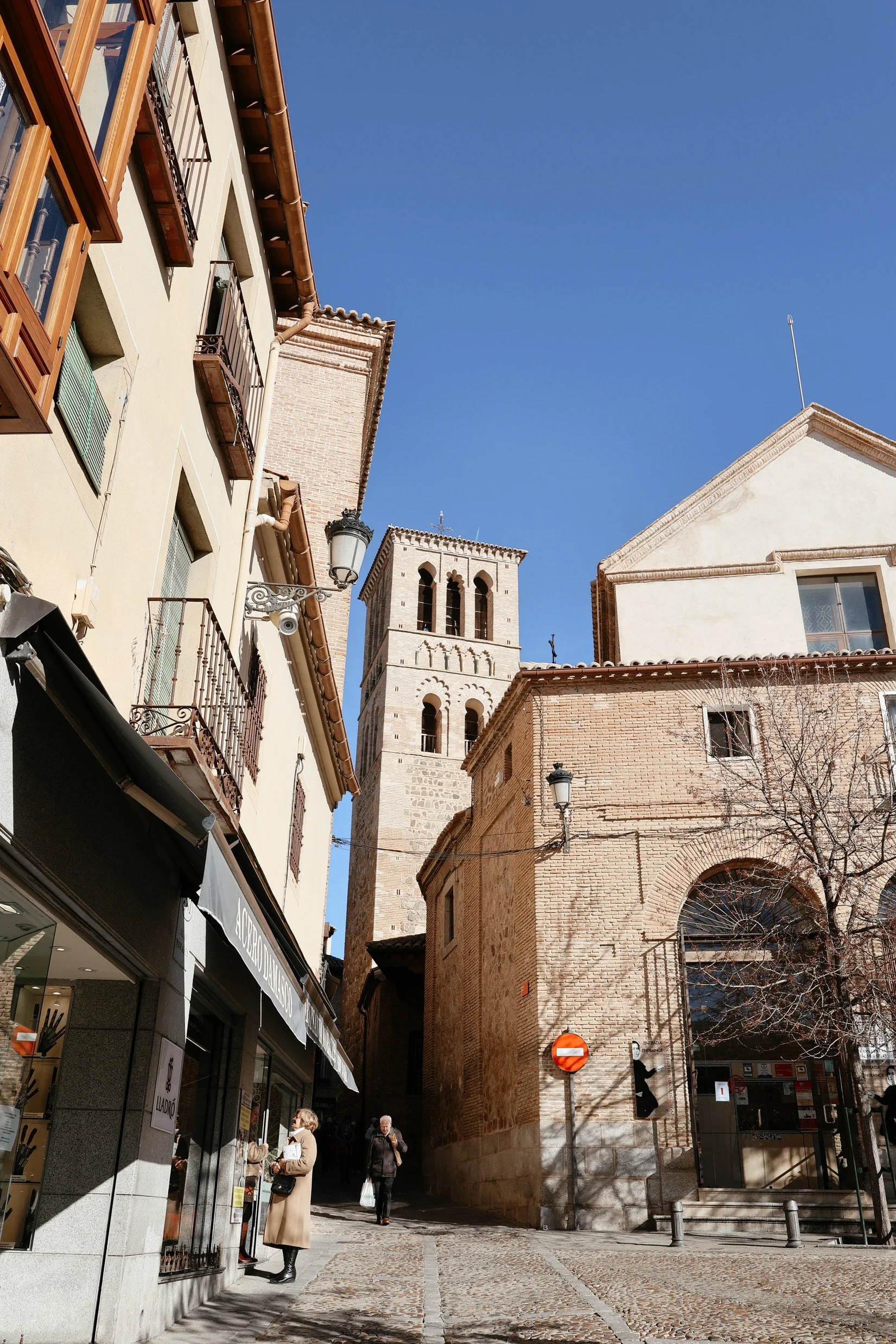
Wandering through the Jewish Quarter was one of the most memorable parts of my time in Toledo. The narrow, winding streets invite you to slow down and explore without a plan, and that’s exactly how this neighborhood is meant to be experienced. As I walked through the labyrinth of stone alleys, I found charming little shops, quiet squares, and historic corners that felt wonderfully untouched by time. There’s a calm here—even when other parts of the city feel busy—that makes you want to linger a little longer. The blend of history, culture, and everyday life is palpable, and you can truly sense the deep roots of the Jewish community that once thrived here.
What I loved most was how layered the quarter feels. Every turn seems to reveal another hidden detail—a doorway, an inscription, a tucked-away courtyard. It’s vibrant yet peaceful, and it offers a deeper, more intimate understanding of Toledo’s identity as a city shaped by coexistence. If there’s one place to wander slowly and let the city speak to you, this is it.
Where to Eat in Toledo, Spain
Tierra World Food Bar
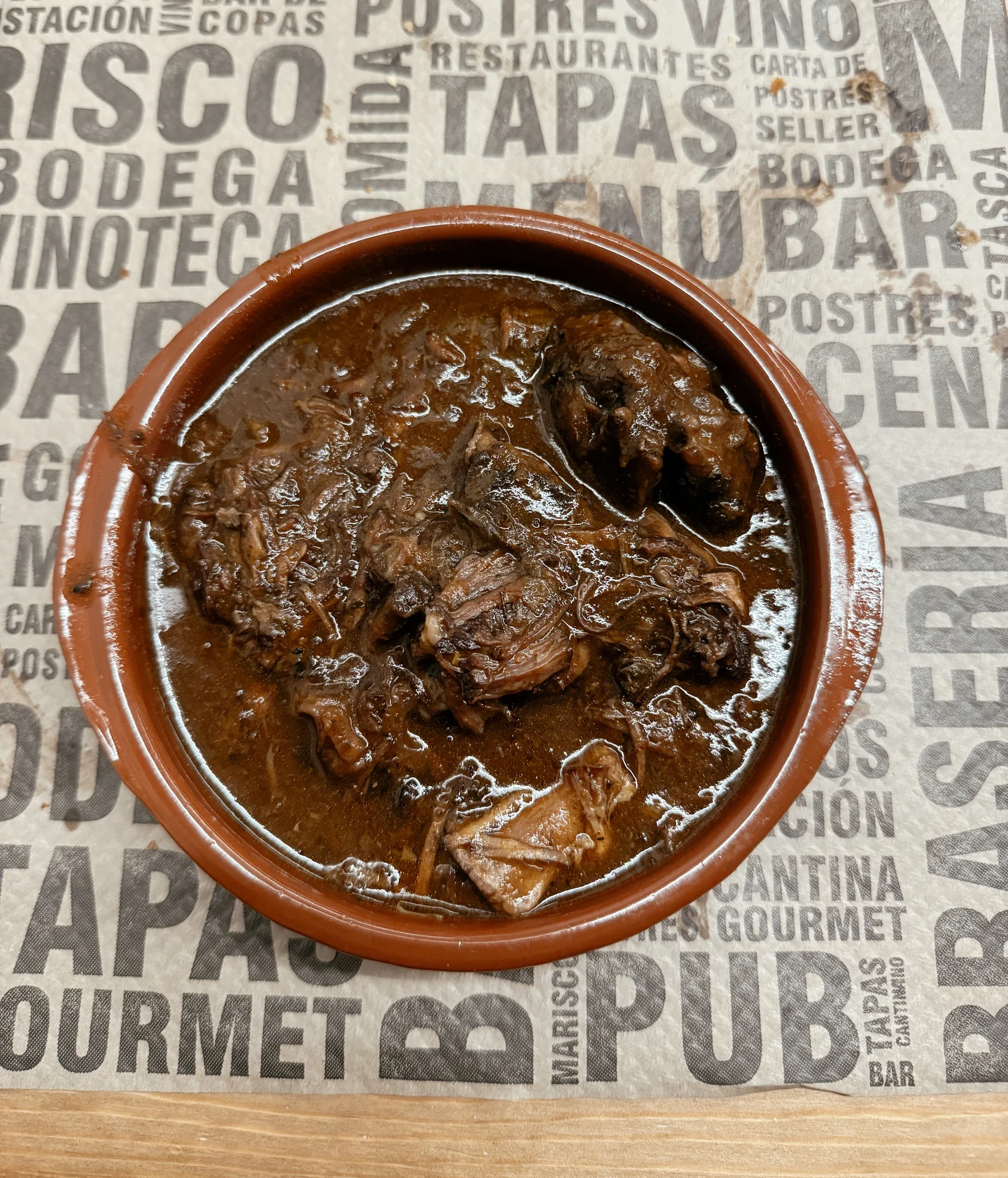
Tierra World Food Bar was hands down one of the culinary highlights of my time in Toledo. This is one of those places you don’t just enjoy—you remember. I ordered the rabo de toro (oxtail), and I can honestly say it was one of the best I’ve ever had. The meat was incredibly tender, slow-cooked to perfection, and packed with deep, rich flavor that lingered long after the last bite. The space itself strikes a really nice balance—modern but still warm and inviting—making it an easy spot to relax after a day of sightseeing. The service was excellent without feeling formal, and the wine selection was thoughtfully curated, pairing beautifully with the food.
This is the kind of restaurant that makes you pause mid-meal and think, wow. I’d genuinely return to Toledo just to eat here again. If you’re looking for a memorable dining experience that blends comfort, quality, and creativity, Tierra World Food Bar is a must.
Taberna Skala
Taberna Skala is one of those classic, no-frills spots that instantly makes you feel like you’ve found something local and authentic. Warm, lively, and unapologetically traditional, it’s the kind of place where conversations spill across tables and plates are meant to be shared. The menu leans into Castilian comfort food and tapas done right—simple, hearty, and full of flavor. It’s an easy place to pop in for a casual lunch or an evening of small plates and wine, especially if you want to experience Toledo the way locals do. Nothing feels rushed here, and that’s part of the charm.
If you’re craving an unpretentious, welcoming atmosphere with honest food and a buzzing local vibe, Taberna Skala is a great stop to add to your Toledo itinerary.
El Rey Toledano
El Rey Toledano is one of those timeless, old-school taverns that instantly feels rooted in Toledo’s everyday life. Stepping inside, it feels warm, familiar, and wonderfully local—the kind of place where generations have gathered for simple food and good conversation. The menu focuses on traditional Castilian dishes and classic tapas, served without fuss and full of flavor. It’s an ideal stop if you want something hearty and authentic, whether that’s a relaxed lunch or an easy dinner after a day of sightseeing. The atmosphere is lively but comfortable, and it’s easy to see why locals keep coming back.
If you’re looking for a place that reflects Toledo as it truly is—unpretentious, welcoming, and deeply traditional—El Rey Toledano is a solid choice that delivers exactly that.
Taberna El Botero
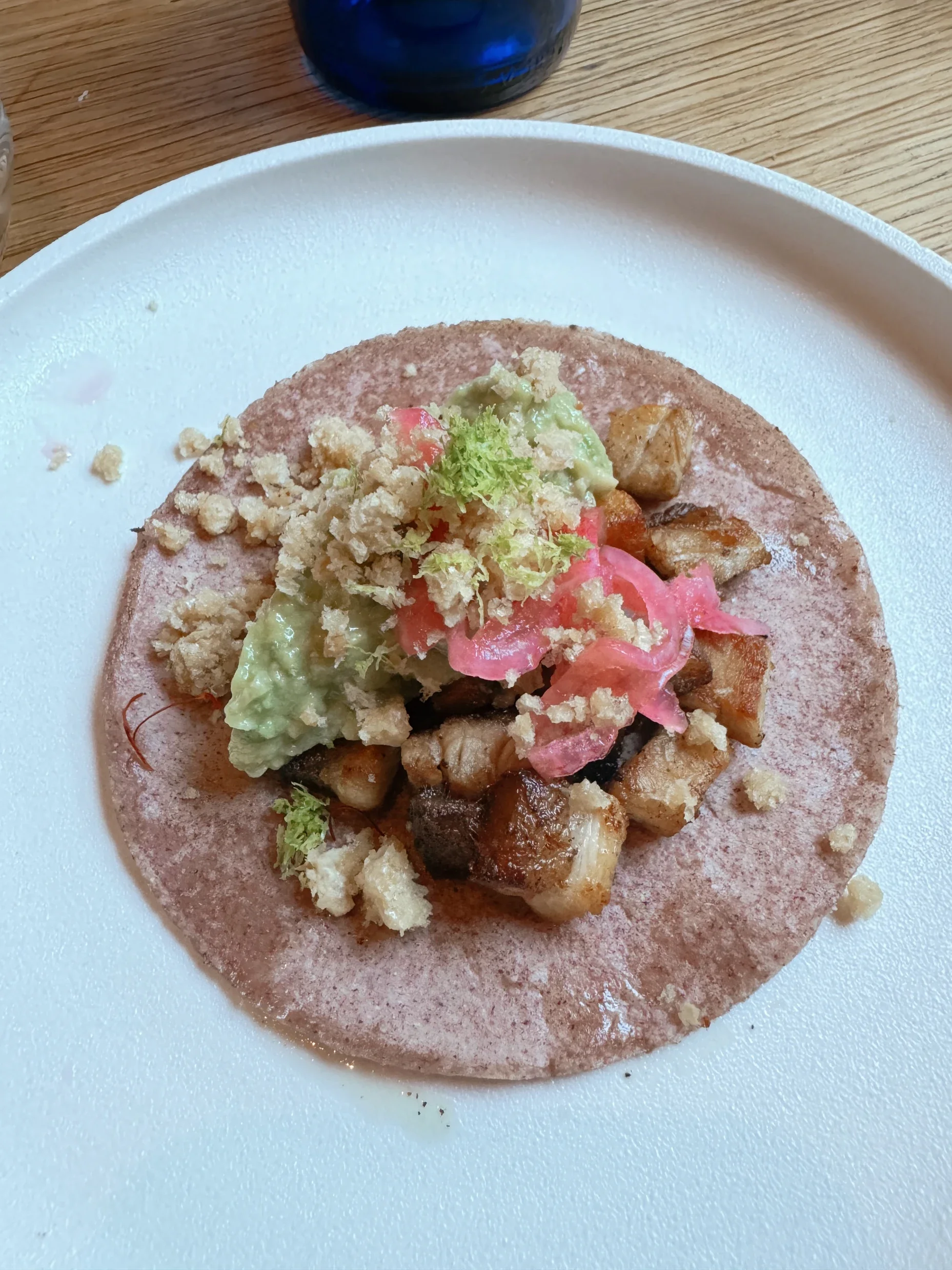
Taberna El Botero is a great spot if you’re craving something a little more modern while still staying rooted in local flavors. The atmosphere is lively and social, with a stylish yet relaxed vibe that makes it perfect for sharing plates and lingering over a glass of wine. The menu leans creative, offering contemporary takes on Spanish classics alongside well-executed tapas. It’s the kind of place where everything feels thoughtfully prepared, from the presentation to the balance of flavors. Whether you stop in for a casual meal or a night of small plates with friends, it’s easy to settle in and enjoy yourself here.
If you’re looking to mix traditional Toledo with a fresh, modern energy, Taberna El Botero is a solid addition to your food list—approachable, flavorful, and full of personality.
El Asadero
El Asadero is a fantastic choice if you’re craving classic Castilian cooking done the traditional way. This is a place that takes pride in simplicity and quality, especially when it comes to grilled and roasted meats. The menu centers around hearty favorites—perfectly cooked cuts of meat, rich flavors, and generous portions that feel deeply satisfying after a day of walking Toledo’s hills. Everything is prepared with care, letting the ingredients shine without overcomplicating things. It’s the kind of food that feels grounding and comforting, especially in cooler months.
The atmosphere is warm and unfussy, making it an easy spot for a relaxed lunch or dinner. If you’re looking for honest, traditional Spanish fare in a welcoming setting, El Asadero is a great place to experience Toledo’s culinary roots.
Barrio
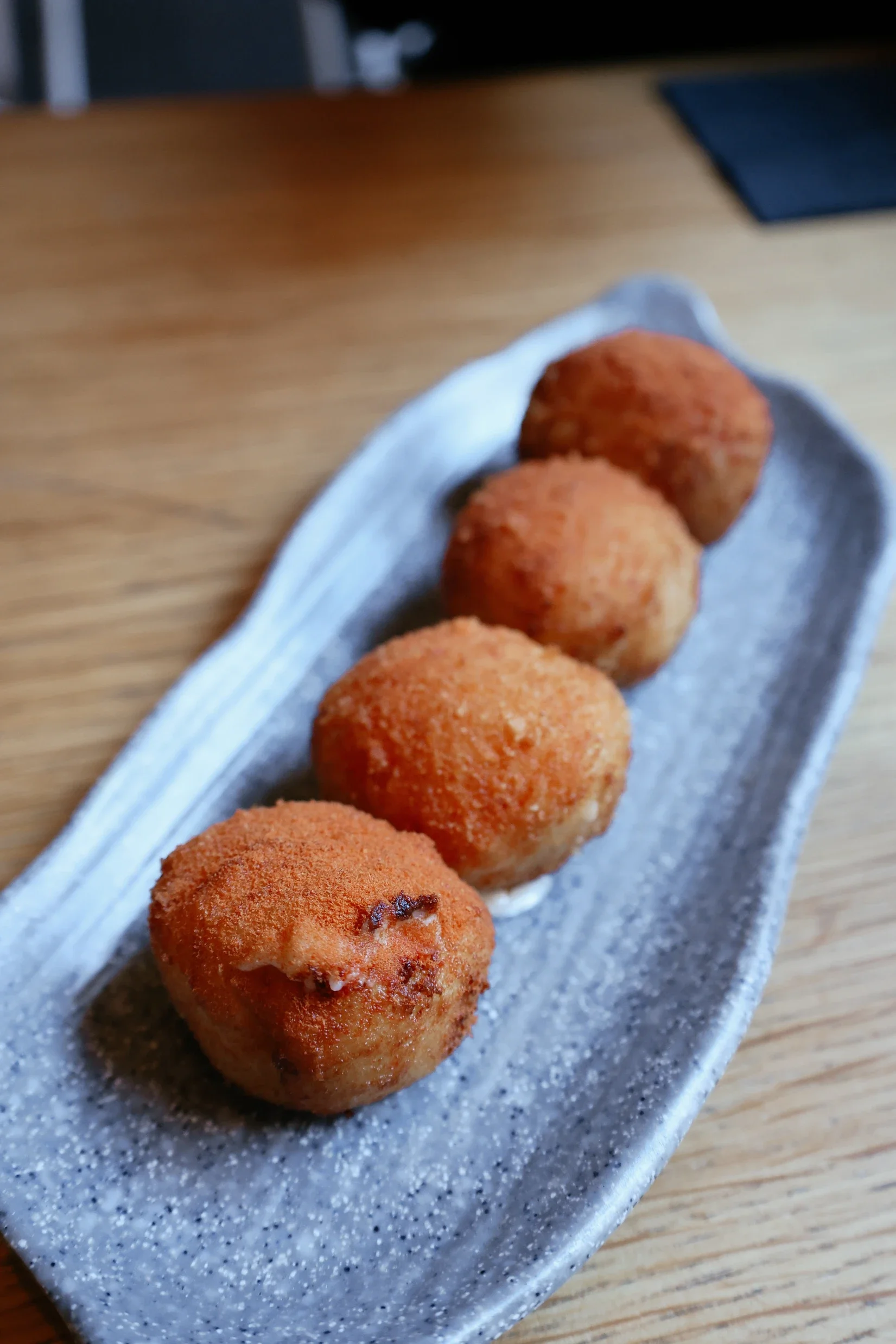
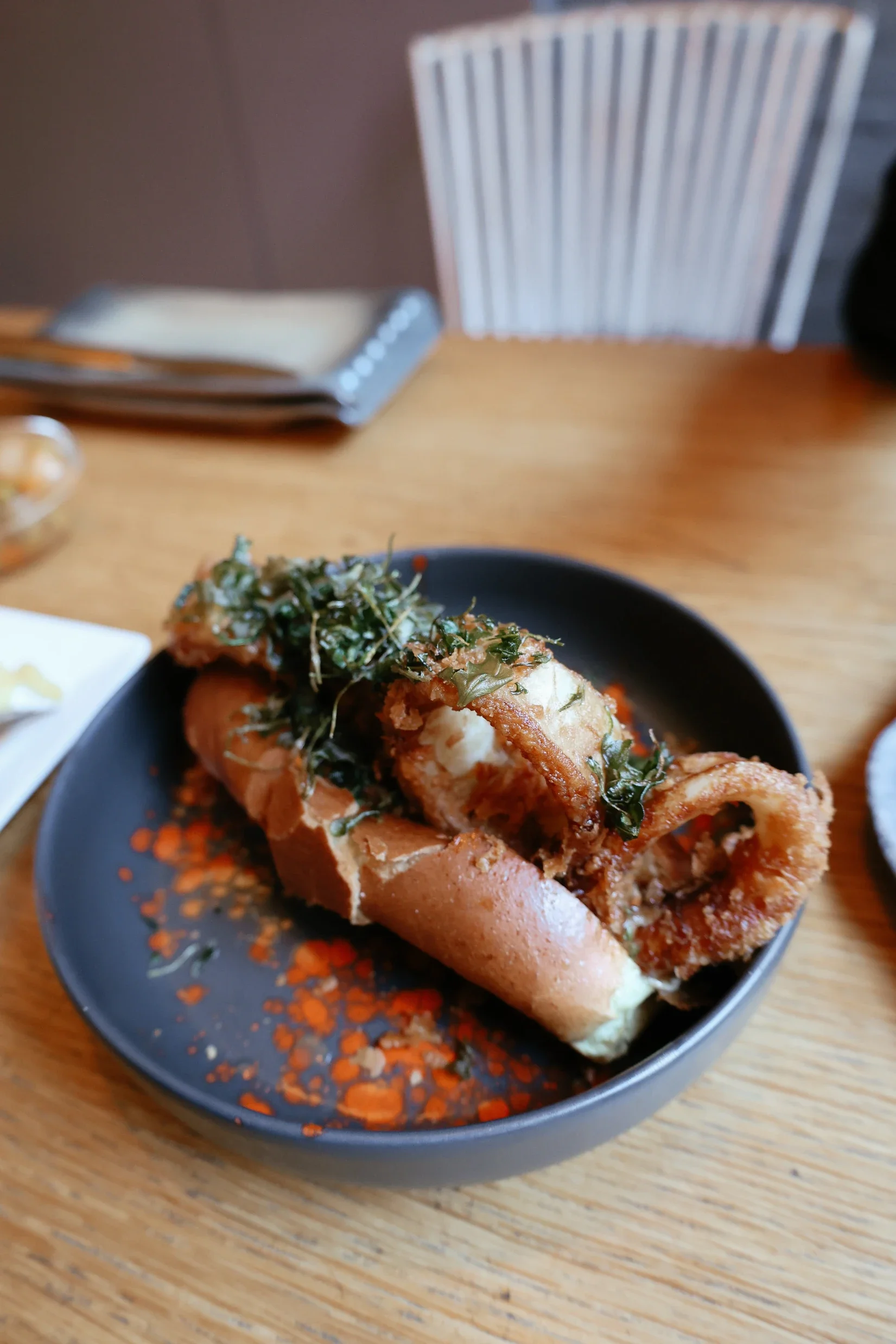
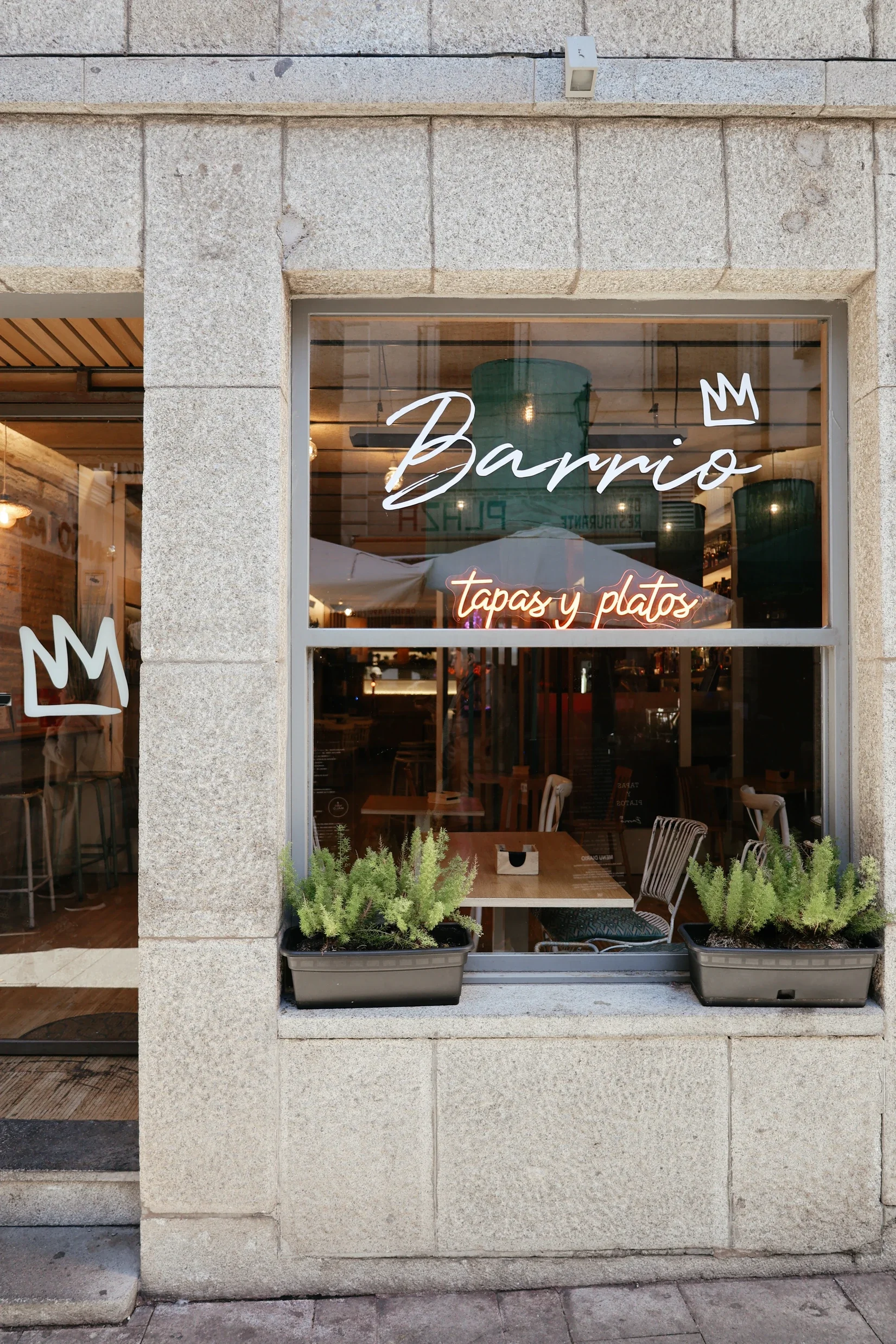
Barrio was such a fun and memorable stop on my Toledo food crawl. This place puts a creative, modern spin on classic Spanish flavors—and does it really well. The energy inside is lively and upbeat, with a stylish interior that feels contemporary without being pretentious. I ordered the brioche de calamares, and it completely lived up to the hype. The brioche was soft and buttery, perfectly balancing the crispy calamari inside. I also tried the croqueta de jamón ibérico, which was everything you want a croquette to be—golden on the outside, impossibly creamy inside, and packed with rich, savory flavor.
Barrio feels like the kind of place locals go to meet friends, share plates, and linger over good food and conversation. It’s casual but polished, buzzing without being overwhelming, and ideal for a relaxed lunch or dinner. If you’re craving inventive tapas in a vibrant setting, Barrio is absolutely worth adding to your list.

Where to Stay in Toledo, Spain
Parador de Toledo
Perched on a hill with sweeping views of the Tagus River and the city below, Parador de Toledo is the quintessential luxury stay in Toledo. Set in a former 16th-century convent next to the Monastery of San Juan de los Reyes, it blends historic character with elegant comfort. The panoramic terraces, refined rooms, and exceptional service make it a dreamy base for exploring the city.
Eurostars Palacio Buenavista
Located just outside the old town in serene surroundings, Eurostars Palacio Buenavista offers a truly indulgent escape. Housed in a beautifully restored palace, it balances classic architecture with modern luxury. Spacious rooms, a peaceful garden, and an excellent on-site restaurant make this a perfect spot if you want tranquility without sacrificing style.
Cigarral El Bosque
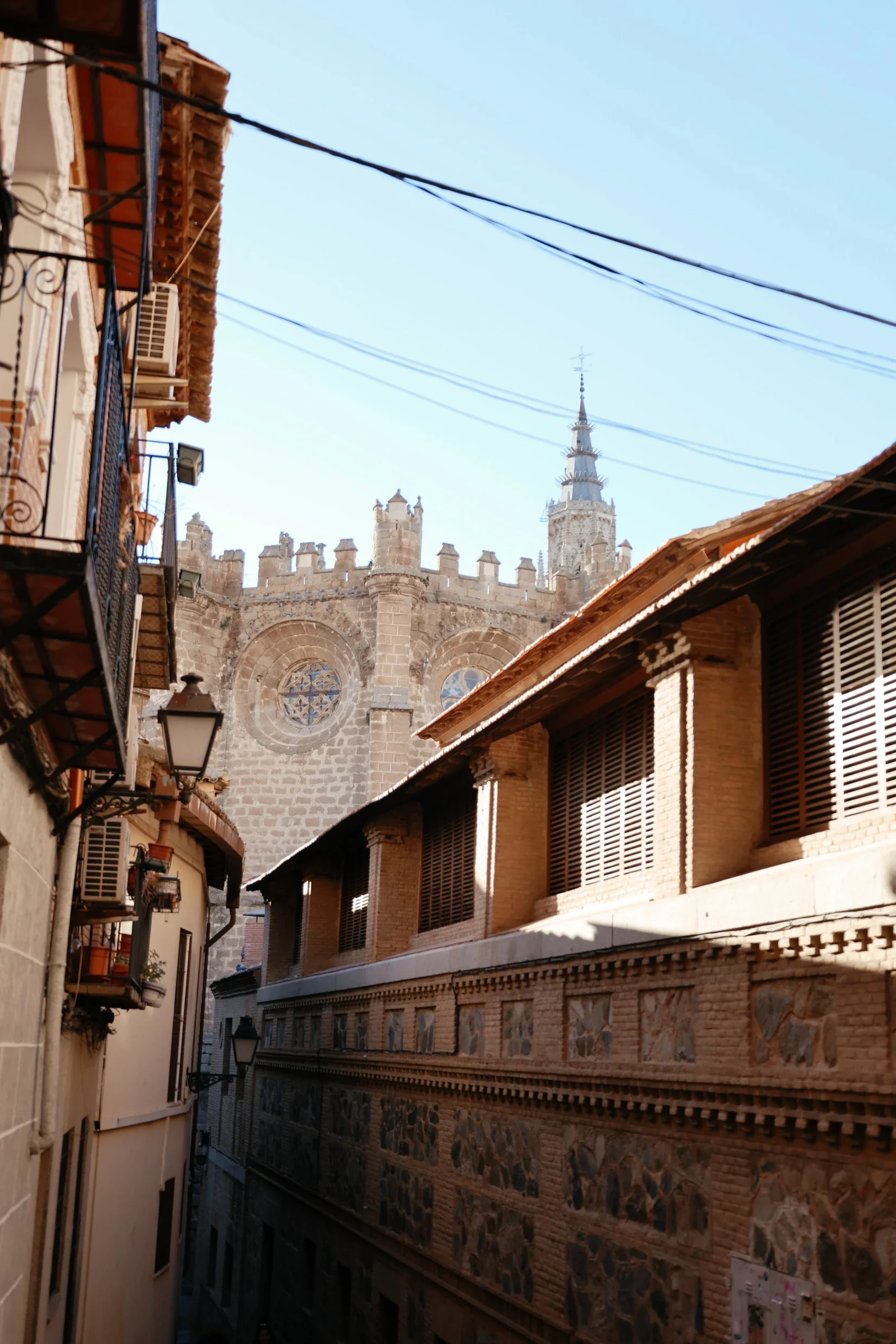
For a luxury stay with a view that rivals any postcard, Cigarral El Bosque is a standout. This estate-style property sits on the slopes overlooking Toledo, offering magnificent vistas of the historic skyline. The elegant rooms, lush grounds, and private, tranquil setting make it feel like your own slice of paradise just minutes from the city’s heart.
Eurostars Toledo
Housed within medieval walls near the Puerta de Bisagra, Eurostars Toledo combines historic charm with contemporary comfort. Beautifully designed rooms, refined service, and a location that puts you right at the doorstep of Toledo’s most important sites make it a great luxury choice for first-time visitors.
Best Time to Visit Toledo, Spain
The best time to visit Toledo is generally during spring (March–May) and fall (September–November). During these months, the weather is mild and comfortable—perfect for walking Toledo’s hilly streets, exploring outdoor landmarks, and lingering in plazas without the extremes of summer heat or winter cold.
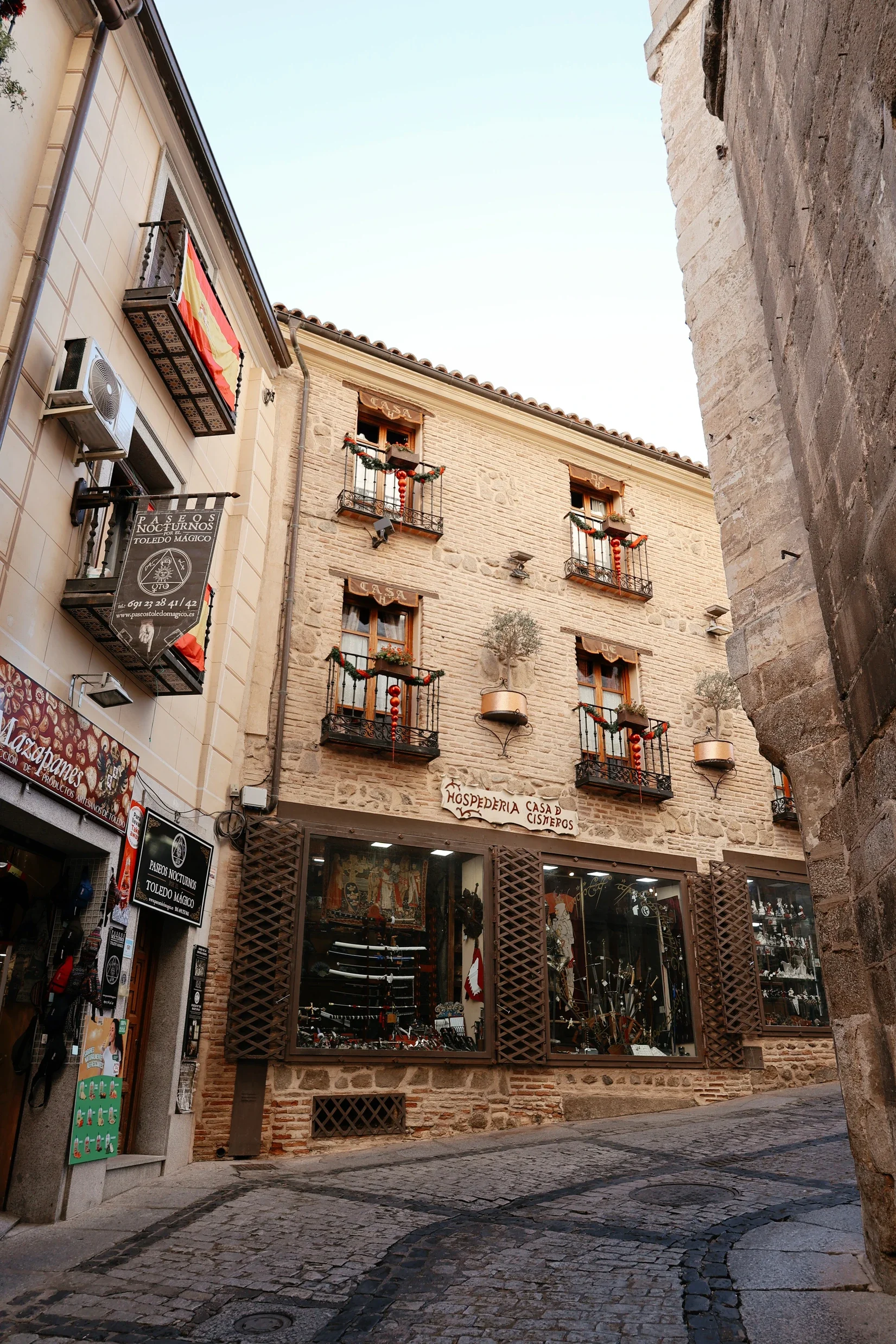
That said, I visited Toledo in December, and it completely surprised me in the best way. The city felt especially atmospheric, with festive lights softening the medieval streets and adding an extra layer of charm to its already dramatic setting. The air was crisp but manageable, and I loved being able to explore without crowds, moving at a slower, more intentional pace.
Summer (June–August) can be quite hot, especially midday, and it’s also the busiest season. If you visit during this time, early mornings and evenings are your best bet. Winter is quieter and cooler, but if you don’t mind layering up, it offers a more intimate and peaceful experience.
My take: If you want ideal weather, aim for spring or fall. But if you love festive energy, fewer crowds, and cozy winter vibes, December in Toledo is unexpectedly magical.
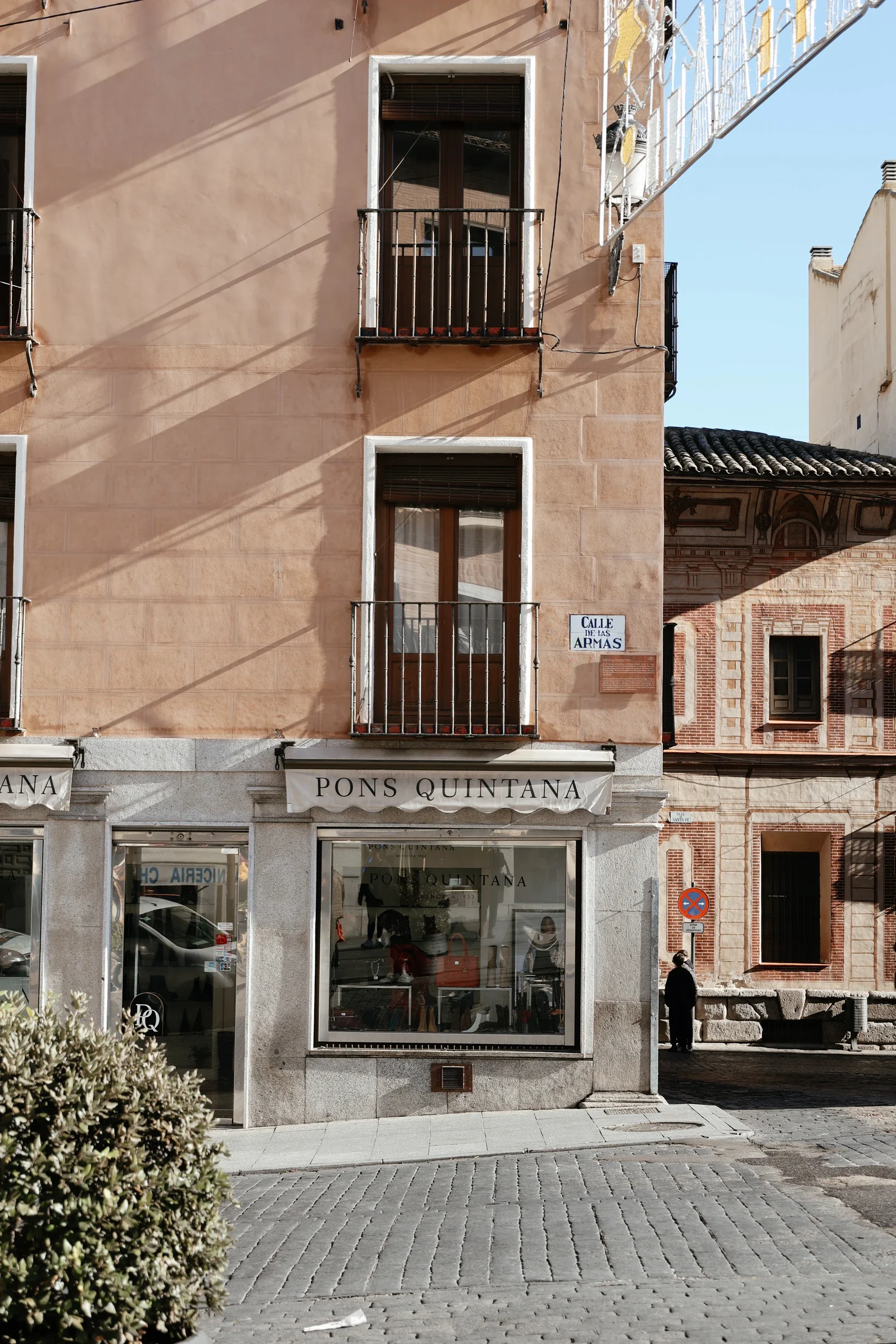
Toledo is the kind of city that stays with you long after you’ve left its winding streets behind. There’s something deeply moving about standing in a place where centuries of history, culture, and coexistence still feel alive in the stones beneath your feet. From grand monuments and quiet cloisters to unforgettable meals and golden views over the Tagus River, Toledo invites you to slow down and truly experience it.
#toledo #spain #toledospain #visitspain #visittoledo #travel #travelphotography #travelgram #travelguide #travelholic #traveltheworld #traveler #traveltoexplore #travelon #traveldestination #traveldiaries #travelblogger #traveltheworld #traveler #traveladdict #traveldestinations #travellover #womenwhotravel #womenwhoexplore