I have to admit—Burgos wasn’t even on my radar before our recent trip through northern Spain. But in a spontaneous, why not? moment, we decided to explore somewhere new. And honestly, that’s one of my favorite parts of traveling: leaning into the unknown and seeing where it takes you. I’m so glad we did, because Burgos ended up being one of the biggest surprises of the trip.
Tucked into Burgos, this historic city is full of quiet beauty, layered history, and a warmth that instantly draws you in. From its breathtaking Gothic cathedral to its understated but deeply satisfying food scene, Burgos has a way of charming you without trying too hard. It’s authentic, walkable, and rich in stories at every turn.
This guide covers everything you need to know to plan your visit—how to get there, what to see, where to eat, where to stay, and the best time to go—so you can experience Burgos the same way I did: open-minded, curious, and pleasantly surprised.
Getting to Burgos, Spain
Reaching Burgos is easier than you might expect, and the journey itself can be part of the experience—especially if you enjoy watching the Spanish landscape unfold along the way.
I personally drove from Bilbao, and renting a car turned out to be a great decision. The drive is about 93 miles (150 km) and took us roughly 1.5 to 2 hours, depending on traffic. The route winds through beautiful countryside, making it a relaxed and scenic introduction to northern Spain. If you like flexibility and spontaneous stops, this is a fantastic option. Car rentals are easy to arrange through companies like Avis, Hertz, or Europcar.
If you’d rather not drive, buses are a solid and affordable alternative. Burgos is well connected to major cities, including Madrid, with journeys taking around four hours. ALSA operates comfortable routes with reliable schedules, and the ride offers a laid-back way to enjoy the scenery without worrying about directions.
Trains are another excellent option, especially if you prefer a smoother, more relaxed journey. Renfe runs high-speed AVE trains connecting Burgos with cities like Madrid and Bilbao. The trip from Madrid takes about 2.5 hours and is both comfortable and efficient, with wide seats and views of the countryside rolling past your window.
While Burgos doesn’t have a major international airport, you can fly into nearby airports such as Burgos Airport (RGS) or Vitoria-Gasteiz, which is about a 1.5-hour drive away. From there, renting a car or hopping on a bus will get you into the city with ease.
No matter how you choose to arrive, getting to Burgos is straightforward—and once you’re there, the city’s quiet beauty and rich history make every mile worth it.
Things to Do in Burgos, Spain
Burgos Cathedral
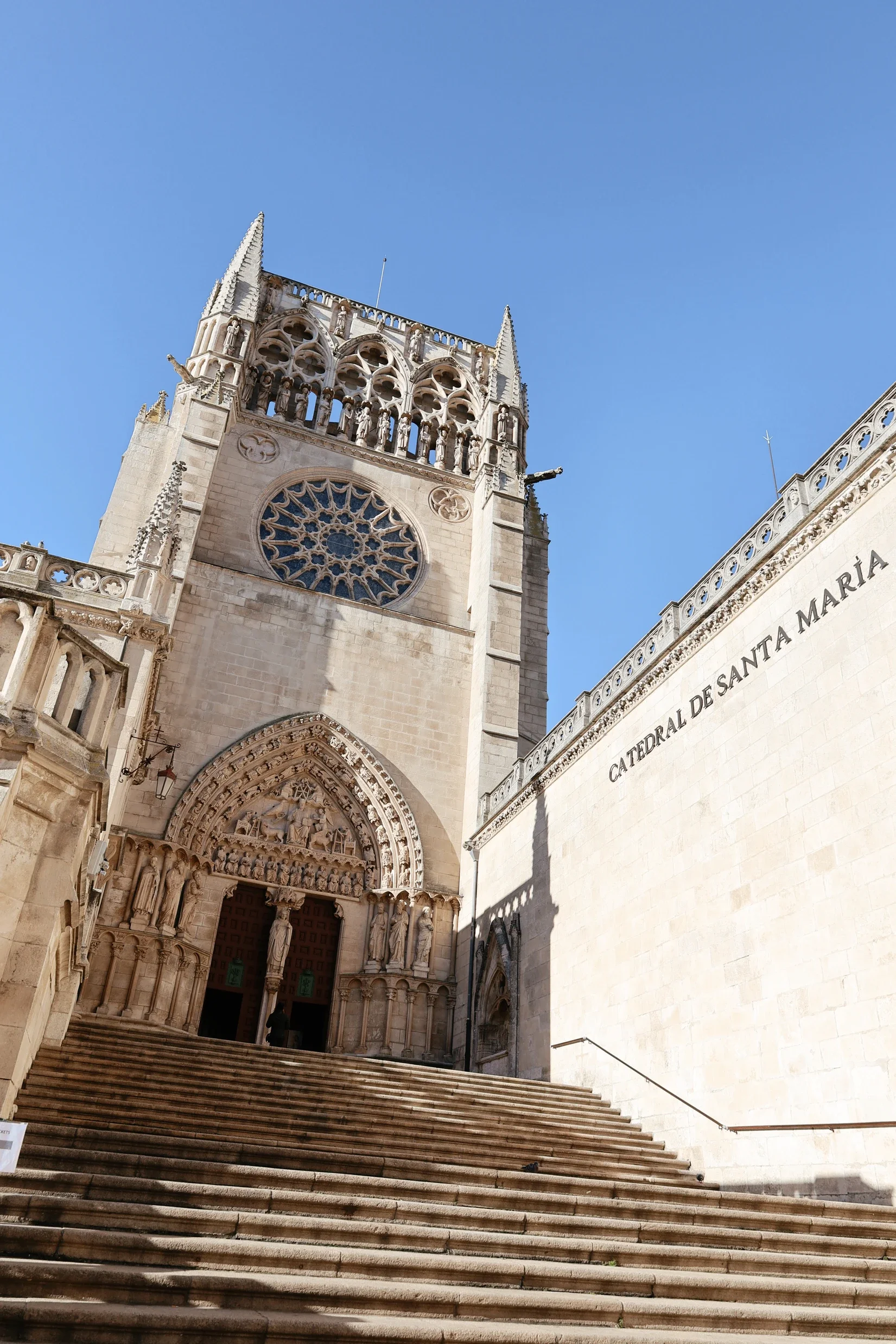
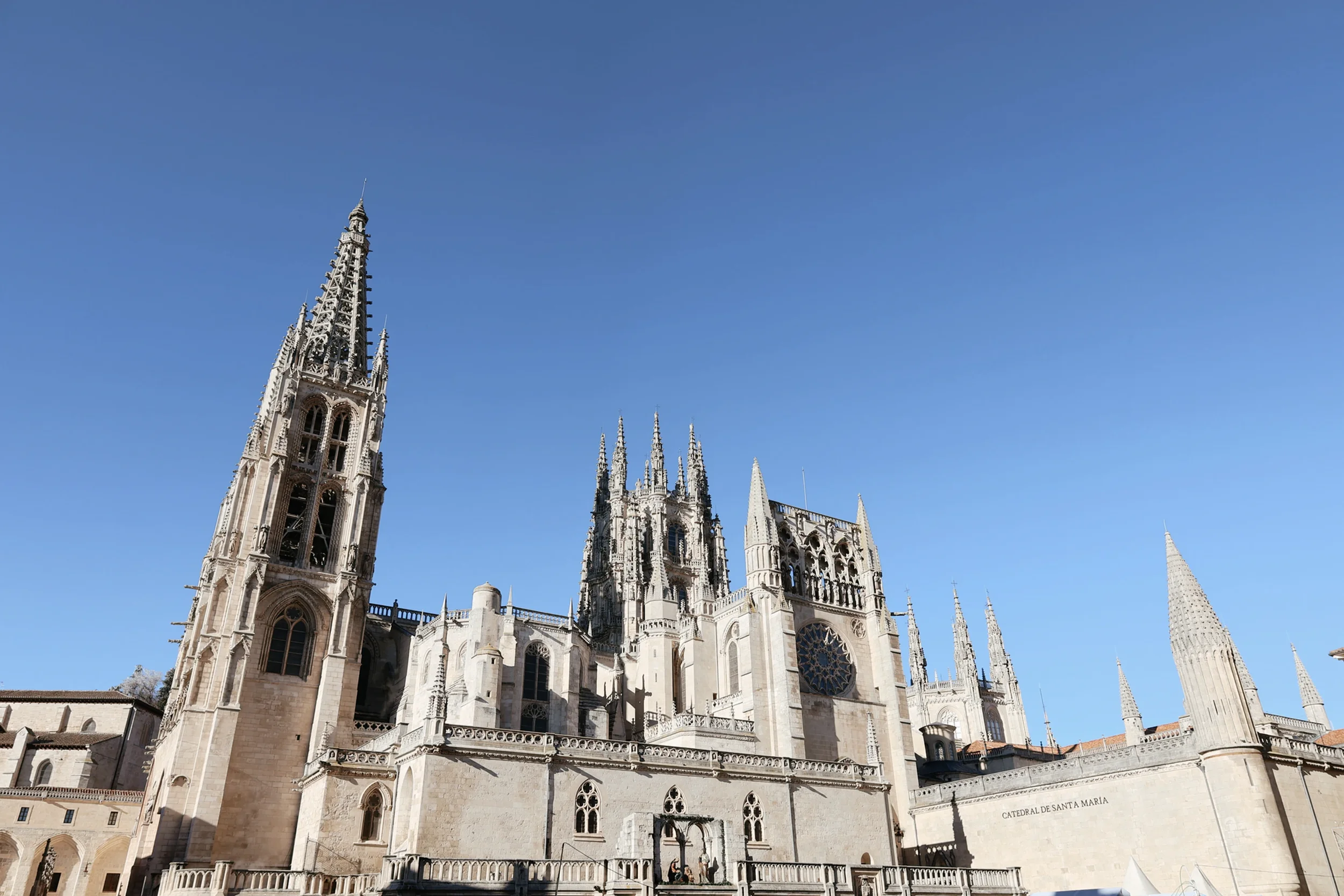
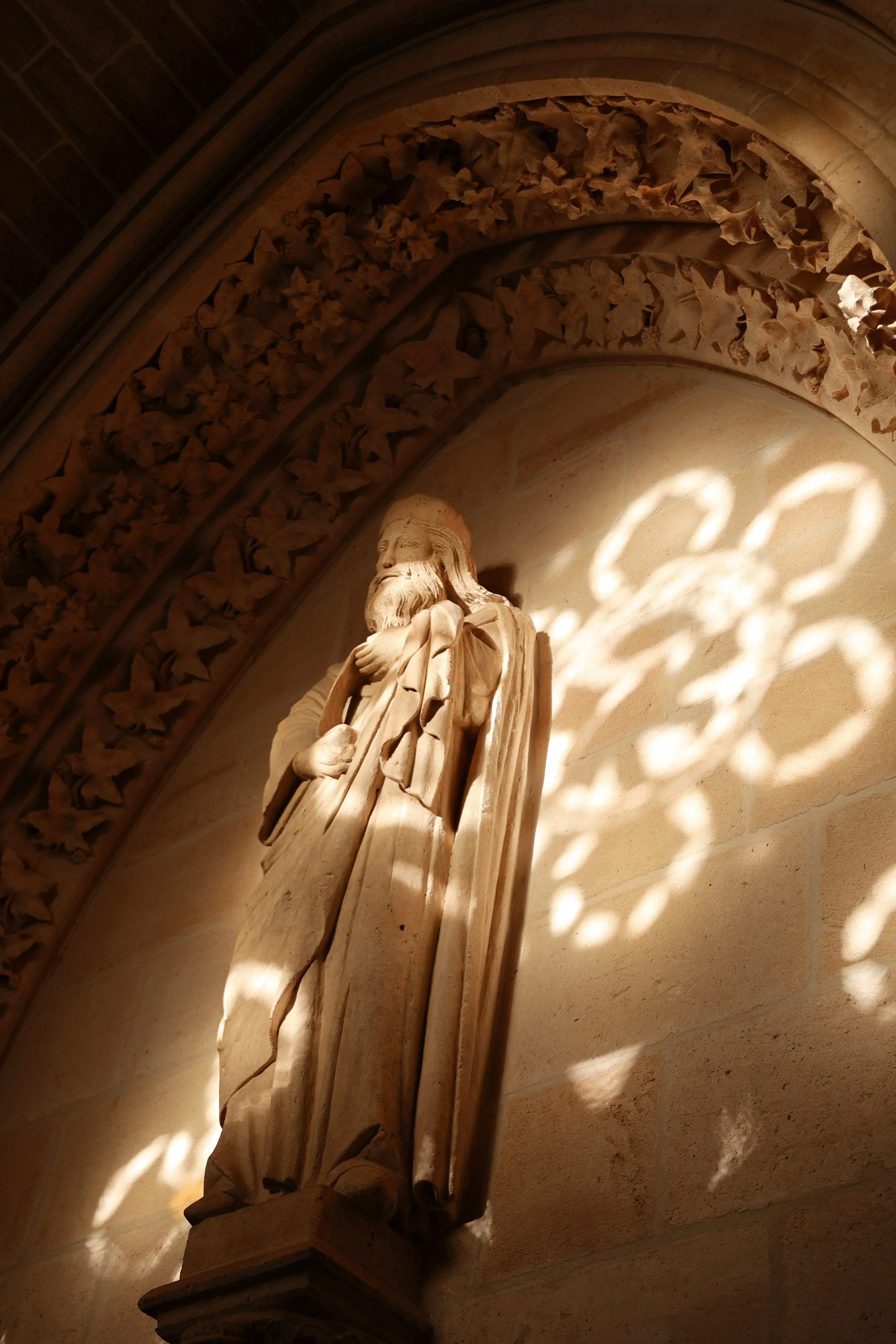
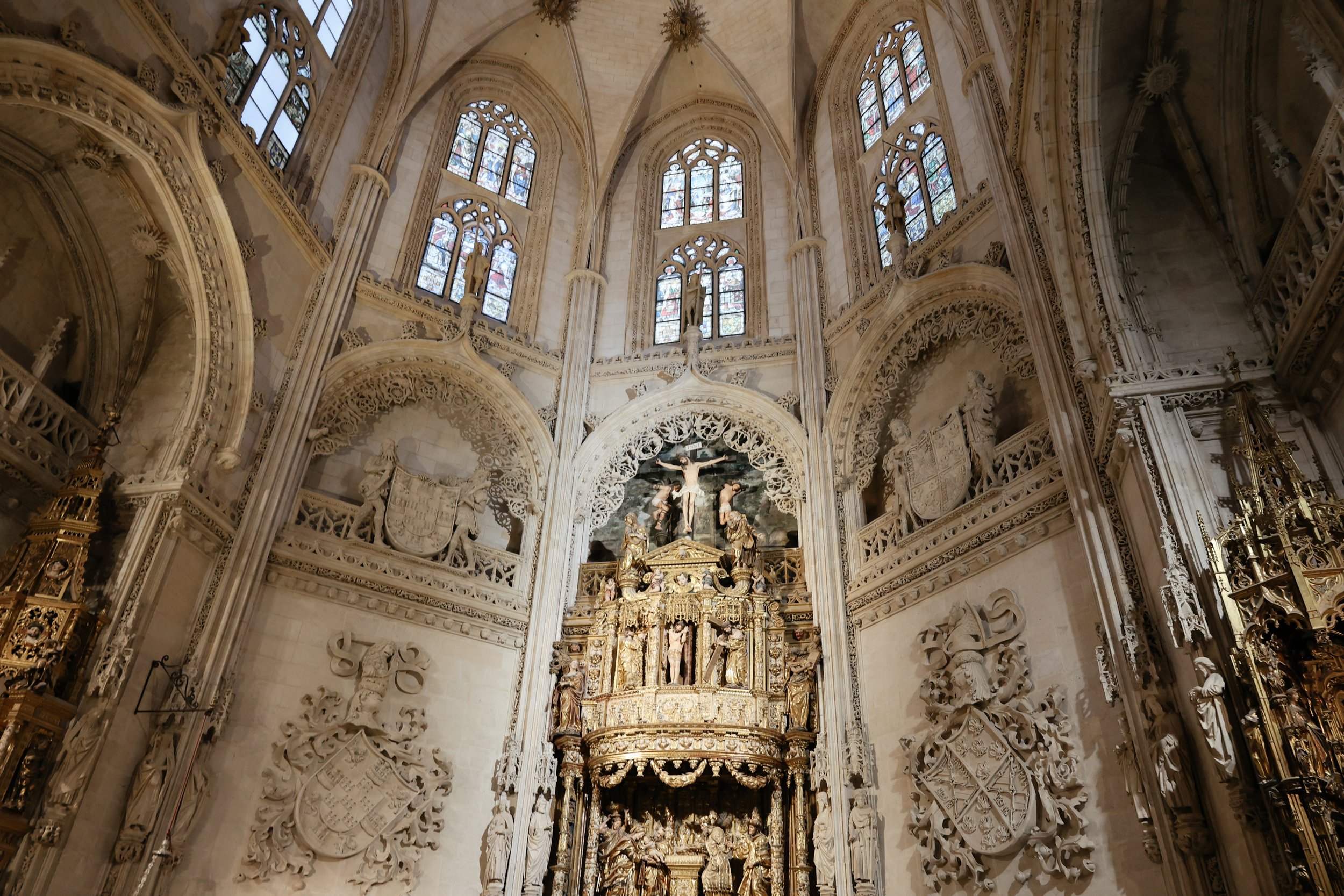
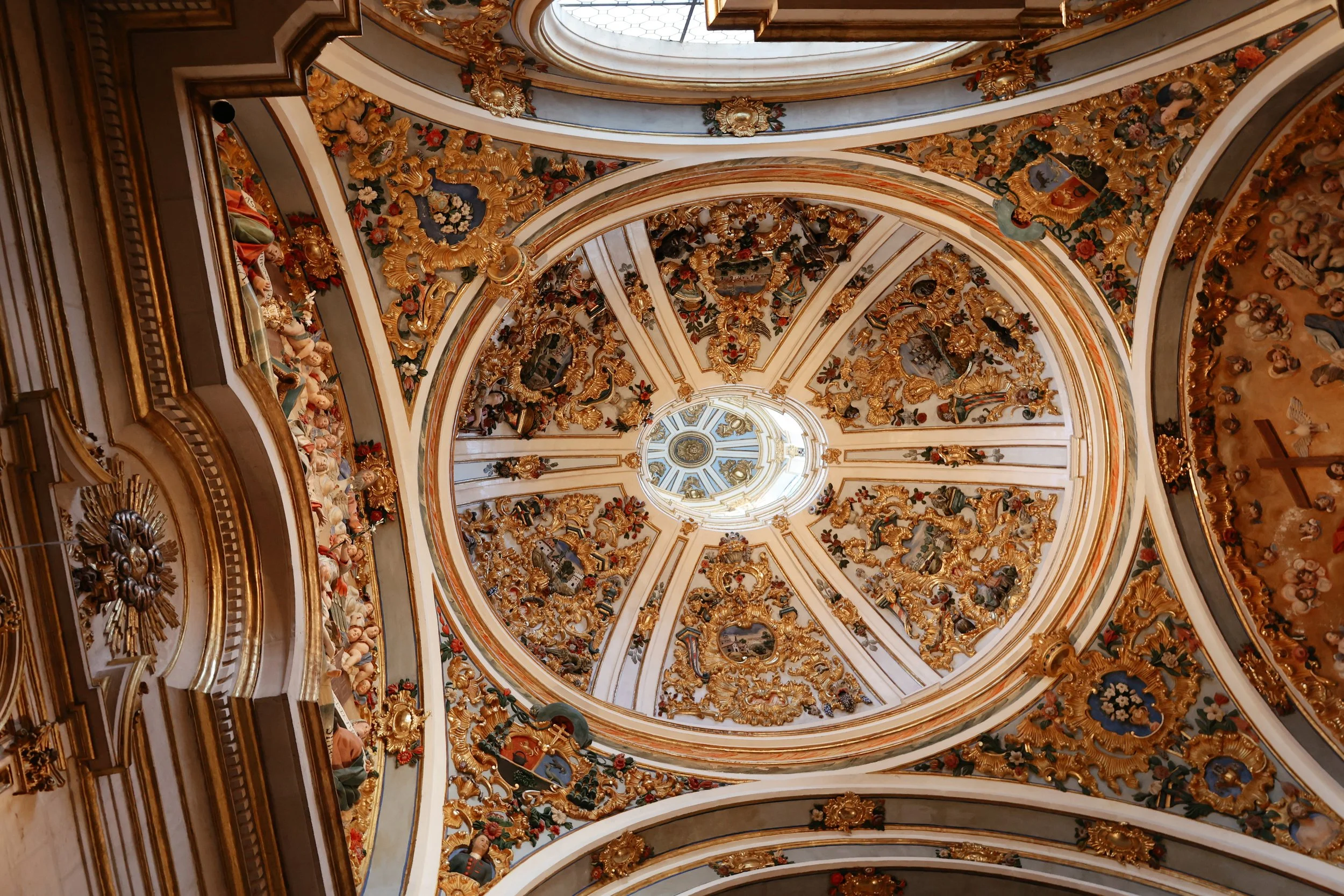
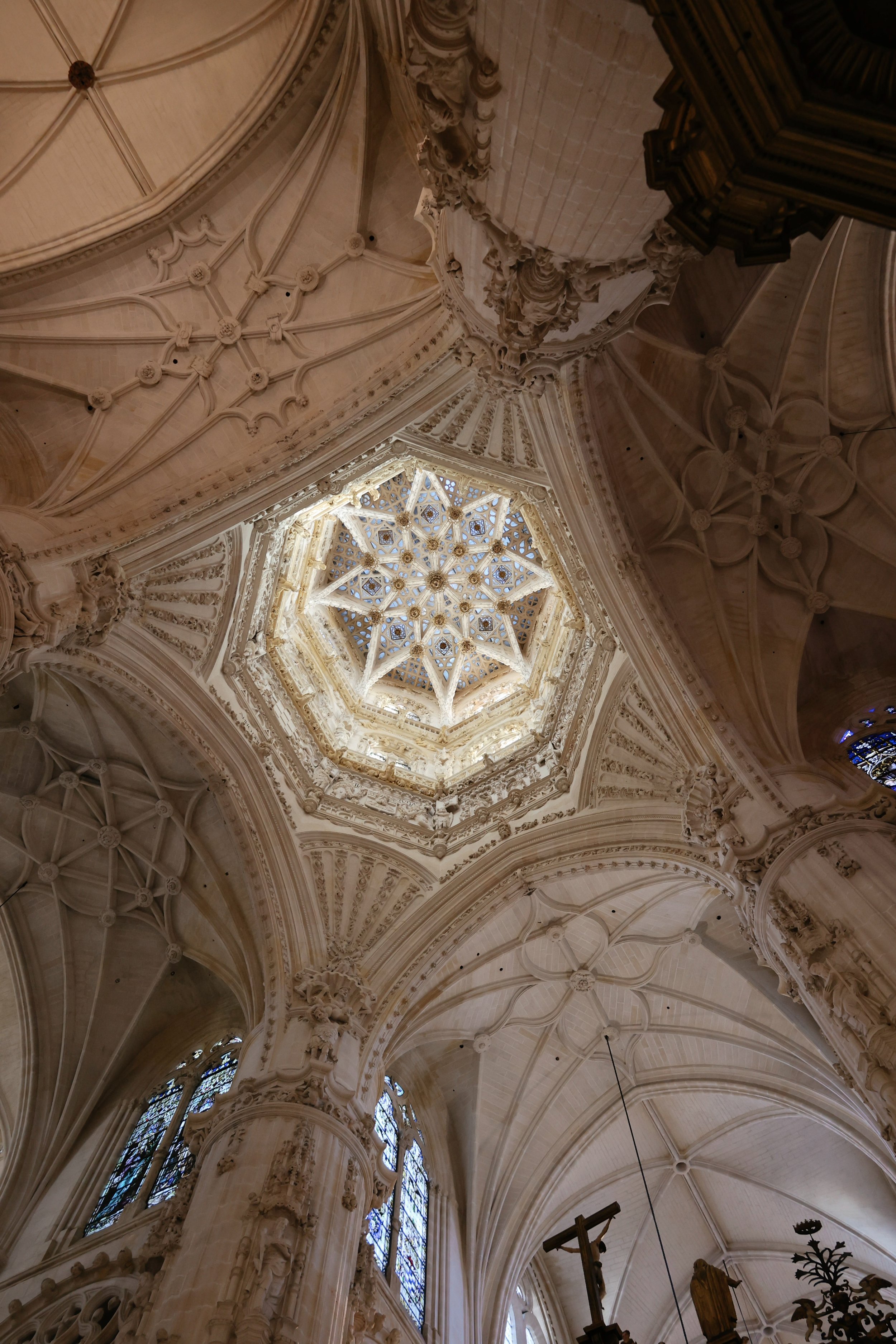
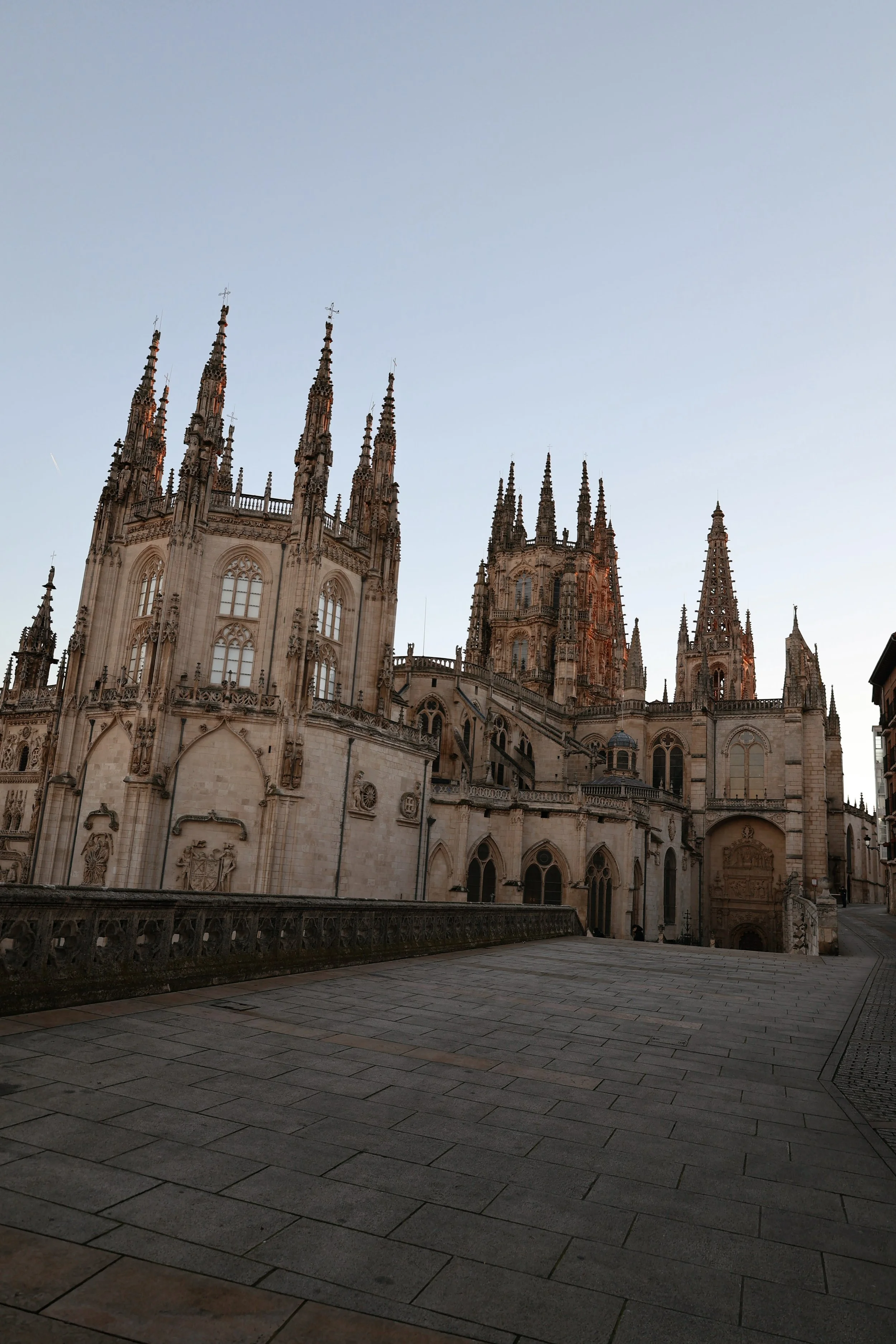
A visit to Burgos Cathedral is absolutely essential—it’s the soul of the city and one of the most breathtaking Gothic cathedrals in all of Spain. Construction began in 1221, and over the centuries it was expanded and refined, resulting in the stunning masterpiece you see today.
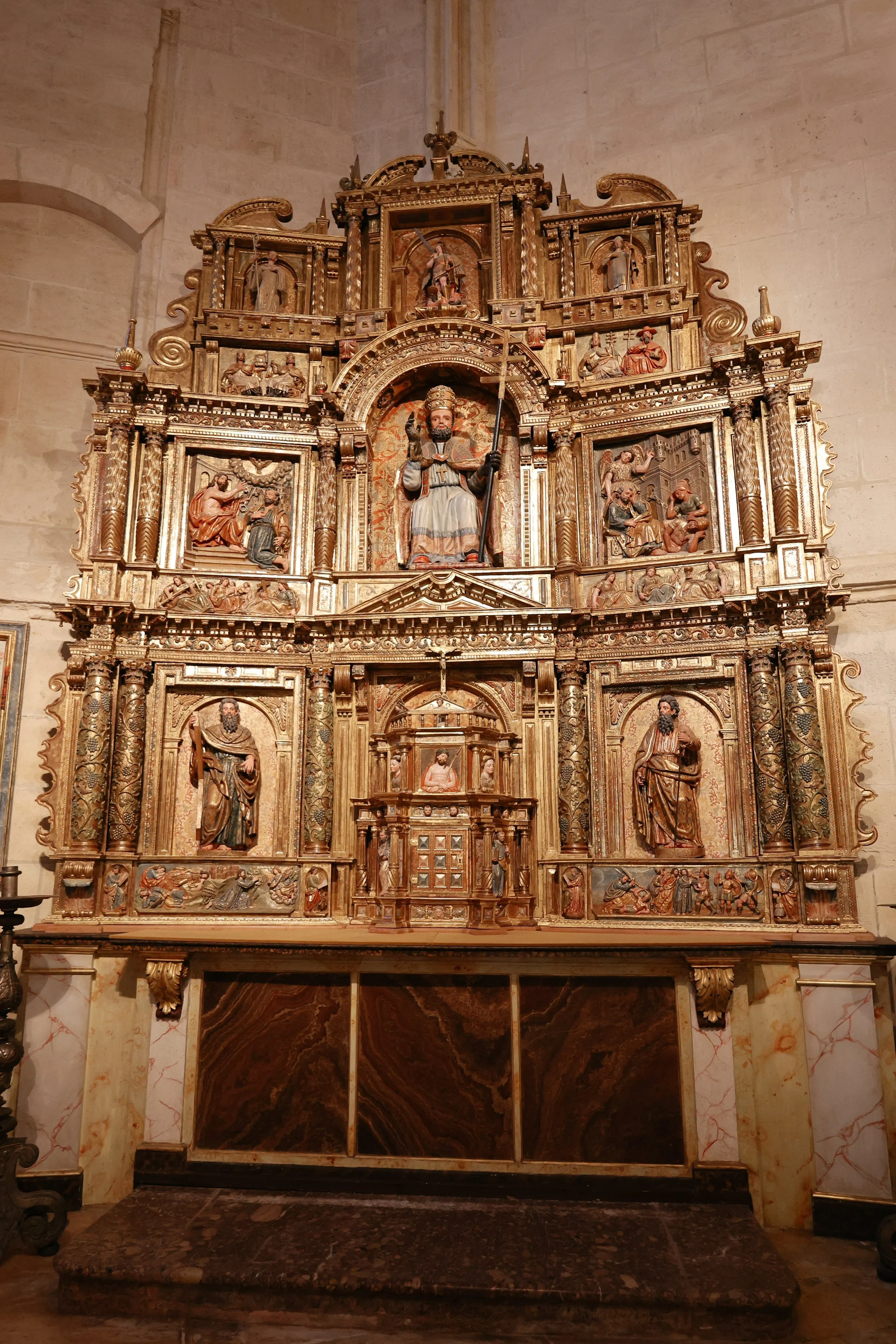
Walking inside, I was immediately struck by the scale and detail. The Golden Staircase is a showstopper, an ornate Renaissance feature that feels almost impossibly elegant. The Chapel of the Constable is another highlight—lavish, dramatic, and full of symbolism. There’s also a powerful sense of history knowing that El Cid and Jimena are laid to rest here, tying the cathedral directly to Spain’s legendary past.
One detail you absolutely can’t miss is the Papamoscas—a quirky mechanical figure that rings a bell and opens and closes its mouth on the hour. It’s charming, unexpected, and somehow makes this grand space feel a little more human.
The cathedral is not just beautiful; it’s deeply atmospheric. I found myself slowing down, looking up, and taking it all in. It’s no surprise this cathedral is considered one of Spain’s finest—Burgos Cathedral is a true masterpiece and a moment you won’t forget.
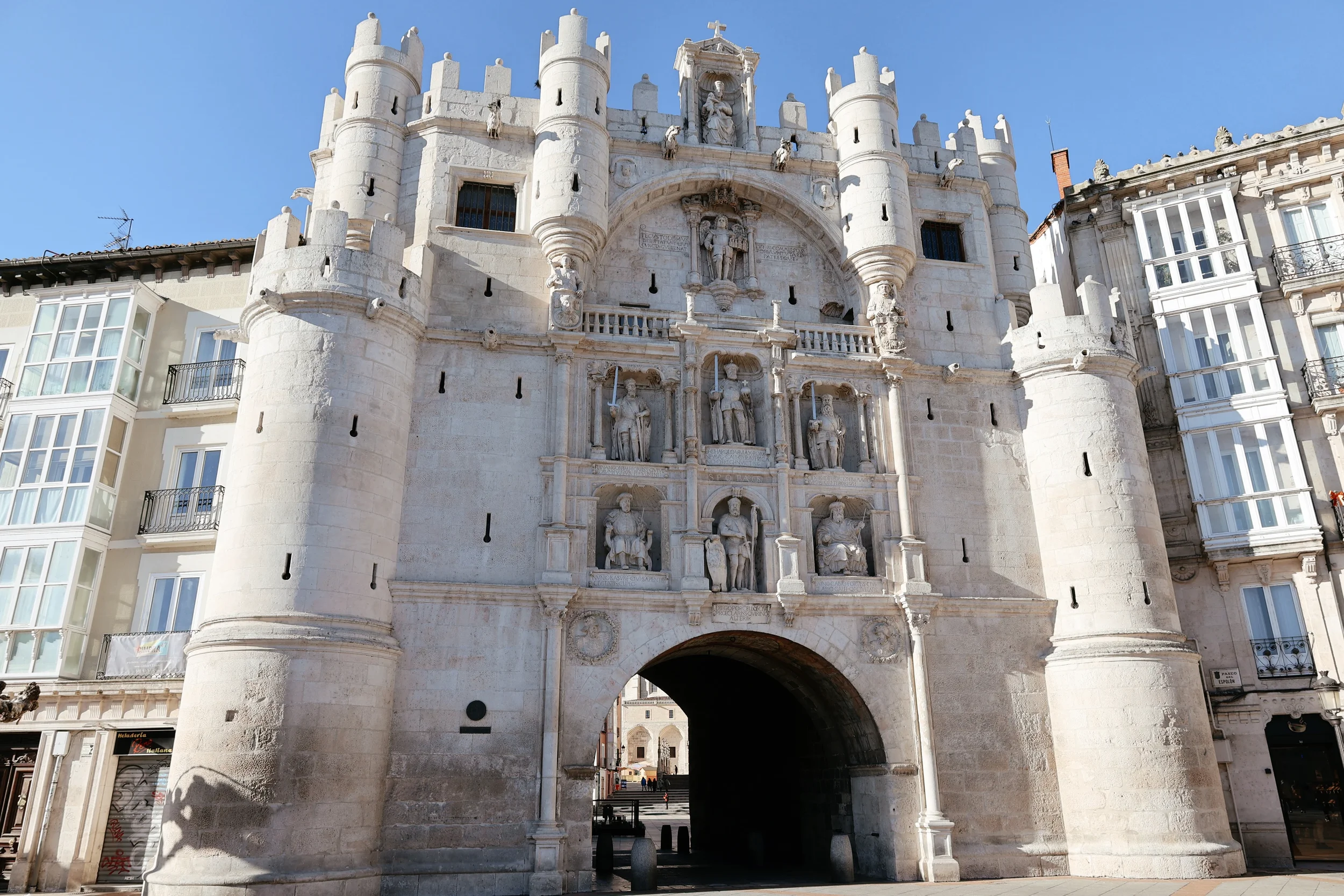
Gate of Santa María
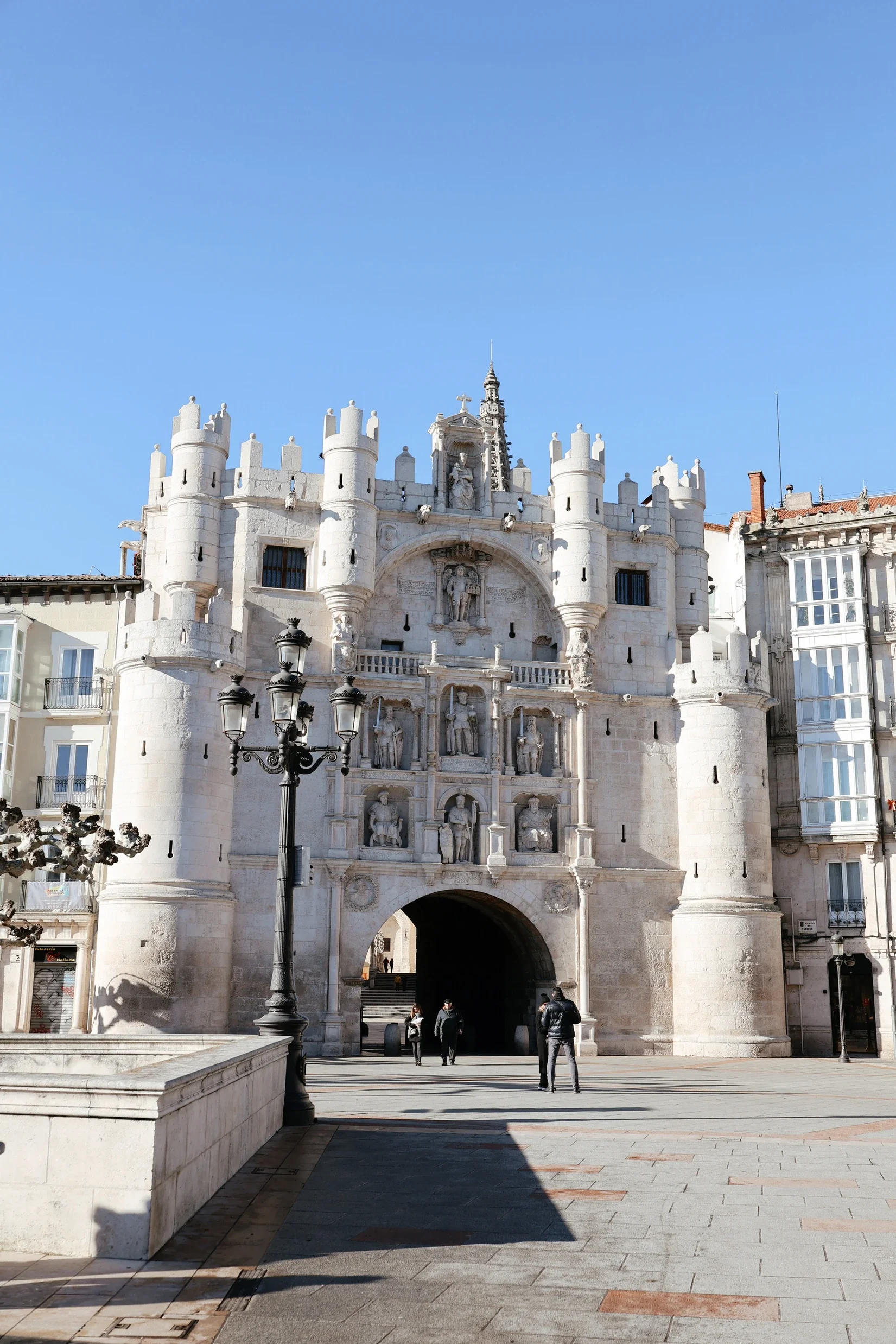
One of my favorite landmarks in Burgos was the Gate of Santa María. Standing just steps from the cathedral, this grand gate was built in honor of Emperor Charles V and once served as the main entrance to the old walled city. It’s impossible not to pause when you approach—it’s dramatic, ornate, and full of presence. What really caught my eye were the intricate statues of kings and nobles carved into the façade, each one adding to the gate’s regal character. Right beside it is the Bridge of Santa María, which stretches across the Arlanzón River and creates a beautiful approach into the historic center.
Walking beneath the gate felt like crossing a threshold in time. The moment you pass through, the energy shifts and Burgos’ old town begins to unfold. I was pleasantly surprised to discover that the Gate of Santa María also hosts free exhibitions inside, which we explored and genuinely enjoyed.
It’s fascinating to think that medieval Burgos once had twelve access gates—while only a few remain today, this one is easily the most impressive. If you’re looking for a landmark that blends history, art, and atmosphere, this is a must-see.
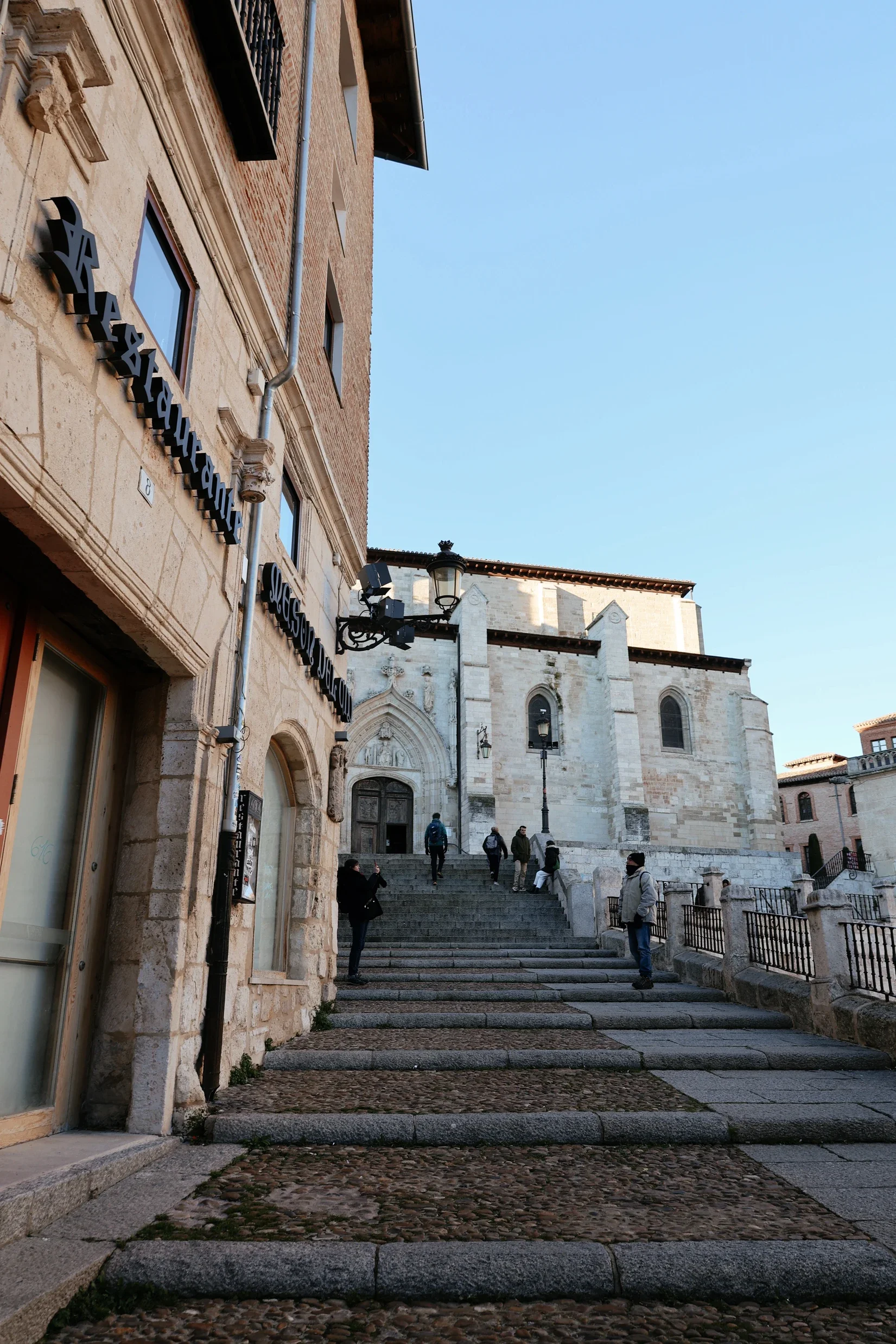
Puente de San Pablo
One of the real highlights of our time in Burgos was walking across the Puente de San Pablo, the iconic bridge that leads straight into Plaza El Cid and the historic old town. Believed to date back to the 13th century, it’s one of Burgos’ twelve historic bridges and feels deeply woven into the city’s story.
As we crossed, the view toward the old town was beautiful, but what really makes this spot memorable is what awaits you at the far end: the striking statue of El Cid. Born in Burgos, El Cid is one of Spain’s most legendary figures—a formidable warrior who went on to rule the Kingdom of Valencia until his death in 1099. Even more fascinating, his wife took over as ruler for three years after his death before eventually being forced to surrender. His story is layered, dramatic, and endlessly compelling.
Standing there, looking at the statue, it’s impossible not to feel the weight of history. If his legacy intrigues you as much as it did me, I highly recommend a short drive to Vivar, just a few miles away. The town is dedicated to El Cid and offers a deeper dive into the life of one of Spain’s most iconic—and complex—figures.
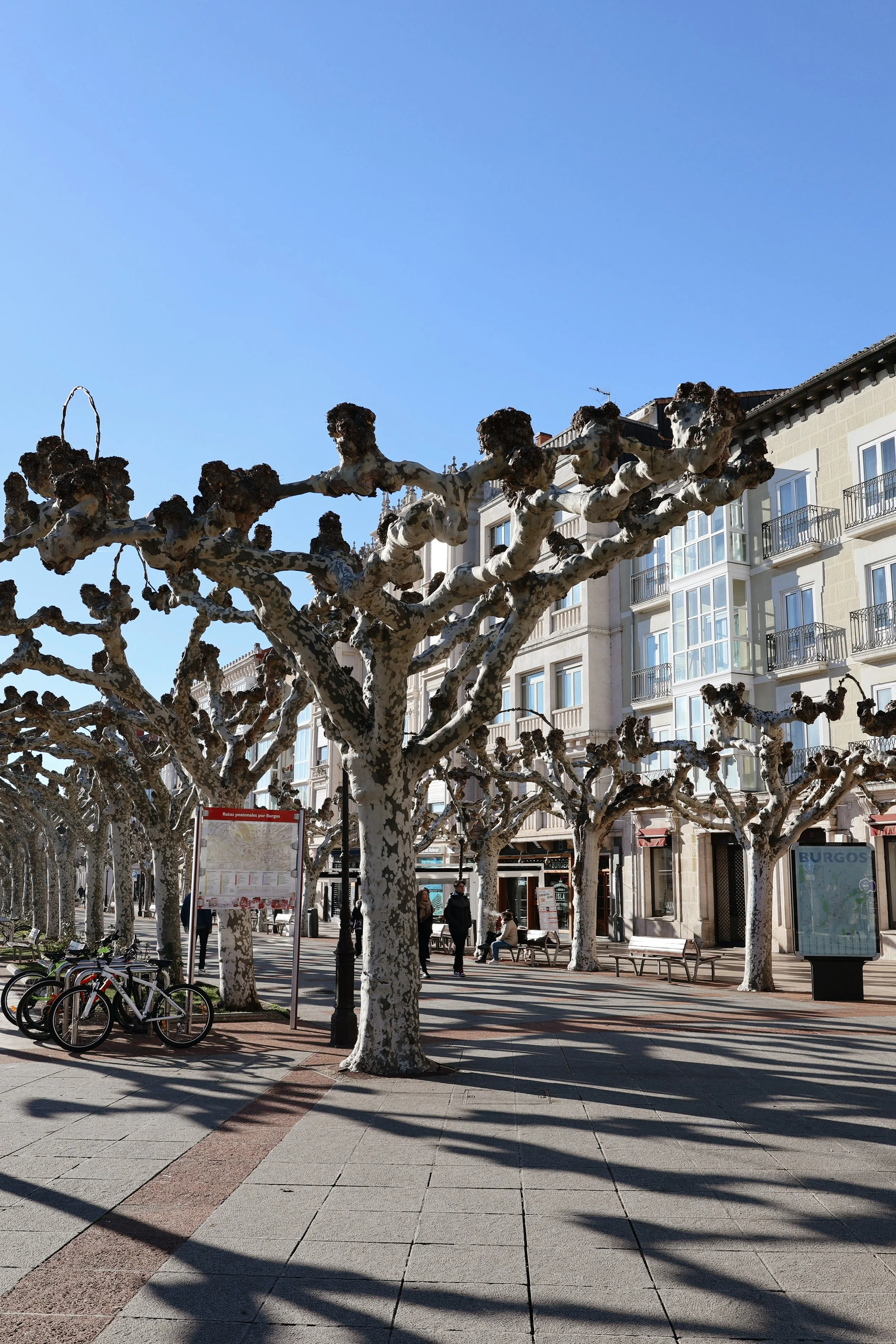
Paseo del Espolón
Dating back to the 18th century, Paseo del Espolón is one of those places that instantly makes you slow down and soak in the city. This elegant promenade stretches between the Arco de Santa María and the Teatro Principal, and it’s easily one of Burgos’ most charming spots. As we wandered beneath the intertwined plane trees, we passed statues, quiet ponds, and beautiful historic buildings like the Casa del Consulado del Mar. Along the way, we noticed old shops and cozy cafés—perfect excuses to stop for a drink and people-watch for a while.
Right next to the Teatro Principal, in Plaza del Mío Cid, stands an impressive bronze statue of El Cid, sword in hand. It’s a striking reminder of how deeply Burgos is tied to his legacy and one of the promenade’s standout sights.
We ended up sitting on a bench longer than planned, watching children laugh on the nearby carousel and locals pass by. The Paseo del Espolón feels like the living room of the city—refined, relaxed, and full of everyday life. If you want to experience Burgos at its most graceful and human, this is the place to do it.
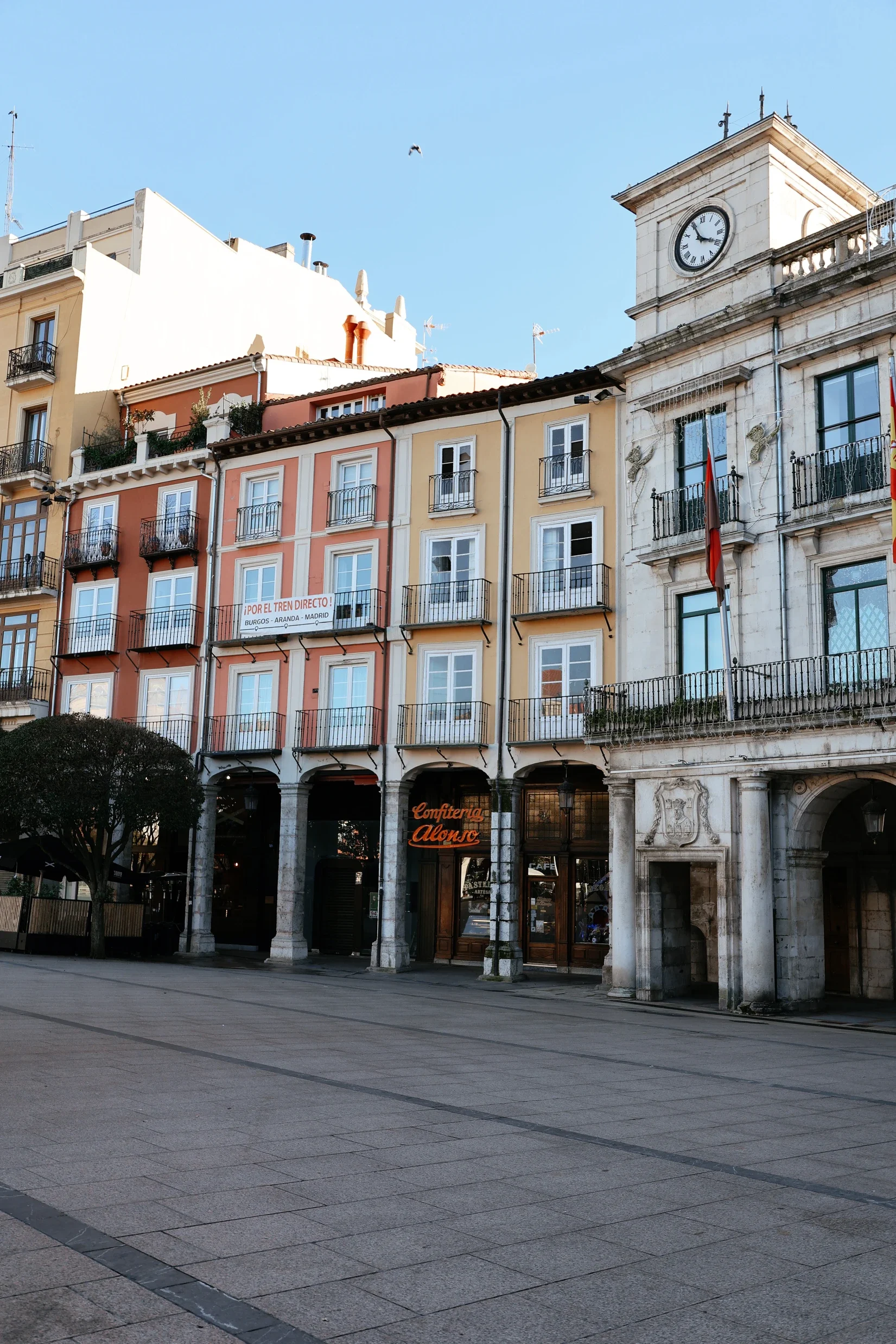
The Plaza Mayor
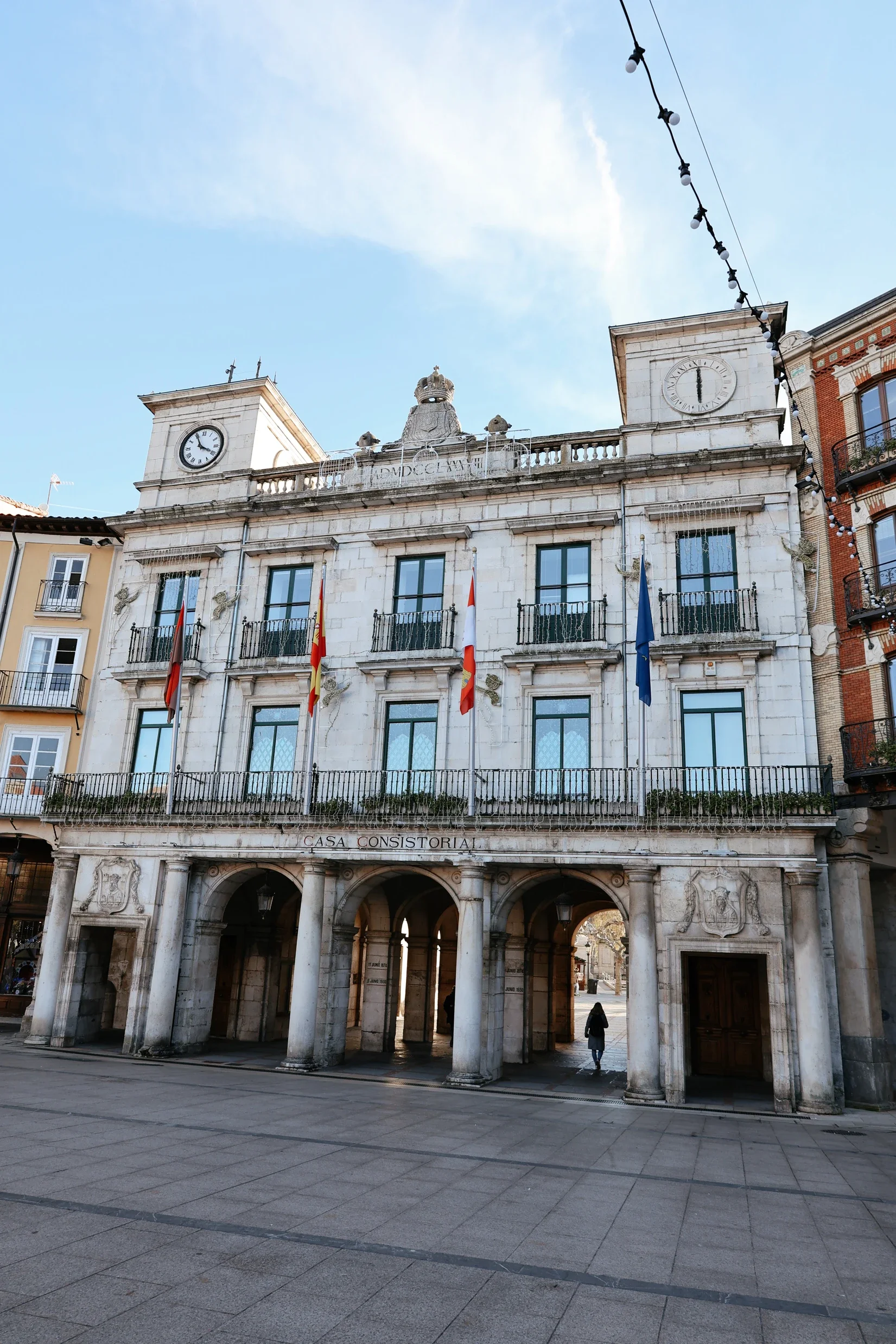
Another gem in Burgos’ historic center is the Plaza Mayor. Today, it serves as the city’s administrative heart, anchored by the 17th-century Burgos Town Hall, but it still feels warm, social, and full of life. The wide square is framed by elegant arcades and vibrantly colored façades, with cafés and shops spilling out onto terraces. We took a break here to soak it all in—locals chatting over coffee, visitors drifting through, and that easy, everyday rhythm that makes a city feel lived-in rather than staged.
It’s a perfect place to pause, people-watch, and enjoy a drink, especially when the light hits the buildings just right. The blend of color, history, and buzz makes Plaza Mayor one of those spots that quietly becomes a favorite—an essential stop for feeling the pulse of Burgos.
Plaza del Cordón
One of the most historically significant spots in Burgos is Plaza del Cordón, home to the striking Casa del Cordón, also known as the Palace of the Constables of Castile. Built in the 15th century, the building immediately stands out thanks to its Gothic façade, ornate stonework, and the many coats of arms that decorate its exterior. What makes this place especially fascinating is its role in Spanish history. This very palace hosted the Catholic Monarchs when they received Christopher Columbus after his second voyage to the Americas—a moment that quite literally changed the course of history. It’s also where Philip the Handsome, King of Castile, died in 1506.
Standing here, it’s impossible not to feel the weight of the past. Plaza del Cordón isn’t flashy or overwhelming, but it quietly tells some of Burgos’ most important stories. Taking the time to explore and understand its significance added a meaningful layer to our visit—and made the city’s history feel vividly real.
Mirador Del Castillo (Castle Viewpoint)
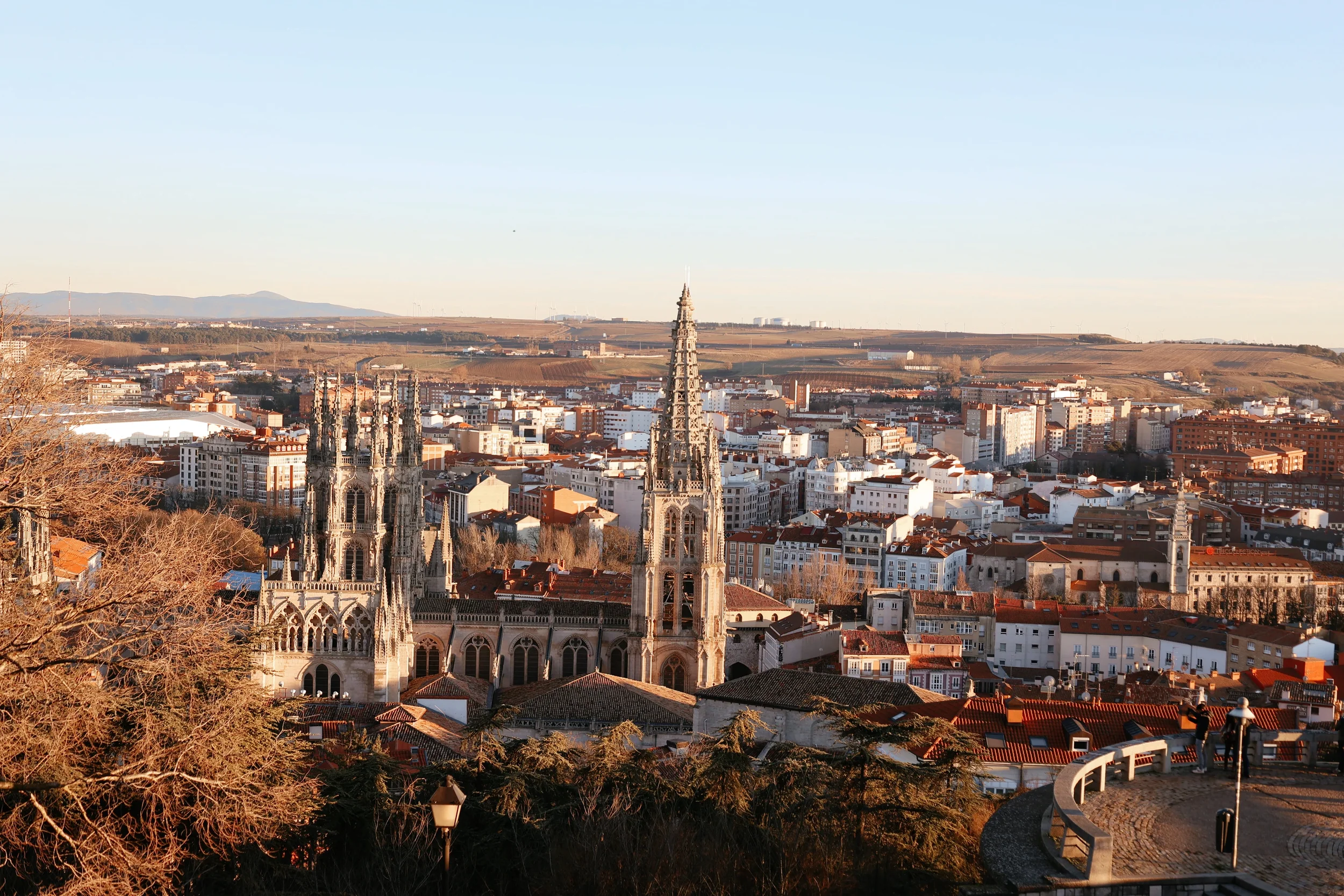
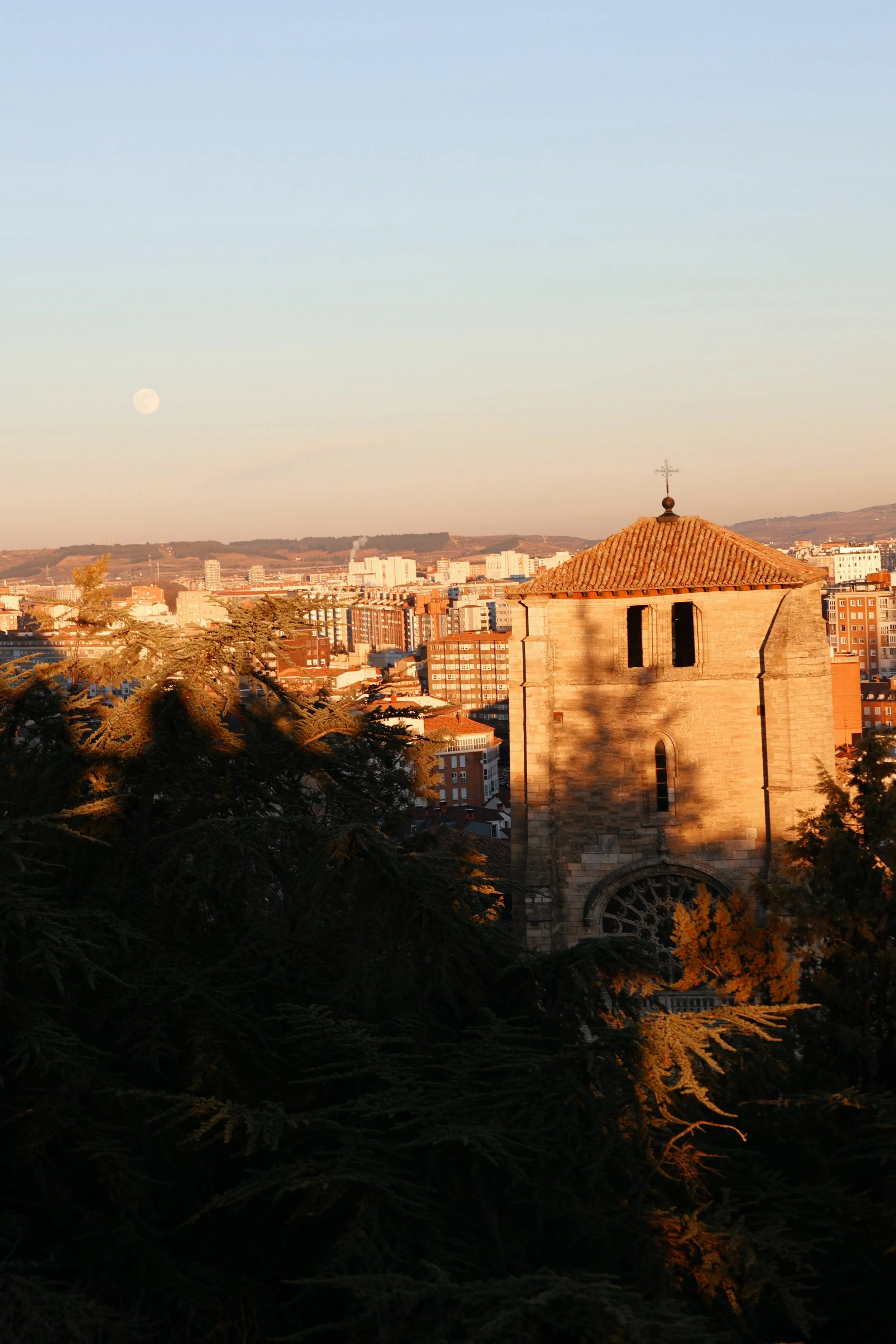
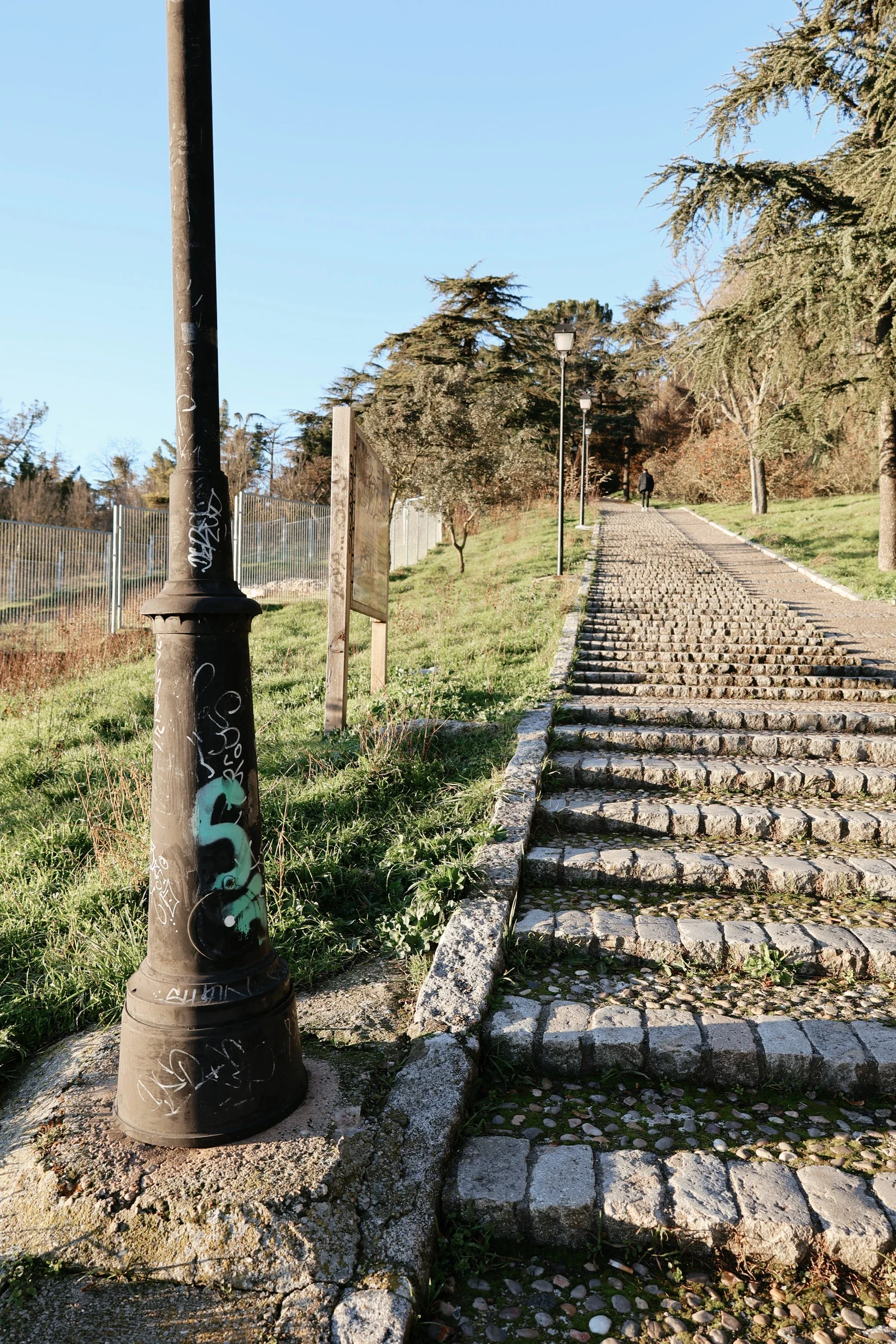
Hiking up San Miguel Hill to reach the Mirador del Castillo was absolutely worth every step. The view from the top is hands down one of the best in Burgos. Seeing the Burgos Cathedral rising above the city from this angle—something I’d seen so many times in photos—was even more impressive in person.
Once at the top, you can wander through the remains of the old fortress, the Castillo de Burgos, and even explore parts of the underground galleries beneath it. The original tower dates back to the 9th century, built during the Reconquest, and over time the site served many purposes—including a gunpowder factory—before being destroyed by retreating French troops in the 19th century.
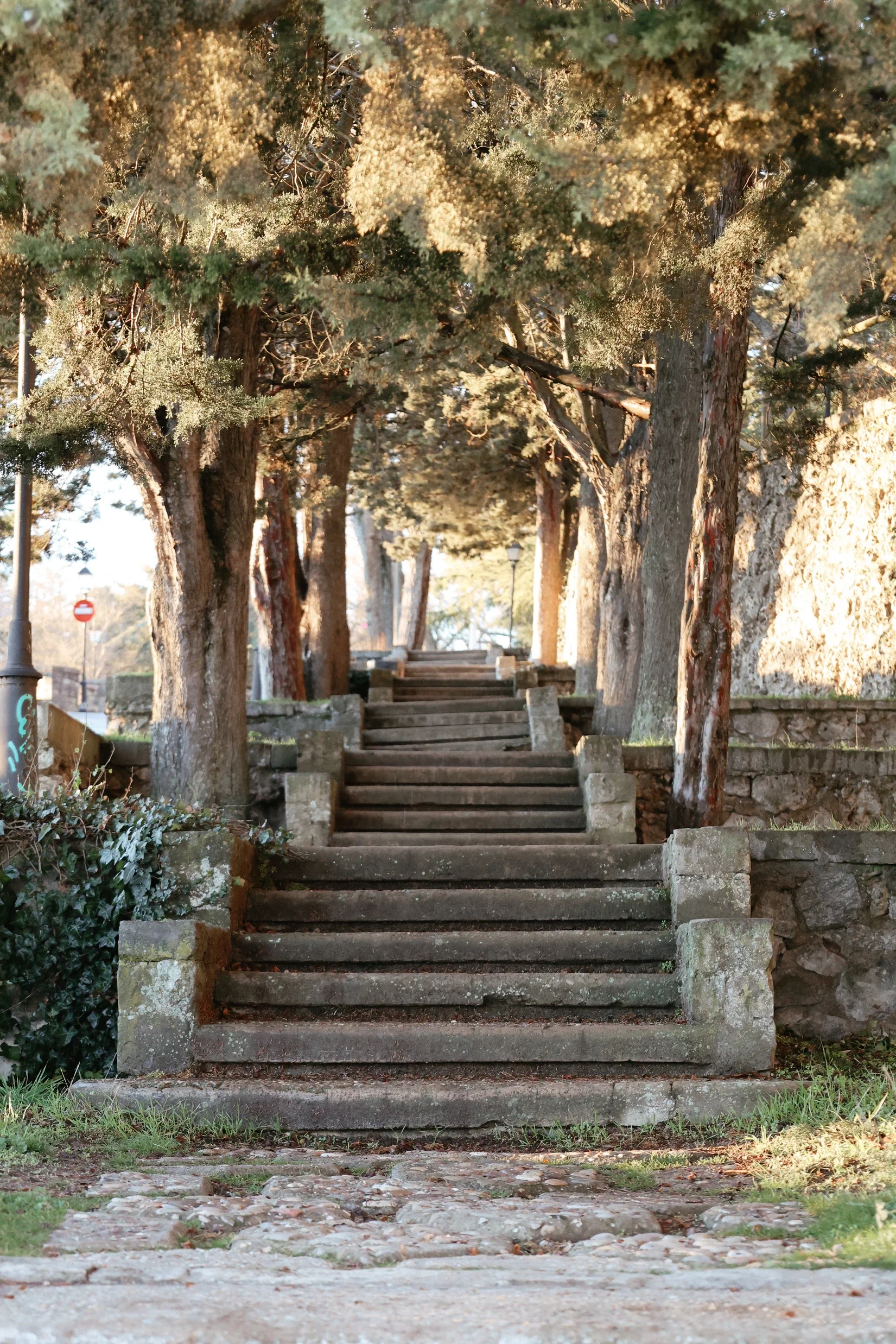
Today, the area feels peaceful and beautifully cared for, surrounded by green spaces and walking paths that make it a lovely place to linger. We spent time just soaking in the views, letting the city stretch out below us. It’s the perfect spot to slow down, reflect, and appreciate Burgos from above—quiet, scenic, and deeply rewarding.
Monastery of Las Huelgas (Huelgas Monastery)
Located about 1.9 miles from Burgos’ historic center, the Monastery of Las Huelgas is absolutely worth the short drive or taxi ride. Founded in 1187 by Leonor of Aquitaine, the wife of Alfonso VIII of Castile, this monastery is one of the most important religious and historical sites in Spain. Visiting Las Huelgas felt incredibly special. The Romanesque cloister is serene and beautifully preserved, and walking among the royal tombs gave me a real sense of the monastery’s power and significance during medieval times. One of the most fascinating parts was the Museum of Medieval Fabrics, which houses an extraordinary collection of garments and textiles found in the royal tombs—remarkably well preserved for their age.
Another highlight was learning about the Codex of Las Huelgas, a 14th-century manuscript that preserves ancient sacred music once performed within the convent. Knowing that this monastery is still home to Cistercian nuns today adds another layer of meaning—it’s not just a historic monument, but a living place steeped in centuries of tradition.
Las Huelgas is quiet, powerful, and deeply moving. If you have time to venture just beyond Burgos’ city center, this monastery offers one of the most enriching and memorable experiences in the area.
Museum of Burgos
The Museum of Burgos was a really rewarding surprise. Housed in the beautiful 16th-century Íñigo Angulo Palace and Miranda Palace, the museum offers a thoughtful deep dive into the art, history, and culture of the Burgos region. I loved how the exhibits are laid out to trace the evolution of local history—from prehistoric artifacts to more modern works—giving you a clear sense of how the region has developed over time. Everything on display is connected specifically to Burgos, which makes the experience feel grounded and relevant rather than generic.
It’s an easy museum to explore at your own pace, informative without being overwhelming, and a great way to add more context to everything you’ve seen around the city. If you have a bit of extra time while in Burgos, this is absolutely worth fitting into your itinerary.
Museum of Human Evolution
In my opinion, the Museum of Human Evolution is one of the best archaeological museums in all of Spain—and an absolute must while you’re in Burgos. The building itself immediately stands out: sleek, modern, and thoughtfully designed by Spanish architect and painter Juan Navarro Baldeweg. It’s a striking contrast to Burgos’ medieval landmarks, and it works beautifully.
The museum is closely tied to the nearby Atapuerca archaeological sites, which were declared a UNESCO World Heritage Site in 2000. Inside, you’ll find some of the most important discoveries related to human evolution ever made in Europe. The exhibits are immersive, informative, and incredibly well presented—complex ideas made accessible without feeling oversimplified.
I spent about two hours here and found every minute worthwhile. From fossil remains to interactive displays that walk you through millions of years of human development, it’s fascinating from start to finish. If you’re even slightly interested in history, archaeology, or science, this museum is absolutely worth carving out time for—it adds a completely different (and surprisingly moving) dimension to your visit to Burgos.
Where to Eat in Burgos, Spain
Casa Pancho
Casa Pancho quickly became one of our favorites in Burgos—and it’s easy to see why. This cozy, traditional spot is known for doing local cuisine the right way: simple, hearty, and full of flavor. I couldn’t pass up their famous chuletas de cordero (lamb chops), and they absolutely delivered—perfectly cooked, tender, and deeply satisfying. The patatas revolconas were another highlight, creamy with just the right kick, and the ideal companion to the lamb. It’s the kind of meal that feels comforting and indulgent without trying to be fancy.
The atmosphere is warm and inviting, very much a local favorite where conversations flow easily and plates are meant to be enjoyed slowly. If you’re craving authentic Burgos flavors in a relaxed, welcoming setting, Casa Pancho is a must-stop on your food list.
La Favorite - Taberna Urbana
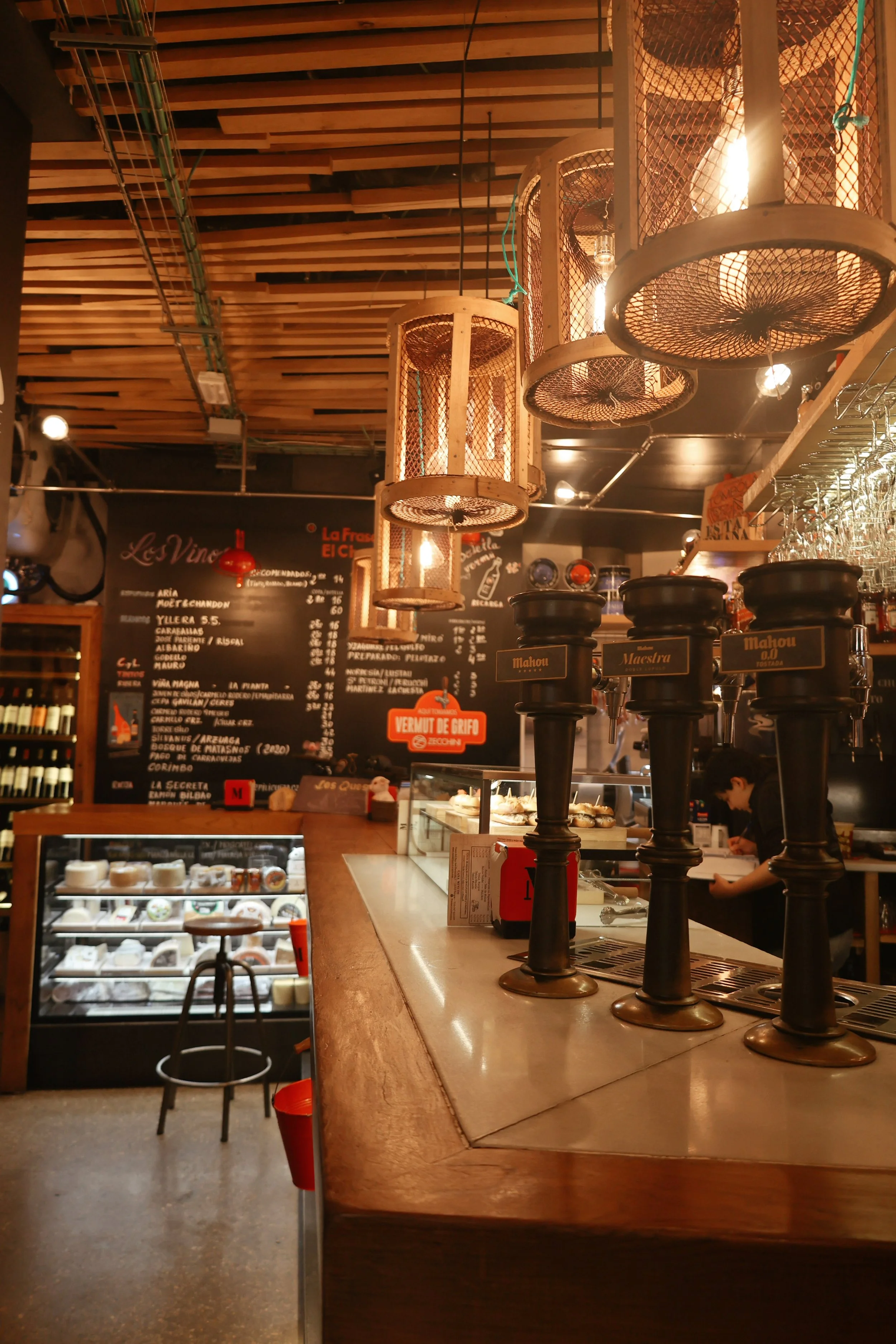
La Favorite - Taberna Urbana strikes a great balance between traditional Burgos flavors and a more modern, energetic vibe. It feels current and lively, but still very rooted in local cuisine—an easy place to feel comfortable whether you’re stopping in for lunch or dinner. Their sopa castellana was exactly what you want from this classic dish: rich, warming, and deeply flavorful. We also ordered the ribeye steak, which was cooked perfectly and incredibly satisfying—simple, well-executed, and generous in portion.
The atmosphere is casual and buzzing without being overwhelming, making it a great spot to unwind after a day of exploring. If you’re looking for a place that honors Burgos traditions while adding a contemporary touch, La Favorite – Taberna Urbana is a solid and enjoyable choice.
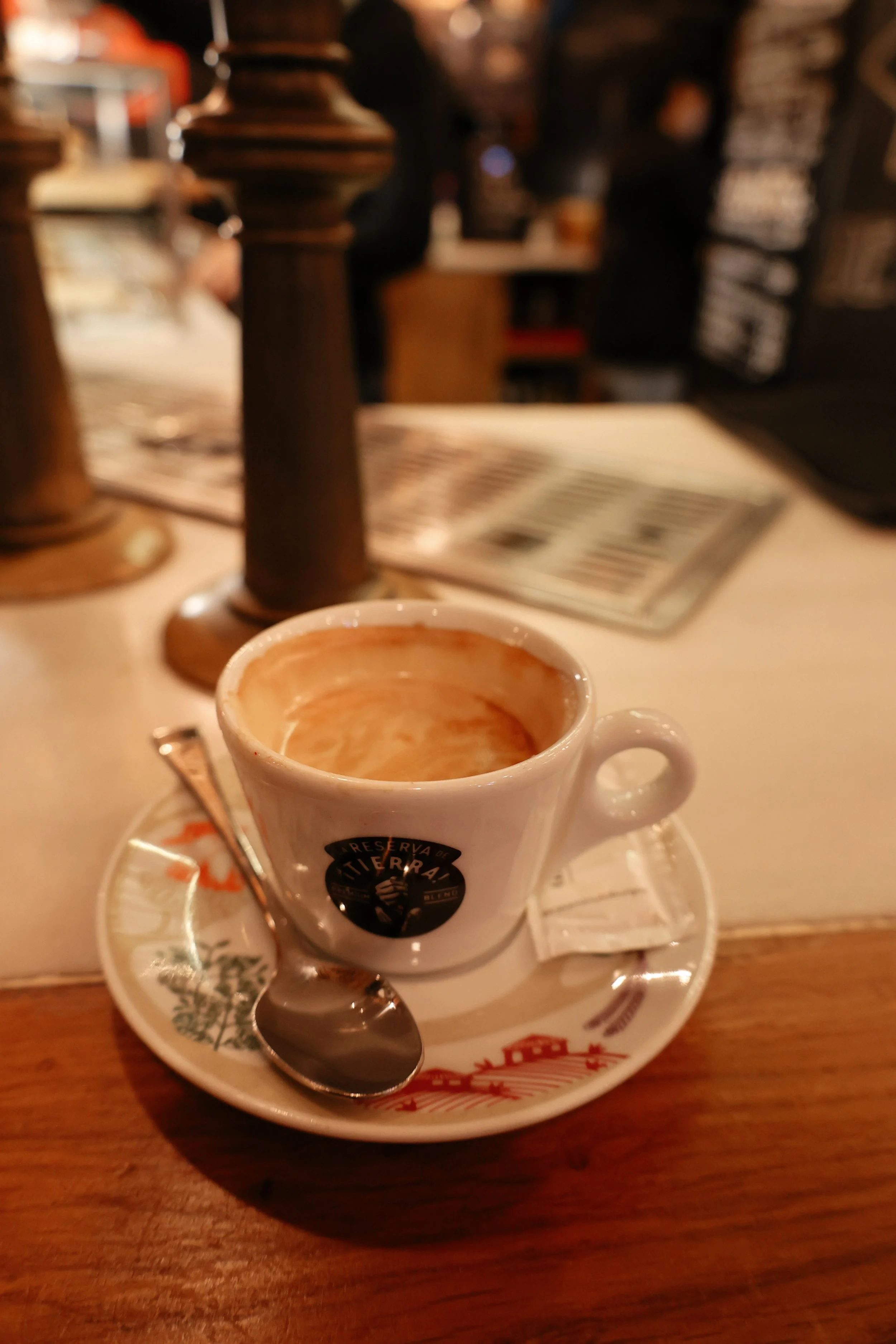

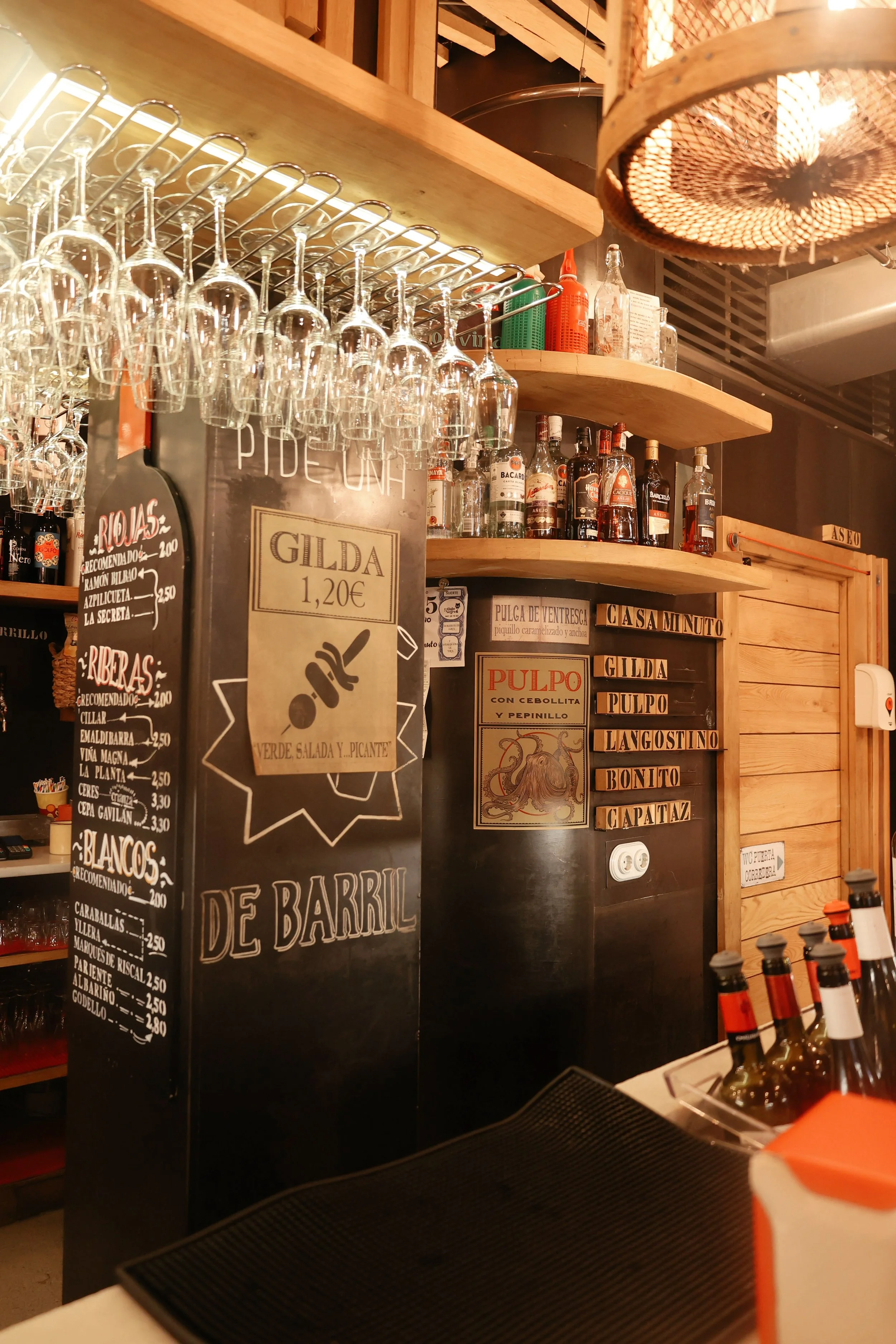
Restaurante Ojeda
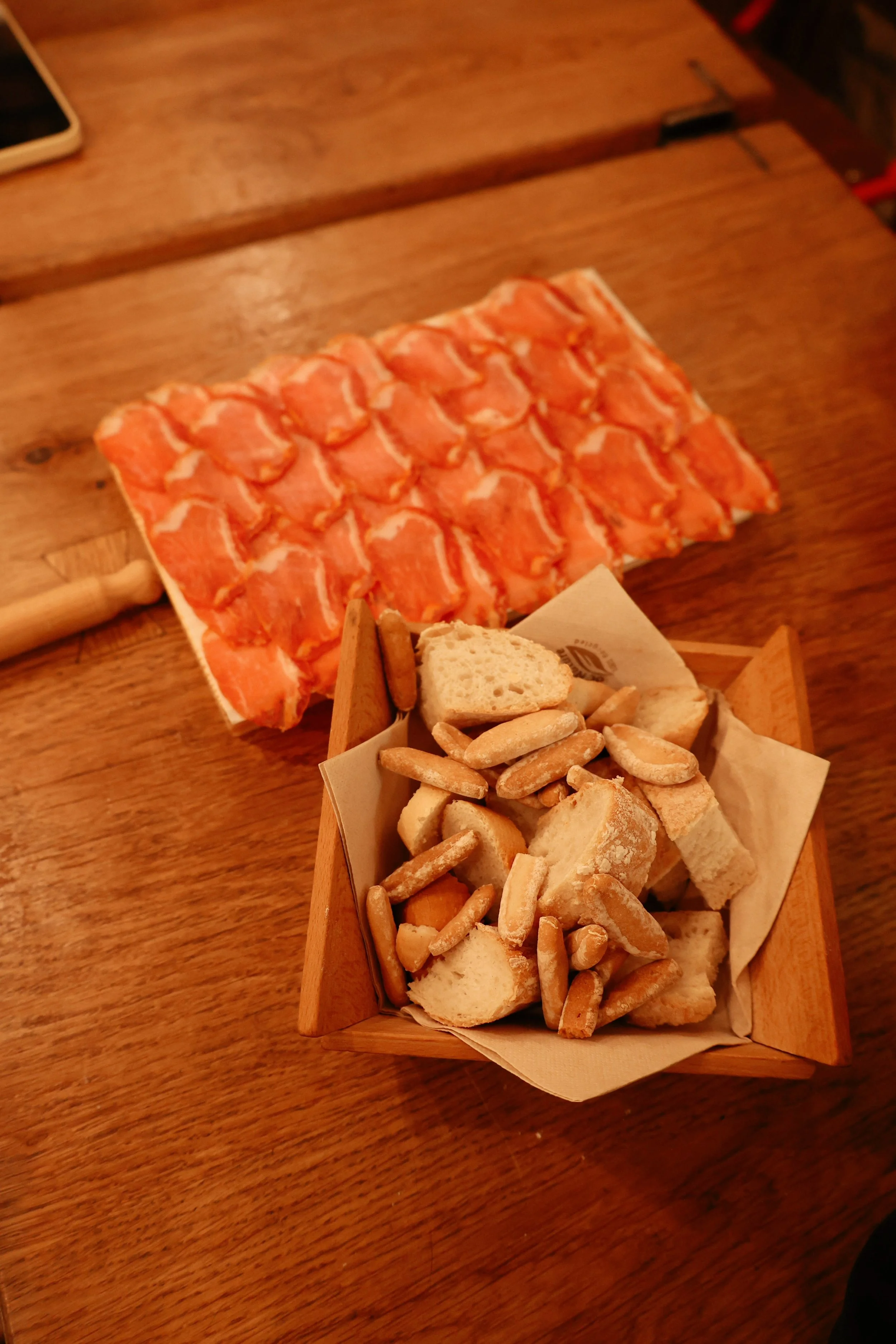
Restaurante Ojeda is truly a Burgos institution—and dining here feels like stepping into the city’s culinary heritage. This is classic Spanish cooking at its finest, served in an elegant, timeless setting that instantly makes the meal feel special. I couldn’t leave without trying their famous cocido morañego, a rich, slow-cooked stew that’s deeply comforting and packed with regional flavor. It’s the kind of dish that warms you from the inside out. The judiones del Barco de Ávilawere another standout—tender, hearty, and beautifully prepared. Everything here feels intentional, traditional, and rooted in Burgos’ identity. If you’re looking for a refined dining experience that showcases the region’s best dishes, Restaurante Ojeda is a perfect choice.
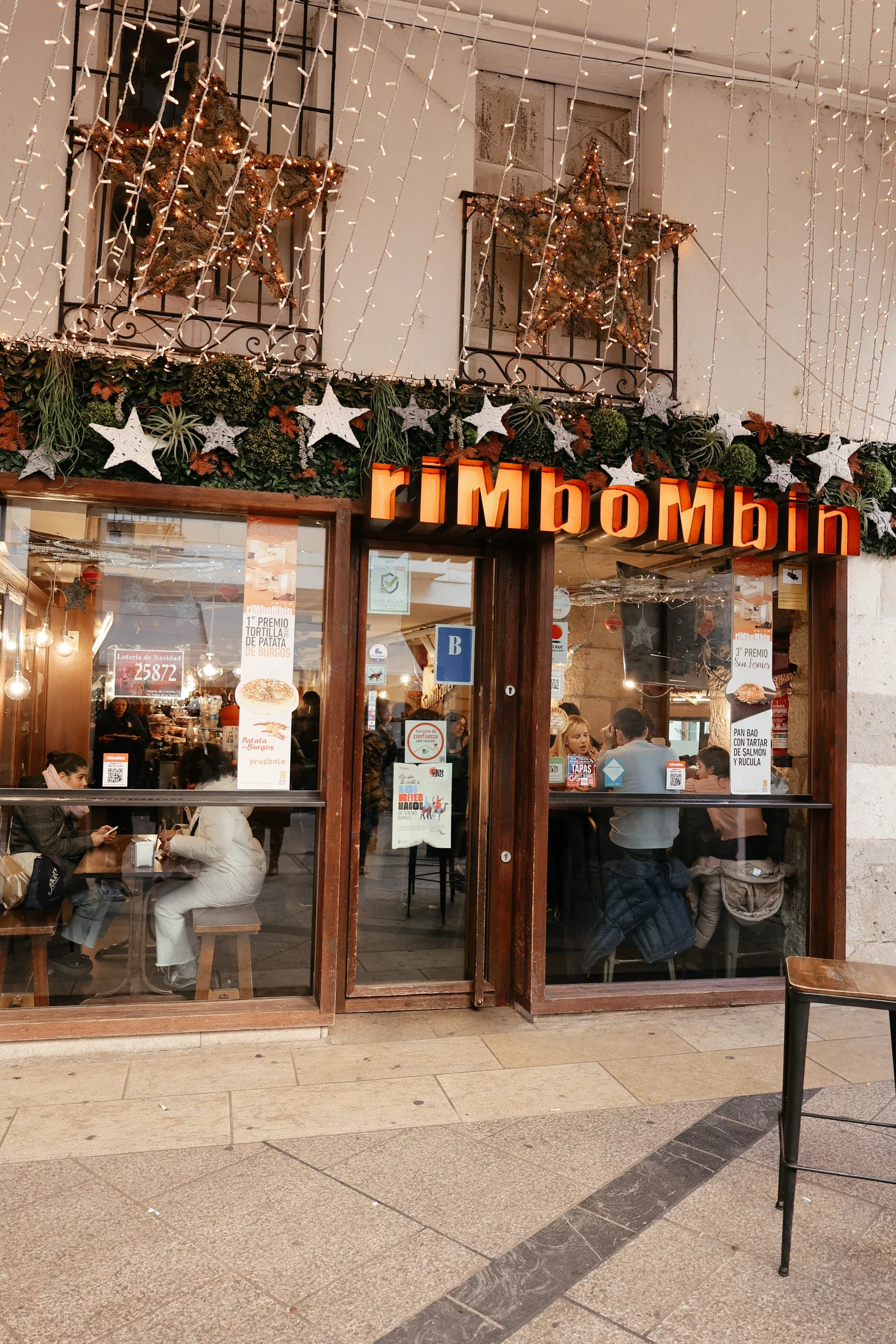
Rimbombin
Rimbombin is a wonderful contrast—modern, relaxed, and full of personality. It’s the kind of place that feels current without losing touch with Spanish culinary traditions. Their chuletón is a must-try: beautifully cooked, succulent, and expertly seasoned. We also ordered the croquetas, which were creamy on the inside with just the right crisp on the outside—simple but perfectly executed. The atmosphere is stylish yet approachable, making it easy to settle in and enjoy the experience.
If you’re craving something a little more contemporary while still honoring local flavors, Rimbombin is a fantastic addition to your Burgos food list.
Where to Stay in Burgos, Spain
NH Collection Palacio de Burgos
This elegant, centrally located hotel blends historic charm with modern comfort. Housed in a beautifully restored building just steps from the cathedral and old town, NH Collection Palacio de Burgos offers spacious, stylish rooms and refined service. It’s perfect if you want to be in the heart of the city with easy walking access to Burgos’ top sights.
Landa Hotel & Suites Boutique
A true boutique gem in the heart of Burgos, Landa Hotel & Suites Boutique pairs personalized service with contemporary design. The rooms are thoughtfully appointed with luxury touches, and the overall vibe is calm and sophisticated. It’s ideal if you’re looking for a quieter, more intimate stay without sacrificing quality.
Hotel Bulevar Burgos
A bit more modern and polished, Hotel Bulevar Burgos offers comfortable luxury just outside the old town. Its spacious rooms and attentive service make it a reliable choice for travelers who want sleek design and convenience. The location also makes it easy to explore on foot or by short taxi ride.
Hotel Puerta de Burgos
A refined option with classic Spanish styling, Hotel Puerta de Burgos offers well-appointed rooms and a welcoming atmosphere. It’s close to key attractions and features thoughtful amenities that make longer stays especially comfortable.
Best Time to Visit Burgos, Spain
Burgos is a city you can enjoy year-round, but the experience really shifts with the seasons. Spring (April to June) and fall (September to November) are generally considered the best times to visit. The weather is mild, the city feels lively without being overwhelming, and it’s perfect for wandering between historic landmarks, plazas, and cafés at a relaxed pace. Summer can be warmer, but it’s still a pleasant time to visit if you don’t mind the heat and want longer days to explore.
I visited Burgos in December, and it honestly surprised me in the best way. Winter brings cooler temperatures, but it also comes with fewer crowds and a slower, more peaceful rhythm. Walking through the city felt intimate and calm, especially around the cathedral and old town. The crisp air made hearty local dishes even more comforting, and there was a quiet charm to experiencing Burgos without the usual bustle. If you enjoy cozy vibes, fewer tourists, and a more reflective travel experience, winter can be a lovely time to go.
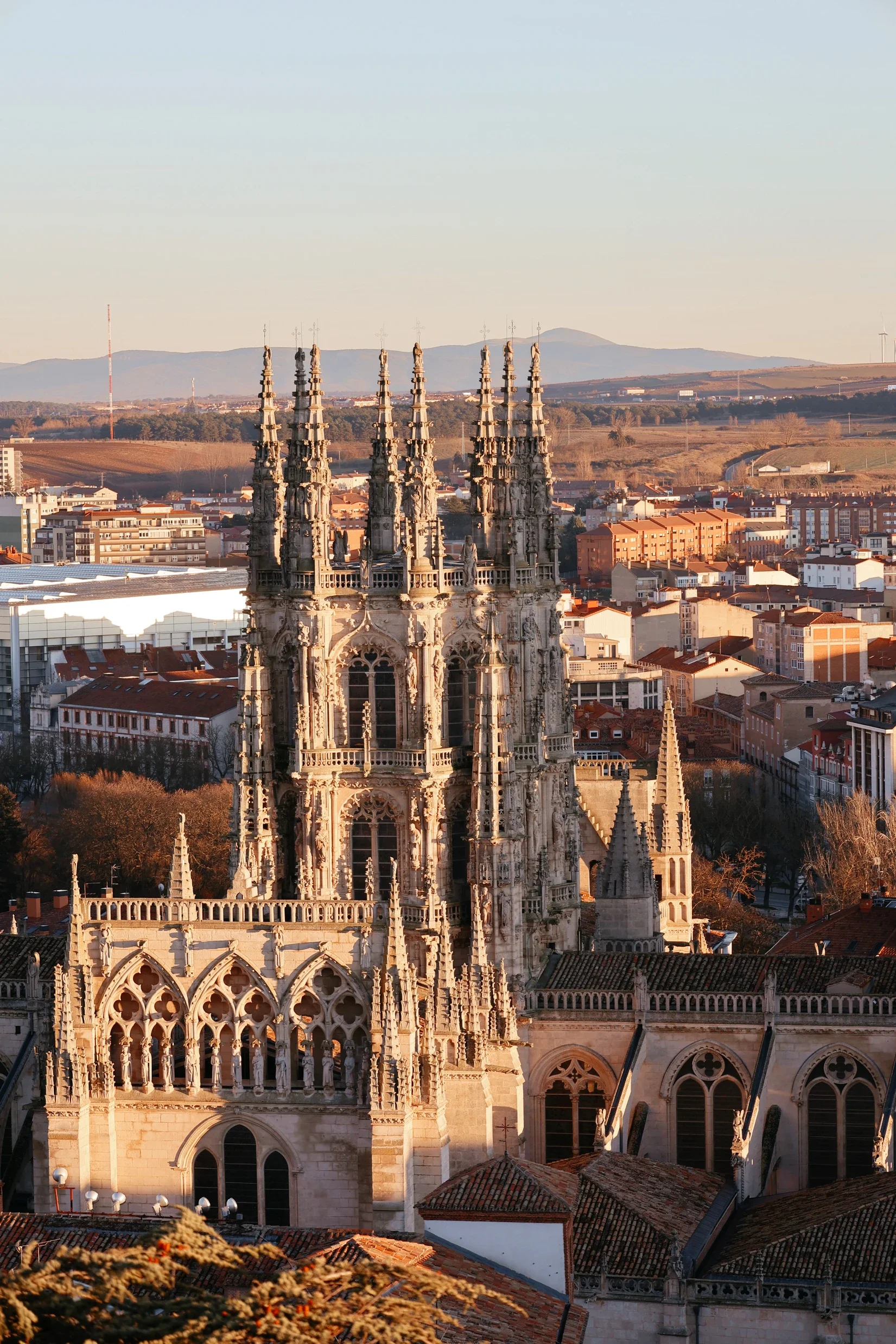
Burgos has a way of quietly winning you over. It’s not flashy or loud about its beauty—it reveals itself slowly, through its grand cathedral, peaceful streets, rich history, and deeply comforting food. Whether you arrive with a detailed plan or stumble upon it on a whim like I did, the city has a way of exceeding expectations. If you’re looking for a destination that feels authentic, grounded, and full of soul, Burgos is well worth the stop. Take your time, wander without an agenda, linger over long meals, and let the city show you its layers. Sometimes the places we don’t plan for end up being the ones we remember most—and Burgos is exactly that kind of place.
#burgos #spain #burgosspain #visitspain #visitburgos #travel #travelphotography #travelgram #travelguide #travelholic #traveltheworld #traveler #traveltoexplore #travelon #traveldestination #traveldiaries #travelblogger #traveltheworld #traveler #traveladdict #traveldestinations #travellover #womenwhotravel #womenwhoexplore