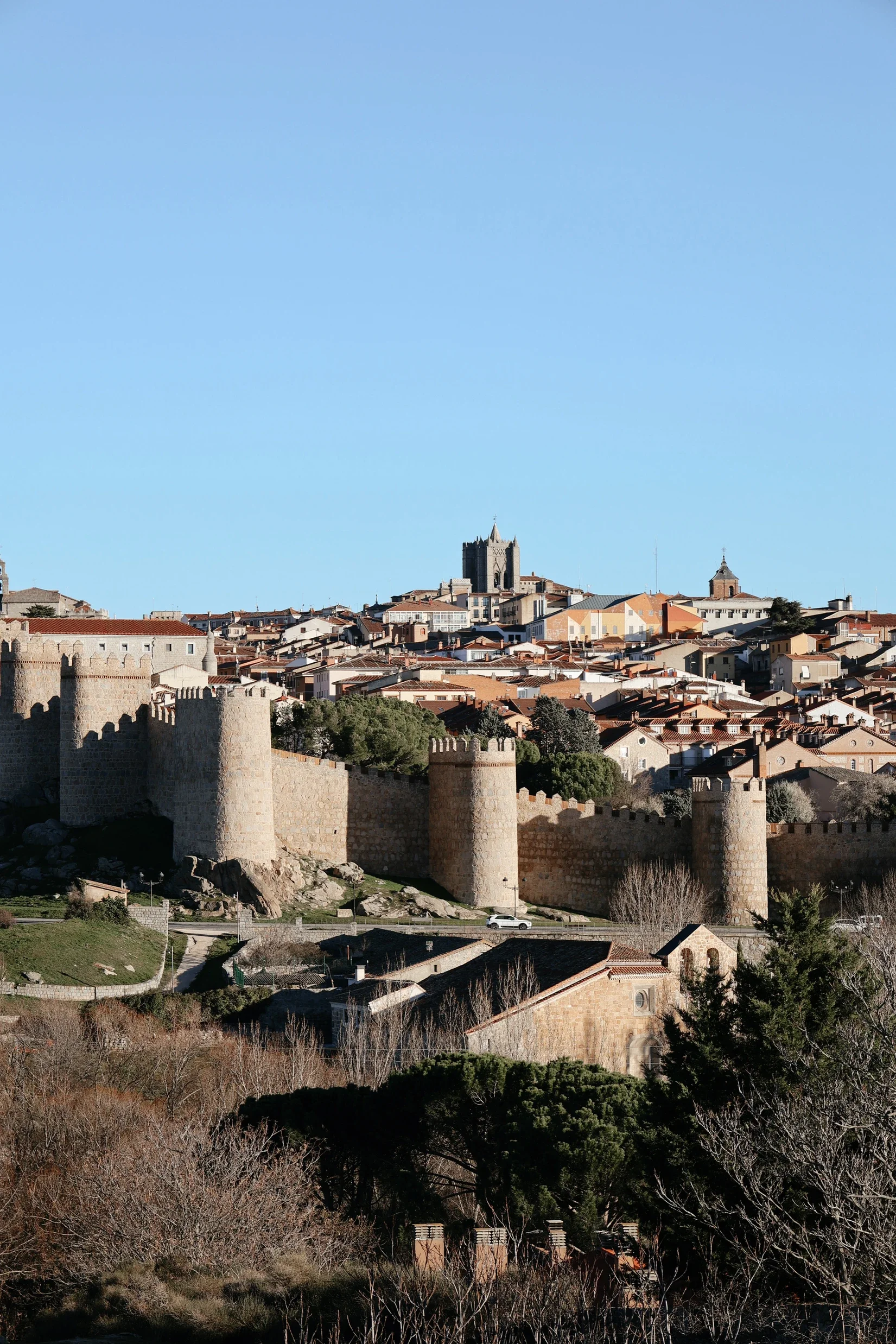
Ávila is one of the most striking and authentic fortified medieval cities I’ve come across in my travels. From the moment you arrive, it feels as though time has gently paused. The old town is incredibly well preserved, wrapped in imposing stone walls that are nothing short of breathtaking—and somehow, Ávila still feels like a hidden gem.
Located in the Castile and León region, Ávila sits less than an hour and a half from Madrid and just over an hour from Salamanca, which is how I visited. It’s often chosen as a day trip from Madrid, but it has a depth and presence that makes it feel worthy of more than just a quick stop. Often referred to as “the finest medieval remnant in Spain,” Ávila is the highest city in the country and carries a rich, powerful history within its walls. Walking its streets feels immersive—quiet, grounding, and deeply connected to the past.
In this guide, I’ll share everything you need to know to make the most of visiting Ávila, from its fascinating history to the places that truly bring this incredible city to life.
Getting to Ávila, Spain
Reaching Ávila is refreshingly easy, which makes it a perfect addition to a Spain itinerary—whether as a day trip or a short overnight stay. The city is well connected to nearby hubs like Madrid and Salamanca, and how you get there really comes down to your travel style.
If you enjoy flexibility, driving is a great option. Ávila is about 75 miles from Madrid and just over an hour by car. I personally drove from Salamanca, which was an easy and scenic trip of roughly 65 miles. Having a car lets you travel at your own pace and makes it easy to explore the surrounding countryside or nearby towns if you have extra time.
If you’d rather skip the car, public transportation is simple and affordable. Buses run frequently from Madrid and are operated by reliable companies like ALSA, FlixBus, and AvanzaGrupo. Tickets are typically budget-friendly and the ride is comfortable, making this an easy, stress-free option.
Traveling by train is another solid choice. RENFE offers regular service from Madrid’s Chamartín and Príncipe Pío stations, with reasonably priced tickets and a smooth journey into Ávila. It’s a great option if you want to relax and enjoy the ride.
No matter which route you choose, getting to Ávila is straightforward—and once you arrive, the city’s medieval walls and timeless atmosphere make the journey feel more than worthwhile.
Things to Do in Ávila, Spain
Ávila City Walls
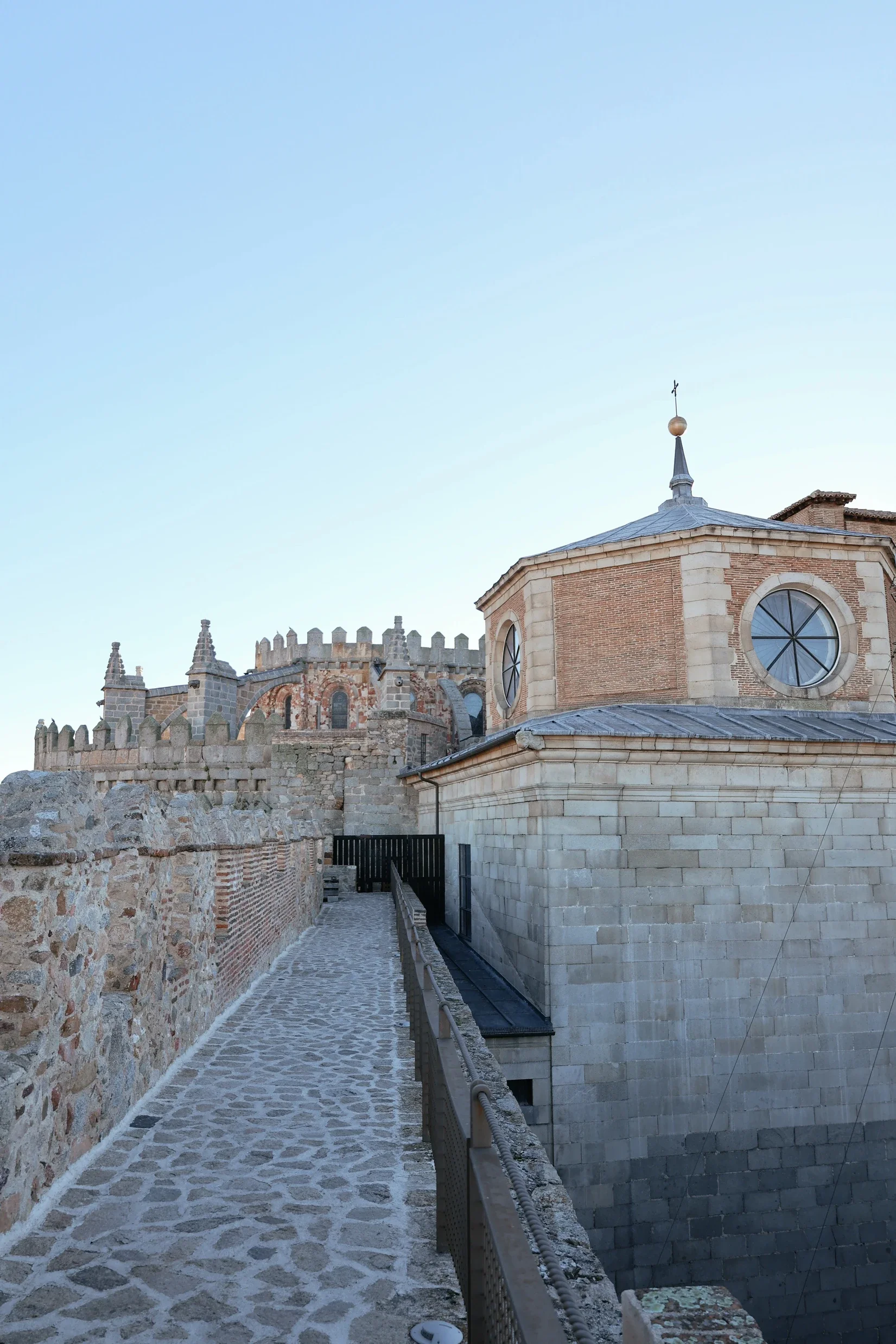
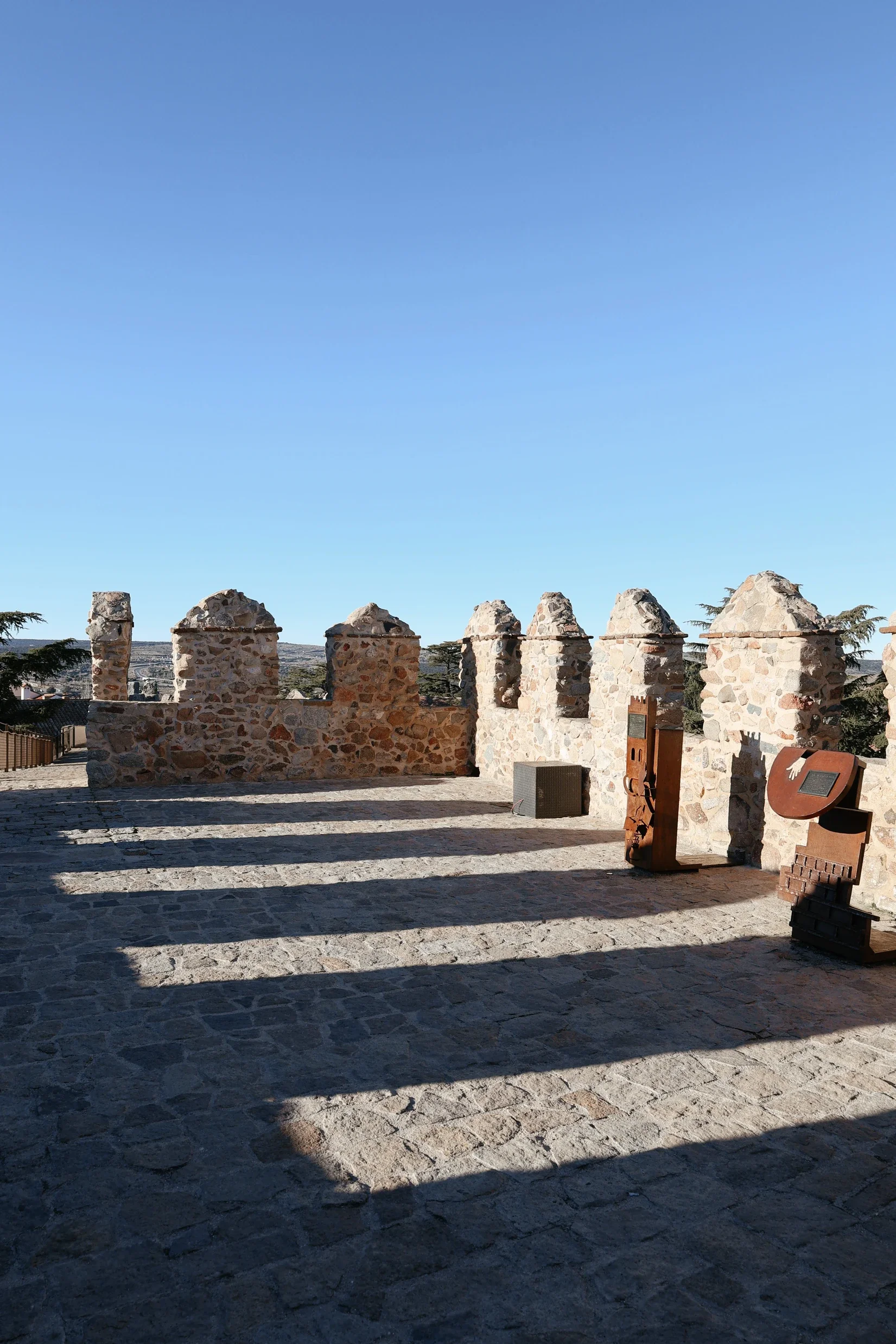
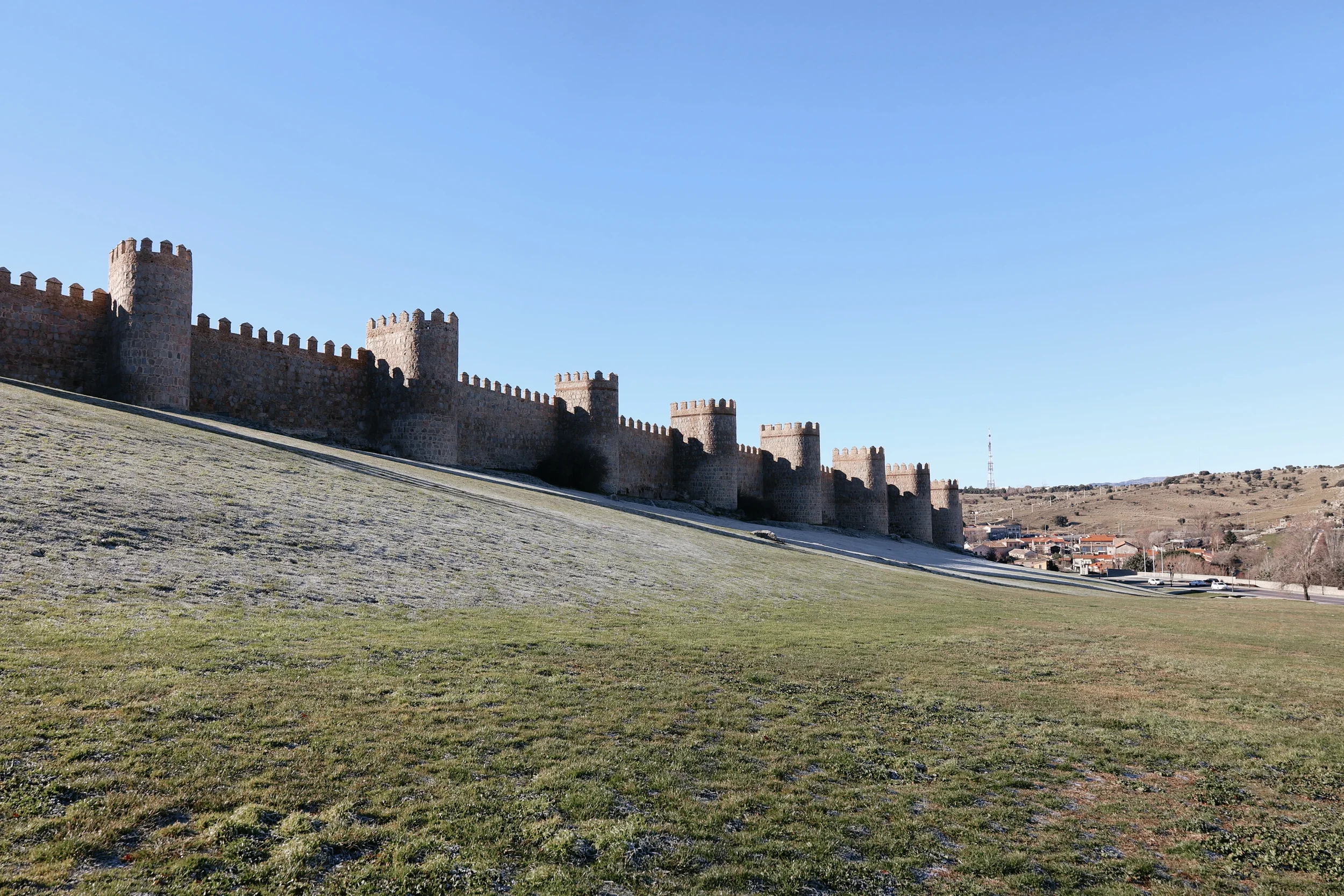
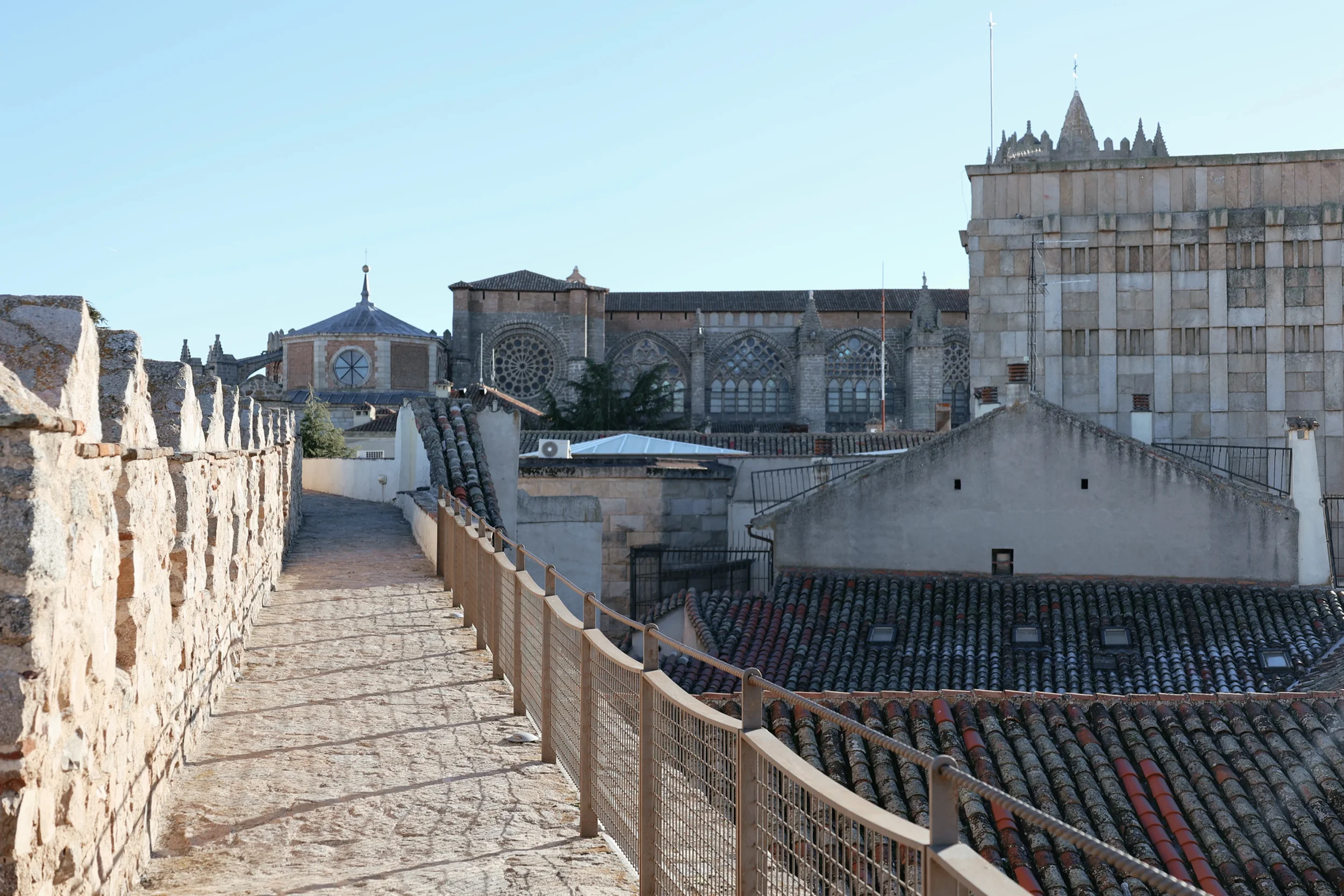
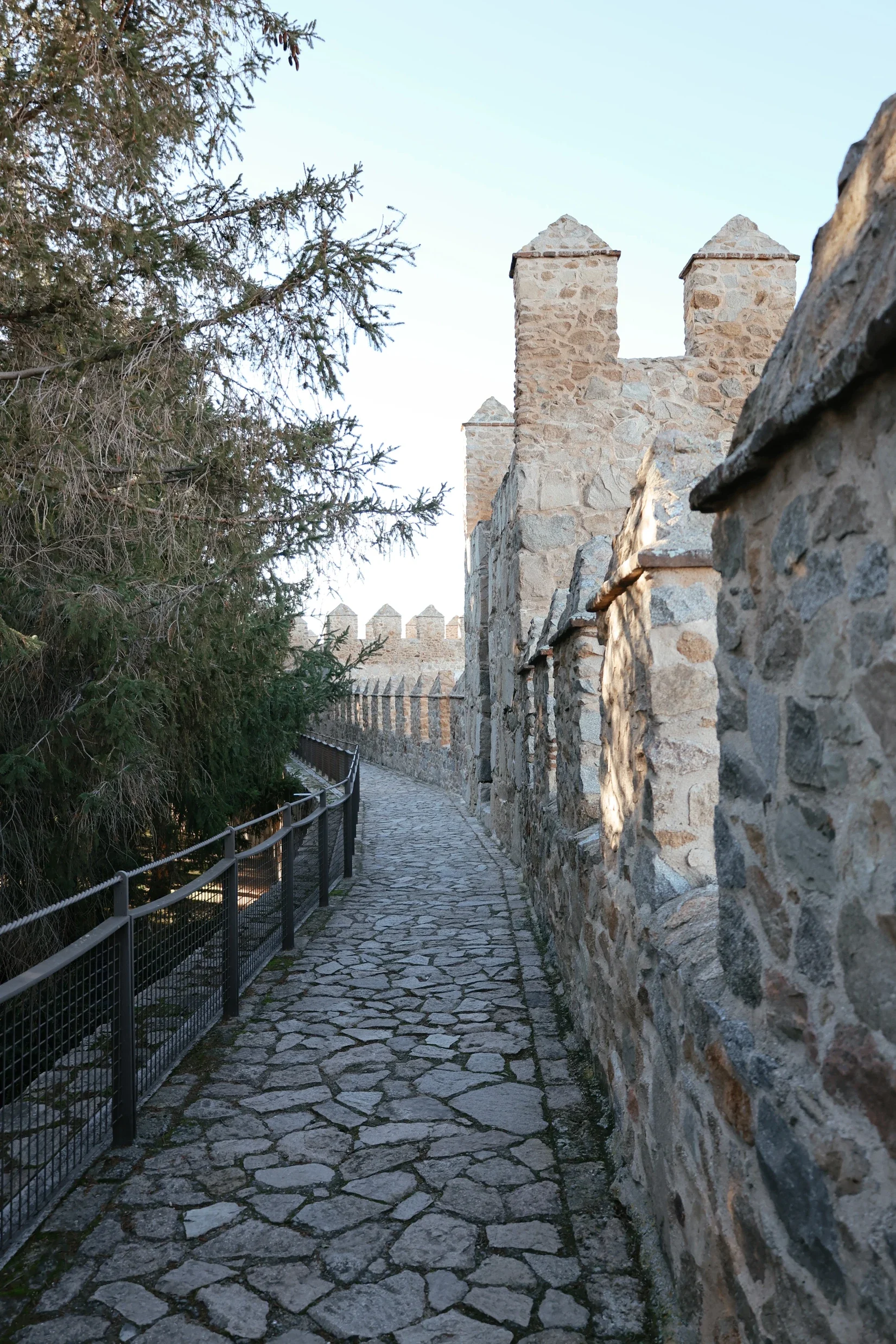
The Ávila City Walls are absolutely breathtaking and easily one of the most impressive sights in the city. They’re among the best-preserved medieval fortifications in all of Europe, rising about 39 feet high and stretching for more than 1.5 miles around the old town. With 88 towers, 9 monumental gates, and sections dating back to 1090, the walls are a designated Spanish National Monument—and seeing them in person is unforgettable.
One of the best ways to experience them is by walking along the top. It gives you sweeping views over Ávila’s rooftops, churches, and the surrounding countryside, and really helps you appreciate the sheer scale of the city’s defenses. To start a self-guided walk, head to Puerta del Carmen, one of the main access points. You can also enter through other sections such as Casa de las Carnicerías, Puerta del Alcázar, or Adaja.
Access to the wall walk costs around €5, and it’s absolutely worth carving out the time. Walking these ancient stones makes Ávila’s history feel tangible—you’re not just looking at the past here, you’re standing on it.
Catedral de Ávila
The Catedral de Ávila is unlike any other cathedral I’ve visited—and that’s what makes it so memorable. It’s considered Spain’s oldest Gothic cathedral, and its story is literally built into the city itself. Construction began in 1095 and continued through the 13th to 15th centuries, blending early Gothic design with Romanesque elements.
What truly sets this cathedral apart is its role beyond religion. The eastern apse is actually integrated into Ávila’s defensive walls, meaning the cathedral doubled as a fortress during the Middle Ages. Battlements, thick stone walls, and sentry walkways give it a powerful, almost imposing presence from the outside—very fitting for a fortified city like Ávila.
Inside, the atmosphere shifts to something quieter and more reverent. The main chapel’s altarpiece is stunning, rich with detail and history, and the on-site museum—though small—is well worth exploring for deeper context. Entry requires a ticket, which includes an audio guide, and there’s an additional fee if you choose to climb the tower.
The Catedral de Ávila isn’t just a place you visit—it’s a place that tells you exactly how faith, architecture, and defense once worked hand in hand in medieval Spain.
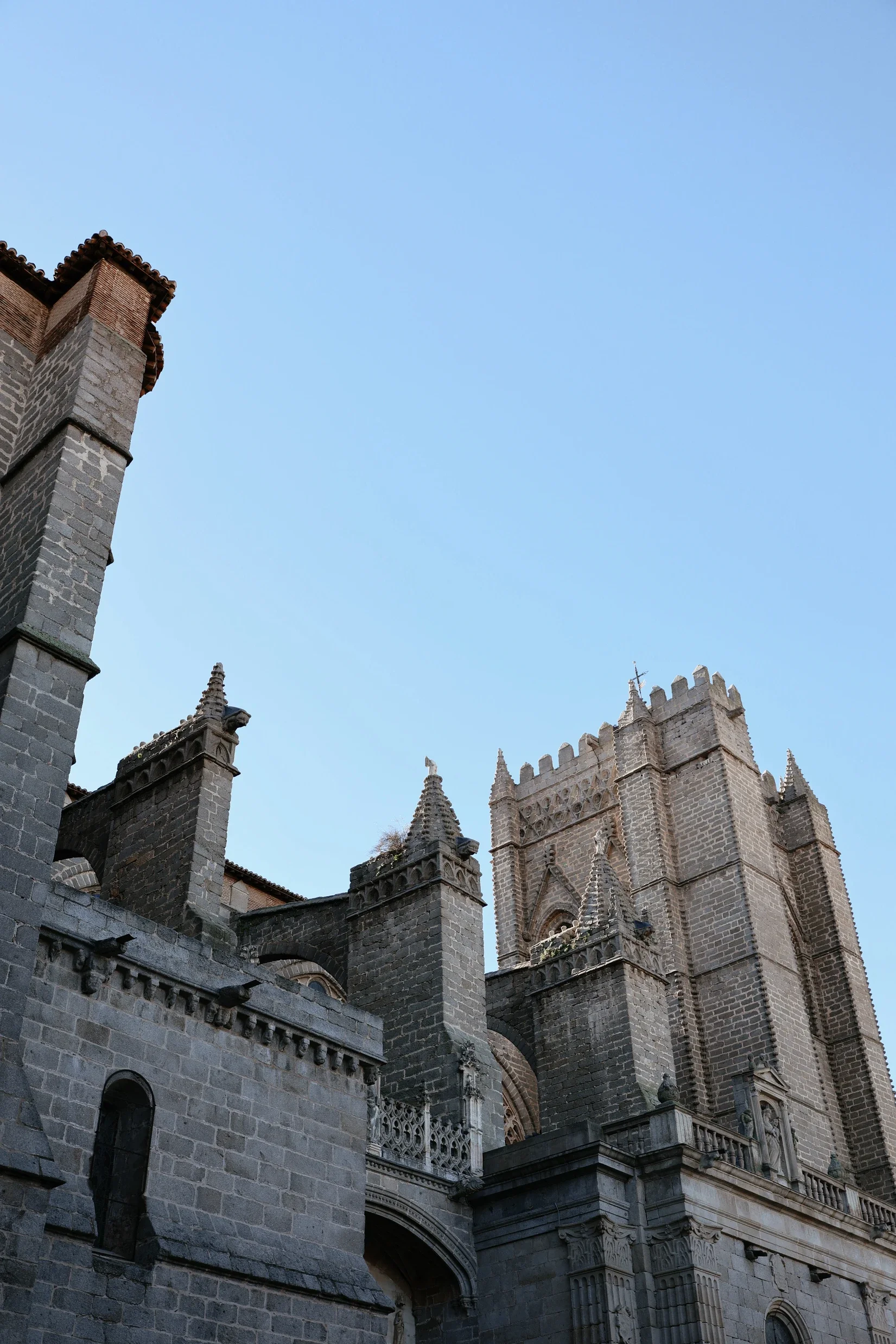
Convento de Santa Teresa (Santa Teresa Convent)
The Convento de Santa Teresa is one of the most meaningful stops in Ávila, especially if you’re interested in the life of the city’s most famous resident, Saint Teresa of Ávila. The convent is built on the very site where she was born, which immediately gives the place a sense of reverence and intimacy. Constructed in the 17th century, the convent features a lovely church with stained glass windows dedicated to Saint Teresa, along with a small but beautiful Baroque chapel. One of the most touching parts of the visit is seeing the recreated room where she was born—it makes her story feel personal and real, rather than distant and historical.
The on-site museum is also well worth your time. It includes a small gift shop and displays several of her personal belongings and relics, including a bone from her ring finger. It’s undeniably moving and offers a deeper understanding of her life, faith, and legacy.
This stop brings you closer not just to Saint Teresa herself, but to the spiritual heart of Ávila. It’s quiet, reflective, and deeply rooted in the city’s identity—an experience that stays with you long after you leave.
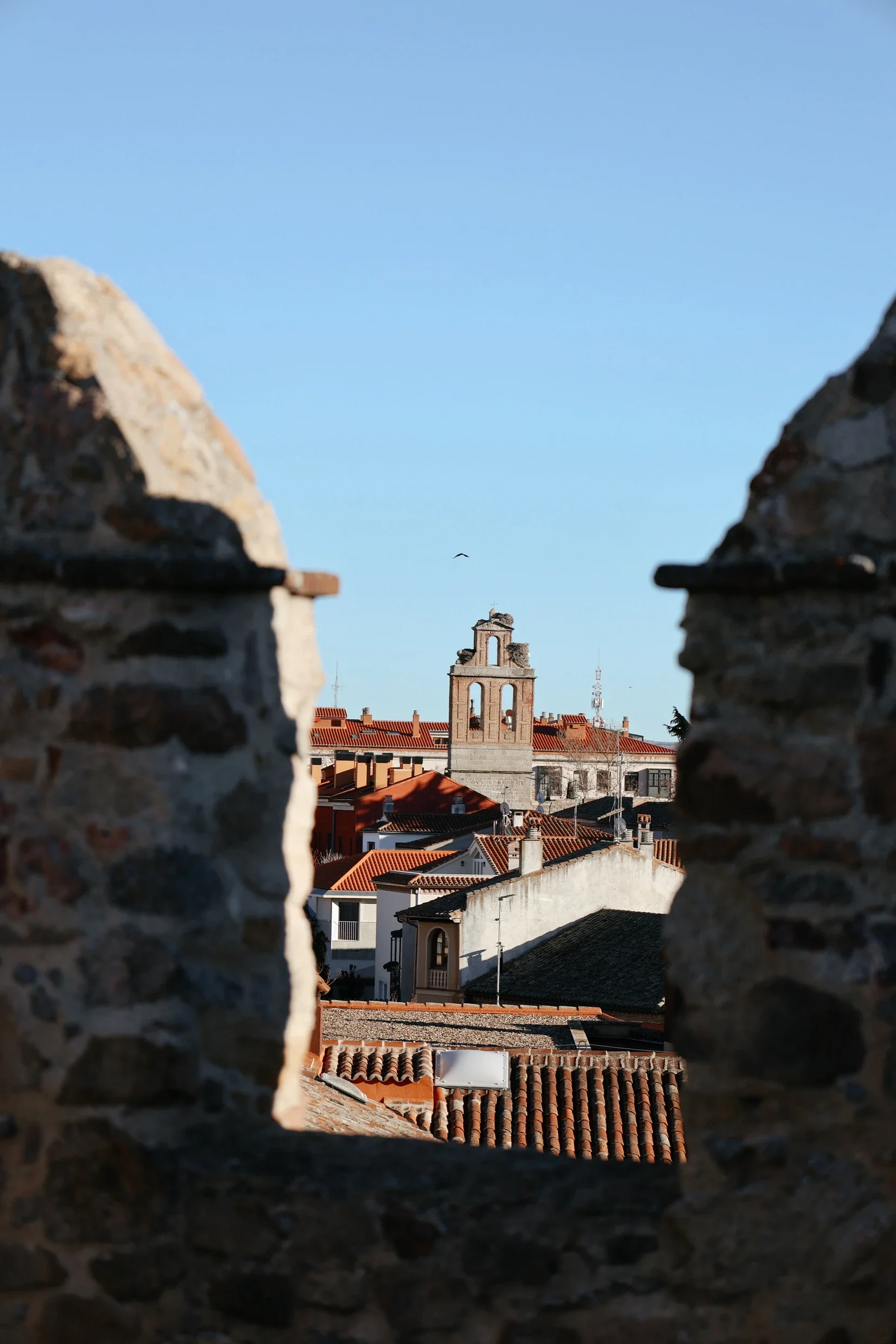
San Pedro Church
Located in Plaza del Mercado Grande, just outside Ávila’s famous walls, San Pedro Church is a quiet Romanesque treasure that’s easy to overlook—but absolutely worth a stop. Dating back to around 1100, the church’s sturdy stonework and simple lines reflect the early medieval spirit of the city. I loved how calm this spot felt compared to the busier landmarks nearby. Stepping inside, the atmosphere is peaceful and grounded, the kind of place where you naturally slow your pace and take a moment to breathe. It’s a lovely contrast to the grandeur of the cathedral and a reminder that Ávila’s history lives just as much in its smaller, humbler spaces.
If you find yourself near the city walls, San Pedro Church is a beautiful place to pause and soak in another layer of Ávila’s rich past.
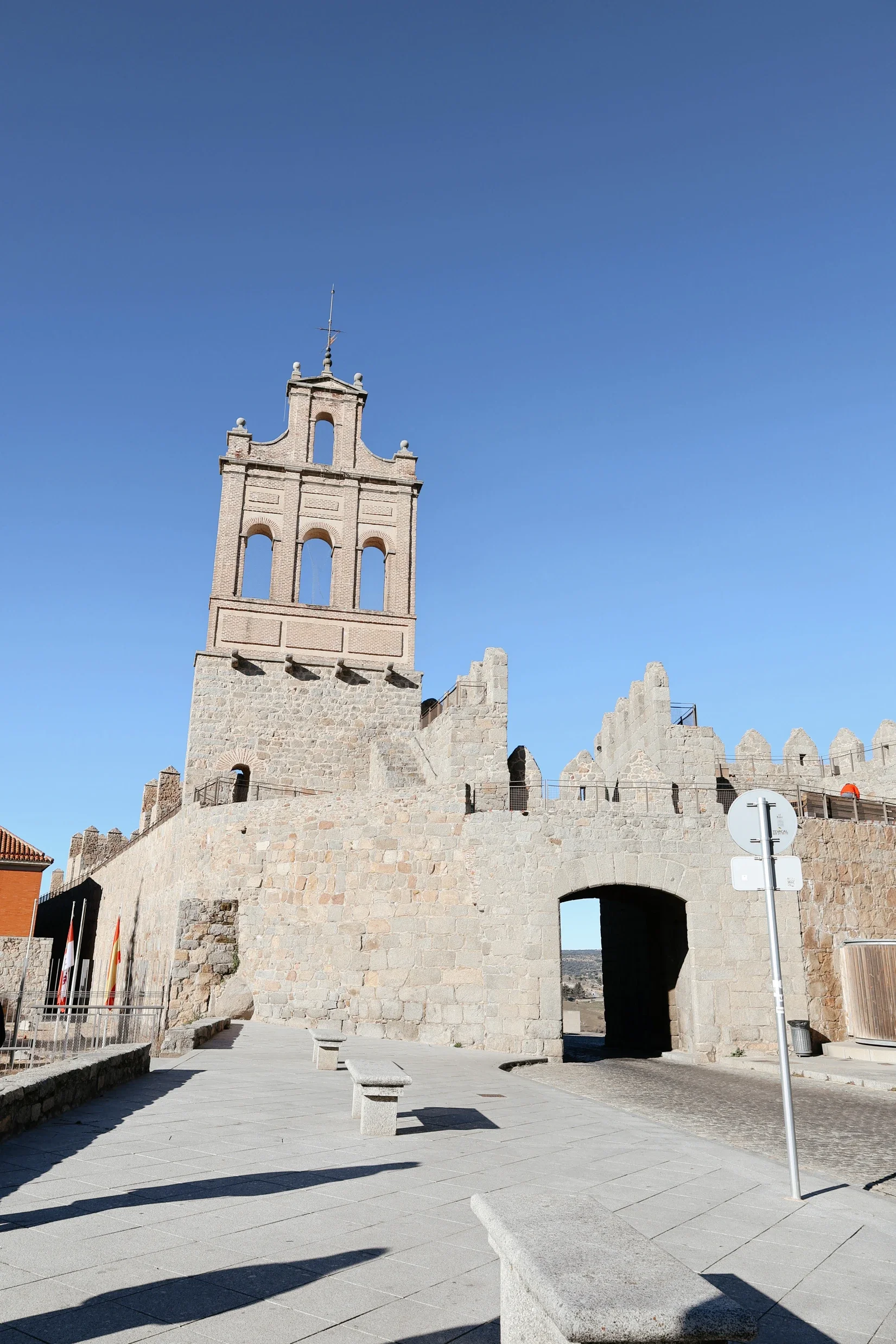
Alcázar Gate
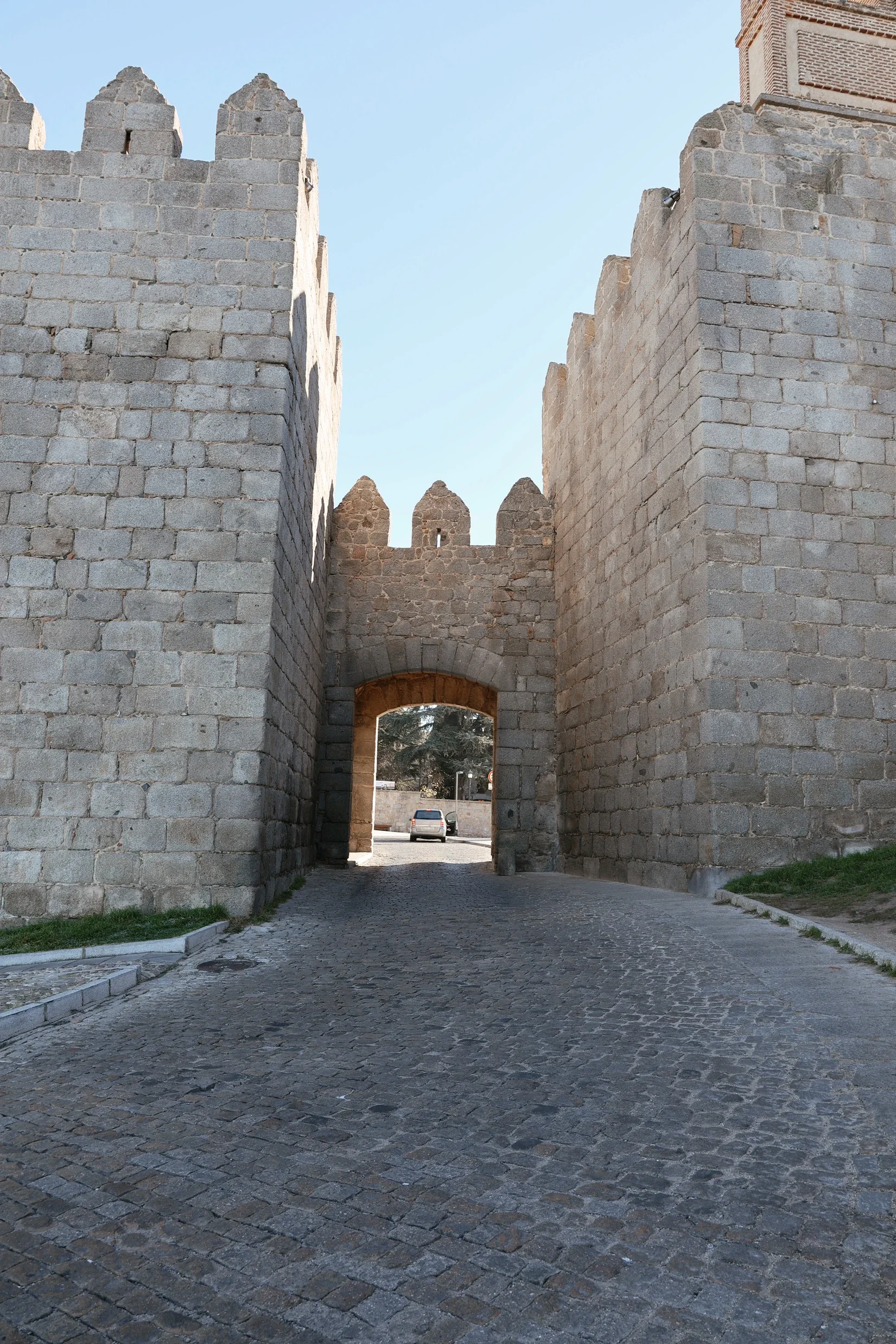
After visiting San Pedro Church, stepping through the Puerta del Alcázar feels like crossing a threshold into Ávila’s medieval soul. This is one of the most striking and imposing gates along the city walls, and it makes for a truly memorable entrance into the walled city. Flanked by massive stone towers, the gate immediately sets the tone for what’s ahead—narrow streets, historic churches, and layers of history waiting to unfold. Walking through it felt ceremonial in a way, like officially beginning the next chapter of exploring Ávila.
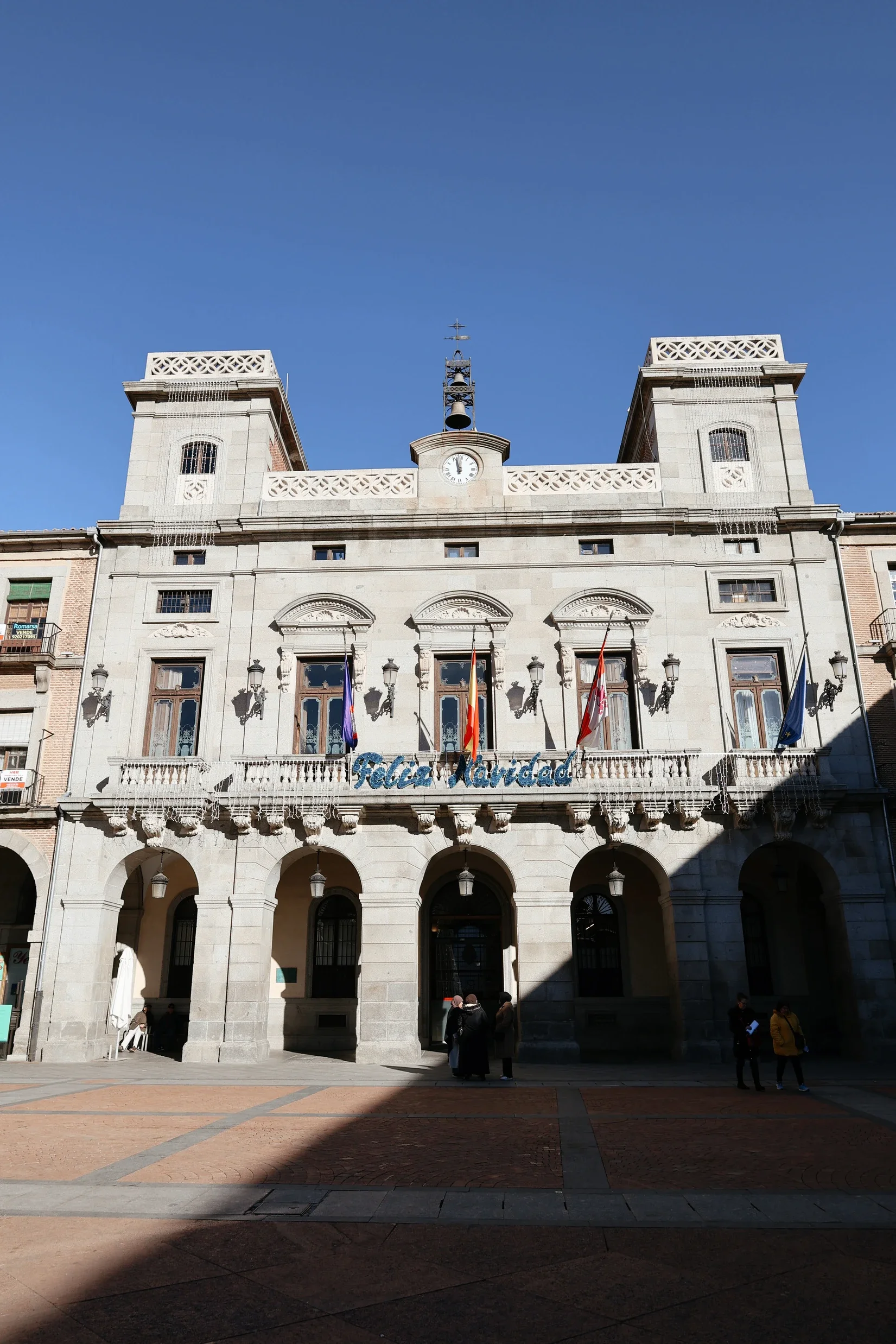
Mayor Square (Plaza Mayor)
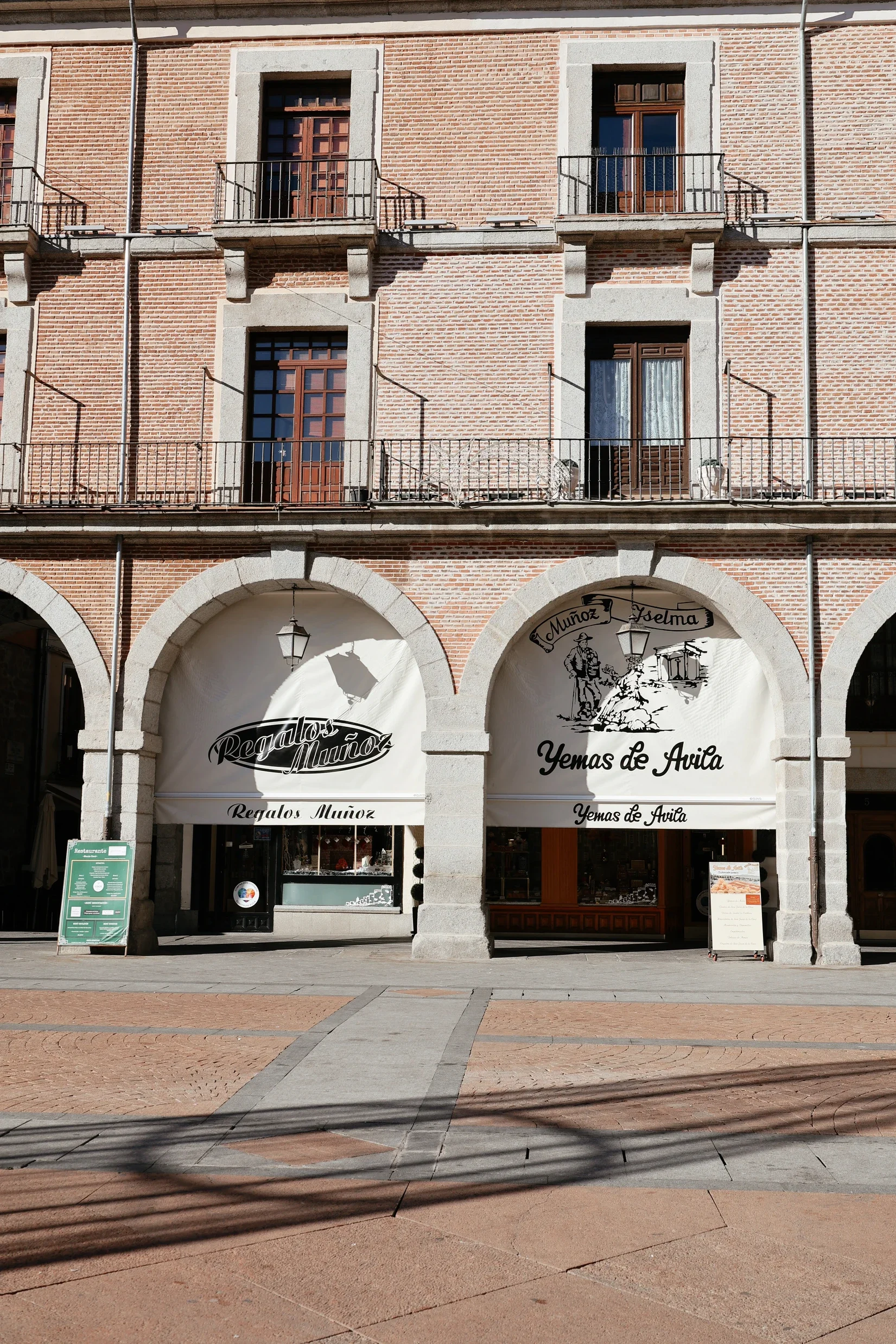
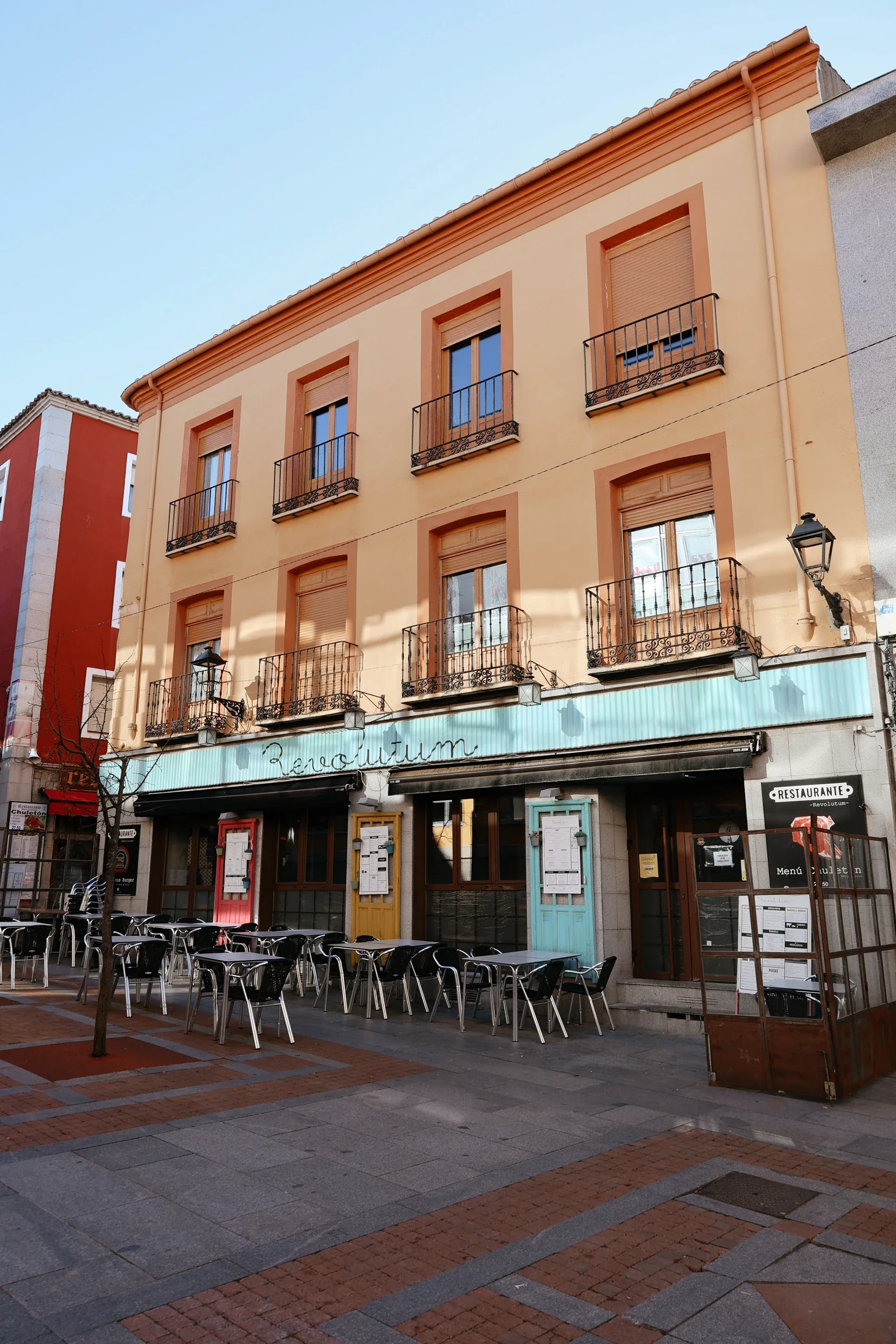
When you need a pause from sightseeing, Plaza Mayor is the perfect place to slow down. While it may be smaller than plazas in other Spanish cities, it more than makes up for it with character and charm. The architecture surrounding the square is beautiful and understated, and the atmosphere feels relaxed and local. It’s a lovely spot to sit for a bit, enjoy a coffee, and watch everyday life unfold in Ávila. Nothing rushed, nothing loud—just a calm moment in the heart of the city.
Plaza Mayor is one of those places that doesn’t demand much of you, but gives a lot back in return: a breather, a view, and a chance to simply enjoy where you are.
Museo de Ávila (Ávila Museum)
For a deeper understanding of the city’s past, the Museo de Ávila is absolutely worth a visit. The museum takes you on a thoughtful journey through Ávila’s history—from prehistoric Paleolithic finds to Roman remains and into the city’s Golden Age and beyond. Inside, you’ll find a well-curated collection of archaeological discoveries, Roman sculptures, everyday artifacts, and artworks that help piece together how life here has evolved over centuries. It’s engaging without being overwhelming, and it adds meaningful context to everything you’ll see while walking the city.
If museums are your thing, Ávila has several others scattered around town as well. The Tourist Information Office is a great place to stop for details and recommendations—it’s an easy way to tailor your visit and uncover a few lesser-known cultural spots.
Barrio Judio (Jewish Quarter)
Wandering through the Barrio Judío of Ávila offers a quieter, more reflective look at the city’s layered past. This area preserves traces of the Jewish communities that once thrived here, and while much of the history is subtle, it’s deeply felt as you move through the narrow streets. I found this part of Ávila especially meaningful—not flashy, not crowded, but full of presence. The stone alleys, old doorways, and tucked-away corners hint at everyday lives that once unfolded here, offering a glimpse into a significant chapter of the city’s story.
If you enjoy places that invite you to slow down and reflect rather than rush, the Jewish Quarter is well worth exploring. It adds depth to your visit and helps you understand Ávila beyond its walls and monuments.
Torreón de los Guzmanes
Next on the Ávila itinerary is the Torreón de los Guzmanes, a striking tower built in the early 16th century that quietly bridges past and present. While it once played a defensive role, today it serves as an administrative building and houses an exhibition hall—giving it a lived-in, contemporary purpose. I enjoyed how approachable this stop felt. You’re not just looking at history behind glass; you’re walking through a space that continues to evolve. The exhibitions rotate, so there’s often something new to discover, and the architecture itself is reason enough to visit.
If you like seeing how historic structures adapt over time, the Torreón de los Guzmanes is a worthwhile stop that adds another layer to Ávila’s story.
Santo Tomás Monastery
The Real Monasterio de Santo Tomás is one of those places that immediately makes you slow down. Built in the 15th century, this beautiful Gothic Dominican monastery feels both grand and serene at the same time. It was commissioned by King Ferdinand II of Aragon and Queen Isabella I of Castile, with strong ties to Tomás de Torquemada, the first Grand Inquisitor, and dedicated to Saint Thomas Aquinas. Walking through the monastery, the peaceful cloisters were what stayed with me most. There’s a quiet elegance here—the kind that invites reflection rather than rush. The architecture is striking but not overwhelming, and each courtyard feels thoughtfully designed to create calm and balance.
If you’re interested in history, religion, or simply beautiful spaces that feel deeply rooted in the past, Santo Tomás Monastery is absolutely worth the visit. It’s one of those places that doesn’t demand attention—but leaves a lasting impression once you’re gone.
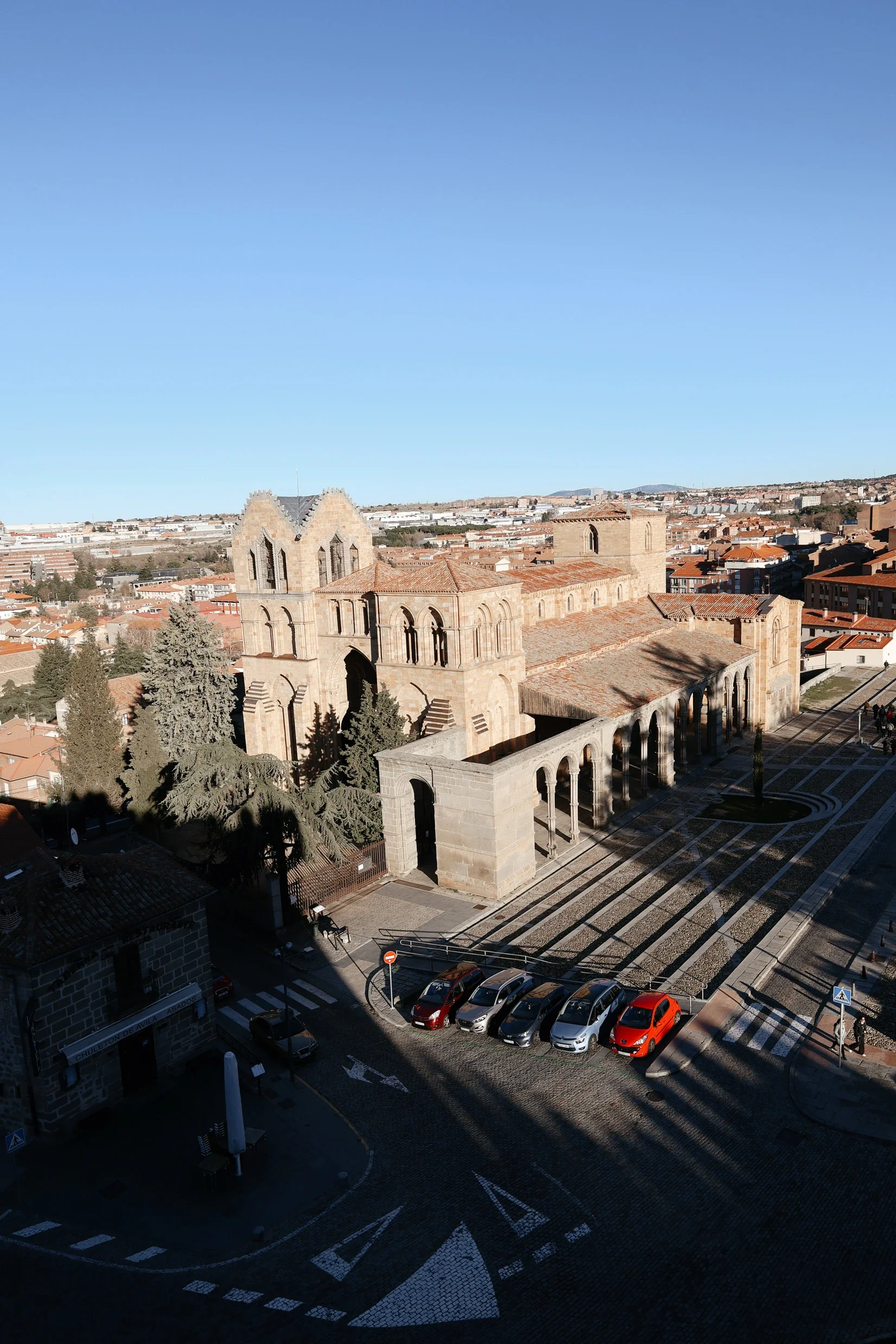
San Vicente Basilica
Making your way to Basilica of San Vicente feels like a journey through Ávila’s layered history. You’ll likely pass through the San Vicente Gate just before arriving, which only adds to the sense that you’re stepping into something truly special. This basilica is one of the finest examples of Romanesque architecture in Spain and is considered the second most important religious monument in the city, right after the cathedral. Construction took nearly two centuries, and you can really see that story unfold in its design. While the Romanesque structure dominates, subtle Gothic details appear throughout, creating a beautiful blend of styles that feels both harmonious and historic.
Inside, the atmosphere is calm and reverent, with stone details and sculptural elements that invite you to linger and take it all in. Even if you’re not deeply interested in architecture, San Vicente Basilica has a quiet power to it—it’s one of those places where the weight of history is felt rather than explained. A definite must-see while exploring Ávila.
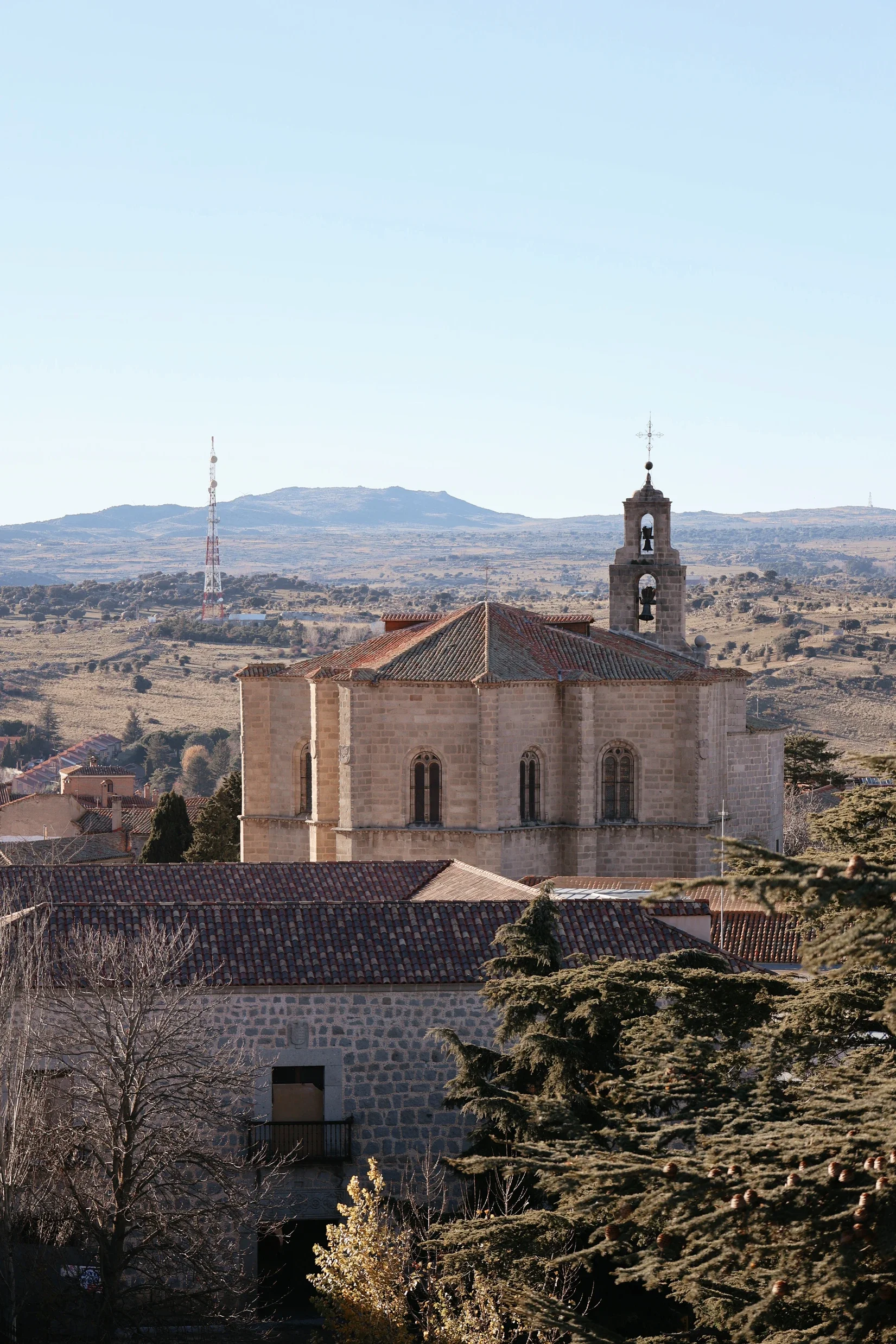
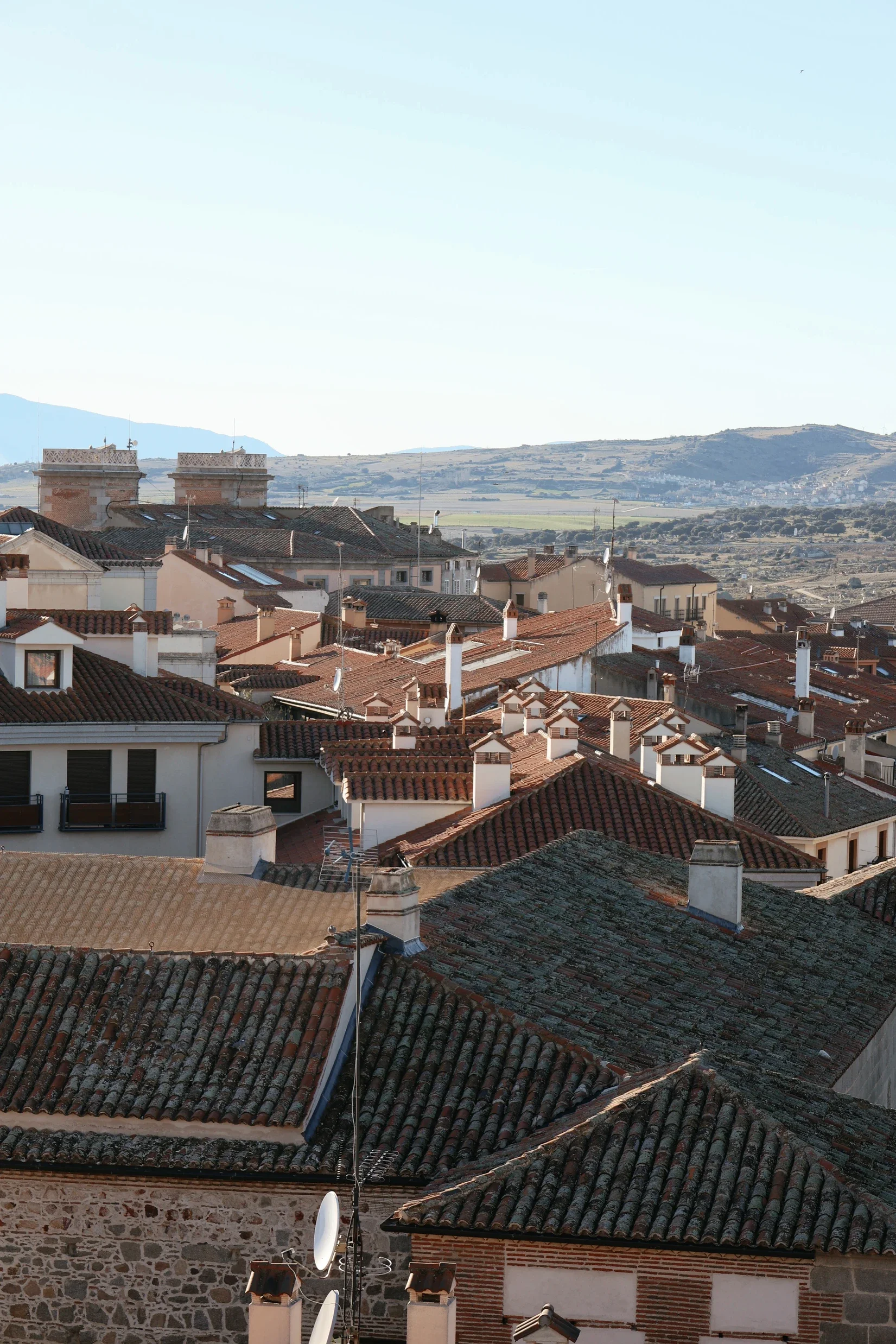
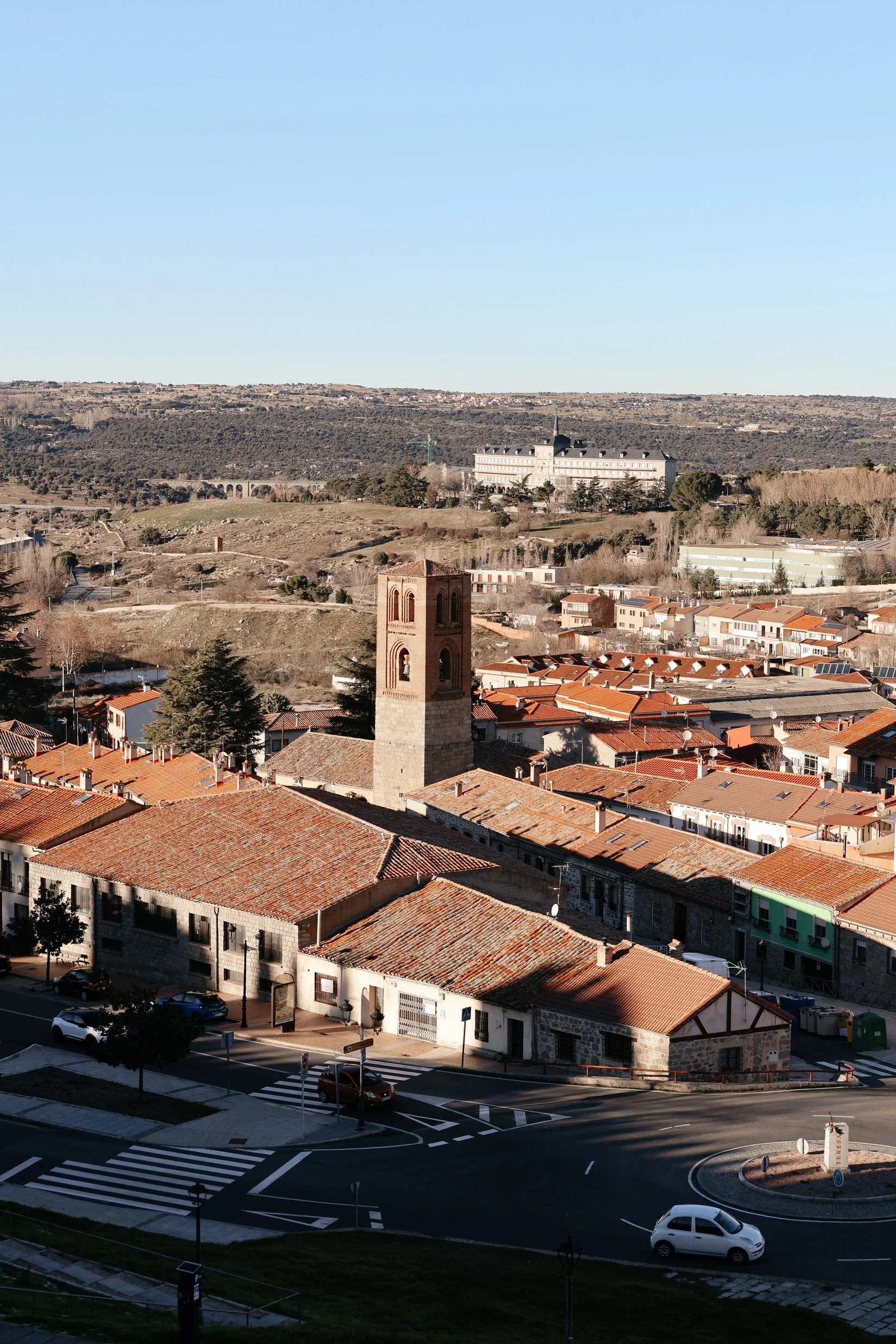
Mirador de los Cuatro Postes (Viewpoint of the Four Posts)
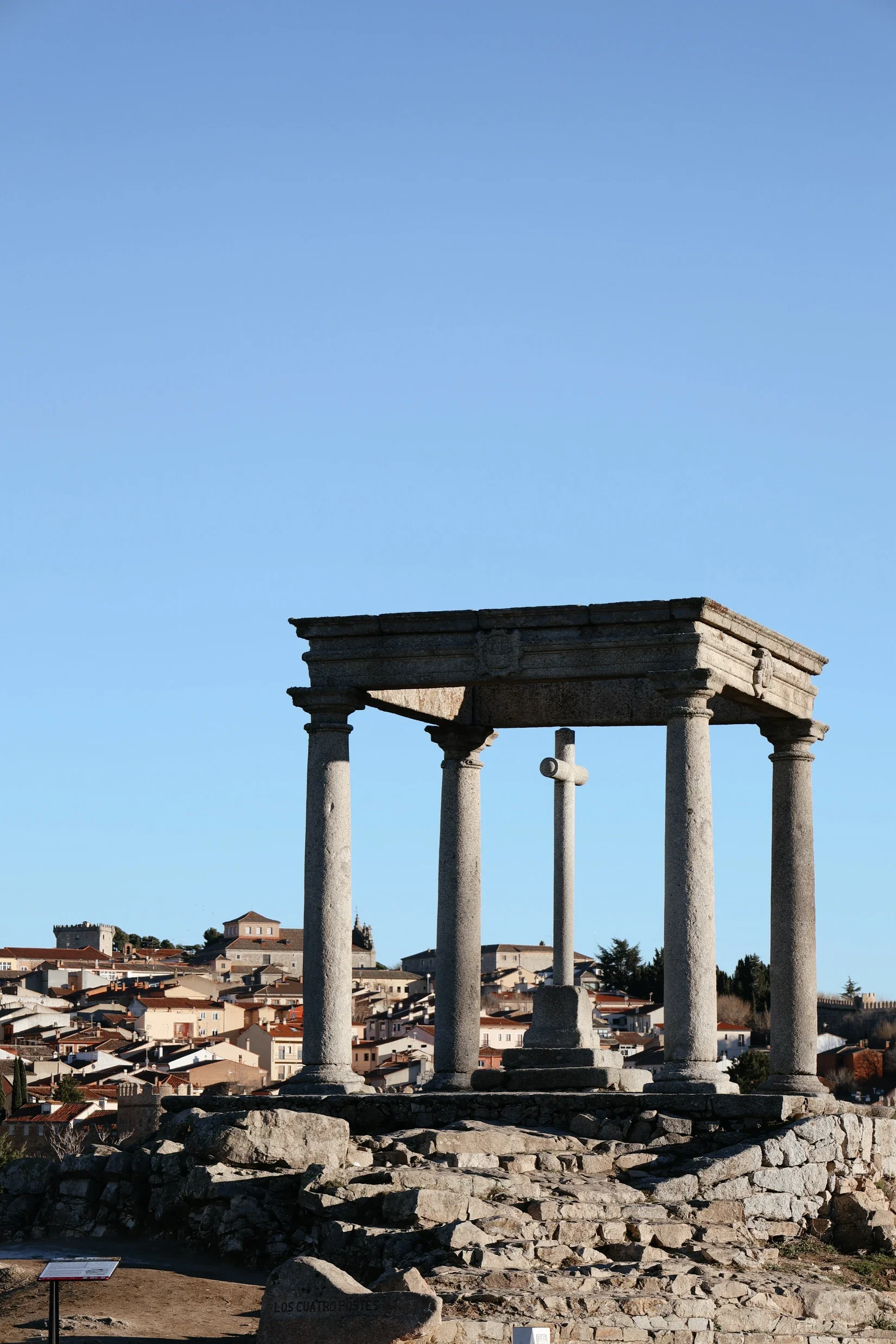
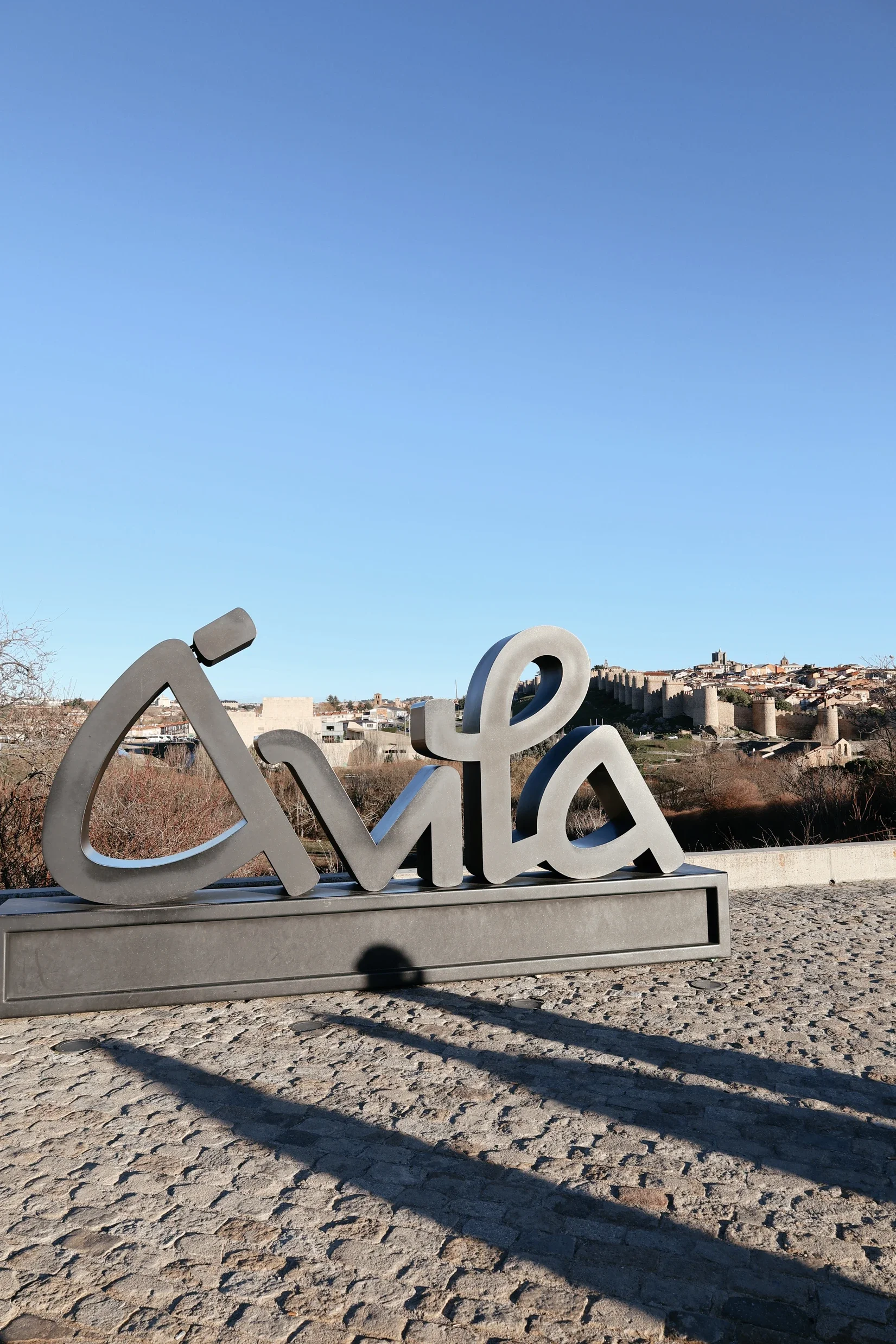
Just a short walk from the city walls, Mirador de los Cuatro Postes is one of those places that quietly takes your breath away. The viewpoint is marked by four tall stone columns framing a large cross, and it has long been a stopping point for pilgrims on their way to the cloister of San Leonardo. Like much of Ávila, this spot comes with its share of legends. Some say it was built to commemorate the city’s survival of a devastating plague in the 12th century, while others claim it’s where Saint Teresa was found by her uncle after running away as a child. Whether the stories are true or not, they only add to the magic of the place.
But the real reason to come here is the view. From this vantage point, you get a full panoramic look at Ávila’s walls wrapping around the city—an incredible sight at any time of day, but especially at night when the walls are softly illuminated. It’s peaceful, a little emotional, and the perfect place to pause, reflect, and take it all in. If there’s one spot to watch the city glow from afar, this is it.
Where to Eat in Ávila, Spain
Restaurante El Alcarreño
Restaurante El Alcarreño is one of those places that feels instantly comforting the moment you walk in. Cozy, unpretentious, and right in the heart of the city, it’s exactly where you want to land after a full day of wandering Ávila’s historic streets.
Their chuletón is the star of the show—a thick, beautifully grilled beef chop that truly lives up to Ávila’s reputation for incredible meat. It’s juicy, flavorful, and cooked simply, letting the quality speak for itself. I also loved the sopa castellana, a classic garlic soup with bread and ham that’s rich, warming, and perfect if you’re visiting on a chilly day.
The atmosphere is warm and welcoming, the kind of place where locals linger over long meals and conversations. Nothing feels rushed here, and that’s part of the charm. If you’re looking for honest, traditional Castilian food in a relaxed setting, El Alcarreño is an easy yes.
Restaurante La Miranda
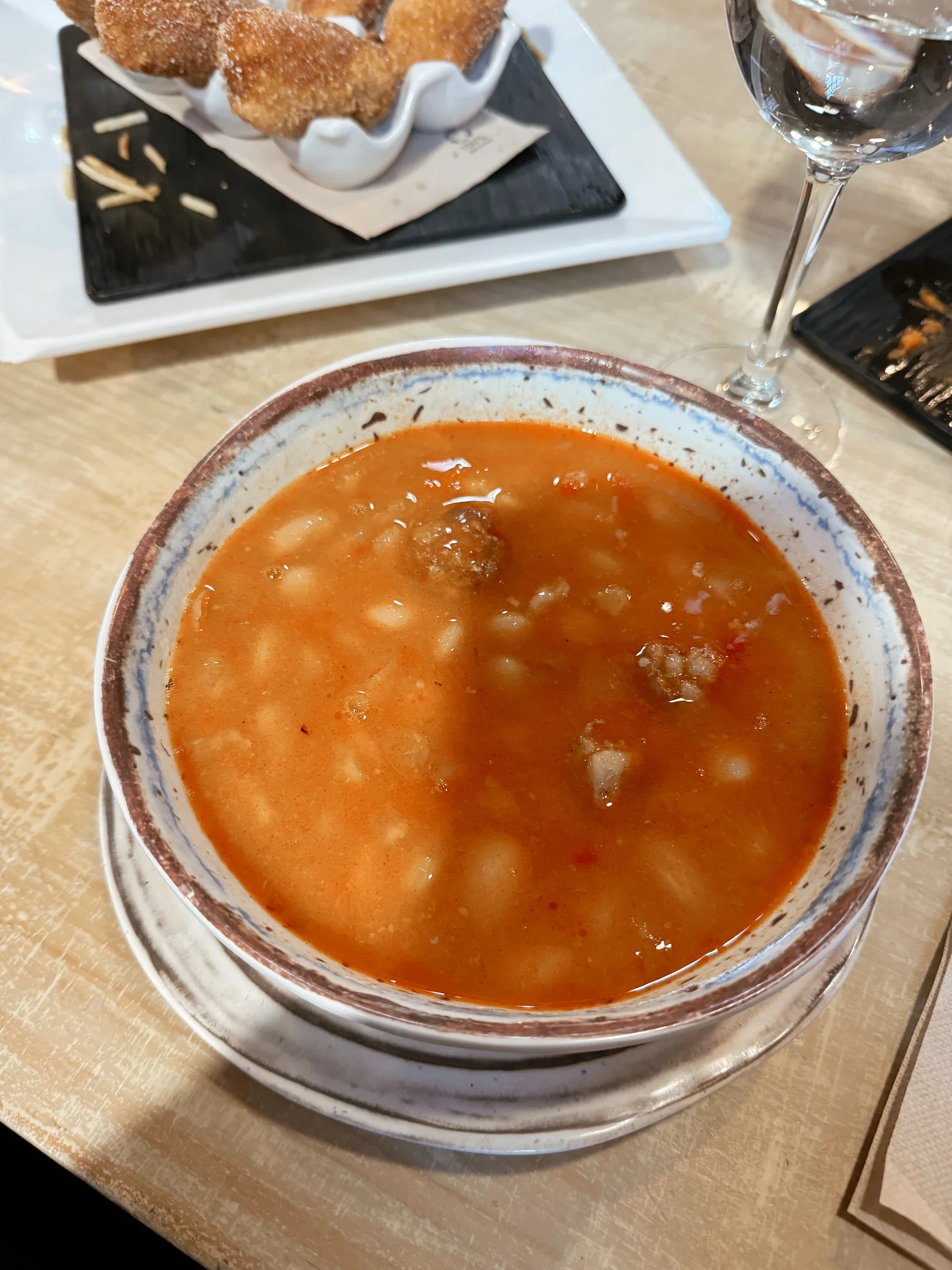
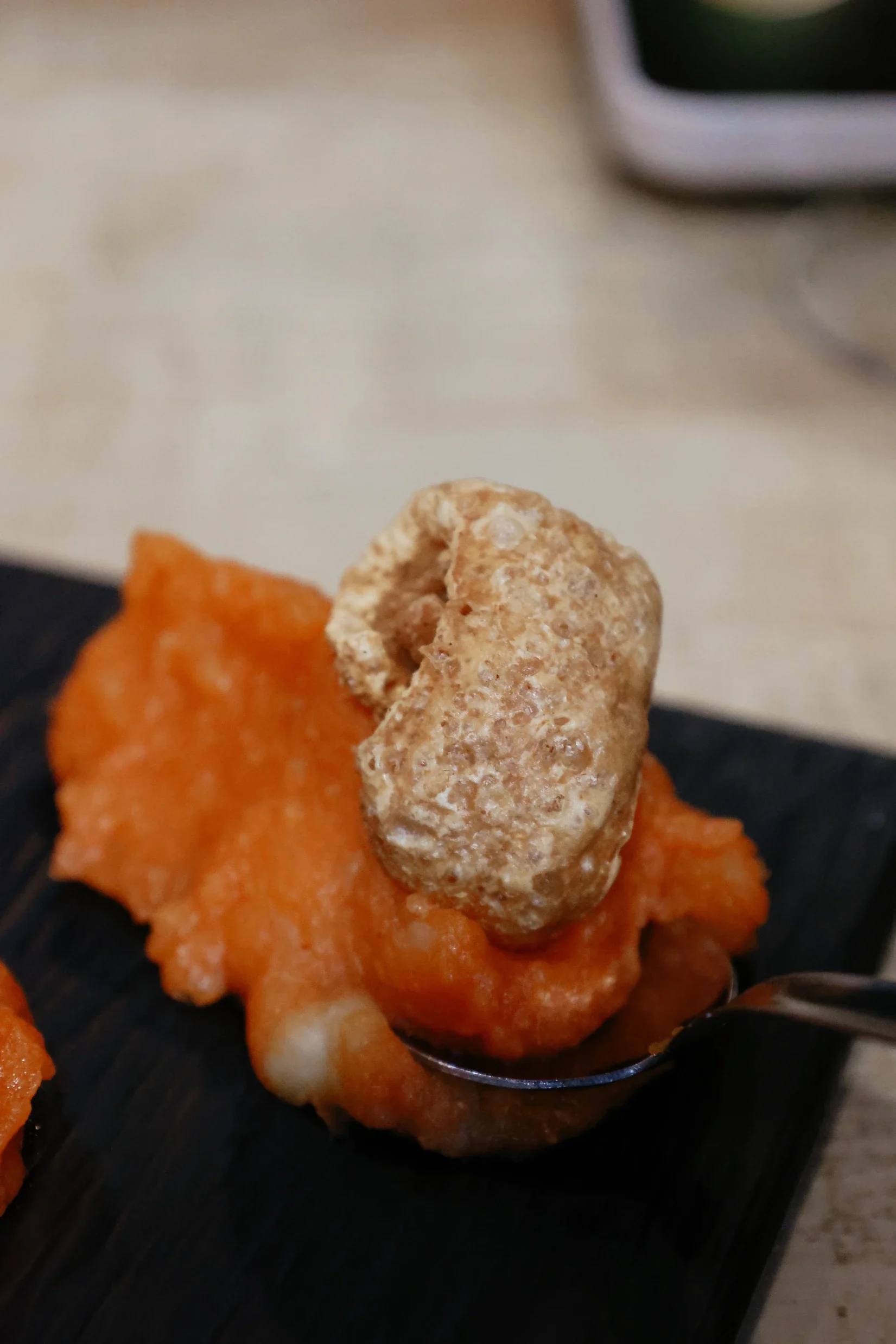
Restaurante La Miranda is the kind of place that immediately makes you feel grounded in local tradition. Warm, rustic, and full of character, it’s a lovely spot to slow down and enjoy classic Castilian cooking done right. Their patatas revolconas are a must-order—silky mashed potatoes seasoned with sweet paprika and crowned with crispy pork cracklings that add just the right amount of richness and texture. It’s simple, comforting, and incredibly satisfying. Another standout is the judiones del Barco de Ávila, a hearty white bean stew that’s deeply flavorful and perfect for cooler days. It’s one of those dishes that feels like it’s been cooked the same way for generations—and that’s exactly what makes it special.
The cozy, traditional décor paired with friendly, welcoming service makes the experience feel authentic and relaxed. If you’re looking to taste Ávila’s culinary roots in a setting that feels genuinely local, La Miranda is a wonderful choice.
Restaurante Casa Vallehermoso
Restaurante Casa Vallehermoso is one of those places where you instantly feel at ease. Traditional, welcoming, and deeply rooted in local cuisine, it’s the kind of restaurant that invites you to slow down and really enjoy the meal in front of you. Their cocido morañego is a true standout—a rich, slow-cooked stew made with chickpeas, meats, and vegetables that come together in the most comforting way. It’s hearty without being heavy, and full of those deep, developed flavors that only come from time and care. If you’re craving Ávila’s famous beef, the chuletón here is also excellent—beautifully grilled, perfectly charred, and served simply so the quality of the meat shines.
The atmosphere is warm and homey, making it an ideal spot for a long, leisurely lunch or a relaxed dinner after a day of sightseeing. Casa Vallehermoso feels less like a restaurant and more like being welcomed into a local dining room—and that’s exactly why it’s so special.
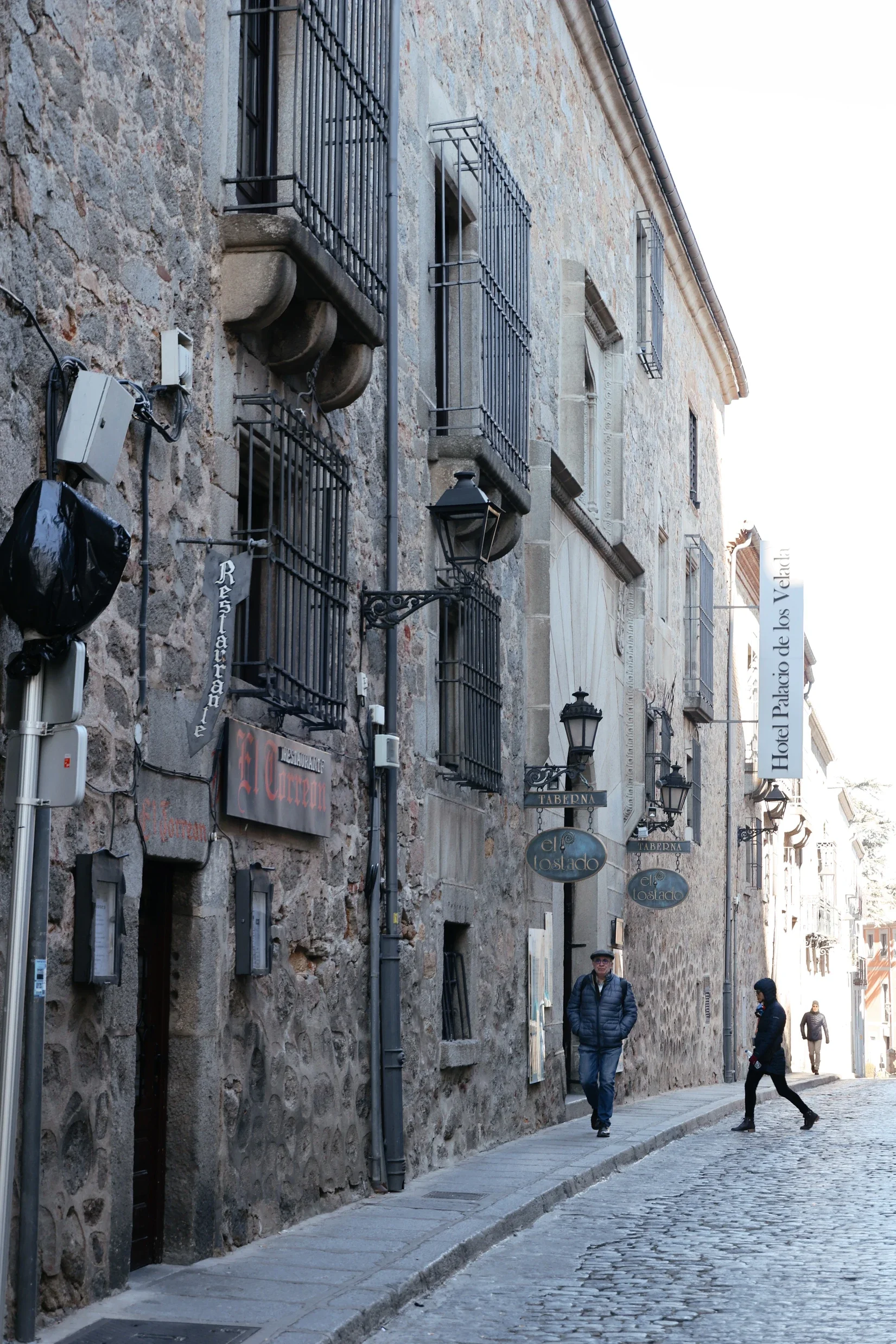
Restaurante El Tostado
If you have even the slightest sweet tooth, El Tostado is a stop you shouldn’t skip. This spot is especially beloved for its Yemas de Santa Teresa, Ávila’s most iconic dessert. Made simply from egg yolks and sugar, they’re rich, silky, and melt in your mouth—one of those traditional treats that feels indulgent yet timeless.
The space itself feels cozy and quietly elegant, making it a lovely place to slow down after a meal or pop in for coffee and dessert. It’s the kind of café where you linger a little longer than planned, savoring something sweet while watching the city move at its gentle pace.
Restaurante Los Candiles
Los Candiles is a go-to for classic Castilian comfort food done right. It has a relaxed, traditional feel that makes it popular with locals—and for good reason. Their patatas revolconas are perfectly seasoned, creamy, and topped with crispy bits that add just the right texture and richness.
Another standout is the sopa castellana, a deeply flavorful garlic soup with bread and ham that’s especially satisfying on colder days. Everything here feels honest and rooted in tradition, from the food to the setting. If you want a truly local dining experience that warms you from the inside out, Los Candiles delivers exactly that.
Siglo Dice
Siglo Dice is a fantastic spot if you want to experience Ávila’s traditional flavors in a lively, welcoming setting. The energy here feels warm and local, with friendly staff and a buzz that makes it an easy place to settle in and enjoy a long meal.
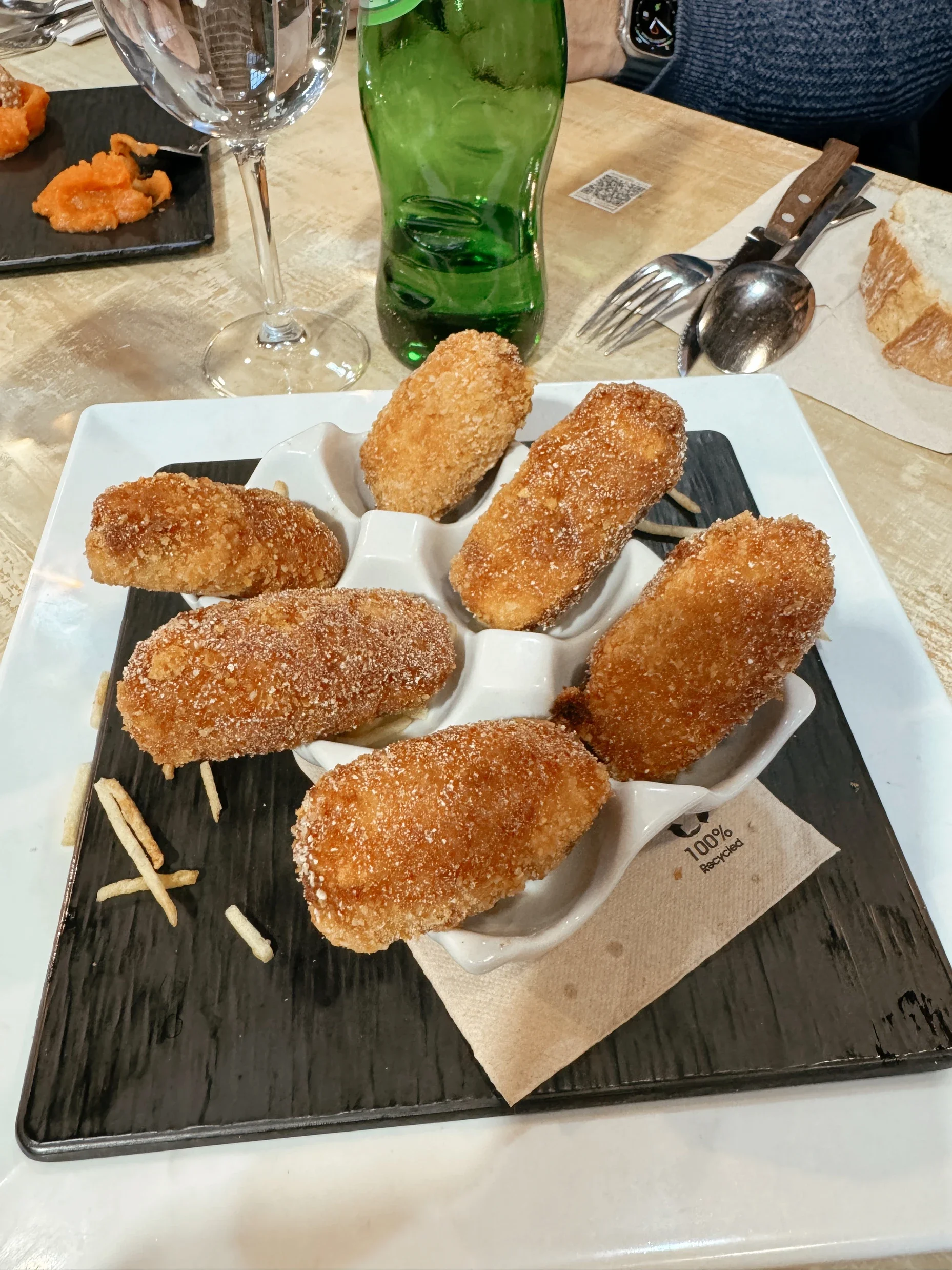
One of my favorites was the judiones del Barco de Ávila, a rich, comforting bean stew that’s full of depth and perfect for cooler days. I also tried the patatas revolconas, creamy and perfectly seasoned, and the ham croquettes, which were crisp on the outside and wonderfully smooth inside—exactly how they should be. Everything felt hearty, satisfying, and rooted in Castilian tradition, without feeling heavy or overdone. If you’re looking for a place that balances great food with a fun, relaxed atmosphere, Siglo Dice is a solid choice.
Where to Stay in Ávila, Spain
Parador de Ávila
If you’re dreaming of a truly unforgettable stay, Parador de Ávila is one of the most iconic choices in the region. Set just outside the city walls, this elegant hotel occupies a historic convent and offers breathtaking views over Ávila’s fortified skyline. The rooms are spacious and refined, the service attentive, and the on-site restaurant serves classic Spanish cuisine with a modern touch. Waking up here feels like stepping into a storybook.
Hotel Palacio de los Velada
Located inside the city’s old quarter, Hotel Palacio de los Velada sits within a beautifully restored 17th-century palace. With a prime location near Plaza Mayor and the Cathedral, it blends historic charm with elegant comfort. Its interiors feel warm and classic, and it’s perfect if you want luxury with a distinctly local vibe.
Hotel Las Moradas
A stylish boutique option with character, Hotel Las Moradas combines contemporary design with traditional touches. The guest rooms are chic yet cozy, and the location right inside Ávila’s walls makes it easy to explore the city on foot. It’s a great pick for travelers who want a more modern twist on luxury in a historic setting.
Hotel Spa Ciudad de Ávila
For travelers who value relaxation as much as location, Hotel Spa Ciudad de Ávila offers comfort, convenience, and excellent wellness facilities. While not as opulent as some others on this list, its spa and spacious rooms elevate it into a more upscale feel, especially after a day of walking the walls and exploring.
Best Time to Visit Ávila, Spain
Visiting Ávila really depends on the kind of experience you’re hoping for—but honestly, the city has something special in every season. Spring (April–June) is one of the best times to go. The weather is mild, the countryside around the city is green, and walking the walls or exploring the old town feels effortless. It’s lively without being crowded, and everything just feels fresh and balanced. Fall (September–October) is another sweet spot. Days are crisp and sunny, crowds thin out, and the golden light makes the stone walls and churches look especially beautiful. It’s ideal if you want a quieter, more relaxed visit with great weather. Winter (November–February) is cold—sometimes very cold—but also incredibly atmospheric. I visited during the colder months and loved how peaceful it felt. Fewer tourists, cozy meals, and misty mornings around the walls give Ávila a dramatic, almost cinematic feel. Just pack warm layers. Summer (July–August) is the least ideal due to heat and increased tourism, especially during midday. That said, mornings and evenings are still lovely, and if you don’t mind the warmth, everything is open and buzzing.
My take: If you want comfort and charm, aim for spring or early fall. If you don’t mind the cold and love quiet, winter is surprisingly magical. Ávila isn’t flashy—it’s timeless—and whenever you go, it has a way of staying with you.
Ávila is the kind of place that stays with you long after you’ve left its stone walls behind. There’s something deeply grounding about walking its medieval streets, tracing history along the ramparts, and sitting down to a slow, comforting meal after a day of exploring. It’s quiet without being dull, historic without feeling frozen in time, and endlessly atmospheric in every season.
#ávila #spain #ávilaspain #visitspain #visitávila #travel #travelphotography #travelgram #travelguide #travelholic #traveltheworld #traveler #traveltoexplore #travelon #traveldestination #traveldiaries #travelblogger #traveltheworld #traveler #traveladdict #traveldestinations #travellover #womenwhotravel #womenwhoexplore