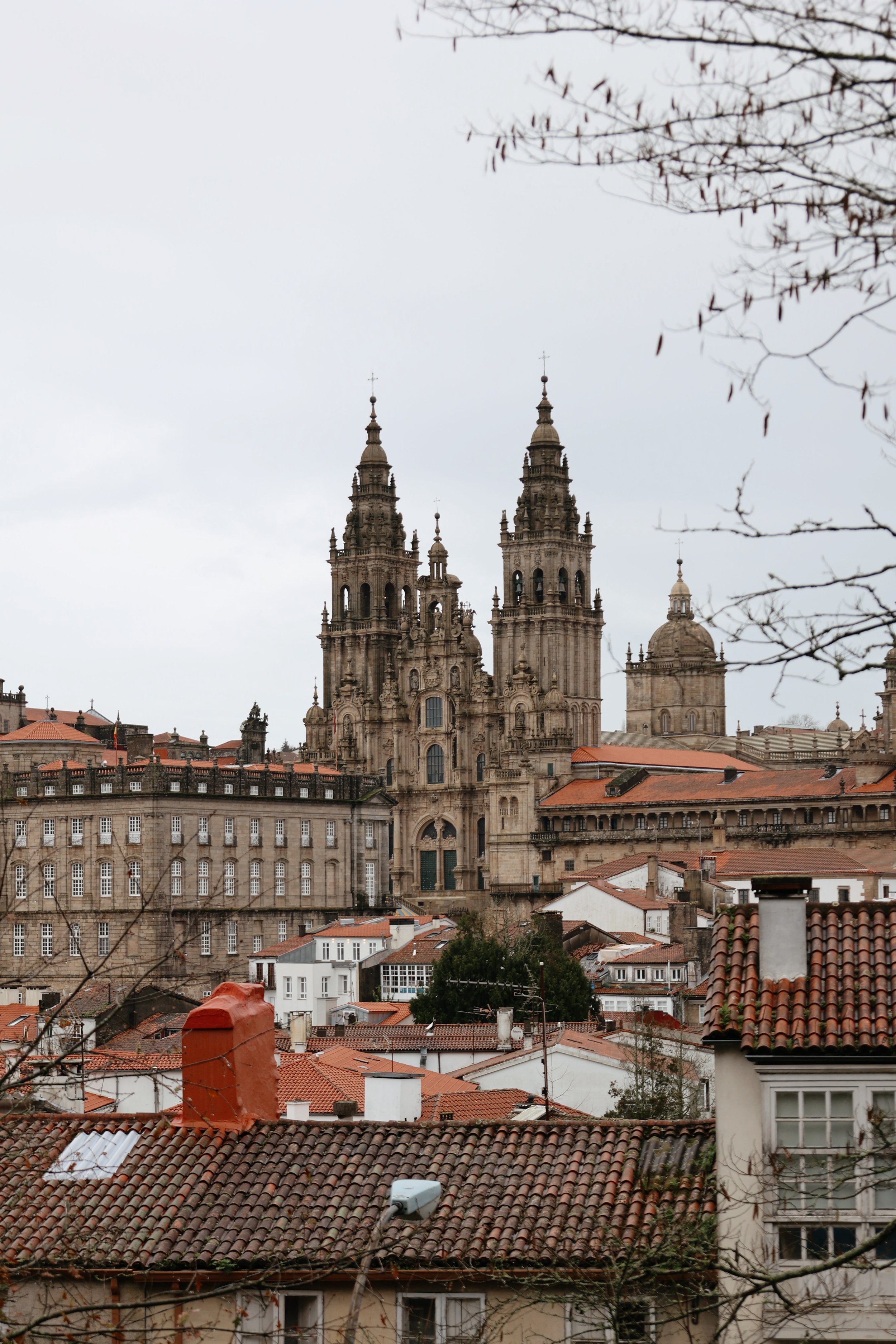
There’s something quietly powerful about Santiago de Compostela. A place where history, spirituality, and everyday life intertwine in a way that feels both ancient and alive. For centuries, travelers have made their way here as pilgrims, seekers, and explorers—and the moment you arrive, it’s easy to understand why.
In this guide, I’m sharing how to experience Santiago beyond the surface. From wandering cobblestone streets that seem to echo with stories of the past to standing in awe before its breathtaking cathedral, this city invites you to slow down and really take it in. There’s a rhythm here—rooted in tradition, shaped by culture, and softened by moments of quiet beauty.
Getting to Santiago de Compostela, Spain
Reaching Santiago de Compostela is surprisingly easy, no matter where you’re coming from or how you prefer to travel. Here are the most common and convenient ways to get there:
By Plane
The closest airport is Santiago–Rosalía de Castro Airport, located about 15 km (9 miles) from the city center. From the airport, getting into the city is simple—taxis are readily available, and there’s also a direct bus option that drops you close to the historic center.
By Train
If you’re already traveling within Spain, the train is a comfortable and scenic option. Santiago’s train station is only about 1.5 km (just under a mile) from the city center, making it easy to reach your hotel on foot or by taxi. Routes connect Santiago with major cities like Madrid, Porto, and other parts of Galicia.
By Bus
Buses are another reliable and budget-friendly choice, especially if you’re coming from nearby cities. The bus station is also about 1.5 km from the city center and easily walkable, though taxis are always an option if you’re carrying luggage.
By Car
If you like the freedom of setting your own pace, renting a car can be a great way to arrive—especially if you plan to explore Galicia beyond the city. Driving allows you to discover small towns, coastal views, and countryside landscapes along the way, adding an extra layer to your journey.
No matter how you choose to arrive, Santiago de Compostela feels welcoming and accessible. Once you’re there, the city’s walkable layout, rich history, and unmistakable atmosphere make every step feel worthwhile.
Things to Do in Santiago de Compostela, Spain
Santiago de Compostela Cathedral
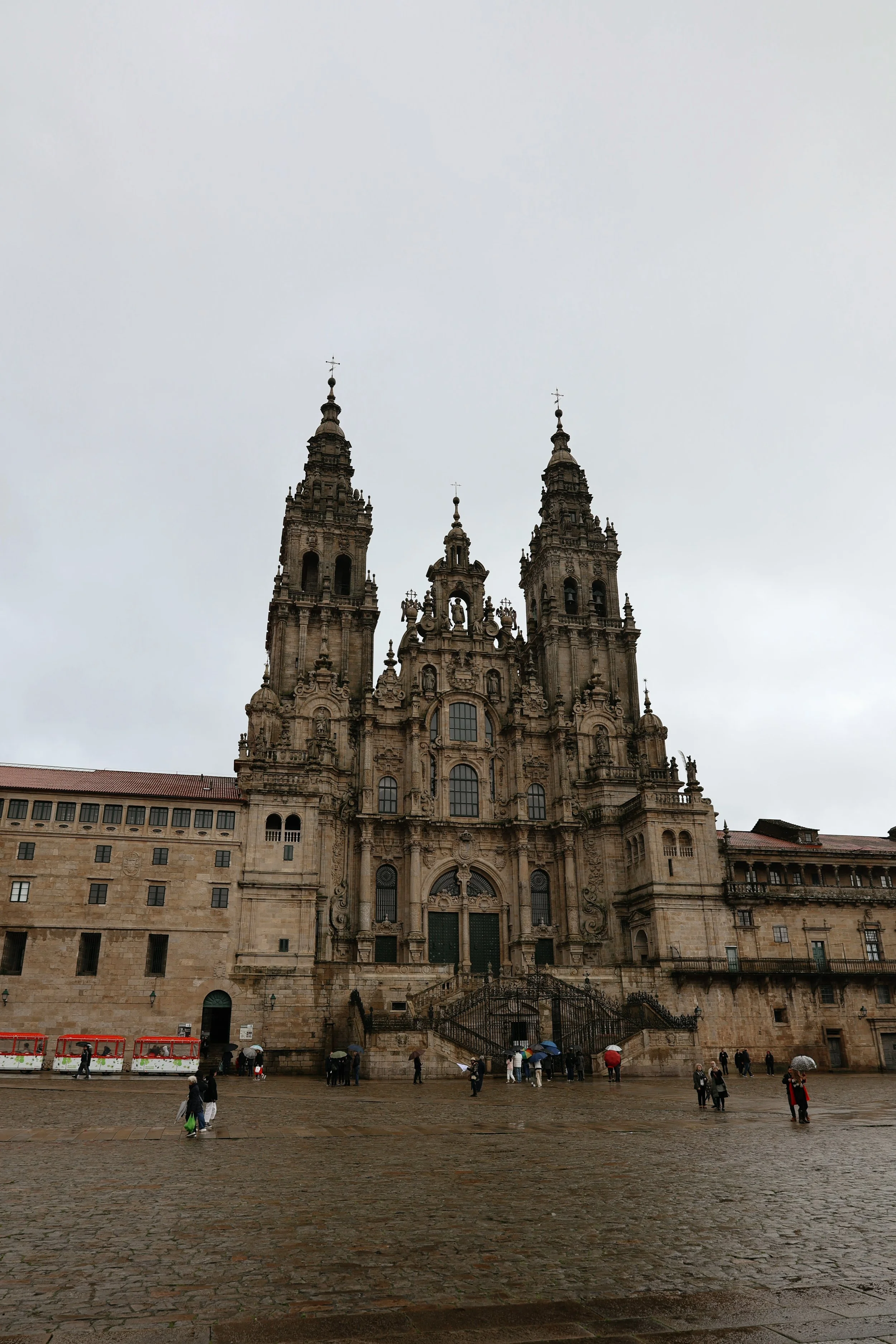
Santiago de Compostela Cathedral is one of those places that truly takes your breath away—no matter how many churches you’ve seen before. And trust me, I’ve visited many across Spain. The first time you step into Praza do Obradoiro and see the cathedral rising in front of you, it’s impossible not to stop in your tracks. It’s grand, emotional, and deeply moving all at once.
The cathedral is believed to house the tomb of St. James the Apostle beneath its main altar, making it the final and most meaningful destination of the Camino de Santiago pilgrimage routes. In fact, it’s one of only three churches in the world built over the remains of an apostle—the others being St. Peter’s Basilica in Vatican City and St. Thomas Cathedral Basilica in Chennai, India. That alone gives this place an incredible sense of significance.
Praza do Obradoiro itself feels special. This is where pilgrims gather after walking anywhere from 120 km (Camino Inglés) to over 1,000 km (Vía de la Plata). Watching people arrive—some crying, some hugging, some simply sitting in silence—adds an emotional layer that stays with you long after you leave. The joy, relief, and reflection in that square are palpable.
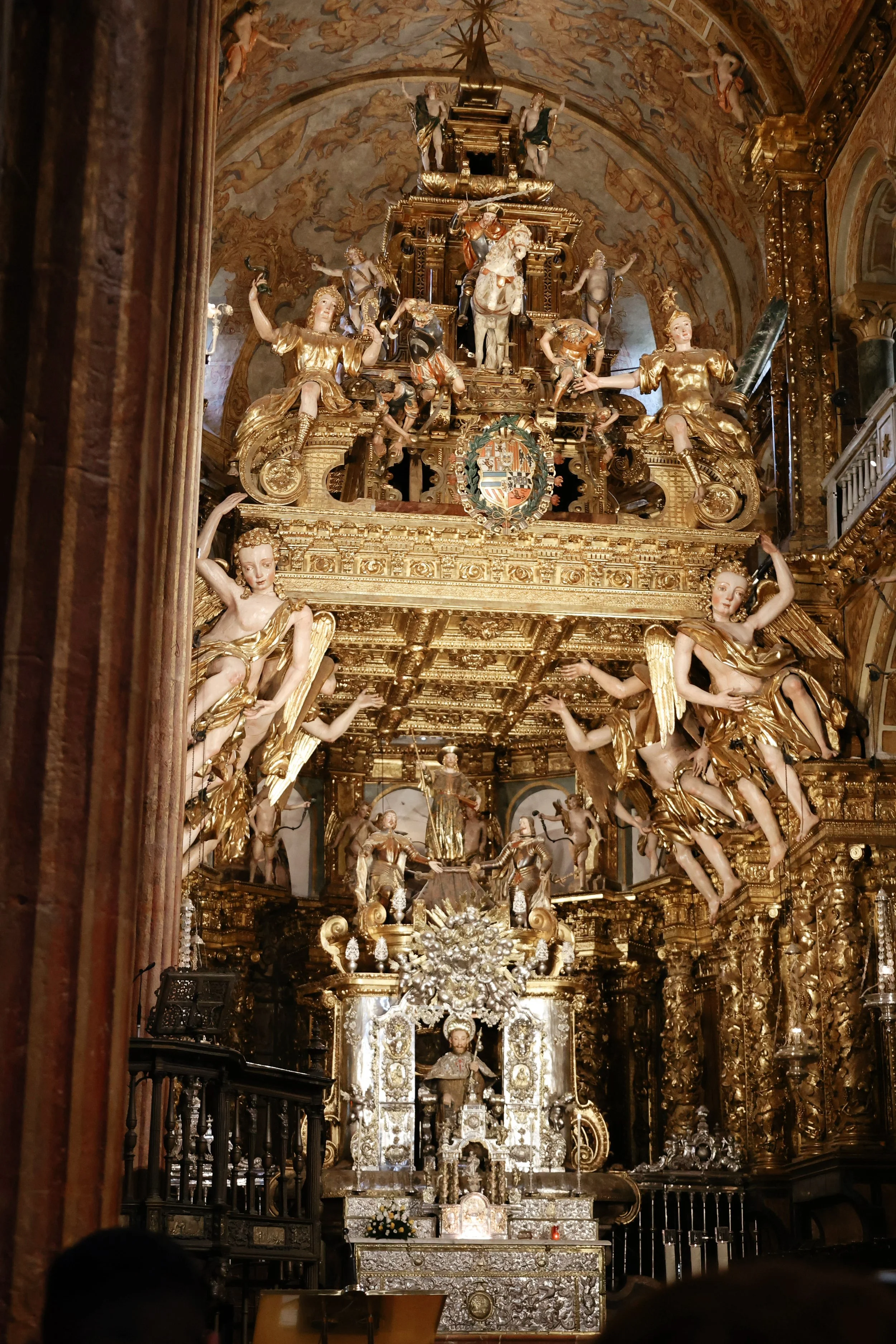
Inside the cathedral, you’ll often find a quiet line of pilgrims waiting to embrace the statue of St. James, a meaningful ritual marking the end of their journey. Even if you’re not walking the Camino, witnessing this moment feels powerful. The cathedral also houses an excellent museum that’s well worth visiting if you want to better understand the history, art, and spiritual importance of the site.
Mosteiro de San Paio de Antealtares
Mosteiro de San Paio de Antealtares is one of those places in Santiago that feels quietly significant—easy to miss if you’re rushing, but deeply meaningful once you stop and take it in. Founded in the 11th century by King Alfonso II, this Benedictine monastery was originally home to twelve monks tasked with caring for the newly discovered tomb of St. James, long before the cathedral became what it is today. In 1499, the monks left, and the monastery was taken over by cloistered nuns who dedicated it to St. Pelayo (San Paio), a Galician child martyr killed in Córdoba. What makes this place especially special is that the nuns still live here today. They quietly carry on centuries-old traditions, including running a small bakery where they sell handmade sweets—most famously Tarta de Santiago, which feels extra meaningful knowing it’s made within these historic walls.
The monastery also houses a museum of religious art, offering insight into the spiritual and cultural history of Santiago and Galicia through sacred objects, artwork, and artifacts. It’s a calm, reflective space that complements the grandeur of the nearby cathedral beautifully. The photo I took was from Praza da Quintana, one of the most atmospheric squares in the Old Town. The structure with the large cross on its exterior is the monastery itself. Even when it appears quiet and closed-off, there’s a strong sense of history here—one that reminds you how deeply layered Santiago de Compostela truly is.
San Paio de Antealtares may not draw crowds like the cathedral, but it’s a meaningful stop for anyone who wants to experience the softer, more contemplative side of the city.
Monastery of San Martiño Pinario
Monastery of San Martiño Pinario is one of those places that quietly impresses you the more you learn about it. Located just steps from the Santiago de Compostela Cathedral, this monumental Benedictine monastery dates back to the 16th century and has played a significant role in both the religious and cultural history of Spain. What surprised me most is the sheer scale of it. San Martiño Pinario is the second-largest monastery in Spain, surpassed only by El Escorial. Standing in front of it, you really feel that grandeur—its size, symmetry, and presence are impossible to ignore. Yet despite its magnitude, it doesn’t feel overwhelming. Instead, it carries a calm, grounded energy that feels very much in line with Santiago itself.
Part of the monastery has been thoughtfully adapted for modern use, including a section that now operates as a hotel. Staying here offers a rare opportunity to sleep inside a historic religious complex—something that feels both unique and deeply connected to the city’s past. The monastery also houses a museum of religious art, where you can explore beautifully preserved artifacts and artworks that tell the story of the Benedictine monks who once lived and worked here.
If you’re even remotely interested in history, architecture, or religious heritage, San Martiño Pinario is absolutely worth visiting. It’s a place where history doesn’t feel distant—it feels lived in, layered, and very much alive.
Praza das Praterias
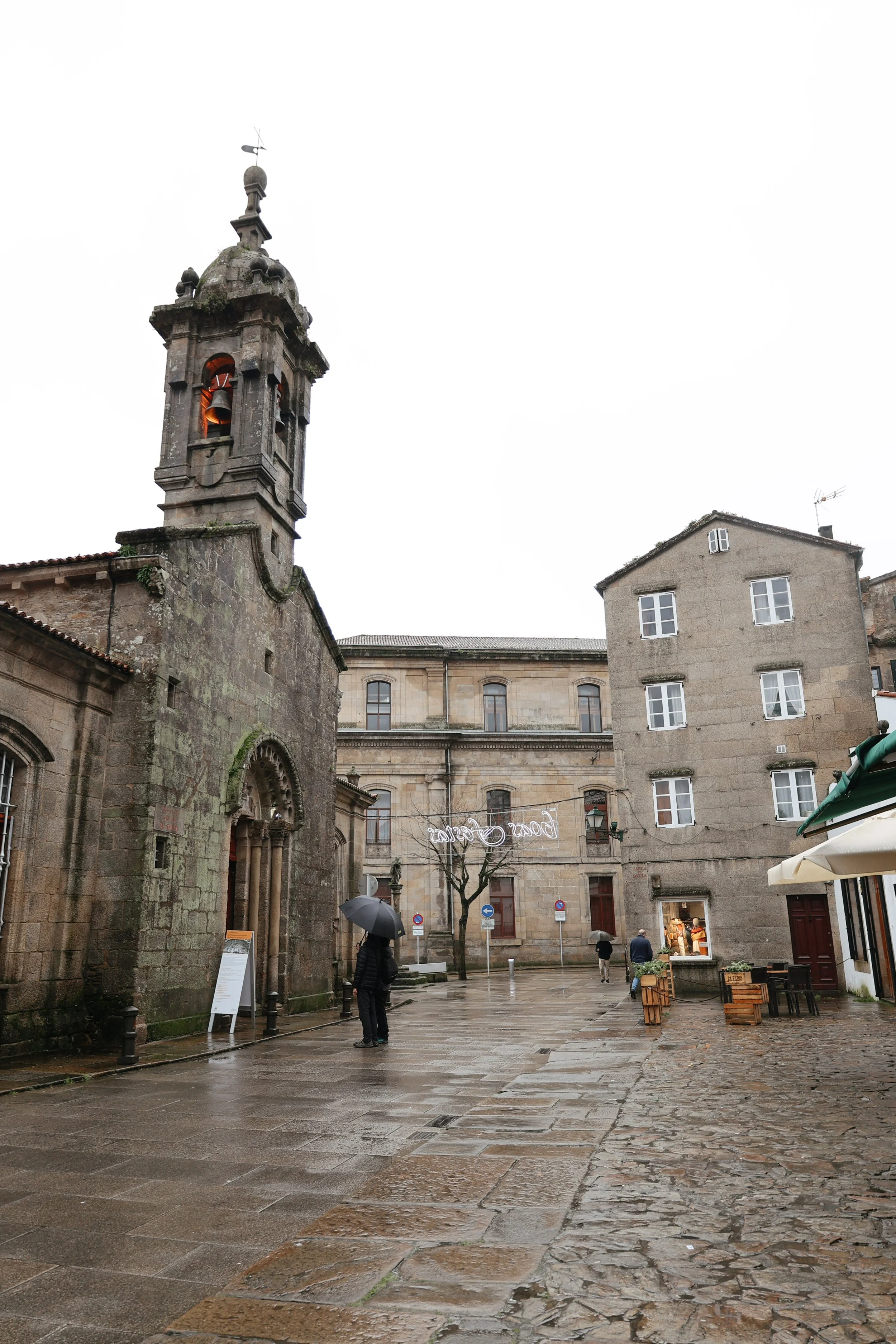
Santiago’s Old Town may be compact, but it’s filled with beautiful little squares that invite you to slow down—and Praza das Praterias quickly became my favorite. While Praza do Obradoiro and Praza da Quintana are larger and more dramatic, Praza das Praterias feels more intimate and relaxed, the kind of place you naturally linger. At the center of the square sits a charming fountain, surrounded by striking architecture, including the impressive Torre da Berenguela, one of the most recognizable towers of the cathedral. Sitting here, listening to the sound of water and watching people pass through, feels grounding—like a quiet pause in the middle of the city’s energy.
The name Praza das Praterias translates to “Square of the Silversmiths,” a reference to the artisans who once worked here centuries ago. Knowing that history adds another layer to the experience and makes the square feel even more special.
If you’re looking for a peaceful spot to rest your feet, take photos, or simply soak in the atmosphere of Santiago’s Old Town, Praza das Praterias is a perfect choice. It’s small, beautiful, and full of character—everything that makes Santiago de Compostela so memorable.
Convento de San Francisco de Santiago
Convento de San Francisco de Santiago is one of those places where history and modern comfort come together beautifully. Originally home to Franciscan monks in the 18th century, this former convent has been thoughtfully transformed into a luxurious 4-star hotel and restaurant, without losing its soul. What I love most is how much of the original structure has been preserved. Walking through the building, you can still feel its past—stone walls, cloisters, and quiet corners that speak to centuries of monastic life. There’s also a small museum and chapel on-site, offering insight into the convent’s history and the Franciscan order that once lived here.
The restaurant adds another special layer to the experience. Its menu is inspired by pilgrimage traditions, featuring hearty, comforting dishes rooted in convent and monastery cooking. Dining here feels meaningful—not just a meal, but a continuation of Santiago’s long history of welcoming travelers.
Whether you’re stopping by to explore the architecture, enjoy a meal, or stay the night, the Convento de San Francisco is a wonderful example of how Santiago honors its past while embracing the present. It’s peaceful, elegant, and deeply connected to the city’s spiritual heritage.
Where to Eat in Santiago de Compostela, Spain
Restaurante Casa Solla
Restaurante Casa Solla is one of Galicia’s most celebrated dining experiences—and for good reason. This Michelin-starred restaurant is known for its refined, innovative take on traditional Galician cuisine, where every dish feels both rooted in place and thoughtfully modern.
The menu highlights the very best local ingredients, prepared with precision and presented beautifully. Set inside a lovingly restored 19th-century building, the space itself strikes a perfect balance between historic charm and contemporary elegance. Dining at Casa Solla feels special from start to finish—polished, intentional, and deeply connected to Galicia’s culinary identity. It’s an ideal choice if you’re looking for a memorable, elevated meal that still honors tradition.
Restaurante Central
If you’re craving something more classic and comforting, Restaurante Central is a wonderful choice. This beloved spot is known for its warm, welcoming atmosphere and its dedication to traditional Galician cooking.
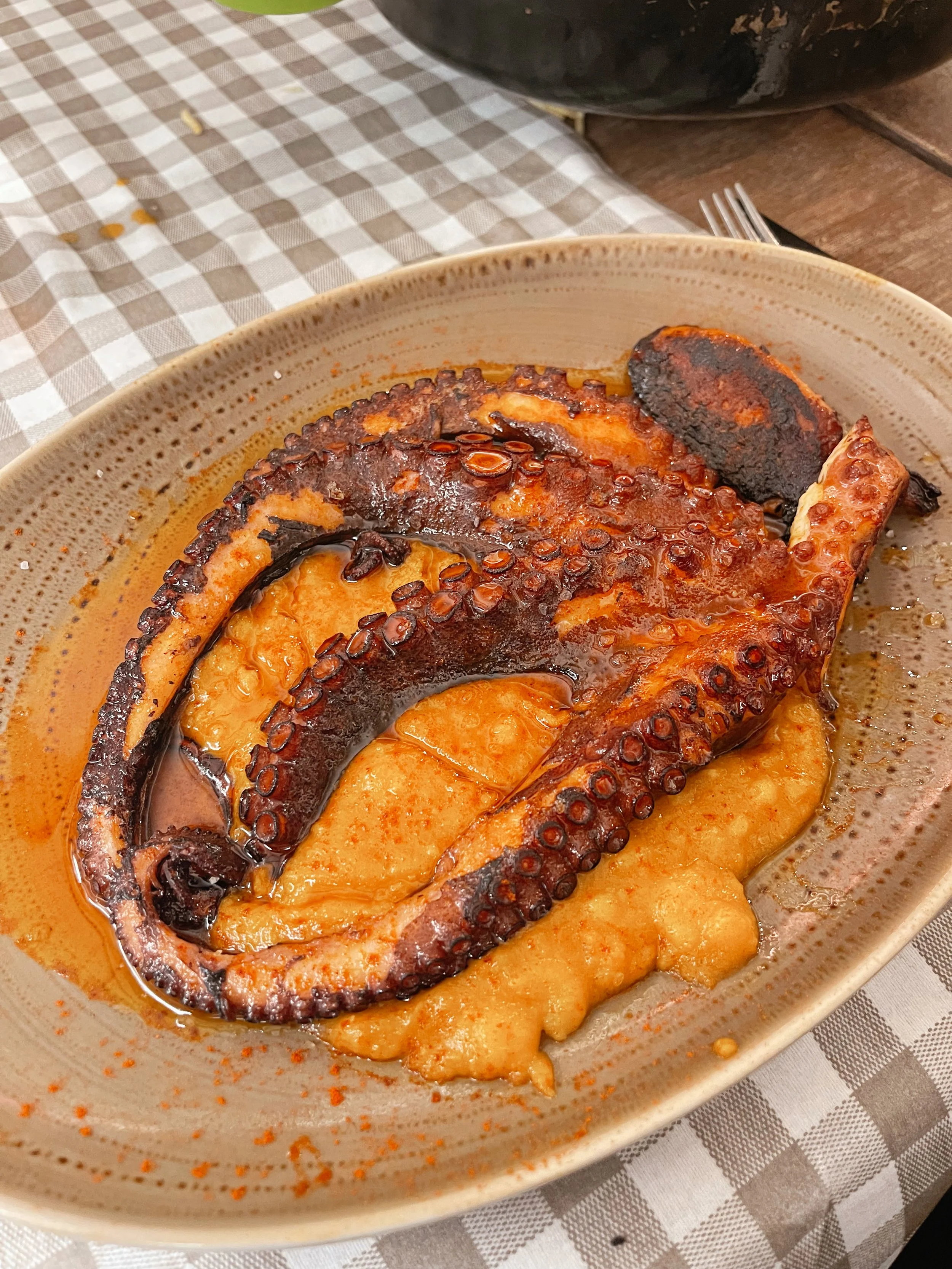
The menu focuses on fresh seafood and regional specialties made with locally sourced ingredients. Standout dishes include pulpo a la gallega (Galician-style octopus), lacón con grelos (pork with turnip greens), and caldo gallego, a hearty local soup that feels especially comforting on cooler days. Located in a historic building right in the heart of the city, Restaurante Central has an inviting, no-frills charm that makes you feel instantly at home.
Whether you’re in the mood for Michelin-level refinement or honest, soulful Galician cooking, these two restaurants showcase different—and equally delicious—sides of the region’s food culture.
O Beiro
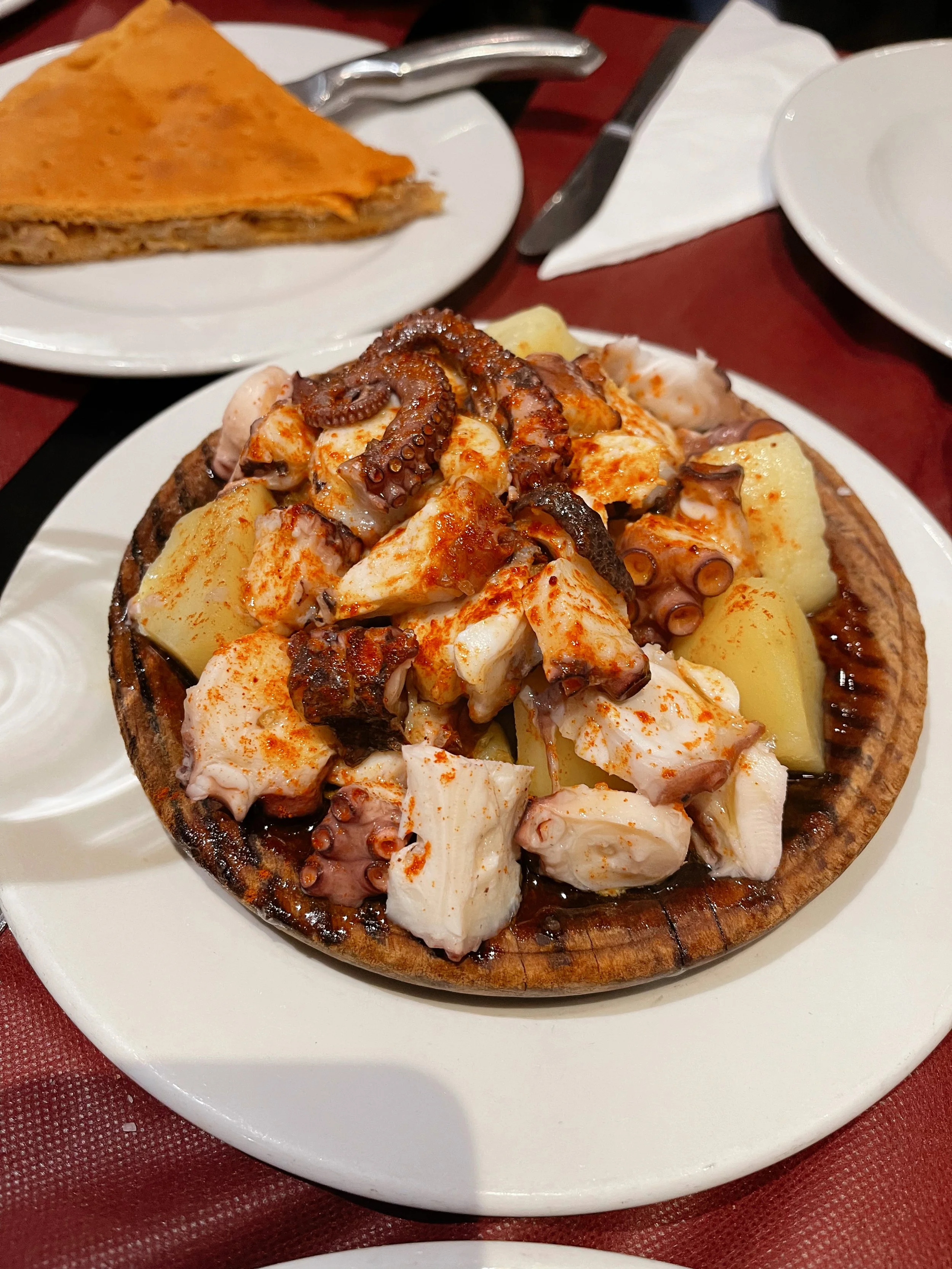
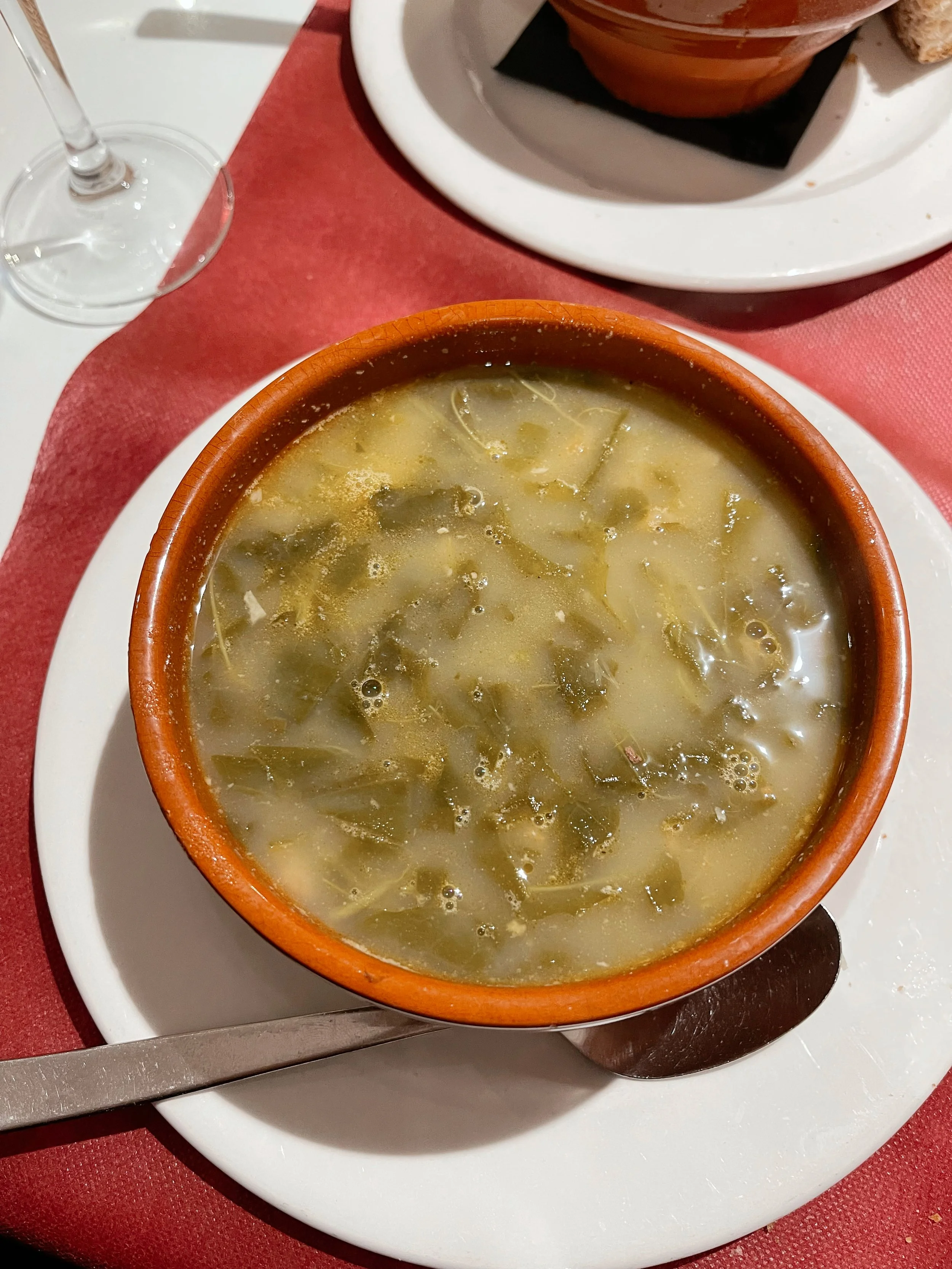
O Beiro is a classic Galician restaurant that feels both comforting and authentic. This is the kind of place where the food speaks for itself—simple, honest dishes made with incredibly fresh seafood and locally sourced ingredients. The menu leans into Galician staples like pulpo a la gallega, lacón con grelos, and caldo gallego, all prepared in a way that honors tradition without overcomplicating things. The atmosphere is warm and welcoming, making it just as popular with locals as it is with visitors. If you’re looking for a true taste of Galicia in a relaxed setting, O Beiro is a great choice.
A Taberna dos Mercadores
Tucked away in the Old Town, A Taberna dos Mercadores blends tradition with creativity beautifully. The menu takes classic Galician flavors and gives them a modern touch—think grilled octopus with paprika and potatoes or Galician beef steak finished with a rich red wine reduction.
The space itself is cozy and intimate, making it a lovely spot for a romantic dinner or a special evening out. It feels thoughtfully curated without being pretentious, and every dish reflects care and intention. This is a wonderful place to experience Galicia’s cuisine with a contemporary twist.
O Gato Negro
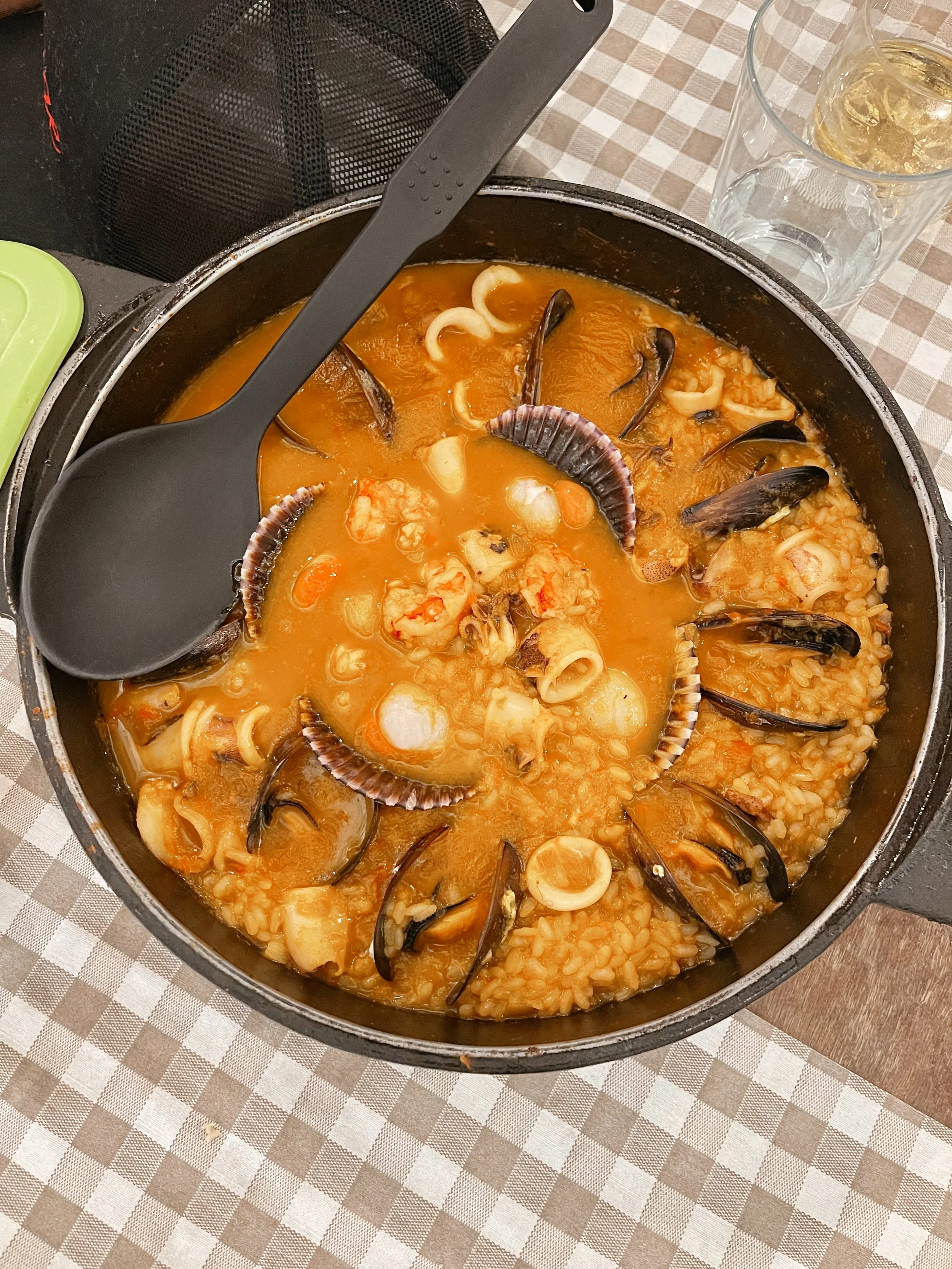
Seafood lovers shouldn’t miss O Gato Negro. Known for its ever-changing menu, this restaurant focuses on whatever is freshest that day, which means no two visits are exactly the same. You might find dishes like grilled shrimp, lobster risotto, or beautifully prepared fresh fish, depending on what’s available.
The atmosphere is sleek and modern, offering a contrast to some of the more traditional dining rooms around the city. If you appreciate seasonal cooking and high-quality seafood prepared with care, O Gato Negro is a standout choice in Santiago de Compostela.
A Noiesa ~ Casa de Comidas
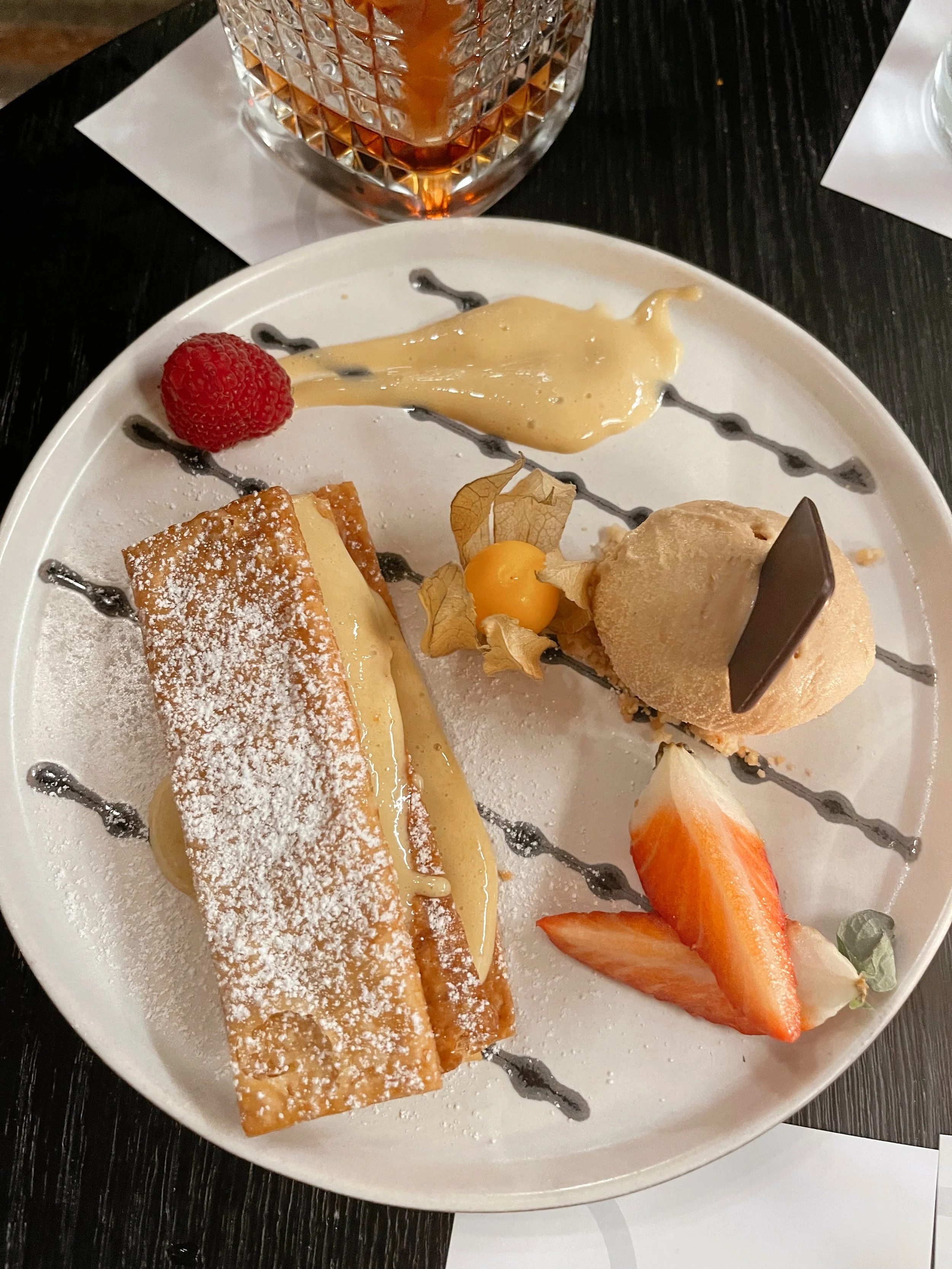
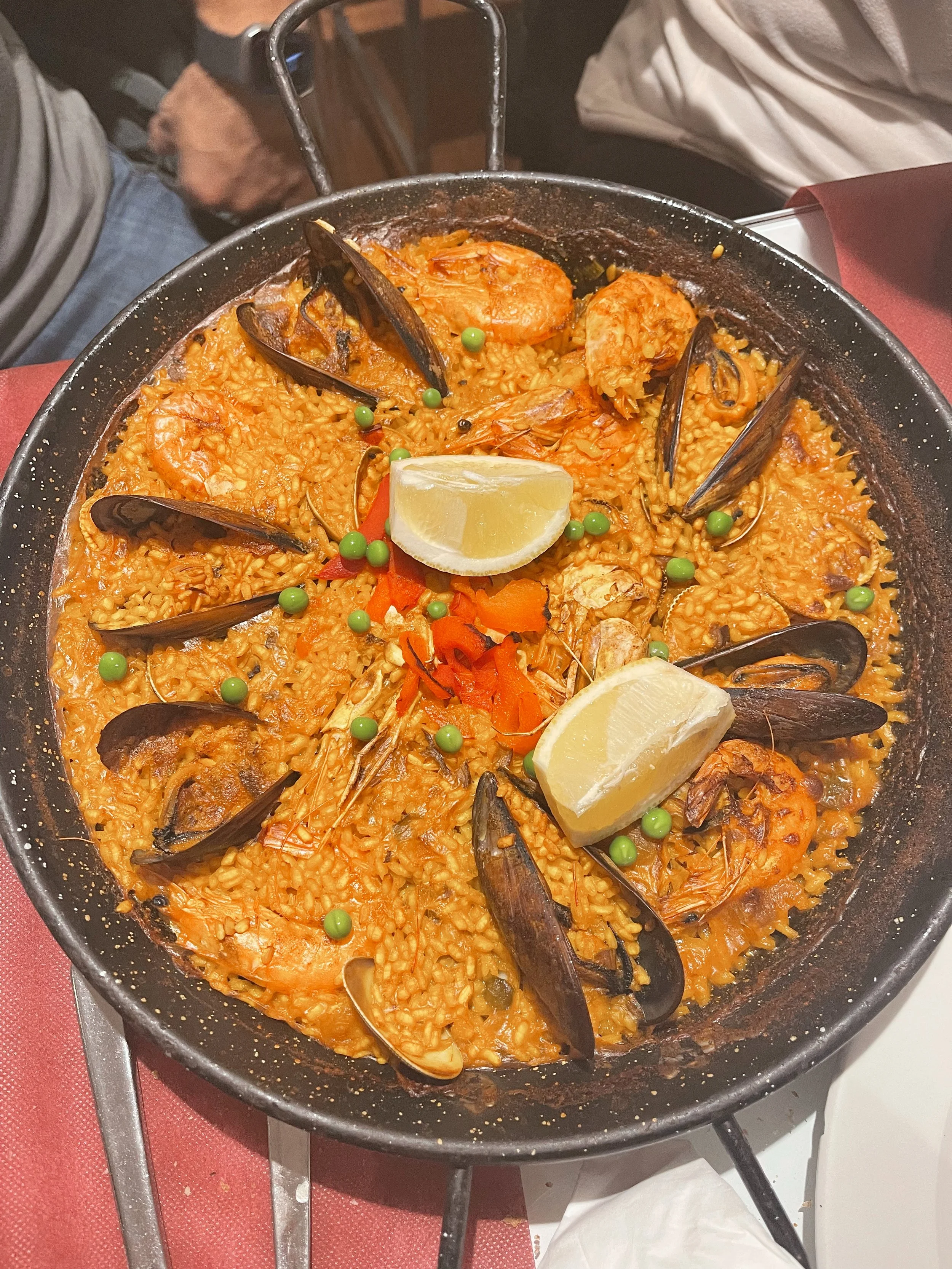
A Noiesa is the kind of place you go when you want real, comforting food that feels like it came straight from someone’s kitchen. This traditional casa de comidas is all about honest, home-style Spanish cooking—nothing flashy, just deeply satisfying dishes made with care. A Noiesa is especially known for its cocido, a hearty chickpea-and-meat stew that’s rich, filling, and perfect after a long day of walking around Santiago. The menu features a mix of classic Spanish and Galician favorites, with plenty of options for both meat lovers and seafood fans. Everything feels generous—from the portions to the flavors.
What really makes this place special, though, is the atmosphere. It’s casual, warm, and welcoming, the kind of spot where locals come for a reliable meal and visitors feel instantly at ease. The staff are friendly and happy to guide you through the menu, offering recommendations based on what you’re craving.
And as a bonus, A Noiesa offers excellent value. The prices are reasonable, the portions are generous, and you leave feeling full and well taken care of. If you’re looking for an authentic, no-frills dining experience in Santiago de Compostela, this is absolutely a place to add to your list.
Cafes + Bakeries in Santiago de Compostela, Spain
Ratiños Coffee Shop
Ratiños Coffee Shop is a cozy, low-key spot that feels very much like a local favorite. It’s the kind of café you stop into for a good coffee and end up lingering longer than planned. The atmosphere is relaxed and welcoming, making it a great place to slow down after wandering the Old Town. The coffee here is well made and consistently good, perfect for a morning pick-me-up or a mid-afternoon break. It’s not flashy or overdone—just solid coffee, a comfortable setting, and a calm vibe that makes you feel at home.
If you’re looking for an easy, authentic café experience in Santiago de Compostela, Ratiños Coffee Shop is a lovely place to pause, recharge, and enjoy a quieter moment in the city.
Coffee Mori
Coffee Mori is a small, thoughtfully run café that’s perfect when you want a really good cup of coffee without the fuss. It has a calm, minimalist feel that makes it easy to stop in, reset, and enjoy the moment—especially after a morning of walking through the Old Town. The coffee here is carefully prepared and consistently excellent, whether you’re ordering a classic espresso or something milk-based. It’s the kind of place where quality clearly matters, but the vibe stays relaxed and approachable.
If you’re building a short coffee crawl through Santiago de Compostela or just need a dependable spot to recharge, Coffee Mori is an easy favorite—simple, cozy, and quietly great.
Tertulia
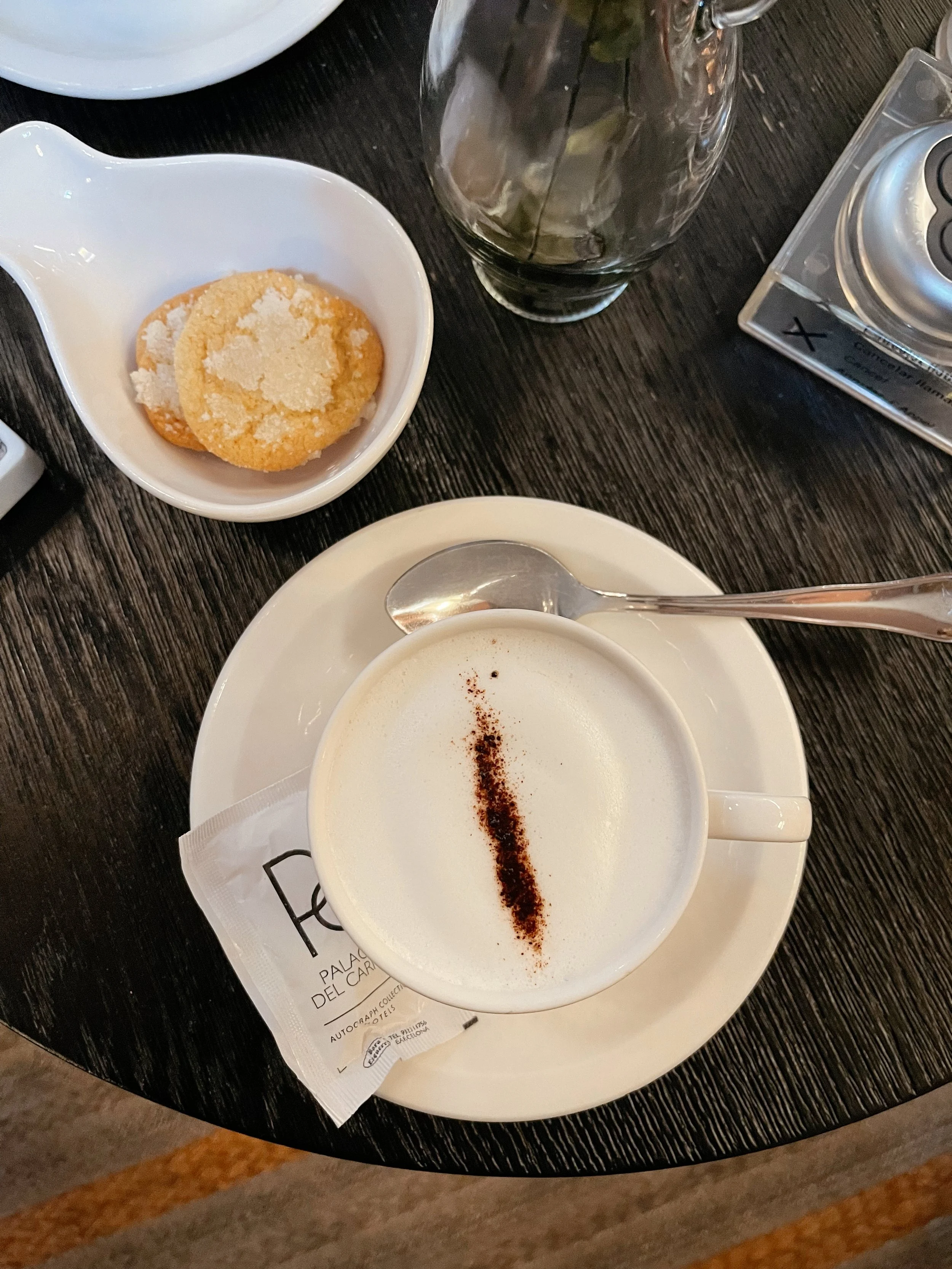
Tertulia is one of those cafés that feels effortlessly inviting—the kind of place that encourages conversation, lingering, and slowing down. True to its name, which means a gathering for conversation, Tertulia has a warm, relaxed atmosphere that makes it easy to settle in, whether you’re meeting friends or enjoying a quiet moment on your own. The coffee is solid and comforting, and they offer a nice selection of pastries and light bites that pair perfectly with a mid-morning or afternoon stop. The space itself feels cozy without being cramped, with an easygoing, local vibe that makes you feel like you’ve found a neighborhood favorite rather than a tourist spot.
If you’re looking for a café in Santiago de Compostela where you can enjoy good coffee, gentle energy, and a place to pause and reflect, Tertulia is a lovely choice—simple, welcoming, and very much in tune with the rhythm of the city.
Cáscara Café
Cáscara Café is a bright, welcoming spot that feels both modern and relaxed—perfect for a slow coffee break while exploring the city. The space is thoughtfully designed, with a clean, cozy aesthetic that makes you want to sit for a while rather than rush in and out. The coffee here is excellent, carefully prepared and well balanced, and they also offer a small selection of pastries and light bites that pair perfectly with your drink. It’s the kind of café that attracts a mix of locals and travelers, which always feels like a good sign.
If you’re looking for a dependable specialty coffee stop in Santiago de Compostela—somewhere calm, friendly, and consistently good—Cáscara Café is an easy addition to your list.
Where to Stay in Santiago de Compostela, Spain
Parador de Santiago de Compostela
If you’re seeking the ultimate luxury experience in Santiago, this landmark hotel is hard to beat. Housed in a beautifully restored 15th-century hospital complex right next to the cathedral, the Parador blends centuries of history with stately elegance. The rooms are spacious and refined, the service is attentive, and the location could not be more spectacular—just steps from the Santiago de Compostela Cathedral and Praza do Obradoiro. It’s perfect for travelers who want a sense of history paired with five-star comfort.
Hotel Palacio del Carmen, Autograph Collection
Set in a former 18th-century convent and monastery, this exceptional hotel offers a serene and luxurious retreat in the heart of the city. The beautifully restored architecture, elegant interiors, and warm service make it feel like staying in a historic sanctuary with modern sophistication. It’s ideal for travelers who appreciate design, comfort, and walking everywhere while still feeling tucked away in a peaceful setting.
NH Collection Santiago de Compostela
For a more contemporary luxury experience, this hotel is an excellent choice. Stylish and comfortable, the NH Collection combines modern design with thoughtful amenities. Its central location makes it easy to explore the Old Town and cathedral area on foot, and the service is polished and professional. It’s perfect if you want a balance of modern conveniences with upscale comfort.
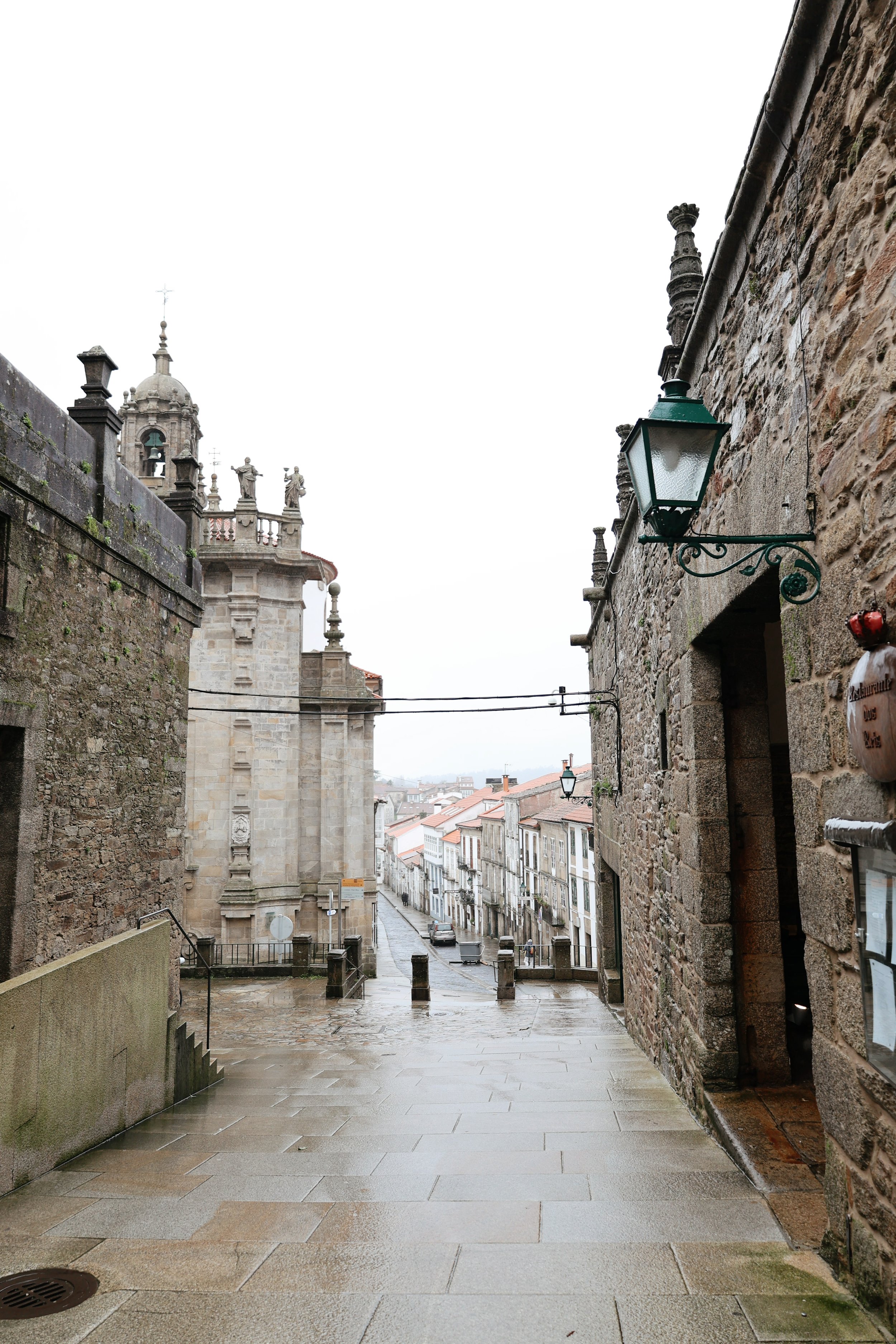
Best Time to Visit Santiago de Compostela, Spain
Santiago de Compostela is a destination you can enjoy year-round, with each season offering a slightly different—and equally meaningful—experience. Summer (June to August) is the liveliest time to visit. The weather is warm, the city buzzes with energy, and pilgrims arrive daily at the end of the Camino. It’s a beautiful time to explore outdoor plazas and enjoy long evenings, though it’s also the busiest season, especially around the cathedral. Spring (March to May) and autumn (September to November) are often considered the best times to visit. The weather is mild, the crowds are thinner, and the city feels more relaxed. These seasons are perfect for walking the Old Town, lingering in cafés, and fully appreciating Santiago’s atmosphere without the summer rush. Winter (December to February) is quieter and moodier, with cooler temperatures and more frequent rain. While it’s not ideal for outdoor-heavy plans, winter brings its own charm—festive holiday lights, cultural events, and Christmas markets create a cozy, intimate feel. It’s a wonderful time to experience Santiago at a slower pace, especially if you enjoy museums, historic sites, and warm, comforting meals.
No matter when you visit, Santiago de Compostela offers a rich blend of history, spirituality, and culture. With a little planning around the weather, it’s a destination that rewards travelers in every season.
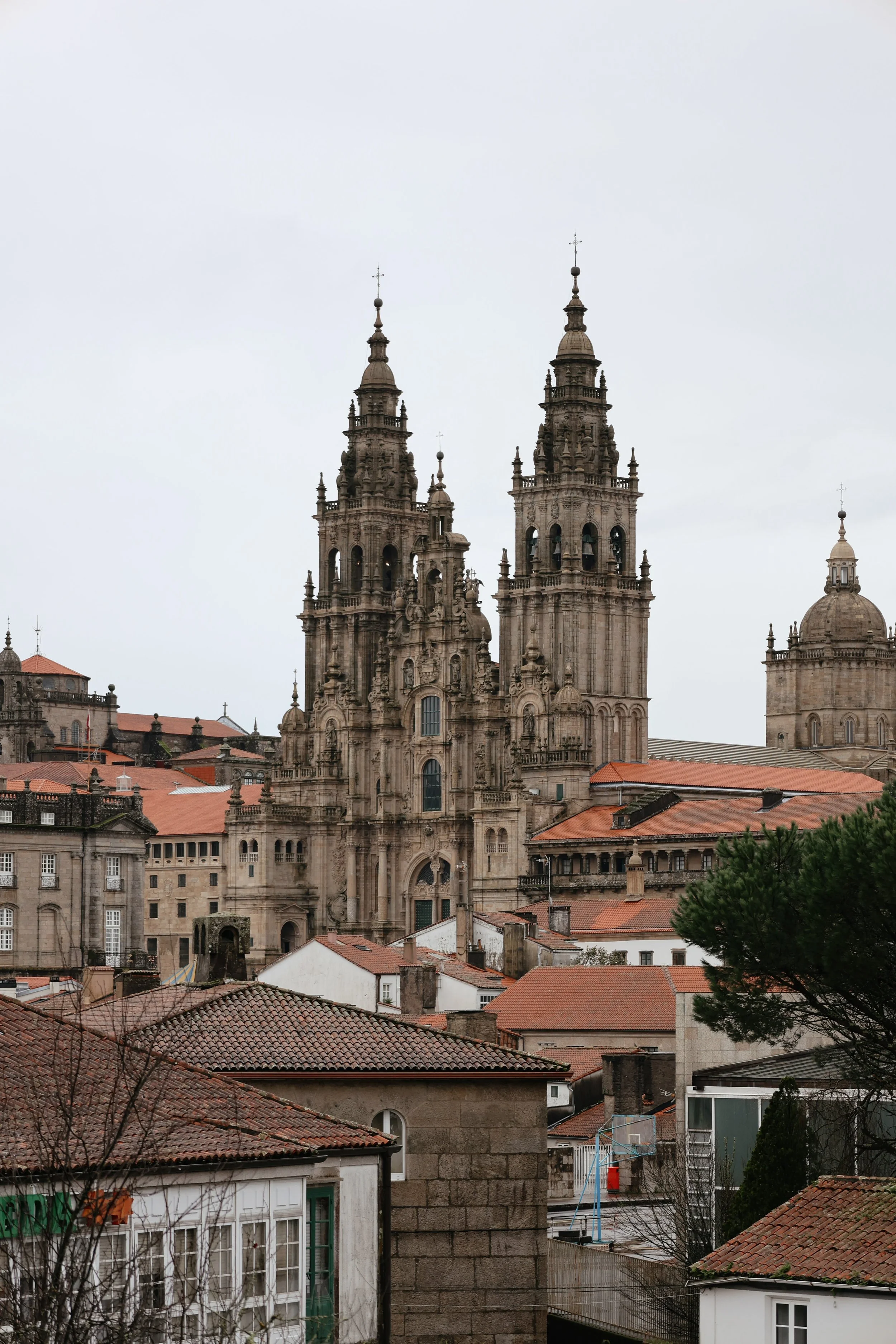
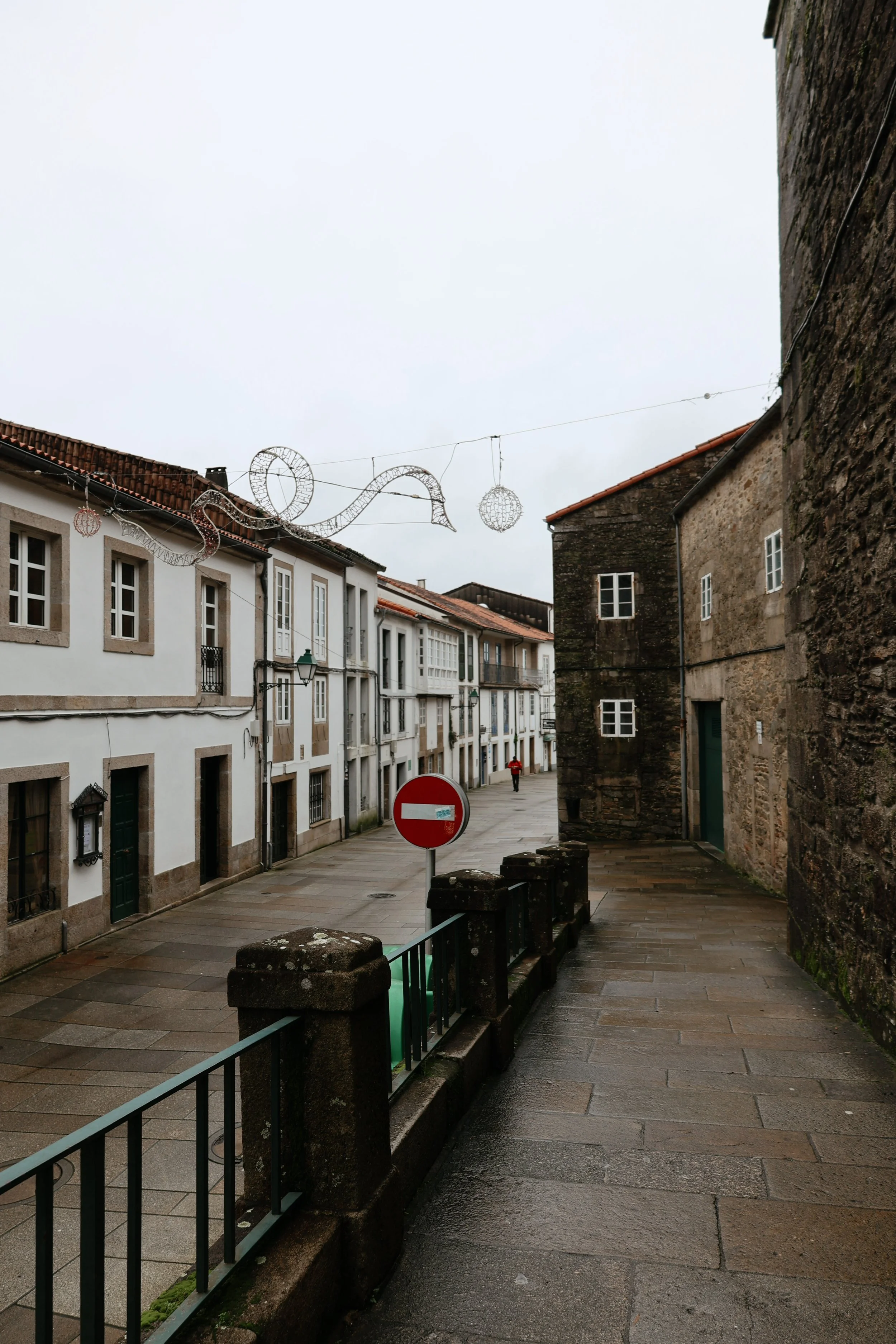
Santiago de Compostela is one of those places that stays with you long after you leave. There’s a depth to this city that’s hard to put into words—found in its grand architecture, quiet squares, centuries-old traditions, and the everyday rhythm of life unfolding along its cobblestone streets.
#santiagodecompostela #visitsantiagodecompostela #santiagodecompostelaspain #visitspain #travelgram #travelguide #travelholic #traveltheworld #traveler #traveltoexplore #travelon #traveldestination #traveldiaries #travelblogger #traveltheworld #traveladdict #traveldestinations #travellover #womenwhotravel #womenwhoexplore