Rome has a way of pulling you in and never fully letting go. No matter how many times you visit, it always feels layered—ancient and alive, chaotic and beautiful, familiar and surprising all at once. As one of the oldest continuously inhabited cities in the world, Rome isn’t just a place you see—it’s a place you feel. History lives in the streets, the ruins, the piazzas, and even in the pauses between espresso sips. Whether this is your first time in the Eternal City or you’re returning (like me) for another round of wandering, this guide is meant to feel like a friend walking beside you—sharing tips, stories, and little reminders to slow down and soak it all in. One thing I’ve learned the hard way: Rome rewards planning. It’s a city that’s always buzzing, and crowds are part of the experience. Booking tickets ahead of time—especially for major attractions—isn’t just helpful, it’s often necessary. Having a loose plan in place saves you time, energy, and disappointment, leaving more room for the magic moments you didn’t plan for at all.
Getting to Rome, Italy
Rome is served by two airports: Fiumicino (FCO) and Ciampino (CIA). Fiumicino — officially Leonardo da Vinci International Airport — is the main international hub and connects Rome to cities all over the world, from New York and London to Paris and beyond. Ciampino is much smaller and primarily handles domestic and short-haul European flights. If you have a choice, I always recommend flying into Fiumicino. Even though it’s slightly farther from the city center, it’s far better connected, more organized, and offers smoother transportation options into Rome, which makes the arrival experience noticeably less stressful.
Getting Around Rome
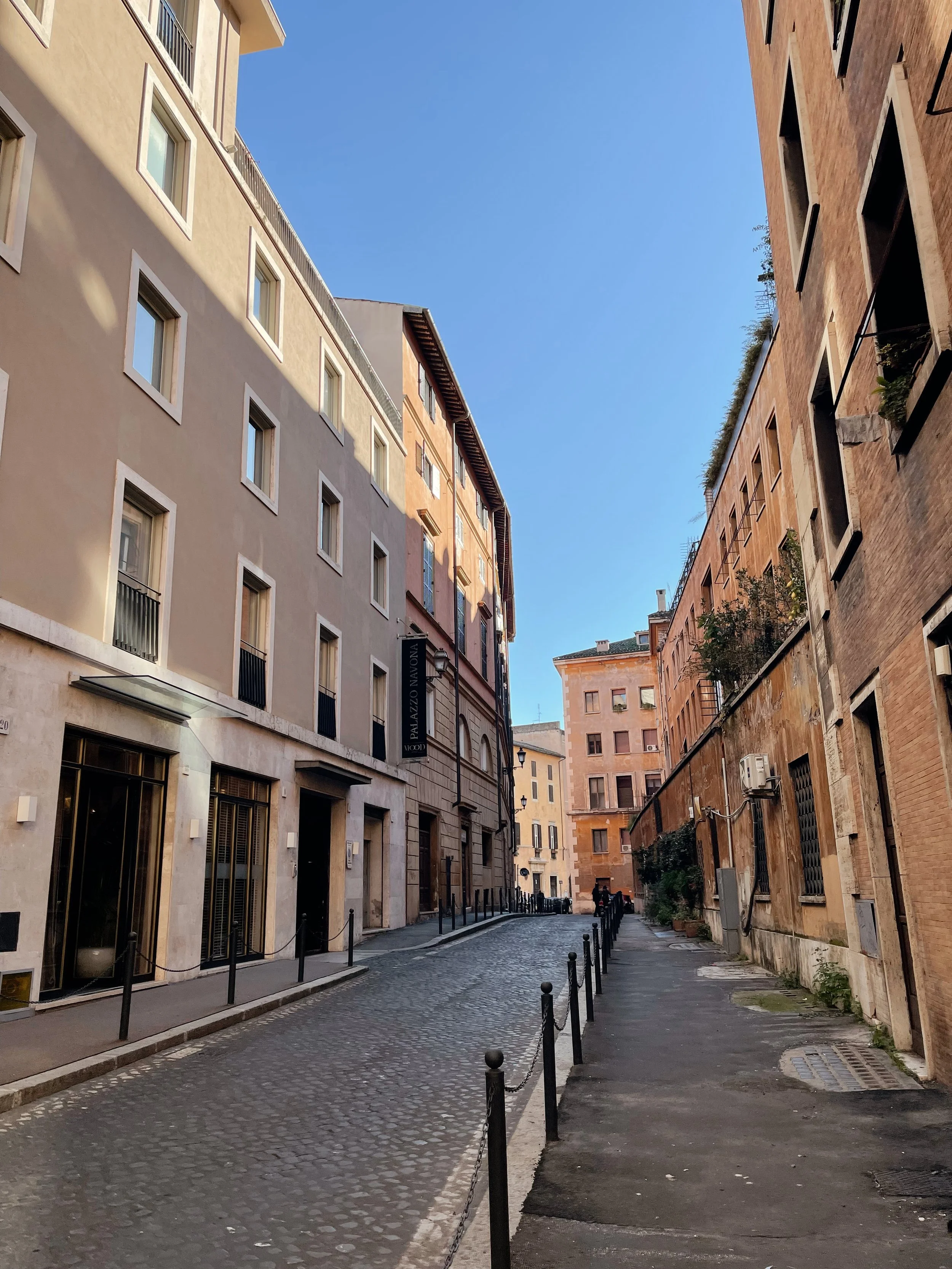
Rome is a city meant to be explored slowly, and walking is truly the best way to experience it. Much of the historic center is completely walkable, and some of the most memorable moments happen between destinations — turning a corner and stumbling upon a quiet church, a hidden café, or a sunlit piazza that wasn’t on your list. When your legs need a break, the Metro is a reliable and straightforward option. Rome has three lines (A, B, and C) that connect many major sights, including areas like the Vatican, which sits a bit farther from the main historic core. Buses do exist, but I’ll be honest — they’re not my favorite. Traffic can be heavy, rides are often slow, and buses tend to be crowded, so if you do use them, keep a close eye on your belongings. Whenever possible, the Metro feels faster and calmer. To use public transportation, you’ll need a BIT ticket, which costs €1.50 and is valid for 75 minutes; tickets can be purchased at tobacco shops, newsstands, or Metro stations (but not on the bus itself). If you plan to rely on public transport frequently, passes like the OMNIA Card or Roma Pass can be worth considering, since they include unlimited rides and access to select attractions.
Things to Do in Rome, Italy
Colosseum
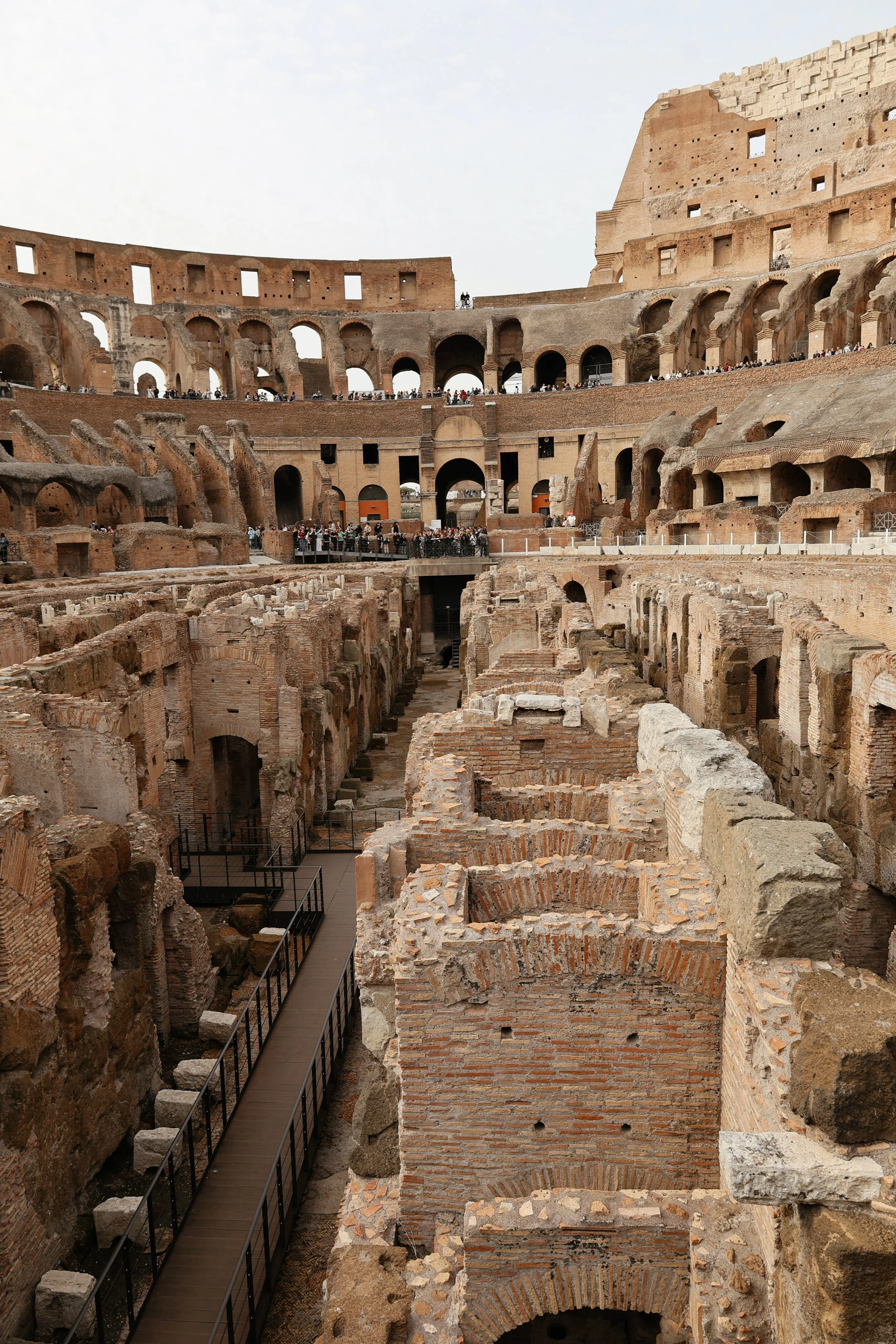
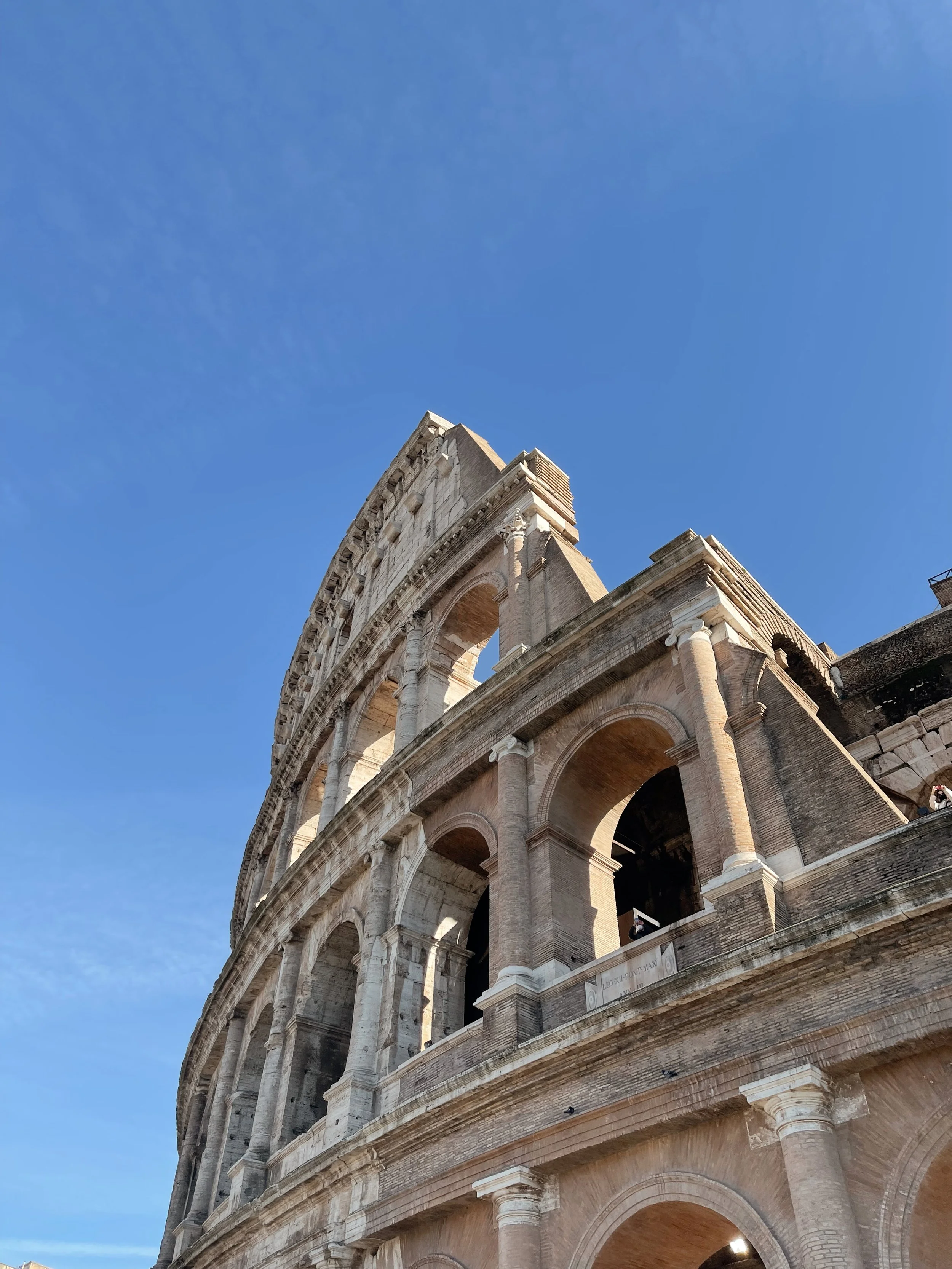
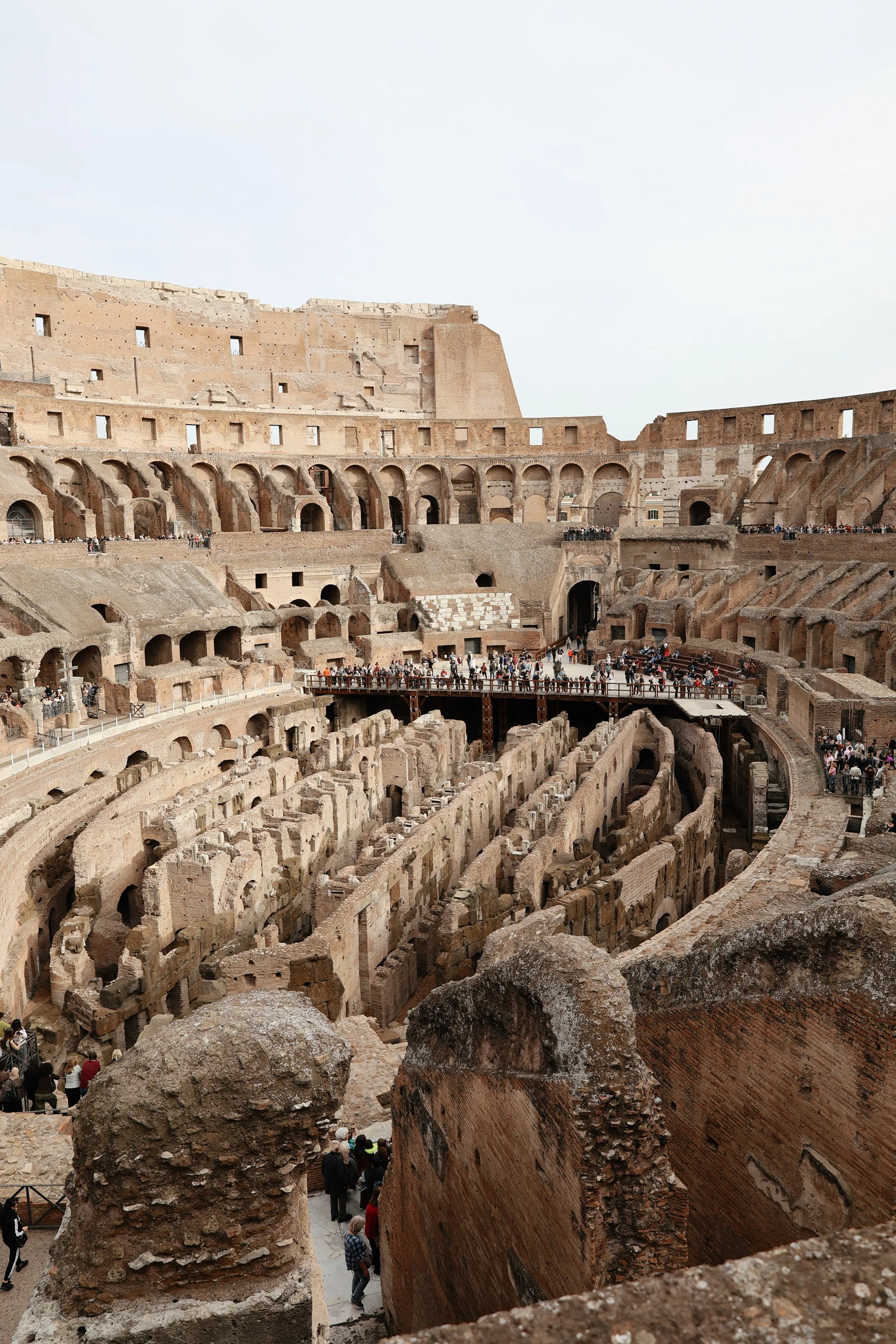
No matter how many times I see the Colosseum, it still stops me in my tracks. Standing there, knowing it’s nearly 2,000 years old, always feels surreal. I try to imagine the noise, the crowds, the intensity of what once happened inside those walls—and it’s humbling every single time. I’ve learned that getting tickets in advance is non-negotiable, and if you can do skip-the-line, do it. Going early in the morning makes the experience feel calmer and more powerful, before the crowds fully take over.
Piazza Navona
Piazza Navona is one of those places I love best in the quiet hours. Early morning is when it feels most magical—before the artists, performers, and crowds arrive. Bernini’s Fountain of the Four Rivers feels even more striking when you can actually take it in slowly. I usually wander with a gelato in hand and just sit for a moment. One thing I’ve learned: admire the piazza, but eat elsewhere. The best meals are always a few streets away.
Pantheon
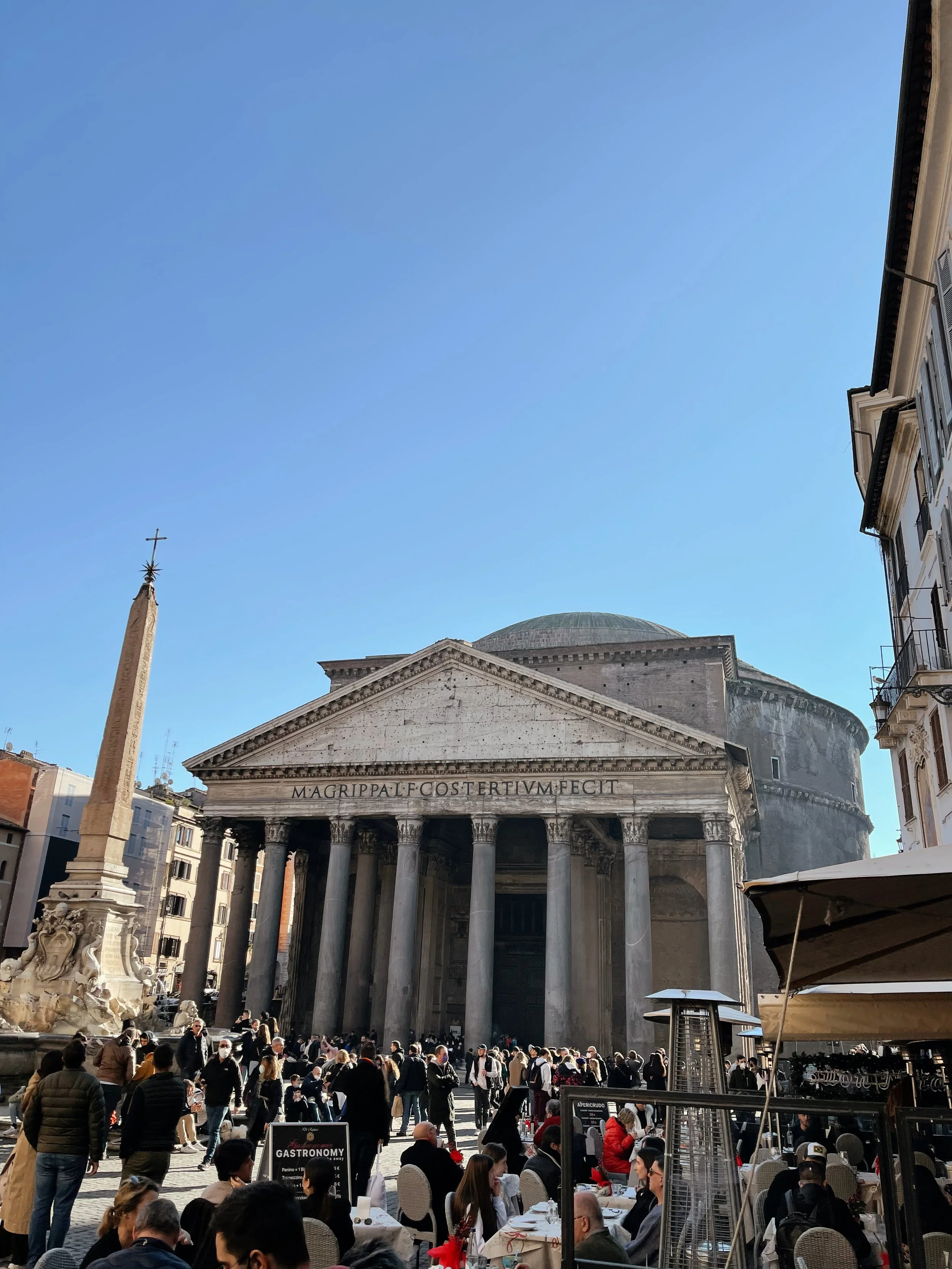
The Pantheon is one of those rare places that makes you go quiet the second you step inside. Every time I visit, I instinctively look straight up at the oculus—and it never gets old. It’s hard to believe humans built something so perfectly balanced so long ago. It feels ancient, alive, and deeply moving all at once. If you’re visiting on a weekend or holiday, booking ahead will save you the headache.
Piazza del Campidoglio
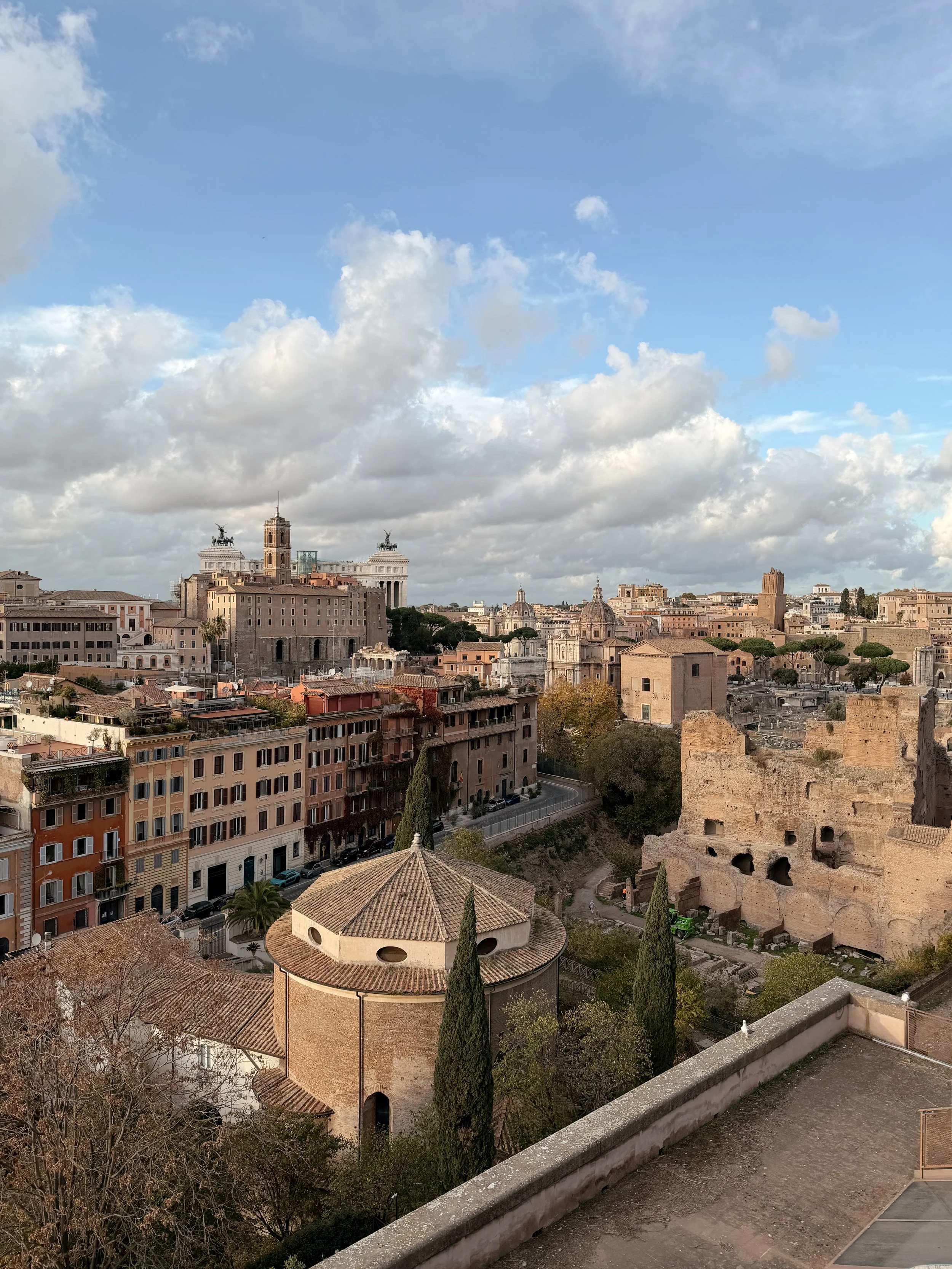
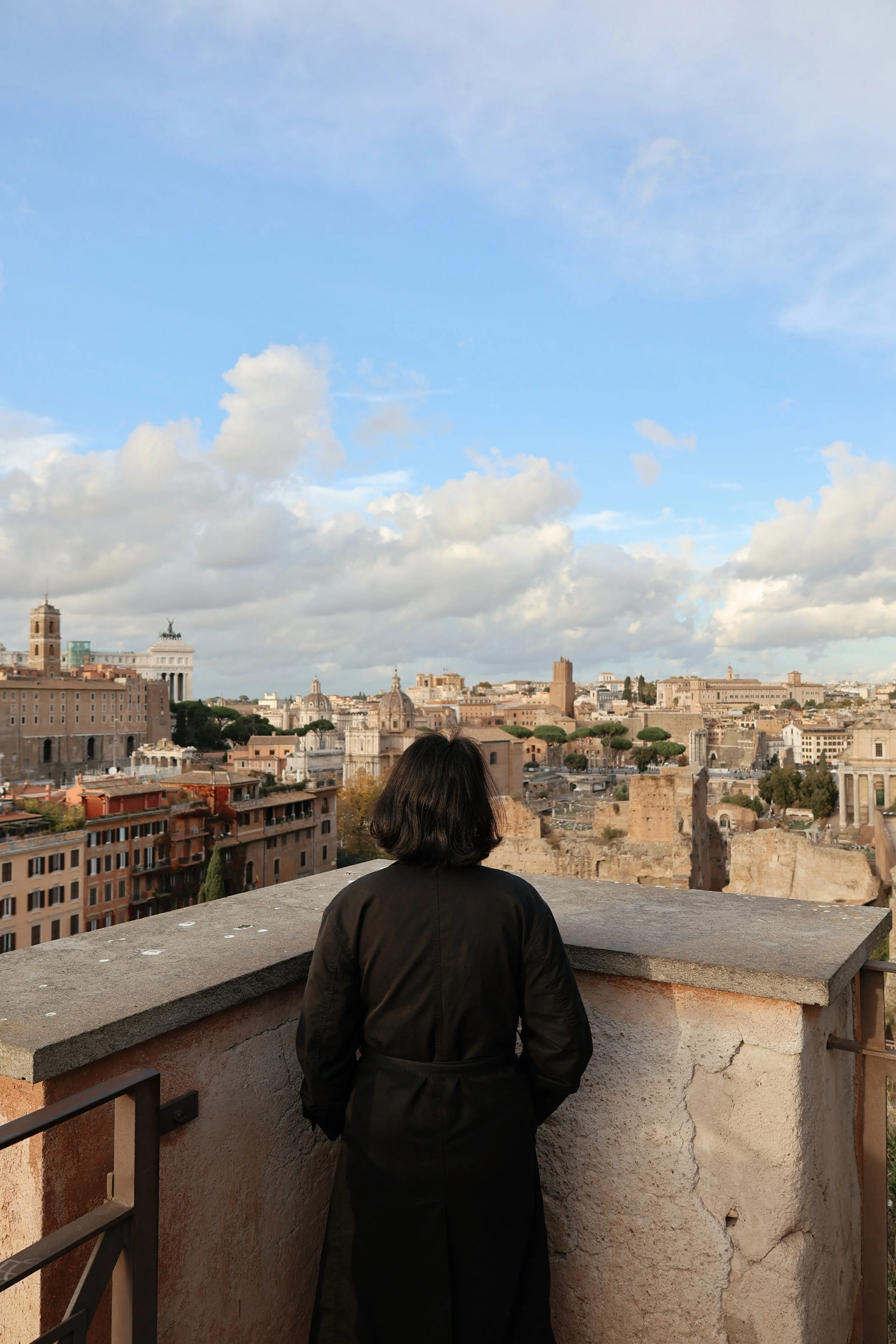
This square always feels like a pause button in the middle of Rome. Designed by Michelangelo, Piazza del Campidoglio is calmer and more refined than many of the city’s major sights. I always walk to the back of the piazza for one of my favorite views over the Roman Forum—it never disappoints. The Capitoline Museums are impressive, but if I’m being honest, if you only have time for one gallery in Rome, I’d choose the Borghese Gallery instead.
Palatine Hill & Roman Forum
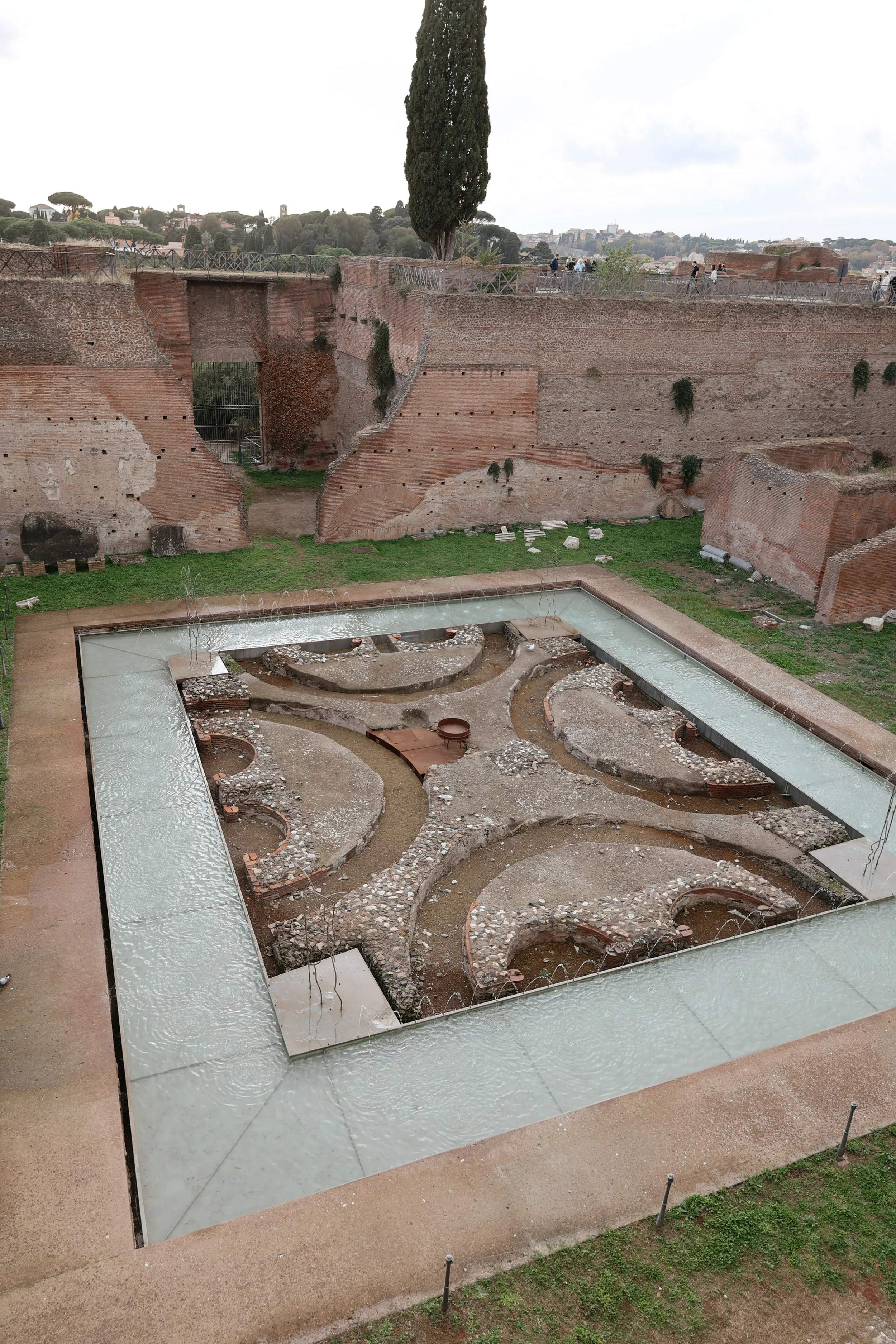
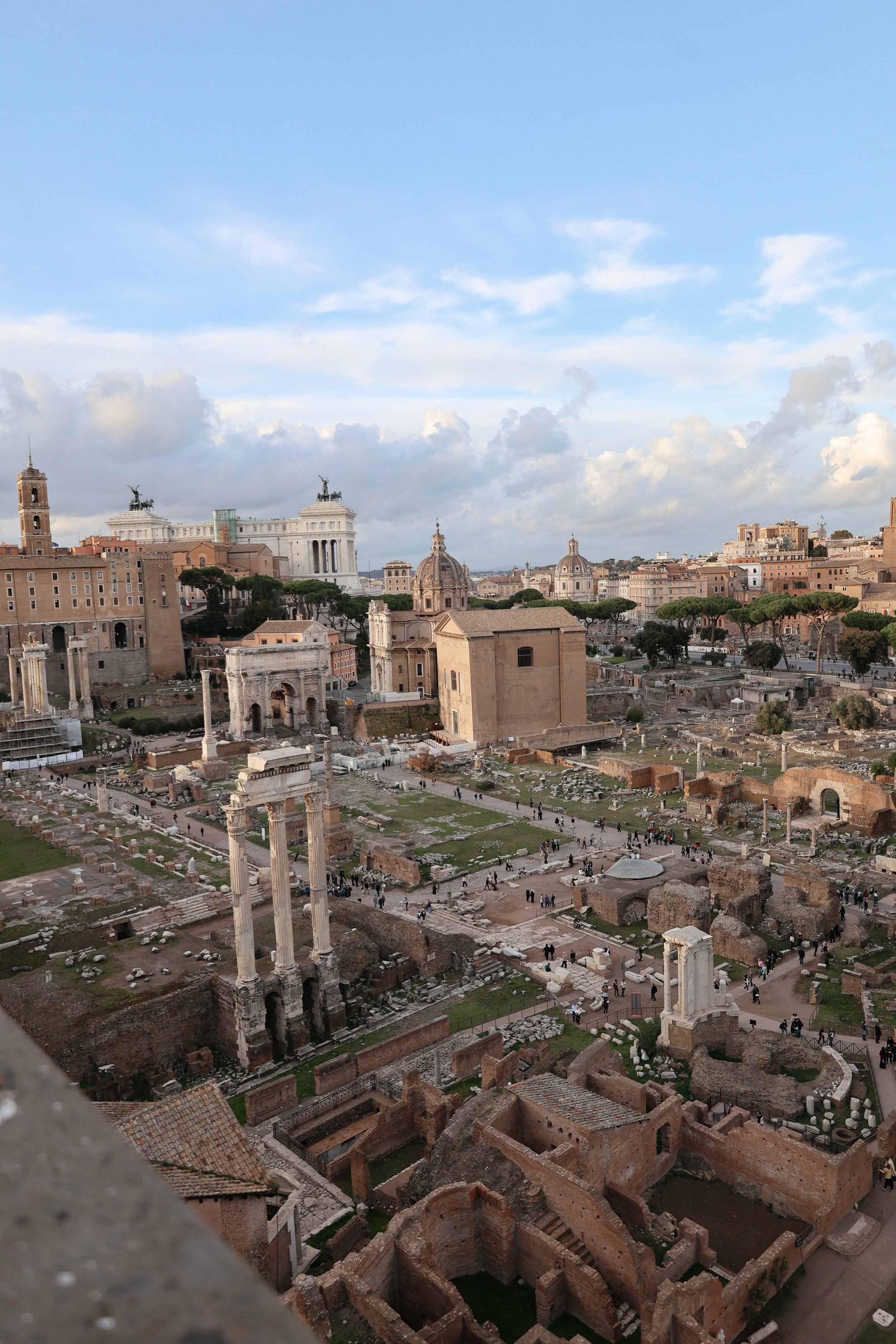
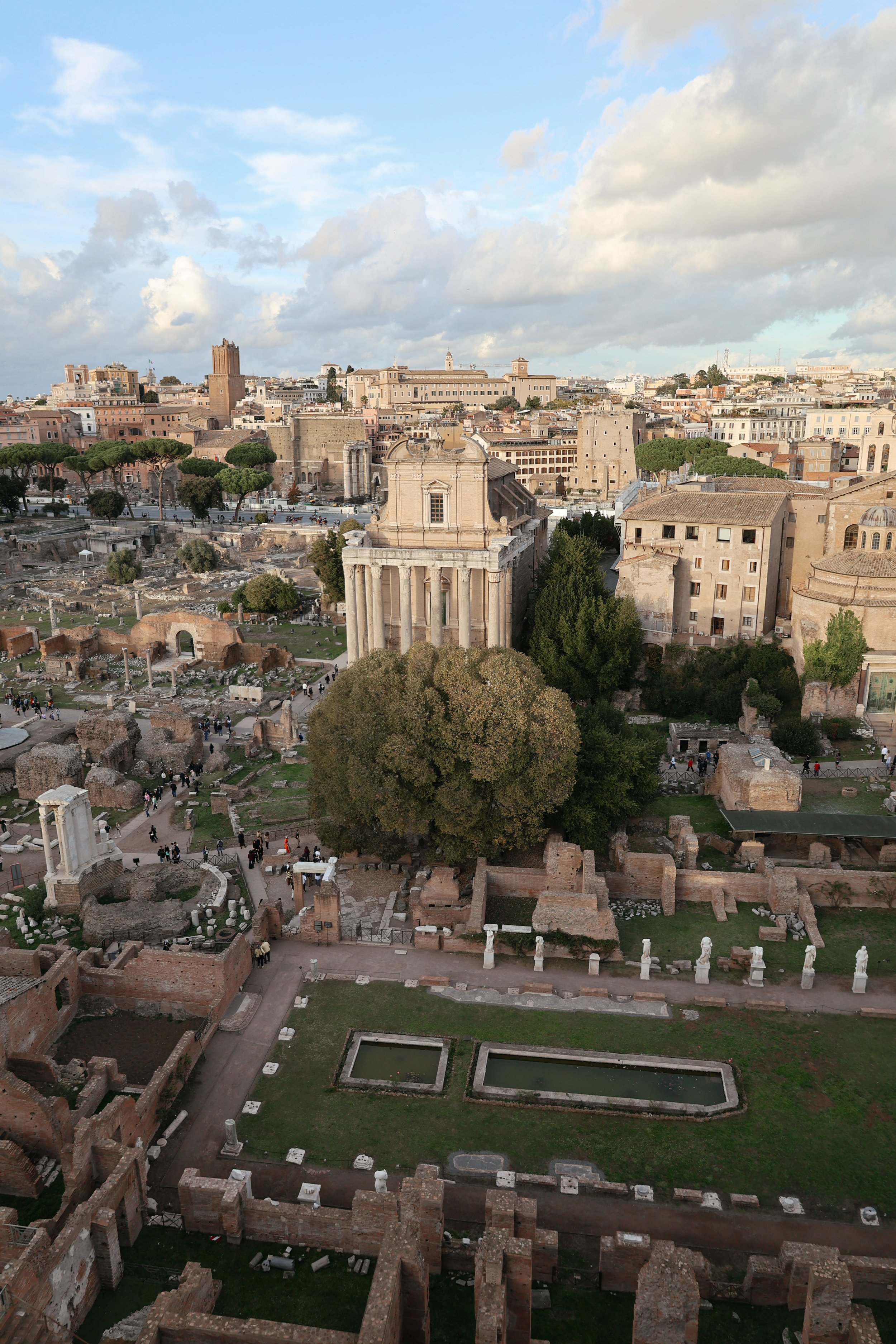
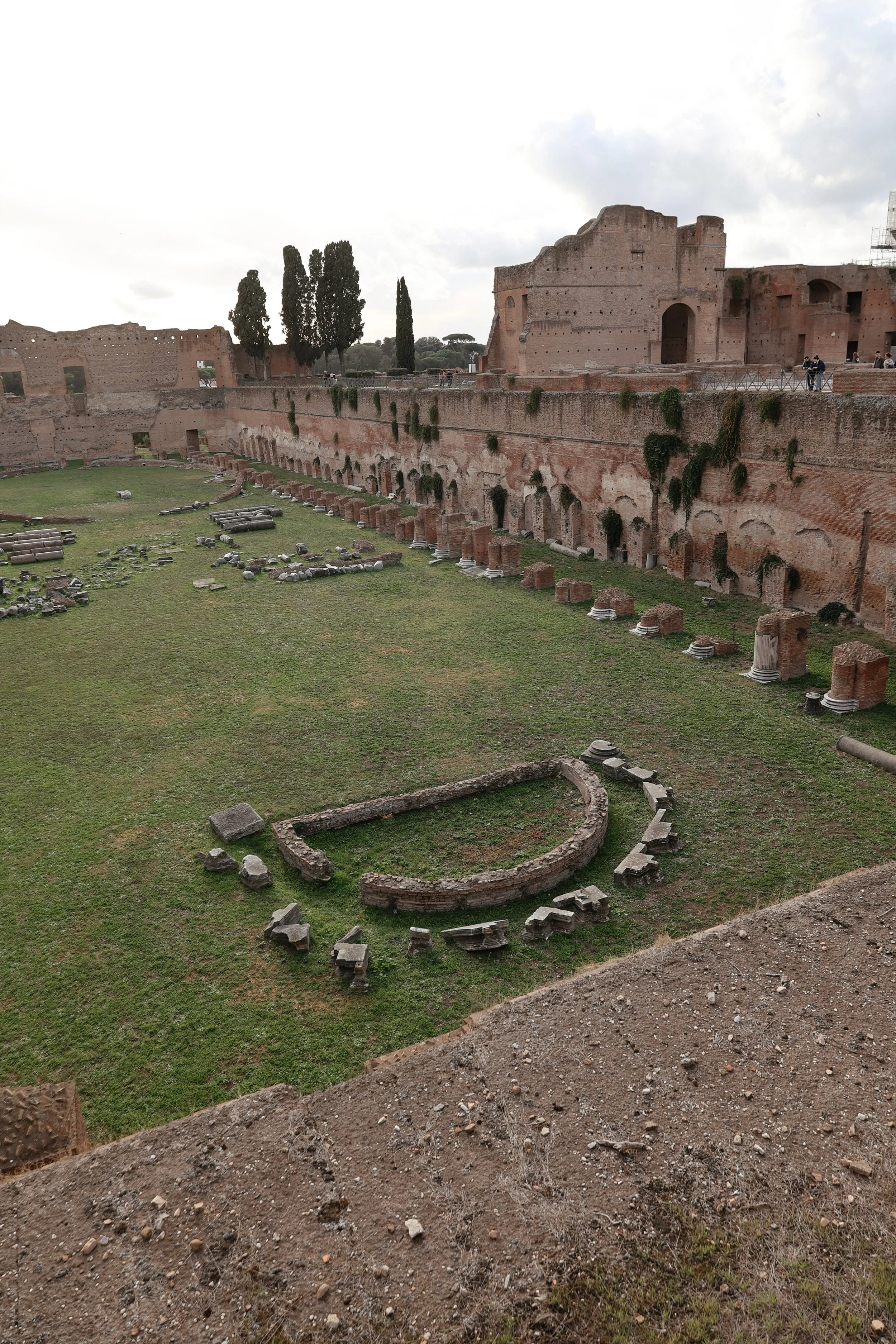
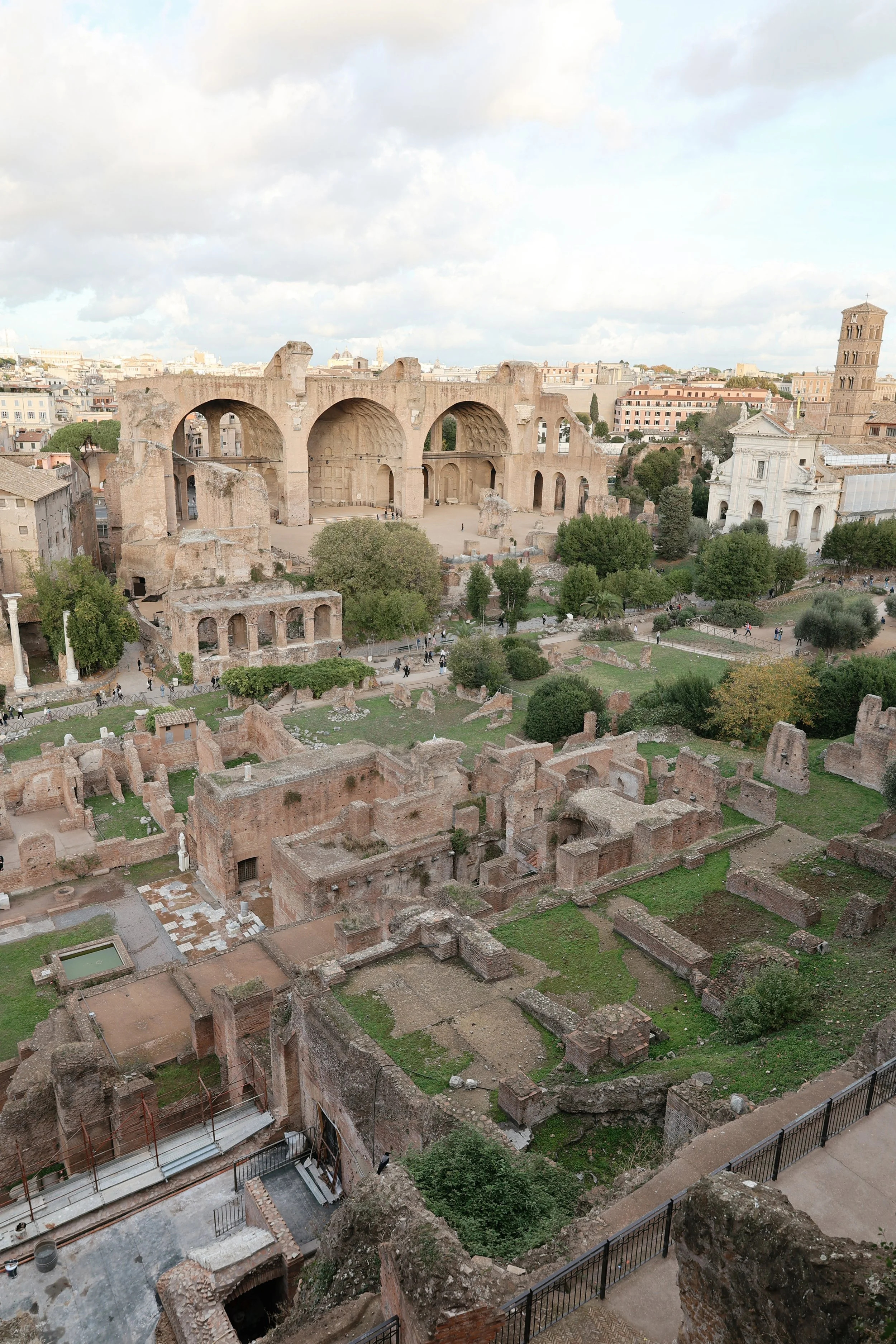
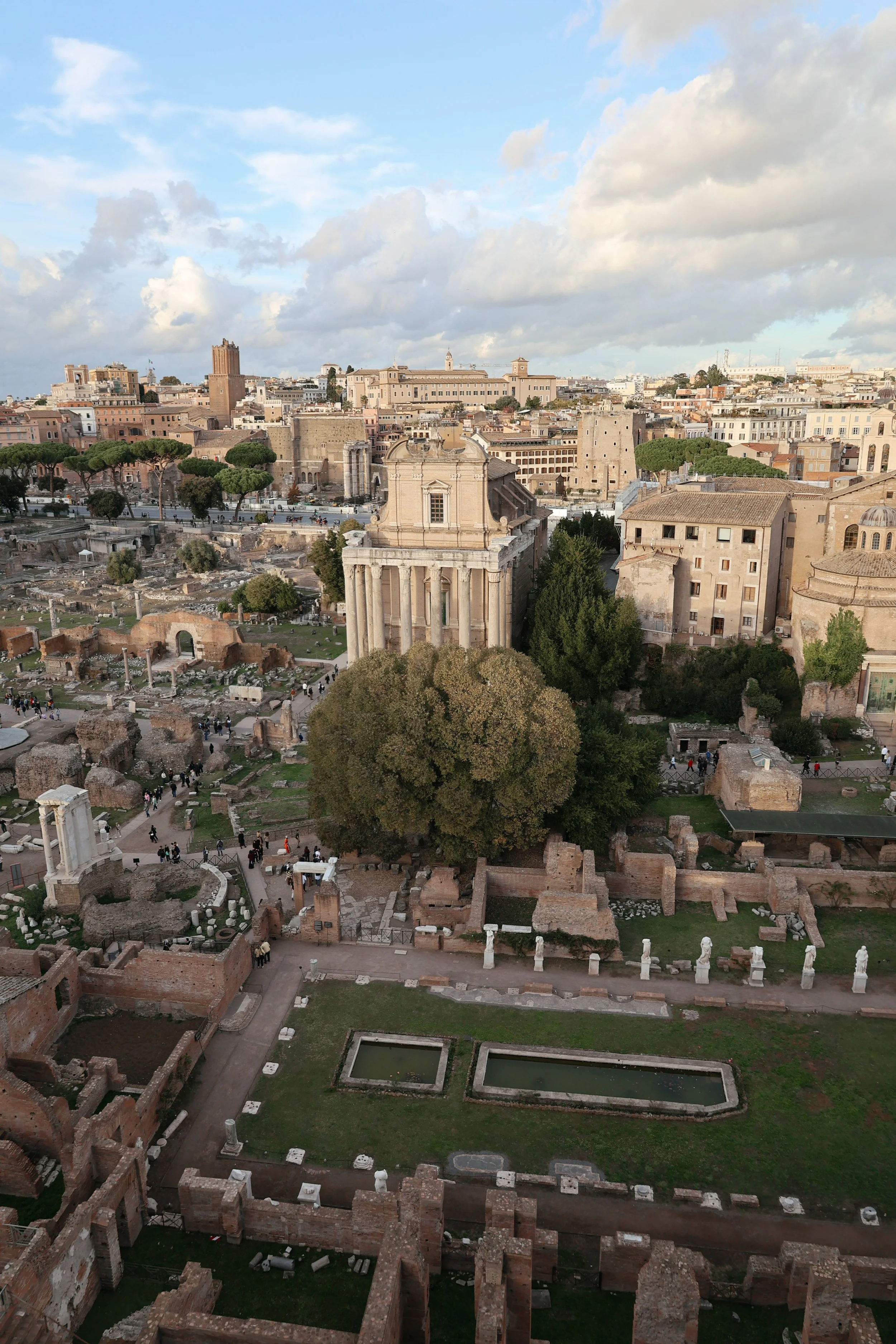
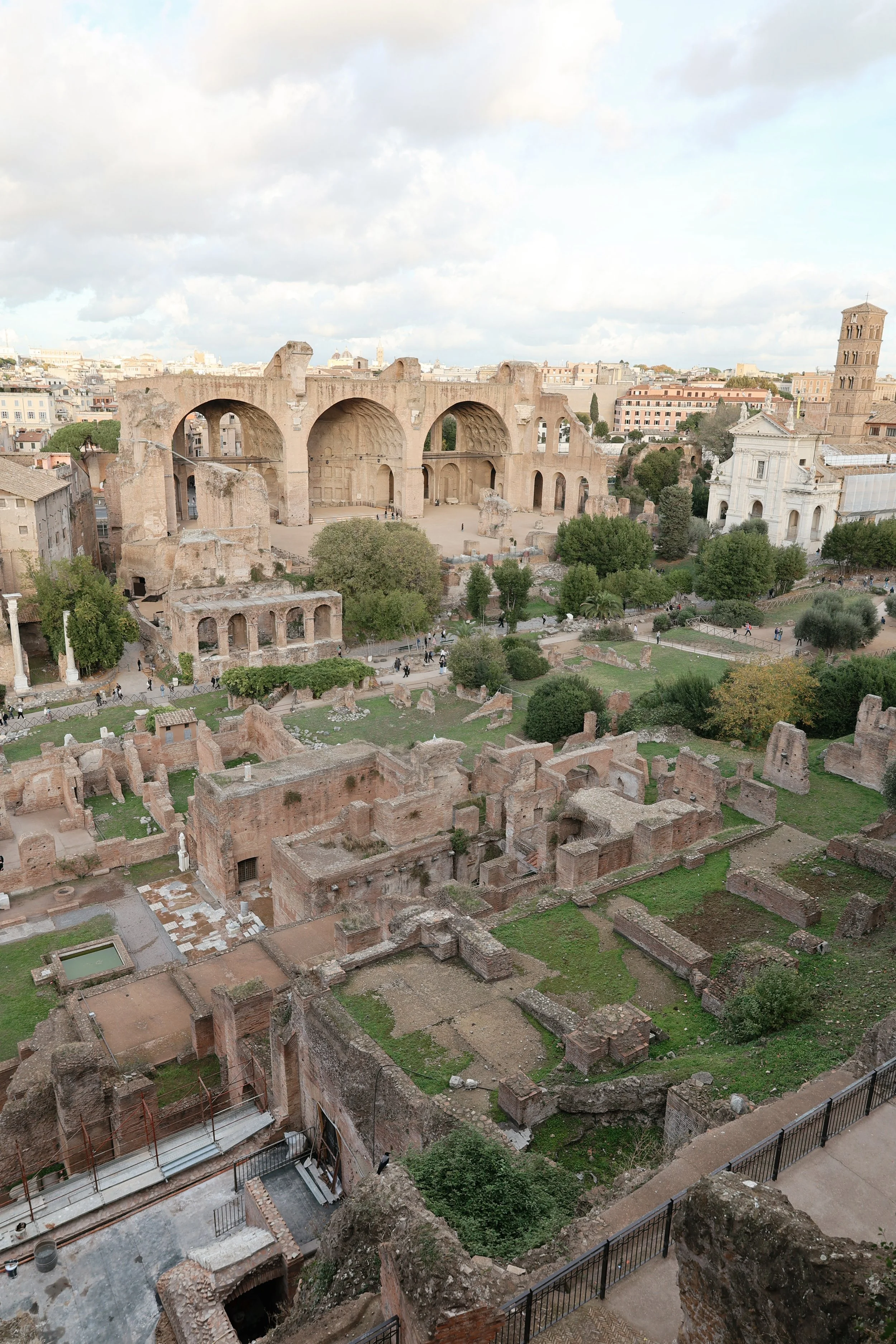
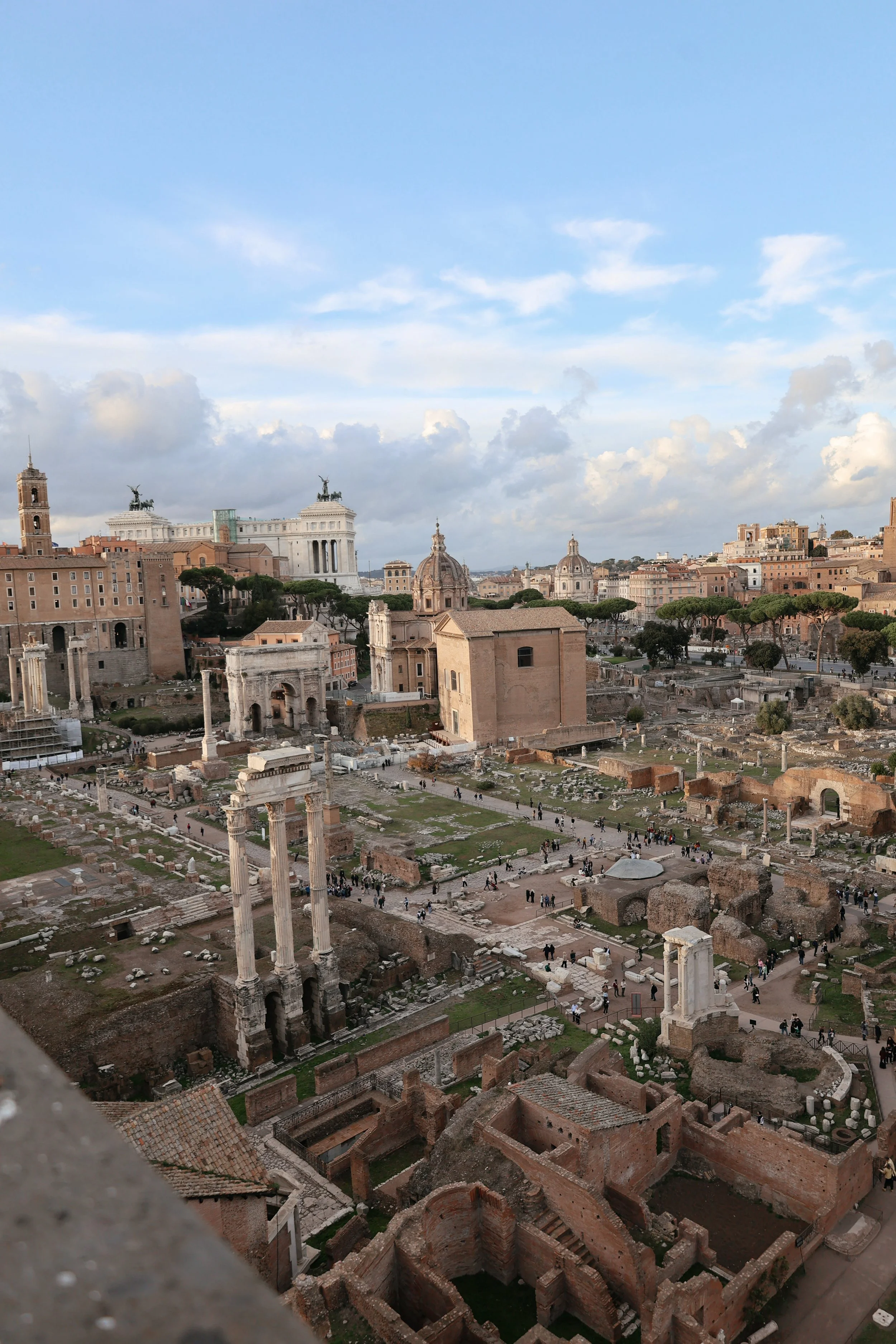
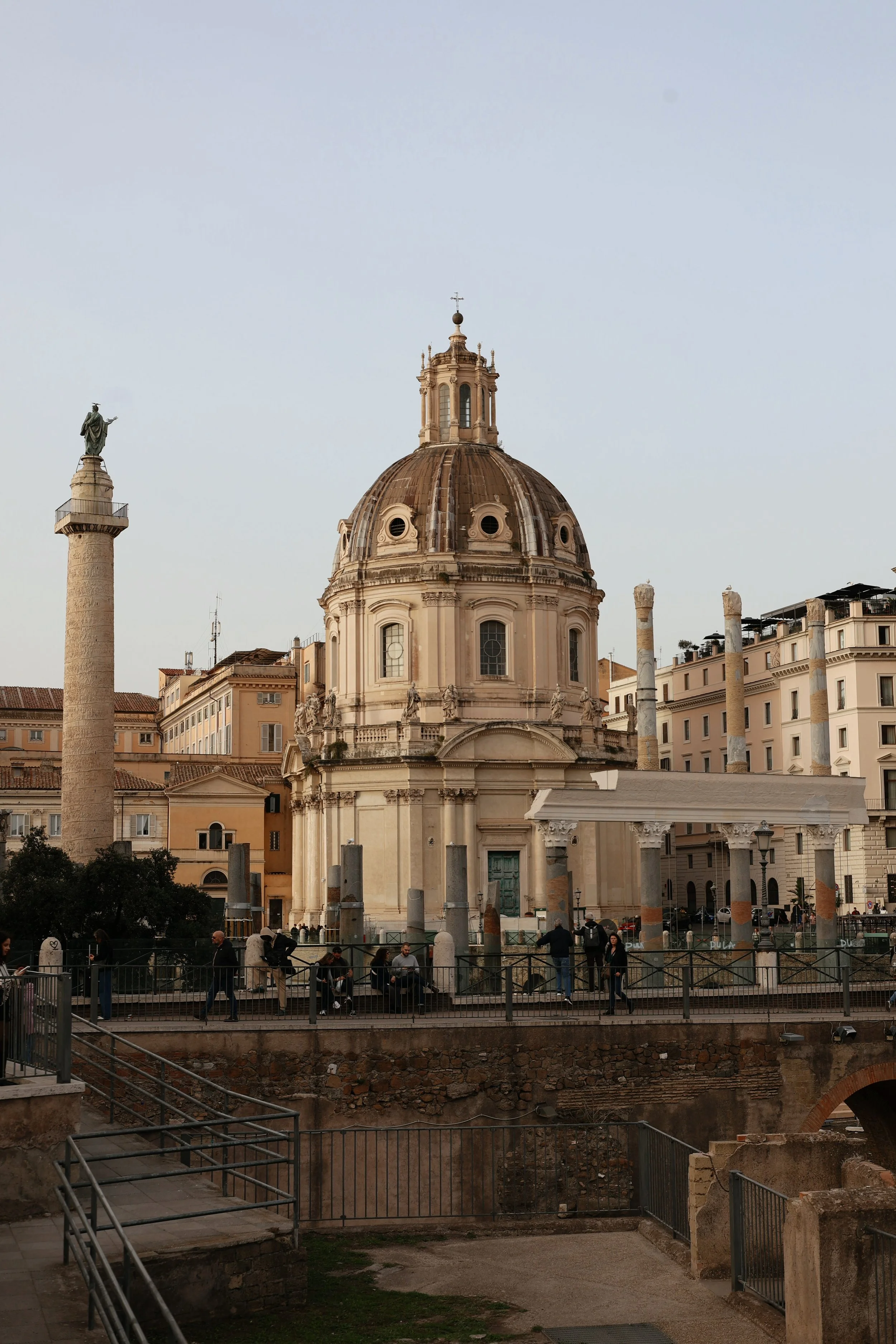
This is where Rome feels the most real to me. Walking through Palatine Hill and the Roman Forum isn’t about snapping photos—it’s about slowing down and letting the history sink in. These ruins aren’t polished or curated in a flashy way; they’re layered, weathered, and incredibly powerful. Palatine Hill is especially special. Knowing this is where Rome was founded—and where emperors once lived—adds so much weight to the experience. I always make a point to stop at the overlooks and just stand there, looking down at the Forum below, trying to imagine what daily life must have been like centuries ago.
The Roman Forum itself feels like walking through the bones of the city. Temples, arches, and government buildings sit side by side, telling the story of Rome’s rise piece by piece. This is one of those places where I recommend taking your time, reading the plaques, and letting your imagination fill in the gaps. It’s not rushed, it’s not loud—it’s grounding, humbling, and one of the most meaningful parts of any visit to Rome.
Piazza Venezia
Piazza Venezia is loud, busy, and impossible to avoid—and that’s kind of the point. The Altare della Patria dominates the space, and whether you find it stunning or overwhelming, it’s one of those places you need to see at least once. It’s also a major landmark for getting your bearings in the city.
Spanish Steps
The Spanish Steps are one of my favorite places in Rome—but only at the right time of day. Early morning is everything here. I love grabbing an espresso nearby, walking over while the city is still quiet, and just sitting for a moment watching Rome slowly wake up. Before the crowds arrive, it feels peaceful and almost romantic. There’s something timeless about standing at the bottom of the steps in Piazza di Spagna, looking up toward Trinità dei Monti, knowing how many people have passed through this exact spot over centuries. If you’re a film lover, it’s impossible not to think of Roman Holiday and that old-school cinematic version of Rome. Later in the day it gets busy fast, but in the early hours, the Spanish Steps feel soft, calm, and effortlessly beautiful—one of those simple moments that stays with you.
Trevi Fountain
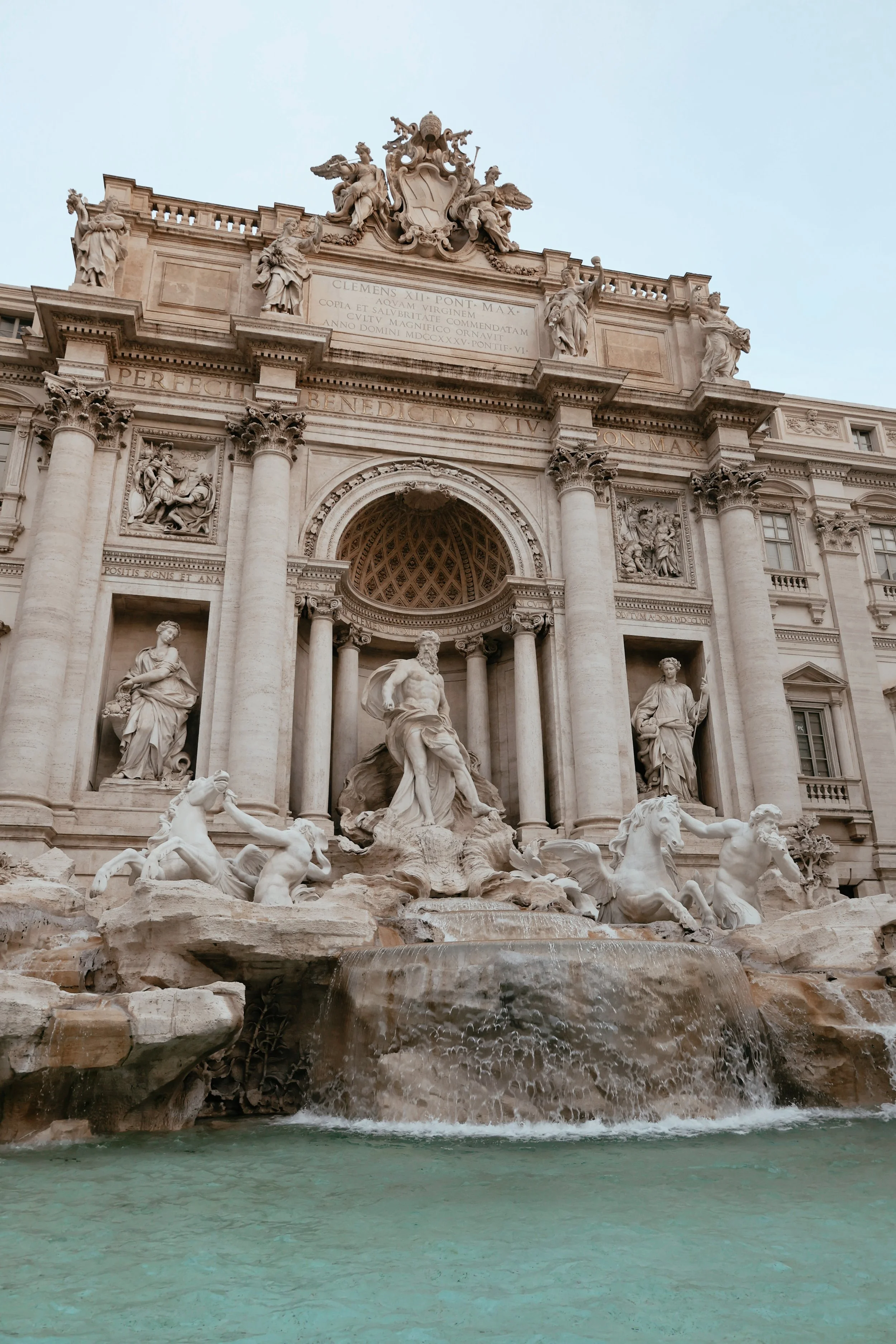
Trevi Fountain is one of those places that somehow still feels magical—no matter how many people are around or how many times you’ve seen it in photos. The first glimpse always gets me. You turn the corner, and suddenly there it is, dramatic and larger than life, with water rushing and cameras clicking nonstop. Yes, it’s crowded. Almost always. But it’s still worth standing there for a moment, taking it all in, and doing the thing—tossing a coin over your right shoulder and quietly making a wish. I’ve done it every time I’ve visited Rome, and honestly, I think it works… because I keep coming back.
If you want a quieter, more intimate experience, go early in the morning when the city is still waking up—or late at night, when the lights reflect off the water and everything feels a little more cinematic. Trevi Fountain isn’t just a stop on a checklist; it’s one of those small rituals that makes Rome feel personal.
Vatican City
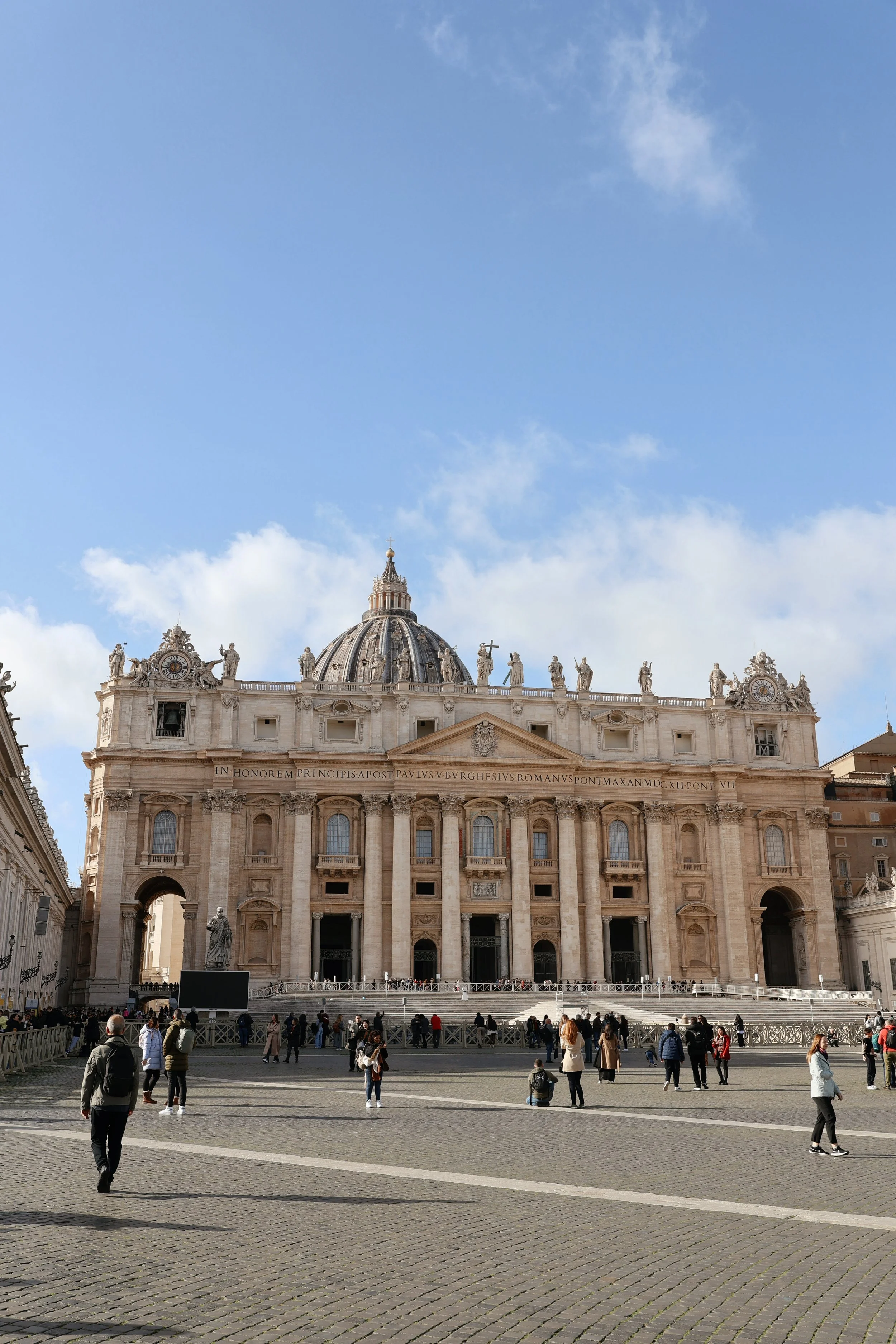
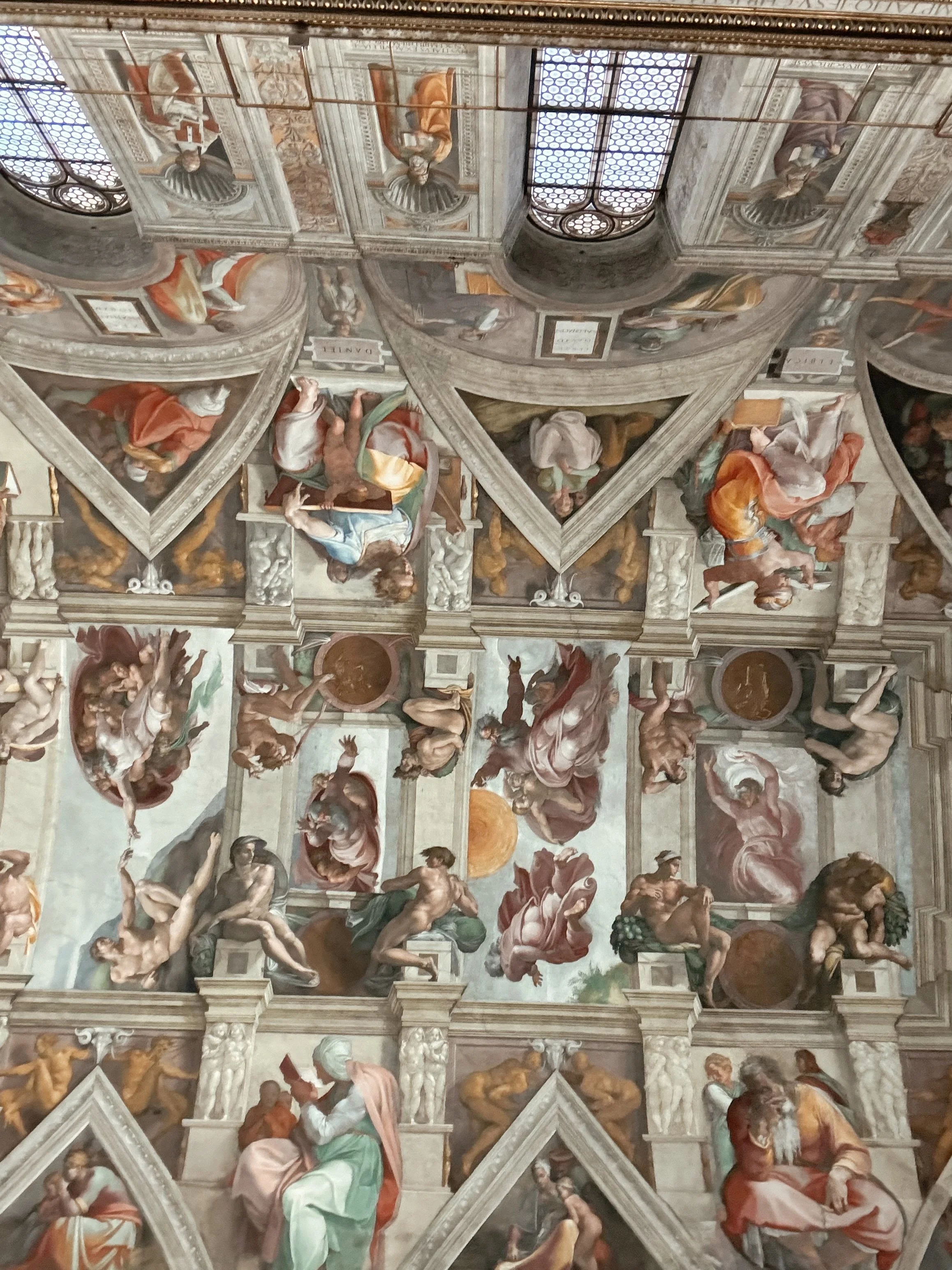
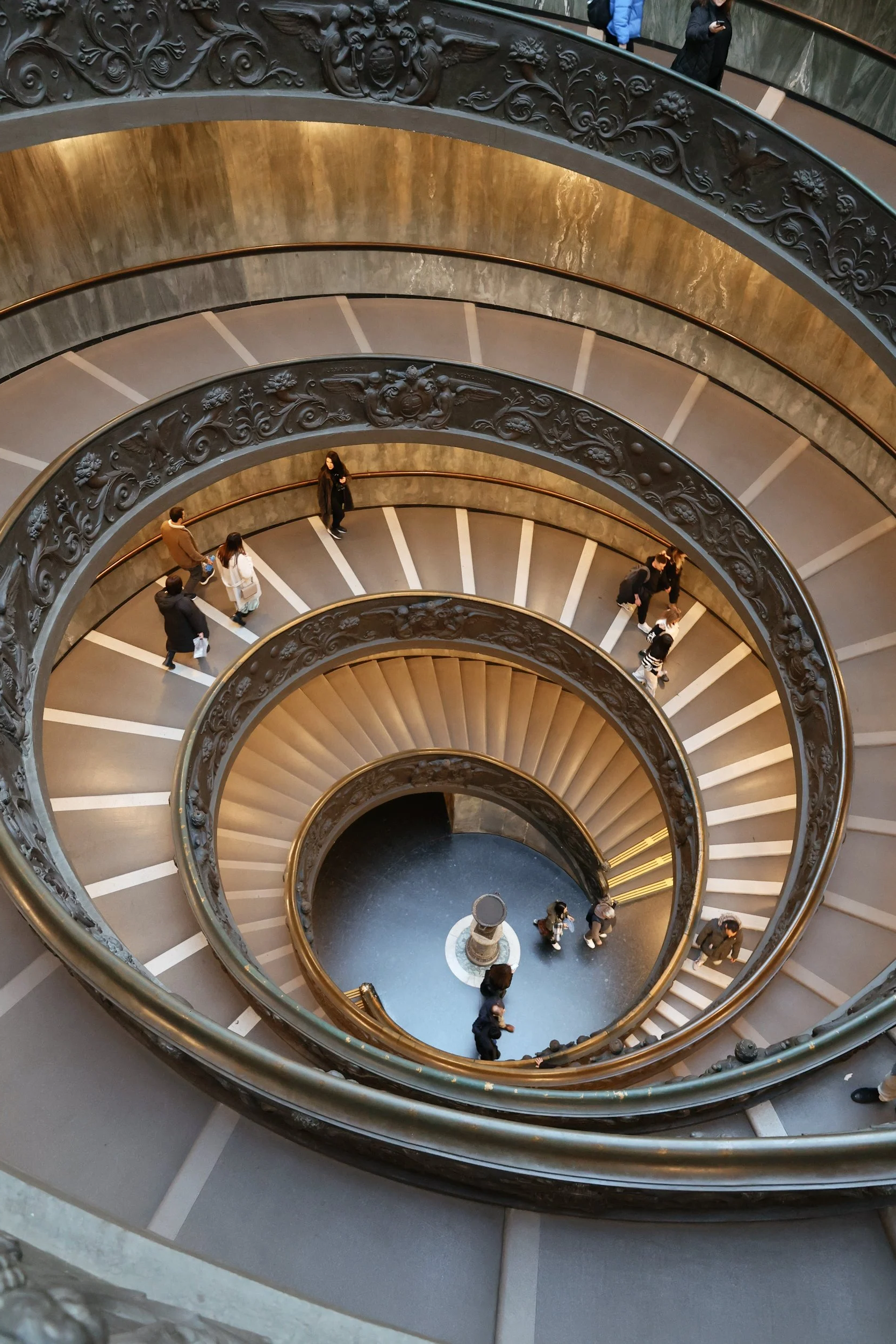
Vatican City is one of those places that leaves an impression whether you expect it to or not. Even if religion isn’t a big part of your life (it wasn’t for me), it’s impossible not to feel the weight of history, art, and scale the moment you step inside. It’s overwhelming in the best way. The Sistine Chapel was the moment that really got me. Standing there, craning my neck upward, I remember thinking how surreal it is that one person painted something so detailed, so powerful, so enduring. It’s crowded, quiet, and oddly emotional all at once. Saint Peter’s Basilica is just as breathtaking—grand, intricate, and impossible to fully take in on the first glance.
Yes, the lines can be long and the crowds intense, but this is one of those experiences in Rome that’s truly non-negotiable. My biggest advice is to book tickets ahead of time and go in knowing it will be busy—but also knowing that it’s absolutely worth it. Vatican City isn’t just something you check off a list; it’s something you remember long after you leave.
Trastevere
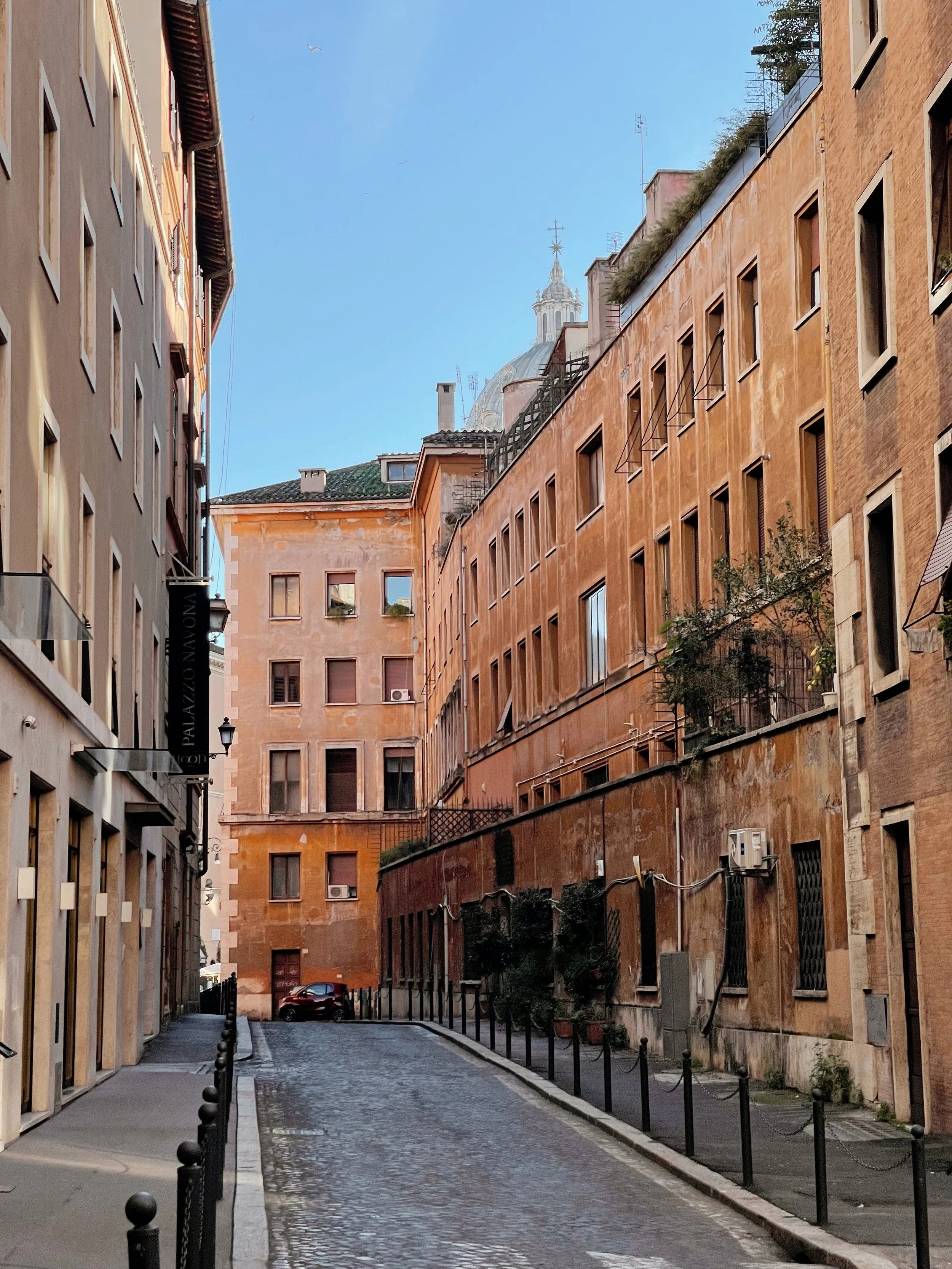
Trastevere is where Rome feels the most alive to me. It’s the kind of neighborhood that pulls you in without trying—narrow cobblestone streets, laundry hanging from windows, music drifting out of bars, and trattorias packed with people lingering over dinner. I love coming here with no real plan, just wandering until something catches my eye. At night, Trastevere really shines. The piazzas fill with laughter, wine glasses clink, and the energy feels warm and effortless. It’s lively without being overwhelming, social without feeling staged. Whether I’m sitting down for a long dinner, popping into a wine bar, or just strolling aimlessly, Trastevere always feels like a reminder of what Roman life actually looks like—unpolished, welcoming, and meant to be enjoyed slowly.
Villa Borghese
Whenever Rome starts to feel loud or overwhelming, Villa Borghese is where I go to reset. It feels like a deep breath in the middle of the city. The paths are shaded, the gardens are calm, and everything slows down just enough to remind you that Rome isn’t meant to be rushed. I love wandering here without a plan—sometimes with a coffee in hand, sometimes just sitting on a bench and people-watching.
The Borghese Gallery is the real jewel here and one of my favorite museums in Rome. It’s intimate, beautifully curated, and filled with masterpieces that genuinely stop you in your tracks—Bernini’s sculptures alone are worth the visit. This is one of those places where booking ahead is essential, but it’s absolutely worth planning around. Villa Borghese is the perfect balance of nature, art, and quiet, and every time I visit, it feels like a gentle pause before diving back into the energy of the city.
Castel Sant'Angelo
Castel Sant’Angelo is one of those places I didn’t fully appreciate until I took my time there—and now I never skip it. From the outside, it’s striking enough, sitting right along the Tiber with the statues on Ponte Sant’Angelo leading you in. But once you step inside and start winding your way up, the layers of history really hit you. Mausoleum, fortress, papal refuge—it’s been all of it.
What makes this stop special for me is the view. Reaching the top and looking out over Rome, with the Vatican so close you can almost touch it, feels like a quiet reward after the climb. I especially love coming late afternoon, when the light starts to soften and the city feels golden. It’s less chaotic than some of Rome’s major sights, but just as memorable—and honestly, one of the best panoramic views in the city
Where to Eat in Rome, Italy
Eating in Rome is never rushed—and that’s something I’ve learned to embrace. Meals are meant to be lingered over, plates are meant to be shared, and dessert is never optional. Some of my favorite food memories in Rome didn’t come from fancy restaurants, but from simple places done really, really well.
Alfredo alla Scrofa
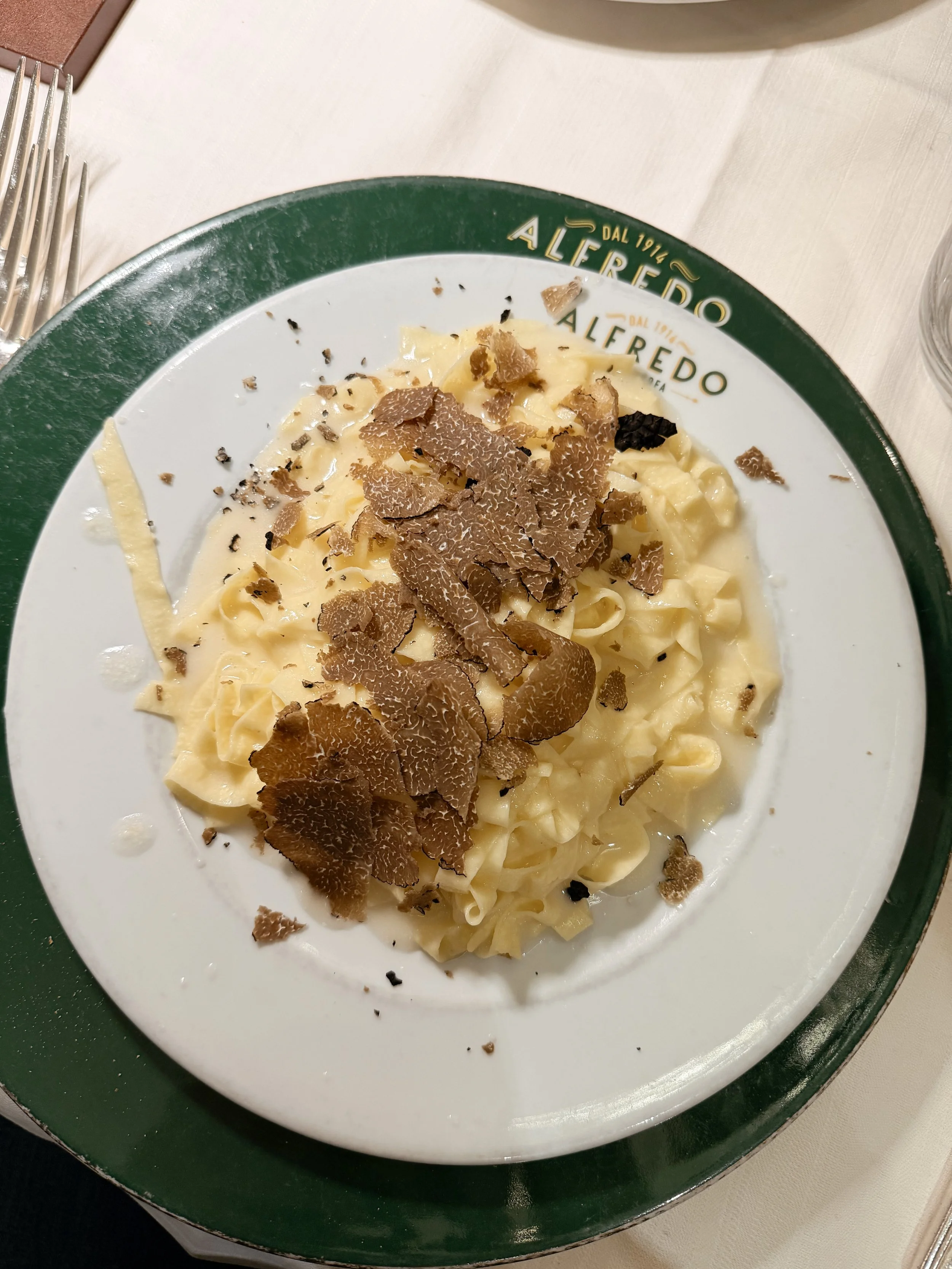
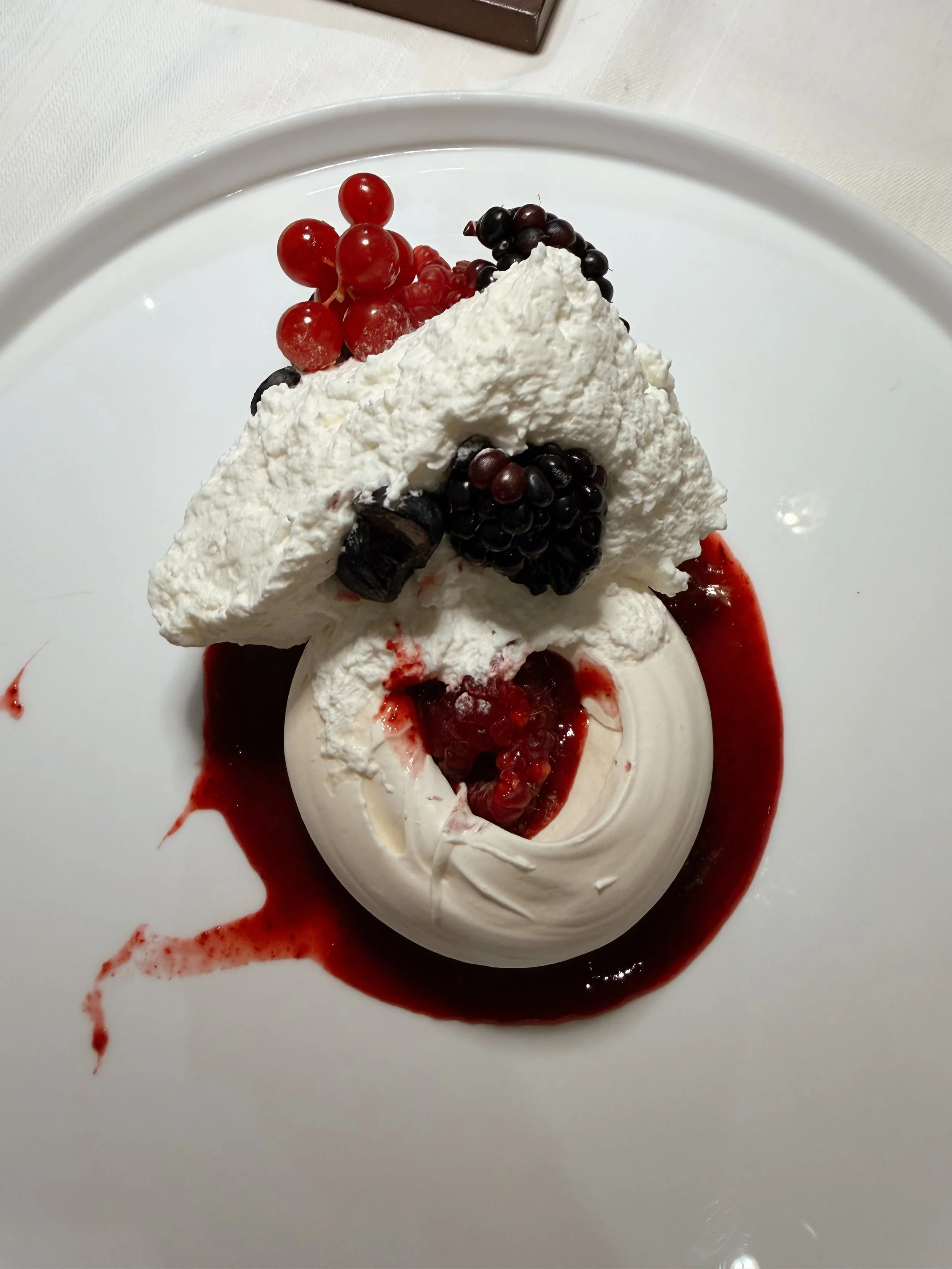
Alfredo alla Scrofa is one of those places that feels like a rite of passage in Rome. You don’t come here to experiment—you come here for the dish. And yes, I ordered the Alfredo. Creamy, rich, indulgent in the best way, and absolutely living up to its legendary reputation. It’s comforting without being heavy, simple but unforgettable—the kind of pasta you think about long after the plate is gone. But the real surprise for me was dessert. I ordered the pavlova, and it completely stole the show. Light, airy, perfectly balanced—not too sweet, not too much. After such a rich main, it was the ideal ending and honestly one of those desserts that makes you pause mid-bite.
The atmosphere feels classic and timeless, like you’re sitting inside a piece of Roman culinary history. Alfredo alla Scrofa isn’t about trends or reinvention—it’s about doing one thing exceptionally well and letting tradition speak for itself. And in this case, it really does.
Iari The Vino
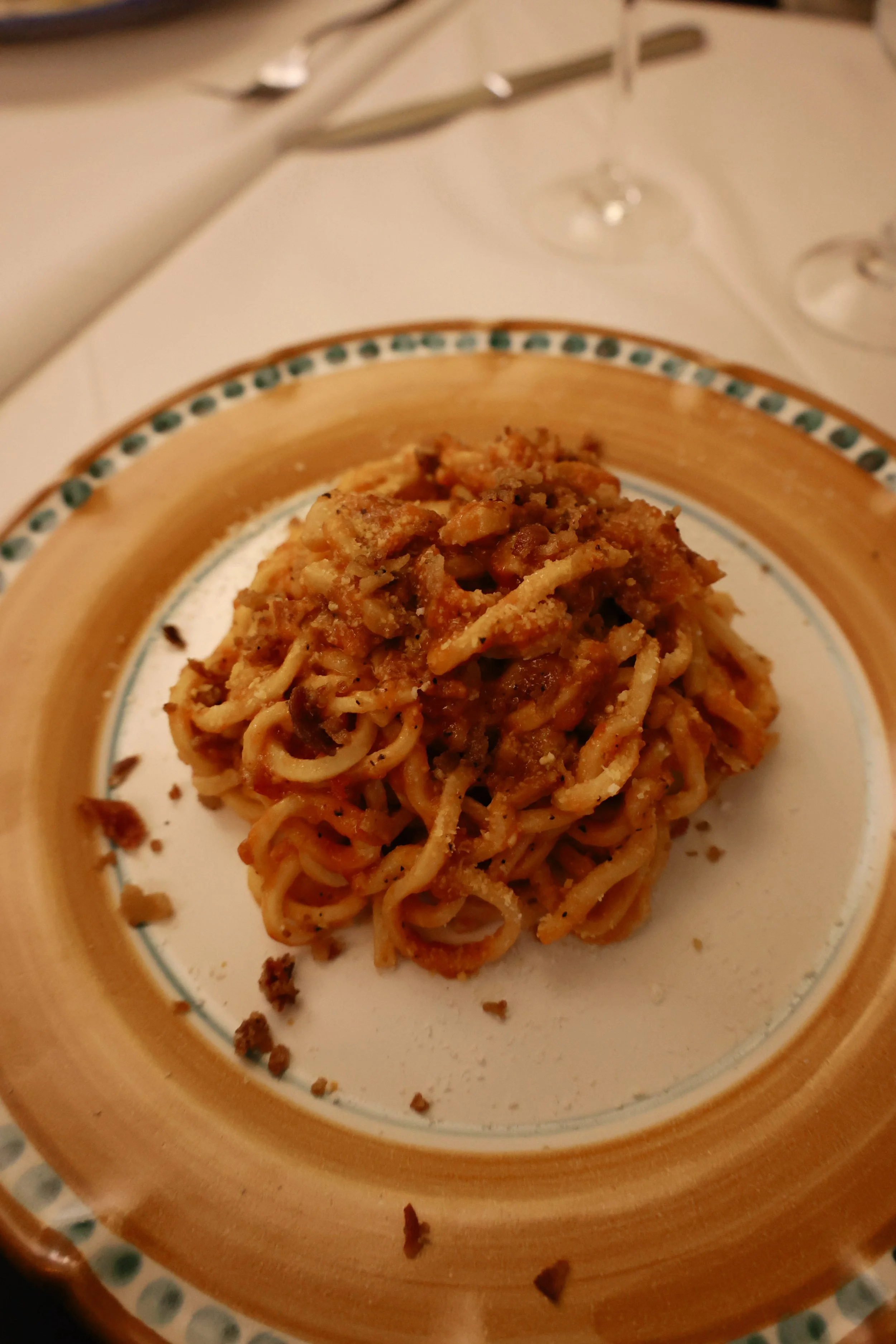
Iari The Vino is one of those places that instantly feels intimate and unpretentious—the kind of spot where you know you’re about to have a really good meal without needing a big production. It’s cozy, softly lit, and perfect for a slower evening when you want to enjoy your food and your wine without feeling rushed. I ordered the amatriciana, and it was everything I hoped for. Rich tomato sauce, perfectly rendered guanciale, just the right amount of pecorino—bold, comforting, and deeply Roman. It’s the kind of dish that reminds you why Roman pasta is so beloved: simple ingredients, done exactly right.
Paired with a glass of wine, it felt like one of those quietly perfect dinners—the kind where conversation flows easily and you’re in no hurry to leave. Iari The Vino isn’t flashy, and that’s exactly the point. It’s warm, authentic, and the kind of place you wish you had back home but know only really works in Rome.
La Taverna dei Fori Imperiali
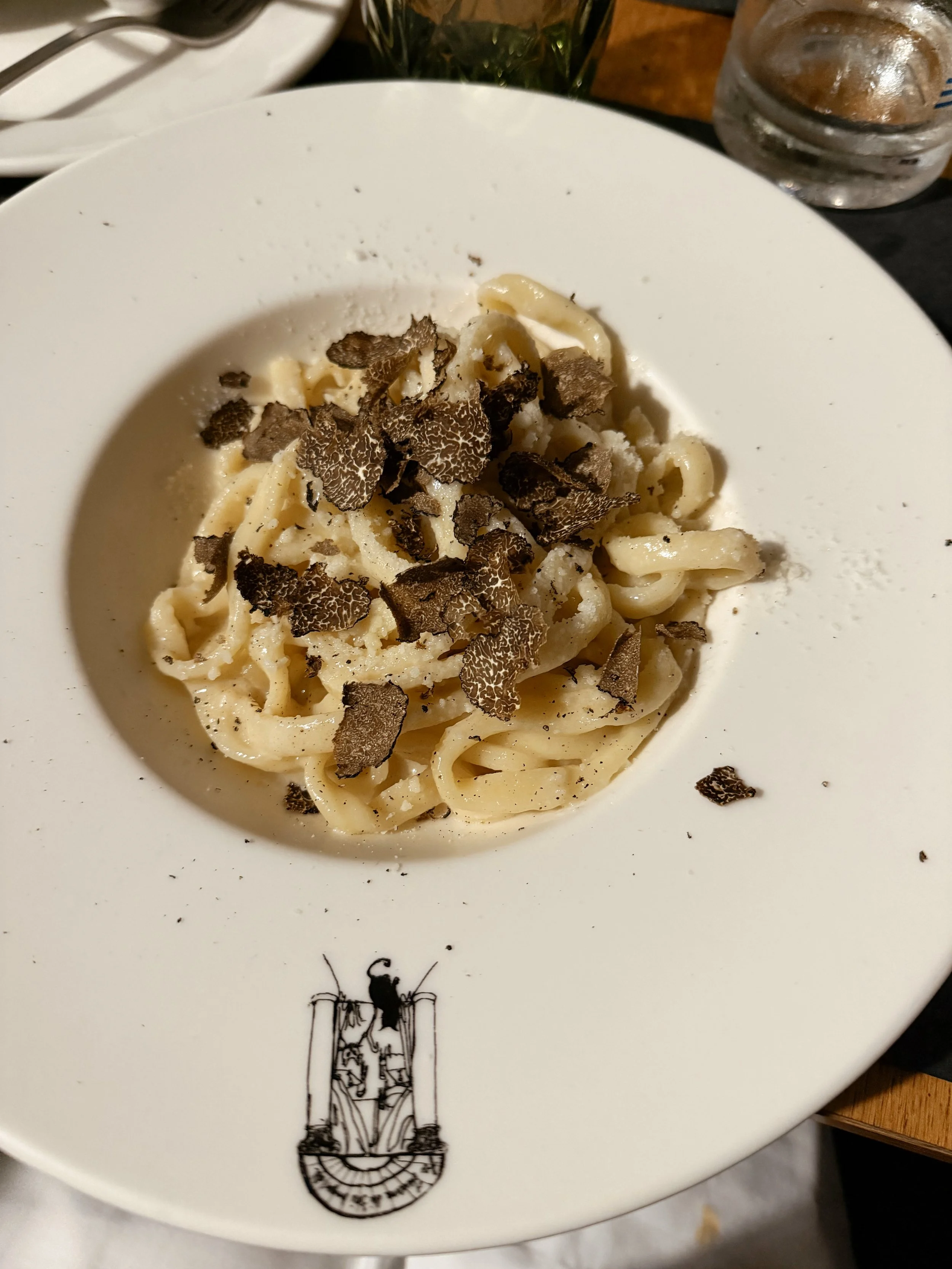
La Taverna dei Fori Imperiali is one of those places that quietly exceeds every expectation. It feels classic, warm, and deeply Roman—the kind of trattoria where tradition clearly comes first, and you can taste that in every bite. I ordered the cacio e pepe with truffle, and wow… it was genuinely one of the best versions I’ve ever had. Perfectly al dente pasta, a creamy peppery sauce that clung to every strand, and then the truffle—earthy, aromatic, and indulgent without overpowering the dish. It elevated an already iconic Roman pasta into something unforgettable.
This was one of those meals where you slow down without even trying to. No distractions, no rush—just really good food in a space that feels timeless. If you’re someone who loves classic Roman dishes done exceptionally well, this spot is an absolute must. I’d go back for this dish alone.
Mimì e Cocò – Trastevere
In Trastevere’s lively maze of streets, Mimì e Cocò feels like a perfect pause. The pasta here is soulful, the atmosphere is warm, and the service feels like you’re dining with locals rather than tourists. It’s one of those meals where you leave already thinking about what you’ll order next time.
Enoteca Trastevere
This wine-forward spot in Trastevere quickly became one of my favorite evening hangouts. If you’re in the mood for small plates, regional wines, and great conversation, this is the place. It’s relaxed without feeling casual—and it pairs perfectly with the neighborhood’s laid-back nightlife.
La Tavernetta 29 da Tony e Andrea
This place feels like going to dinner at a friend’s house—if your friend cooked unbelievably good Roman food. Classic, comforting, rich flavors done right. The pasta here is unforgettable, and the atmosphere always feels warm and buzzing in that wonderfully chaotic Roman way.
Pasta e Vino Come 'Na Vorta
Come 'Na Vorta translates to “like it used to be,” and that’s exactly what this experience feels like. Simple, perfect pasta and wine—no fuss, no pretense. This is the restaurant I think about when I crave authentic, soul-soothing Roman cuisine.
Tonnarello – Calisto
Tonnarello is a favorite for a reason—its namesake dish is rich, creamy, and absolutely delectable. Whether you go for the classic tonnarelli cacio e pepe or something more playful, every bite feels satisfying in that deeply Roman way. Plan for a wait if you go at prime dinner time—this place fills up fast.
Miscele e Fuoco
If you’re craving something a little different but still utterly Roman at heart, Miscele e Fuoco hits the mark. The wood-fired dishes have a smoky depth that feels perfect after a day exploring the city. It’s a bit more modern, a bit bolder, and 100% worth a stop.
Cafés & Bakeries in Rome, Italy
Sant’Eustachio Il Caffè
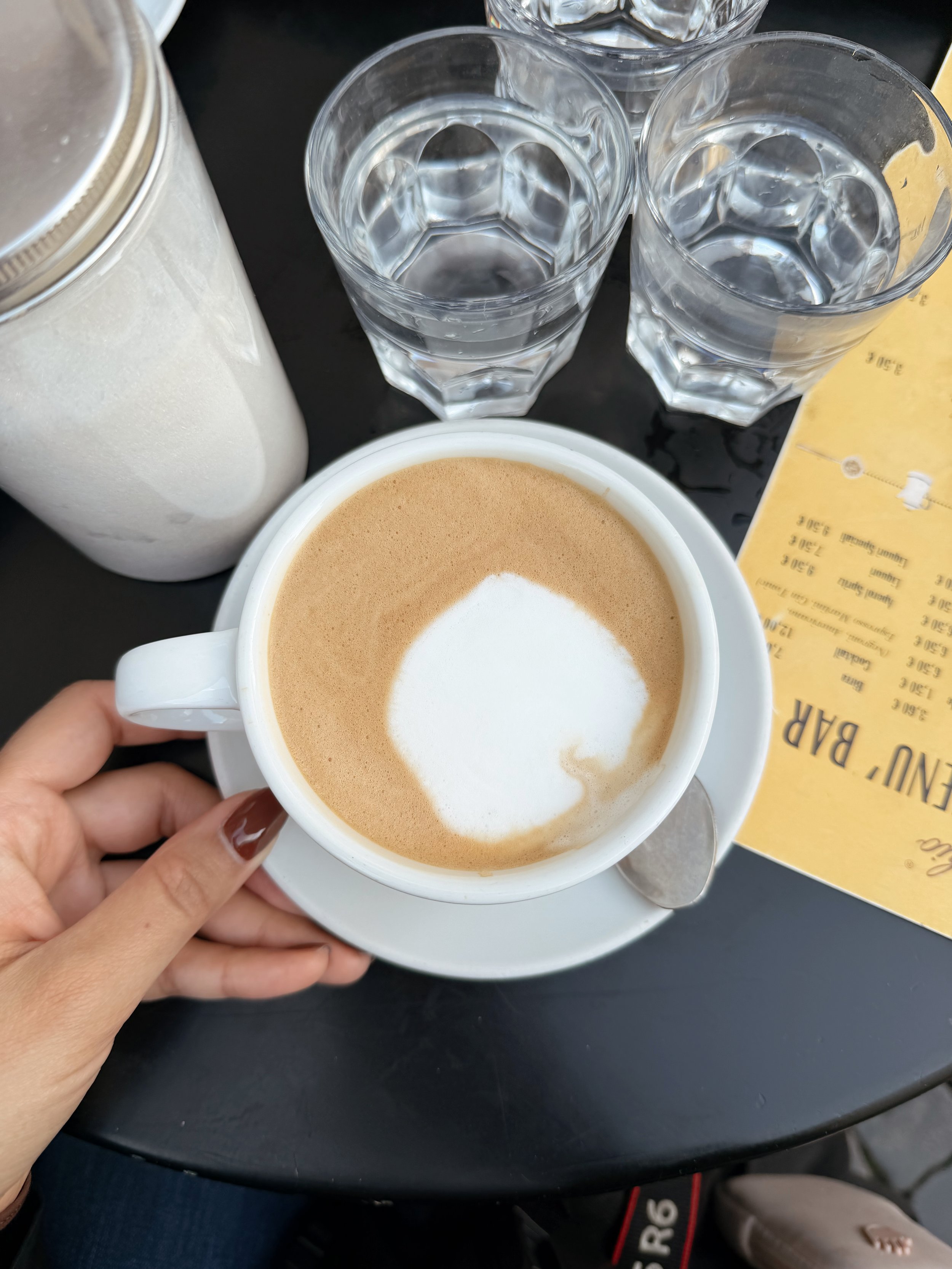
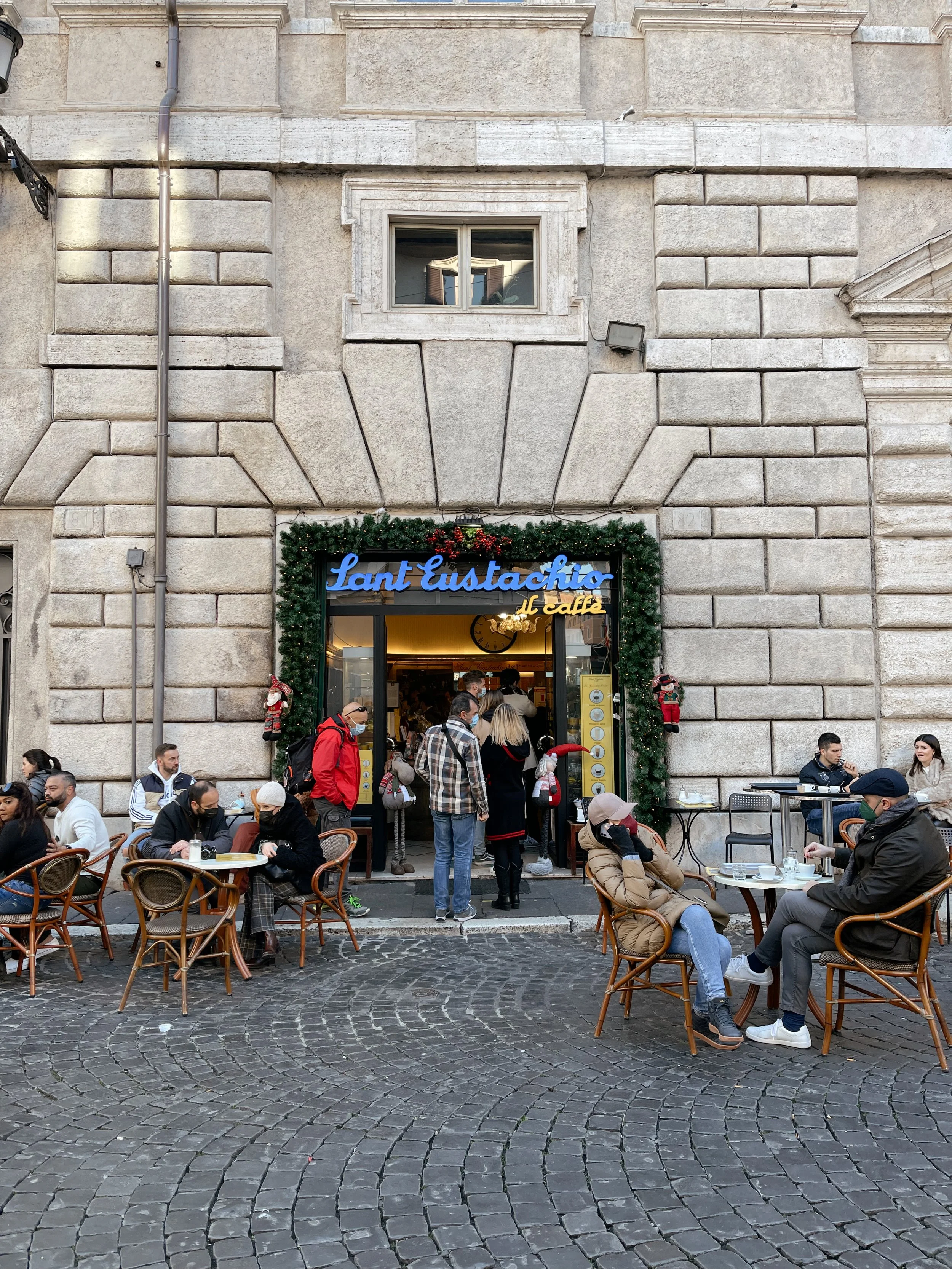
Sant’Eustachio Il Caffè is one of those places that feels like a true Roman ritual. It’s been around forever, and you can feel that history the moment you step inside—crowded counter, quick exchanges, the sound of cups clinking, espresso being pulled nonstop. I always go for the gran cappuccino, and it never disappoints. It’s rich, smooth, and perfectly balanced, with that signature foam that somehow tastes different here than anywhere else. This isn’t a place to linger for hours—it’s more of a stand-at-the-bar, soak-it-in kind of stop—but that’s part of the charm.
Yes, there’s usually a line. Yes, the service can feel a little chaotic. But somehow that just makes it feel more authentic. Sant’Eustachio is one of those places where you slow down not because it’s quiet, but because the coffee is that good. It’s a must-stop for me every time I’m in Rome.
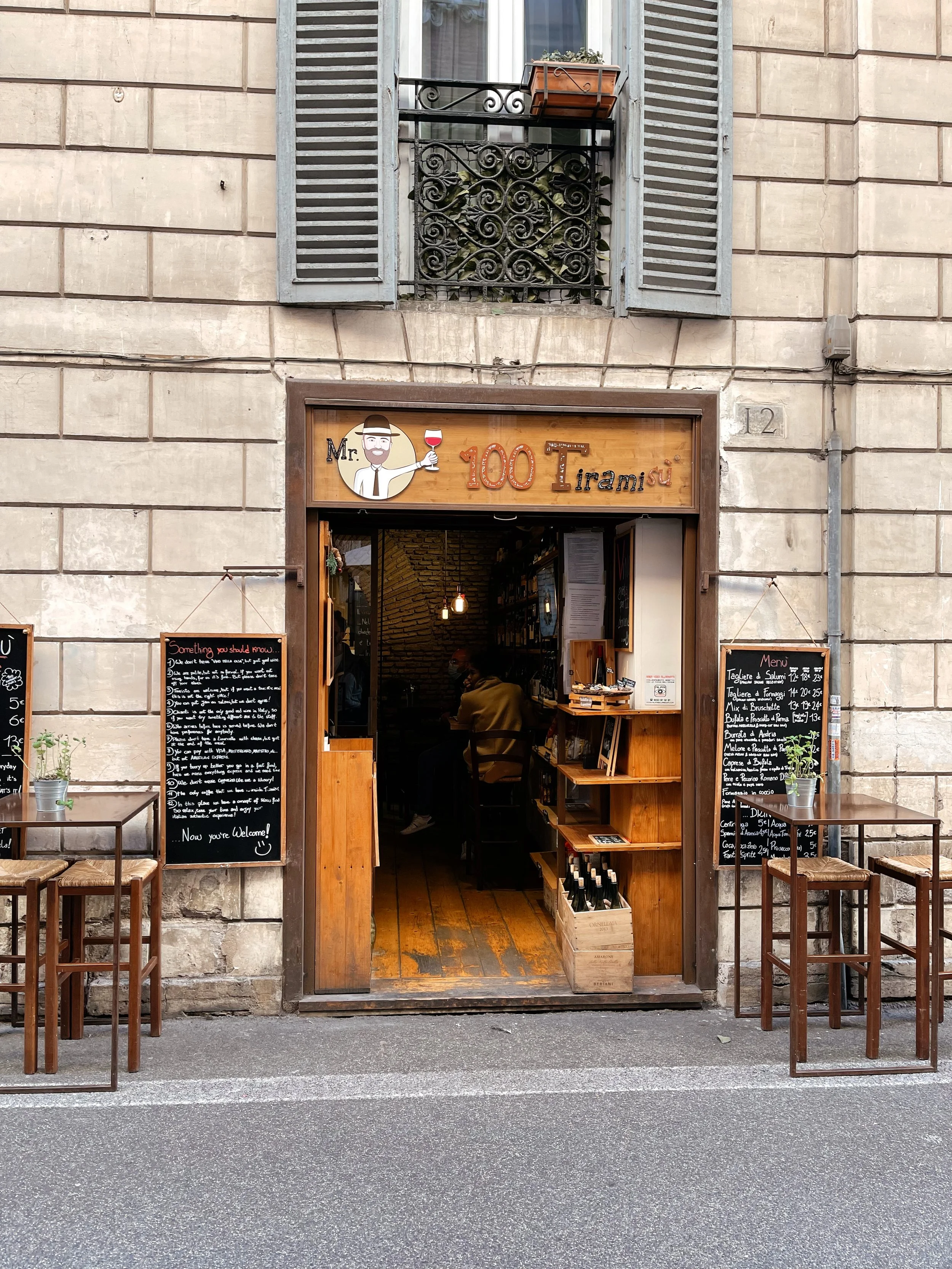
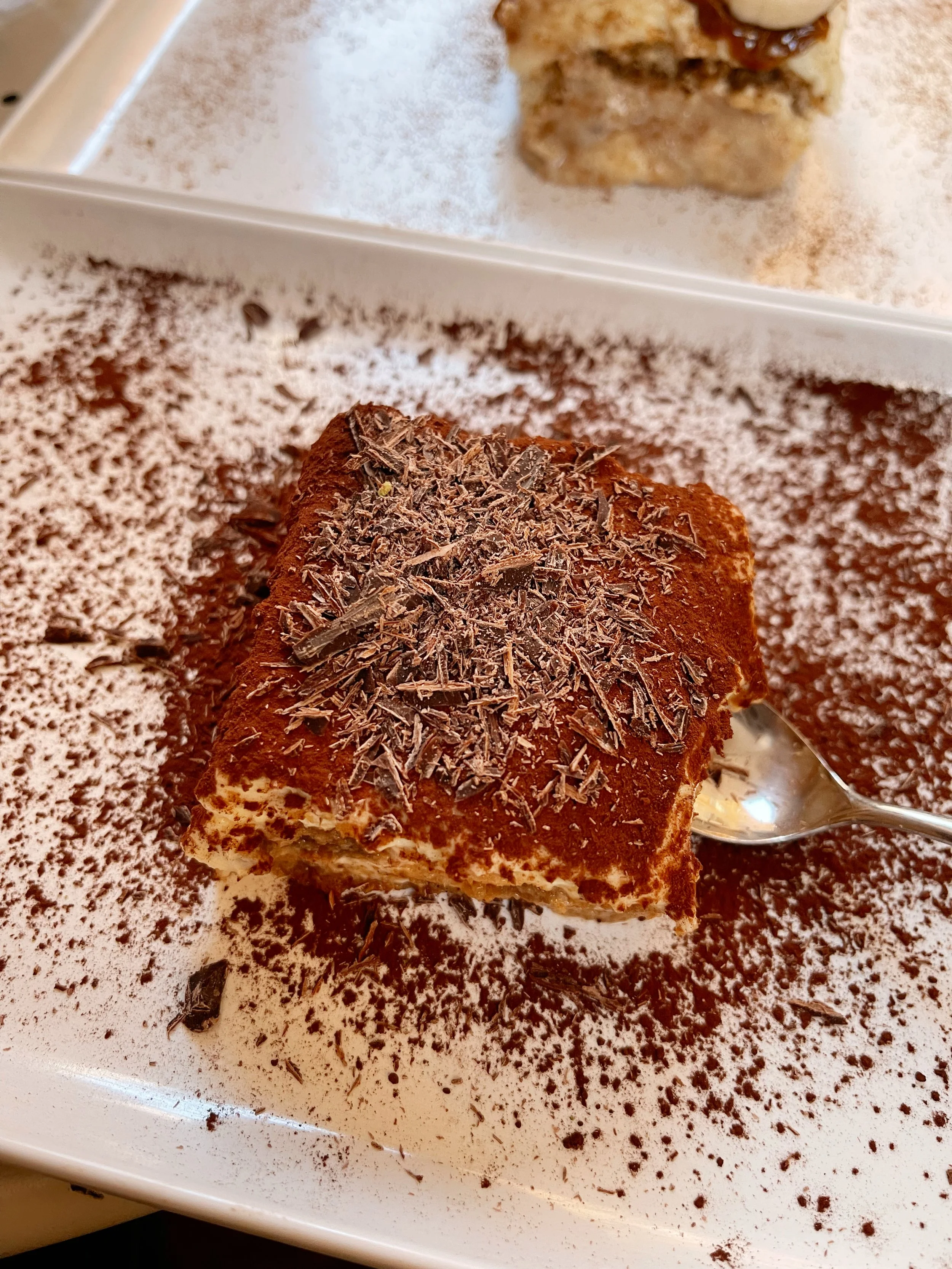
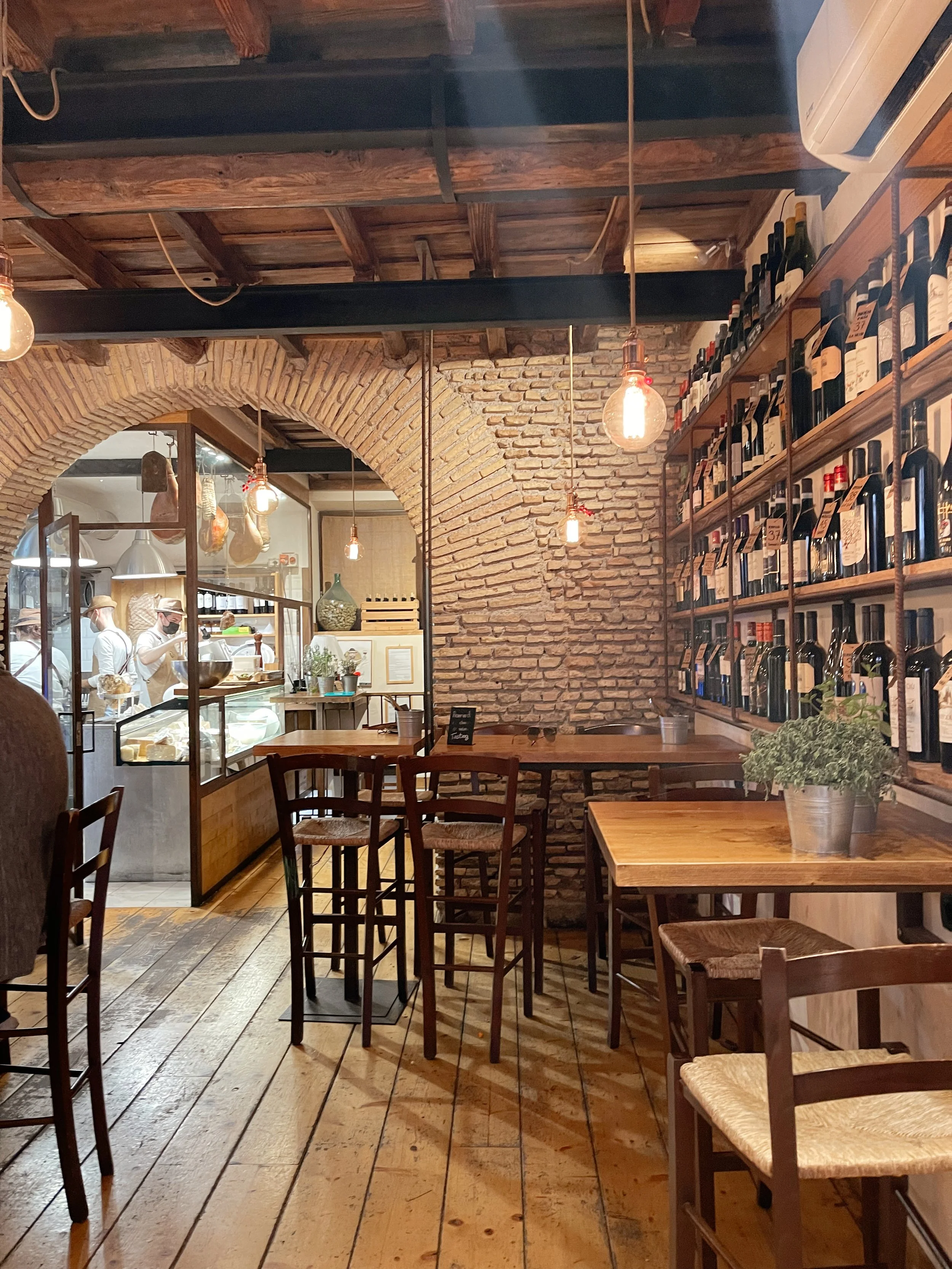
Mr. 100 Tiramisù
Mr. 100 Tiramisù will always have a soft spot in my heart. Fun fact: I started coming here before it even had a name. Back then, it was just this tiny, cozy spot serving incredible tiramisu—and now it’s known for having over 100 flavors. Watching it become what it is today makes it feel even more special. Even with all those options, I always go for the classic. Layers of espresso-soaked sponge, silky mascarpone, and just the right dusting of cocoa—it’s everything tiramisu is supposed to be. Rich but light, indulgent without being overwhelming. Sometimes the classics really don’t need improving.
The space is warm and intimate, perfect for a late-night dessert stop or a sweet break after dinner. Whether you’re a first-timer or a repeat visitor like me, this place feels like one of those hidden Rome moments that somehow never loses its charm—no matter how popular it gets.
Forno Conti & Co
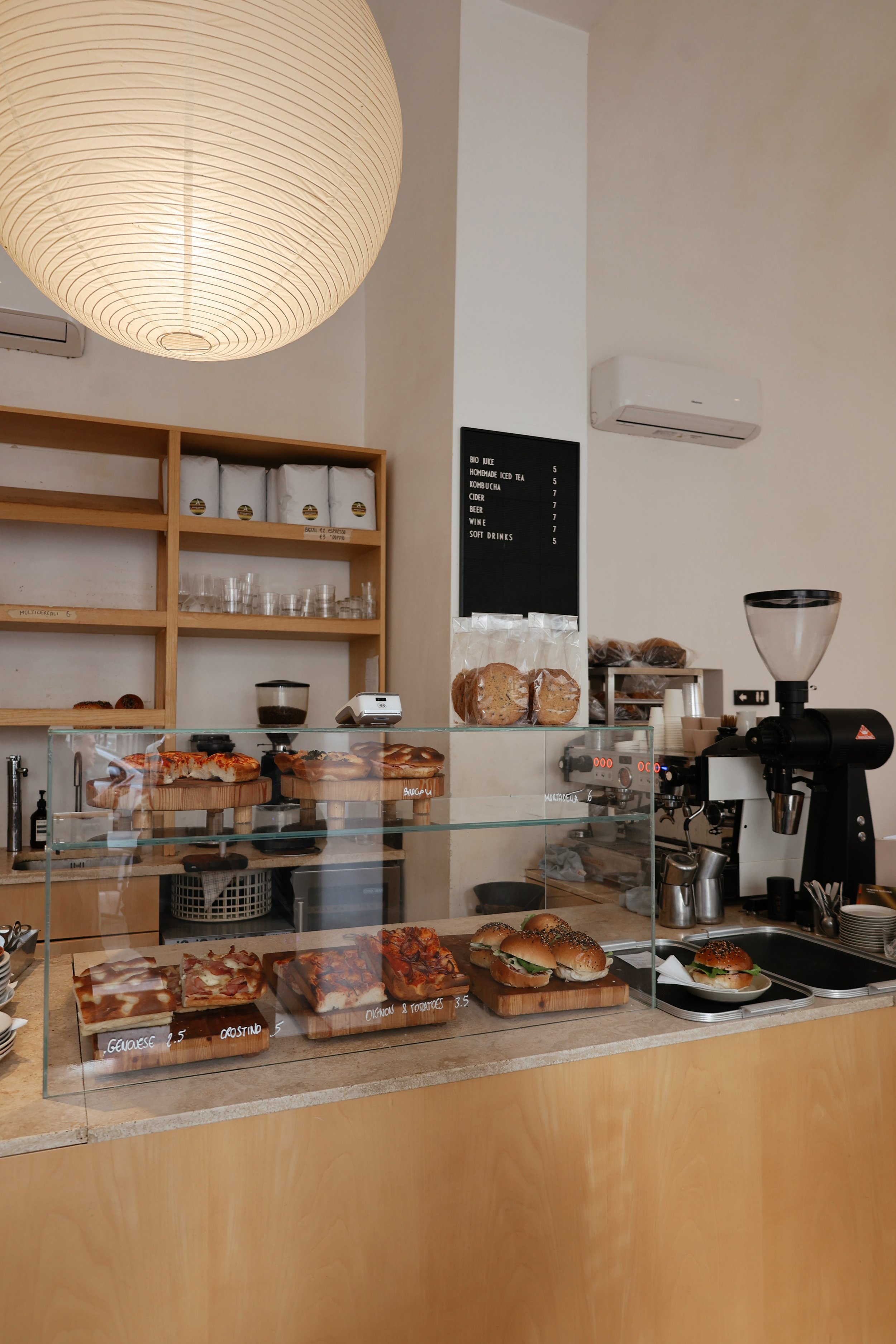
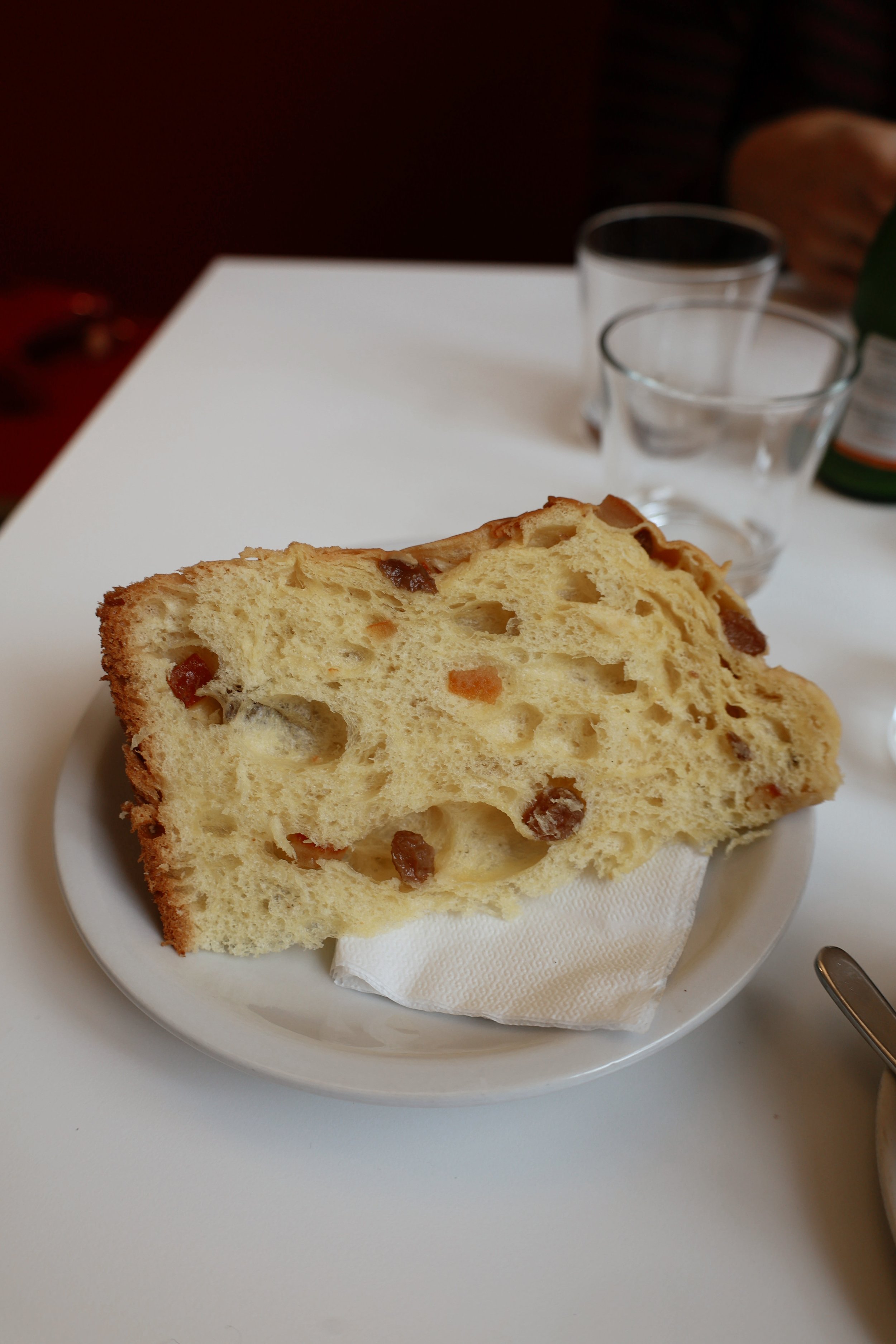
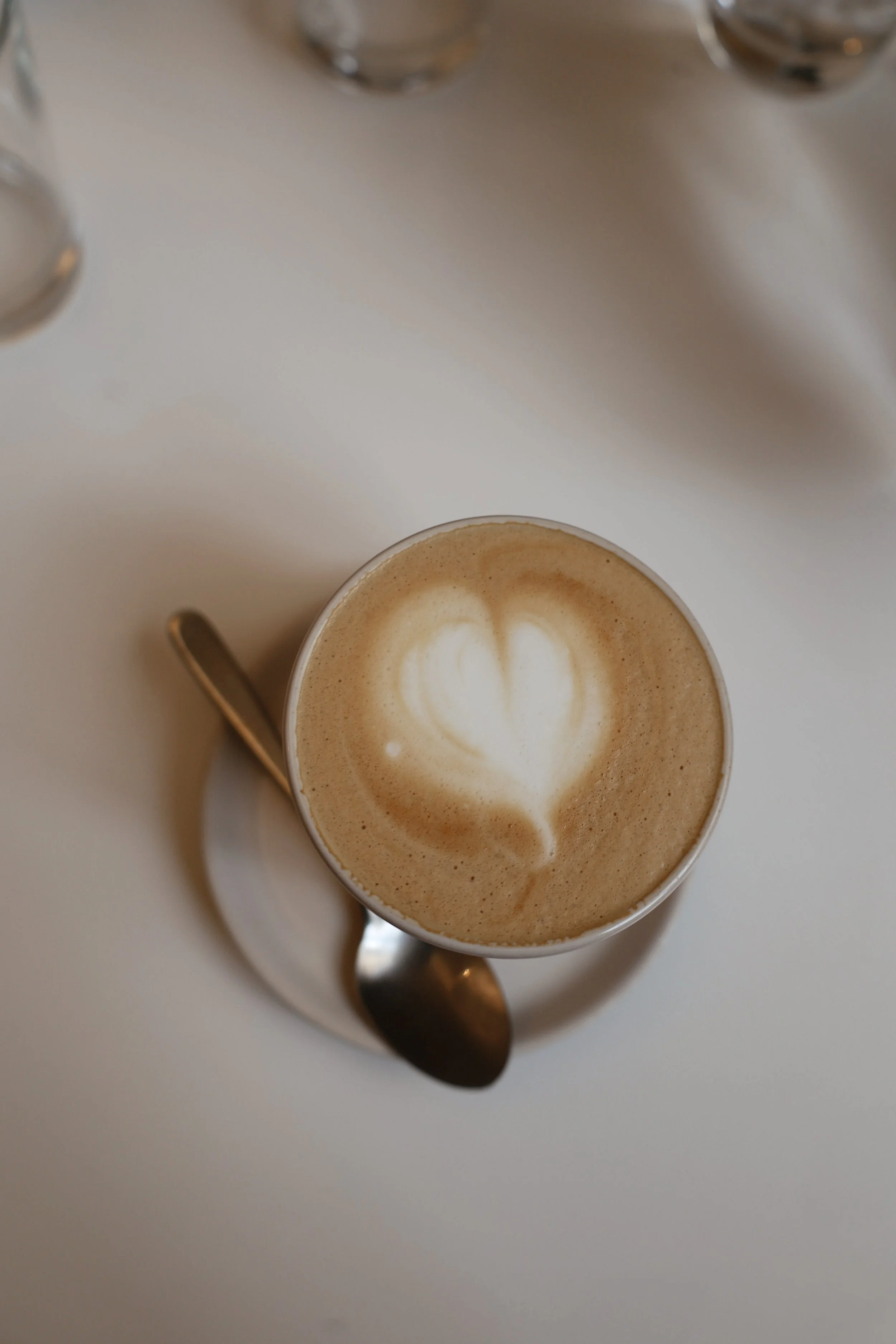
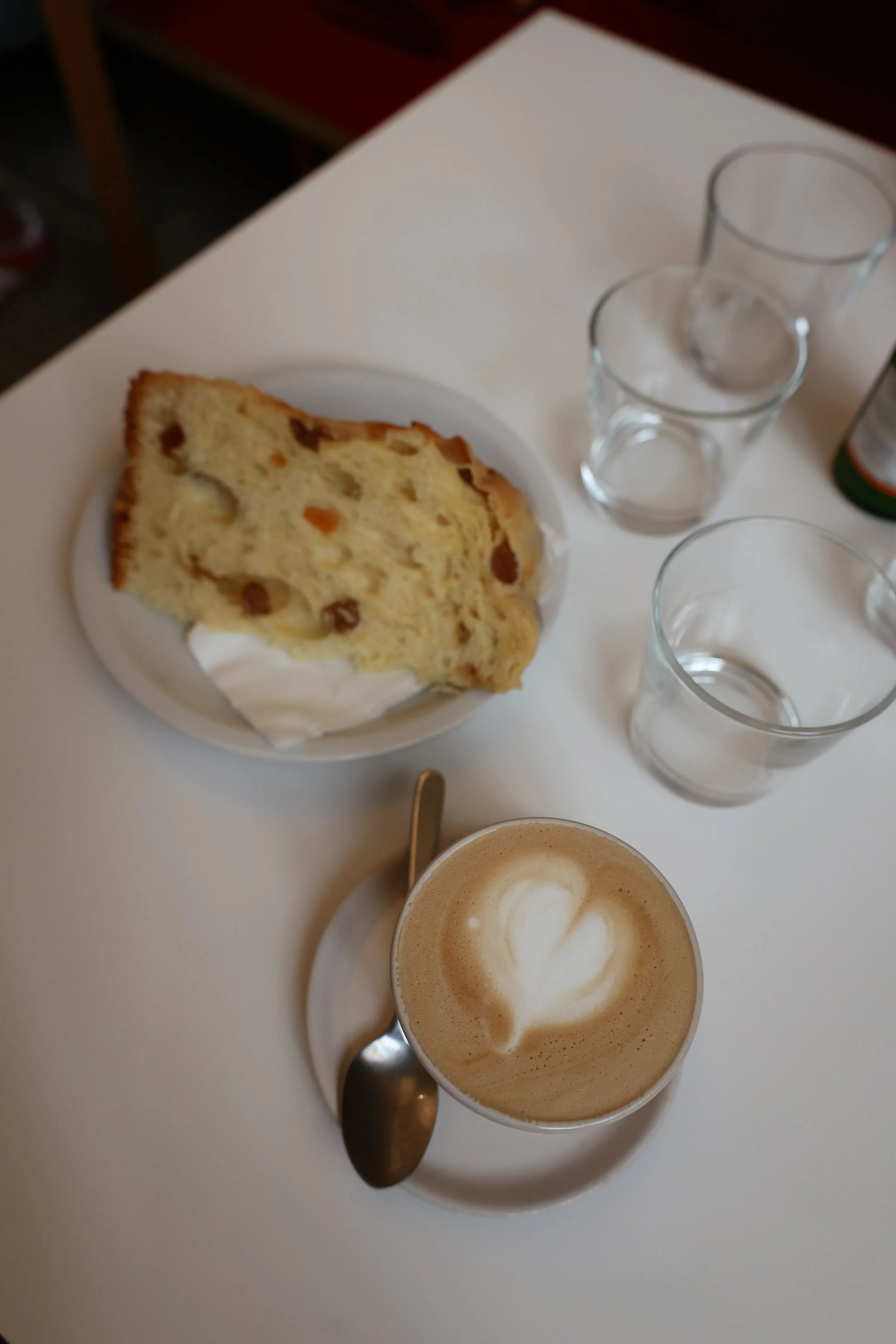
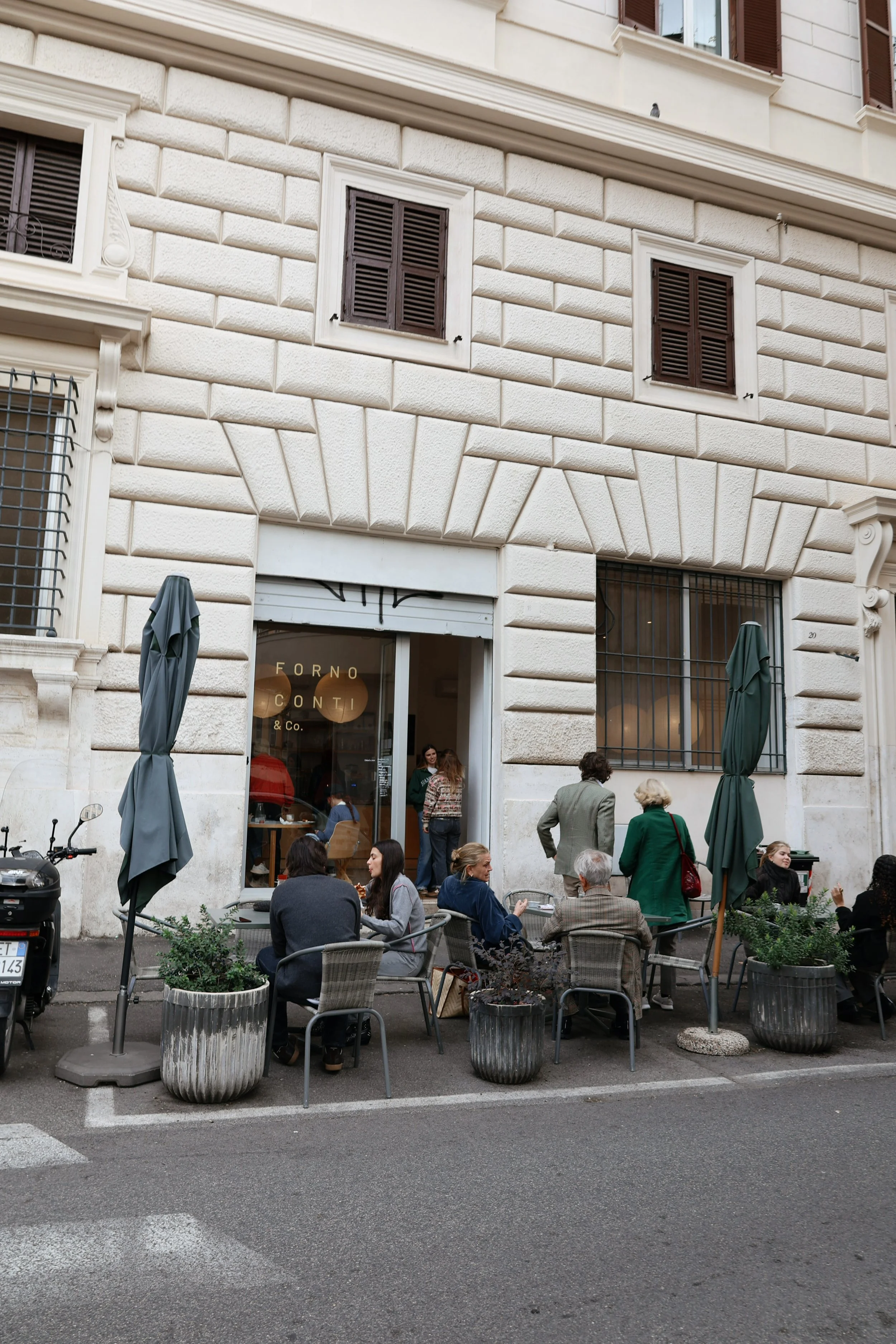
Forno Conti & Co was one of those happy, unplanned stops that end up being a highlight. I came in for a coffee and ended up lingering longer than expected—in the best way. I ordered a cappunico, which was smooth, comforting, and exactly what I needed in that moment. But the real standout for me was trying a Pantone for the first time—and wow. I wasn’t expecting to love it as much as I did. It was fresh, beautifully balanced, and one of those pastries where you immediately understand why locals keep coming back. The kind of bite that makes you pause and appreciate how simple things, done well, can be unforgettable.
The space itself feels warm and inviting, like a true neighborhood bakery rather than a tourist stop. Forno Conti & Co is now firmly on my list of places I’d return to without thinking twice—perfect for a slow morning or an afternoon reset with something sweet and really, really good.
Vivi
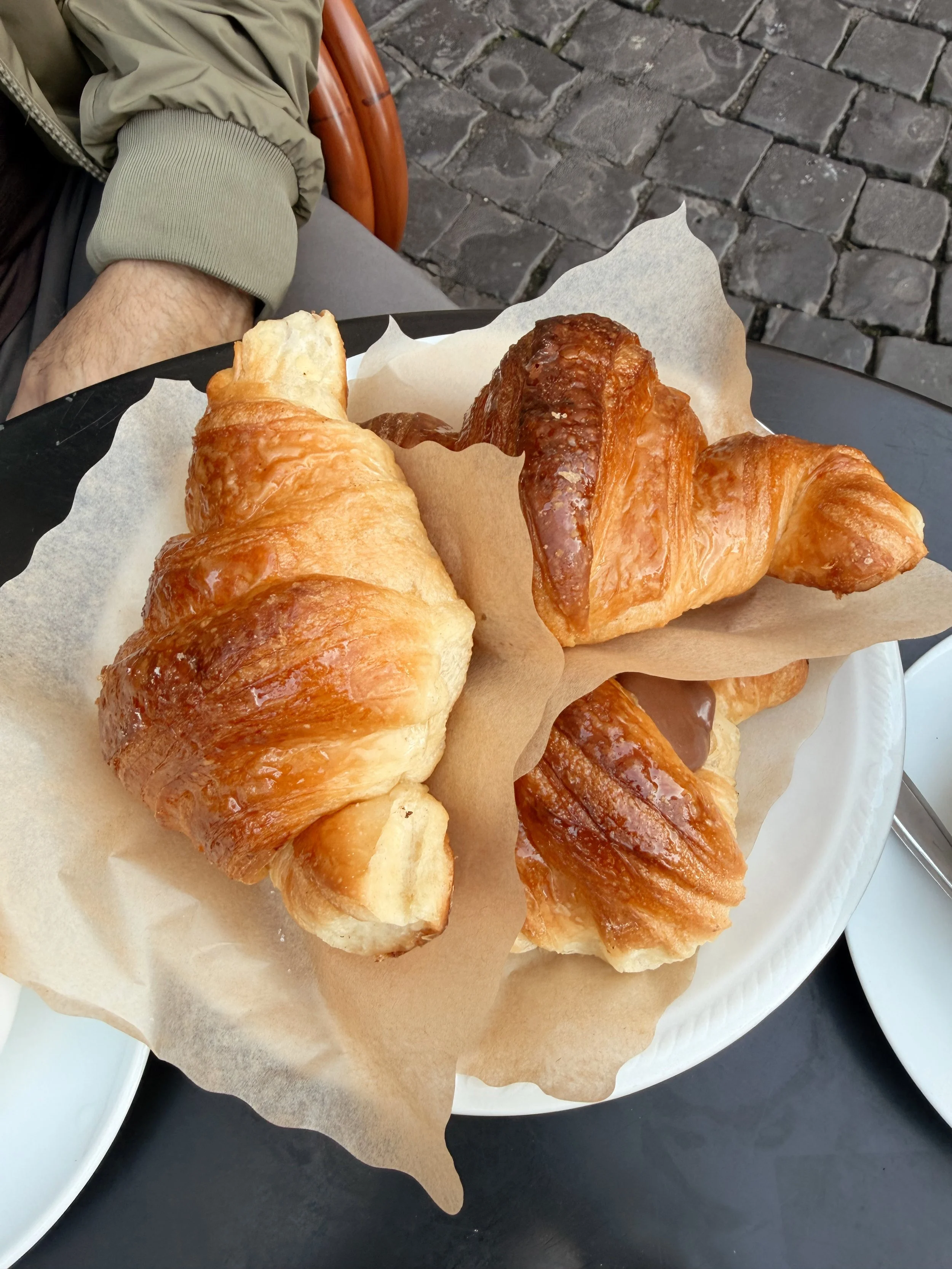
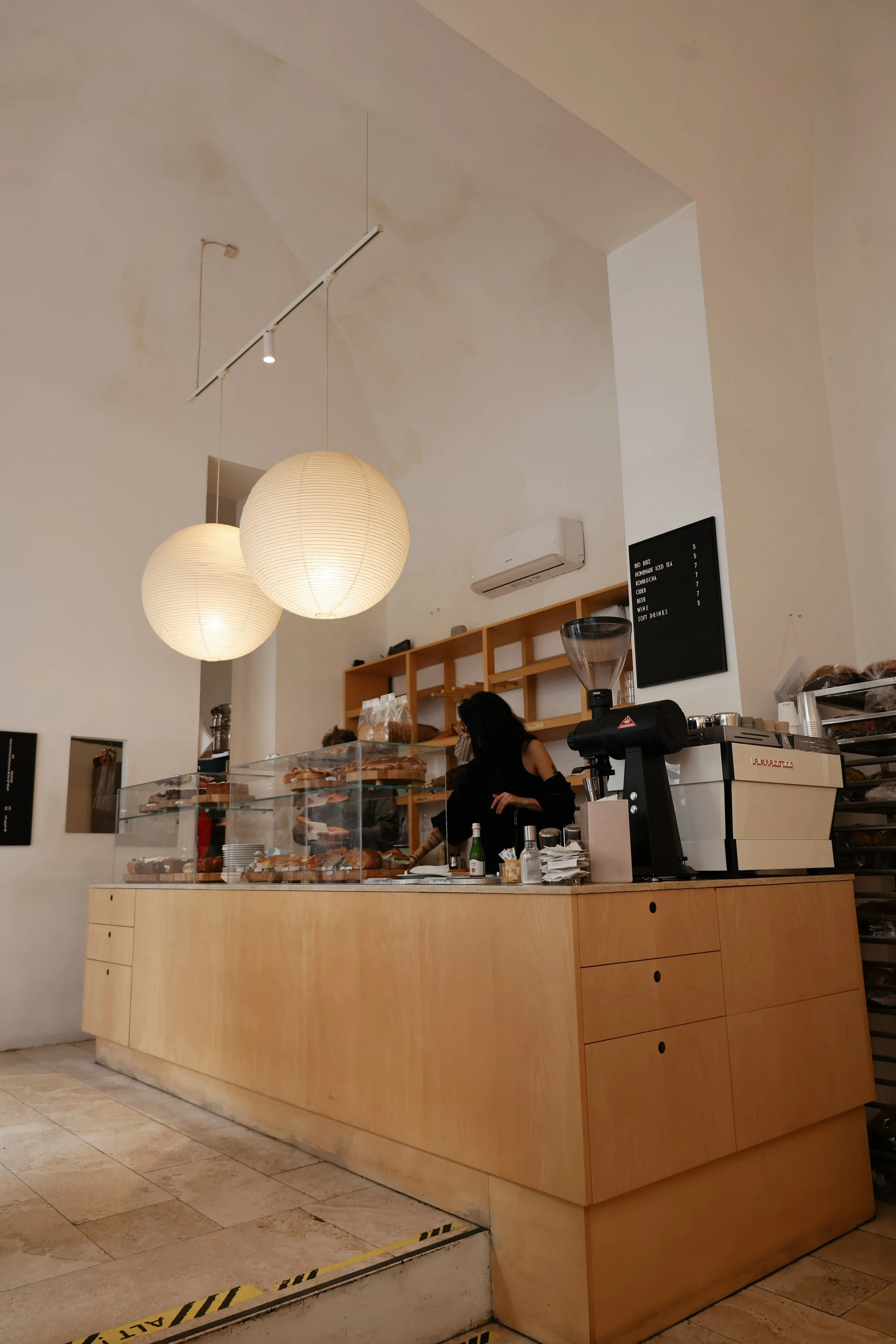
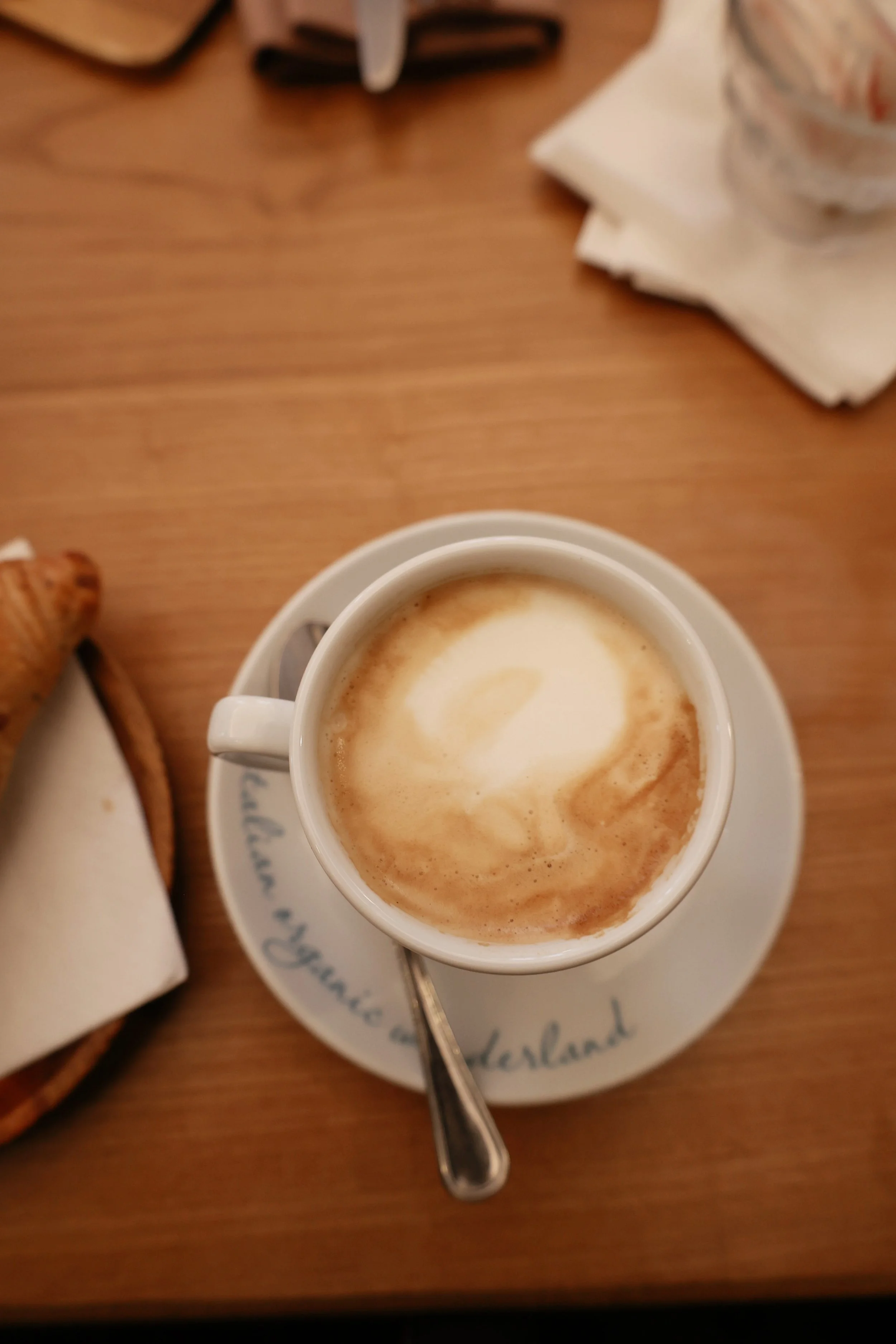
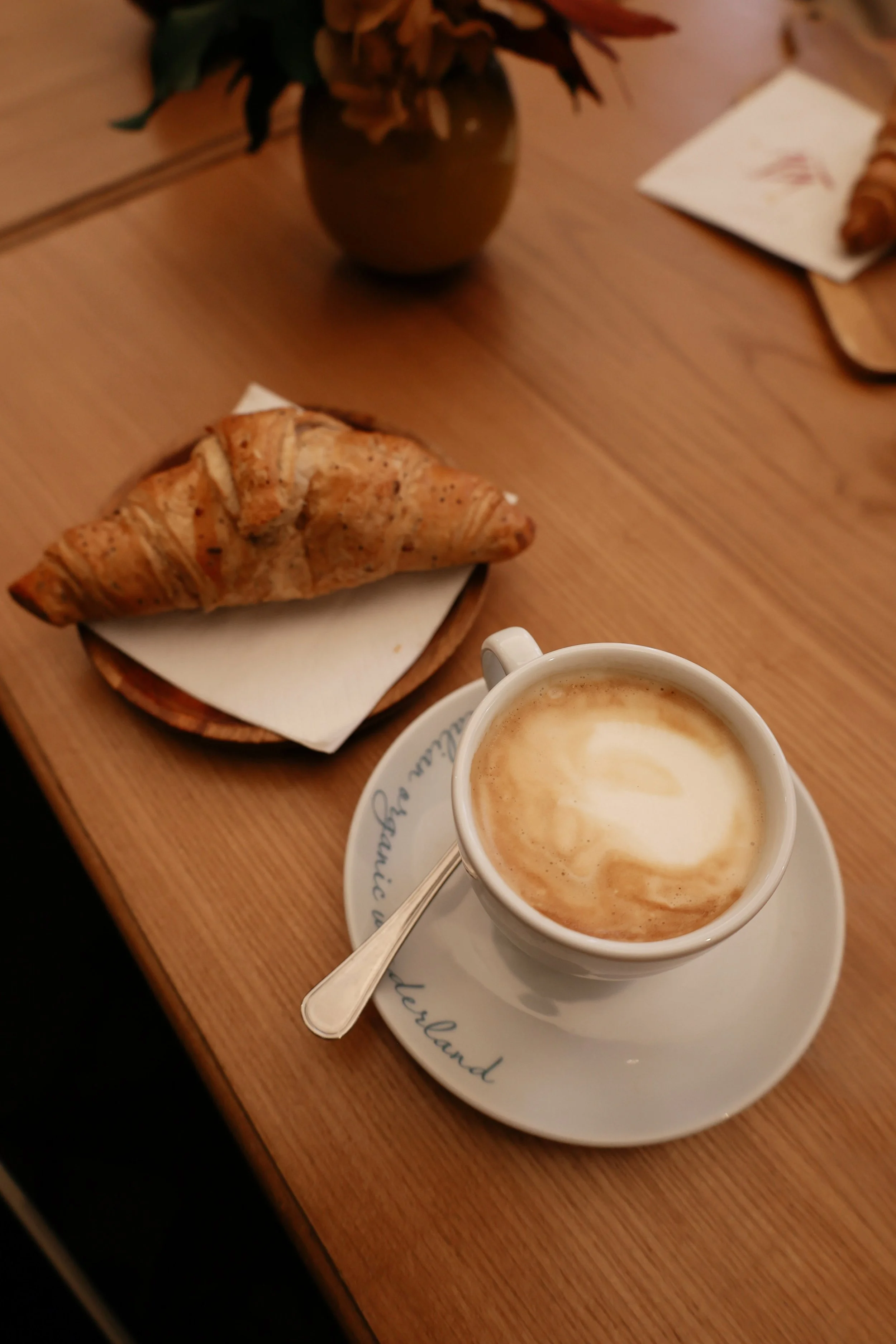
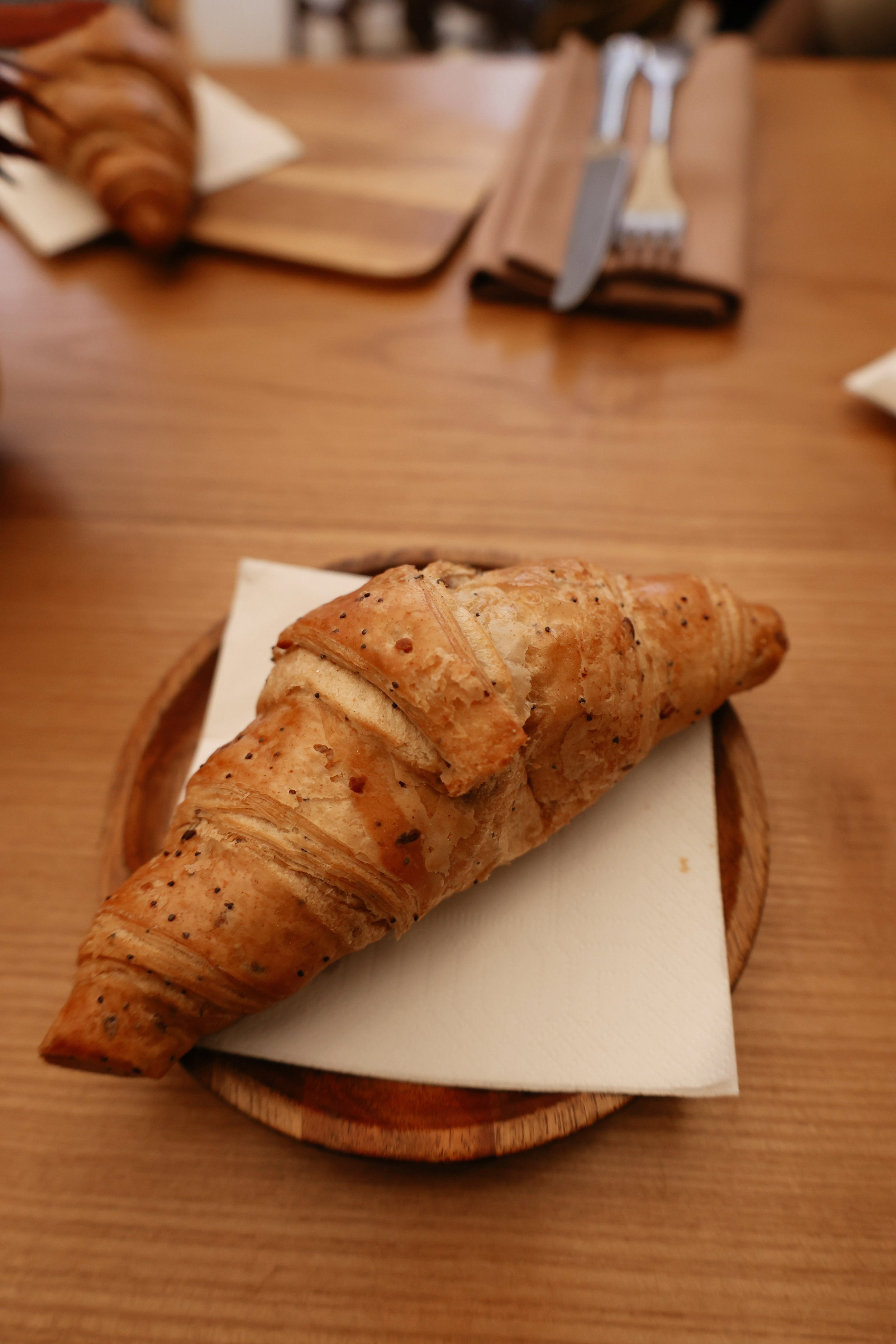
Vivi is one of those calm, feel-good cafés that instantly makes you want to slow down. It feels airy and relaxed—perfect for a gentle morning or a quiet pause between wandering. I ordered a cappunico and a croissant, and it was exactly the kind of simple, satisfying combo I crave in Rome.
The cappunico was smooth and comforting, and the croissant was light, buttery, and fresh—nothing overdone, just done right. Vivi has that effortless balance of being wholesome without feeling boring, stylish without trying too hard. It’s the kind of place where you sit a little longer than planned, finish every last bite, and leave feeling reset and ready to keep exploring.
Barnum
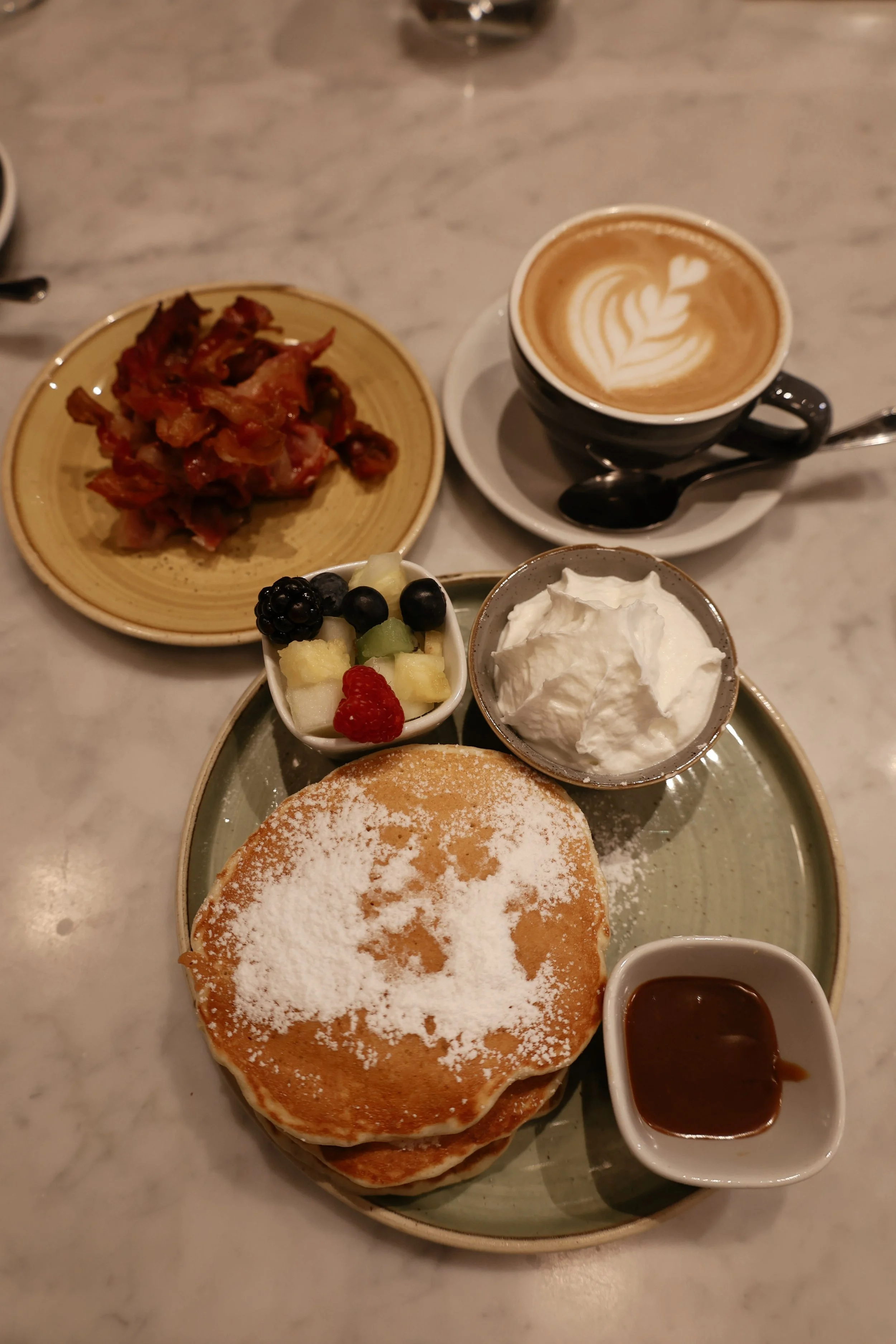
Barnum is one of those places that instantly feels like a comfort stop—casual, welcoming, and quietly cool. It’s the kind of café you end up at when you want something familiar but still really well done. I ordered the pancakes and a cappunico, and it was exactly what I was craving. The pancakes were soft, fluffy, and satisfying without being overly sweet—the perfect slow breakfast or brunch moment. Paired with the cappunico, it felt grounding in the best way, like a pause button before jumping back into the energy of Rome. Barnum has that relaxed, neighborhood feel that makes you want to come back again, whether for breakfast, coffee, or just a moment to sit and reset.
Where to Stay in Rome, Italy
Hotel de Russie
Hotel de Russie sits where Rome’s elegance feels effortless. It’s that rare spot where luxury isn’t flashy—it feels natural. The gardens are serene, the rooms are beautifully appointed, and the service quietly anticipates what you need before you even ask. Breakfast in the courtyard feels like a ritual you’ll never forget.
The St. Regis Rome
St. Regis Rome is old-world glamour, refined. Walking in feels like stepping into a different era, but with all the modern comfort you expect. The butler service is phenomenal, and the attention to detail makes every moment feel curated. It’s perfect if you want to immerse yourself in luxury that feels timeless.
Rome Cavalieri Waldorf Astoria
Rome Cavalieri is more like a destination than just a hotel. Perched up high with sweeping views of the city, its art collection alone could be a reason to stay. The rooms are spacious and elegant, the spa is a real retreat, and dining at La Pergola—their three-Michelin-star restaurant—is a bucket list experience for food lovers.
Hotel Eden Roma
Hotel Eden is understated elegance with a rooftop view that steals the show. From its location near Villa Borghese to its impeccable staff and beautifully designed rooms, this is the kind of place that makes you feel cared for without feeling like you’re in a showcase. The rooftop restaurant is one of my favorite spots for dinner with a view.
J.K. Place Roma
J.K. Place feels like the perfect fusion of boutique intimacy and high-end luxury. The vibe is stylish but never pretentious, and everything from the décor to the service feels personal. The location is ideal, and the comforts—think plush rooms, thoughtful amenities, delicious breakfast—make it feel like a home away from home.
The First Roma Arte
A newer gem in the luxury scene, The First Roma Arte blends contemporary design with classic Roman flair. It feels fresh and chic, with welcoming service and an intimate vibe that’s perfect if you want something elevated but not over the top. The rooftop terrace with views over the historic center is a highlight.
Villa Agrippina Gran Meliá
Villa Agrippina feels like a sanctuary tucked into the city. It’s elegant, lush, and beautifully calm—a perfect base if you want luxury with a sense of escape. The spa and outdoor spaces are lovely, and it sits in a great spot between the buzz of the center and the charm of Trastevere.
Best Time to Visit Rome, Italy
Rome is beautiful year-round, but timing really changes the experience. Spring and fall are my favorite seasons to visit—the weather is comfortable, the light is beautiful, and the crowds feel more manageable. Summer is lively but intense: hot, crowded, and exhausting if you’re not prepared. I’ve visited Rome in December, and while it’s different, it has its own charm. The festive lights, quieter mornings, and cozy cafés make it feel special—but it can still be busy closer to Christmas. If you have flexibility, I’d aim for April–May or September–October. Those months strike the perfect balance between energy and ease
Rome is a city that stays with you long after you leave. It’s in the quiet mornings before the crowds, the lingering dinners that stretch late into the night, the ritual of coffee at the bar, and the moments where history suddenly feels very close. Every visit reveals something new—another street to wander, another dish to fall in love with, another reason to return.
#rome #romeitaly #visitrome #visititaly #travelgram #travelguide #travelholic #traveltheworld #traveler #traveltoexplore #travelon #traveldestination #traveldiaries #travelblogger #traveltheworld #traveladdict #traveldestinations #travellover #womenwhotravel #womenwhoexplore