Pisa doesn’t try to compete with Italy’s bigger, louder cities—and that’s exactly what I appreciate about it. It may not have an endless list of headline attractions, but that’s not a drawback. If anything, it’s an invitation to slow down. Pisa offers a gentler pace, fewer crowds, and a chance to experience a Tuscan city that still feels grounded in its history and everyday life.
Rather than comparing Pisa to places like Florence or Rome, I think it’s best enjoyed for what it truly is: a city shaped by medieval roots, quiet beauty, and open landscapes that feel refreshingly unfiltered. It’s the kind of place where wandering without a strict plan actually works in your favor. Keep reading for a few thoughtful tips to help you make the most of your time in this understated but charming city.
I’m not here to tell you how to feel about Pisa—everyone’s experience is personal, and that’s part of the beauty of travel. What I do encourage is approaching Pisa, or any destination, with an open mind and without expectations shaped by comparison. Doing so not only shows respect for the place and its people, but it also opens the door to genuine moments you might otherwise miss. When you let go of preconceived notions, you allow a city like Pisa to surprise you—and sometimes, those quieter surprises are the ones that stay with you the longest.
Getting to Pisa, Italy
Pisa is one of those destinations that’s surprisingly easy to work into an Italian itinerary. When I visited, we stayed for a long weekend, and honestly—it felt just right. If your goal is to see the Leaning Tower and a handful of highlights, Pisa can absolutely be done in a day or two. But if you have the flexibility, I really recommend lingering a bit longer. Once you slow down, the city starts to reveal a quieter, more local side that’s easy to miss on a rushed visit.
By Plane
Pisa is very accessible by air, thanks to Galileo Galilei International Airport, which sits just outside the city center. It’s one of the easiest Italian airports to navigate, and getting into town is quick and affordable.
Shuttle Train (PisaMover)
The PisaMover is the simplest option. It connects the airport to Pisa Centrale in about five minutes and costs €5. It runs daily from early morning until midnight, and the signage makes it almost impossible to get lost. It’s efficient, straightforward, and perfect if you want to get into the city without thinking too much about logistics.
Taxi
A taxi ride into Pisa typically takes 5–15 minutes, depending on where you’re staying. If you’re traveling with more than one person, this can actually be just as economical as the shuttle—and definitely more convenient if you have luggage.
By Train
Pisa is very well connected by train, which makes it an easy stop to pair with other Italian cities. It’s about an hour from Florence, roughly two hours from Bologna, and around two to three hours from Rome.
One thing to know before you arrive: Pisa has two train stations.
Pisa Centrale is the main station and the most convenient for most accommodations.
Pisa S. Rossore is closer to the Leaning Tower and can be handy if that’s your first stop.
Knowing which station you’re arriving at ahead of time can save you a bit of confusion.
Visiting Pisa from Other Cities
Because of its size and location in the Tuscan countryside, Pisa is a very popular day trip from larger cities—especially Florence. You can easily plan the trip yourself by train, but if you’d rather not deal with timing and logistics, guided tours are also available and often combine Pisa with other nearby destinations.
That said, if you can avoid turning Pisa into just a quick stop, I’d encourage it. Staying overnight lets you experience the city once the day-trippers leave—and that’s when Pisa really starts to feel like itself.
Things to Do in Pisa, Italy
Leaning Tower of Pisa
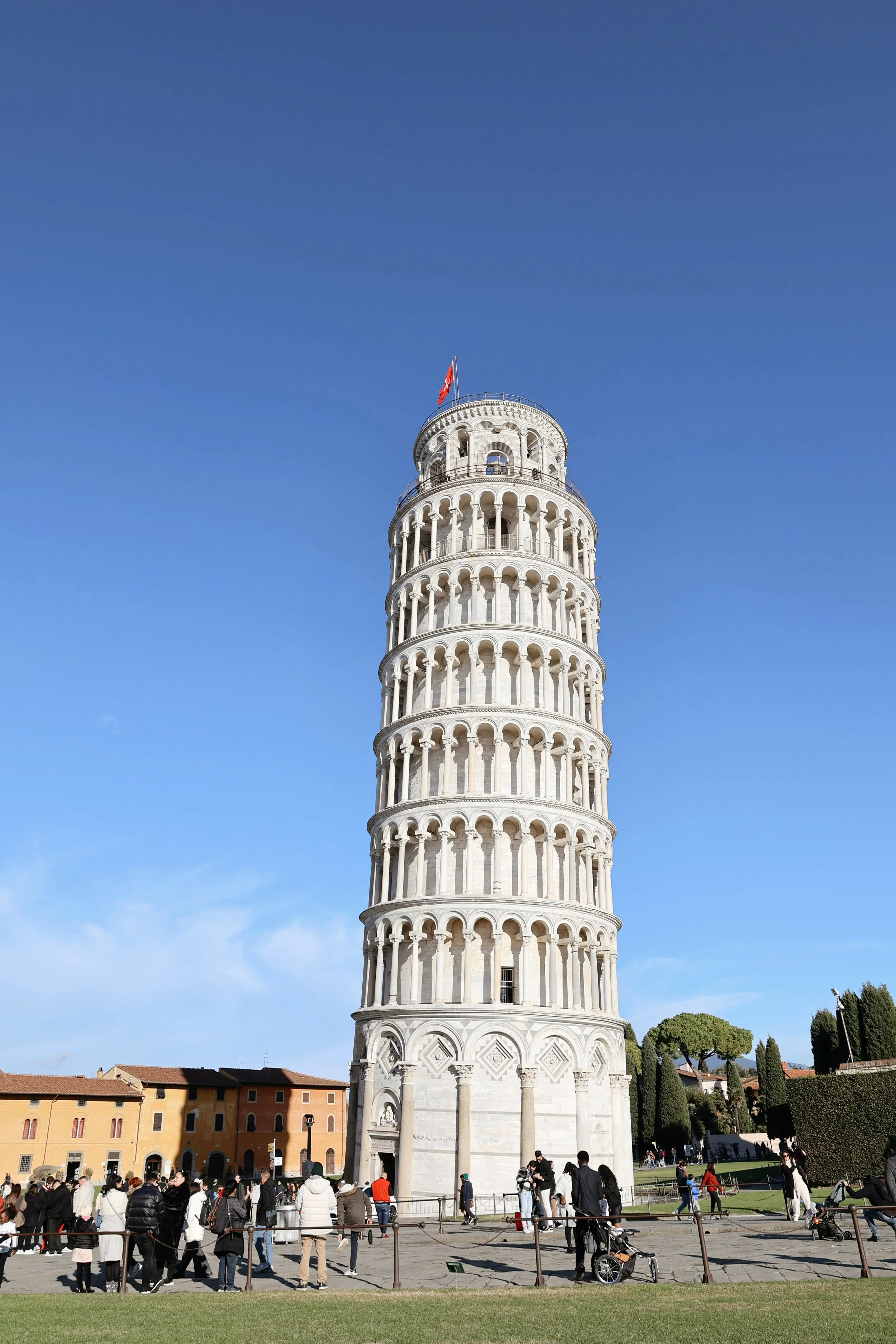
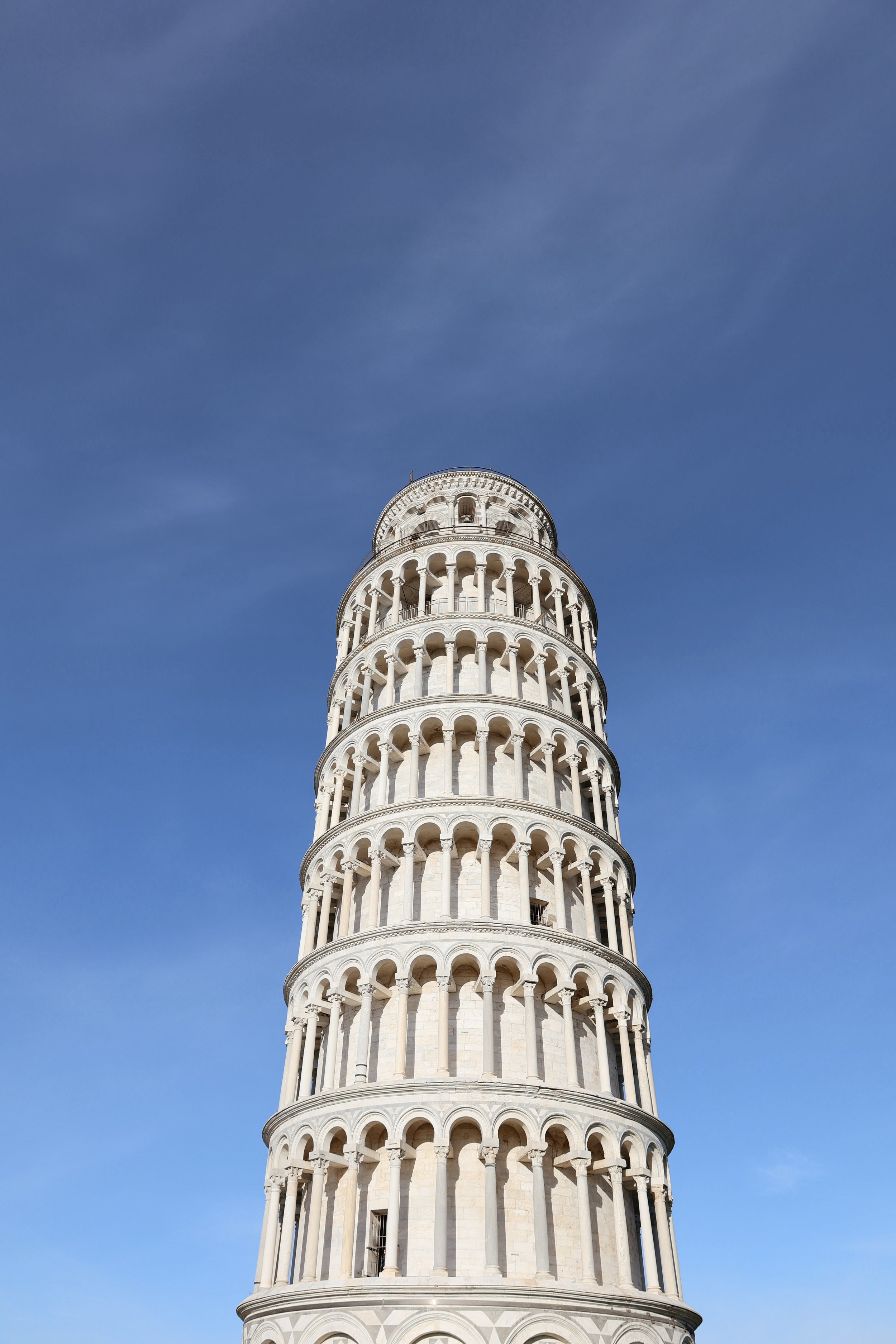
Seeing the Leaning Tower of Pisa in person is one of those moments that’s oddly surreal. You’ve seen it a thousand times in photos, but standing there—actually realizing how much it leans—hits differently. And yes—I absolutely recommend climbing it. Making your way up nearly 300 narrow, uneven steps is both thrilling and slightly disorienting in the best way. Because of the tilt, it genuinely feels like your balance is off, almost like you’ve had one glass of wine too many before entering (in a fun, “wait—is it me or the tower?” kind of way). It’s a strange sensation, but completely safe, since only a limited number of people are allowed inside at a time.
Reaching the top is so worth it. The view over Pisa is beautiful and calm, and there’s something special about looking out from such an iconic structure—one that almost didn’t make it. It’s a true bucket-list moment and one of those experiences that feels more memorable because you actually did it, not just saw it from below.
Tip: Tickets for the tower are timed, and they are strict about entry. If you miss your time slot, you won’t be allowed in. Lines can get long, so booking in advance—ideally with skip-the-line access—is the way to go. If you’re someone who enjoys learning the deeper history behind what you’re seeing, a guided tour adds a lot of context and makes the experience even richer.
Pisa Cathedral
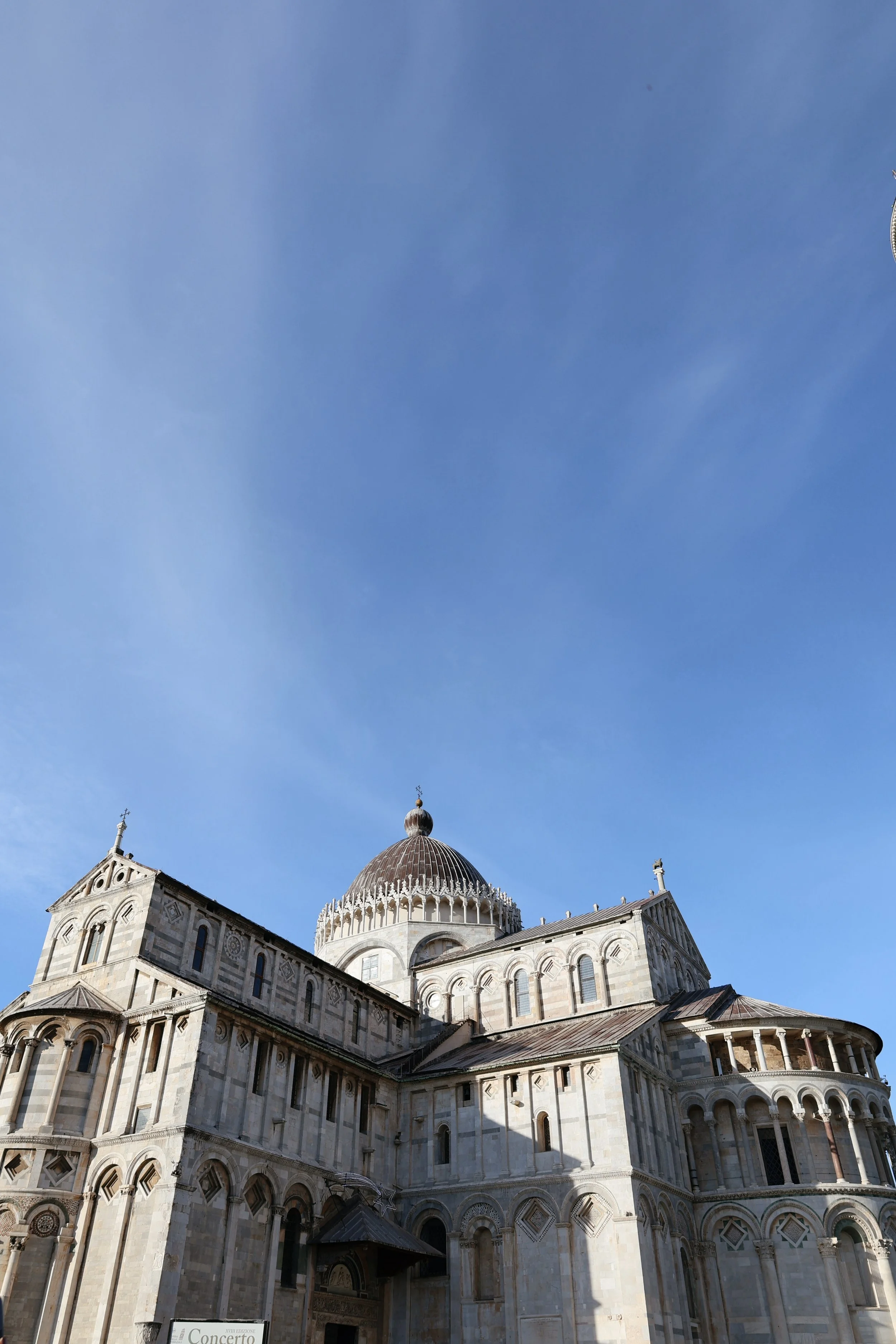
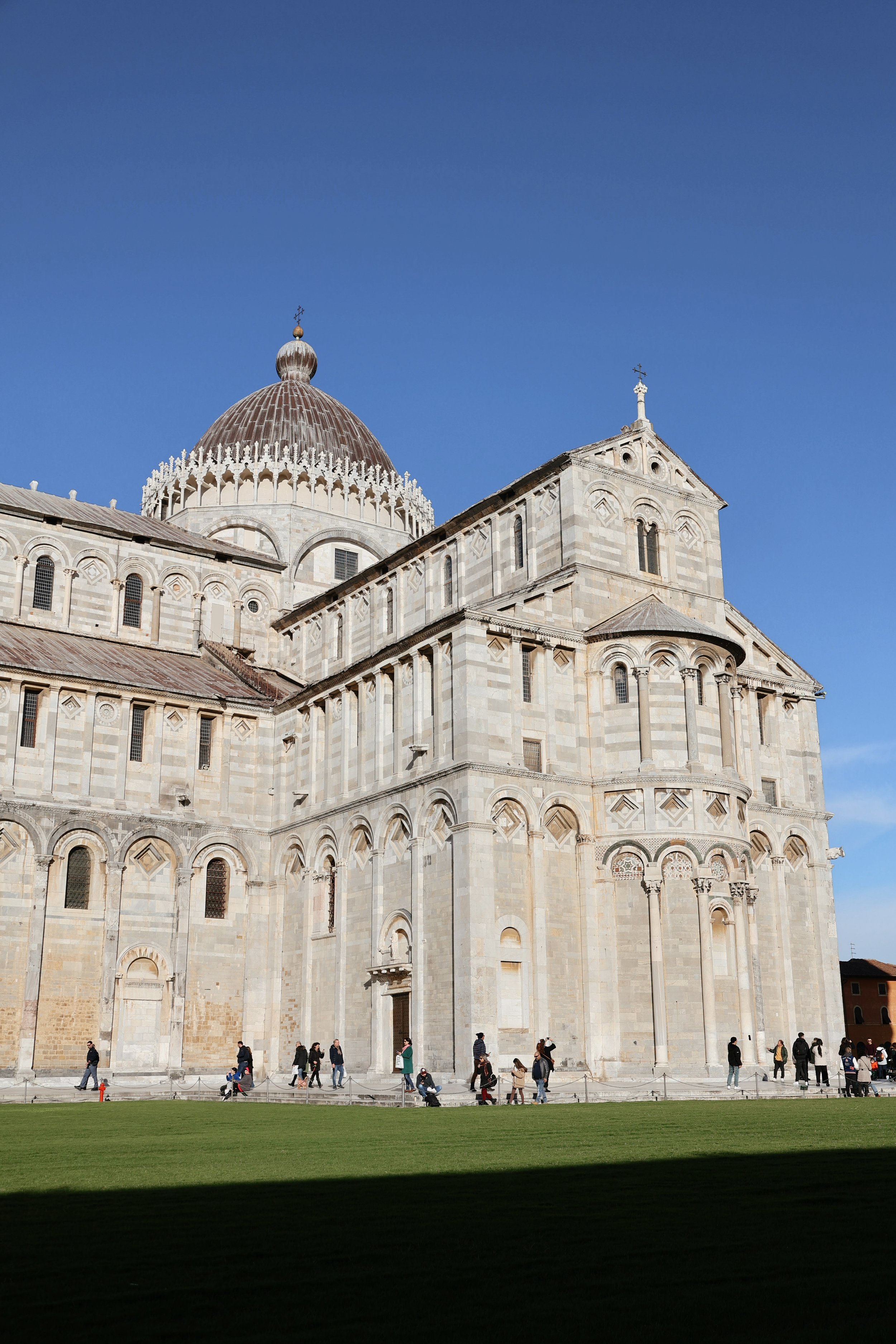
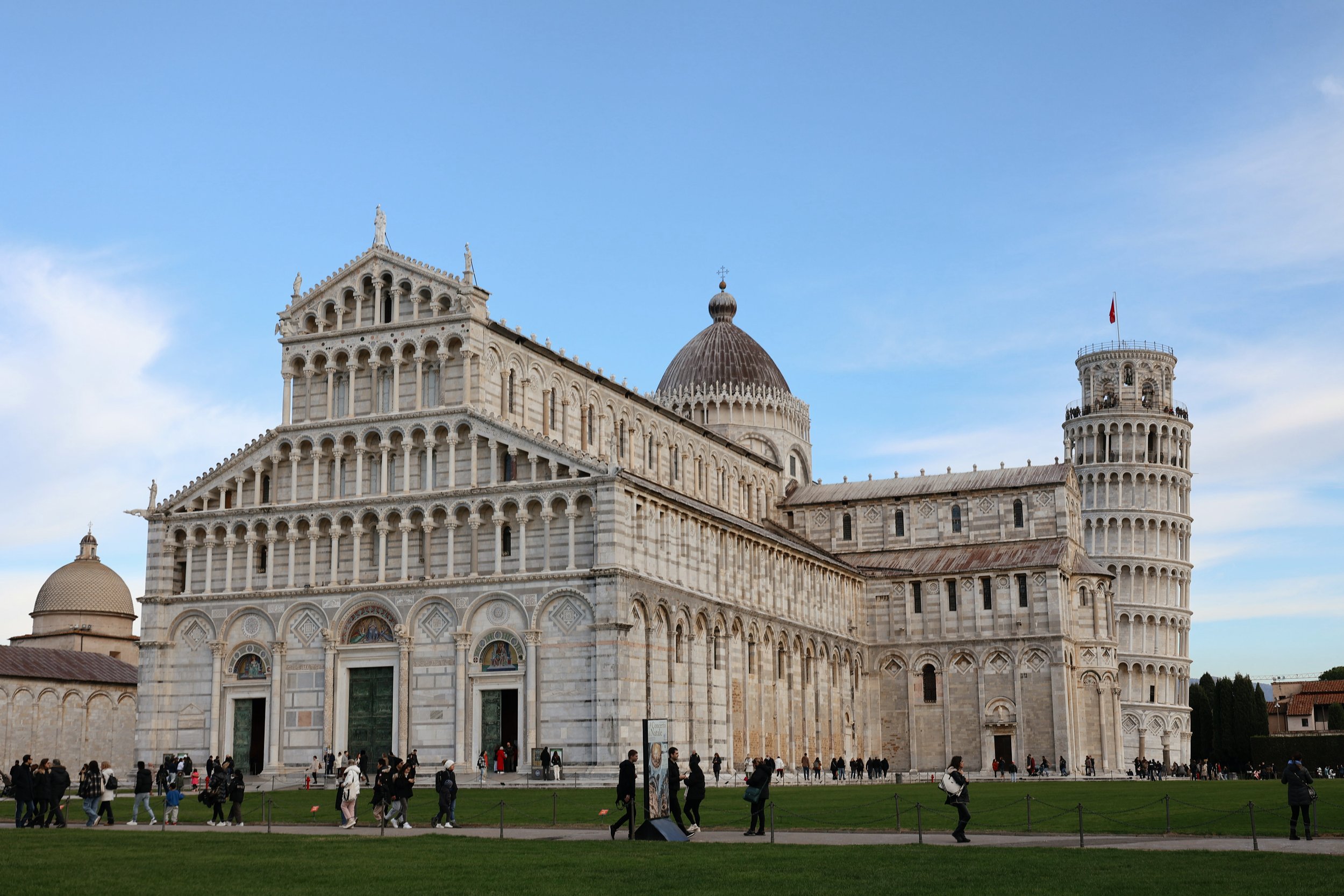
The Pisa Cathedral is one of those places that quietly takes your breath away. From the outside, it’s striking and elegant—but stepping inside is where it really stays with you. The black-and-white marble interior feels dramatic yet serene, and the gilded ceiling catches the light in a way that makes you instinctively slow down and look up. Two details stood out to me the most. The Lamp of Galileo, which ties the cathedral to one of Pisa’s most famous figures, feels like a small but meaningful connection between science, history, and faith. And then there’s the cupola of the dome—grand, luminous, and absolutely worth lingering beneath for a moment. It’s one of those interiors where you don’t rush; you let your eyes wander and take it all in.
The cathedral is open to the public, and entry is included if you’ve purchased tickets for other monuments in the Piazza dei Miracoli, like the Leaning Tower, Baptistery, Camposanto, the Sinopie Museum, or the Opera del Duomo Museum. If you’re only interested in visiting the cathedral, you can still enter for free—you’ll just need to stop by the ticket office to pick up a fixed-time free pass.
It’s an easy stop to overlook when everyone’s focused on the Leaning Tower, but honestly, the Duomo is just as memorable. It’s calm, beautiful, and feels like the heart of Pisa—definitely worth stepping inside.
Piazza dei Miracoli
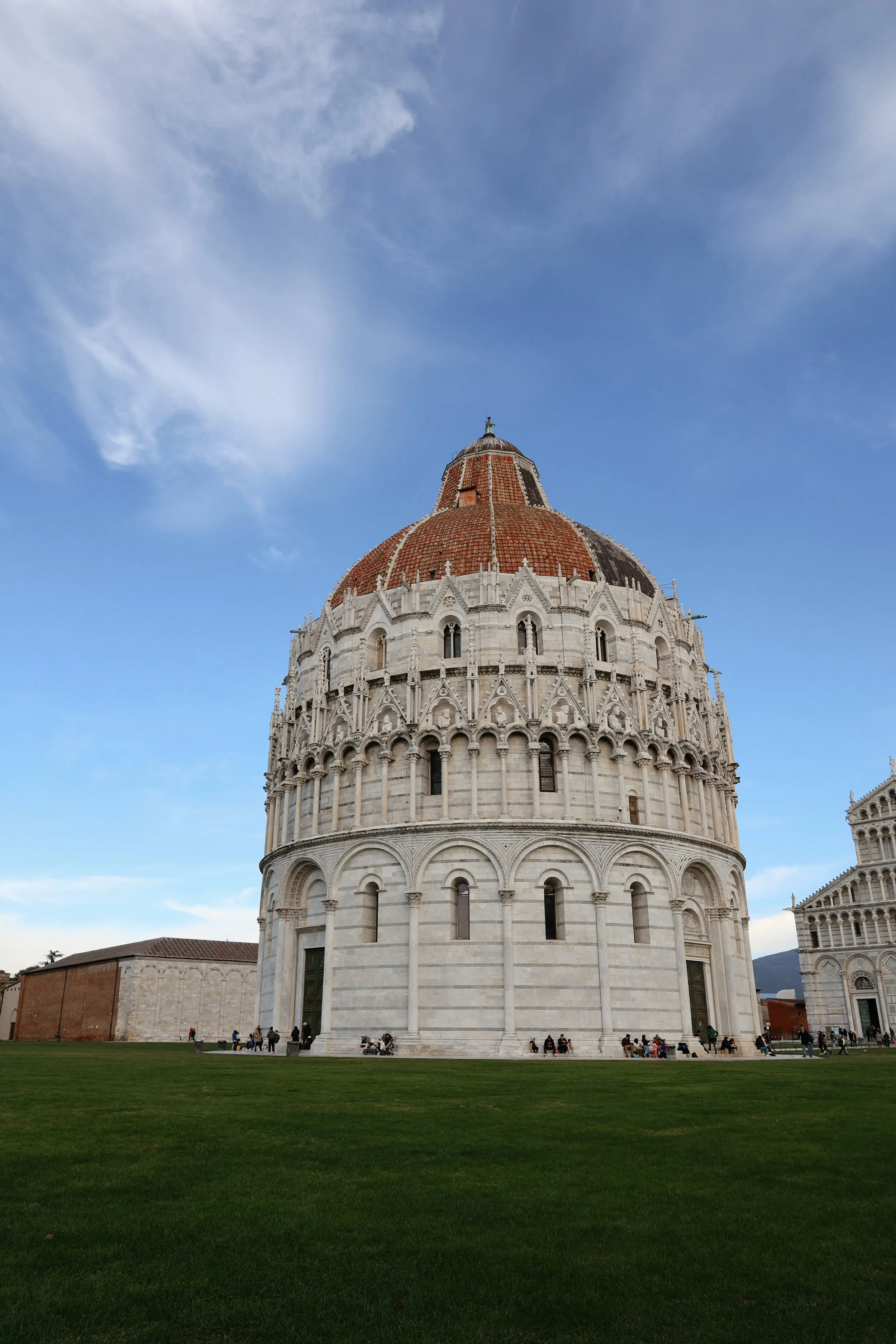
Piazza dei Miracoli really does feel like a “wow” moment the second you step into it. The space is so open and bright, with that perfectly kept lawn and these massive, historic buildings surrounding you—it almost doesn’t feel real at first. And even though most people come for the Leaning Tower, this piazza is so much more than just a photo stop. This UNESCO World Heritage site is home to Pisa’s most important landmarks all in one place: the Leaning Tower, the Cathedral (Duomo), the Baptistery, and the Camposanto Monumentale. What I love most is taking a step back and actually letting myself take it in—the details, the marble, the scale, the way each building feels connected but completely unique. My biggest advice: don’t rush this area. It’s tempting to show up, snap the classic tower photo, and move on—but Piazza dei Miracoli deserves slow time. Walk around each structure, look closely at the carvings, listen to the atmosphere, and let yourself appreciate that you’re standing in one of the most iconic historic squares in Italy.
Camposanto Monumentale
Camposanto Monumentale feels like a quiet exhale after the grandeur of the Piazza dei Miracoli. Sitting just beside the Cathedral, it’s calm, reflective, and surprisingly moving. The moment you step into the cloister, the energy shifts—everything slows down, and the noise from outside seems to fade away. I loved wandering through the covered walkways, taking in the frescoes and the sense of history layered into the walls. There’s something deeply grounding about this space. It’s not heavy or somber—it’s peaceful. The Roman sculptures and artifacts scattered throughout add another dimension, quietly reminding you just how many centuries of life have passed through Pisa.
Camposanto isn’t a place you rush through. It’s meant for slow steps, quiet observation, and a little reflection. While it may not get the same attention as the Leaning Tower, it ended up being one of the most memorable stops for me—serene, beautiful, and unexpectedly powerful.
Pisa Historic Center
One of my favorite ways to experience Pisa is simply by wandering its historic center with no real agenda. This is where the city feels most authentic—quiet streets opening into small piazzas, local shops tucked between old buildings, cafés buzzing with conversation, and gelato stops that somehow always appear right when you want one.
I loved taking my time here, popping into little boutiques, pausing for coffee, and watching everyday life unfold around me. It’s lively without being overwhelming, and there’s a warmth to it that makes you feel welcome rather than rushed. Exploring the historic center lets you see Pisa beyond its famous landmarks—it’s where you really start to feel the rhythm of the city and connect with its local culture in a simple, effortless way.
Palazzo Blu
Palazzo Blu is one of those places that feels like a thoughtful pause during your time in Pisa. Set inside a beautifully restored historic building, the museum blends art, history, and architecture in a way that feels both refined and approachable. The exhibitions rotate, which makes each visit feel a little different, but the quality is consistently impressive. You’ll find a mix of paintings, sculptures, and contemporary installations, often featuring well-known artists alongside thoughtfully curated themes. I loved how calm and uncrowded it felt compared to larger museums—it gave me space to actually engage with the artwork instead of rushing through.
If you enjoy art but don’t want something overwhelming, Palazzo Blu is a perfect stop. It’s cultural without being heavy, elegant without being intimidating, and a really nice way to experience another layer of Pisa beyond its medieval landmarks.
Casa Ammannati
There’s something quietly powerful about standing in the place where a brilliant mind first began. Visiting the birthplace of Galileo Galilei felt unexpectedly moving—not grand or dramatic, but meaningful in a very human way. Galileo was born in Pisa in 1564, and Casa Ammannati is recognized as his birthplace. It’s a simple building, tucked into the rhythm of the city, which somehow makes the experience even more grounding. There’s a plaque on the exterior honoring his legacy, and I found myself pausing there longer than expected, thinking about how someone who changed the way we understand the universe started life in such an unassuming place.
This stop isn’t about spending a lot of time—it’s about perspective. It’s a quiet reminder that history isn’t only found in monumental buildings and famous squares, but also in everyday spaces. If you’re already exploring Pisa’s historic center, this is a meaningful detour that adds depth and context to the city’s story.
Where to Eat in Pisa, Italy
Trattoria di Cera
Trattoria di Cera feels like exactly what you want after wandering around the Leaning Tower—welcoming, cozy, and deeply Tuscan. The kind of place where the menu leans into tradition and does it well. Homemade pasta, hearty soups, and comforting meat dishes fill the tables, and it all feels honest and satisfying. Save room for dessert—their tiramisu is well-known for a reason and ends the meal on the perfect note.
Osteria dei Cavalieri
Osteria dei Cavalieri is one of those restaurants that instantly feels warm and lively. Located right in the historic center, it’s a great spot to settle into a longer meal. The menu offers a little bit of everything—fresh seafood, grilled meats, and solid vegetarian options—all done with care. Pair it with a glass of wine from their impressive list and linger a little longer than planned.
La Buca di Sant'Antonio
Dining at La Buca di Sant’Antonio feels like stepping into Pisa’s culinary history. Serving guests since 1782, this family-run restaurant near the Arno River blends tradition with subtle creativity. The menu honors classic Tuscan flavors while adding thoughtful twists, and everything—from the pasta to the roasted meats—feels refined yet comforting. It’s the kind of place that makes a meal feel like an occasion.
Ristorante La Pergoletta
La Pergoletta strikes a beautiful balance between tradition and innovation. Just a short walk from the Leaning Tower, it’s charming without being formal. The dishes highlight fresh, high-quality ingredients—homemade pasta, grilled meats, and beautifully executed desserts. Add in a strong wine list, and it’s an easy choice for a relaxed but memorable dinner.
Il Crudo
If you love seafood, Il Crudo is a must. Located near the Arno, this spot focuses on fresh, beautifully prepared seafood—from raw dishes like sushi and sashimi to warm, comforting plates like risotto and grilled fish. Everything feels intentional and creative, making it a great change of pace if you want something a little different while still staying rooted in quality.
Caffè dell'Ussero
Caffè dell’Ussero is more than just a café—it’s a piece of Pisa’s cultural soul. Open since 1775, it’s long been a gathering place for writers, artists, and intellectuals. Sitting here with a coffee or pastry feels like participating in a quiet tradition. The atmosphere is charming and timeless, perfect for a slow break by the Arno.
Gelateria De' Coltelli
Gelateria De’ Coltelli is one of those places where you immediately taste the quality. The gelato is creamy, balanced, and made with fresh ingredients, offering both classic flavors and creative combinations. I loved grabbing a cone and strolling along the river—it’s simple, joyful, and exactly what gelato in Italy should be.
Pasticceria Salza
Pasticceria Salza has been delighting Pisa since 1899, and it shows. The pastry display alone is enough to pull you in—cannoli, sfogliatelle, traditional Tuscan cakes, and rows of beautiful cookies. Pair anything you choose with a coffee and you’ve got the perfect morning (or afternoon) pause.
Le Petit Café
Le Petit Café is a lovely little stop near the Leaning Tower when you need something quick but comforting. The vibe is relaxed, the coffee is solid, and the croissants and pastries are fresh and satisfying. It’s ideal for breakfast or a midday recharge before continuing your wander through Pisa.
Where to Stay in Pisa, Italy
Pisa may be compact, but where you stay can really shape how the city feels—whether you want postcard views, a quiet retreat, or easy access to trains and flights. These options each offer something different, depending on how you want to experience Pisa.
Grand Hotel Duomo
If waking up just steps from the Leaning Tower sounds like a dream, Grand Hotel Duomo delivers. The location is unbeatable, and the views—especially from the rooftop terrace—are stunning. Seeing the tower so close, especially early in the morning or at sunset, feels incredibly special. The rooms are comfortable and elegant, and having an on-site restaurant serving Tuscan cuisine makes it easy to enjoy a relaxed evening without going far.
Villa Tower Inn
Villa Tower Inn feels like a hidden gem. Set inside a historic villa with views of the Leaning Tower, it offers a more intimate, refined experience. The rooms are beautifully decorated, and the garden and terrace provide a peaceful escape from the busy sightseeing areas. I love how it feels tucked away yet still within walking distance of everything—it’s serene, romantic, and perfect if you want Pisa to feel a little slower and more luxurious.
Hotel Alessandro Della Spina
For convenience without sacrificing comfort, Hotel Alessandro Della Spina is a solid choice. Located near Pisa Centrale, it’s ideal if you’re arriving by train or planning day trips to other Tuscan cities. The rooms are modern and well-equipped, and the added amenities—a bar, fitness center, and terrace—make it feel easy and practical. The historic center is still close enough to explore without hassle.
AC Hotel Pisa by Marriott
AC Hotel Pisa is a great option if you’re flying in or out or want a contemporary, streamlined stay. The design is clean and modern, the rooms are spacious, and having a fitness center and outdoor pool is a nice bonus—especially in warmer months. It’s well connected to the city center, making it a comfortable base for both business and leisure travel.
Each of these stays offers a different way to experience Pisa—whether you want to be immersed in its most iconic views, surrounded by calm and elegance, or set up for easy movement around Tuscany.
Best Time to Visit Pisa, Italy
In general, the best time to visit Pisa is during spring (April to June) and fall (September to October). The weather is comfortable, the light is beautiful, and the crowds are noticeably lighter than in the peak summer months. These seasons make wandering the historic center and spending time in Piazza dei Miracoli feel much more relaxed and enjoyable. That said, I visited Pisa in December, and it surprised me in the best way. The city felt calmer, more local, and less rushed. While the weather was cooler, it was still pleasant enough to explore, and the lack of crowds made the experience feel more intimate—especially around major sights like the Leaning Tower. There was something really special about seeing Pisa without the usual buzz of day-trippers.
Ultimately, the best time to visit Pisa comes down to the kind of experience you’re looking for. If you love warm weather and lively energy, spring and fall are ideal. If you prefer quieter streets and a slower pace, visiting in the off-season can be incredibly rewarding. Pisa adapts beautifully to every season—you just experience it differently each time.
Pisa has a quiet way of surprising you. It’s a city that doesn’t ask to be compared or rushed—it invites you to slow down, look closer, and experience it on its own terms. Beneath its iconic landmarks and famous skyline, Pisa offers layers of history, culture, and everyday Tuscan life that feel genuine and grounding. Whether you arrive during the lively months of spring and fall or experience its softer, more intimate side in December, Pisa meets you where you are. From standing beneath the Leaning Tower and walking through the birthplace of Galileo Galilei to lingering over long meals, wandering charming streets, and savoring simple pleasures, the city leaves its mark in quiet but lasting ways.
Go with an open mind. Let go of expectations. Pisa isn’t just a stop along the way—it’s a destination that rewards curiosity, presence, and a willingness to see beauty in subtle moments. And when you do, you may find that this Tuscan gem stays with you far longer than you expected.
#pisa #pisaitaly #visitpisa #visititaly #travelgram #travelguide #travelholic #traveltheworld #traveler #traveltoexplore #travelon #traveldestination #traveldiaries #travelblogger #traveltheworld #traveladdict #traveldestinations #travellover #womenwhotravel #womenwhoexplore