When you think of dramatic red rock landscapes, Colorado probably isn’t the first place that comes to mind. Arizona, Utah, maybe Nevada—same here. That’s why stumbling upon towering red rock formations right in Colorado Springs felt like such a surprise. Visiting Garden of the Gods completely changed my perspective on what Colorado has to offer. Imagine massive, vertical slabs of fiery red sandstone rising from the ground, with snow-dusted mountains in the distance during winter. It’s striking, peaceful, and almost unreal. The contrast between the red rocks and the white-capped peaks is something you don’t forget easily. Standing there, surrounded by formations that look sculpted by time itself, it’s easy to understand why this place feels so special.
Garden of the Gods isn’t just beautiful—it’s grounding. The name truly lives up to the experience, and a visit to Colorado Springs wouldn’t feel complete without spending time among these awe-inspiring rocks.
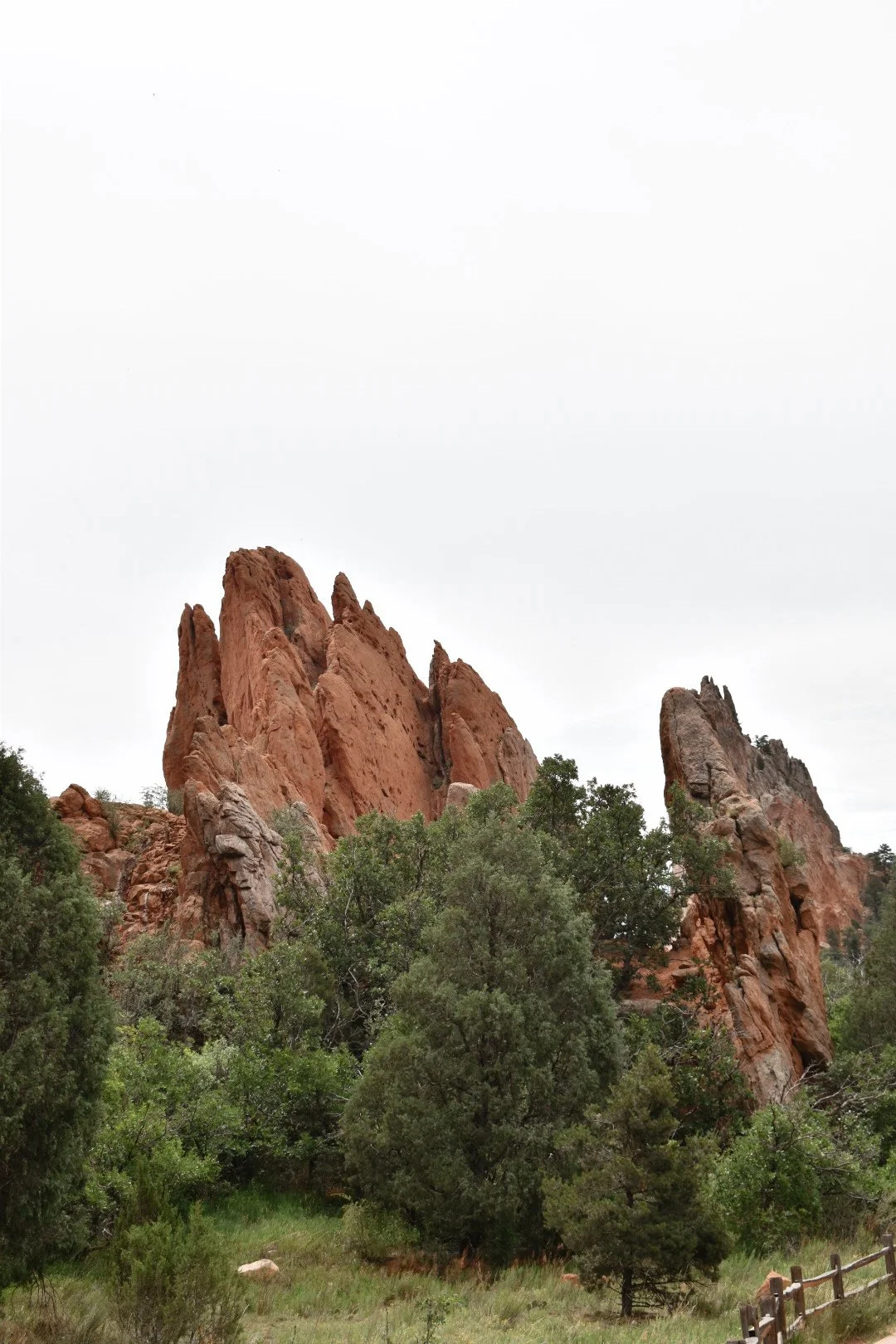
The beauty of Garden of the Gods is that it’s incredibly accessible while still feeling completely awe-inspiring. You can wander right up to these massive rock formations, taking your time to explore on foot with a variety of trails that loop through the park. Some paths are paved and easy, others are more natural and rugged—so whether you want a relaxed walk or a bit of adventure, there’s something for everyone.
And here’s the best part: the park is completely free and open to the public. No tickets, no gates—just nature at its most striking. It’s the kind of place that invites you to slow down, look around, and really take it all in. Now that you know what makes Garden of the Gods so special, let me walk you through a few of the standout spots you won’t want to miss.
Garden of the Gods is undeniably one of Colorado’s most visited natural landmarks—and once you’re there, it makes perfect sense. The scenery is breathtaking, and the fact that you can experience these dramatic red rock formations without committing to long or difficult hikes makes it incredibly accessible. Add in the fact that it’s completely free, and it’s easy to see why so many people are drawn here.
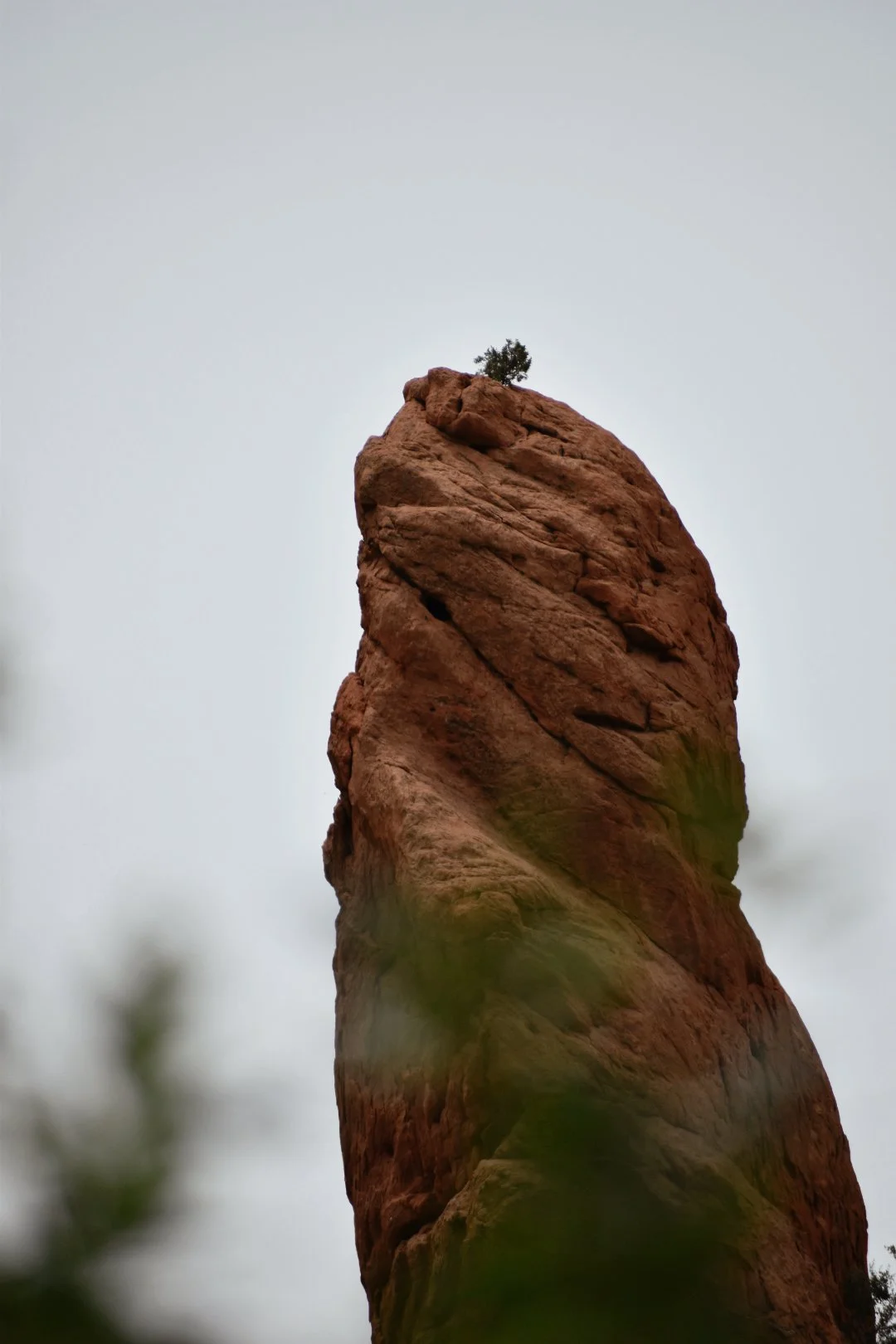
That said, popularity comes with crowds. During peak seasons, the park can feel busy, and parking may require a bit of patience. If you’re able to visit during the off-season or earlier in the day, the experience feels far more peaceful and immersive.
If you only have one day to explore, the main loop road is the easiest way to see the highlights. It runs counterclockwise, allowing you to hit all the major viewpoints without backtracking. Even after you leave, those towering red rock “skyscrapers” stay with you—etched into memory as a powerful reminder of just how beautiful and awe-inspiring our planet truly is. I hope you get the chance to experience this magic for yourself.
Rock Formations to See at Garden of the Gods
One of the most incredible things about Garden of the Gods is just how many iconic rock formations you can see in a relatively short amount of time. Whether you’re driving the main loop or stopping for short walks and hikes, these are the formations that truly stand out—and help define the park’s dramatic landscape.
Garden of the Gods Rock Garden & Pulpit Rock
This area was shaped by erosion from flash floods over millions of years. Pulpit Rock is the central feature, complete with a natural ledge that offers stunning views of the surrounding formations. It’s an easy walk from the Visitor & Nature Center and a great place to start.
Balanced Rock
One of the park’s most famous sights, this massive rock has been balancing on a narrow base for over 300 million years. It genuinely looks like it could tip over at any moment, which only adds to the wonder (and a little suspense).
Frijoles Canyon
Named after beans (frijoles) spilled by a wagon long ago, this canyon offers beautiful viewpoints and a quieter perspective of the park. It’s a lovely spot to pause and take in the scenery from a different angle.
Towering Red Rocks
These dramatic vertical slabs are what most people picture when they think of Garden of the Gods. Take your time wandering through them, and if you’re up for it, hike part of the Summit Trail for elevated, panoramic views.
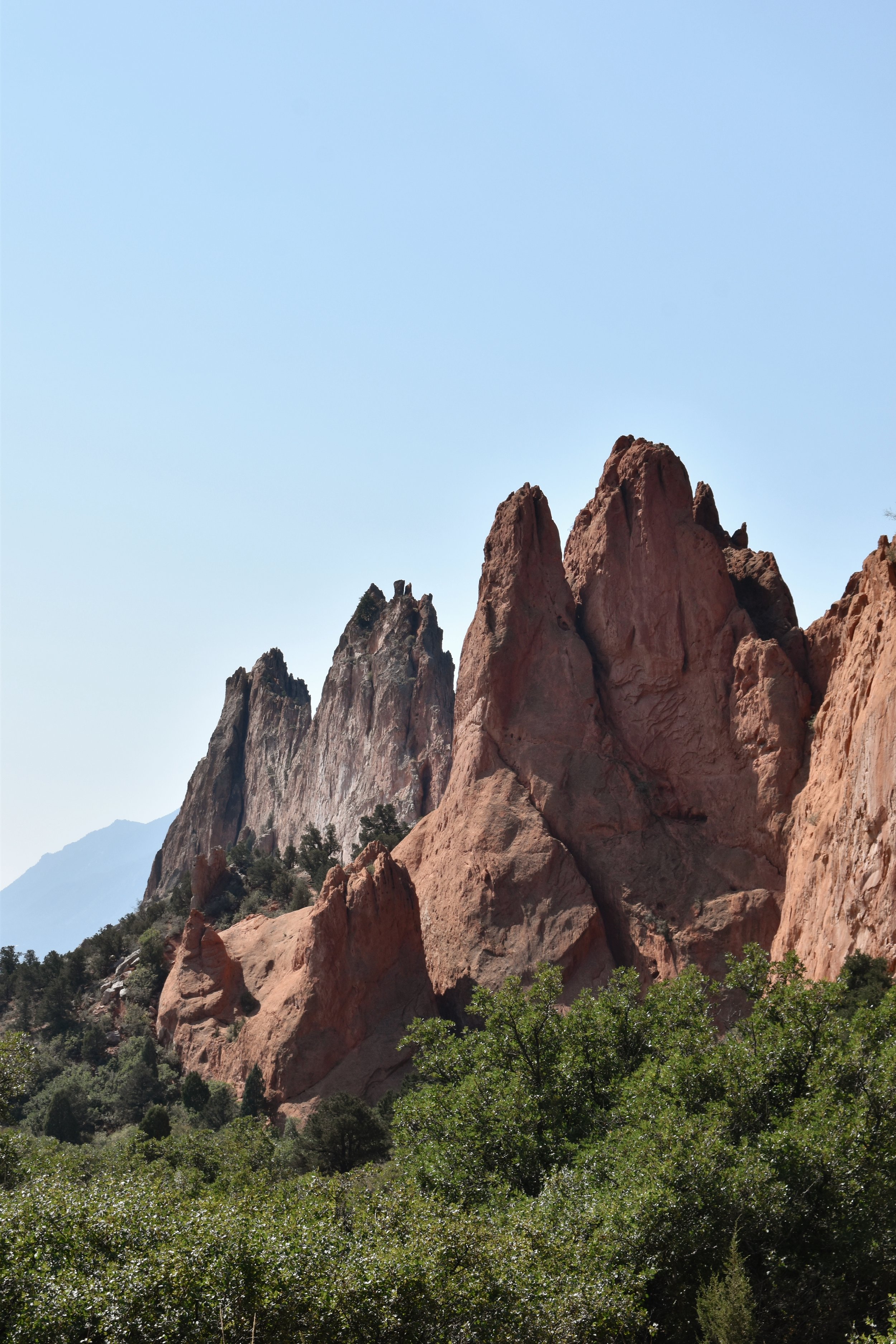
Tower of Babel
Standing about 40 feet tall and estimated to be up to 250 million years old, this formation feels ancient and commanding—another reminder of just how old this landscape really is.
North Gateway Rock & Kissing Camels
These two formations are favorites thanks to their distinctive shapes. The Kissing Camels, in particular, really do resemble two camels touching noses. Both are located along the Summit Trail and offer sweeping 360-degree views.
Garden of the Giants
This area is home to some of the tallest formations in the park—towering red rock walls that feel almost cathedral-like. A short but steep hike rewards you with breathtaking viewpoints that are well worth the effort.
Cathedral Spires
Among the most iconic formations in the park, these narrow spires rise dramatically from the ground and seem to defy time itself. They’re especially striking in the early morning or late afternoon light.
Three Graces
Perhaps the most photographed formation, the Three Graces stand side by side, almost appearing to lean toward one another. There’s something poetic about them—and they’re impossible to miss.
Keyhole Window
This natural opening in the rock feels like a literal window into another world. It’s one of the park’s most unique formations and a favorite for photos.
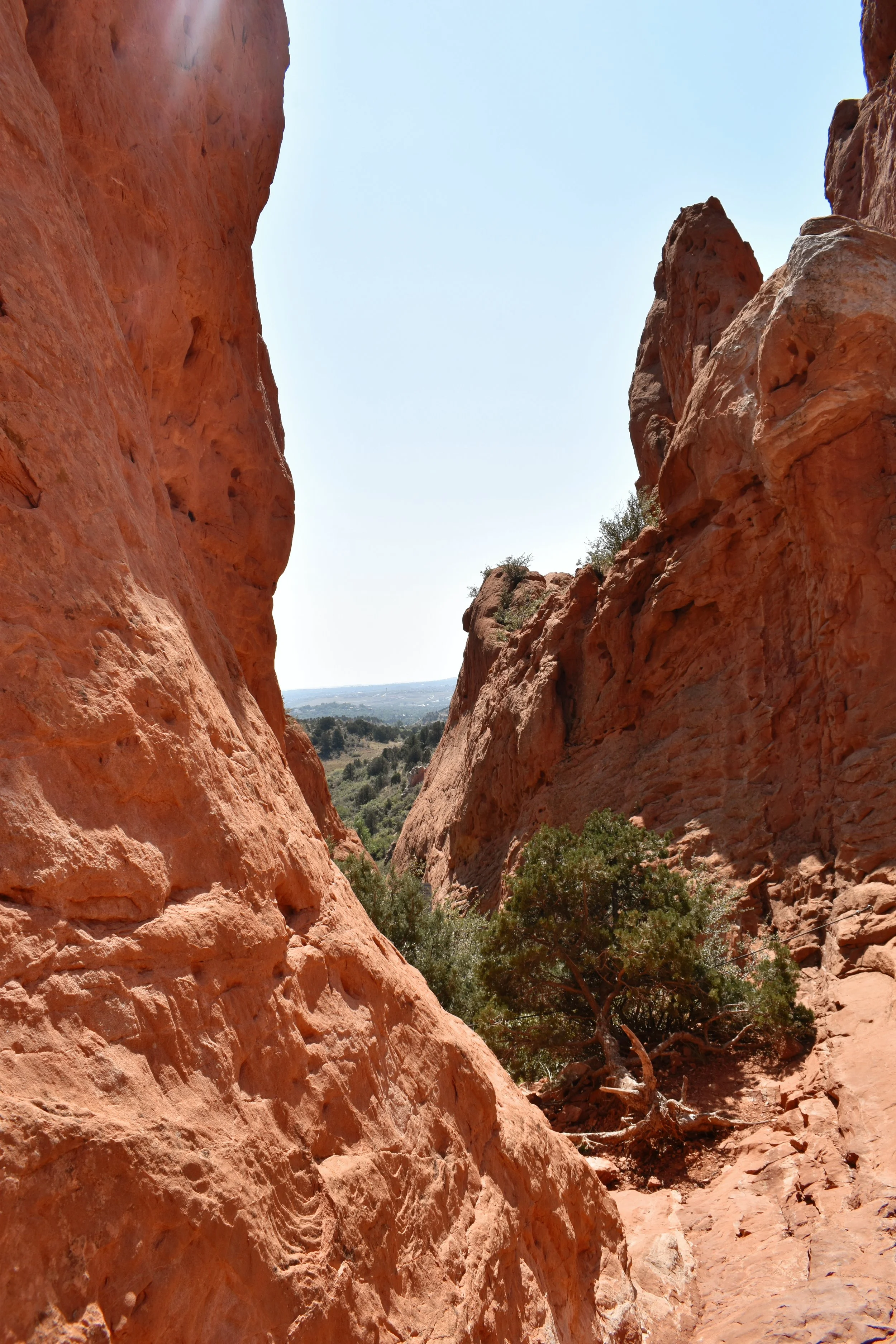
Sleeping Giant
One of the most imaginative formations, this massive rock looks like a sleeping feline stretched across the landscape. It’s so large you can actually walk along parts of it.
Siamese Twins
These two formations peek out from behind a larger pillar in the Garden of the Giants area. They’re playful, charming, and a fun detail to spot as you explore.
Steamboat Rock
Shaped like a massive boat at rest, this formation is another Garden of the Giants highlight. At roughly 250 million years old, it’s as impressive in age as it is in size.
With so many formations packed into one park, it’s easy to see why Garden of the Gods leaves such a lasting impression. Every turn feels like a new discovery—and no two rocks feel quite the same.
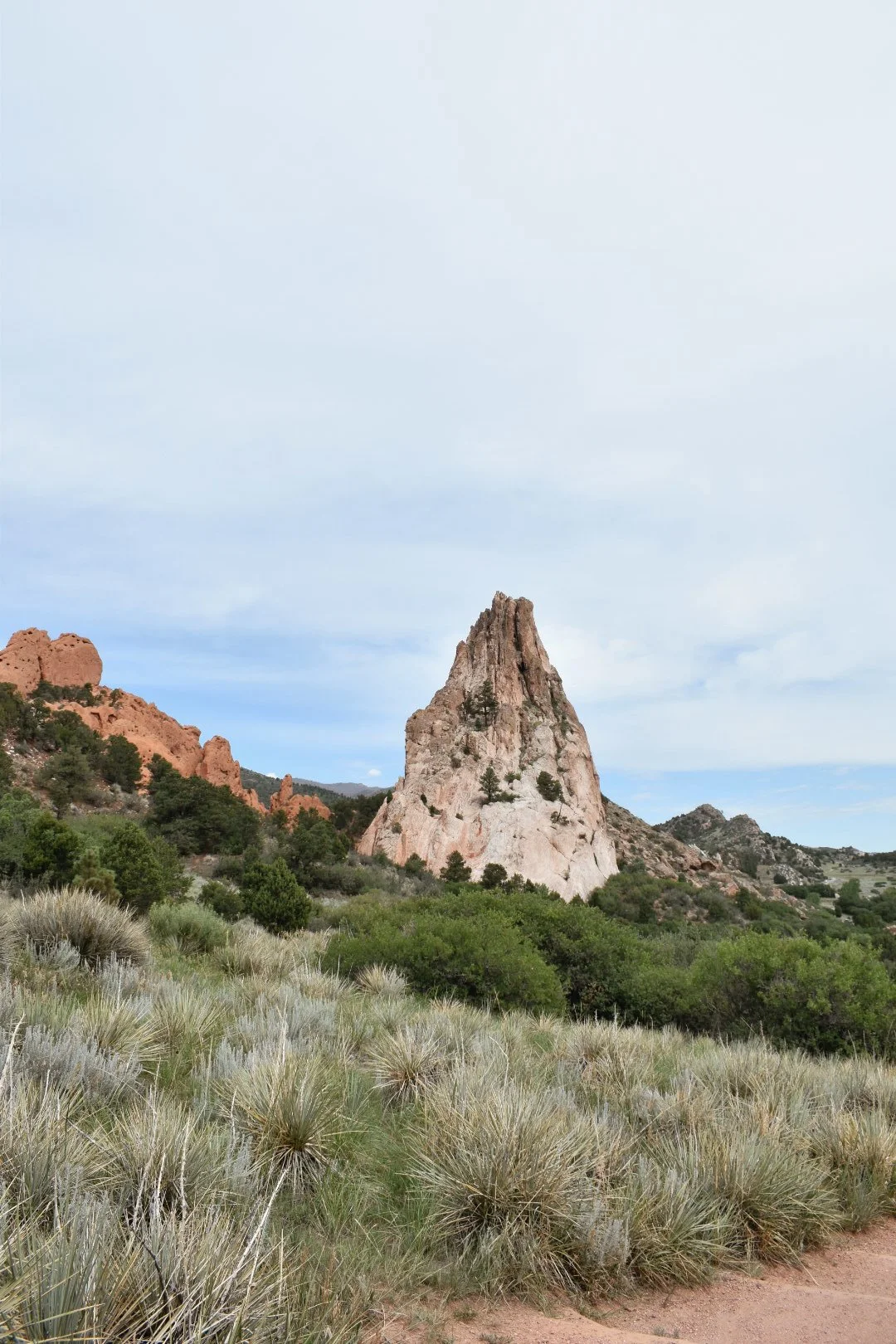
Garden of the Gods truly earns its reputation as one of the most beautiful places on earth. Every corner of the park feels intentional and awe-inducing—from the towering scale of the Garden of the Giants to the sweeping views along the Summit Trail, and the quiet magic of the natural ledge at Pulpit Rock. This isn’t a place to rush. Give yourself time to wander, stop often, and really take it all in. The landmarks here aren’t just impressive—they’re grounding, humbling, and unforgettable. When you plan your visit, leave space for curiosity and slow exploration—because Garden of the Gods rewards those who linger.
#gardenofthegods #redrocks #visitgardenofthegods #visitcolorado #mountains #nature #hiking #views #travel #travelphotography #travelgram #travelguide #travelholic #traveltheworld #traveler #traveltoexplore #travelon #traveldestination #traveldiaries #travelblogger #traveltheworld #traveladdict #traveldestinations #travellover #womenwhotravel #womenwhoexplore