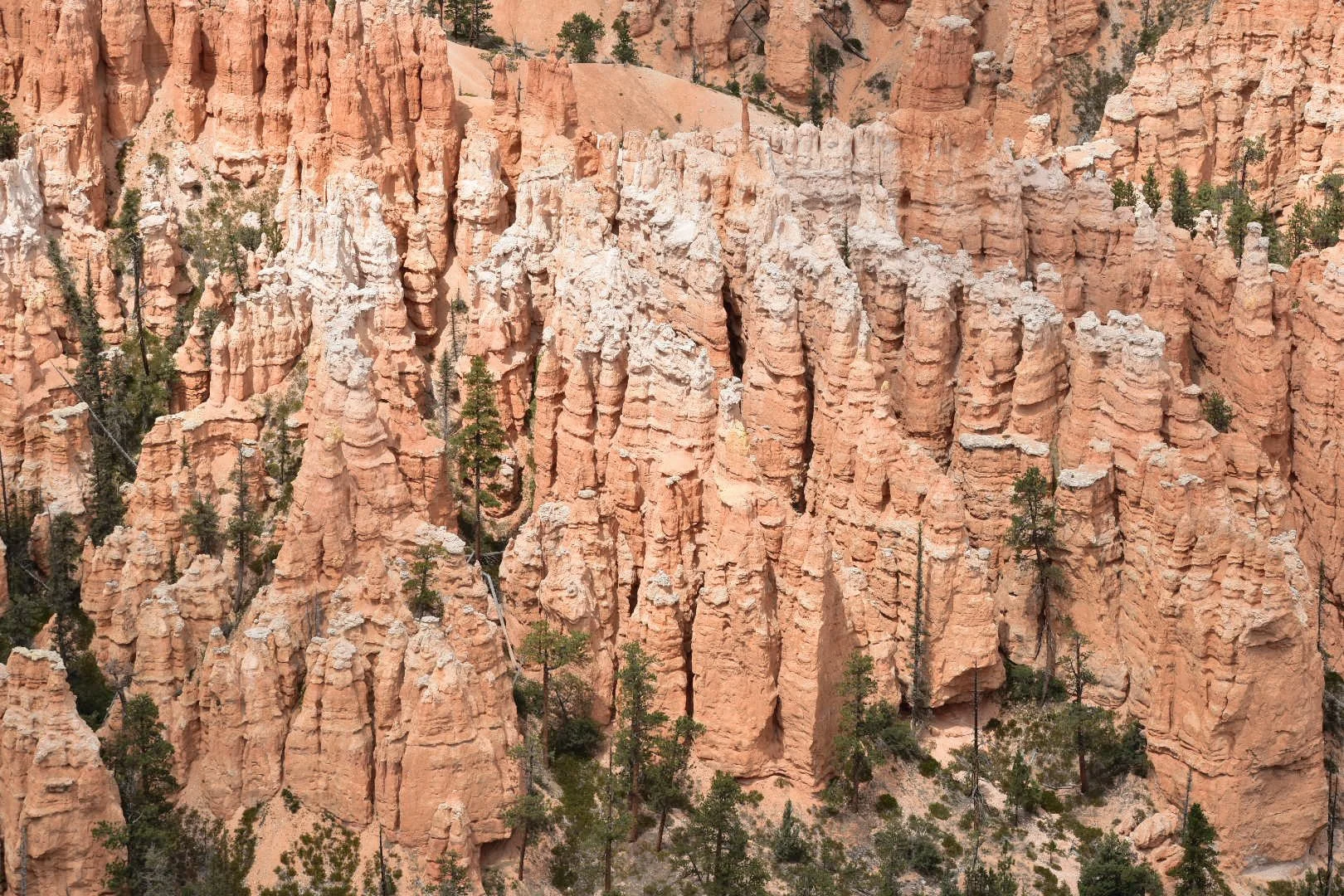
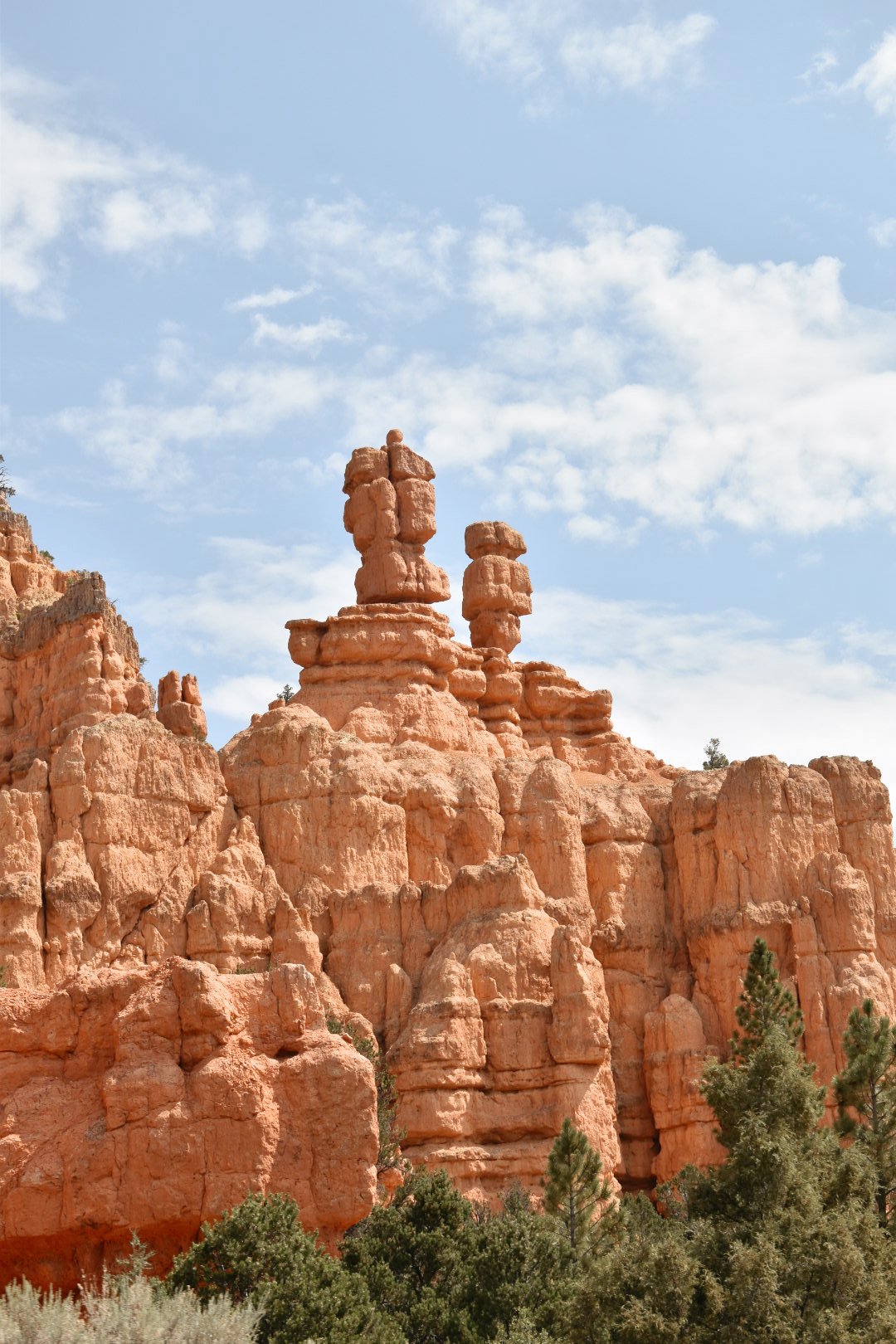
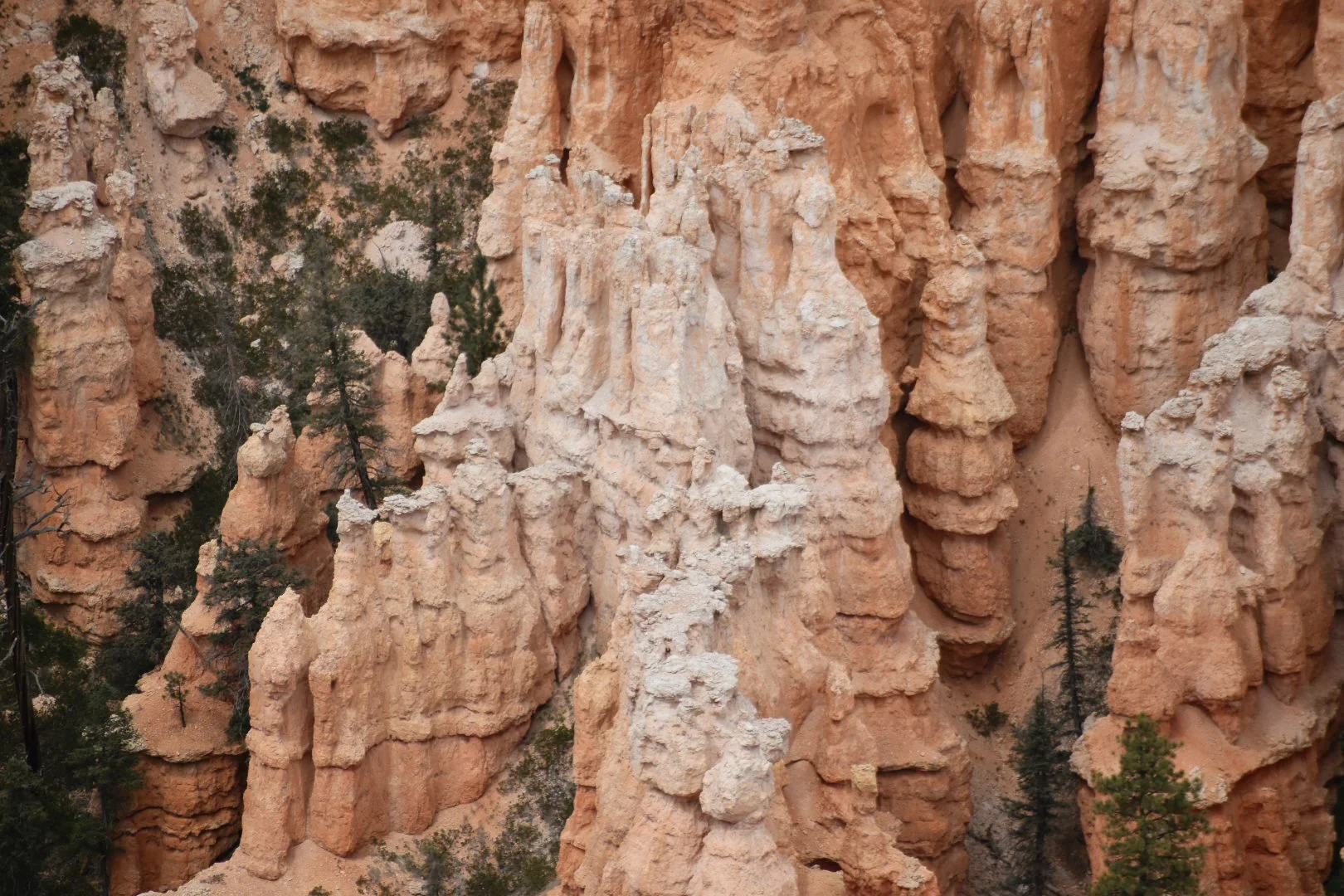
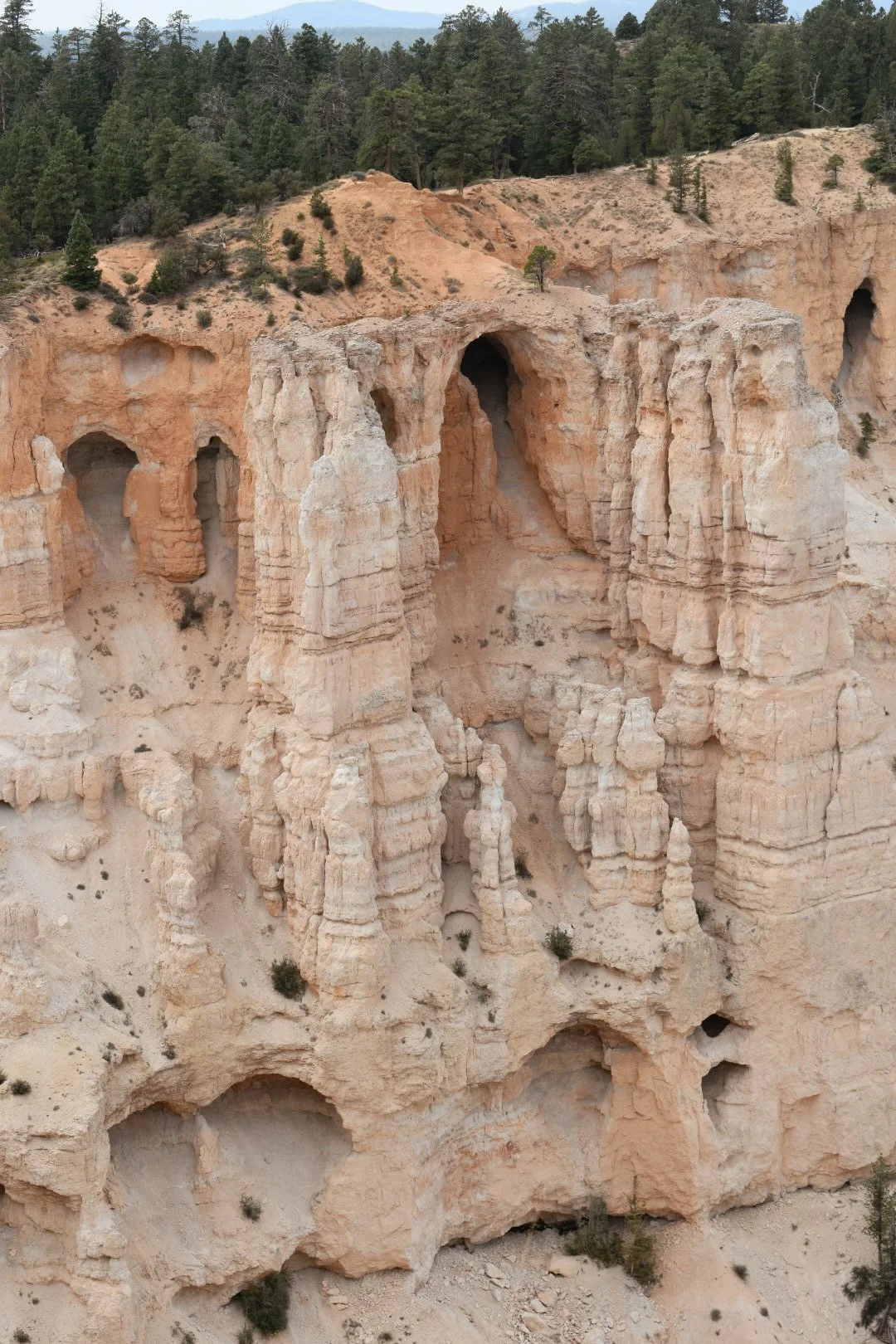
Bryce Canyon doesn’t feel like a typical canyon—and that’s exactly what makes it unforgettable. Instead of deep river-carved walls, you’re met with a surreal amphitheater of hoodoos: tall, spire-like rock formations glowing in shades of rust, rose, and gold. Sunrise here feels otherworldly, sunsets linger longer than you expect, and the night sky is among the darkest in the U.S. If you’re craving dramatic scenery with manageable hikes and jaw-dropping viewpoints, Bryce Canyon delivers in every season.
Why Bryce Canyon Is So Special
Bryce is compact, easy to navigate, and endlessly photogenic. You can see a lot in a single day, yet it rewards those who slow down—especially hikers who descend into the amphitheater and wander among the hoodoos themselves. At elevations over 8,000 feet, the air is crisp, the light is sharp, and the colors are intense.
Top Things to Do in Bryce Canyon National Park
Bryce Amphitheater (A Must-See)
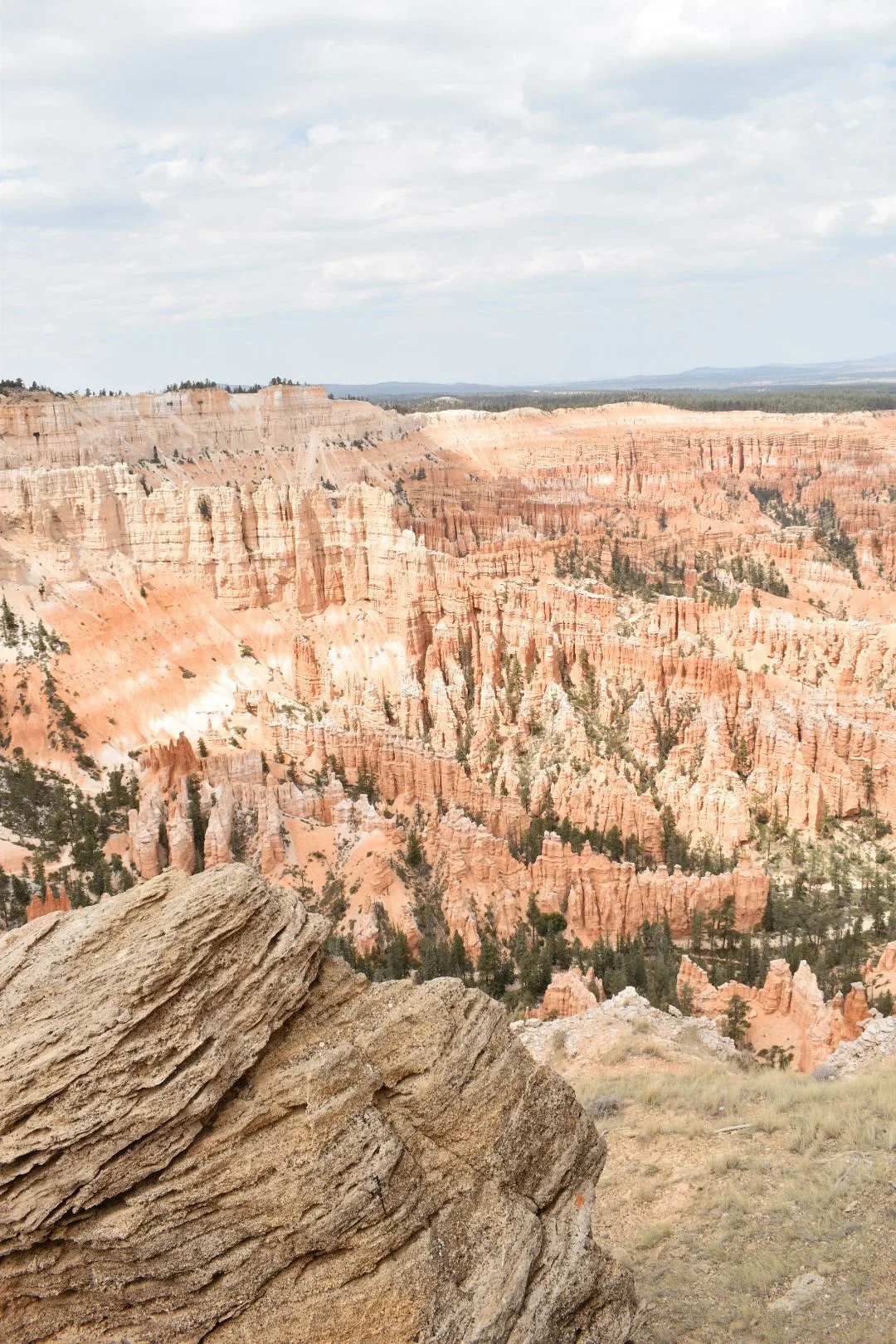
The Bryce Amphitheater is the heart of the park and the place where Bryce Canyon truly leaves you speechless. This is where the most iconic views live, and no matter how many photos you’ve seen, nothing compares to standing there in person. Sunrise Point is especially beautiful early in the morning, when the light is soft and the park feels calm and quiet. Sunset Point brings more drama, with deeper shadows and richer colors across the hoodoos. Inspiration Point offers layered views that seem endless, and Thor’s Hammer—one of Bryce’s most famous formations—stands tall and striking, almost unreal against the vast amphitheater below.
Hiking Among the Hoodoos
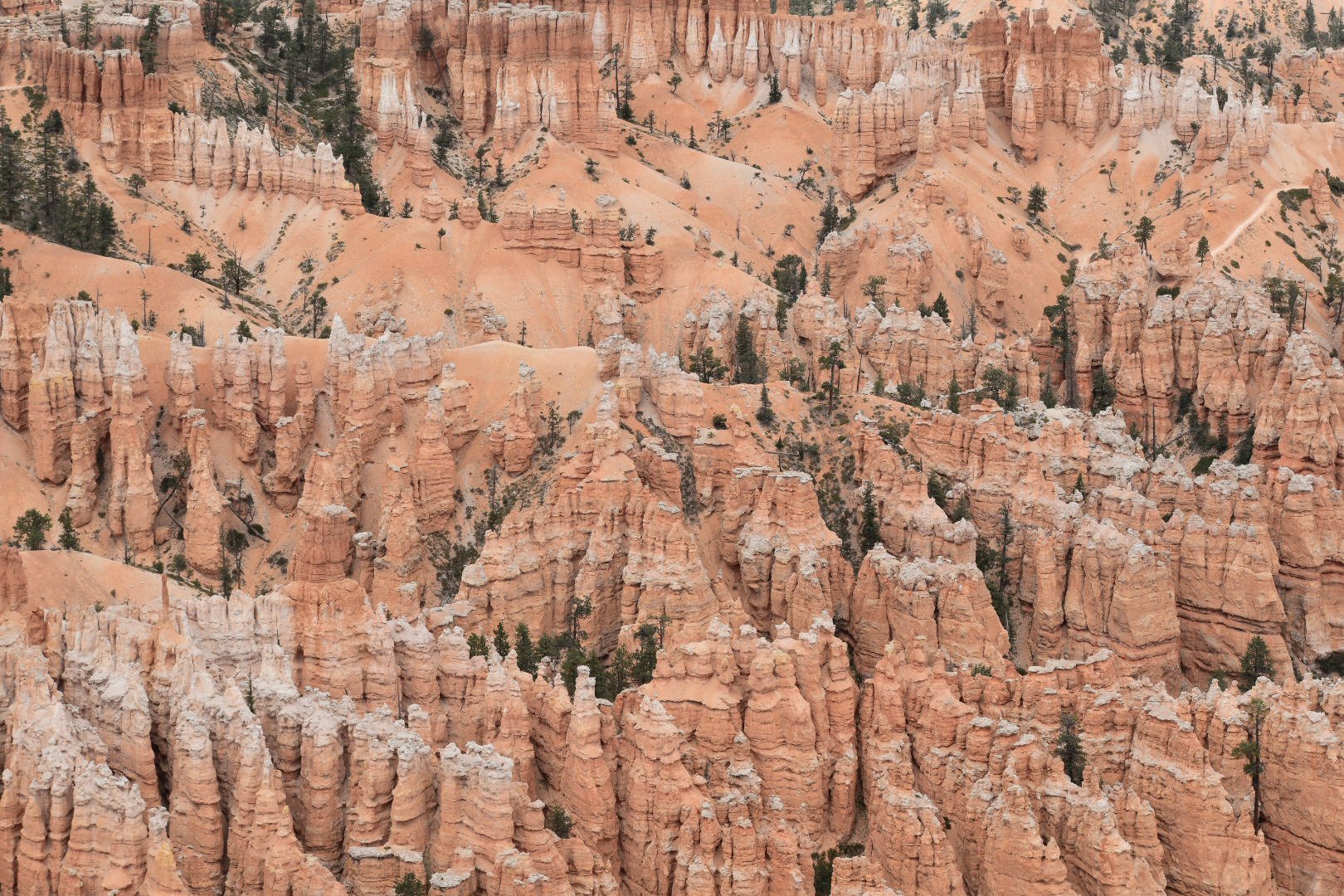
You haven’t fully experienced Bryce until you’ve gone below the rim. Hiking among the hoodoos completely changes your perspective and makes the scale of the park feel even more powerful. The Navajo Loop combined with Queen’s Garden is the classic hike for a reason. The switchbacks, narrow paths, and towering rock walls surround you from every angle, making it one of the most memorable hikes in the park. If you’re looking for something longer and quieter, Peekaboo Loop offers incredible scenery with fewer people, while Fairyland Loop feels almost magical if you have the time and energy to commit. One tip that truly helps: hike the Navajo Loop clockwise so you descend the switchbacks instead of climbing them—it makes the experience much more enjoyable.
Scenic Drive & Viewpoints
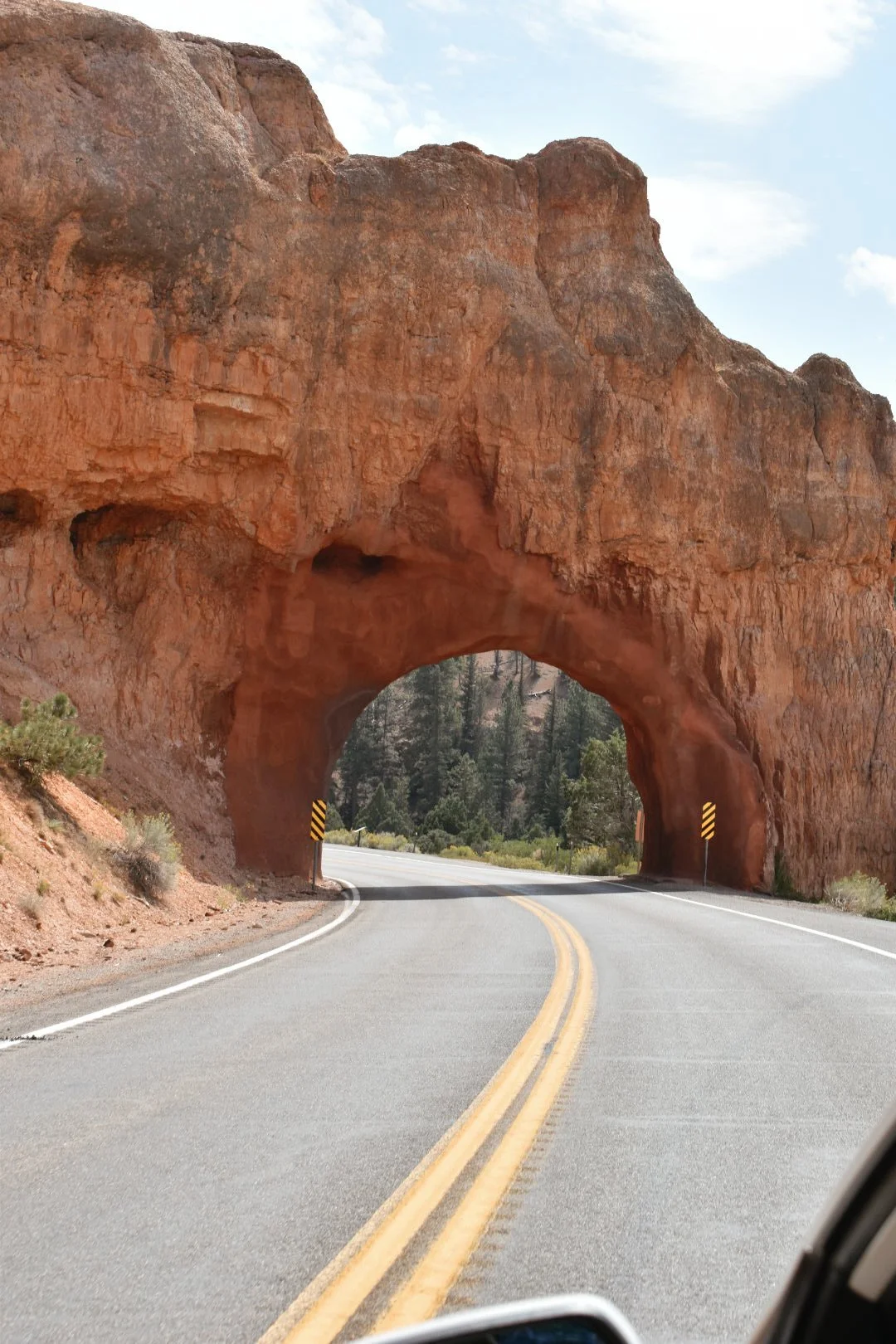
If hiking isn’t your thing—or if you want to see as much as possible—the Bryce Canyon Scenic Drive is an experience in itself. Each overlook feels like a new reveal. Bryce Point is often considered the best viewpoint in the entire park, offering a sweeping look over the amphitheater. Natural Bridge and Agua Canyon showcase how diverse the formations are, while Rainbow Point, the highest elevation viewpoint, feels expansive and peaceful, especially toward the end of the drive when the crowds thin out.
Stargazing in Bryce Canyon
When the sun goes down, Bryce Canyon transforms yet again. As a designated Dark Sky Park, it’s one of the best places to experience the night sky. On clear evenings, the Milky Way is visible to the naked eye, stretching across the sky in a way that feels almost unreal. During the summer months, ranger-led astronomy programs add an extra layer of magic, but even standing quietly on your own, looking up, is unforgettable. Bryce is one of those places that feels just as powerful at night as it does during the day.
Where to Stay Near Bryce Canyon National Park
After long days of hiking, scenic drives, and sunset chasing, where you stay matters—and Bryce Canyon has some truly special options nearby. If you’re looking for a stay that feels intentional, cozy, and elevated, these are worth considering.
For a luxury experience, The Lodge at Bryce Canyon is as iconic as it gets. Staying inside the park means you’re just steps away from sunrise and sunset viewpoints, which honestly feels like a gift. The lodge has a classic, rustic charm that fits perfectly with the landscape—simple, warm, and timeless. Waking up here before the crowds arrive is something you’ll never forget.
Just outside the park, Bryce Canyon Lodge (Sunset Hotel / Ruby’s Inn area) offers upgraded rooms and convenience without sacrificing comfort. Some accommodations in this area lean more upscale than you’d expect for a national park gateway, and the proximity to the park makes early mornings easy.
For a boutique-style stay, Bryce Canyon Pines and Stone Canyon Inn feel quieter and more personal. Stone Canyon Inn, in particular, stands out for its peaceful setting, spacious rooms, and thoughtful details—it’s perfect if you want something refined but still close to nature. These spots feel less touristy and more like a retreat after a full day outside.
If you’re open to staying a little farther out, glamping options and luxury cabins around Bryce and nearby Kodachrome Basin offer a more secluded, immersive experience. Think starry skies, fire pits, and waking up surrounded by silence—ideal if you want Bryce to feel even more magical.
Best Time to Visit Bryce Canyon
Bryce Canyon is beautiful year-round, but each season offers a completely different experience. Late spring through early fall (May–September) is the most popular time to visit. The weather is ideal for hiking, the trails are fully accessible, and the park is alive with color. Summer brings warm days, cooler evenings, and ranger programs—but also more crowds, especially midday. Fall (October) is one of the most underrated times to visit. The crowds thin out, temperatures are cooler, and the contrast between the orange hoodoos and autumn skies feels especially dramatic. It’s quieter, slower, and perfect if you want a more reflective experience. Winter (November–March) transforms Bryce into something completely different. Snow-covered hoodoos feel almost surreal, and the park becomes incredibly peaceful. Some trails may be icy, but if you’re prepared, winter hiking and snowshoeing here are unforgettable. Plus, Bryce’s stargazing is just as spectacular in colder months. If you want the best balance of weather and fewer crowds, late May, early June, or October are ideal.
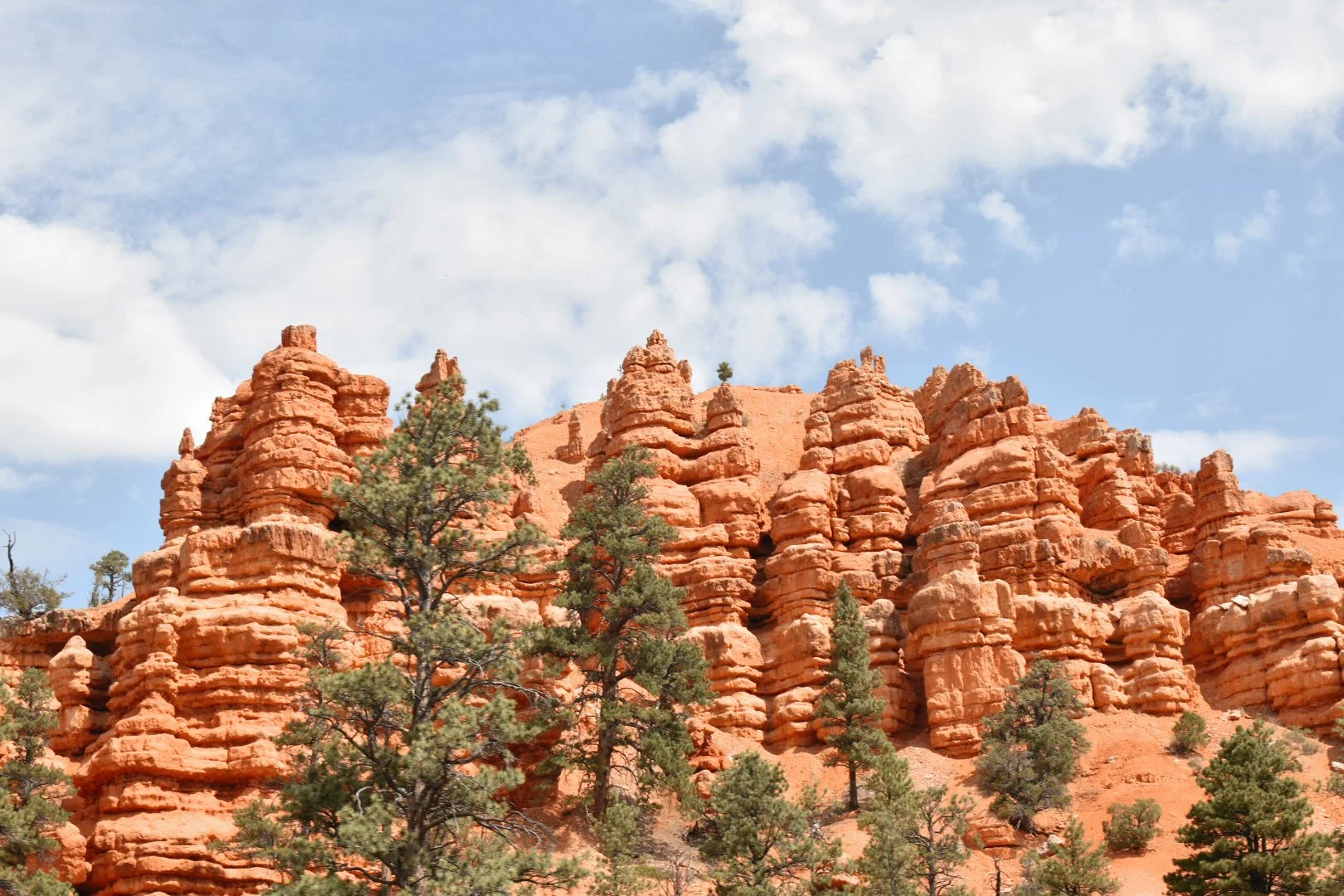
Bryce Canyon isn’t just a place you visit—it’s a place you feel. From standing quietly at the rim as the sun rises, to hiking between towering hoodoos, to looking up at a sky filled with more stars than you thought possible, Bryce has a way of grounding you. It slows you down, reminds you how small you are, and somehow makes that feel comforting instead of overwhelming.
This is the kind of destination that stays with you long after you leave. The colors, the silence, the scale—it all lingers. Whether you come for a quick stop or build an entire trip around it, Bryce Canyon has a way of giving you exactly what you didn’t know you needed. And once you’ve experienced it, you’ll understand why people return again and again—chasing that same feeling of awe, wonder, and quiet magic.
#brycecanyonnationalpark #visitutah #travel #travelphotography #travelgram #travelguide #travelholic #traveltheworld #traveler #traveltoexplore #travelon #traveldestination #traveldiaries #travelblogger #traveltheworld #traveler #traveladdict #traveldestinations #travellover #womenwhotravel #womenwhoexplore