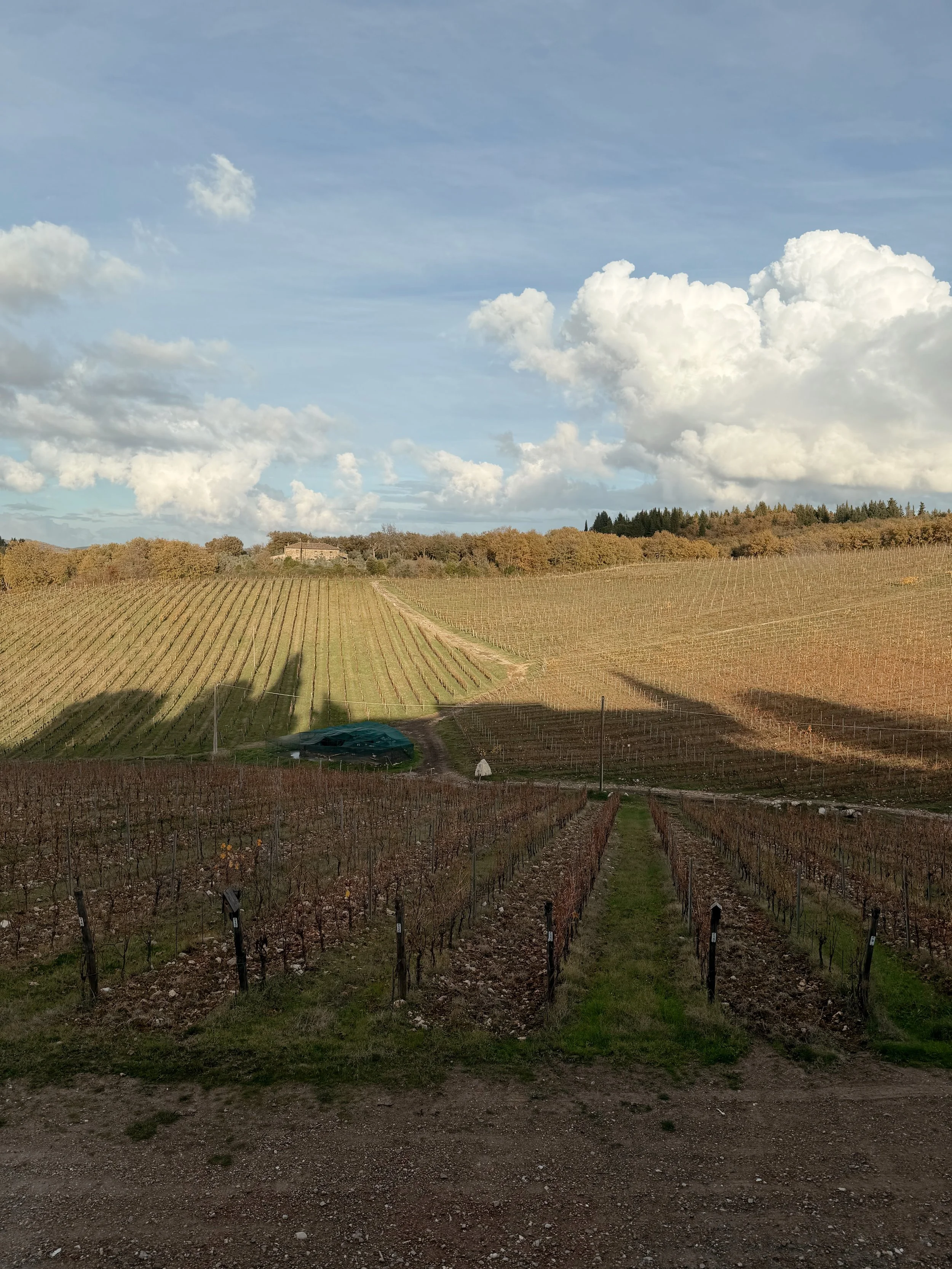
If you’re dreaming of sipping wine under the Tuscan sun, let me just say—you’re in for something really special. Tuscany isn’t just beautiful (though it absolutely is). It’s a feeling. Rolling hills, cypress-lined roads, tiny villages, and vineyards that seem to stretch on forever—it all invites you to slow down and actually enjoy where you are.
The best part? Wine tasting here doesn’t have to be complicated or overly planned. You can take it at your own pace, linger when you want, and let the experience unfold naturally without feeling rushed or overwhelmed. In this guide, I’m sharing a relaxed, real-life approach to wine tasting in Tuscany—plus a few unforgettable spots that made the journey even sweeter.
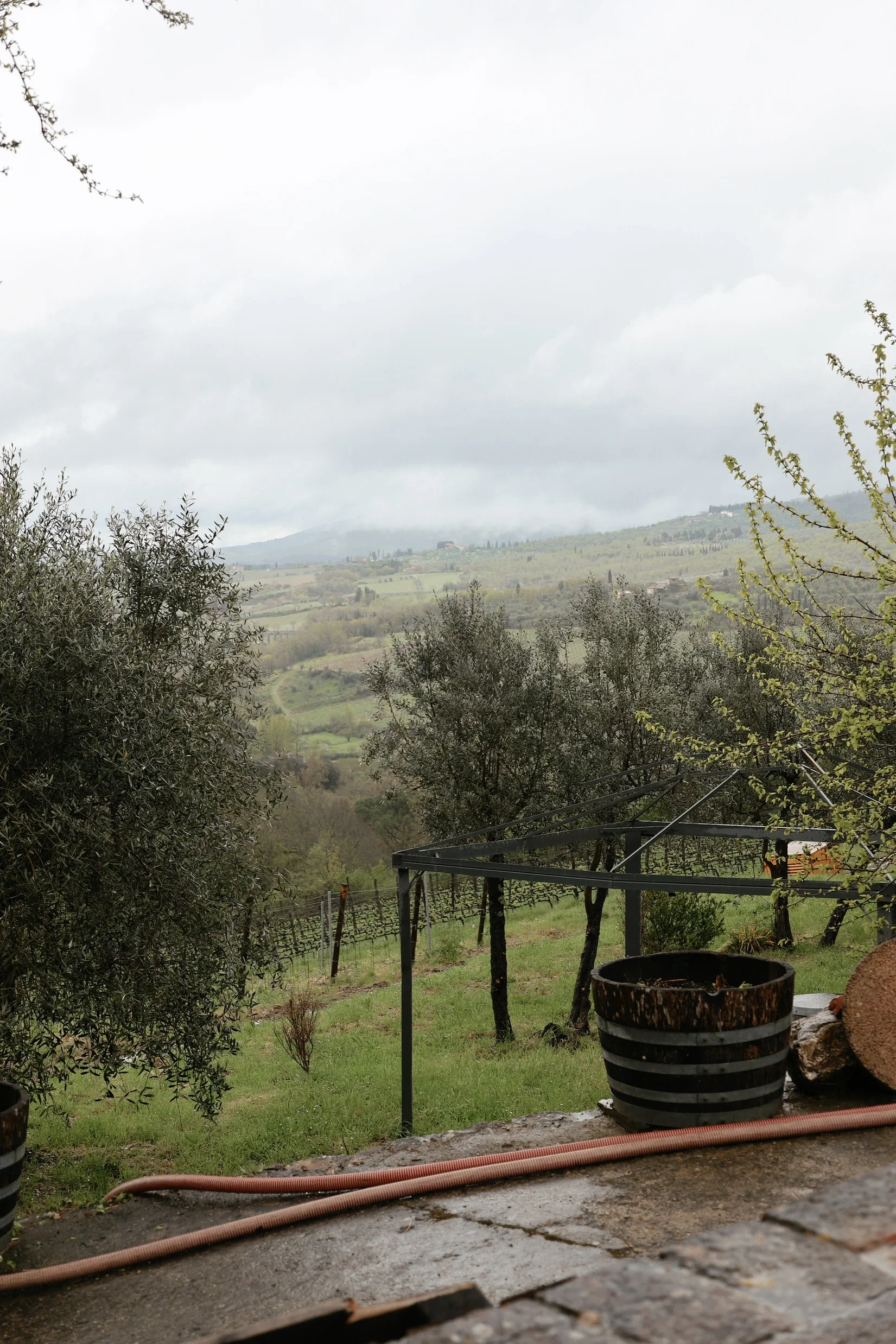
Tenuta Torciano
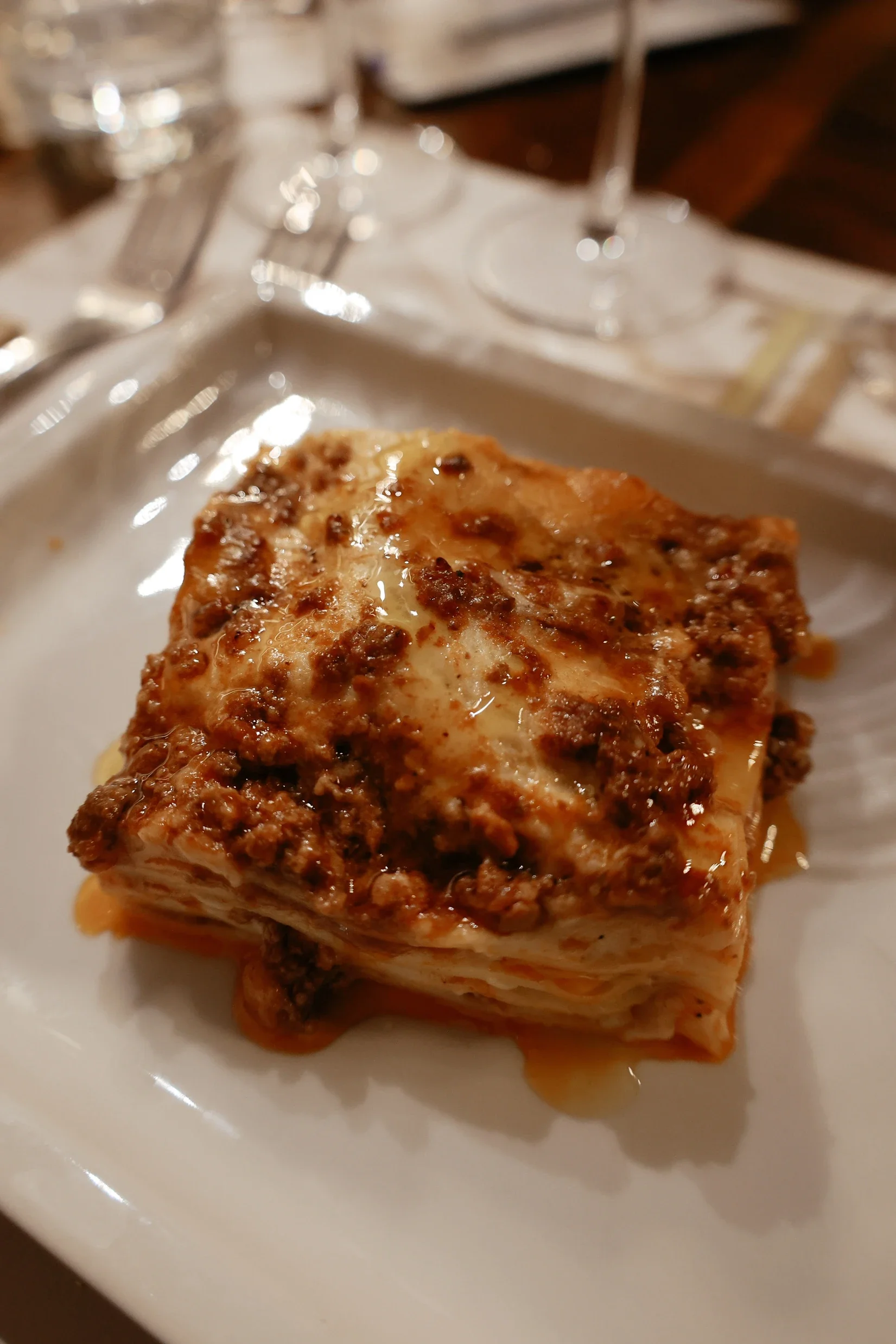
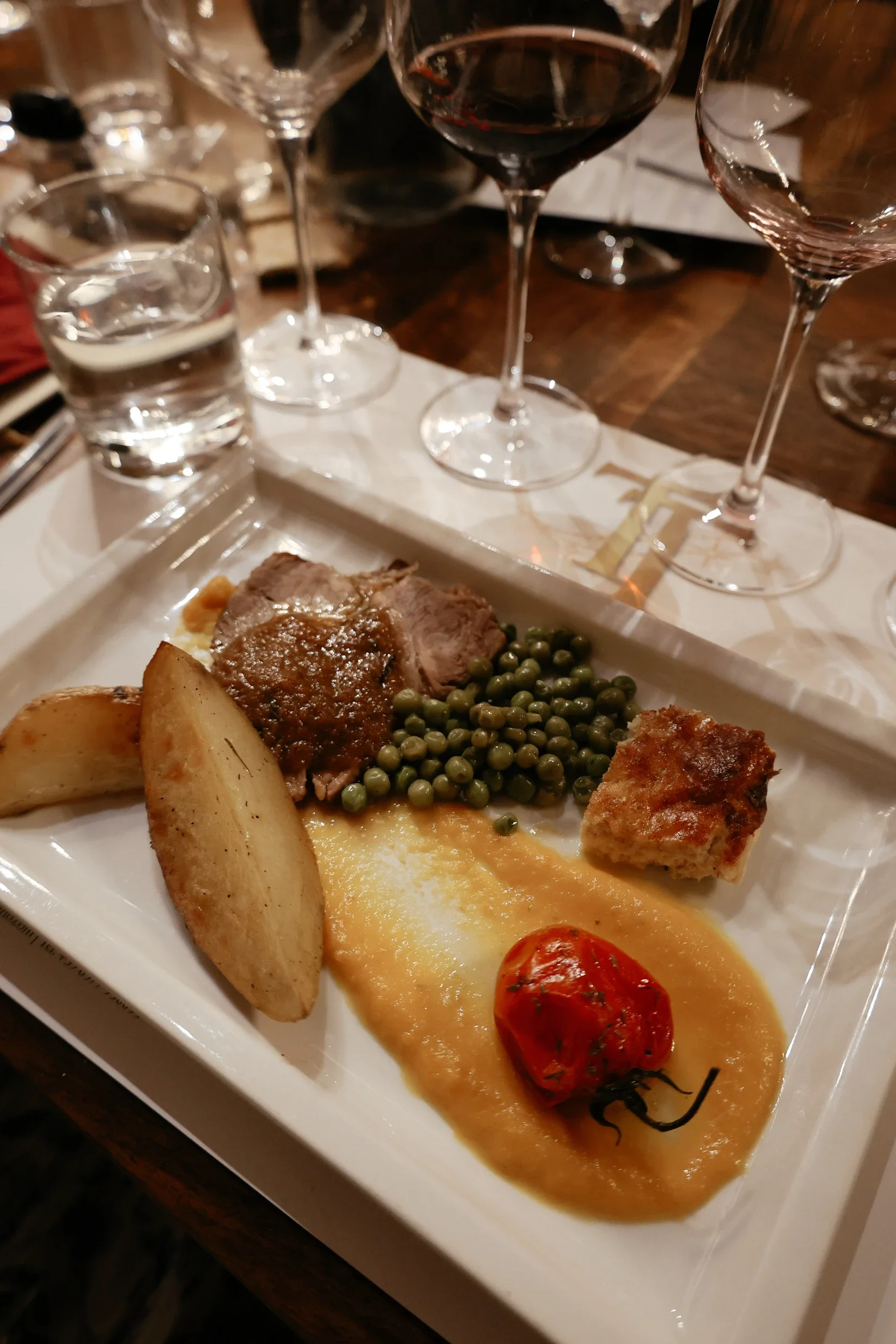
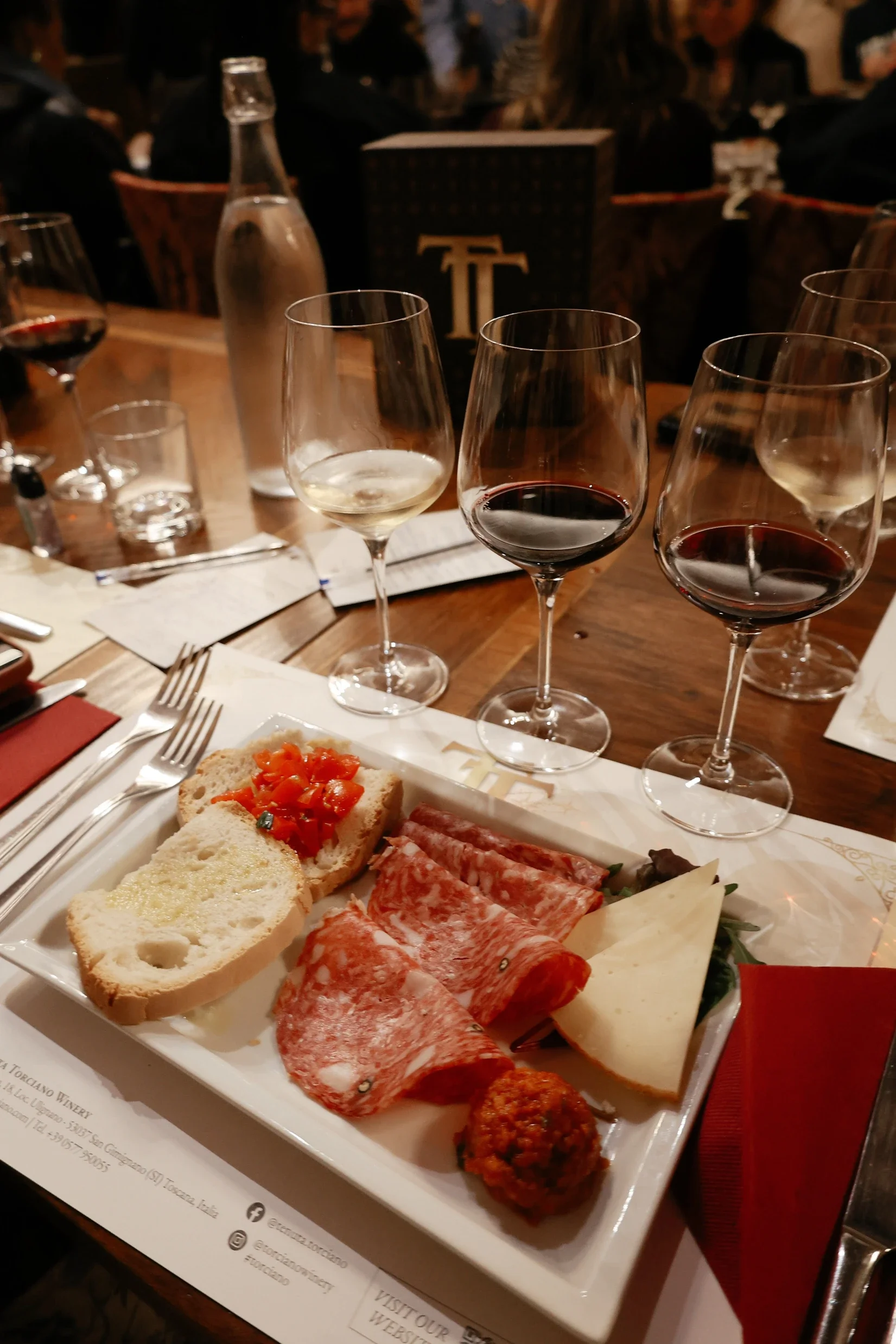
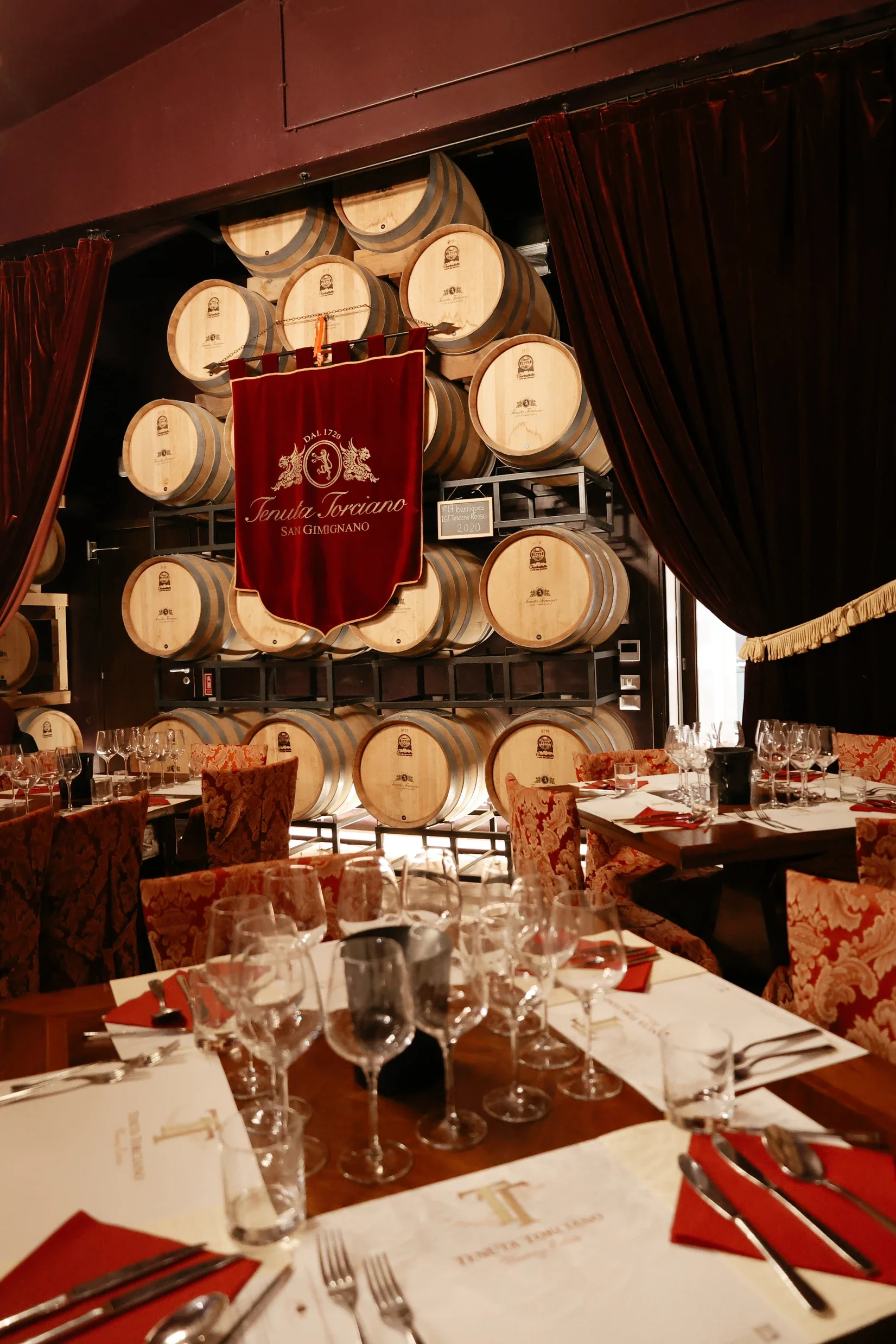
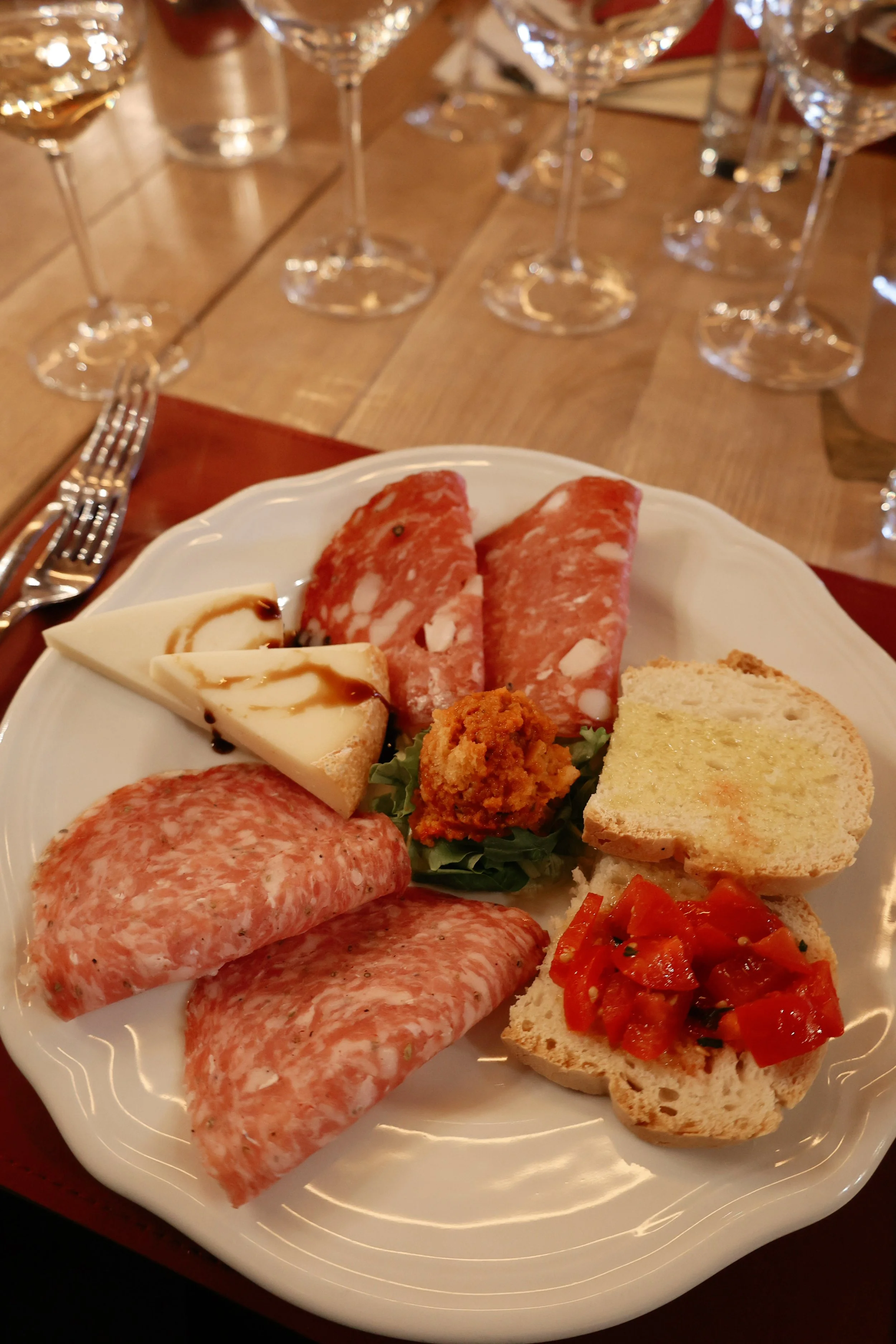
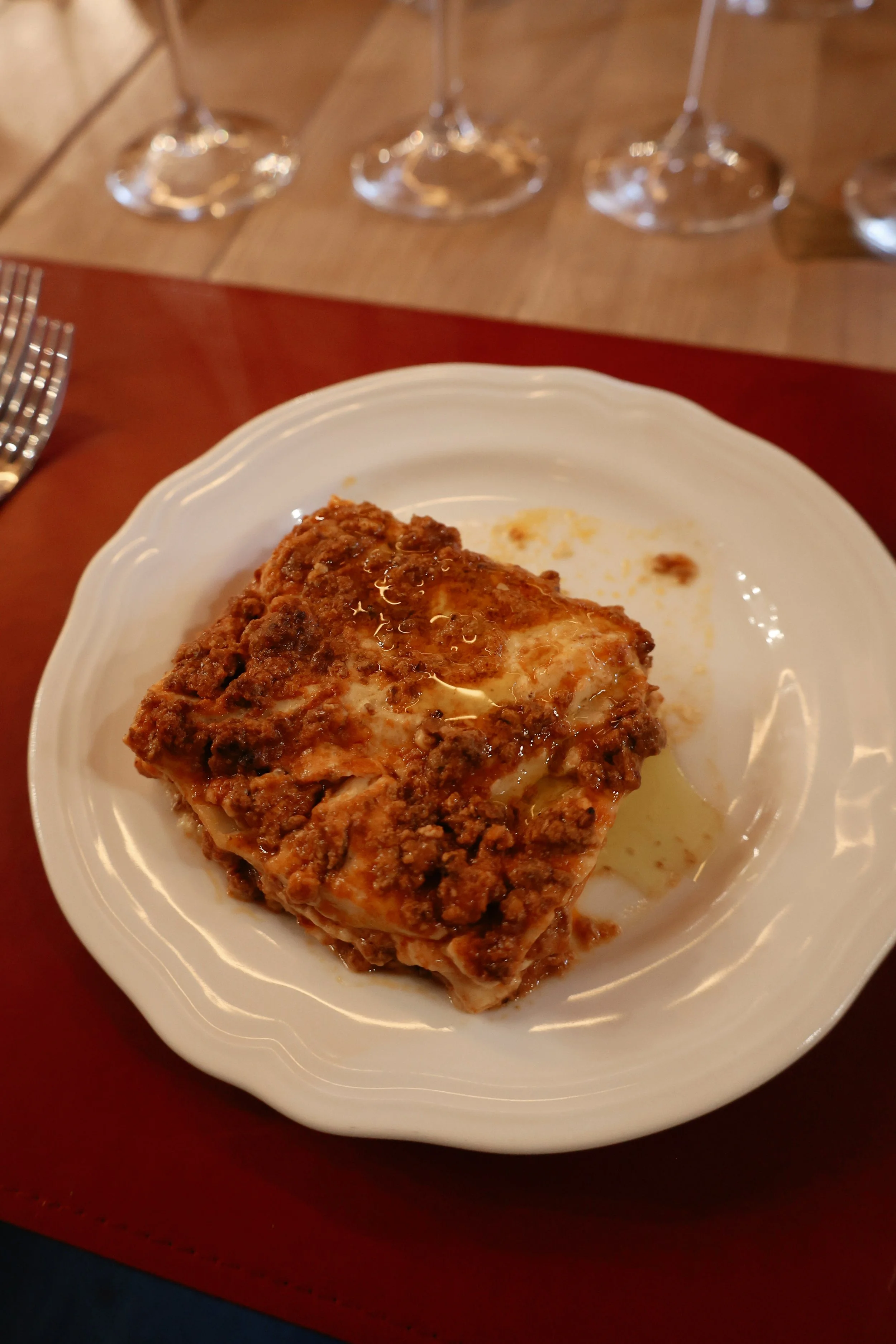
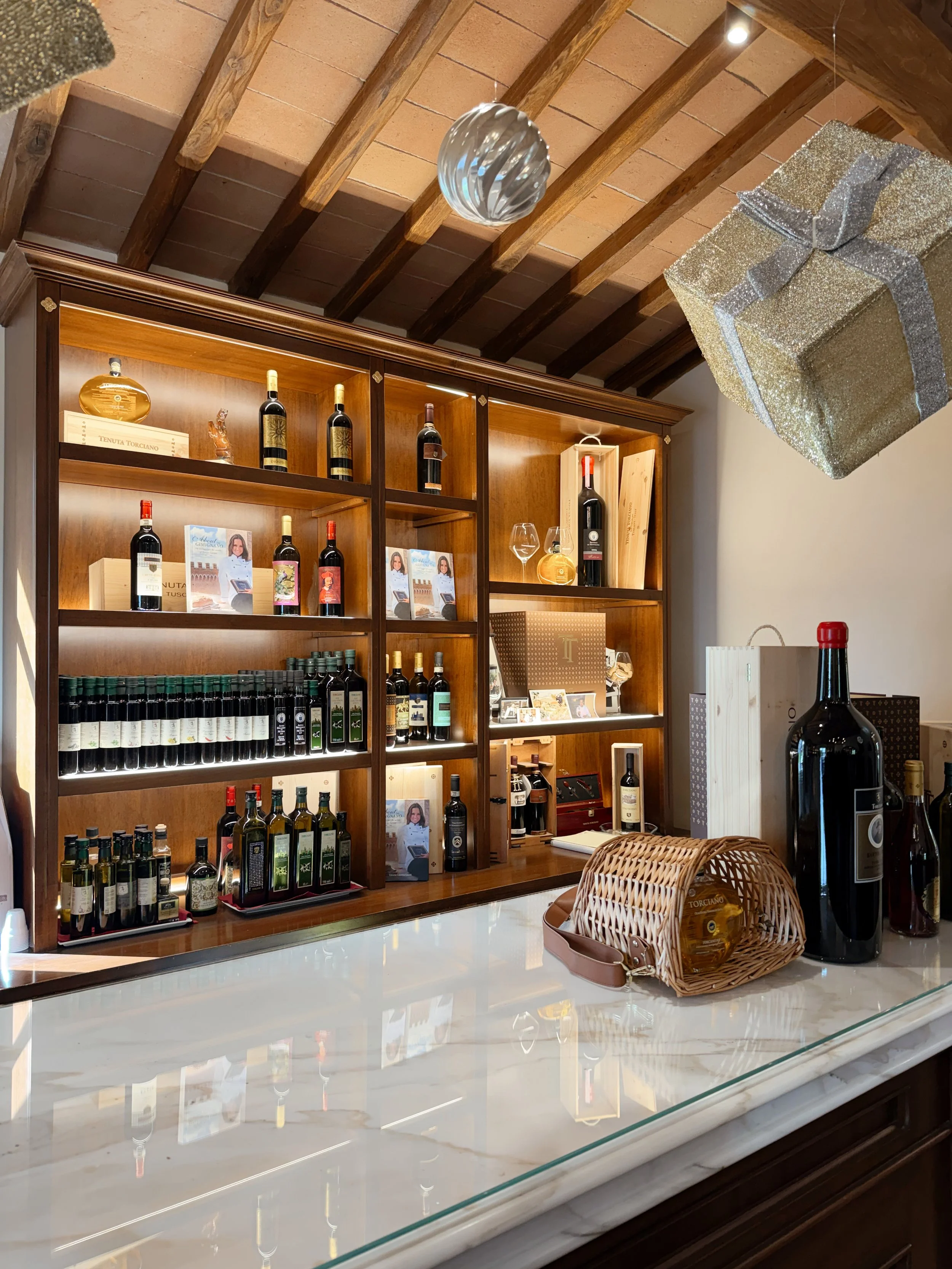
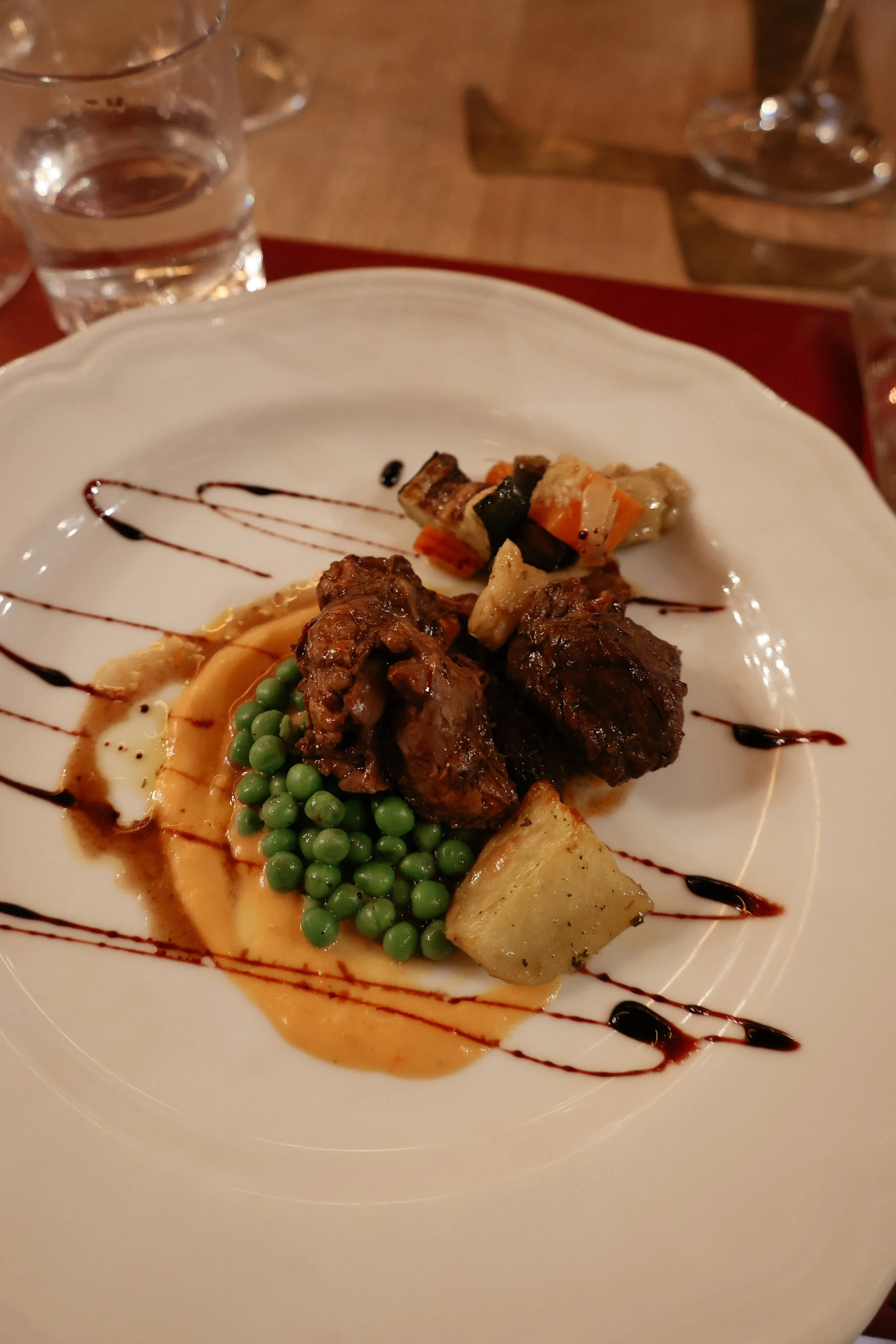
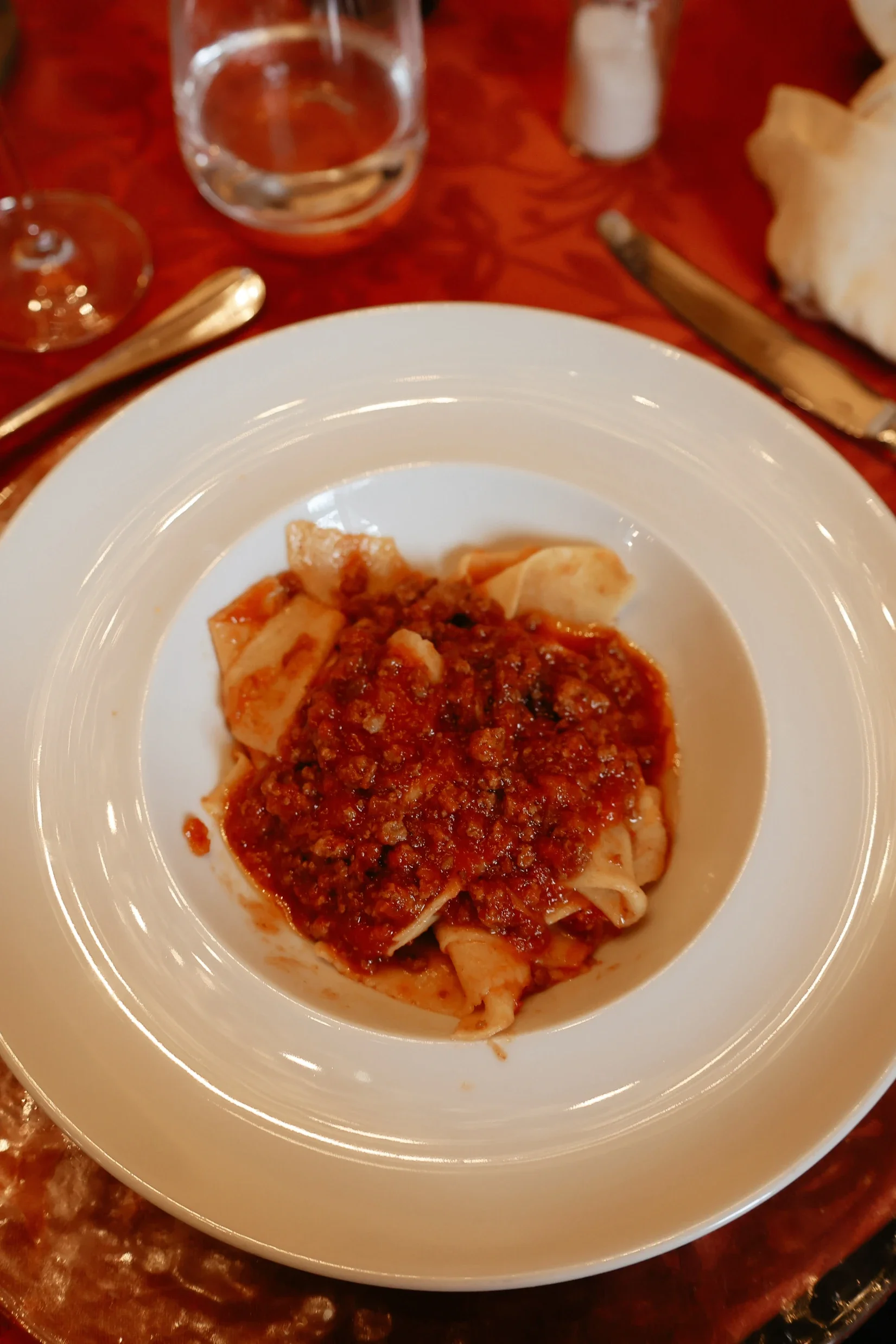
Just outside the medieval town of San Gimignano, Tenuta Torciano is the perfect place to kick off your Tuscan wine adventure. This family-run winery has been in the hands of the Giachi family for over 15 generations, and you can really feel that history the moment you arrive—without it ever feeling formal or stuffy. From the start, it feels less like a typical tasting and more like being welcomed into a big Italian family gathering. Long communal tables, generous pours, plenty of laughter, and stories flowing just as freely as the wine set the tone. You’ll taste a range of wines—from bold Super Tuscans and smooth Merlots to their well-loved Chianti Classico—along with aged balsamic vinegars and truffle oils that are honestly unforgettable.
Tip: Many of their experiences include a full meal—homemade pasta, salumi, cheeses, the whole spread—so come hungry. And don’t be surprised if you leave with a few bottles, a new favorite olive oil, and some really good memories to go with them.
Casaloste
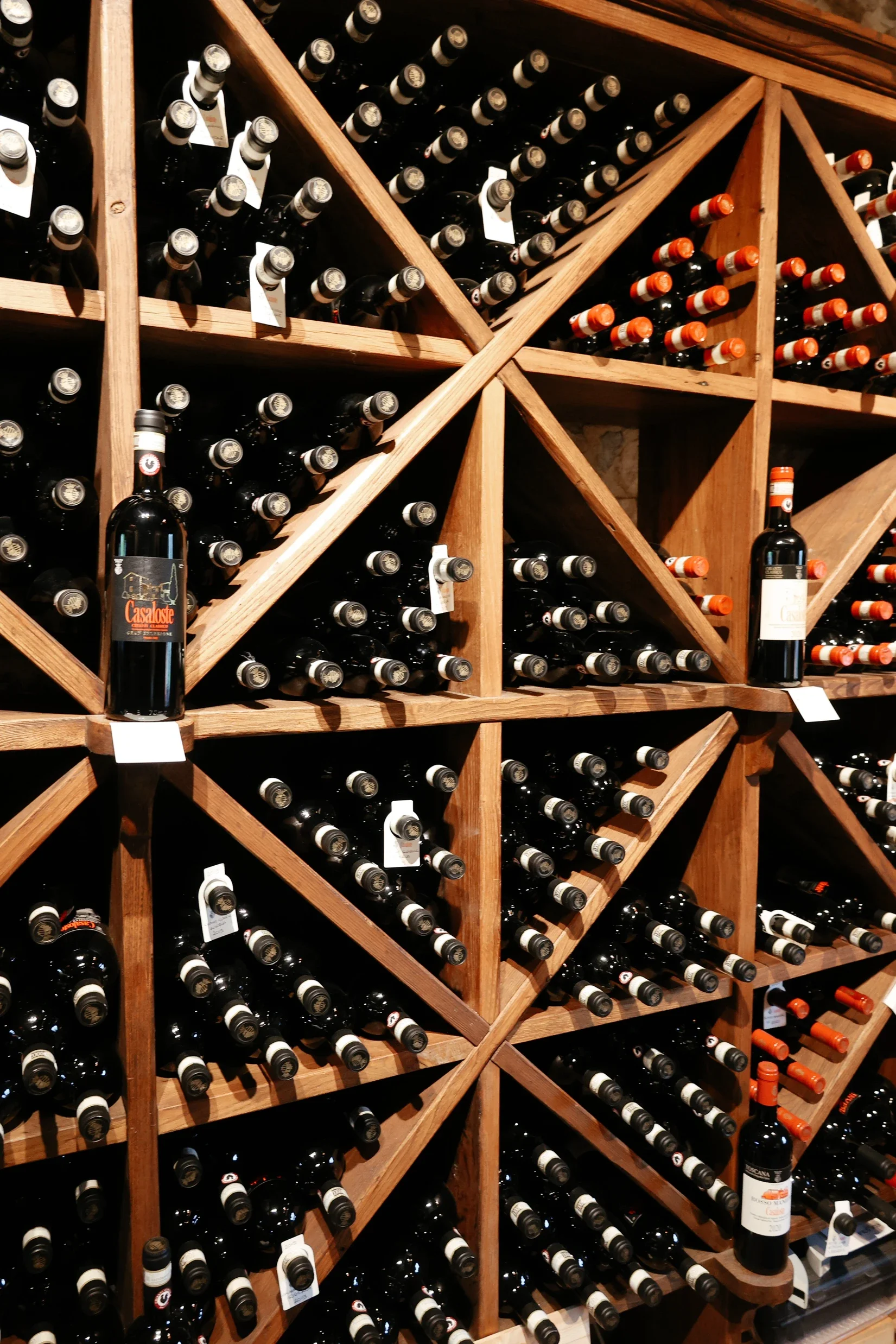
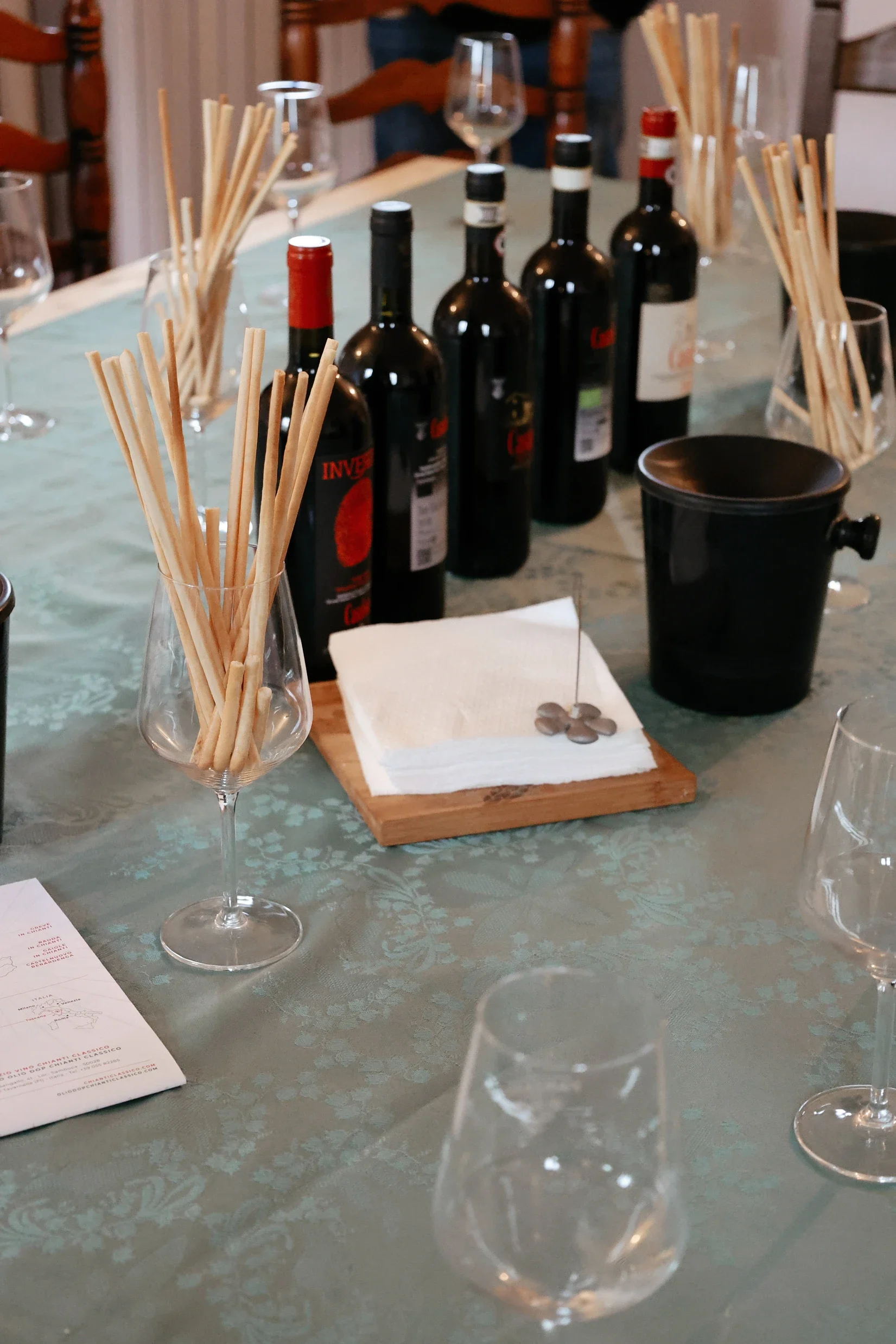
Next, head into the peaceful hills of Panzano in Chianti, where Casaloste feels like one of those quiet corners of Tuscany that most people never find—and that’s part of what makes it so special. This small, fully organic winery is owned by Giovanni Battista d’Orsi and his wife, Emilia, and it has a deeply personal, grounded feel from the moment you arrive.
More often than not, Giovanni himself leads the tasting, sharing stories about the land, the vines, and the work that goes into every bottle. You can feel the care here—every grape is hand-tended, and every wine is made to truly reflect the soul of Chianti Classico. Their Riserva wines, aged longer and layered with deeper flavors, really stood out to me. Nothing here feels flashy or overdone—it’s honest, thoughtful, and quietly unforgettable.
Tip: Tastings are intimate and by appointment only, so be sure to reach out ahead of time. This is the kind of place where you sip slowly, linger longer than planned, and fall a little bit in love with Tuscany without even realizing it.
Castello Monterinaldi
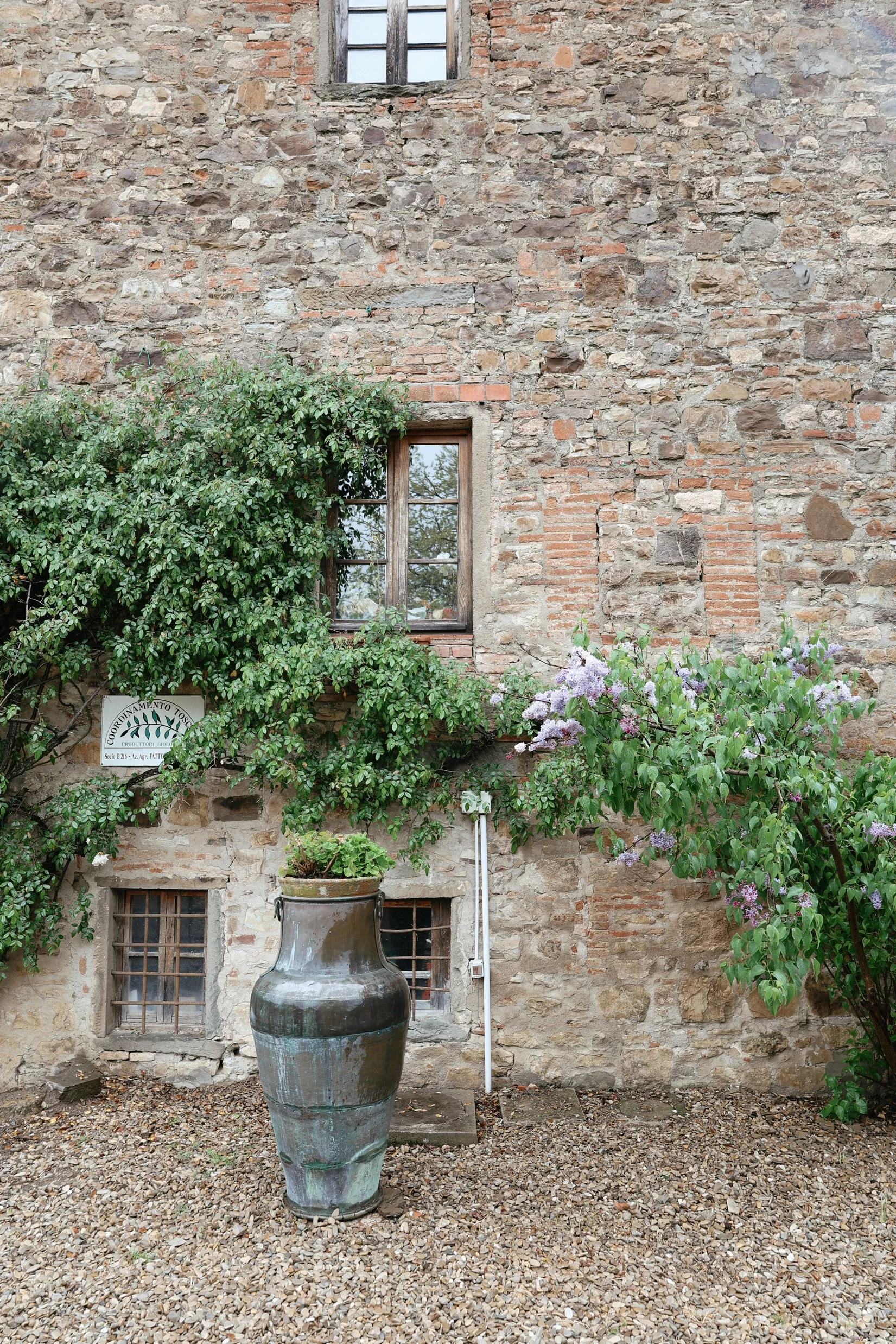
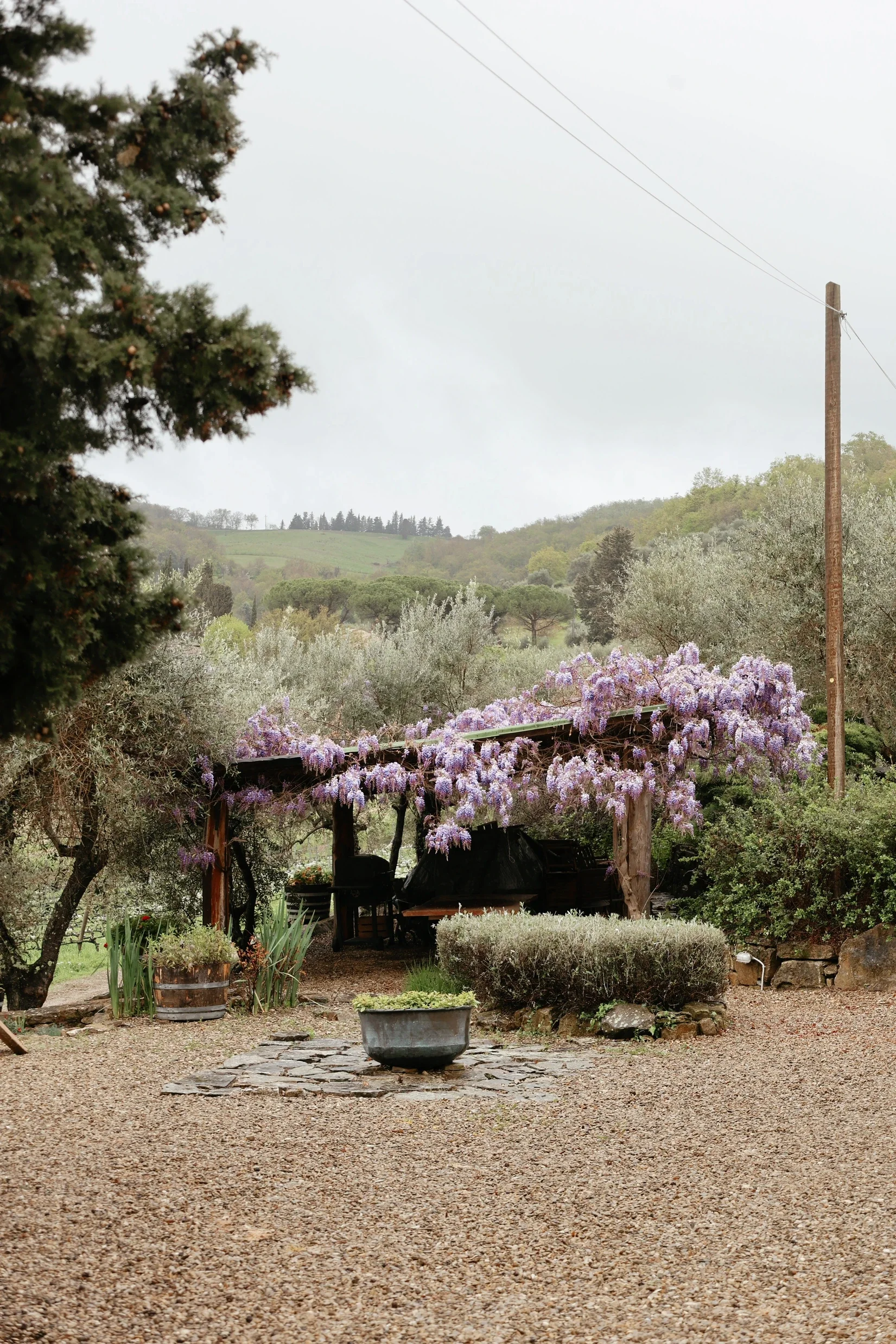
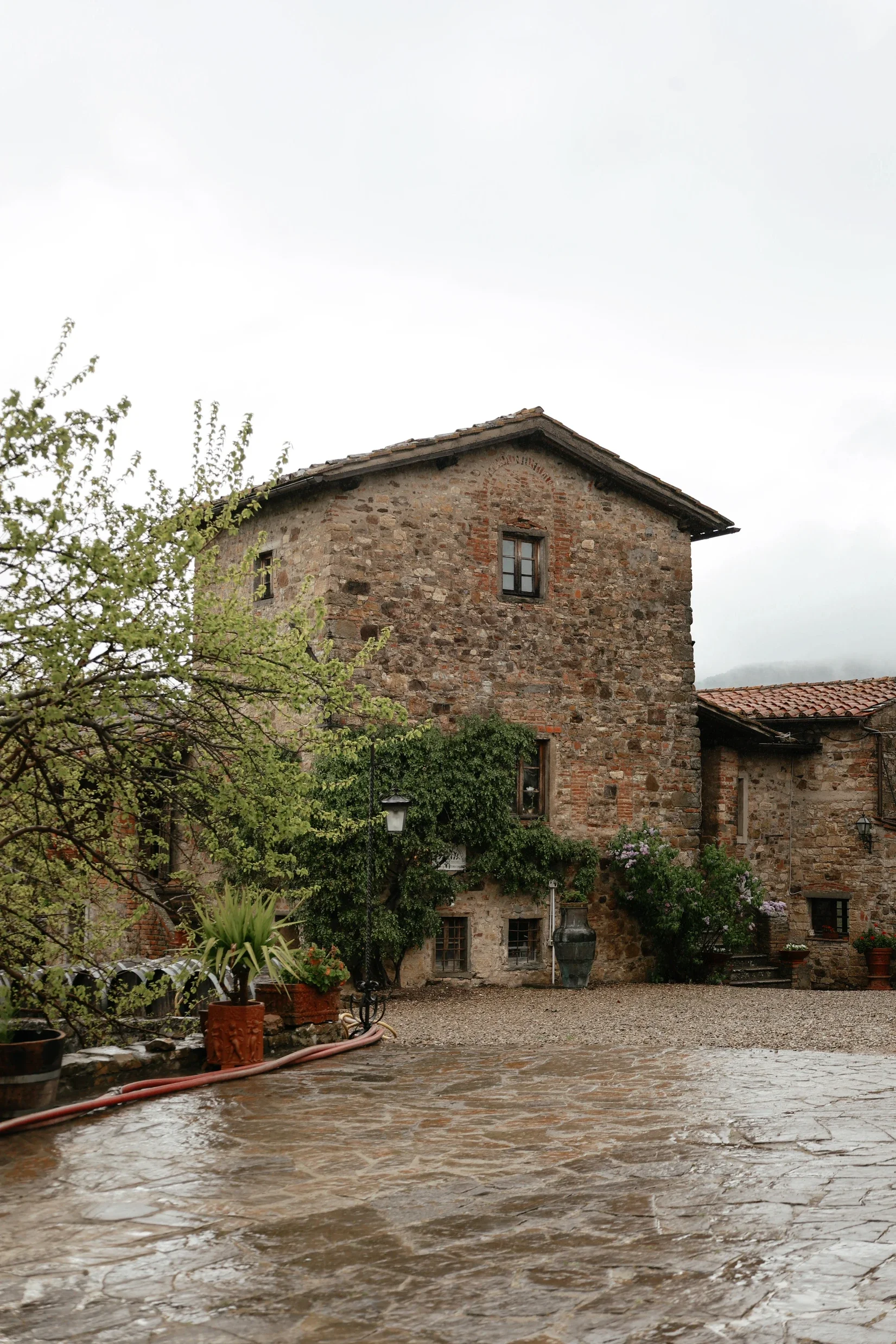
Tucked between Radda in Chianti and Panzano in Chianti, Castello Monterinaldi offers a wine experience that feels truly timeless. The estate’s history dates all the way back to the year 1010—yes, over a thousand years ago. What began as a medieval fortress later became a noble residence and eventually evolved into the beautiful, organic wine estate it is today.
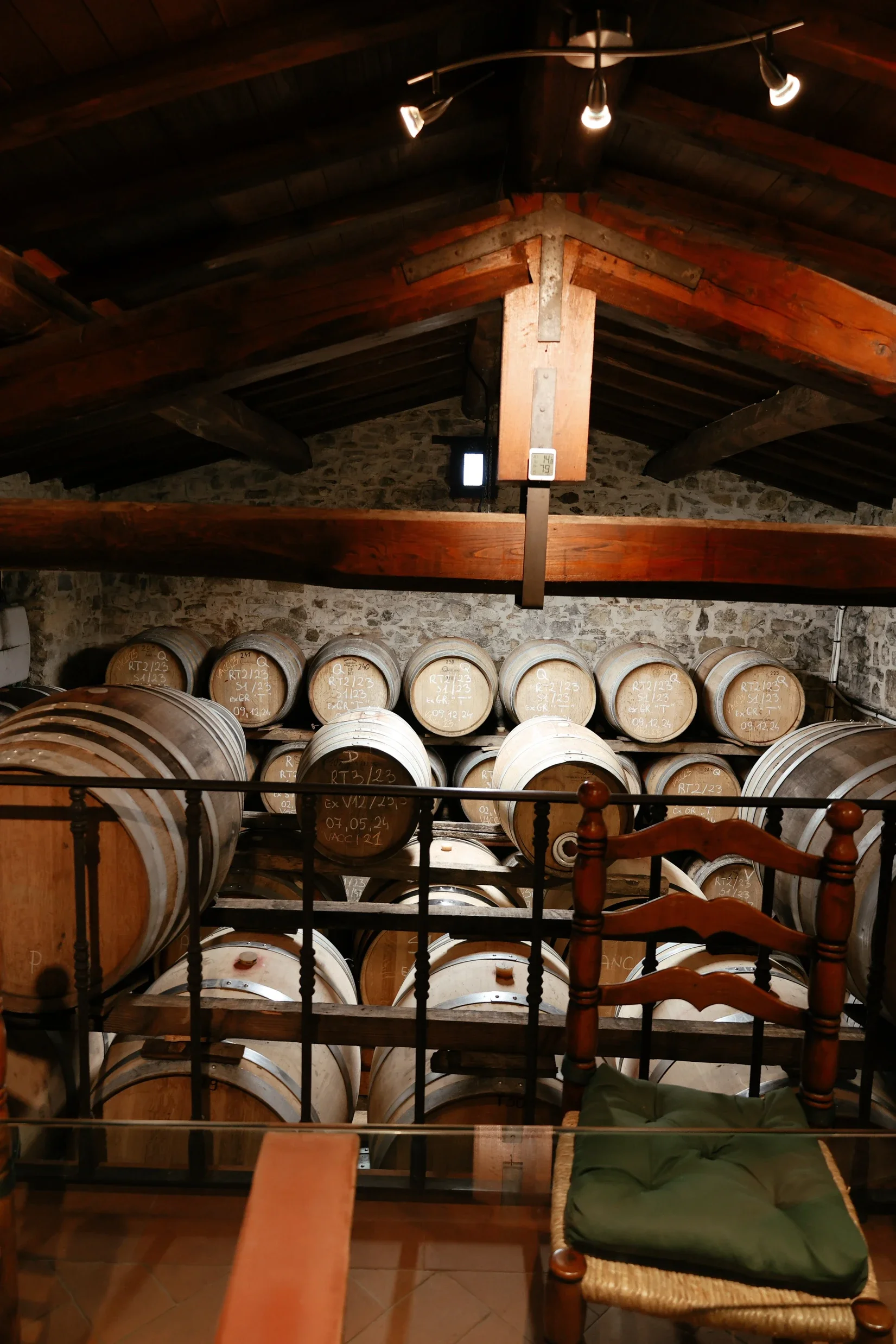
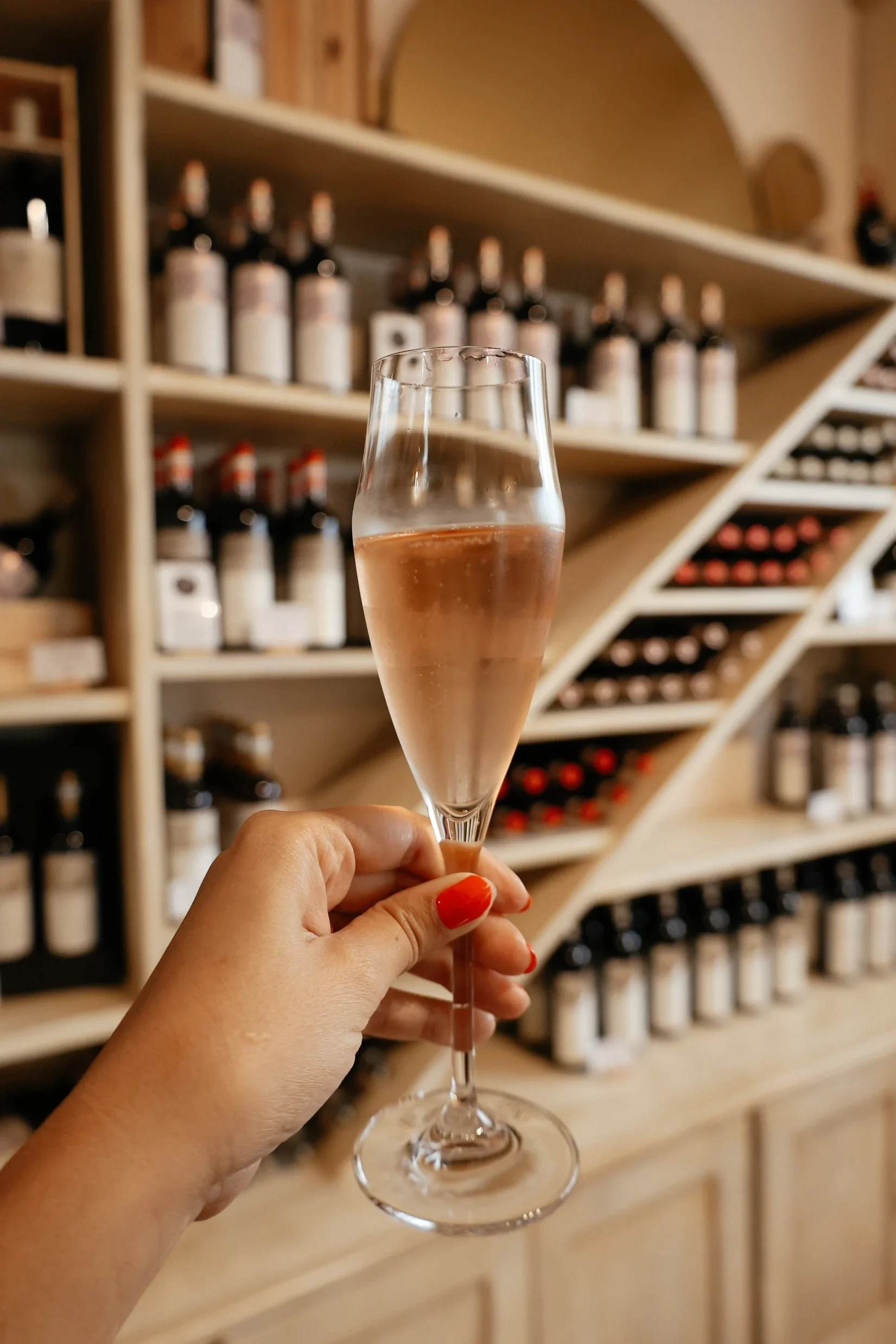
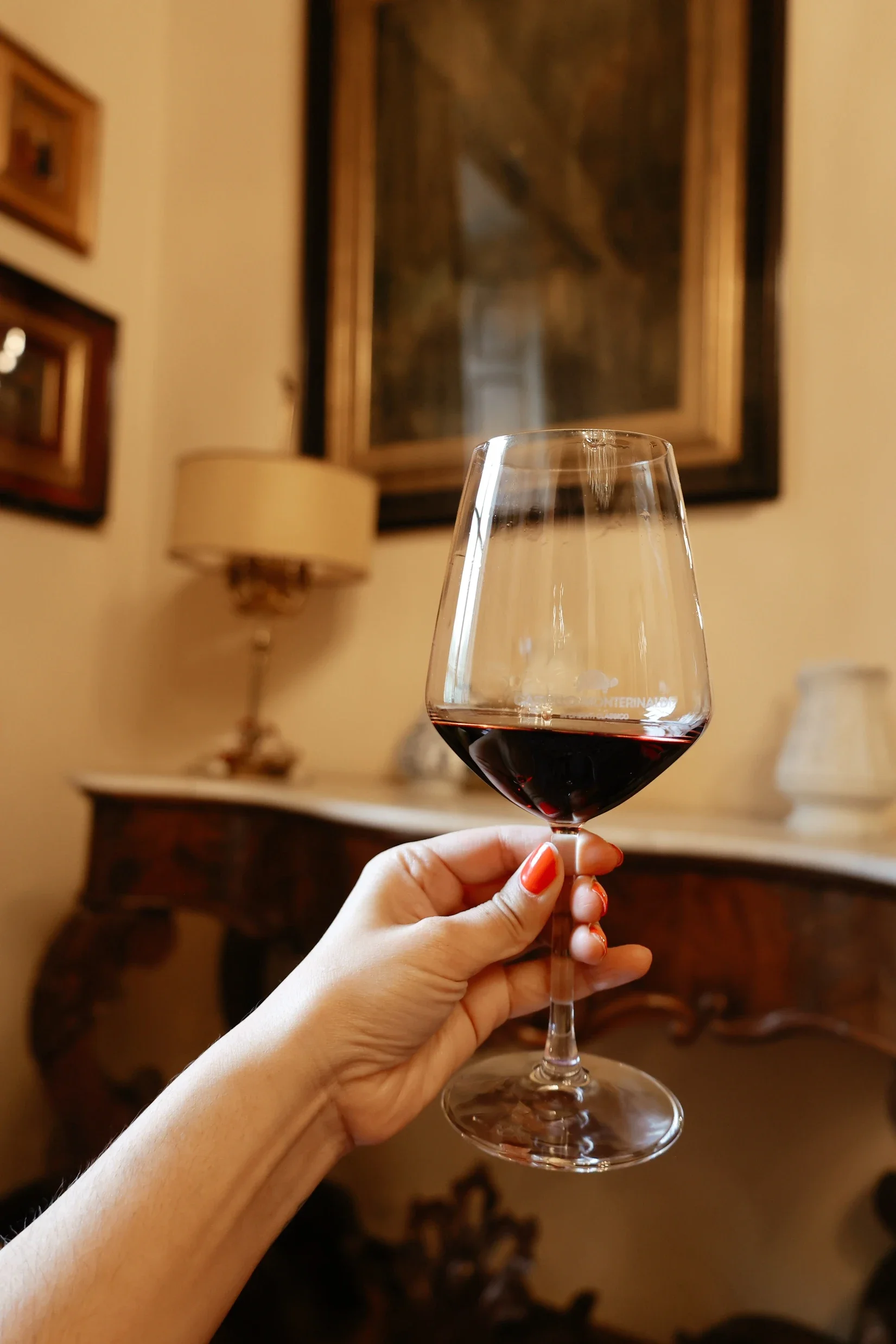
Walking the property feels like stepping through layers of history. You’ll pass ancient stone buildings, explore historic cellars, and sit down for tastings that are relaxed, unhurried, and incredibly generous. The wines—especially their Chianti Classicos and Super Tuscans—feel deeply connected to the land, as if they’ve absorbed centuries of sun, soil, and tradition. Everything here is meticulously cared for, yet nothing feels stiff or overly formal.
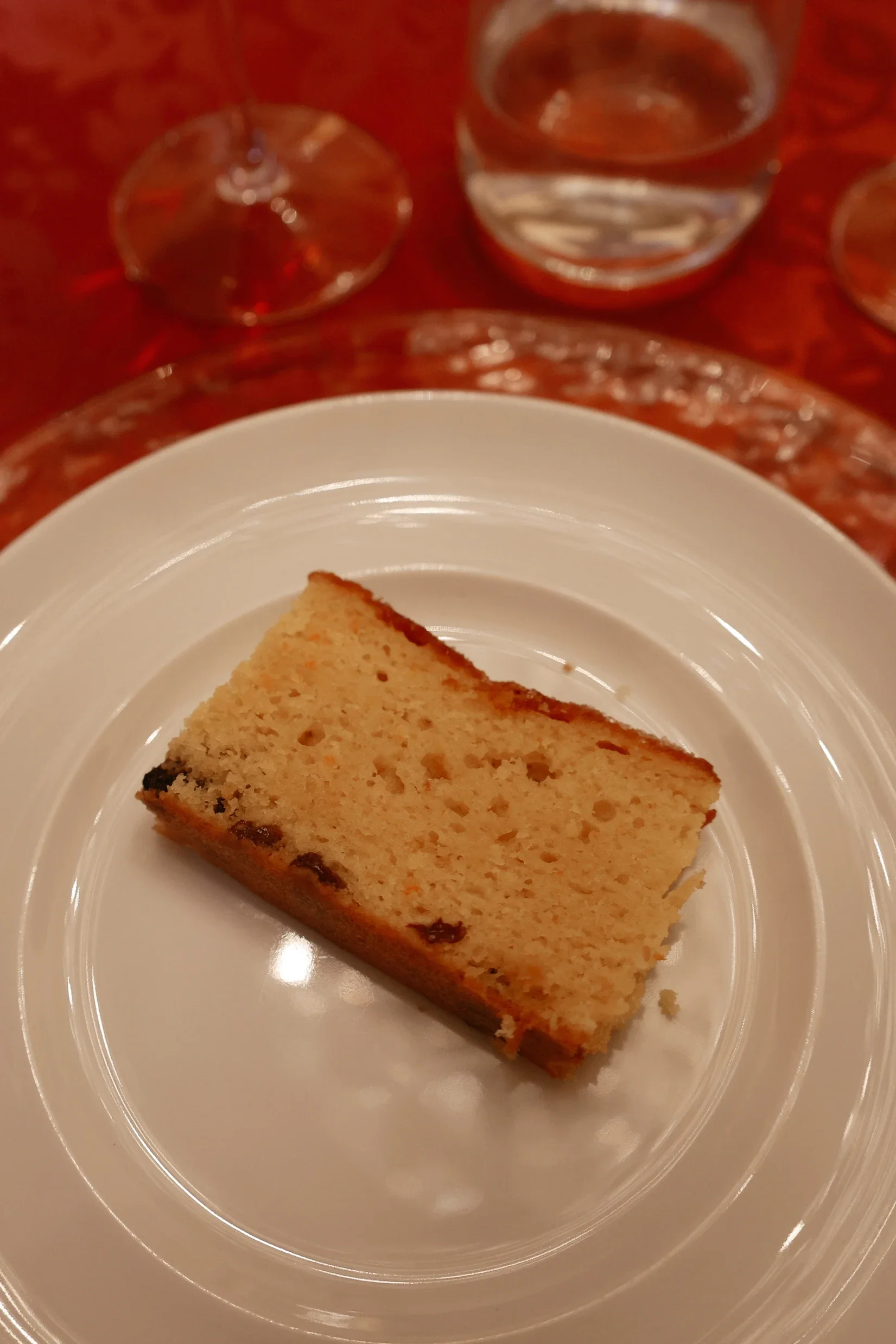
Tip: Don’t skip their wine-and-lunch experience. Handmade pasta, local olive oil, and thoughtfully paired wines turn the visit into something slow, soulful, and unmistakably Tuscan—the kind of afternoon you wish you could bottle right along with the wine.
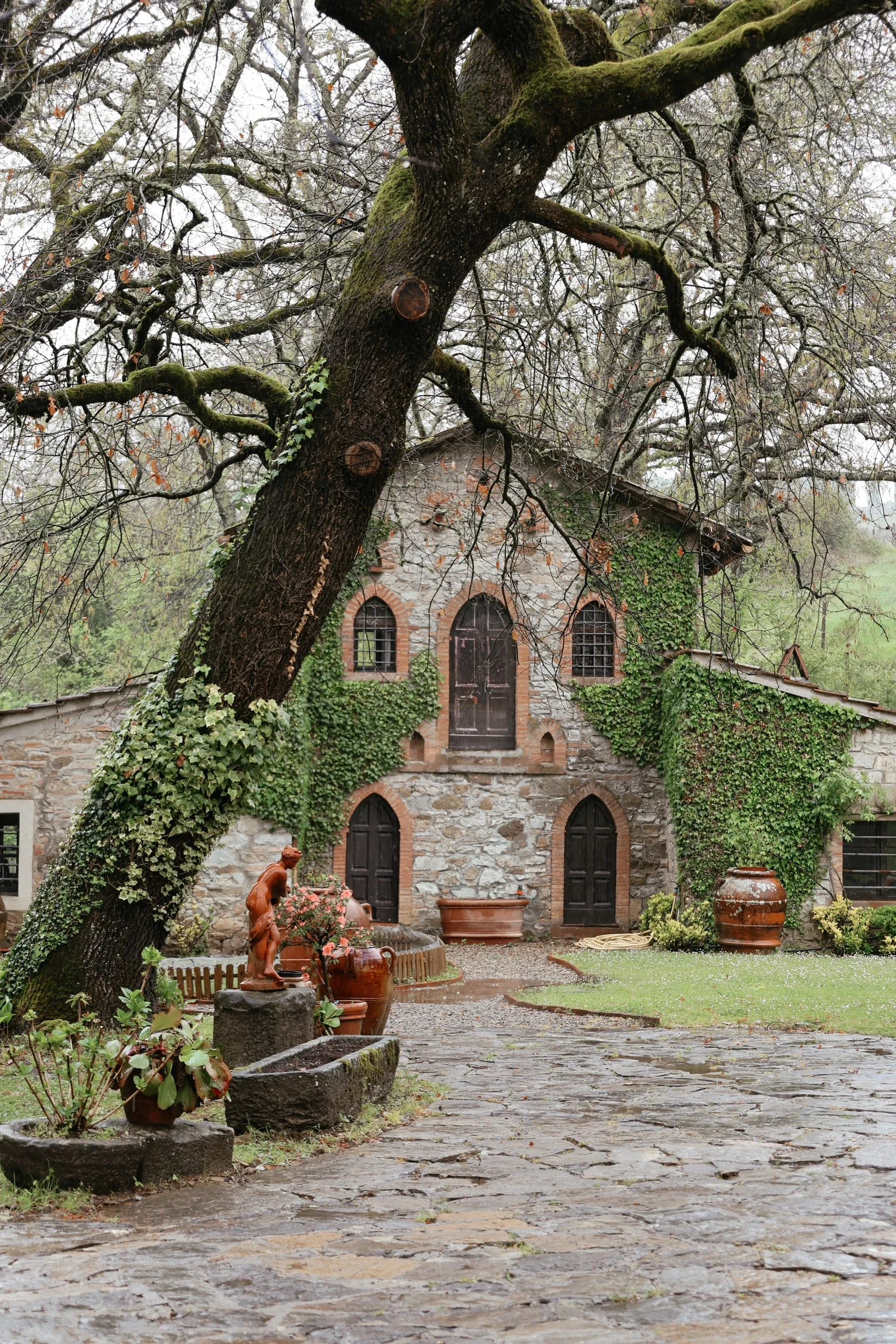
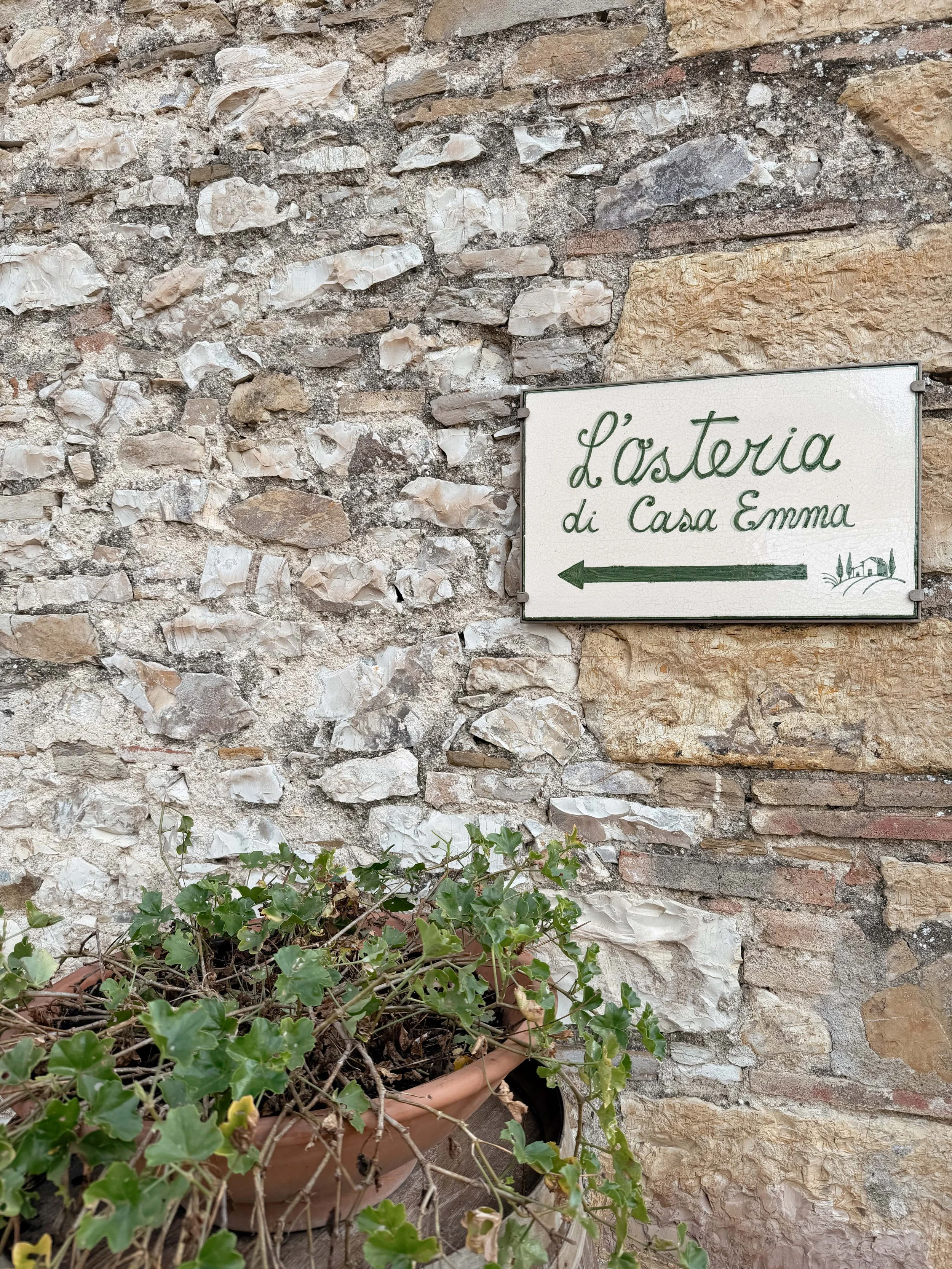
Casa Emma
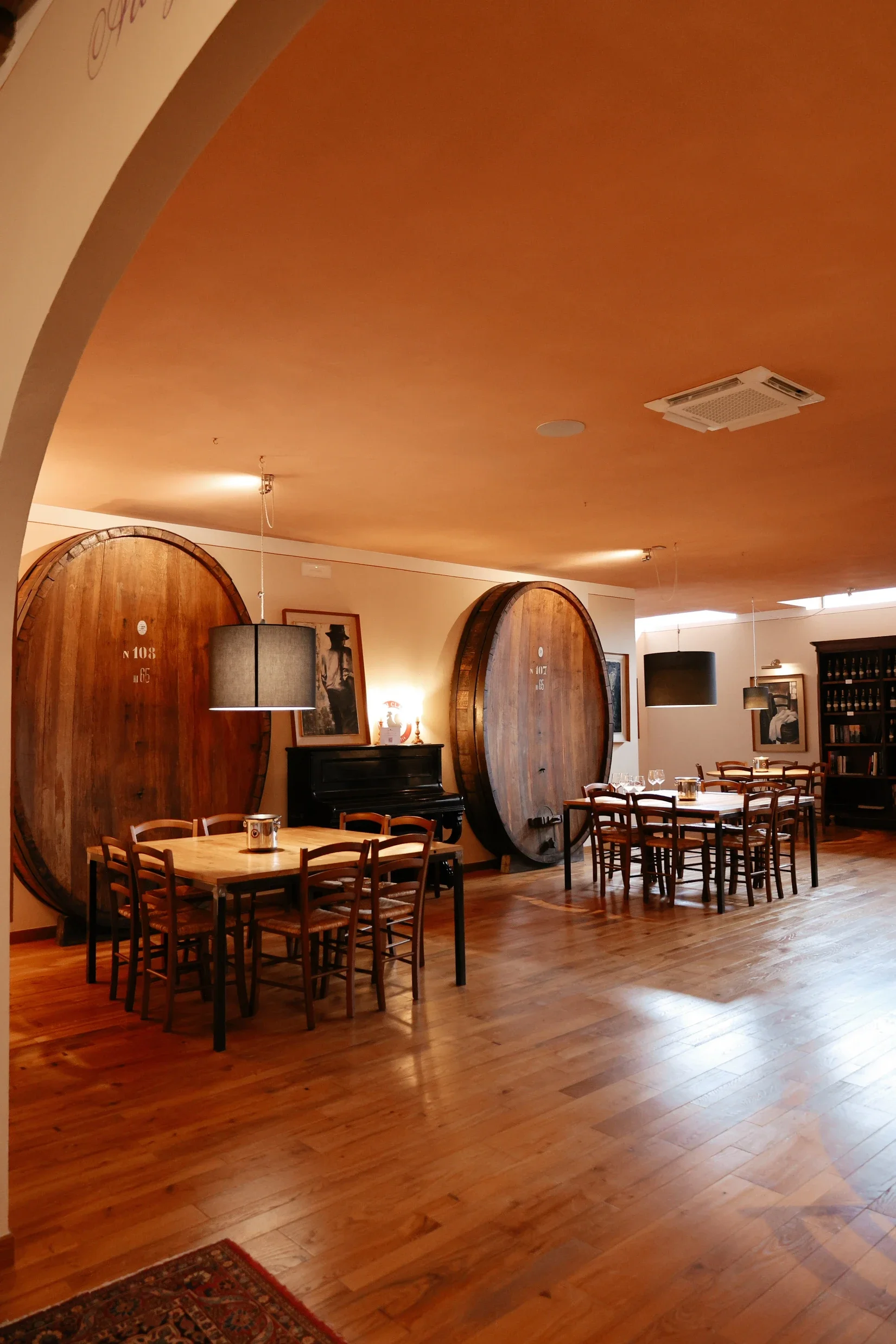
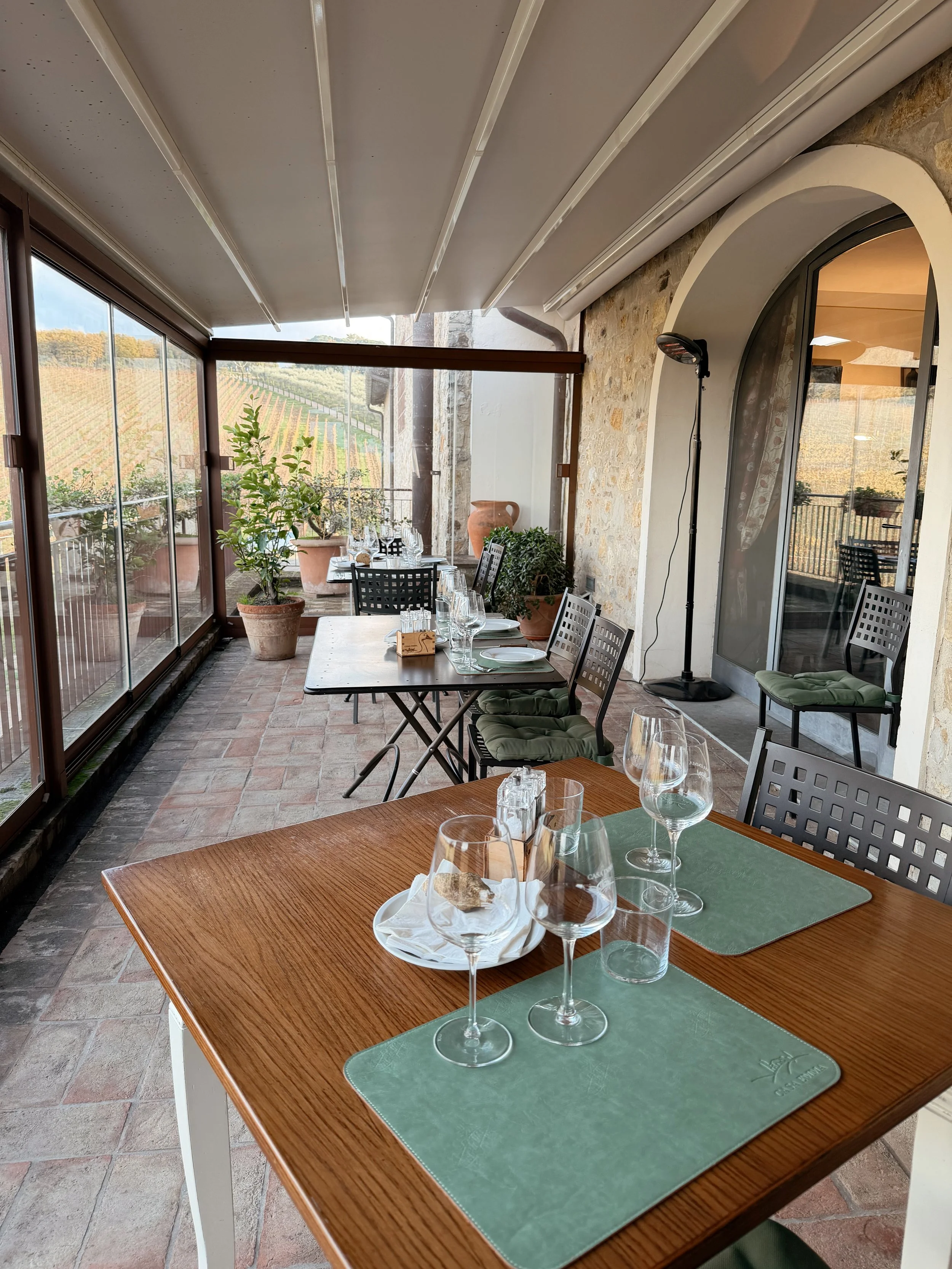
Casa Emma feels like a beautiful balance between tradition and modern Tuscany. Set among rolling vineyards in the heart of Chianti Classico, this winery has a clean, welcoming feel that immediately puts you at ease. Everything here is thoughtfully done—from the way the vineyards are cared for to how the tastings are guided—without ever feeling too polished or intimidating.
The wines are elegant, expressive, and incredibly drinkable, especially their Chianti Classico, which really captures the freshness and character of the region. Tastings here feel calm and unrushed, giving you space to actually enjoy each pour and ask questions without feeling like you’re on a schedule. It’s the kind of place that’s perfect if you want a refined wine experience that still feels relaxed and personal.
Tip: Pair your tasting with a light lunch or snack if available—sipping wine while overlooking the vineyards makes the whole experience feel extra special and very Chianti.
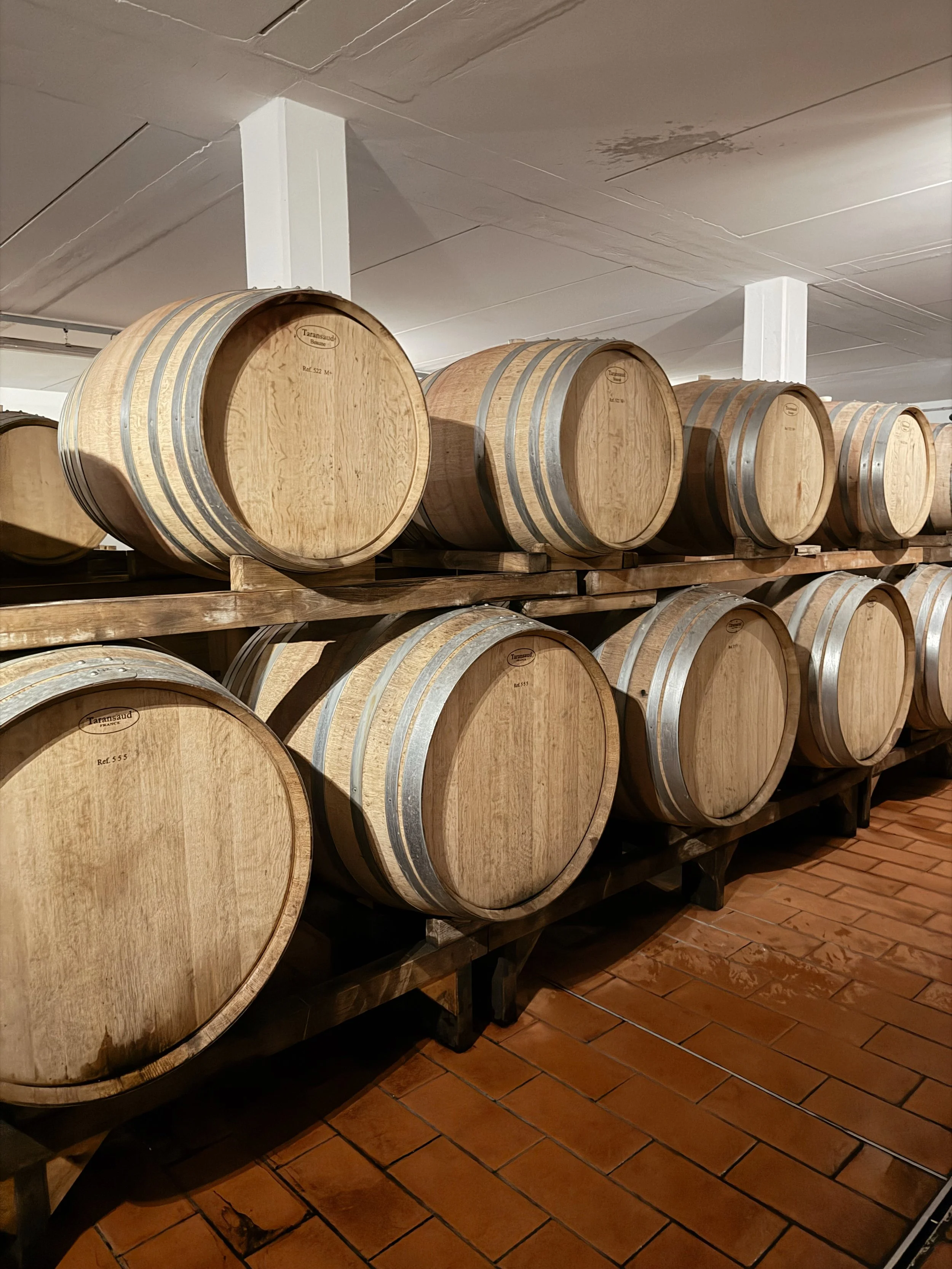
I Selvatici
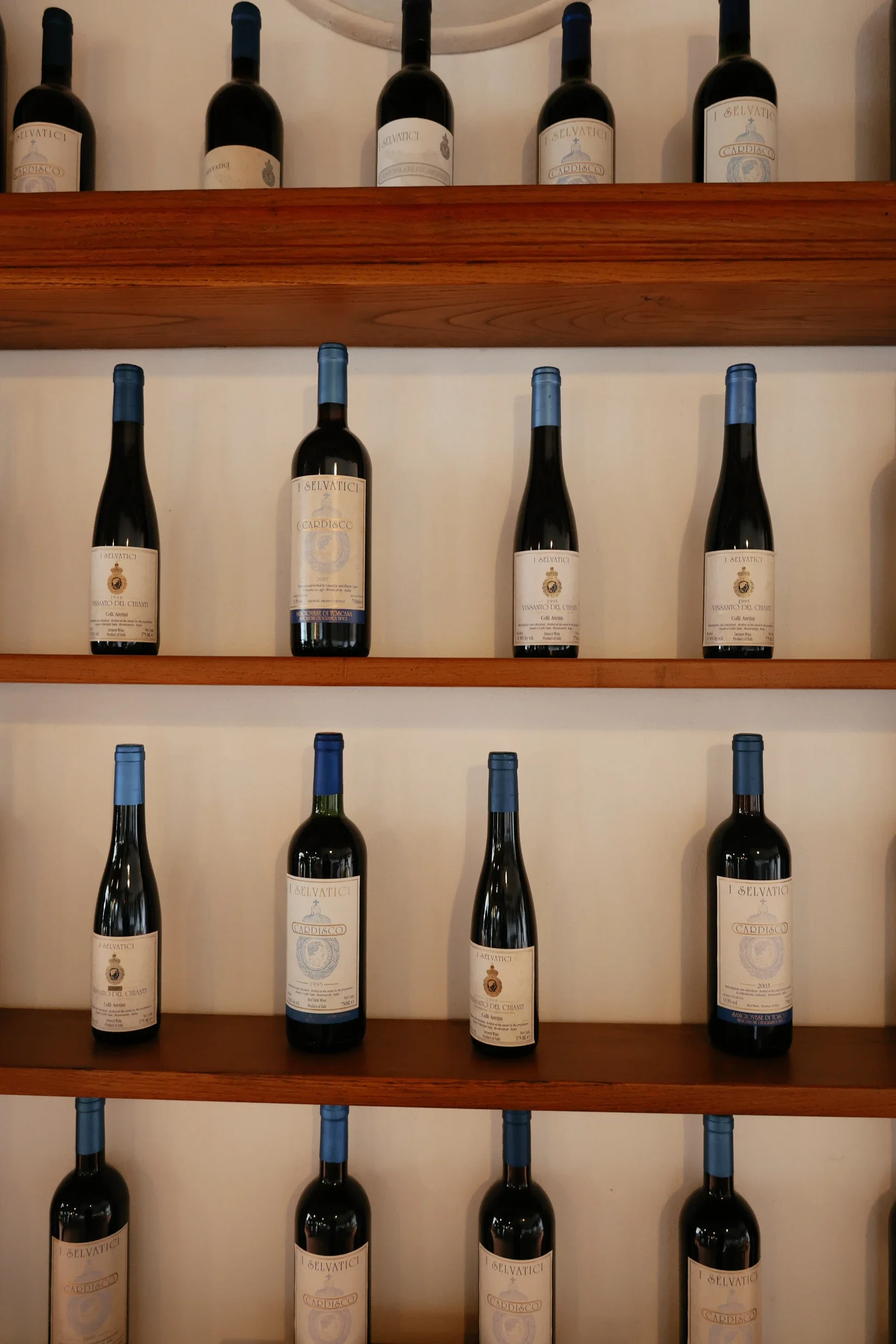
If you’re willing to wander a little off the usual wine trail into the hills of Valdarno, I Selvatici is a true hidden gem. This family-run estate has a quieter, more soulful kind of magic—one rooted in preserving Tuscany’s lesser-known grape varieties like Pugnitello and Foglia Tonda. Their story is all about staying true to tradition at a time when many others chose a more commercial path. They continued cultivating these rare grapes even when they were nearly forgotten, and you can taste that dedication in every glass. The wines are earthy, expressive, and full of personality—honest reflections of the land, the history, and a deep love for old-school Tuscany. Nothing feels rushed or polished here; it feels real, personal, and incredibly special.
Tip: Don’t leave without trying their Pugnitello. It’s a grape that nearly went extinct, and I Selvatici has brought it back to life beautifully. Tastings are relaxed and often paired with local cheeses or small bites, making it feel less like a formal visit and more like spending an afternoon at a friend’s family farm.
A Few Practical Wine Tasting Tips for Tuscany
Book in advance. This is especially important for smaller, family-run estates like Casaloste and I Selvatici, where tastings are personal and often by appointment only.
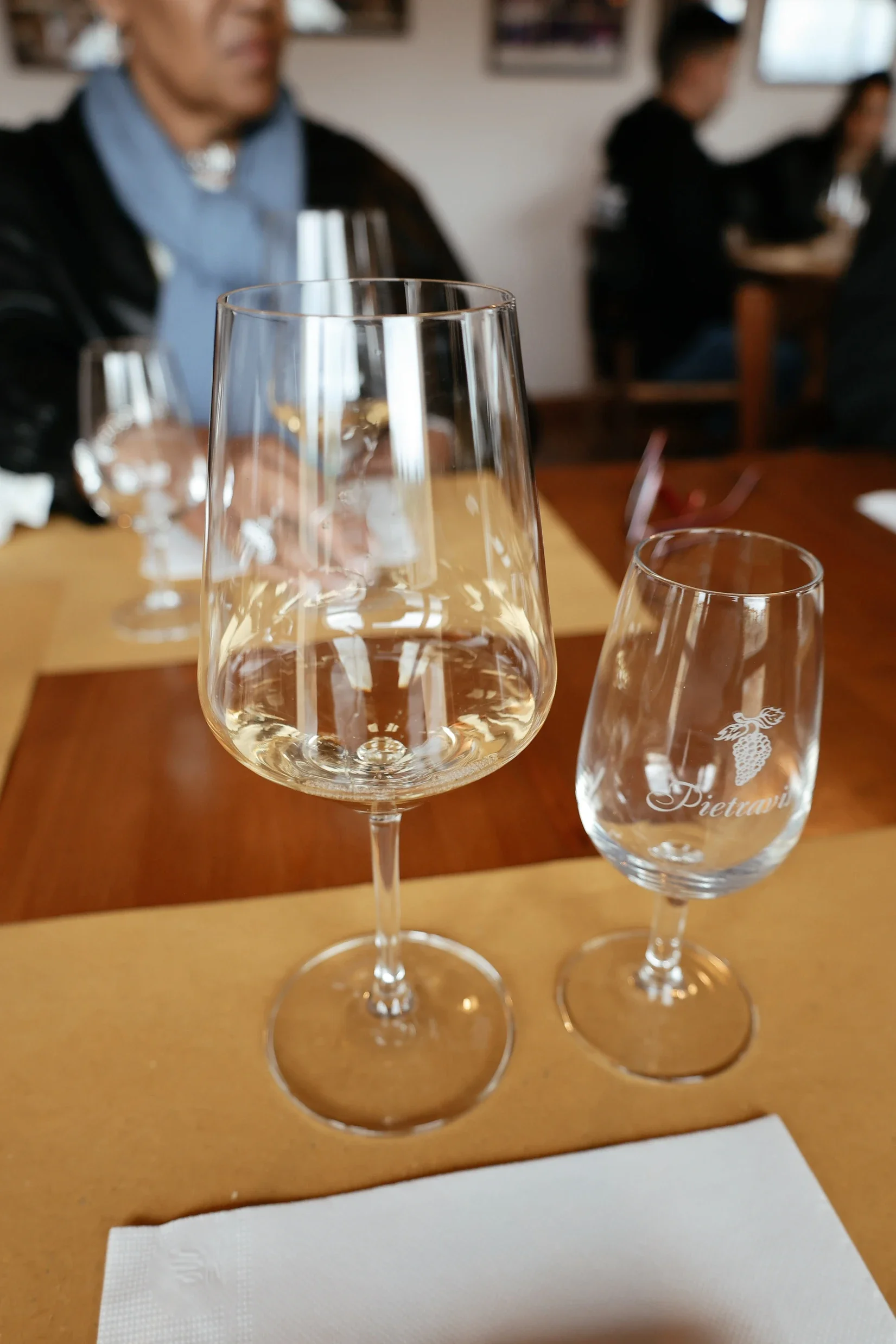
Take it slow. Two to three tastings in a day is the sweet spot. You’ll actually enjoy each place, have time to soak in the setting, and—very importantly—not feel rushed behind the wheel.
Eat well. Some wineries include food, but plan for proper meals too. Stopping at local trattorias between tastings isn’t just practical—it’s part of the joy of Tuscany.
Consider a driver or a tour. If you want to fully relax and enjoy every glass without thinking about logistics, this can be a game changer—especially for hillier areas.
Be curious. Ask questions. Talk to the winemakers. Hear their stories. Wine tastes even better when you understand the land, the history, and the people behind it.
Wine tasting in Tuscany isn’t about checking boxes—it’s about slowing down, savoring the moment, and letting the experience unfold naturally.

Tuscany isn’t just about wine—it’s about slowing down, soaking in the sun, meeting people who genuinely love what they do, and creating memories that linger long after the last glass is empty. Whether you’re laughing your way through a long, lively meal at Tenuta Torciano, savoring beautifully handcrafted wines at Casaloste, enjoying the elegant balance of tradition and modernity at Casa Emma, wandering through ancient stone walls at Castello Monterinaldi, or discovering rare, soulful bottles at I Selvatici, you’re experiencing something much bigger than a tasting.
#italy #tuscany #visittuscany #toscana #chianti #tenutatorciano #castellomonterinaldi #iselvatici #casaloste #visititaly #travel #travelphotography #travelgram #travelguide #travelholic #traveltheworld #traveler #traveltoexplore #travelon #traveldestination #traveldiaries #travelblogger #traveltheworld #traveler #traveladdict #traveldestinations #travellover #womenwhotravel #womenwhoexplore