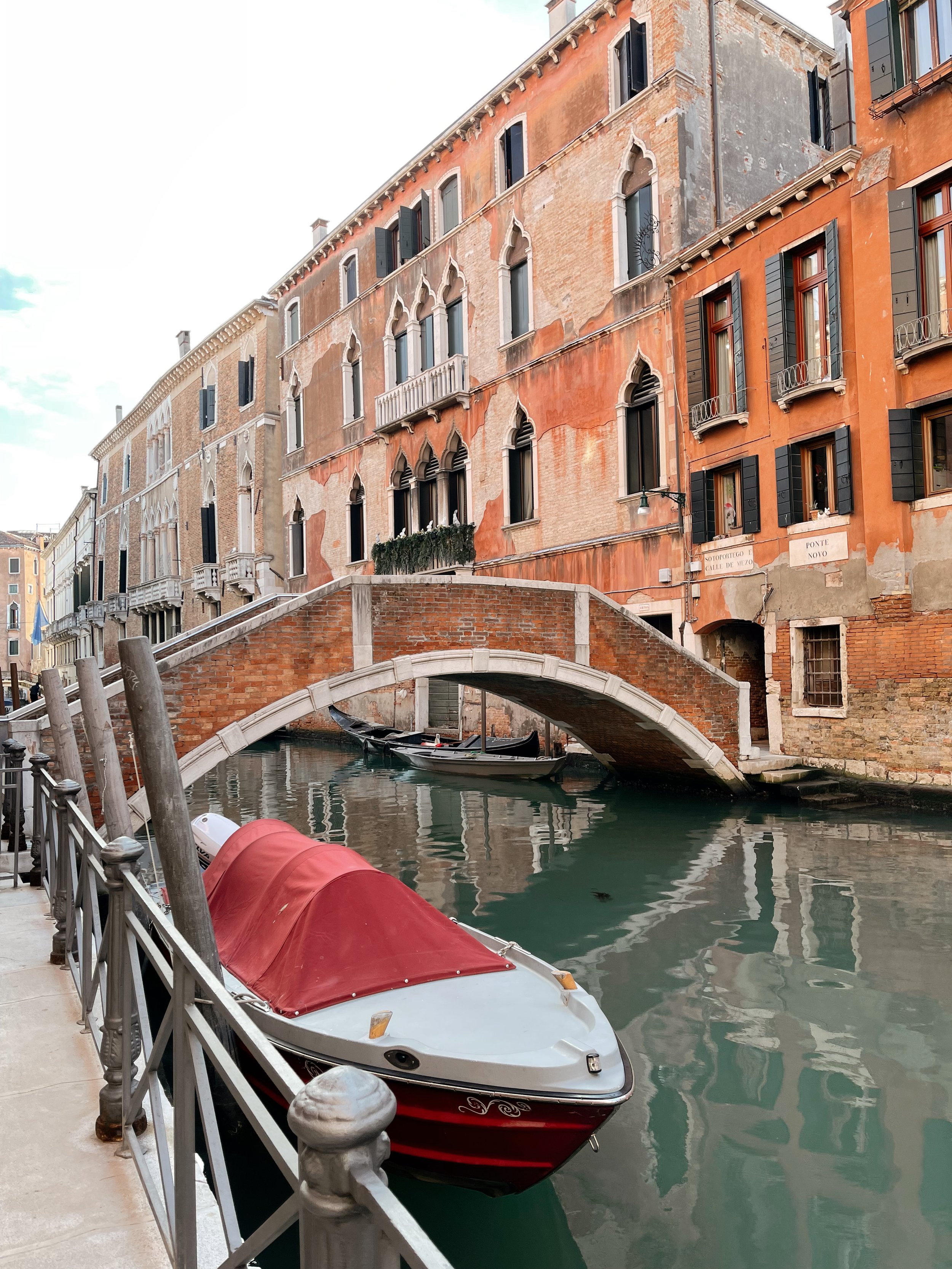
Venice doesn’t feel like a real place when you first arrive — it feels like you’ve stepped into a painting that somehow learned how to breathe. Every turn reveals another canal, another quiet bridge, another moment that makes you slow down without even trying. This city isn’t loud about its beauty. It whispers it.
In this guide, I’m sharing Venice the way it felt to me — layered, romantic, occasionally overwhelming, but unforgettable. Whether it’s your first time or a return visit, Venice has a way of showing you something new every time, especially when you let go of the rush and just wander.
Getting to Venice, Italy
By Plane
Venice Marco Polo Airport (VCE) is the closest airport and sits on the mainland, and from here, getting into the historic center already feels like part of the adventure. You can arrive by water taxi, which is the most scenic—and most expensive—option, perfect if you want a dramatic entrance gliding across the lagoon straight to your hotel. A more budget-friendly choice is the Alilaguna water bus, which connects the airport to multiple stops throughout Venice and, while slower, still feels wonderfully atmospheric. If you prefer something simple and efficient, the ATVO Express Bus takes you directly to Piazzale Roma, where Venice truly begins.
By Train
This is the route I took, and honestly, it’s hard to beat. Venice’s main station, Venezia Santa Lucia, sits directly on the Grand Canal, and stepping off the train here is unforgettable. One moment you’re on the platform, and the next you’re staring out at boats, water, and classic Venetian views—it feels like an instant transition into another world. High-speed trains connect Venice easily to Rome, Florence, Milan, and beyond, making it one of the simplest and most memorable cities to reach by rail.
By Car
Cars aren’t allowed in Venice’s historic center, which honestly is part of what makes the city so special. If you’re driving, you’ll park at Piazzale Roma or Tronchetto and continue on foot or by vaporetto. Once you arrive, you won’t miss having a car at all—Venice is meant to be walked. Everything feels slower and more intentional when you’re moving through the city on foot.
By Bus
Long-distance buses arrive at Piazzale Roma and are a cost-effective option, especially if you’re coming from nearby European cities. It’s a simple, affordable, and easy way to get into Venice without any extra planning. From there, you’re immediately connected to the rest of the city.
By Cruise Ship
Cruise passengers dock at the Venice Cruise Terminal, and from there it’s easy to reach major sights and neighborhoods. Vaporetto lines connect the terminal to key areas, and walking routes make navigating the city straightforward once you’re inside the historic center.
Getting Around (Important)
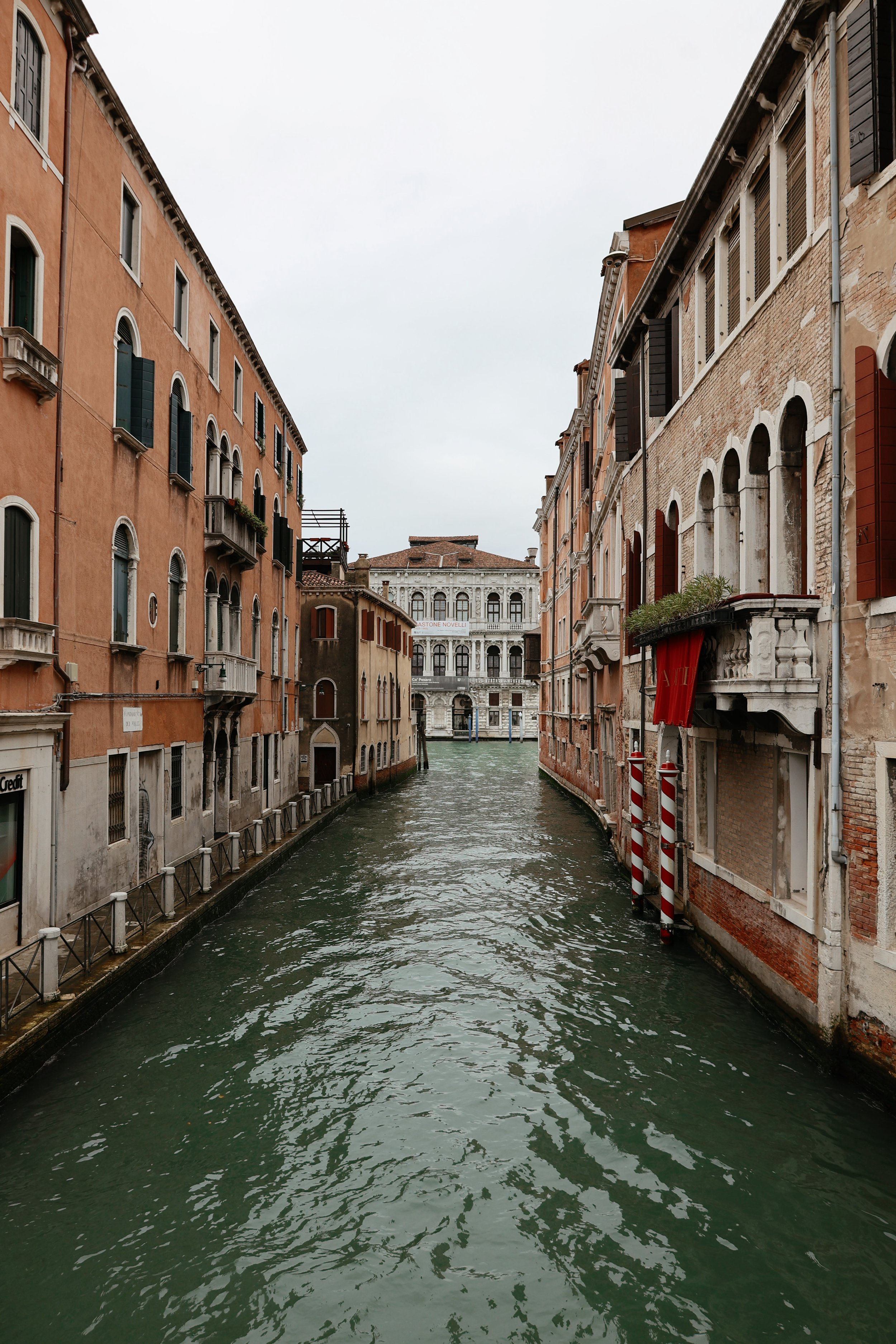
Venice is entirely walkable, and wandering is honestly half the magic. Getting a little lost is part of the experience and often leads to the best moments. Vaporetto water buses are helpful for longer distances, while water taxis offer convenience if you’re willing to splurge. Wear comfortable shoes—the bridges add up quickly, and your step count will surprise you in the best way.
Things to Do in Venice, Italy
St. Mark’s Square (Piazza San Marco)
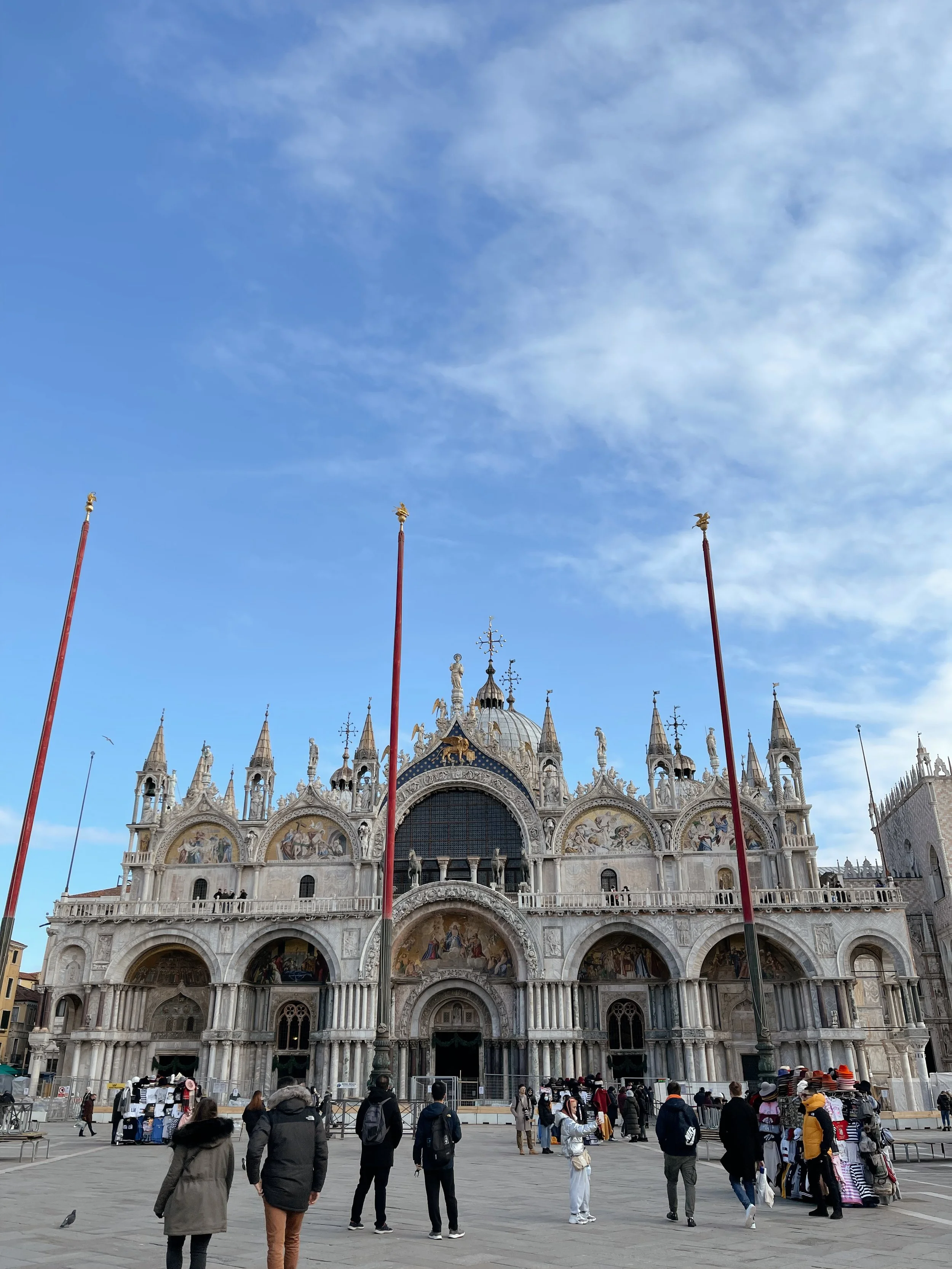
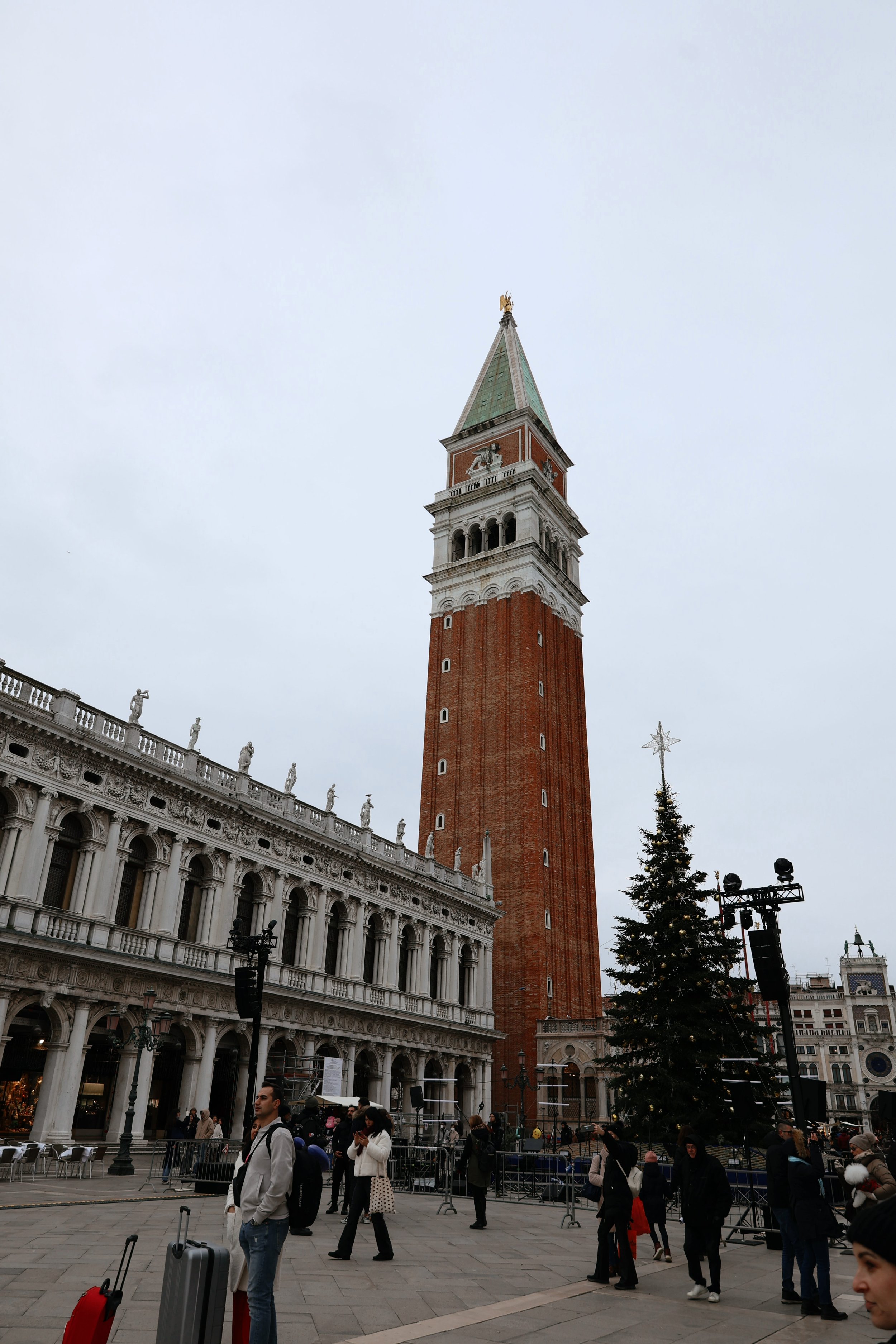
St. Mark’s Square is Venice at its most grand. The first time you step into the square, it’s almost overwhelming—the scale, the architecture, the constant movement and sound all happening at once. St. Mark’s Basilica feels like a jewel box, especially when the light catches the shimmering mosaics, and climbing the St. Mark’s Campanile rewards you with sweeping views over rooftops, winding canals, and the lagoon stretching out beyond the city. It’s one of those places where you just pause and take it all in.
Personal tip: Go early in the morning or later in the evening. Midday crowds can be intense, but during quieter hours the square feels calmer, almost timeless—and it’s much easier to appreciate its beauty without the rush.
Doge’s Palace (Palazzo Ducale)
Walking through Doge’s Palace feels like stepping straight into the political and artistic heart of Venice’s past. The rooms are lavish, the ceilings are impossibly detailed, and every space carries a sense of power and history that feels heavy—in the best way. Crossing the Bridge of Sighs from the inside adds a surprising emotional layer, especially when you imagine it as the prisoners’ last glimpse of Venice before imprisonment. It’s one of those places where slowing down really matters; the more time you give it, the more it gives back.
Tip: Book tickets in advance, especially during peak season—it’s absolutely worth planning ahead for this one.
Rialto Bridge
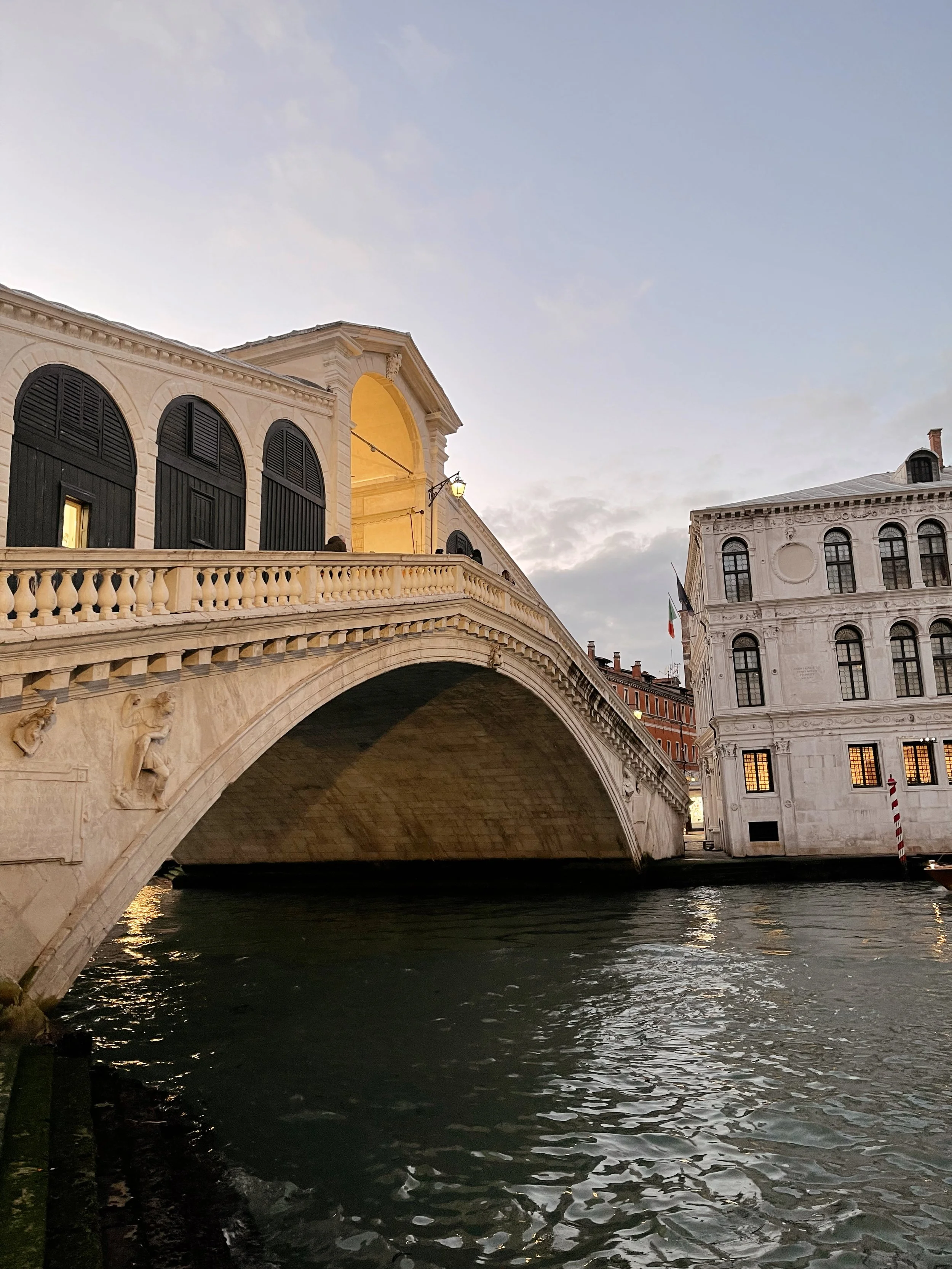
The Rialto Bridge is one of those landmarks that feels iconic without trying. As the oldest bridge crossing the Grand Canal, standing here gives you a real sense of Venice’s daily rhythm—gondolas drifting below, water taxis gliding past, and palazzos lining the canal like quiet witnesses. Yes, it gets busy during the day, but there’s something grounding about being here. This bridge has watched centuries of everyday life pass beneath it, and somehow, that history is still palpable. It’s a place where you naturally pause, lean on the railing, and just watch Venice move.
Personal tip: Come early in the morning or around sunset. The golden-hour light turns the canal into liquid gold, and the bridge feels softer, calmer, and surprisingly intimate.
Bridge of Sighs
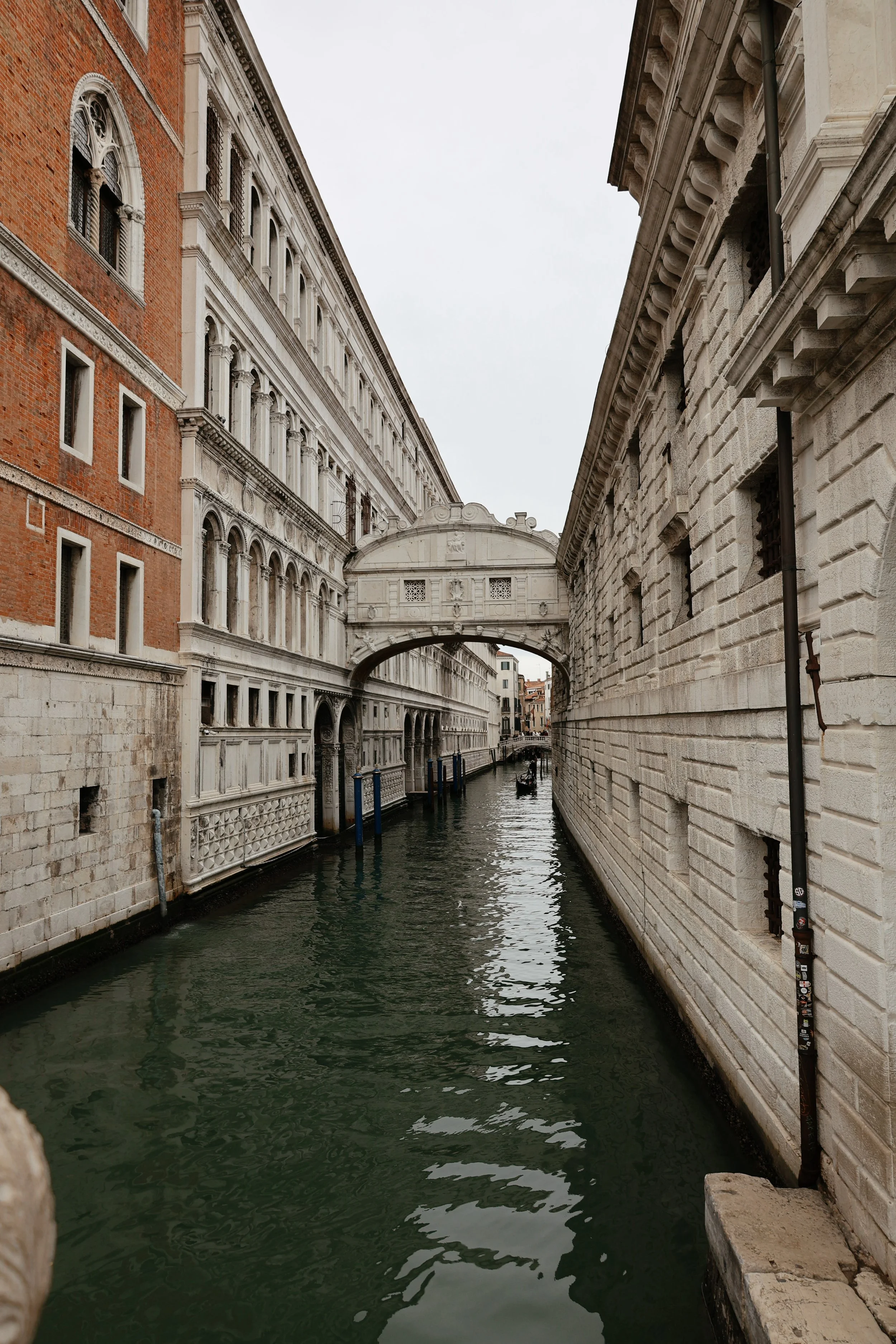
Seeing the Bridge of Sighs from the outside is one of those quiet moments that really stays with you. The white limestone, delicate arches, and enclosed passageway feel striking against the surrounding water and stone. Knowing the legend behind its name adds an emotional weight that makes you naturally slow down. It’s not loud or dramatic—but it’s powerful in a subtle way. Pause here for a moment and let it sink in; it’s absolutely worth it.
Accademia Bridge & the Grand Canal
The Accademia Bridge offers one of my favorite views in all of Venice. From here, the Grand Canal feels alive but never chaotic—boats moving slowly, light shifting on the water, reflections constantly changing. It’s the kind of place where you stop without an agenda and end up staying longer than planned. I loved just leaning on the railing and watching the city exist. Simple, calm, and very Venice.
Explore Venice’s Neighborhoods
Venice really opens up once you step away from the busiest routes. Cannaregio feels local and lived-in, with neighborhood energy and the historic Jewish Ghetto adding depth and context to everyday life. Dorsoduro is artsy and relaxed, perfect for scenic walks, museum stops, and quieter moments along the water. Castello feels residential and authentic, ideal for wandering without crowds and letting the city unfold naturally around you. These neighborhoods are where Venice stops feeling like a checklist and starts feeling like a place people actually live.
Peggy Guggenheim Collection
The Peggy Guggenheim Collection feels intimate and thoughtfully curated. Seeing modern art inside a former home—right on the Grand Canal—creates a contrast that somehow works perfectly in Venice. Even if you’re not a huge art person, the setting alone makes this stop worthwhile. I found it calm, inspiring, and very human in scale.
Tip: Pair this visit with a walk through Dorsoduro afterward—it’s one of my favorite combinations in the city.
Day Trips to the Islands
Taking time to explore Venice’s surrounding islands adds a completely different layer to the experience. Murano is famous for its glassmaking tradition, and visiting a workshop to watch artisans at work gives you a real appreciation for the craft. Burano feels joyful and vibrant, with its brightly colored houses and long-standing lace traditions—it’s incredibly photogenic and fun to wander. Torcello is the opposite: quiet, historic, and peaceful, perfect if you’re craving a slower pace and a break from the crowds. Together, they make for easy and rewarding day trips that show different sides of the lagoon.
Get Lost in Venice
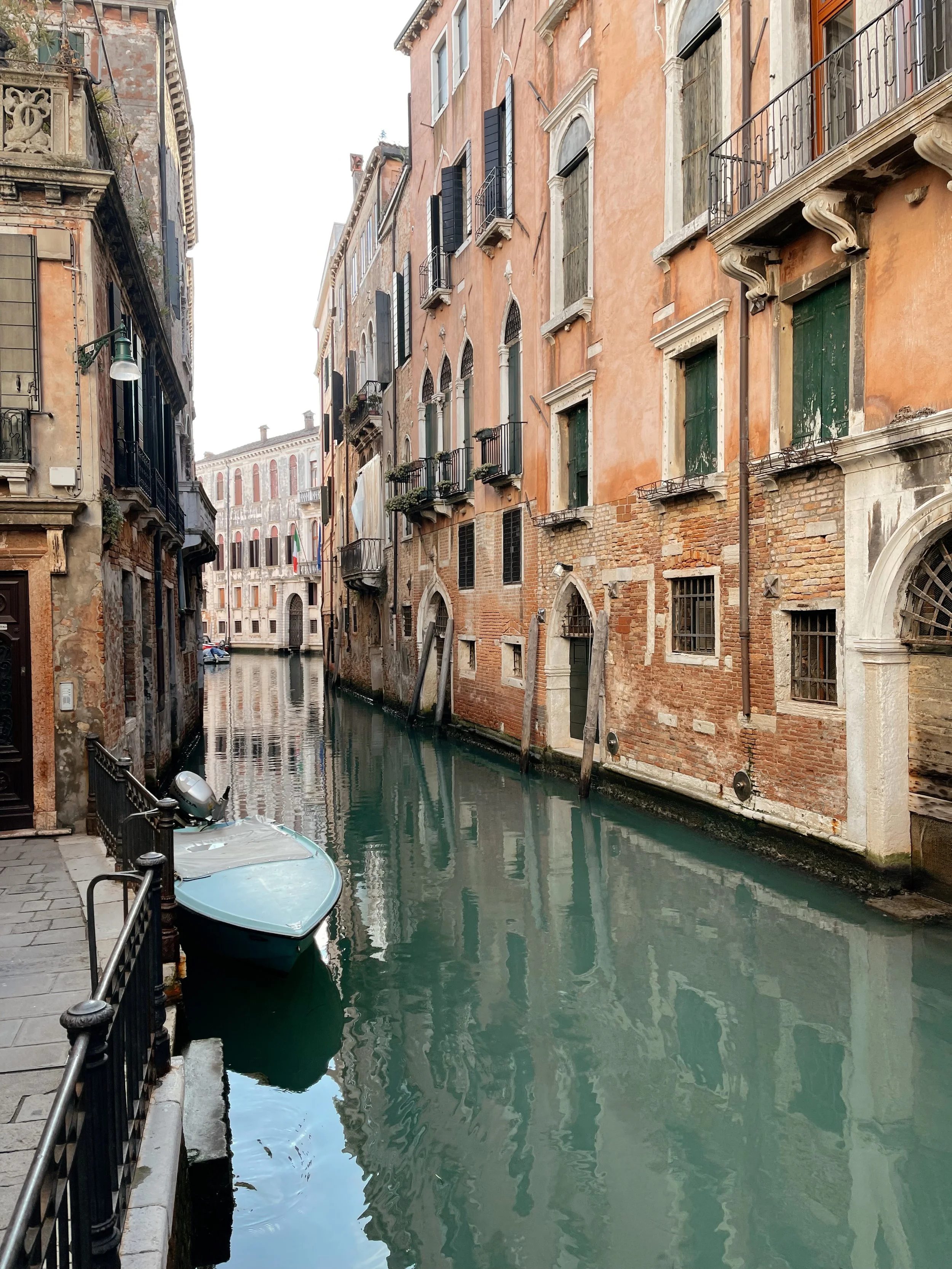
Some of my favorite memories of Venice came from wandering with no plan at all. No destination—just bridges, narrow alleys, quiet squares, and small moments that felt like they were meant just for me. Venice rewards curiosity more than structure; the less you try to control the day, the more the city gives back. It’s in those unplanned turns and pauses that Venice feels most magical.
Where to Eat in Venice, Italy
Osteria Alle Testiere
This tiny, reservation-only osteria is one of the most special dining experiences I had in Venice. The menu changes daily based on what’s freshest, and seafood is truly the star. Everything feels thoughtful and personal—from the pacing of the meal to the way each dish is explained when it arrives. It’s quiet, intimate, and the kind of place where you naturally lower your voice and savor every bite. Perfect for a memorable evening where the food really speaks for itself.
Antiche Carampane
Antiche Carampane is classic, unapologetic, and deeply Venetian. This is the kind of restaurant locals return to again and again, and you can feel that authenticity the moment you sit down. The seafood is honest and full of flavor, without unnecessary embellishments—think spaghetti with clams and perfectly fried seafood. The setting is cozy and traditional, completely untouched by trends. It feels rooted in the city in the best way.
Trattoria Da Fiore
Da Fiore strikes a beautiful balance between refined and welcoming. This long-standing, family-run restaurant focuses on traditional Venetian dishes prepared with real care and elevated technique. Nothing feels reinvented for the sake of it—tradition is respected here. It’s the kind of meal that lingers in your memory long after you’ve left Venice. Quietly impressive and deeply satisfying.
Al Covo
Al Covo offers a more polished dining experience while still feeling warm and authentic. The menu leans Venetian and Mediterranean, using seasonal ingredients and thoughtful pairings that never lose sight of their roots. It feels elegant without being intimidating, which makes it easy to relax and enjoy the experience. A great choice if you want something special that still feels grounded and genuine.
Da Noi Osteria-Pizzeria
Da Noi feels relaxed, friendly, and genuinely comforting—like dining in someone’s home. Known for both wood-fired pizza and classic Italian dishes, it’s the kind of place where meals stretch longer than planned and conversations linger. The portions are generous, the service is warm, and the complimentary limoncello at the end is a perfect touch. It’s heartfelt, welcoming, and one of those places that makes you feel instantly at ease.
Osteria Bancogiro
Osteria Bancogiro is perfect for small bites, wine, and soaking in Venice’s everyday rhythm. It’s lively and social, with just the right amount of buzz, making it an ideal stop for cicchetti and a glass of wine. I loved how easy it was to settle in here—watching boats pass, conversations unfold, and the city move at its own pace. It’s casual, inviting, and great for an unplanned stop that somehow turns into a longer pause. One of those places that feels effortlessly Venetian.
Ristorante Quadri
Dining at Ristorante Quadri is truly an experience. Sitting in St. Mark’s Square already makes it feel special, but the Michelin-starred food and impeccable service take it to another level. The menu elevates Venetian cuisine in a way that feels refined without losing its sense of place. It’s definitely a splurge, but one that feels completely justified. Perfect for a special occasion—or a final night in Venice when you want to end the trip on a high, unforgettable note.
Ristorante Da Rimo
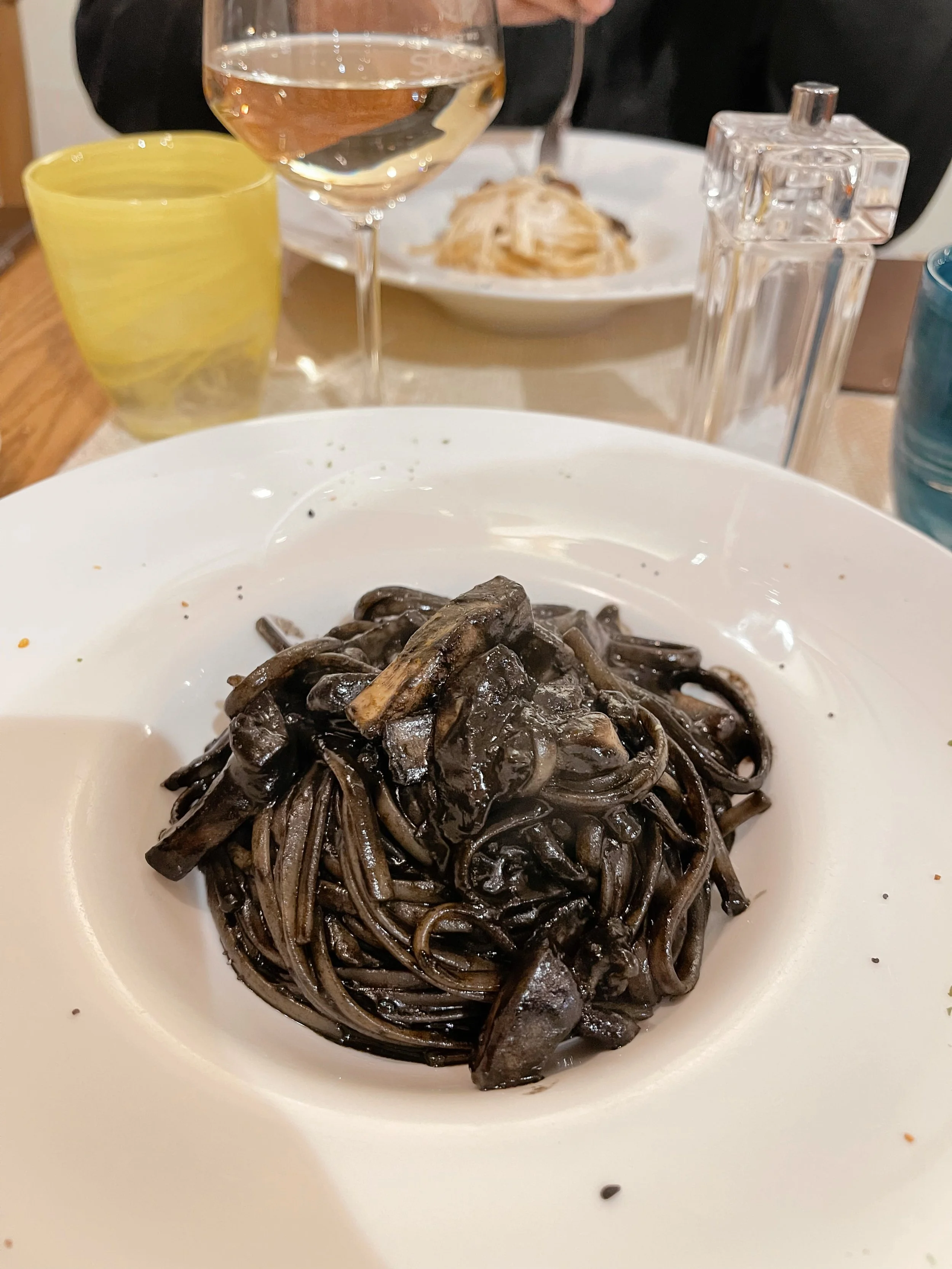
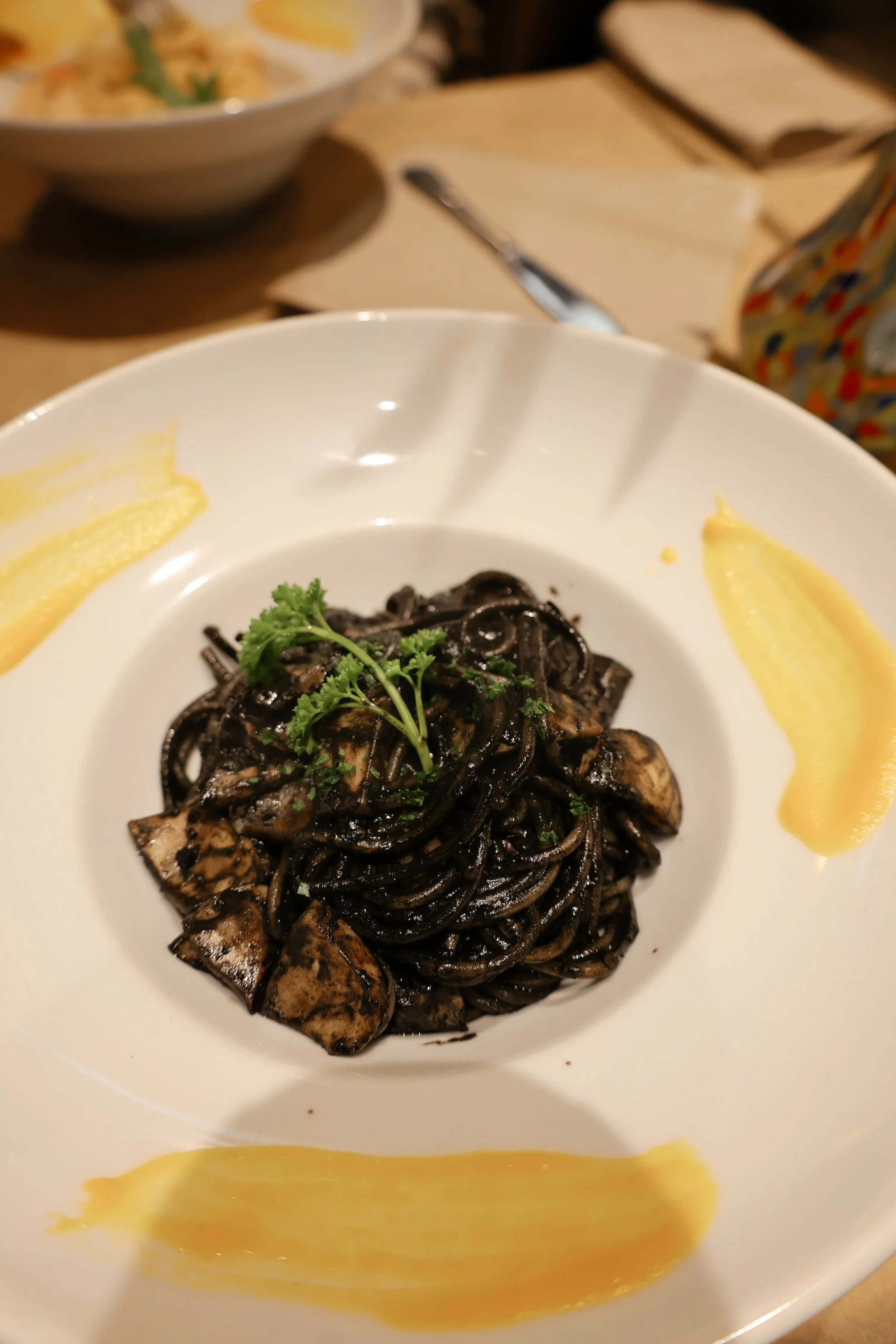
Ristorante Da Rimo feels like one of those places you’re genuinely happy you found. It’s warm, welcoming, and unapologetically traditional — the kind of restaurant where the food doesn’t need to be reinvented because it’s already done right. I started with the bruschetta, simple and perfectly balanced, the kind that reminds you how good fresh ingredients can be when they’re left alone. For my main, I ordered the tagliatelle al nero di seppia, and it was unforgettable. The pasta was rich, silky, and deeply flavored, with that unmistakable briny depth that only properly prepared squid ink can give. It felt comforting and indulgent without being heavy — exactly the kind of dish you want to eat slowly and savor. Da Rimo is the type of place where you feel taken care of, where the meal unfolds naturally, and where you leave already planning what you’d order next time.
Cafés & Bakeries in Venice, Italy
Caffè Florian
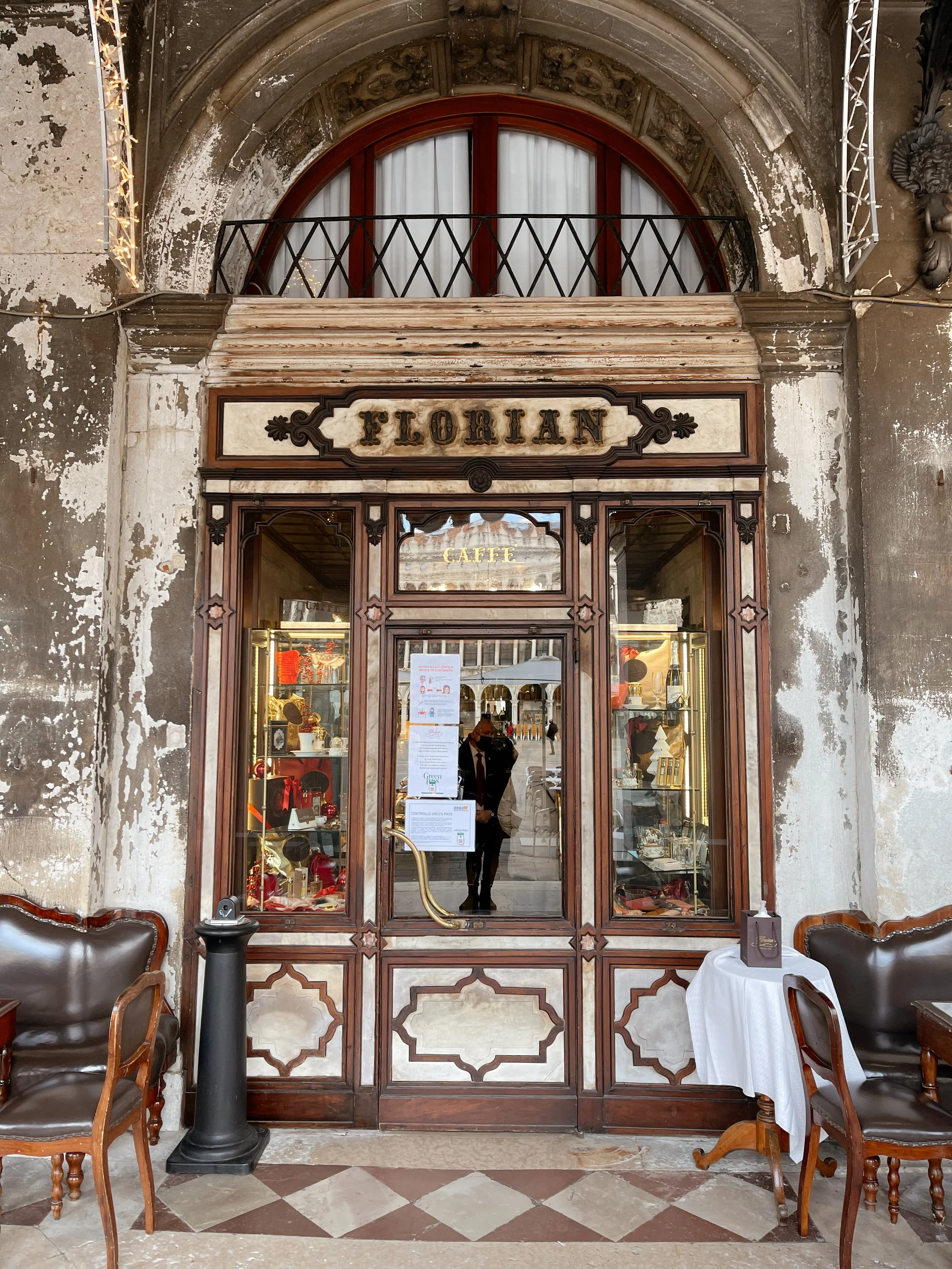
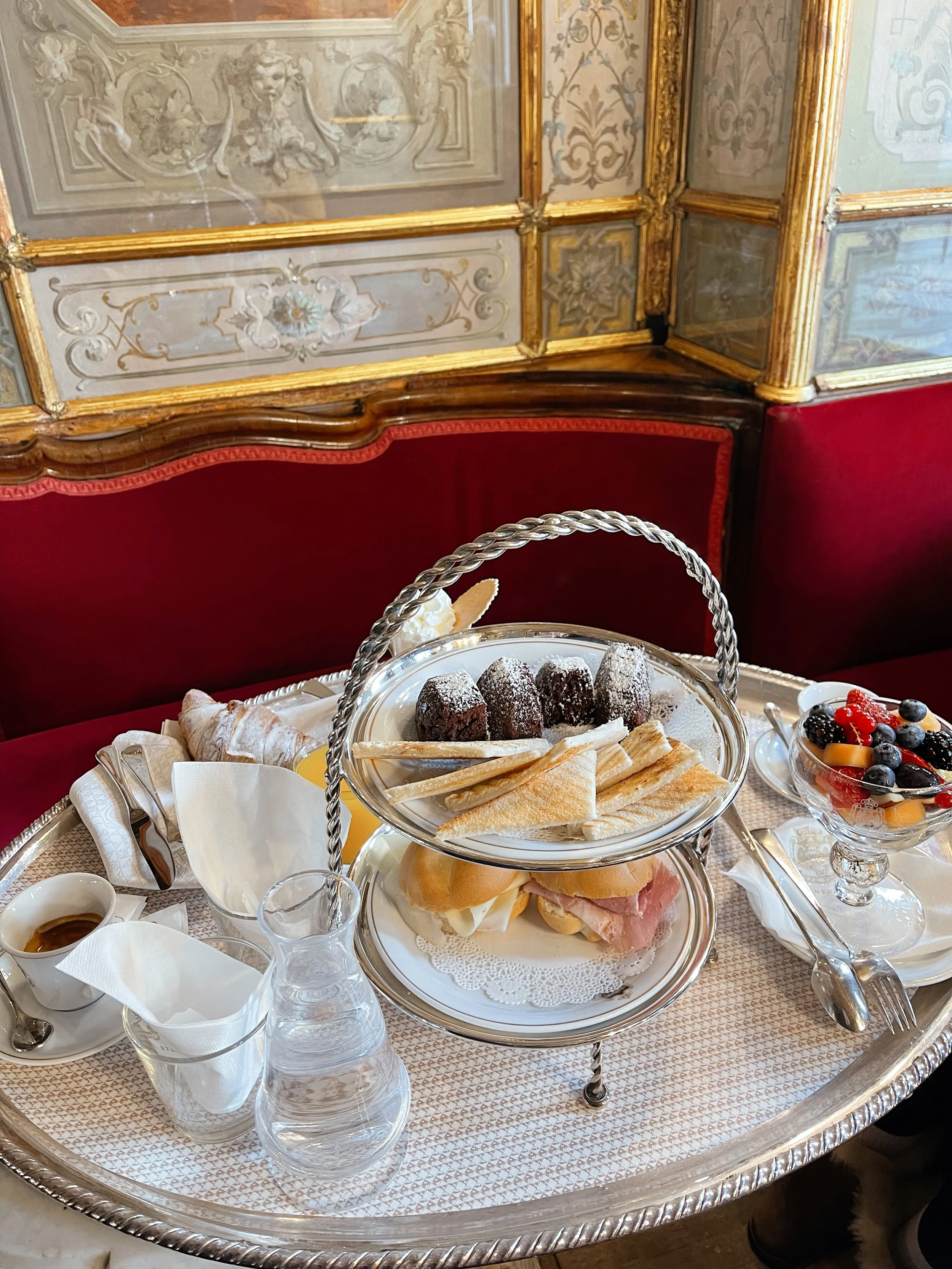
One of the oldest cafés in the world, Caffè Florian feels historic, elegant, and undeniably iconic the moment you sit down. I ordered Casanova’s Breakfast, which included a cappuccino, fresh orange juice, a seasonal fruit salad, a croissant, toasted white bread with butter and jam or honey, dark chocolate cake, and small ham-and-cheese sandwiches—it was indulgent in the most old-world way. Sitting in St. Mark’s Square, sipping coffee while the square slowly comes to life, genuinely felt like stepping back in time. Yes, prices are higher, but you’re paying for the setting, the history, and the experience. It’s absolutely worth doing at least once, especially for a slow, memorable morning in Venice.
Torrefazione Cannaregio
Torrefazione Cannaregio feels local, relaxed, and completely unpretentious. They roast their own beans and serve excellent coffee without any fuss or theatrics. It’s the kind of place you stumble into while wandering and immediately think, I’m coming back here tomorrow. Easy, authentic, and very much part of the neighborhood rhythm.
Pasticceria Tonolo
Tonolo is a favorite for a reason. It’s ideal for starting your day with espresso and pastries, with display cases packed full of fresh baked goods. The atmosphere is lively but still feels genuinely local, not touristy. Everything is well-made and dependable—this is a place that quietly does things right.
Torrefazione Marchi
Family-owned and cozy, Torrefazione Marchi feels warm the moment you walk in. The coffee is beautifully roasted, and the setting invites you to slow down, even if you only planned to stop for a quick espresso. It feels familiar and welcoming, like a place locals return to out of habit. Simple, comforting, and very Venetian.
Pasticceria Rosa Salva
Rosa Salva is a true Venetian institution. It’s perfect when you want something sweet alongside a coffee—biscuits, traditional pastries, and classic treats that feel comforting and familiar. With multiple locations throughout the city, it’s easy to pop in whenever the craving hits. Reliable, nostalgic, and deeply rooted in Venetian café culture.
Caffè Ai Frari
Caffè Ai Frari feels laid-back and neighborhood-oriented, tucked near the Frari area away from heavy crowds. It’s a great place to rest your feet, sit for a moment, and enjoy a coffee without rushing. The vibe is casual and friendly, and it feels like a genuine part of everyday Venetian life. A perfect low-key pause in your day.
Gelatoteca Suso
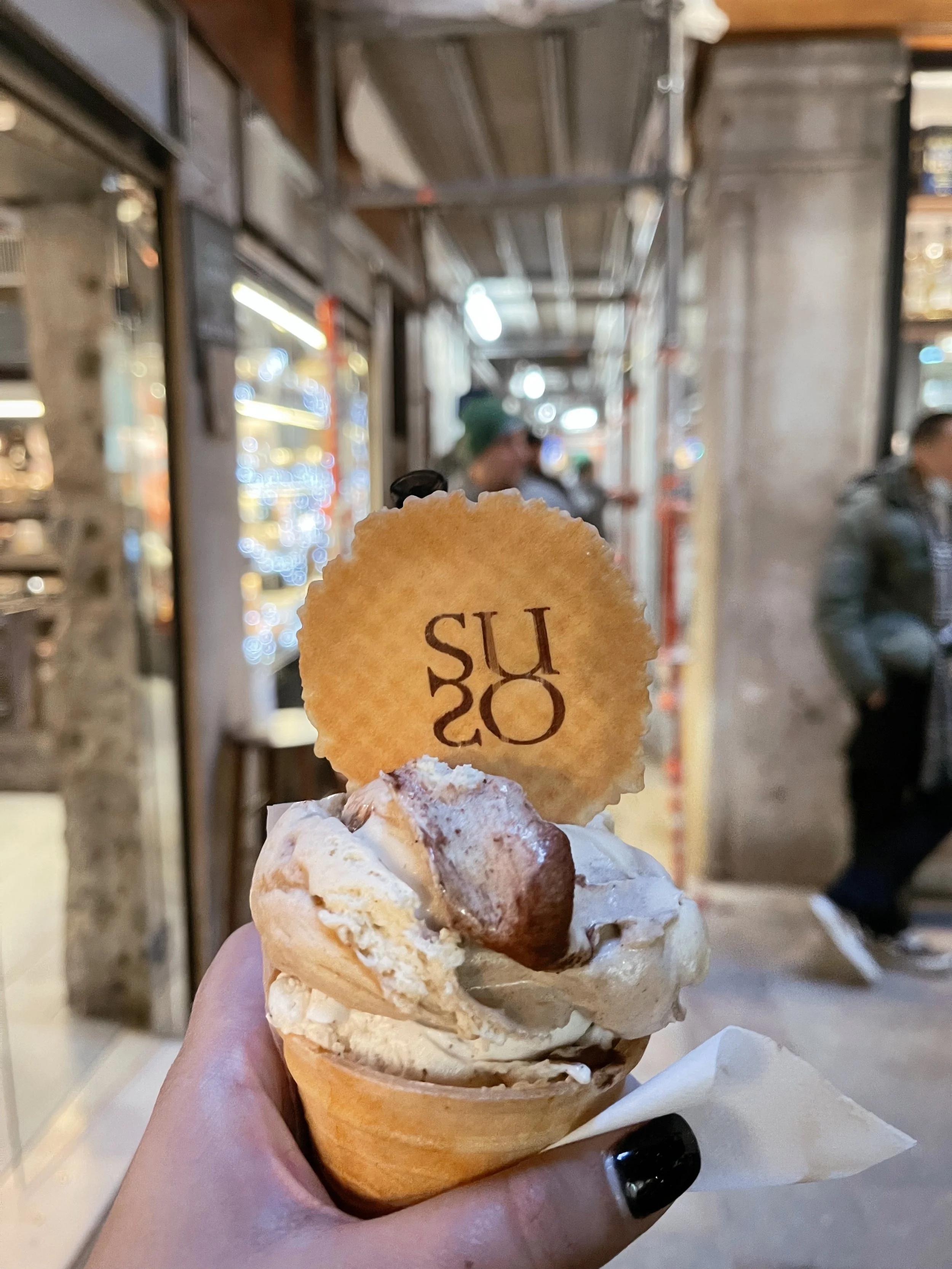
Suso is a must-stop for gelato lovers. Made with high-quality ingredients, the flavors are rich and satisfying without being overly sweet or heavy. Pairing a scoop of gelato with an espresso here feels indulgent in the simplest way. It’s joyful, uncomplicated, and exactly what a Venice afternoon calls for.
Where to Stay in Venice, Italy
Where you stay in Venice can completely shape your experience. Neighborhood feel matters here more than proximity to landmarks, and that became very clear during my visit. I stayed in an Airbnb, and it made Venice feel personal and lived-in—quiet mornings, a familiar café down the street, and evening walks without crowds let the city unfold slowly and naturally. If you love feeling like a local, that kind of stay really works in Venice. If you prefer hotels, though, the city offers some truly exceptional options.
The Gritti Palace
Pure Venetian luxury set directly on the Grand Canal. The interiors are opulent without feeling overwhelming, the service is impeccable, and the views are breathtaking. This is one of those iconic stays that feels special from the moment you arrive. Ideal if you want to fully lean into classic Venice.
Hotel Danieli
Hotel Danieli feels dramatic, historic, and cinematic in the best way. Staying here is like stepping into a Venetian legend, with Gothic architecture and lagoon views that feel straight out of a film. It’s bold, memorable, and undeniably atmospheric. Perfect if you want your hotel to feel like part of the story.
Ca’ Sagredo Hotel
Staying at Ca’ Sagredo feels like sleeping inside a museum. Housed in a historic palazzo, the hotel blends art, history, and luxury with stunning frescoes and Grand Canal views. It’s refined, quiet, and deeply Venetian. A beautiful option if you value art and history as much as comfort.
Hotel Ai Reali
Hotel Ai Reali offers a lovely balance of modern comfort and Venetian charm. Located in a quieter area, it feels calm and relaxed while still being close to major sights. The rooms are polished and welcoming, making it easy to unwind at the end of the day. A great choice if you want something elegant without feeling over-the-top.
Best Time to Visit Venice, Italy
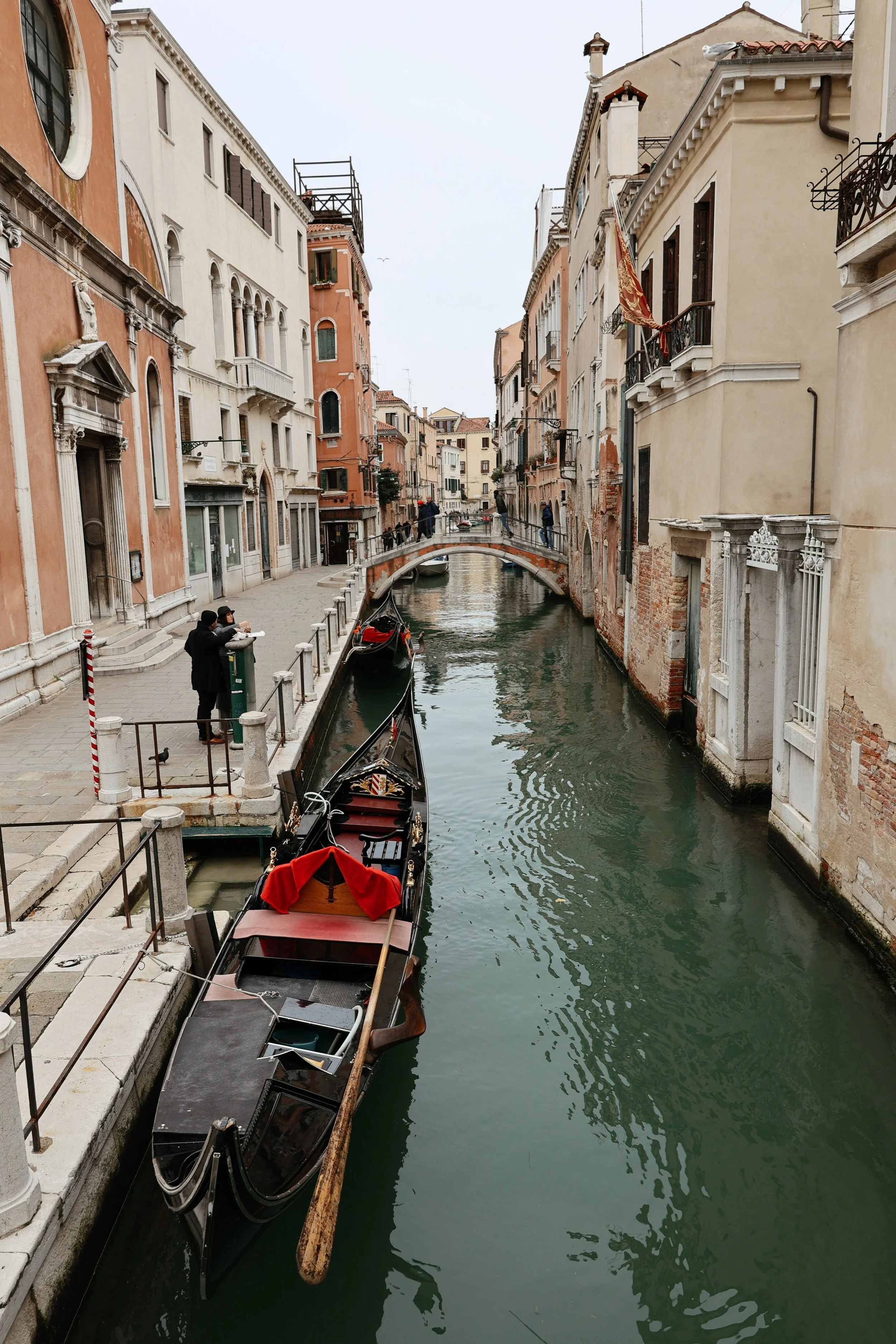
From personal experience, late fall and winter (November through January) are incredibly special. Fewer crowds, quieter streets, and a softer, more reflective Venice. Spring and fall offer pleasant weather but occasional rain. Summer is vibrant but crowded and hot. Venice is unpredictable — and that’s part of its charm. Pack layers, expect changes, and embrace the unexpected.
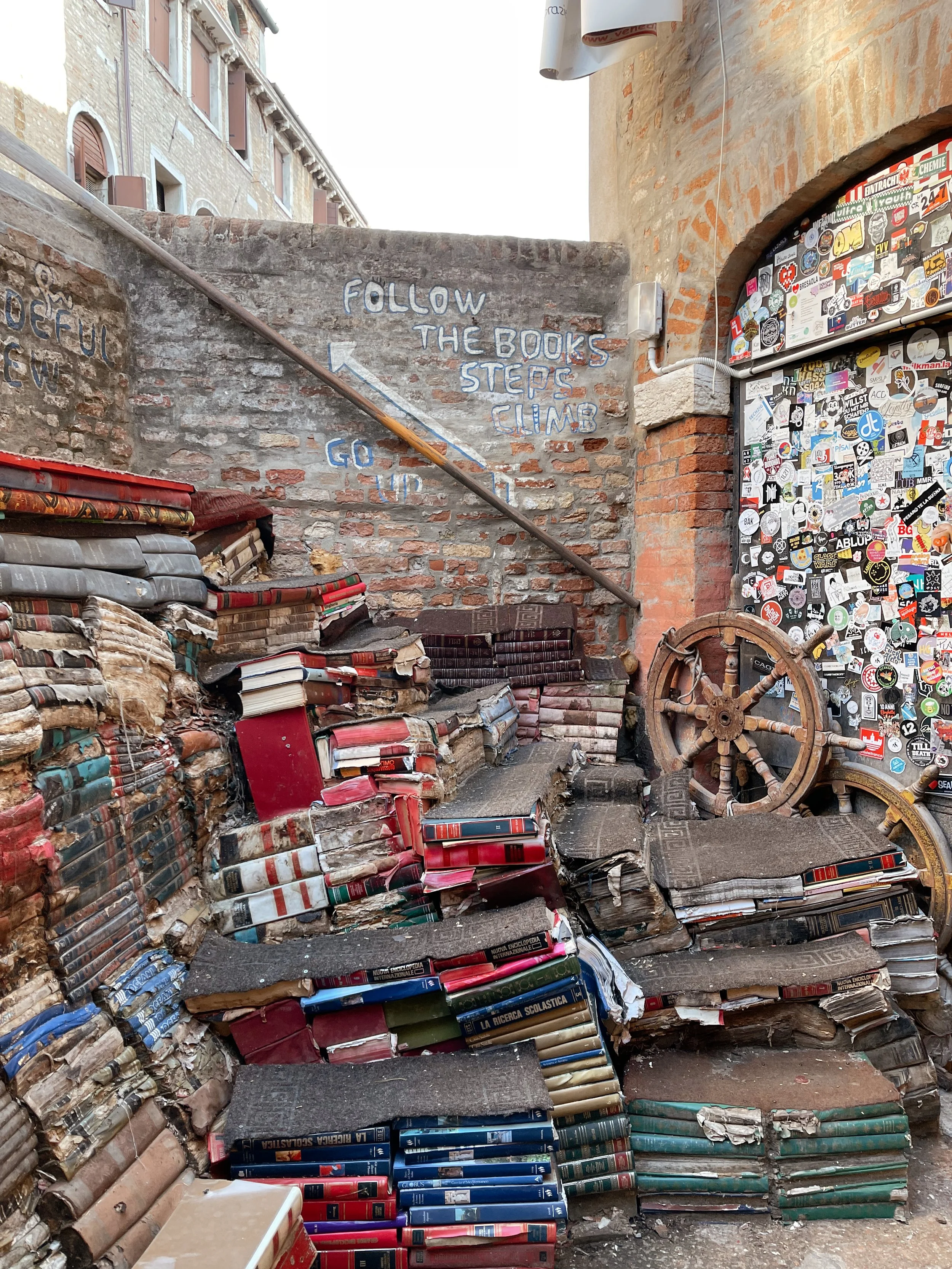
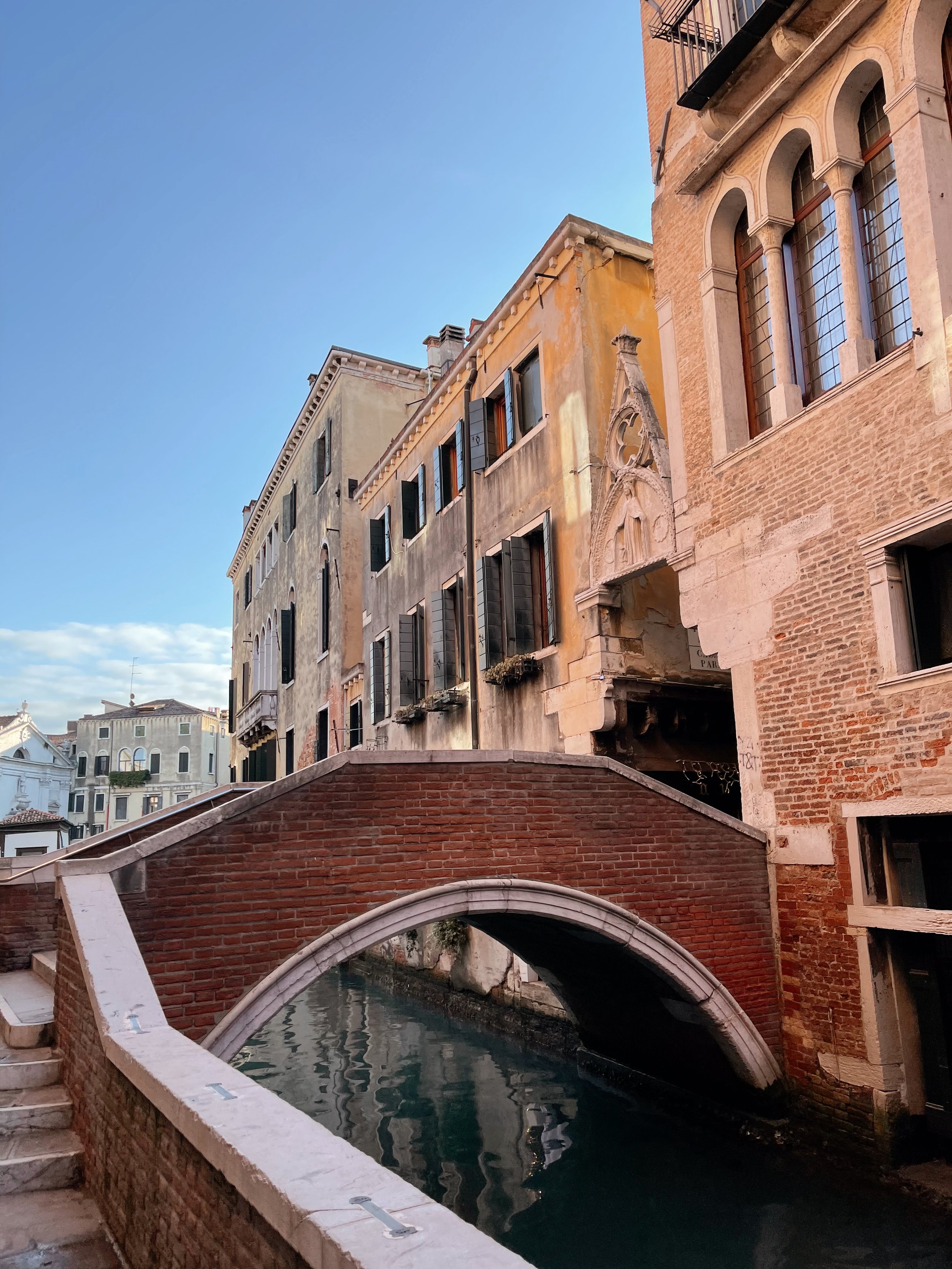
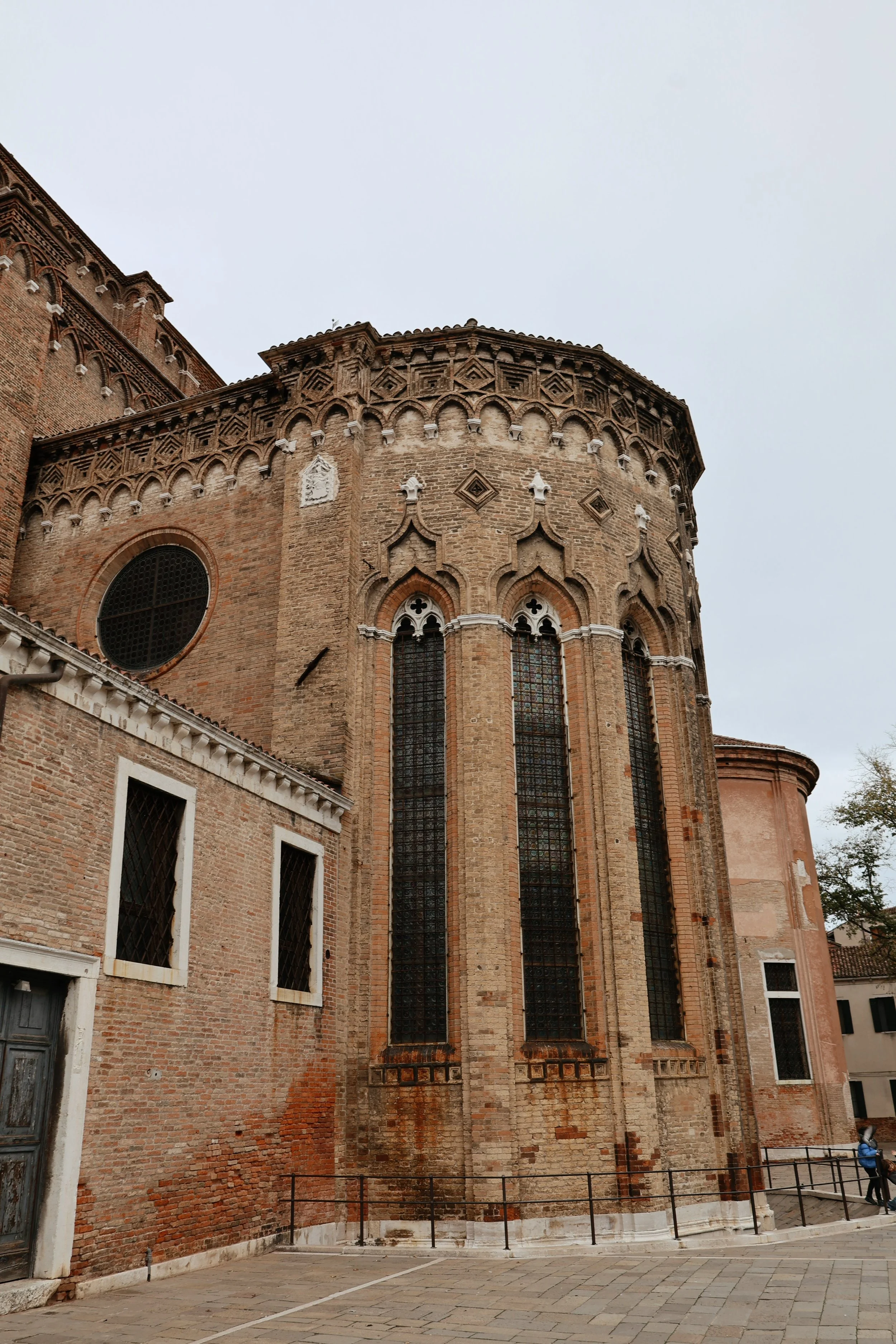
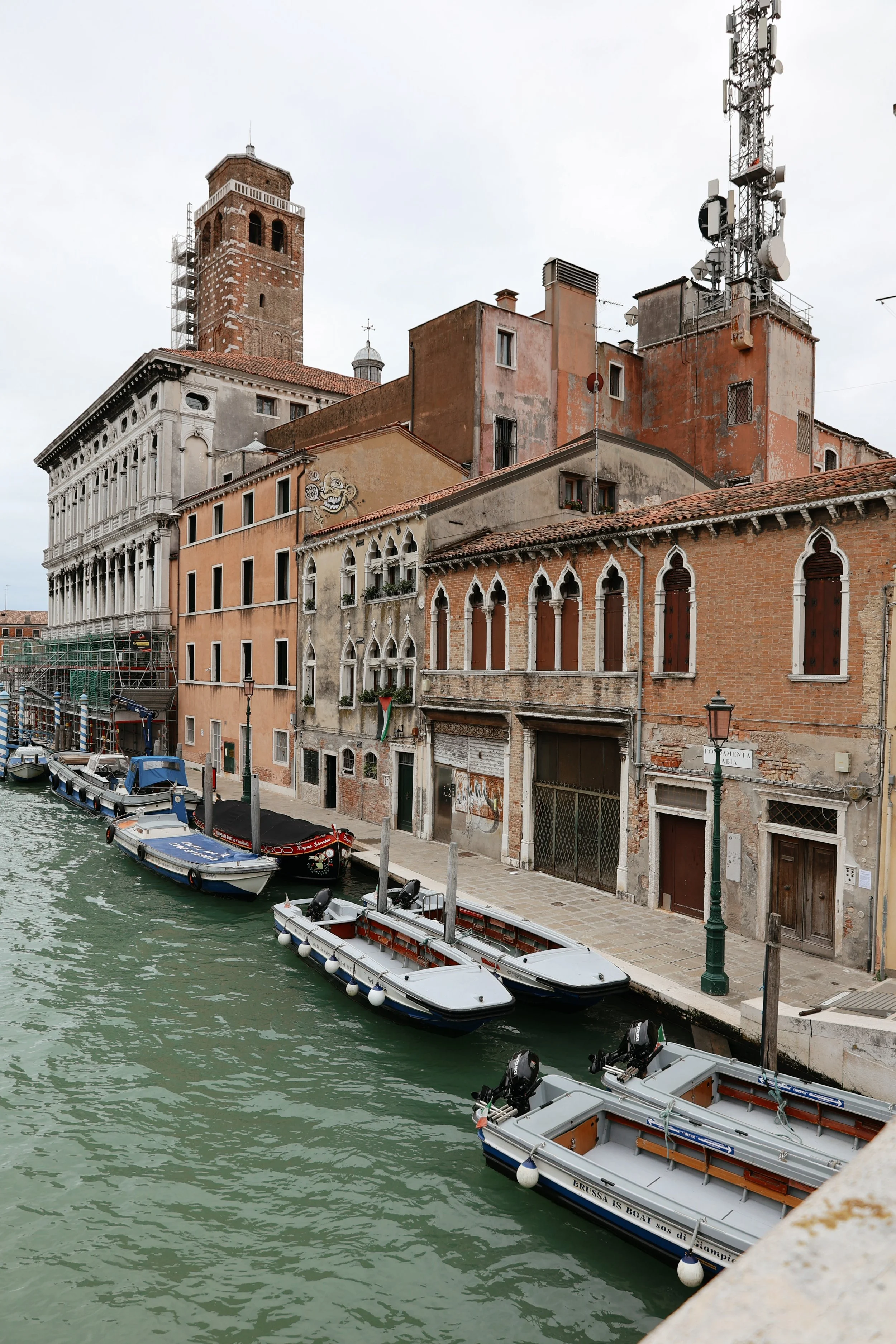
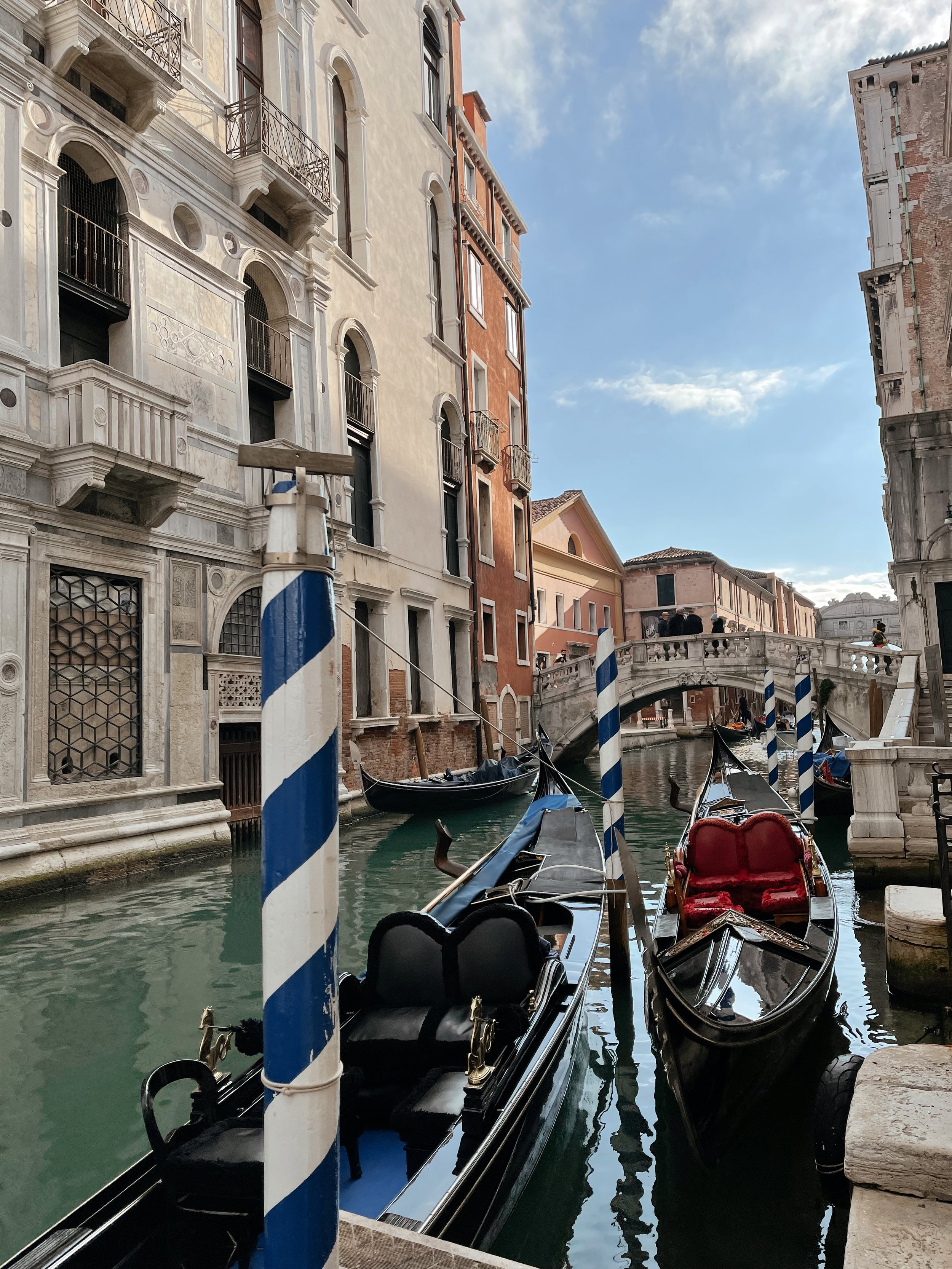
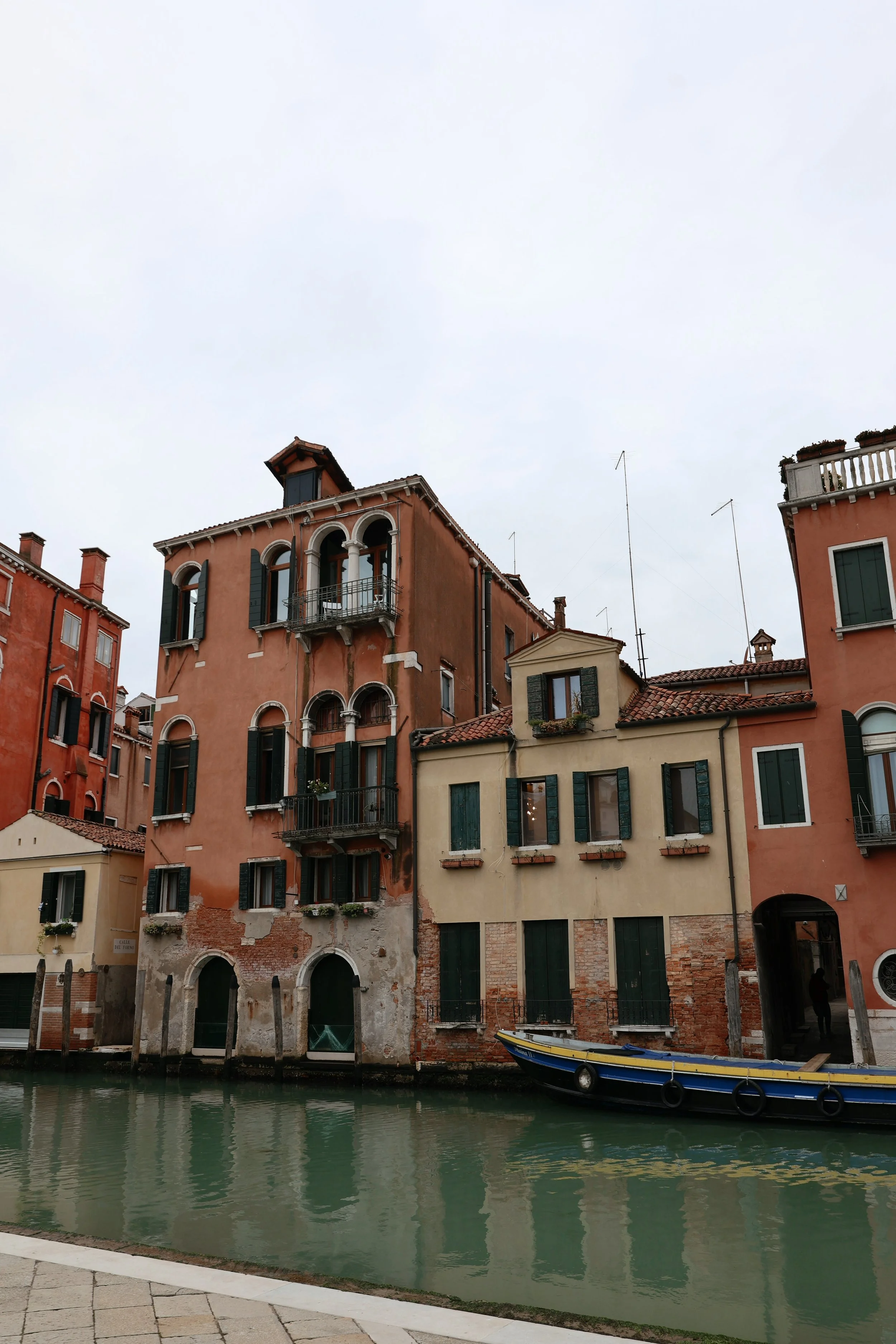
Venice isn’t a place you simply visit — it’s a place you feel. It’s early mornings when the city is quiet and the canals are still, afternoons spent wandering without a plan, and evenings that stretch longer than expected over good food and wine. It’s a city that rewards slowing down, getting lost, and letting go of any rigid itinerary. What stayed with me most wasn’t just the landmarks or the views, but the small moments in between — a coffee at the bar, footsteps echoing down a narrow alley, the way the light hits the water just before sunset. Venice asks you to move differently, to notice more, and to be present in a way that feels rare.
Whether it’s your first visit or your return, Venice has a way of revealing something new each time. Go with curiosity, leave room for spontaneity, and let the city unfold at its own pace. The magic isn’t something you chase here — it’s something you quietly stumble upon.
#venice #veniceitaly #visitvenice #visititaly #travelgram #travelguide #travelholic #traveltheworld #traveler #traveltoexplore #travelon #traveldestination #traveldiaries #travelblogger #traveltheworld #traveladdict #traveldestinations #travellover #womenwhotravel #womenwhoexplore