Traveling as a woman can be one of the most empowering experiences there is—whether you’re chasing sunsets in Spain, navigating winding alleys in Morocco, or getting lost (in the best way) in the markets of Vietnam. Seeing the world on your own terms builds confidence, independence, and perspective like nothing else.
This guide isn’t here to scare you or make travel feel intimidating. It’s here to help you feel prepared, aware, and confident. These tips are grounded in real-life experiences and practical habits that actually make a difference—whether you’re traveling solo, with friends, or somewhere in between. Think of this as a toolkit you can carry with you anywhere, so you can focus less on worry and more on fully enjoying the journey.

Keep Your Personal Belongings Light—and Locked
Let’s start with the basics: your bag. When traveling, a small crossbody with a zipper or secure closure is your best friend. It stays close to your body, is easier to keep an eye on, and makes it much harder for pickpockets to sneak in unnoticed. Always zip it fully—yes, even in places that feel safe. A friend of mine once avoided losing her wallet in a packed nightclub in Spain simply because her purse had a clasp. That tiny extra step slowed the pickpocket down just long enough for someone nearby to notice. Little details like that really do matter.
When it comes to essentials like your passport, ID, and credit cards, take extra precautions. Losing them won’t just be inconvenient—it can completely derail a trip. Keep both digital and physical copies, store them separately from the originals, and consider using RFID-blocking wallets or sleeves. It might feel like overkill in the moment, but you’ll be grateful for it if anything ever goes sideways.
Lock It Up or Risk Losing It
Hostels can be fun, social, and budget-friendly—but they’re still shared spaces with people you don’t know. Always bring your own lock for lockers or shared drawers. Don’t rely on the honor system when you have no idea who’s sleeping in the bunk next to you. As someone who once worked at a hostel, I’ve seen the aftermath of travelers waking up to missing wallets, phones, and laptops. And here’s the hard truth: without security footage or proof, there’s very little staff—or authorities—can actually do. Once it’s gone, it’s usually gone.
A good rule to live by? If it’s valuable or irreplaceable, don’t leave it out. That includes laptops, jewelry, hard drives, and yes—even those “just in case” sentimental items you probably didn’t need to bring on vacation anyway. Keep your tech and ID either with you or properly locked up. It’s not about being paranoid—it’s about being smart.
Plan for the “What Ifs” Before You Board
One of the easiest ways to protect yourself while traveling is to plan for things not going perfectly. Start by never traveling with just one debit or credit card. Bring a backup—ideally connected to a different account—and keep it in a separate place. That way, if one gets lost, stolen, or compromised, you’re not stuck without access to your money.
It’s also worth checking ATM availability at your destination before you arrive. In rural or remote areas, cash machines can be few and far between, and foreign withdrawal fees can add up fast. Know what you’re walking into so you’re not scrambling later. Before you leave, take a few minutes to review your bank’s international transaction policies and fees, and make sure your mobile banking app is downloaded and working. Being able to freeze a card instantly or transfer funds on the go can save you a lot of stress if something unexpected happens.
Drink Smart, Party Safer
Travel often comes with late nights, new friends, and plenty of celebratory toasts—but safety doesn’t take the night off. Know your limits and don’t feel pressured to keep up just because everyone else is drinking. Enjoy the moment, but stay grounded in what feels right for you. No matter how the night unfolds, always know where you’re staying—and write the address down somewhere physical. Phones get lost, batteries die, and apps fail at the worst possible times. Having a backup can make all the difference.
Be mindful with drinks: avoid accepting open ones from strangers, keep an eye on your cup, and step away if anything feels even slightly off. That uneasy feeling? It’s not you being dramatic—it’s your intuition doing its job. Trust it more than social pressure, always.
Stay Street Smart—Even When You’re Online
Always keep someone back home in the loop. Whether it’s your sister, best friend, or a roommate, there should be at least one person who knows your general itinerary—where you’re staying, where you’re headed next, and when you plan to check in. It’s a simple habit that adds a huge layer of security. Stay connected across more than one platform, too. Share details via text, email, or even social media so you still have a way to reach out if your phone gets lost or stolen. Redundancy is your friend when you’re traveling.
If you’re meeting up with people you’ve just met on the road, take a moment to vet the situation. Meet in public places, let someone know your plan, and avoid going off-grid without telling anyone where you’re headed. Independence is empowering—but staying connected is what keeps it safe.
Don’t Skip Travel Insurance
If you’re still on the fence about travel insurance, consider this your sign to get it. In 2025, it’s become pretty much non-negotiable for international travel—and for good reason. A solid policy can cover everything from lost luggage and flight delays to last-minute cancellations, medical emergencies, and even unexpected events like political unrest. That said, not all coverage is created equal, so take the time to read the fine print. Most policies protect you from unforeseeable situations—not carelessness. Leaving valuables unattended, ignoring local advisories, or missing a flight due to poor planning usually won’t be covered.
Think of travel insurance as part of your safety net, not a free pass. When used the right way, it gives you peace of mind—so if something truly unexpected happens, you’re supported and not scrambling.
Stay Healthy (and Hydrated)
Before you go, take a few minutes to check your destination’s vaccination requirements and research any common water-, food-, or airborne illnesses in the area. A little prep upfront can save you a lot of discomfort later. Pack any necessary medications in your carry-on—not your checked bag—along with a small first-aid kit for minor issues. Hydration matters more than you think, especially when you’re walking more, flying frequently, or spending time in warmer climates. When in doubt, bottled water is your safest bet.
Note: Tap water may technically be safe in some countries, but that doesn’t always mean it’s kind to visitors with sensitive stomachs. Listen to your body and trust your gut—literally.
Blend In, Don’t Broadcast Your Tourist Status
Nothing draws attention faster than standing on a street corner with your wallet out and a confused look on your face. When you can, try to blend in. Dress in a way that’s appropriate for the local culture, skip flashy jewelry, and keep expensive gear discreet. In unfamiliar neighborhoods, use a maps app with offline access so you’re not glued to your phone at every turn. Even something as simple as confidently walking a block or two before checking directions can make a big difference.
And if a street deal sounds too good to be true—trust that instinct. Whether it’s a “free” bracelet, an unreal exchange rate, or an overly friendly stranger offering help, those situations usually come with strings attached. When in doubt, keep moving.
Research Before You Go
A little research before your trip can make a huge difference once you arrive. You don’t need to overdo it—just focus on the basics that help you feel informed and prepared. A few things worth looking up before you hop on the plane:
Crime rates in specific neighborhoods
Locations of nearby hospitals and clinics
Transportation safety (rideshare apps vs. local taxis)
Currency exchange rates and the best ways to access cash
Local emergency numbers
Also, don’t choose a place to stay just because it looks beautiful online. Pay attention to reviews—especially patterns. If multiple people mention safety concerns, take that seriously. And if there’s little to no information at all, proceed with caution. When it comes to travel safety, your due diligence is one of your strongest tools.
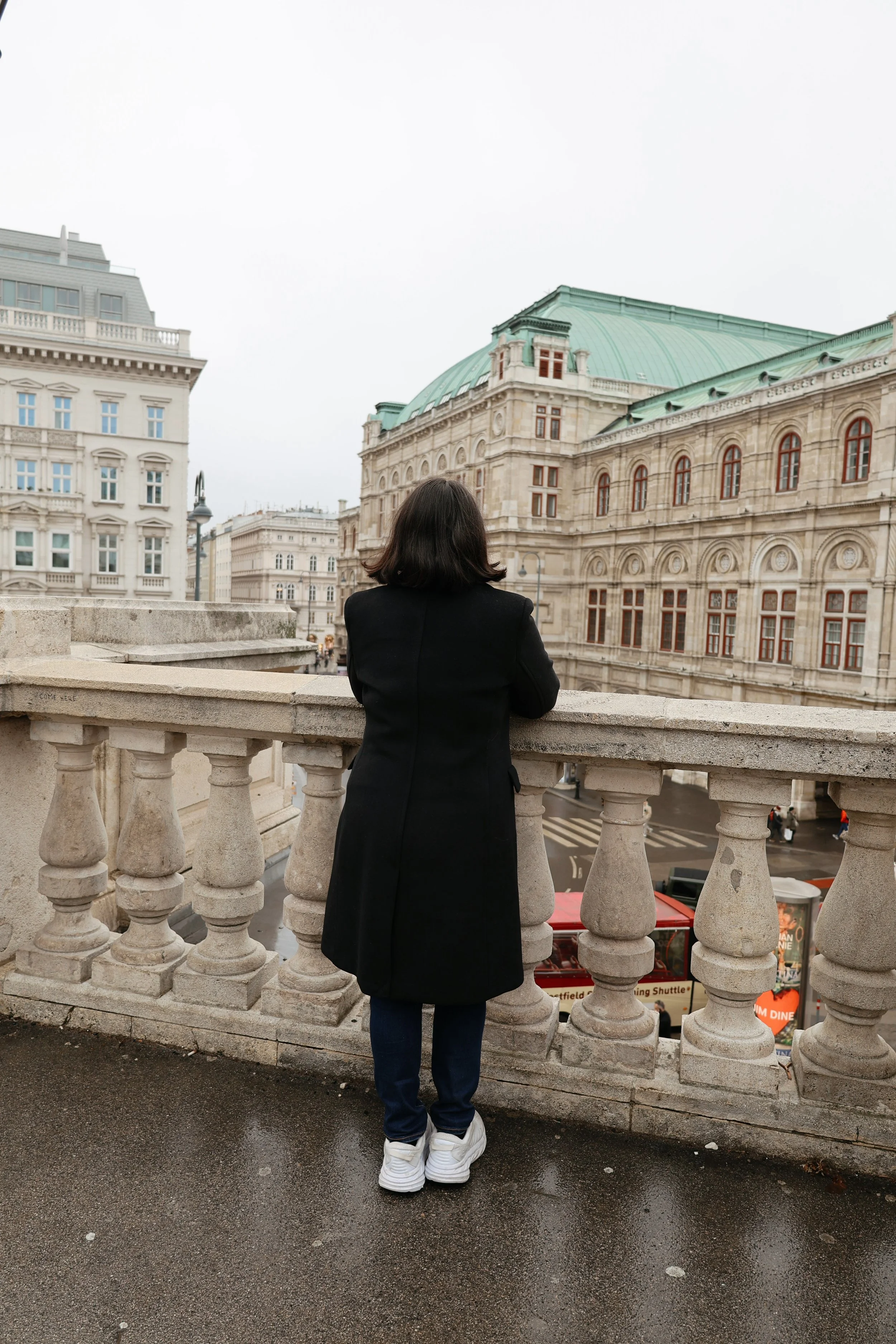
Traveling in 2025 as a woman is just as thrilling, empowering, and enriching as ever—but it does call for presence, preparation, and a healthy dose of awareness. Whether you’re traveling solo or with a group, your safety deserves to be a priority. Not in a fearful way, but in a confident, grounded one. These habits aren’t meant to weigh you down—they’re meant to free you up. When you protect yourself, trust your instincts, and plan smart, you get to explore more fully and move through the world with confidence. Be bold. Be curious. Be aware. The world is wide, beautiful, and waiting for you—just don’t forget to pack your common sense right alongside your passport.
#womenwhotravel #solofemaletravel #travelsafety #womensafety #travelconfidently #smarttravel #femaletravelers #traveltips #travelguide #travelblogger #travel2025 #shetravels #wanderwisely #safetravel #travelinspiration