There’s something about Seville that pulls you in slowly—and then completely. It’s a city full of rhythm and soul, where flamenco echoes through quiet streets, orange trees line historic plazas, and every corner feels layered with history and emotion. Seville isn’t just beautiful; it’s alive. This travel guide to Seville is meant to help you experience the city beyond the surface. I’m sharing the places that left an impression on me—must-see landmarks, quieter moments worth seeking out, and a few tips that make exploring feel more effortless and meaningful. Some of Seville’s magic can’t be planned (and shouldn’t be), but having the right starting point makes all the difference.
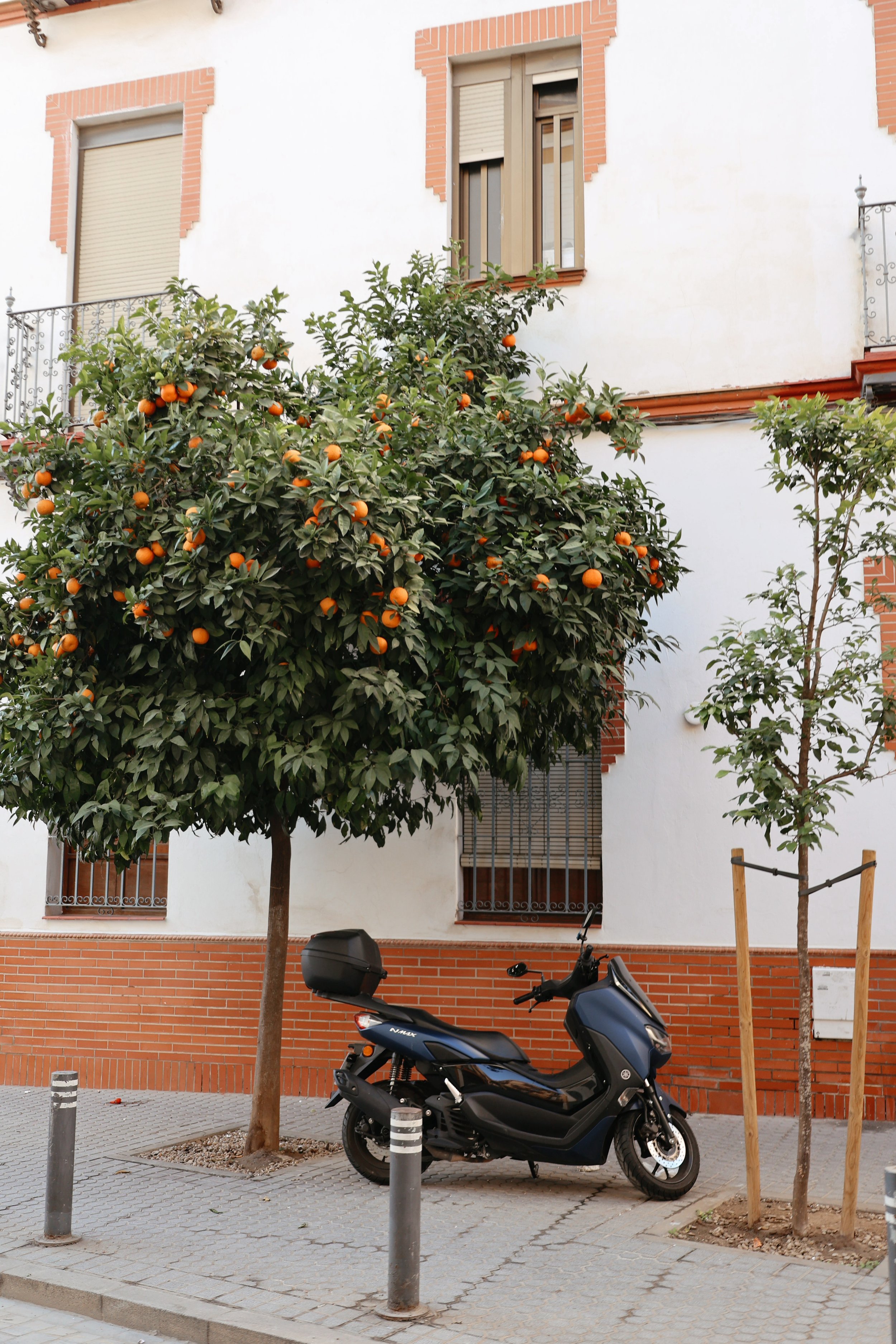
Getting to Seville, Spain
Getting to Seville is refreshingly easy, thanks to its well-connected transportation network and central location in southern Spain. No matter how you like to travel—by plane, train, or car—there’s an option that fits your style and schedule.
By Air
Seville is served by San Pablo Airport (SVQ), located just about 10 kilometers northeast of the city center. It’s a convenient and easy airport to navigate, which makes arriving in Seville feel smooth and stress-free.
The airport offers a solid mix of domestic and international flights, with connections across Spain and major European cities. Several major airlines—and plenty of budget carriers—operate regular routes here, making Seville accessible whether you’re planning a quick European hop or a longer journey.
From the airport, getting into the city is simple, with taxis and public transportation readily available, so you can be in the heart of Seville and exploring its streets in no time.
By Train
Traveling to Seville by train is one of the easiest and most enjoyable options. Renfe, Spain’s national railway company, offers efficient and comfortable service connecting Seville to major cities across the country.
High-speed AVE trains make it especially convenient to reach Seville from places like Madrid, Barcelona, Malaga, and Valencia. The journey is smooth, fast, and a great way to see more of Spain without the hassle of airports.
Seville’s Santa Justa Train Station is centrally located and well connected to the city’s public transportation system, making it easy to get to your hotel or start exploring right away. If you’re already traveling within Spain, arriving by train feels seamless and stress-free.
By Bus
If you’re looking for a more budget-friendly way to reach Seville, traveling by bus is a solid option. Several bus companies run regular routes to Seville from cities across Spain and even from other parts of Europe.
Seville’s main bus terminal, Estación de Autobuses Plaza de Armas, is conveniently located near the city center, making arrival easy and stress-free. From there, it’s simple to connect to local transportation or walk to nearby neighborhoods.
While buses take longer than high-speed trains, they’re often more affordable and can be a great option if you’re traveling slowly or planning your trip on a tighter budget.
By Car
Seville is easy to reach by road, with well-maintained highways connecting it to other cities throughout Spain and even across Europe. Renting a car can be a great option if you want flexibility in your schedule or plan to explore more of the Andalusia countryside at your own pace—white villages, olive groves, and scenic routes are all part of the experience.
That said, once you arrive in Seville, driving becomes less practical. Parking in the city center can be limited and tricky, especially in the historic areas with narrow streets. If you do choose to rent a car, it’s often easiest to park outside the center and rely on public transportation or walking once you’re in the city. For day trips beyond Seville, a car can be incredibly useful—but within the city itself, Seville is best explored on foot.
No matter how you choose to get there, arriving in Seville is just the beginning of something special. From the moment you step into the city, you can feel its rhythm—warm, welcoming, and full of history waiting to be explored.
Things to Do in Seville, Spain
Royal Alcázar of Seville
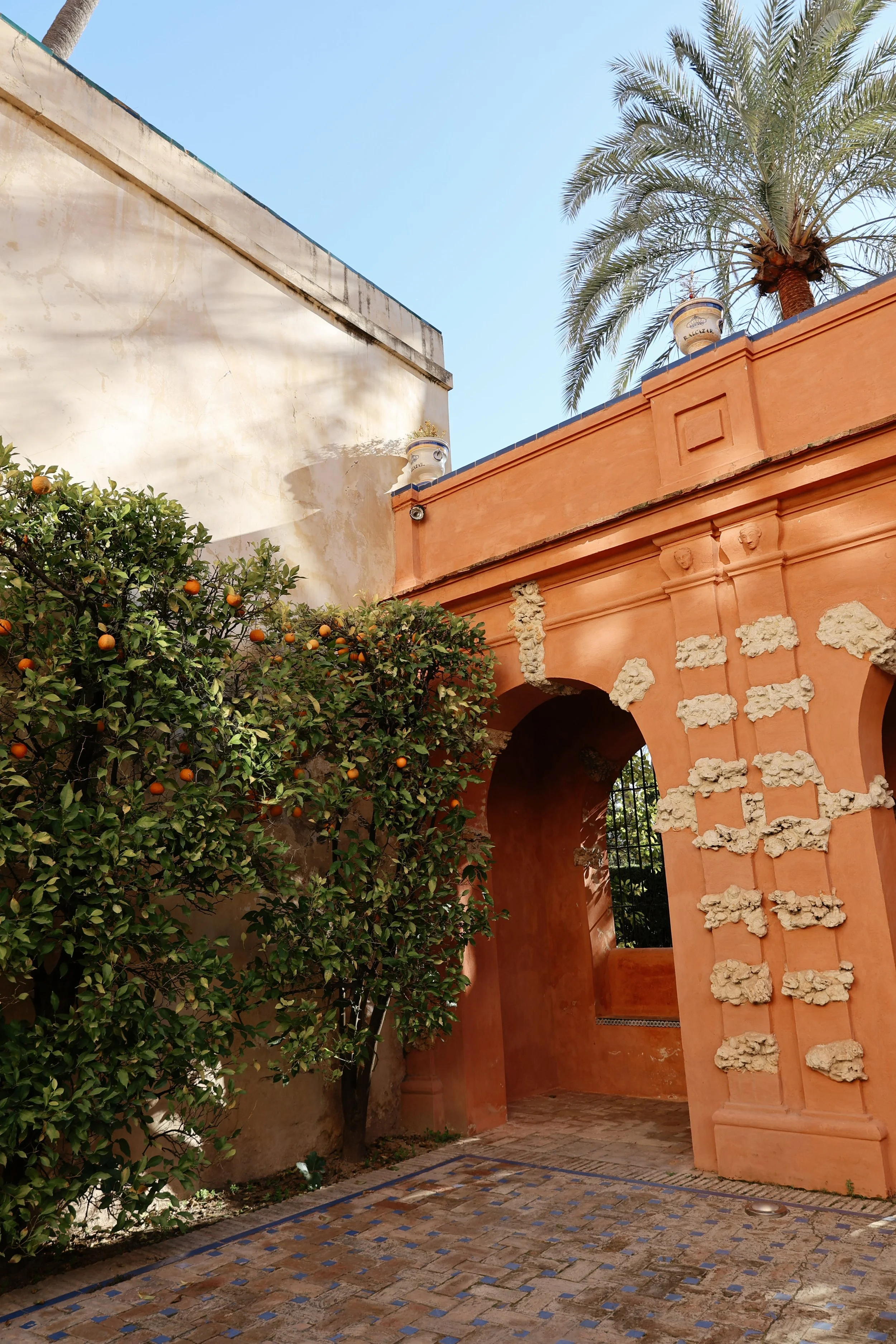
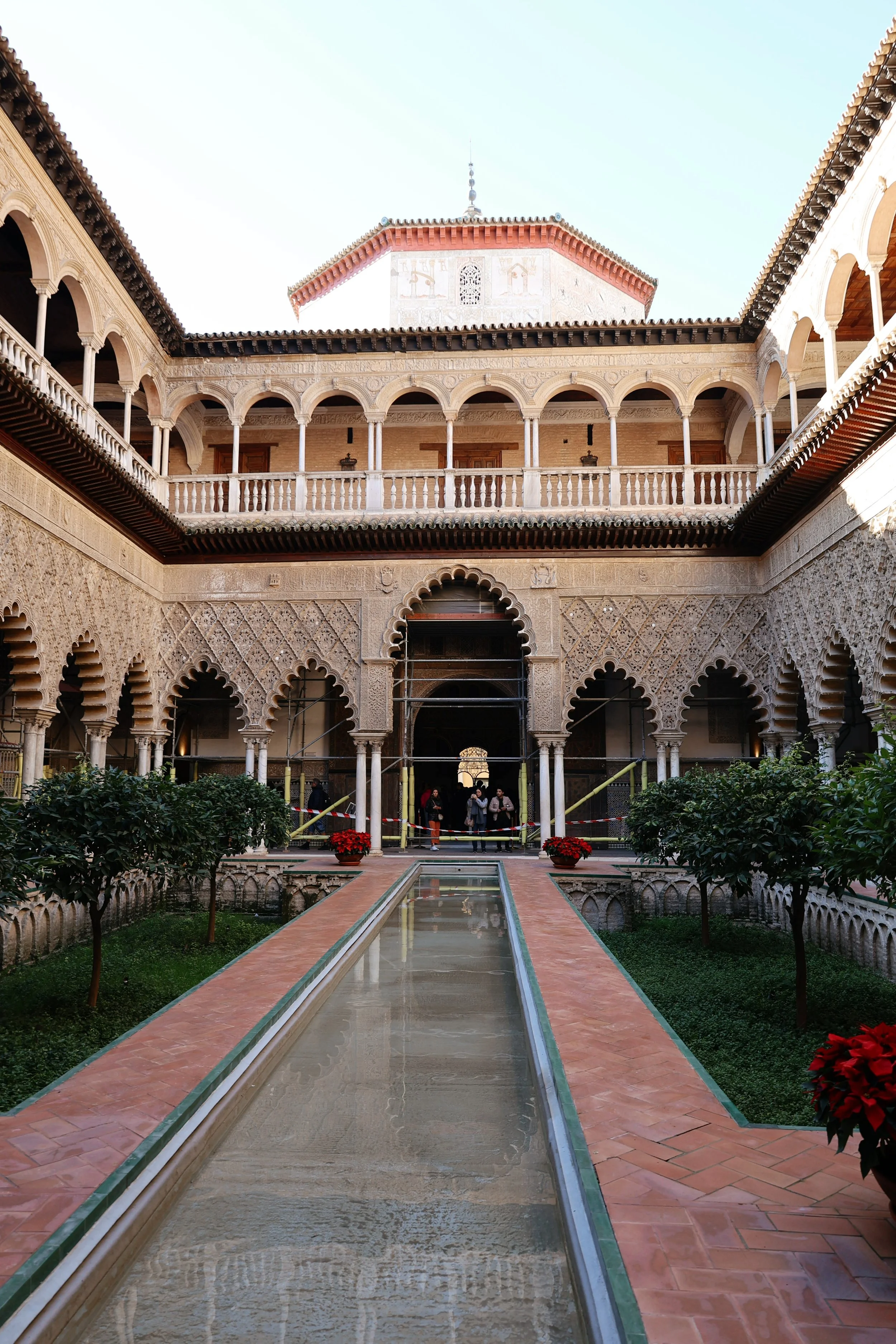
Stepping into the Royal Alcázar of Seville feels like entering a living fairytale. This palace complex is endlessly enchanting, with its intricate Mudéjar architecture, richly detailed walls, and spaces that feel layered with centuries of history. Every room invites you to slow down and really look—especially the Palace of Pedro I, where the craftsmanship is nothing short of breathtaking. The gardens are just as magical. Wandering through them felt calm and almost dreamlike, with quiet ponds, hidden courtyards, and the soft scent of orange trees in the air. It’s the kind of place where you lose track of time without even trying.
The Royal Alcázar isn’t just one of Seville’s most iconic landmarks—it’s an experience. Take your time here, explore slowly, and let the beauty unfold naturally. It’s easily one of those places that stays with you long after you leave.
Seville Cathedral & Giralda Tower
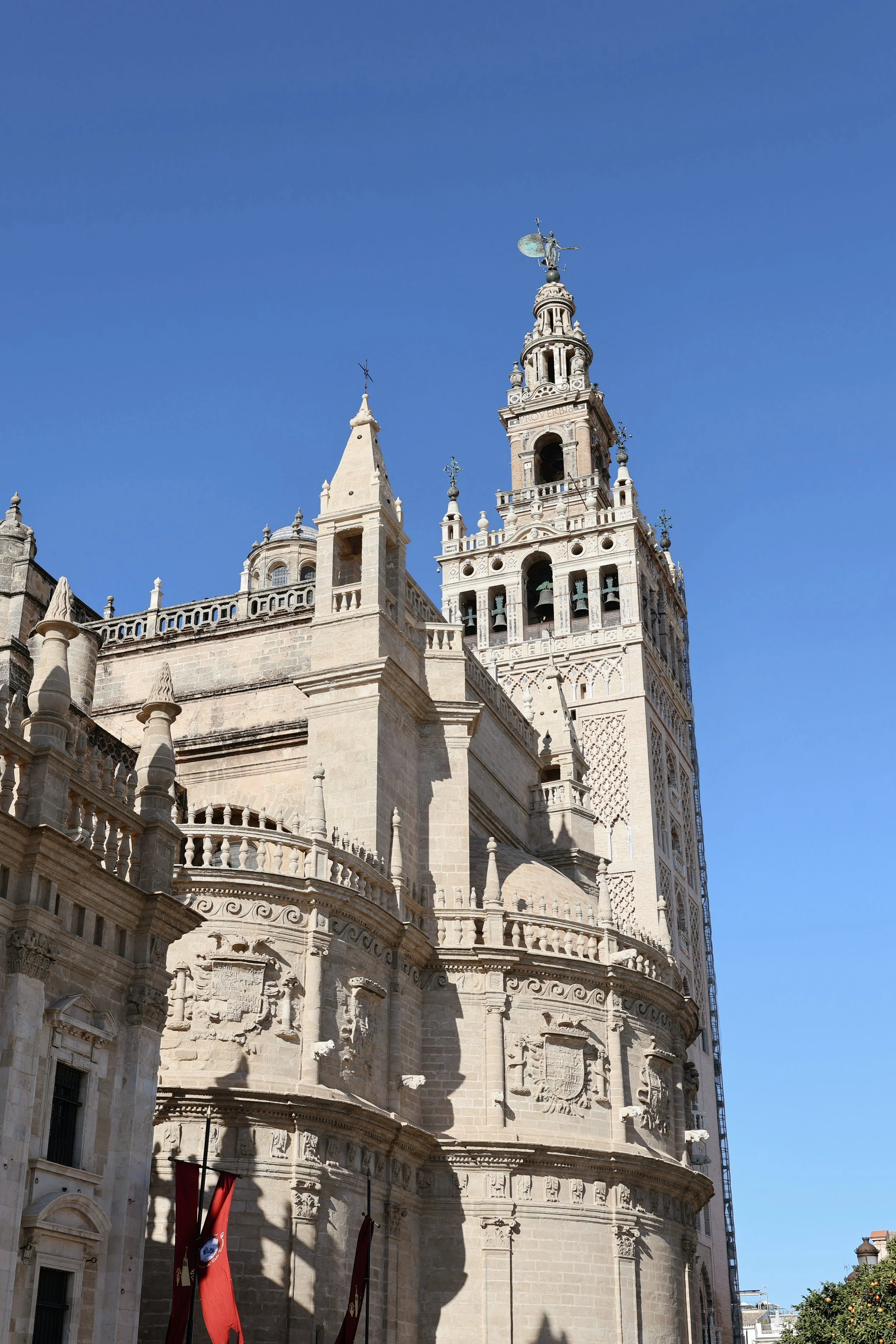
Seville Cathedral is one of those places that truly takes your breath away the moment you step inside. As the largest Gothic cathedral in the world and a UNESCO World Heritage site, it feels monumental in both scale and history. The soaring ceilings, intricate details, and sheer grandeur make it impossible not to pause and take it all in. Inside, don’t miss the tomb of Christopher Columbus, which adds another layer of historical weight to the visit. It’s one of those moments where you really feel the global significance of Seville during its golden age. Climbing the Giralda Tower is absolutely worth it. Instead of stairs, the tower uses gentle ramps, making the ascent manageable—and the reward at the top is incredible. The panoramic views over Seville’s rooftops give you a whole new appreciation for the city’s layout and beauty.
Together, the cathedral and Giralda Tower are essential Seville experiences—powerful, awe-inspiring, and unforgettable.
Barrio Santa Cruz
Wandering through Barrio Santa Cruz is one of my favorite ways to experience Seville. This historic Jewish quarter is a maze of narrow streets, hidden courtyards, and small squares that feel impossibly charming. Colorful buildings are wrapped in flowers, the streets curve unexpectedly, and there’s a constant hum of life that makes the neighborhood feel warm and inviting. It’s the kind of place where getting lost is part of the magic. I loved moving slowly here—pausing in shaded plazas, listening to conversations drift by, and soaking in the lively yet intimate atmosphere that defines this part of the city.
Just nearby, make time to visit Plaza de España. It’s absolutely breathtaking. The sweeping semi-circular design, tiled alcoves representing Spain’s different provinces, and reflections in the water make it feel almost surreal. Plaza de España is grand and theatrical in contrast to Barrio Santa Cruz’s intimacy—and together, they perfectly capture the many layers of Seville’s beauty.
Guadalquivir River
A walk along the Guadalquivir River is one of the most relaxing ways to experience Seville. The views are calm and scenic, especially as the light shifts throughout the day, and it’s the perfect place to slow down and take in the city from a different perspective. I loved strolling here without a destination—just watching the boats, the reflections on the water, and the rhythm of daily life unfolding along the banks. Crossing the iconic Triana Bridge brings you into Triana, a neighborhood with a strong identity and soul of its own. Known for its flamenco roots and traditional ceramic workshops, Triana feels vibrant, creative, and deeply local. It’s a beautiful contrast to the historic center—less polished, more lived-in, and full of character.
Whether you’re walking the river at sunset or wandering Triana’s streets afterward, this part of Seville feels authentic and grounding. It’s one of those moments where the city truly settles into you.
Museo de Bellas Artes
If you love art, the Museo de Bellas Artes is absolutely worth your time. Housed in a former convent, the museum itself feels calm and elegant, with quiet courtyards and softly lit galleries that invite you to slow down and really look. The collection is one of the most important in Spain, especially when it comes to Andalusian and Spanish masters. Walking through the galleries, you’ll find works by artists like Diego Velázquez, Bartolomé Esteban Murillo, and Francisco de Zurbarán—pieces that feel deeply connected to Seville’s artistic and cultural history.
What I loved most about this museum is how peaceful it feels compared to larger, more crowded institutions. It’s a place to linger, reflect, and appreciate the depth of Spanish art without feeling rushed. The Museo de Bellas Artes offers a quieter, more intimate art experience—and it’s one of Seville’s true cultural gems.
Plaza de España
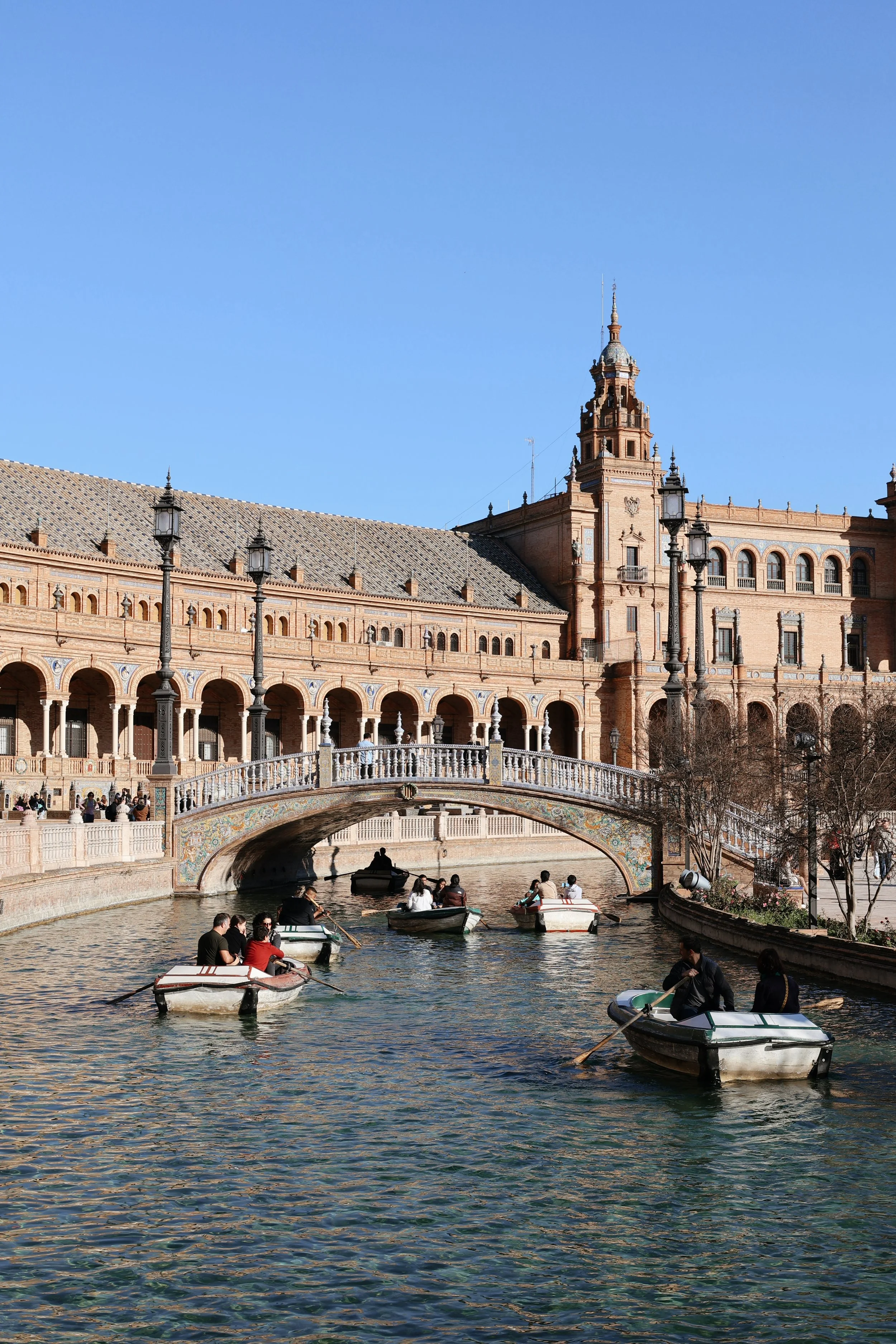
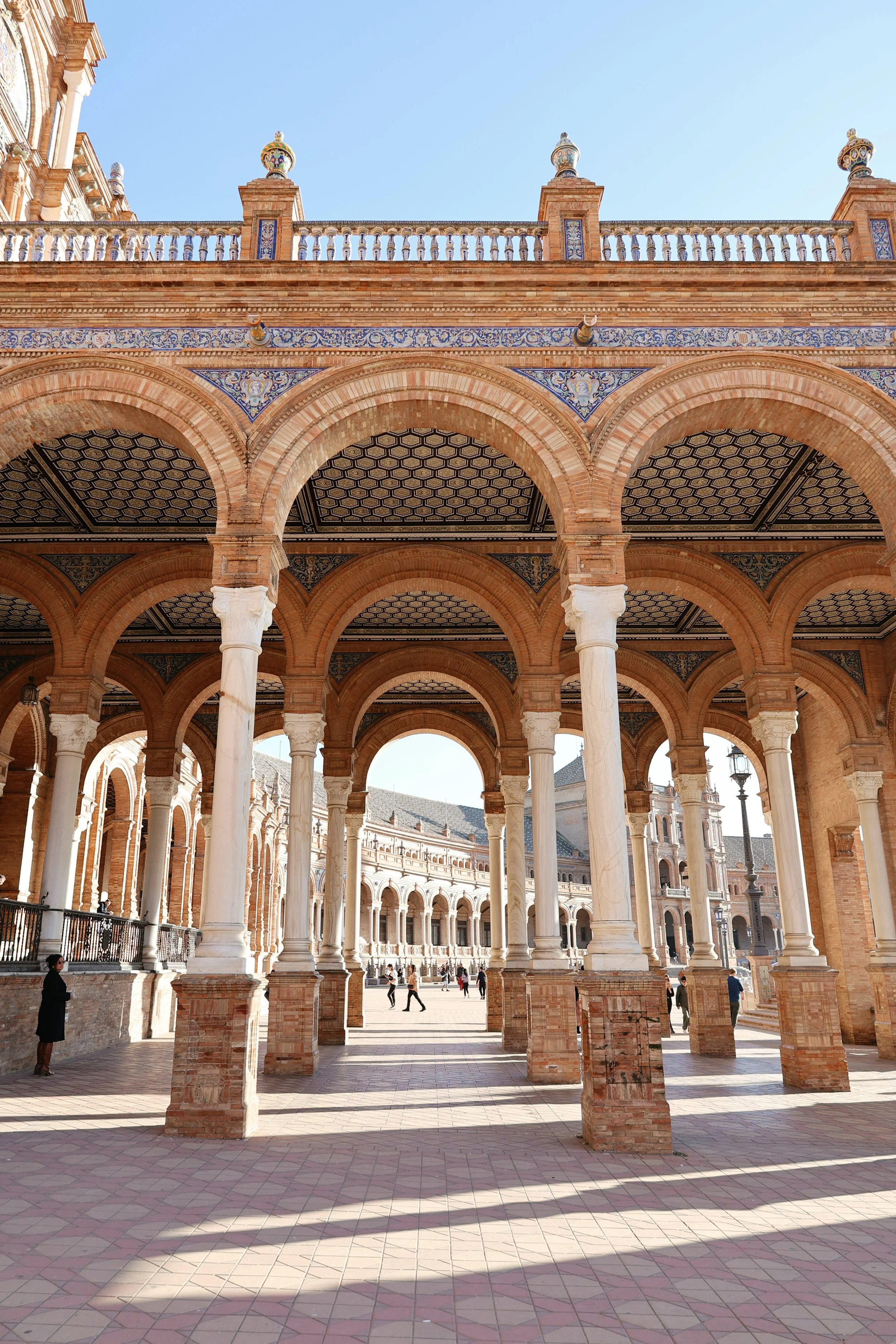
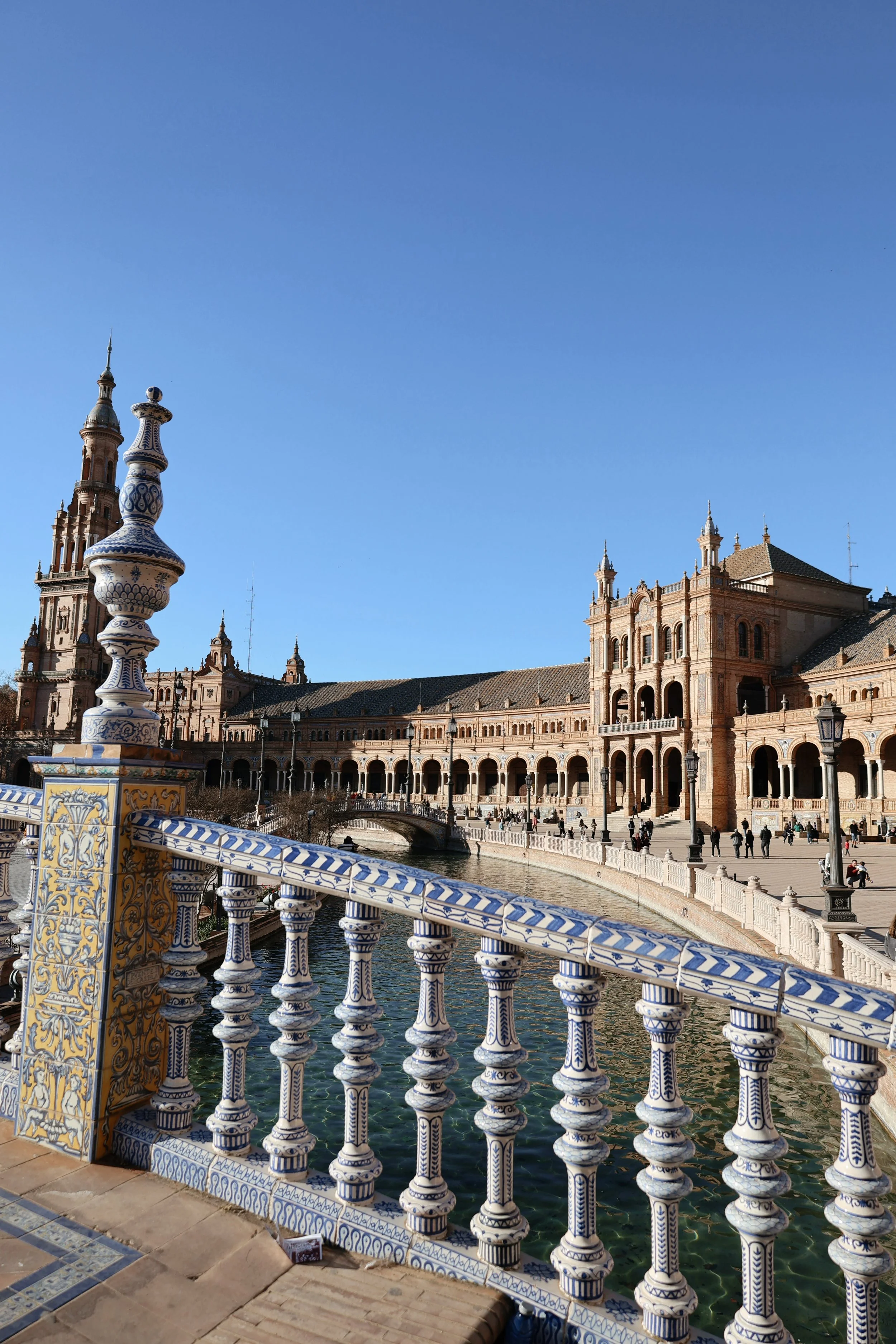
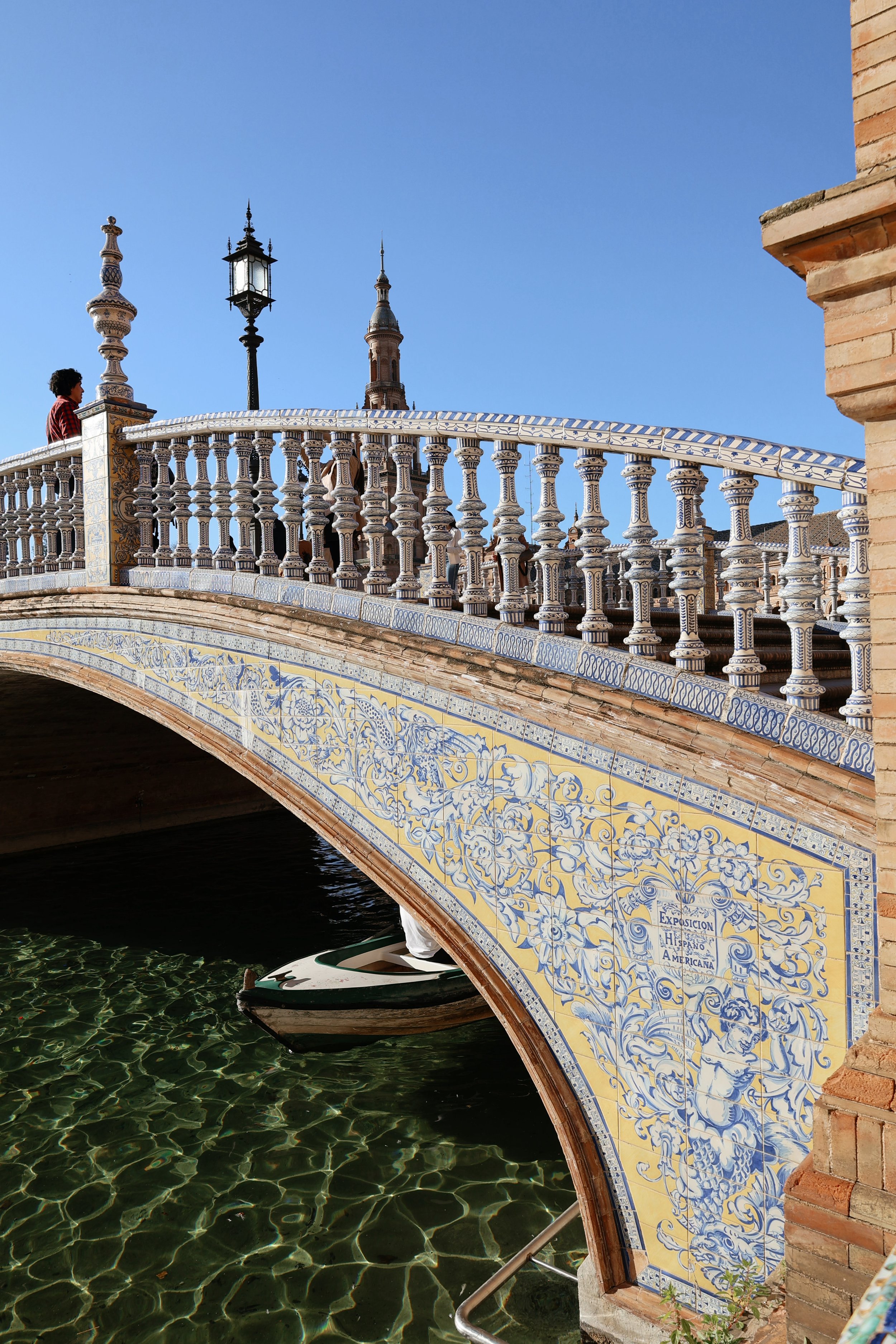
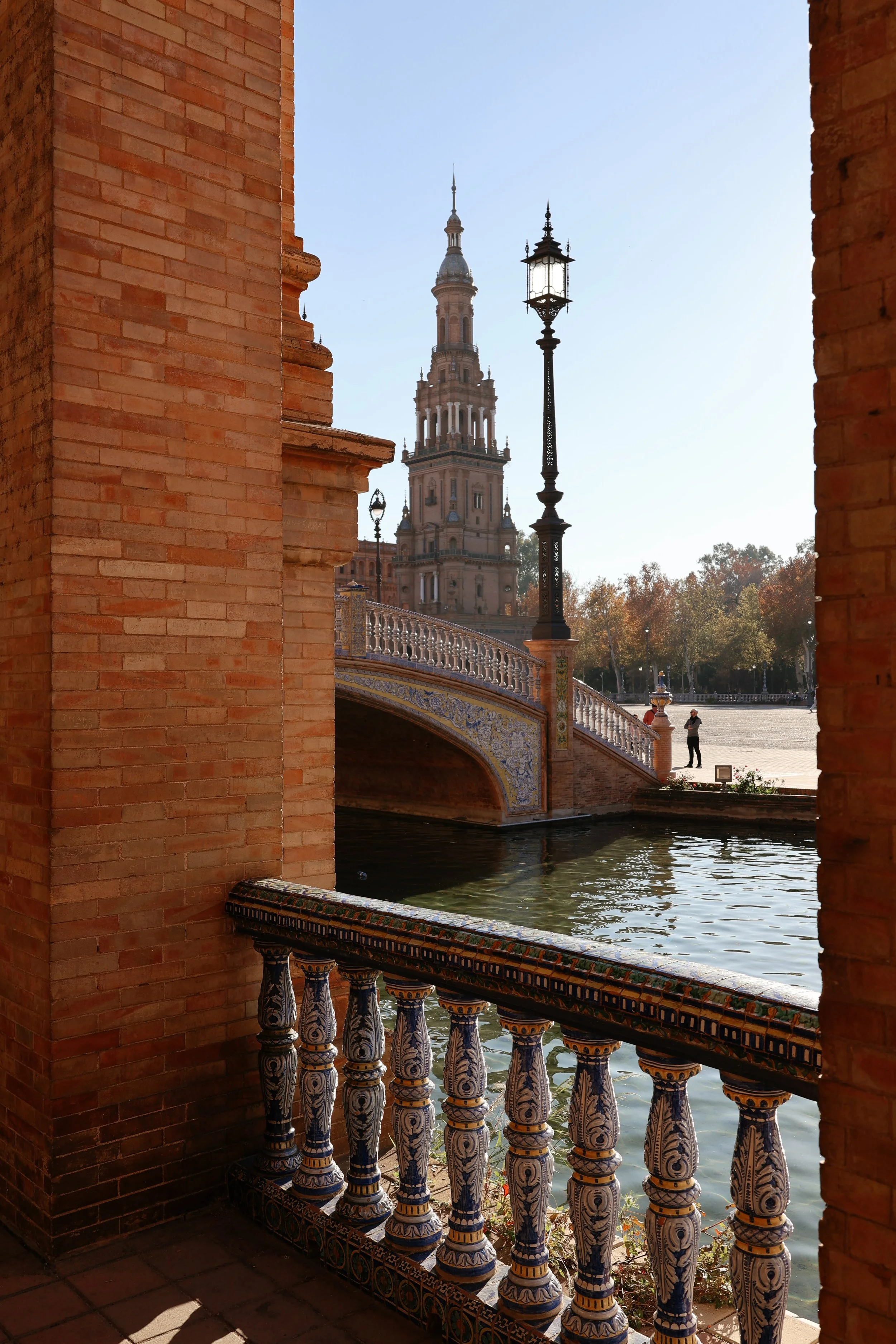
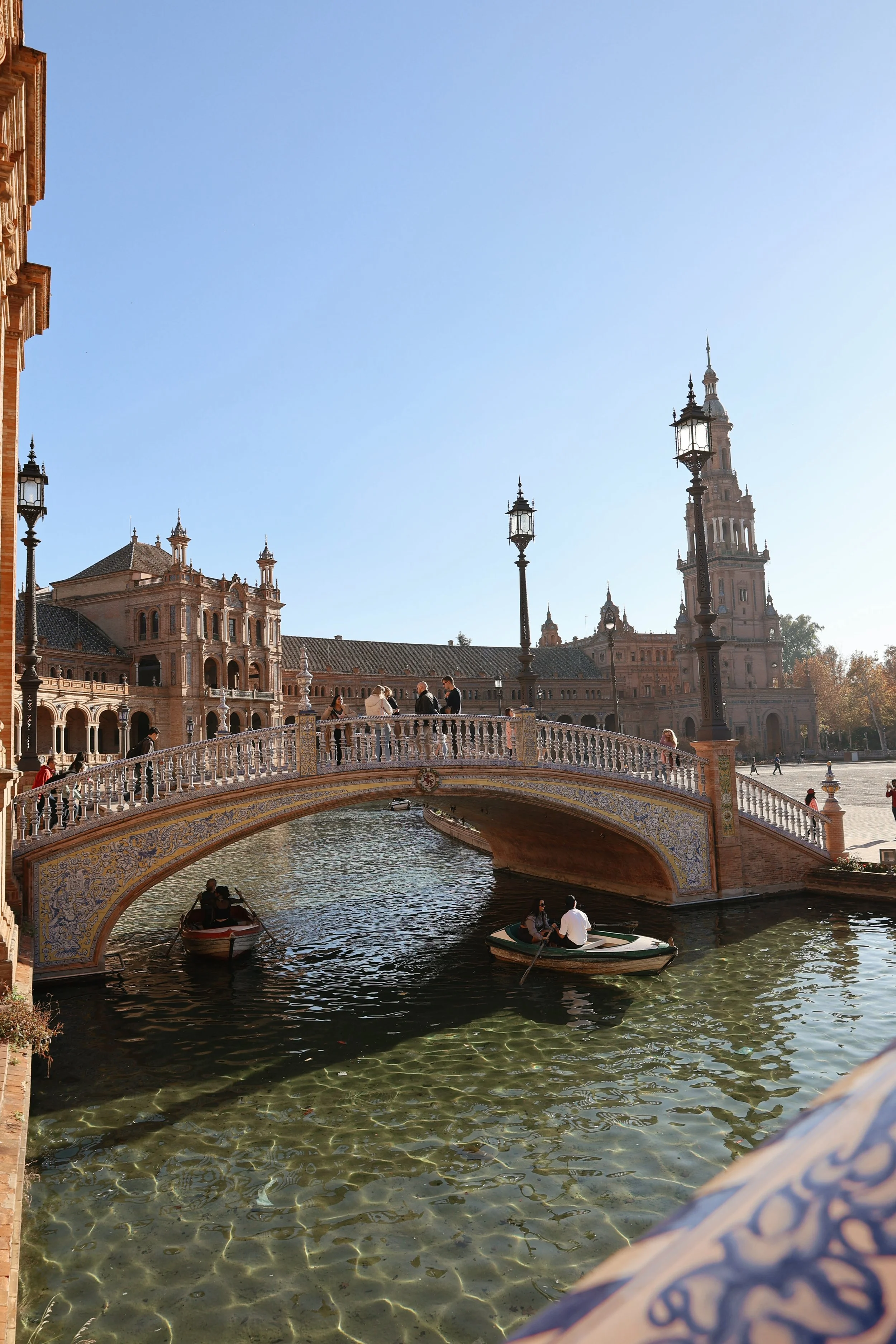
Plaza de España feels like stepping straight into a fairytale. Located within María Luisa Park, this sweeping, semi-circular plaza is one of Seville’s most breathtaking landmarks—and somehow even more impressive in person. The detailed tile work is what really makes it special. Each alcove represents a different Spanish province, and it’s impossible not to stop and admire the craftsmanship as you walk along the curve of the plaza. Every corner feels intentional, grand, and full of character.
One of my favorite parts is the canal that runs through the square. You can rent a rowboat and glide through the water, or simply stroll along the bridges and take it all in at a slower pace. Whether you’re visiting early in the morning or during golden hour, Plaza de España has a way of feeling magical at any time of day.
María Luisa Park
When Seville feels lively and full, María Luisa Park is the perfect place to slow things down. This expansive green oasis offers a calm escape from the city’s energy, with shaded walkways, quiet gardens, fountains, and peaceful ponds tucked throughout the park. I loved wandering here without a plan—sitting on a bench under the trees, watching the light filter through the leaves, and enjoying the sense of stillness. It’s an ideal spot for a break between sightseeing or a gentle reset on a warm afternoon.
Be sure to stop by Plaza de América, where you’ll find beautiful examples of regional architecture surrounding the square. Several museums are located here, including the Museum of Popular Arts and Traditions, adding a cultural layer to the park’s natural beauty.
Where to Eat in Seville, Spain
Seville is a city that eats beautifully. Food here isn’t rushed or overcomplicated—it’s social, flavorful, and deeply tied to tradition. From classic tapas bars that spill out onto the street to more modern spots pushing Andalusian cuisine in new directions, eating in Seville is an experience in itself.
El Rinconcillo
Stepping into El Rinconcillo feels like stepping straight into Seville’s past. Established in 1670, it’s one of the oldest bars in the city—and it still feels wonderfully alive. The tiled walls, wooden barrels, and handwritten orders behind the bar give the space so much character, making it easy to see why locals have loved it for centuries. This is the place to try classic Andalusian dishes done right. Their spinach with chickpeas is legendary for a reason—simple, comforting, and full of flavor—and the Iberian pork is rich, tender, and unforgettable. Everything feels rooted in tradition, served without pretension.
El Rinconcillo isn’t just somewhere you eat—it’s somewhere you experience Seville as it’s always been. Timeless, warm, and deeply authentic, it’s a must-stop if you want to understand the city through its food.
La Azotea
La Azotea is one of those places that perfectly balances tradition and creativity. With several locations throughout Seville, it’s clearly beloved—and for good reason. The vibe feels modern and relaxed, while the food stays rooted in Andalusian flavors, just elevated in a thoughtful way. The ingredients here really shine. Dishes are beautifully executed without feeling overdone. The seared scallops are delicate and perfectly cooked, the beef tenderloin with foie gras is rich and indulgent, and the salmorejo is fresh, smooth, and incredibly satisfying—especially on a warm day.
La Azotea is ideal if you’re craving tapas that feel a little more refined while still staying true to Seville’s culinary soul. It’s polished but approachable, creative without losing its sense of place—an easy favorite for both locals and visitors alike.
Eslava
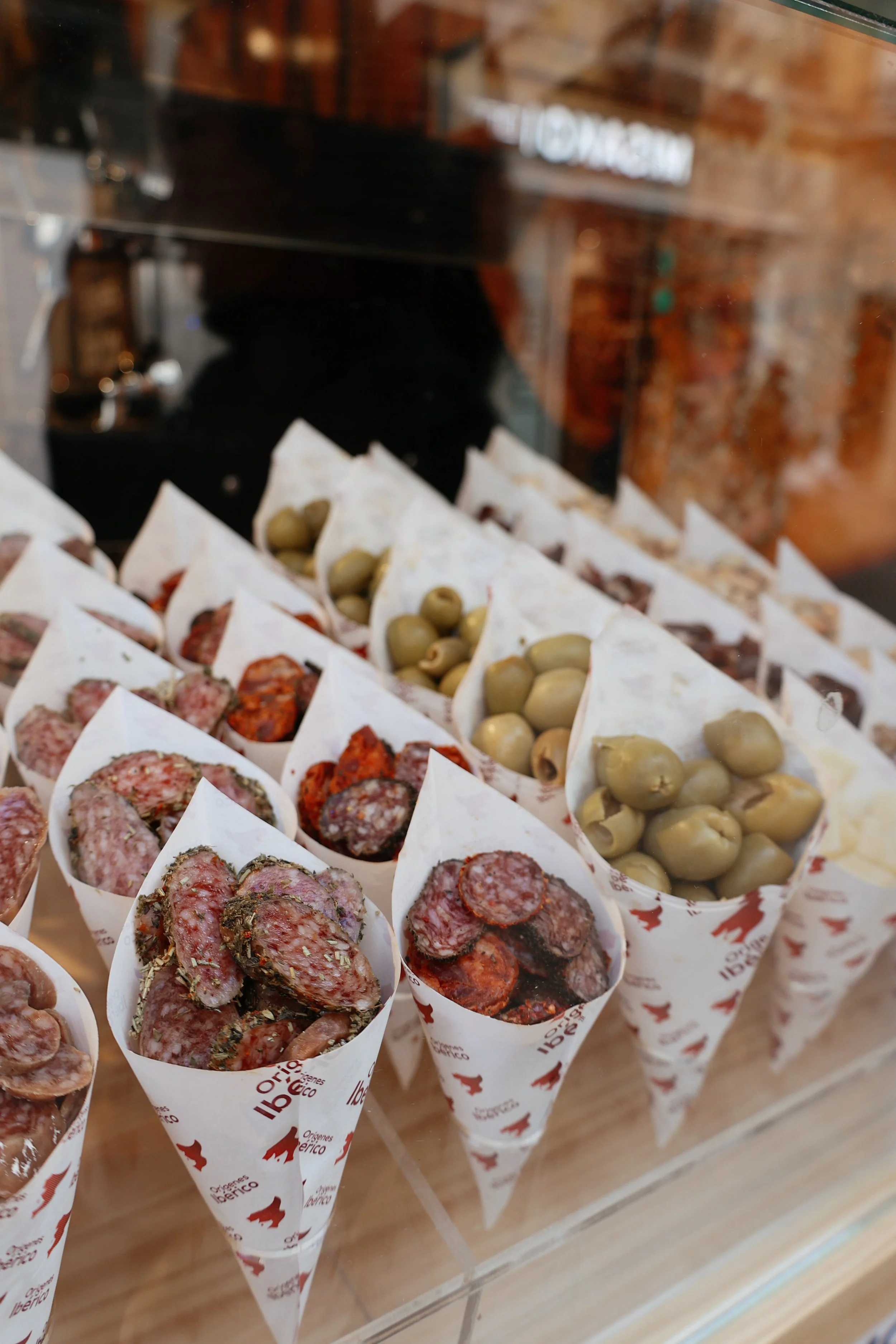
Located in the lively Alameda de Hércules area, Eslava is one of those places that food lovers talk about for a reason. It manages to feel grounded in tradition while still being exciting and inventive—exactly the kind of balance Seville does so well. The tapas menu is where Eslava really shines. The slow-cooked pork cheeks with apple purée are tender and deeply flavorful, the cod fritters with salmorejo foam are light yet packed with character, and the carrillada (braised pork cheeks) is rich, comforting, and unforgettable. Every dish feels carefully thought out, but never overworked. Eslava is the kind of spot that reminds you why tapas culture is so special—small plates meant to be shared, discussed, and enjoyed slowly. Creative, satisfying, and full of soul, it’s an essential stop if you want to experience Seville’s food scene at its best.
Casa Robles
Casa Robles is the kind of place that makes you feel instantly at home. Family-run and warm in atmosphere, it’s a wonderful spot to experience classic Andalusian cooking done with care and tradition. The menu leans into comforting, time-honored dishes. The gazpacho is fresh and perfectly balanced, the oxtail stew is rich and deeply satisfying, and the rabo de toro (bull’s tail) is tender, flavorful, and cooked exactly the way it should be. Everything feels honest and rooted in Seville’s culinary heritage.
Casa Robles isn’t about trends—it’s about tradition, hospitality, and food that tells a story. If you’re looking for an authentic Andalusian meal in a welcoming setting, this is a place you’ll leave feeling full, content, and well taken care of.
Contenedor
Contenedor is a favorite among Seville’s food lovers—and it’s easy to see why. The concept is thoughtful and refreshing: a true farm-to-table experience that puts sustainability, seasonality, and local ingredients front and center. Everything here feels intentional, from the menu to the atmosphere. The dishes change often, which is part of the magic. Their tasting menu is the best way to experience what they do—creative, surprising, and deeply flavorful without ever feeling overworked. You can tell real care goes into every plate, letting the ingredients speak for themselves.
La Brunilda
La Brunilda is one of those tucked-away spots you’re thrilled to discover. Small, cozy, and full of personality, this tapas bar in the Santa Cruz area feels intimate and quietly special—perfect for a more relaxed, thoughtful dining experience. The menu leans creative, blending traditional Andalusian flavors with subtle, modern twists. Their solomillo al whiskeyis a standout—tender pork bathed in a rich, savory sauce that’s deeply comforting. The grilled octopus is equally memorable, perfectly cooked and full of flavor without being heavy.
Arabesca
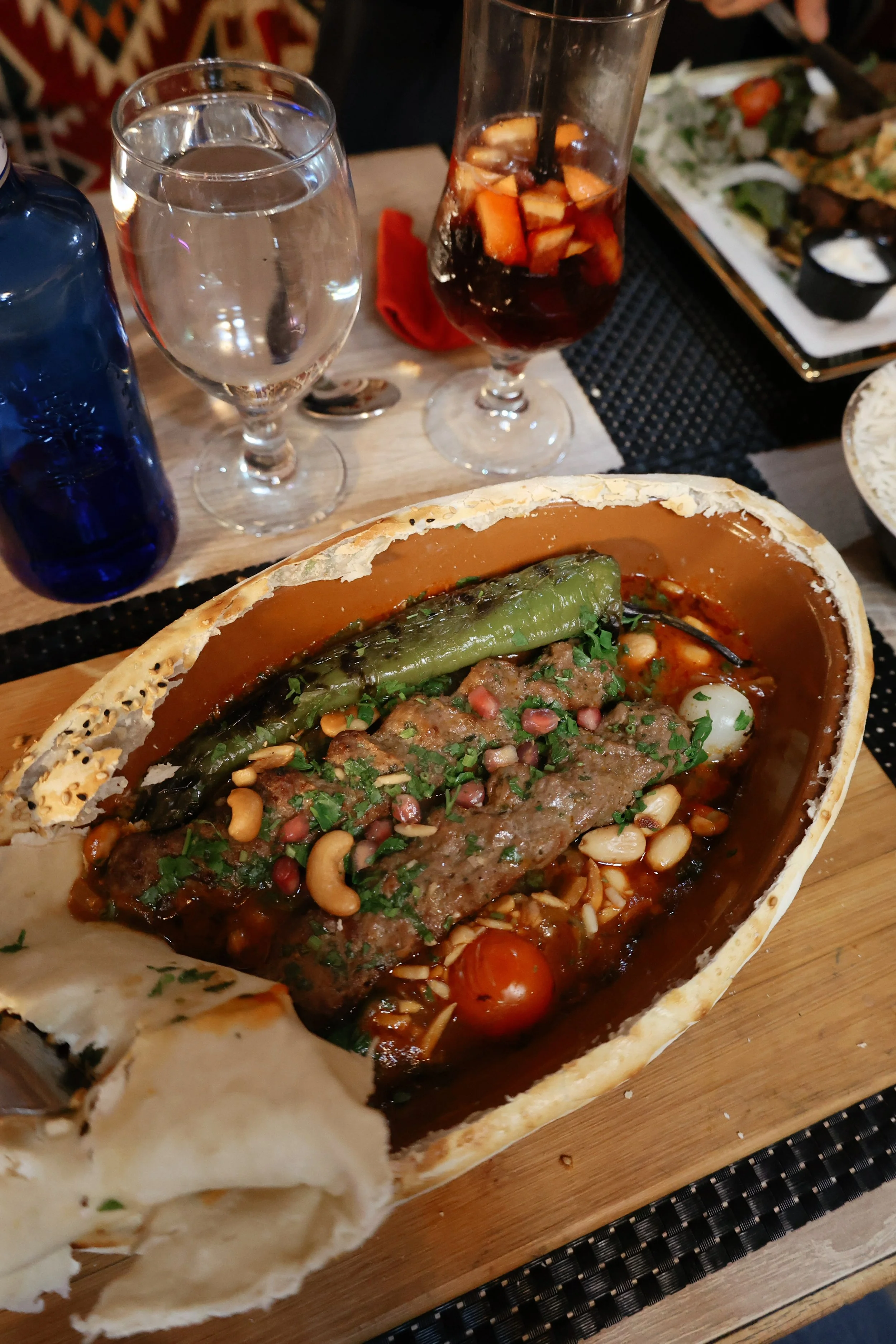
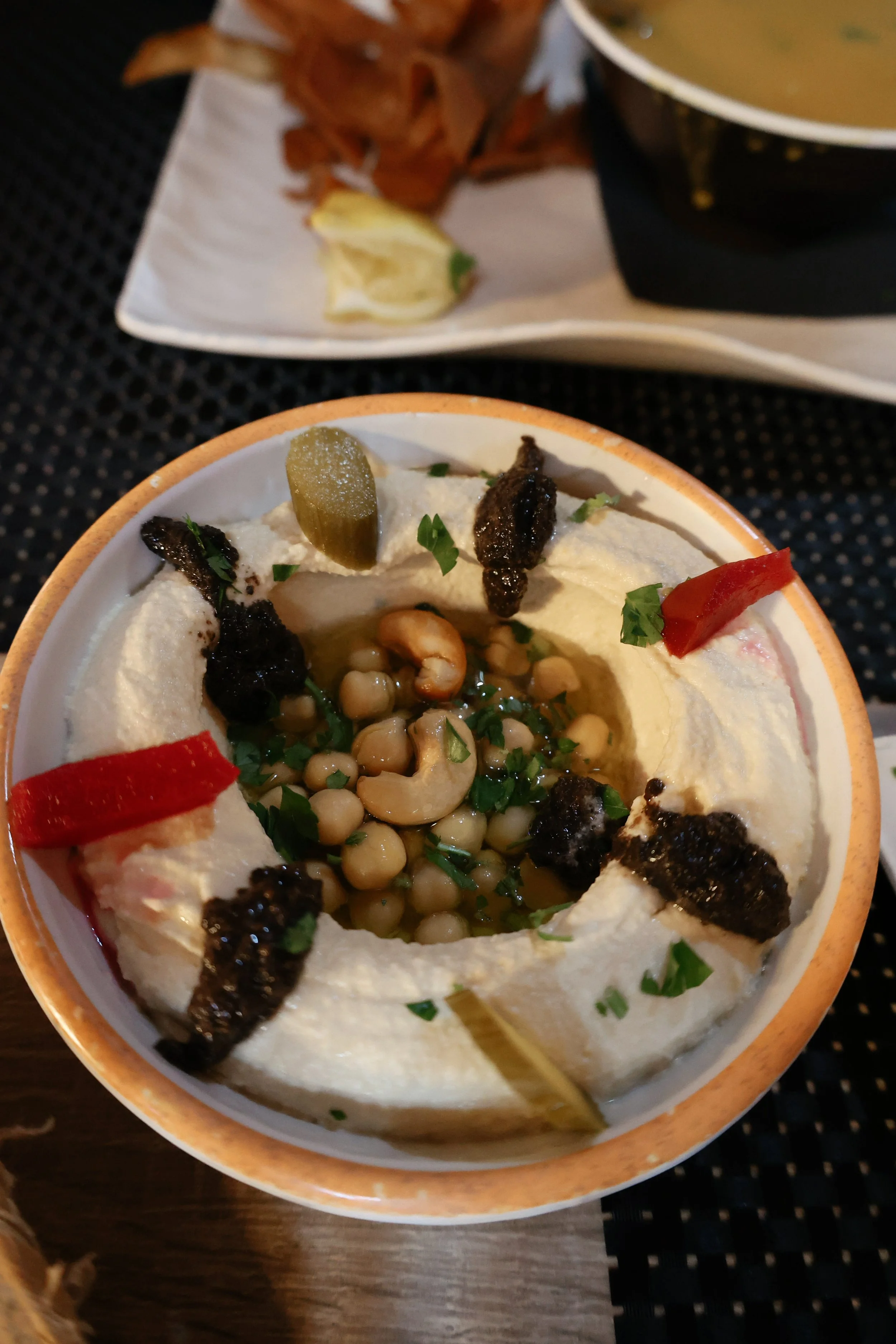
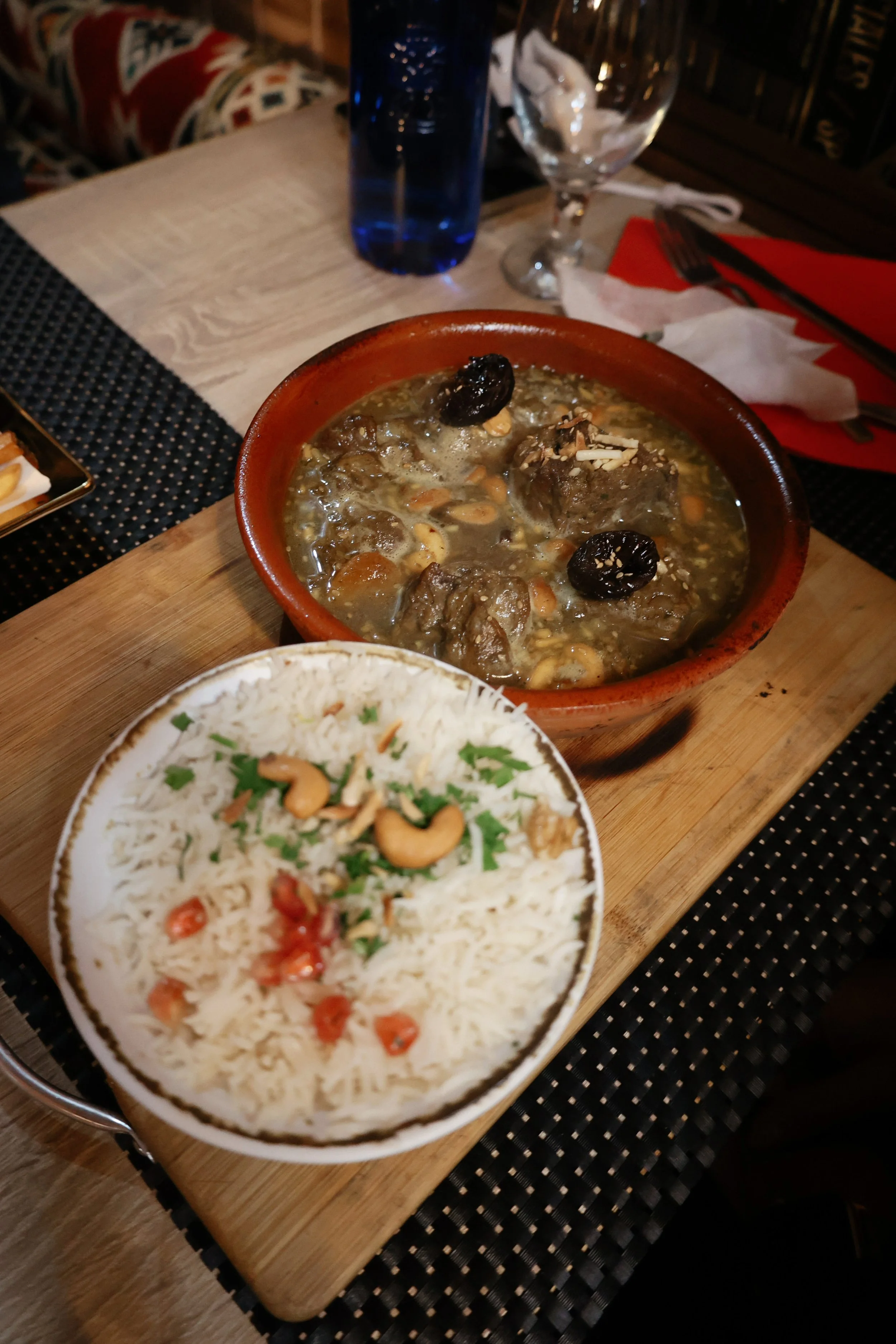
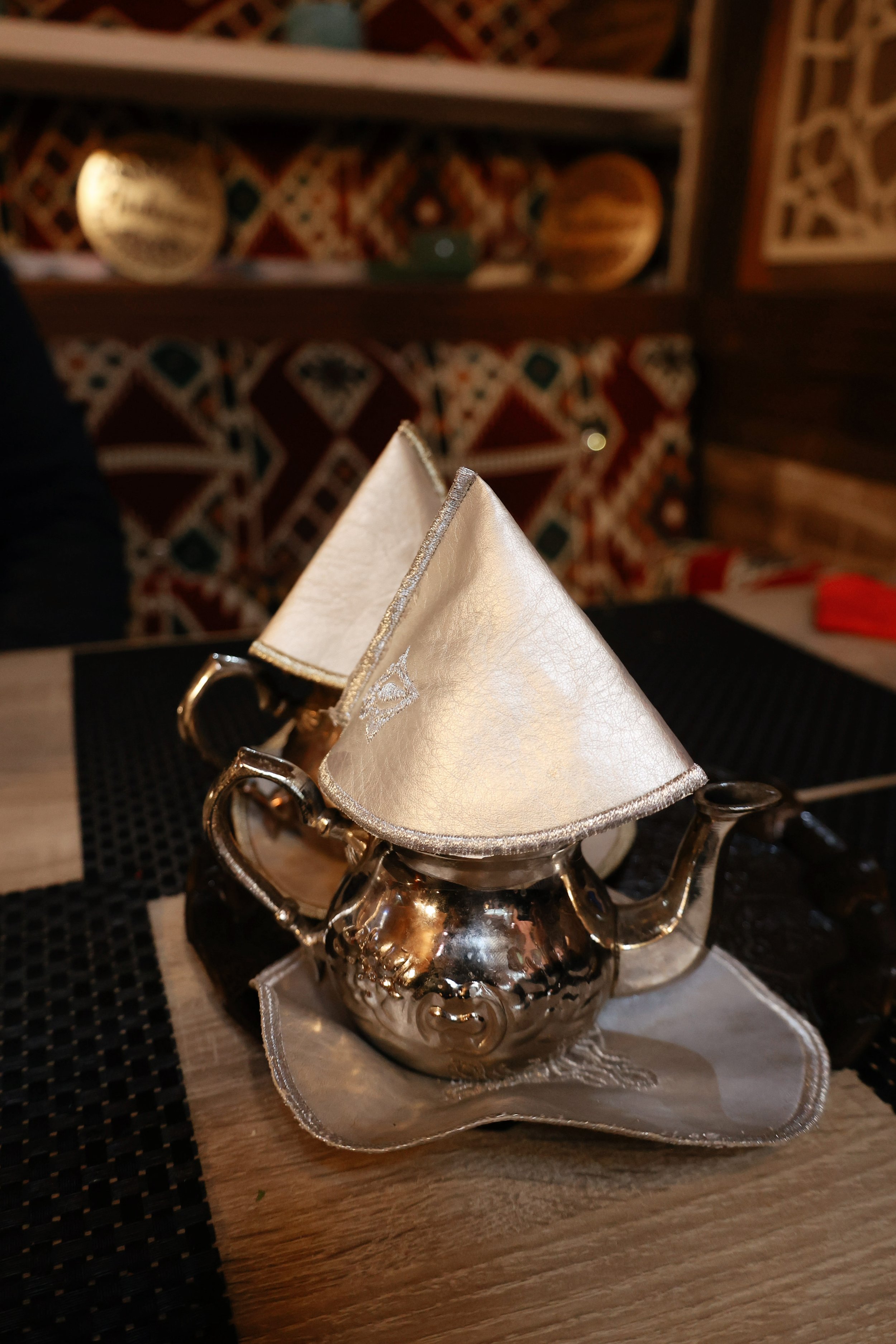
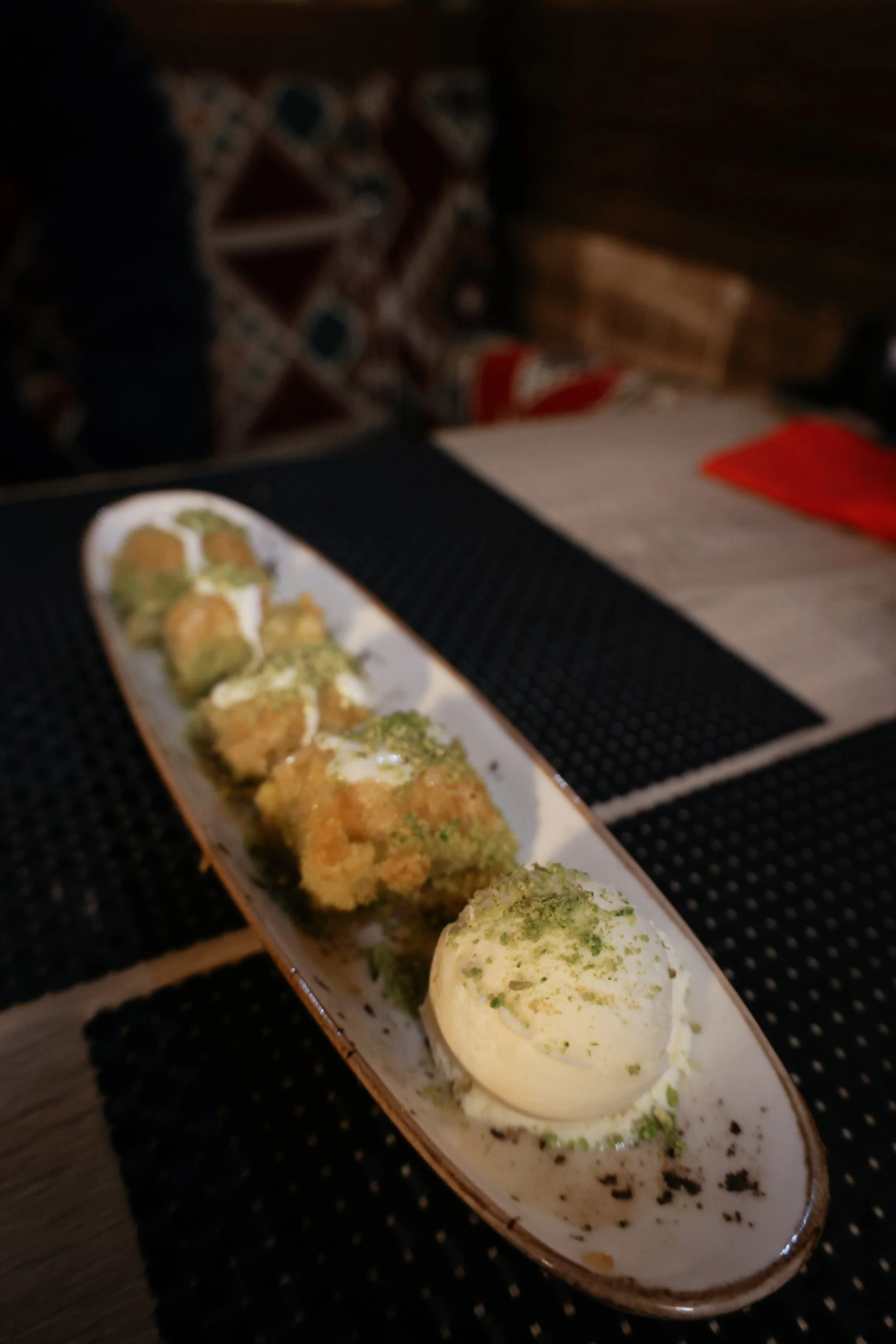
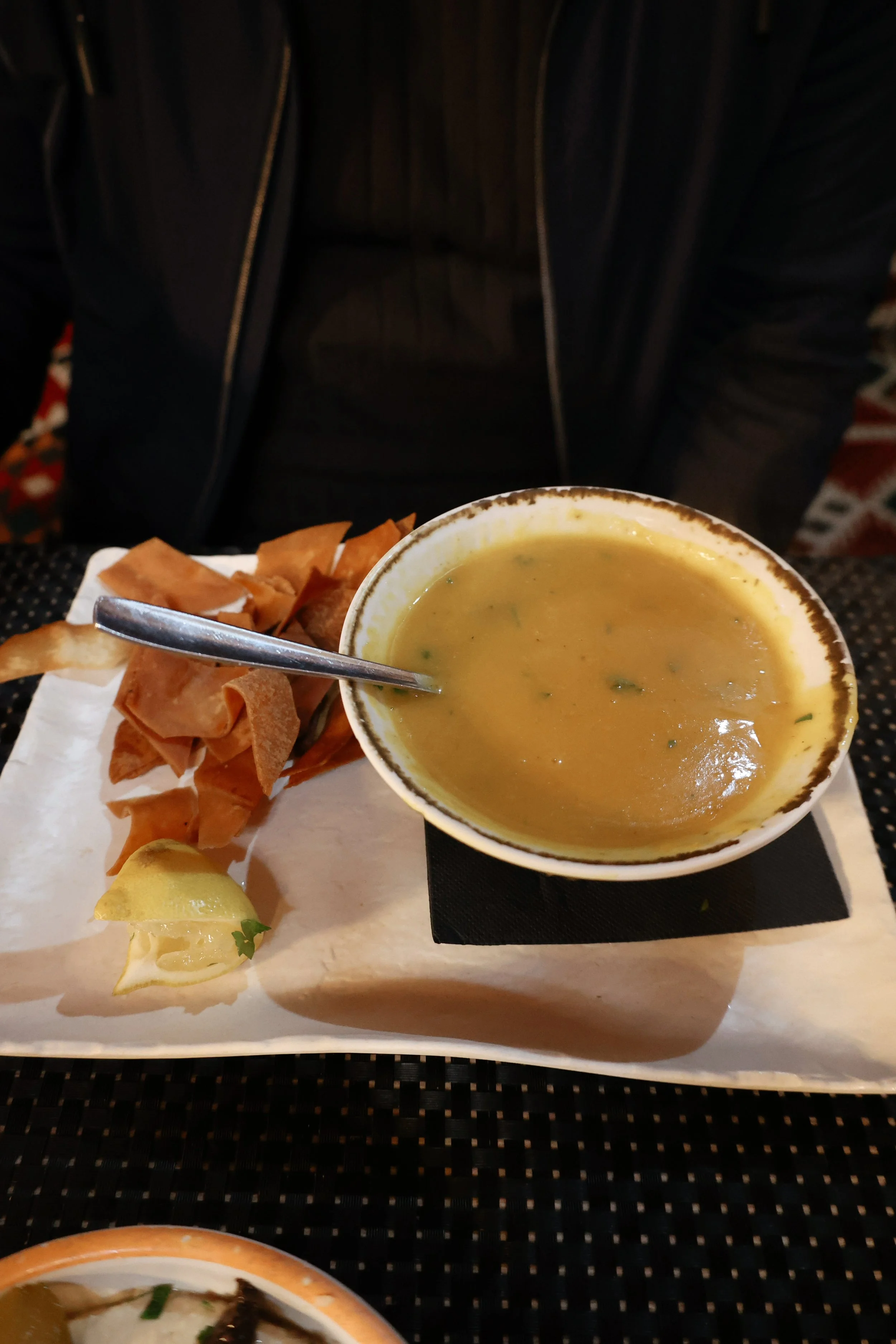
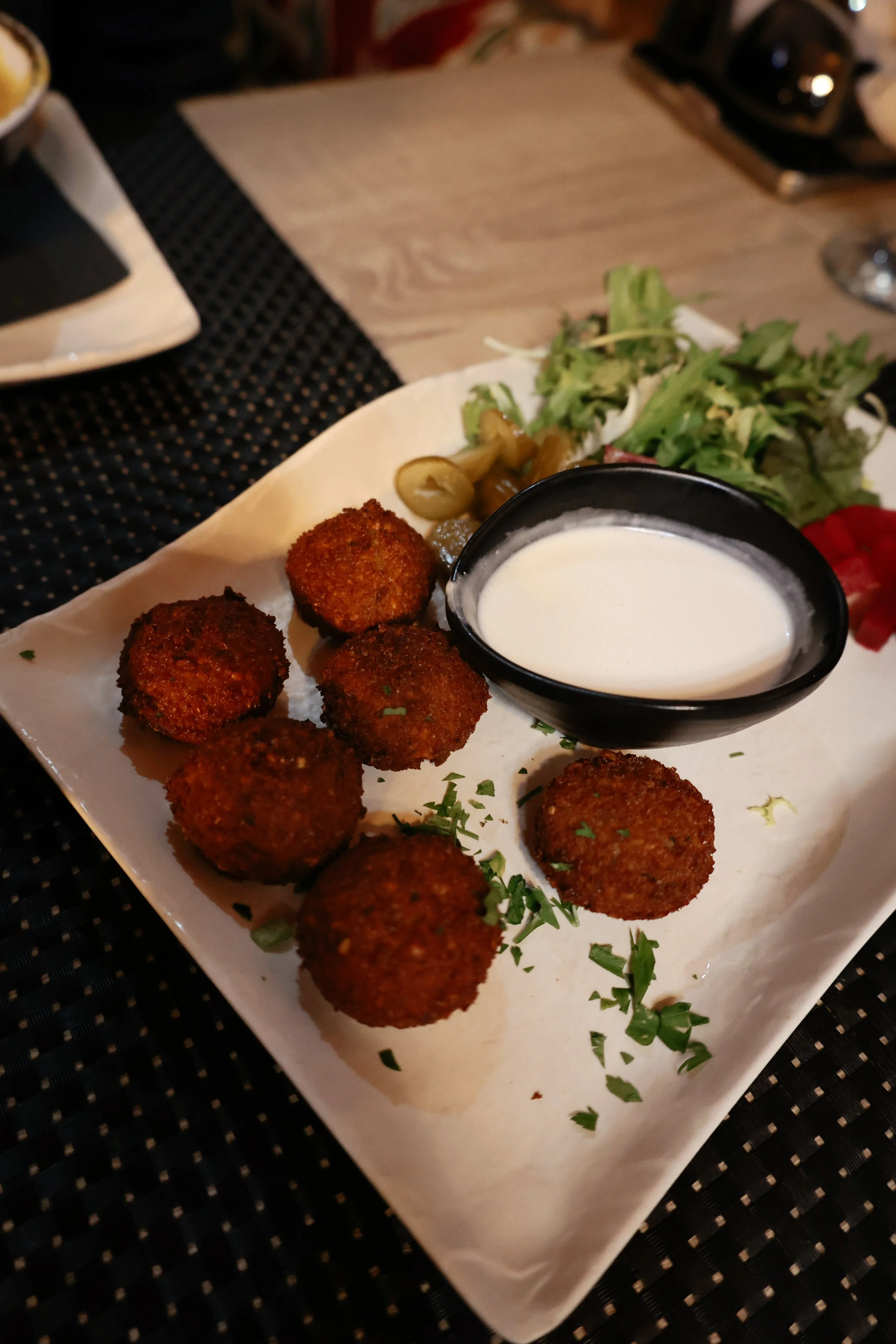
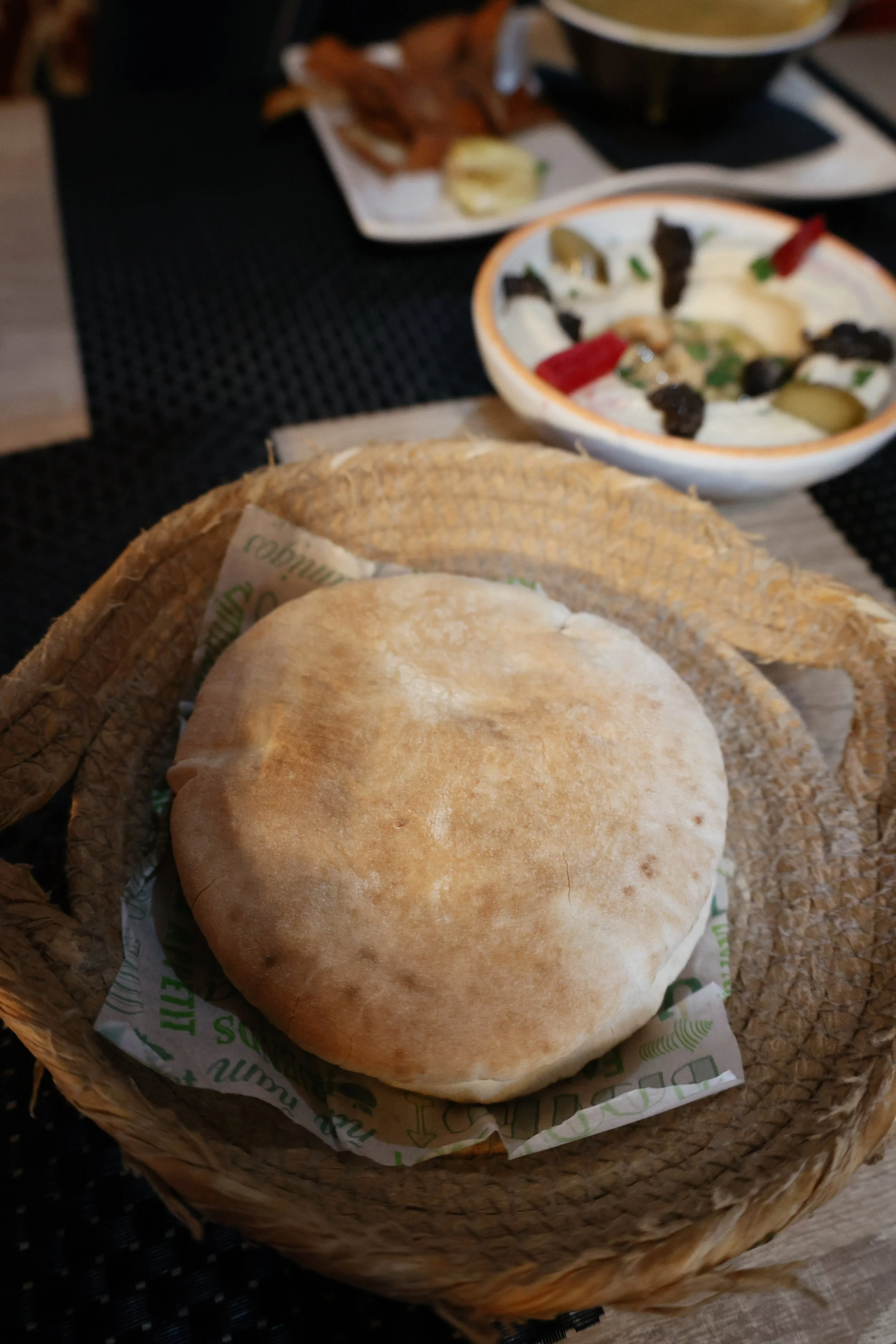
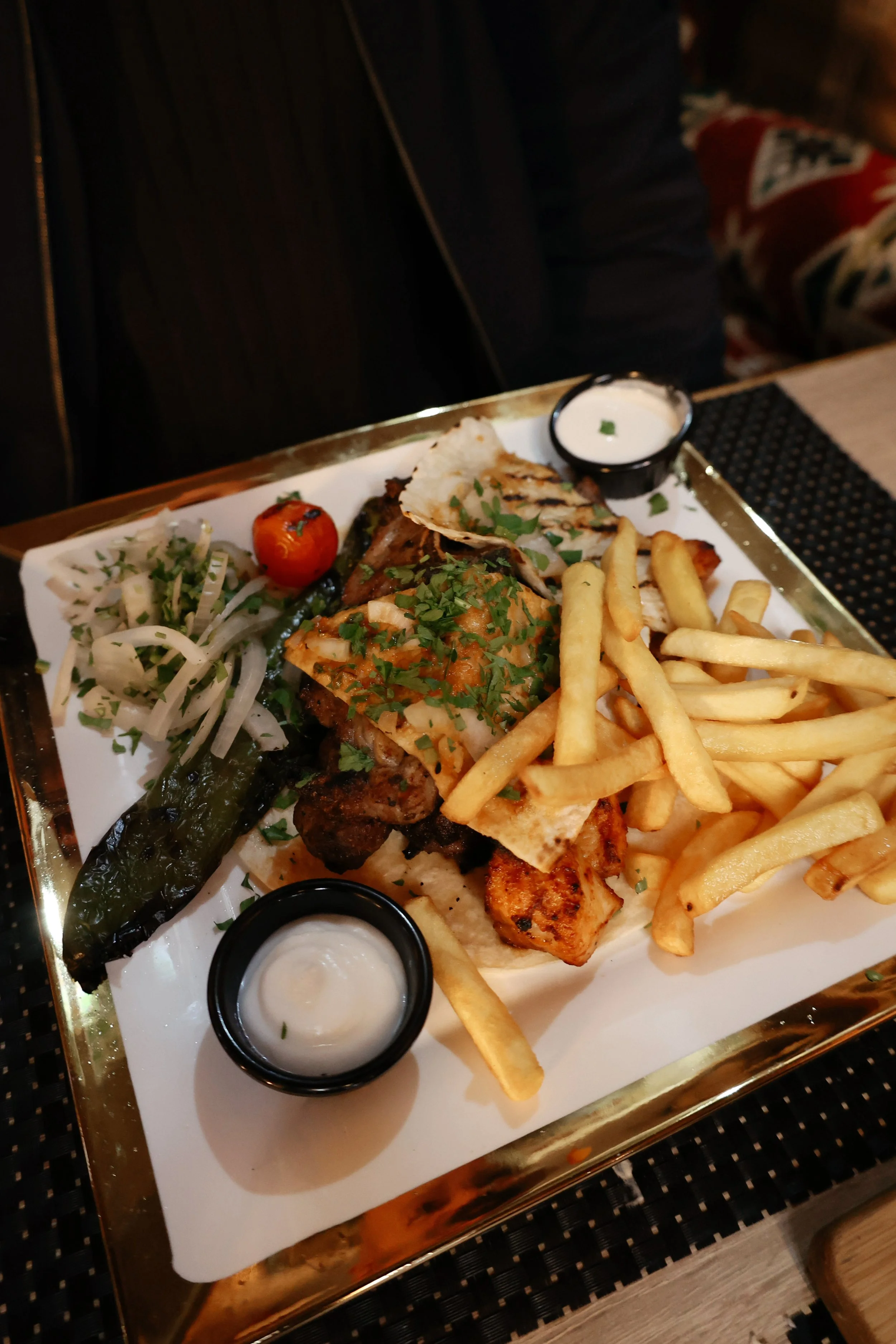
Arabesca absolutely deserves a spot on this list—it was genuinely some of the best food I’ve ever had. Every dish was incredibly flavorful, comforting, and beautifully balanced, the kind of meal that makes you pause mid-bite just to appreciate it. I ordered the hummus and falafel to start—both were exceptional. The hummus was smooth, rich, and perfectly seasoned, and the falafel was crisp on the outside, tender inside, and packed with flavor. The standout, though, was the arroz bujari: rice simmered in clay with lamb, grated carrot, nuts, onion, and raisins. It was deeply aromatic, slightly sweet, savory, and comforting all at once—an unforgettable dish. To finish, I had baklava, which was the perfect ending—sweet without being overwhelming, layered, and beautifully done.
Arabesca feels warm, soulful, and intentional, with food that tells a story through spice and texture. It’s one of those places you immediately want to recommend to everyone you know. If you’re even remotely interested in Middle Eastern flavors, this is a don’t-miss stop in Seville.
Cafes + Bakeries in Seville, Spain
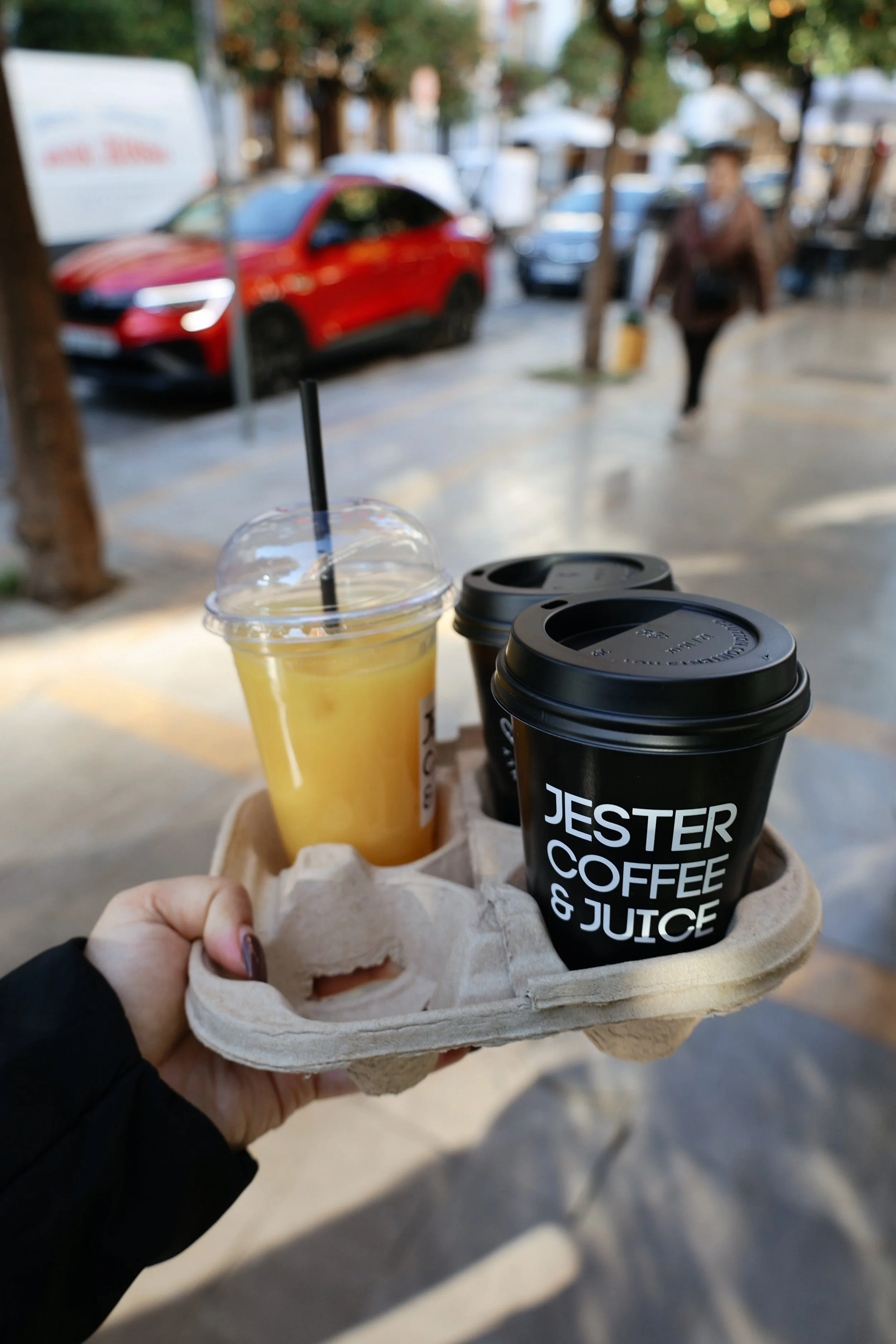
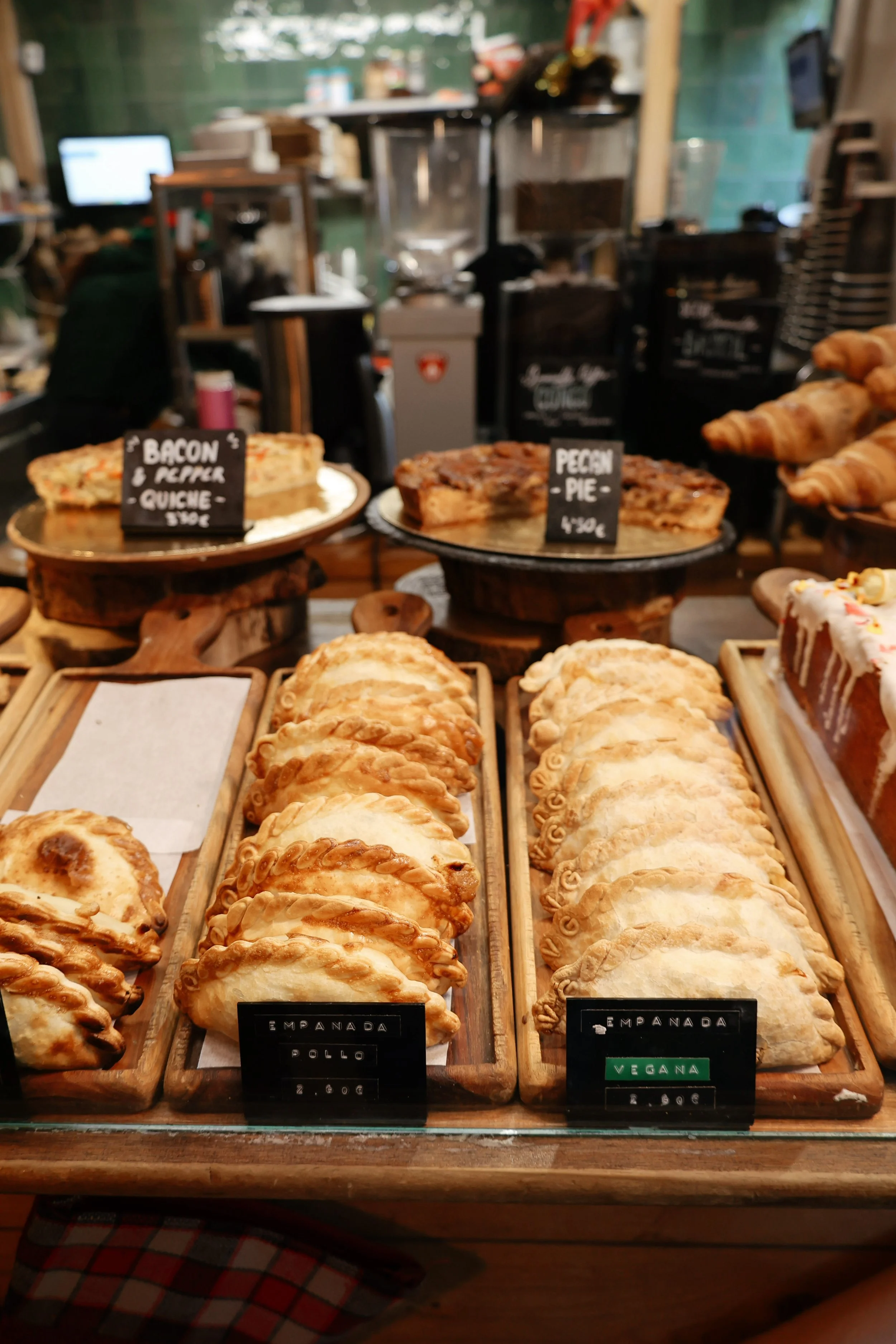
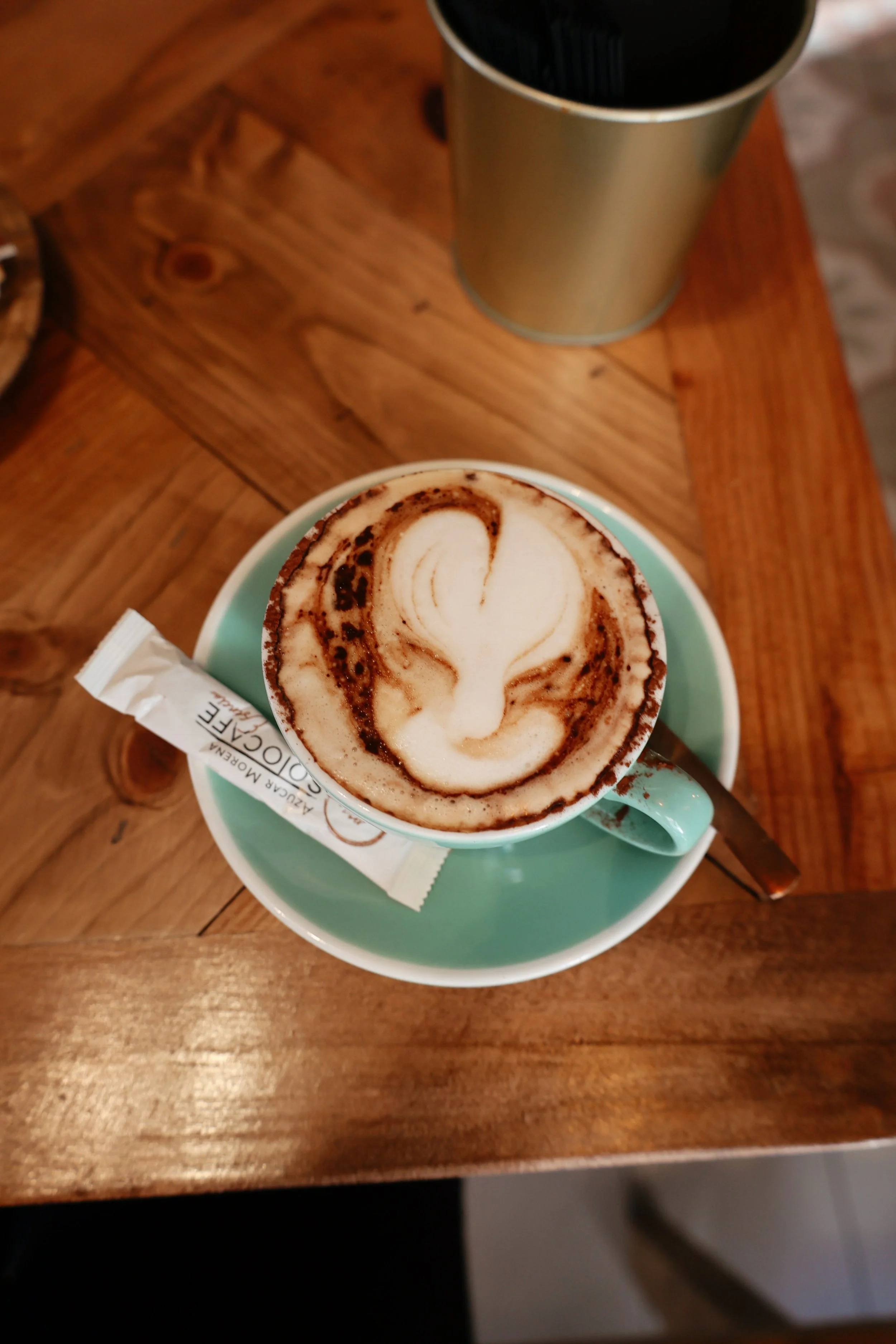
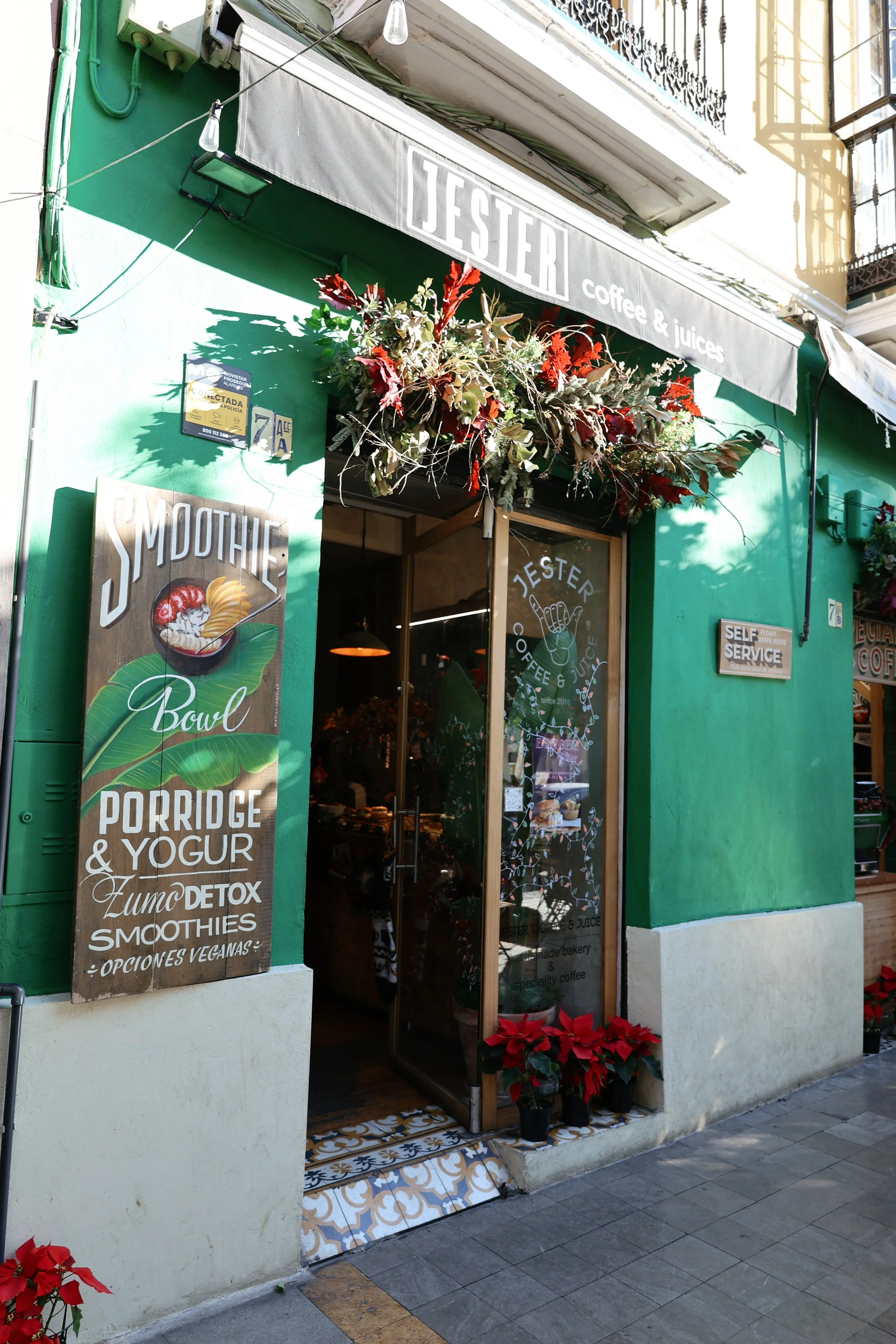
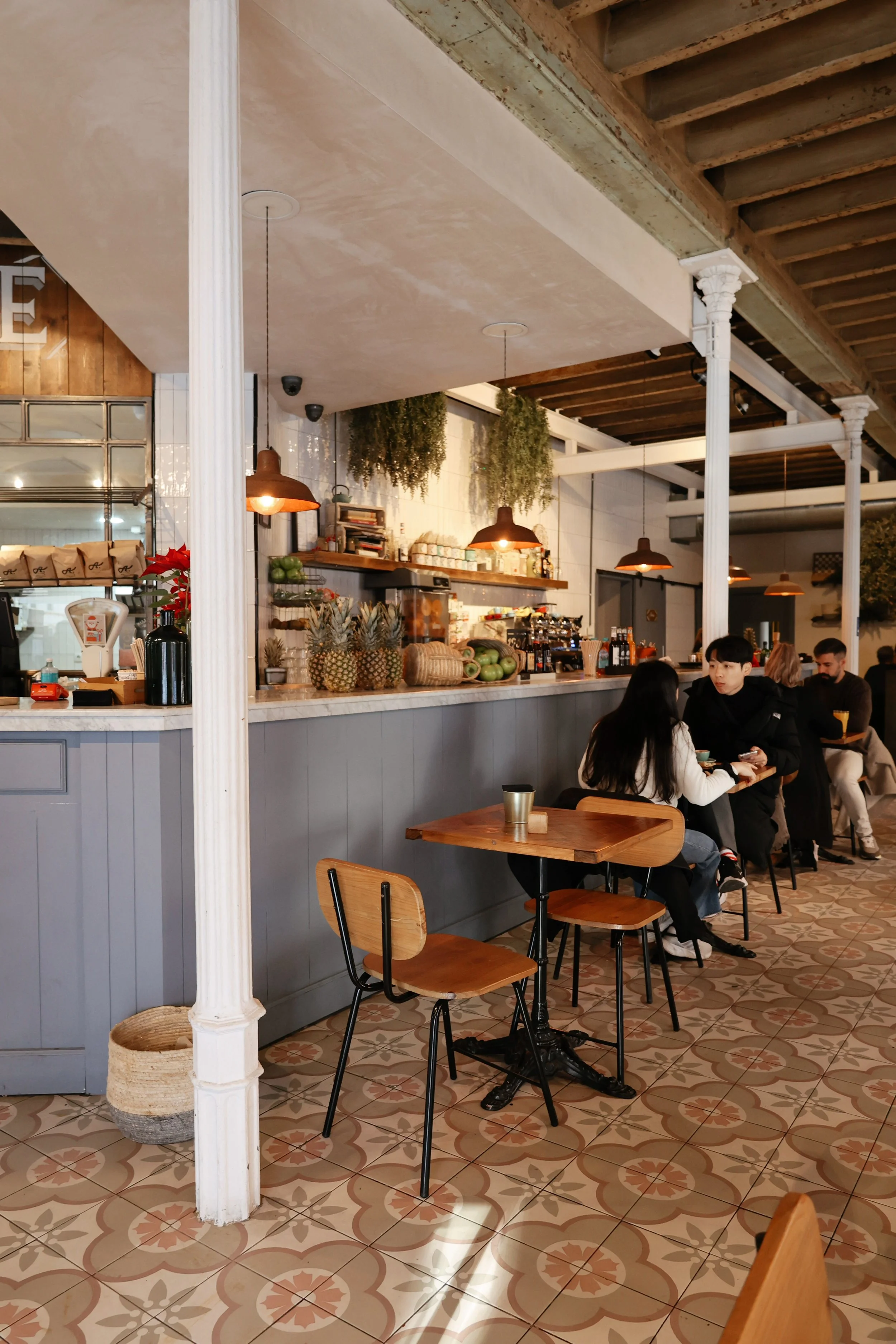
JESTER Coffee & Juices
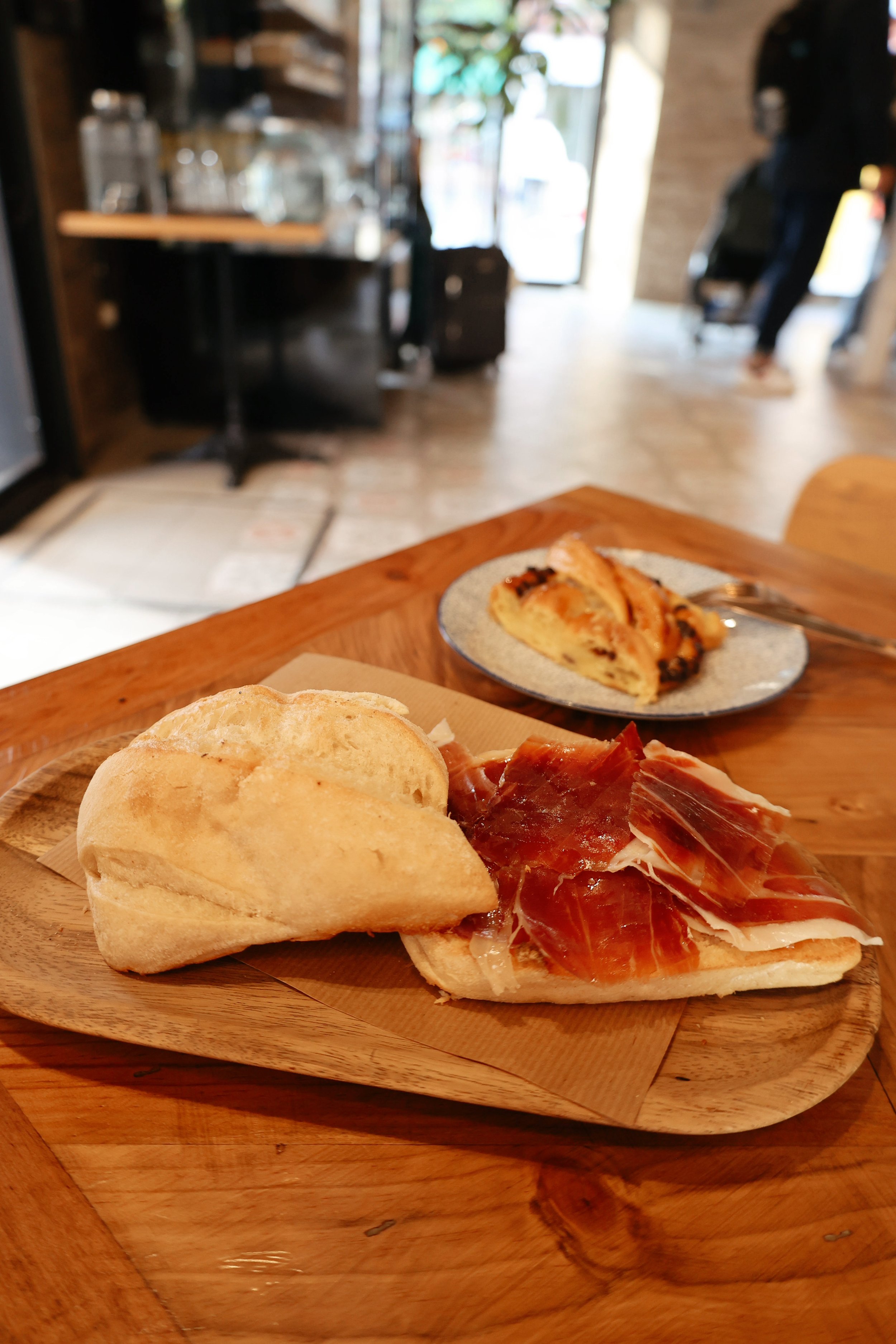
JESTER Coffee & Juices is a refreshing and vibrant stop in Seville’s café scene, perfect for those mornings when you want something invigorating. This spot pairs great coffee with freshly made juices and smoothies, giving you the best of both worlds—caffeine for your day and a boost of fresh fruit or greens. The atmosphere is casual and bright, making it a great choice whether you’re grabbing a quick drink to go or settling in for a little while. I loved how approachable and modern it feels—a nice contrast to some of the more traditional cafés around the city.
If you’re in the mood for a finely pulled espresso, a refreshing cold brew, or a freshly squeezed juice to kickstart your explorations, JESTER is a feel-good stop that hits the mark.
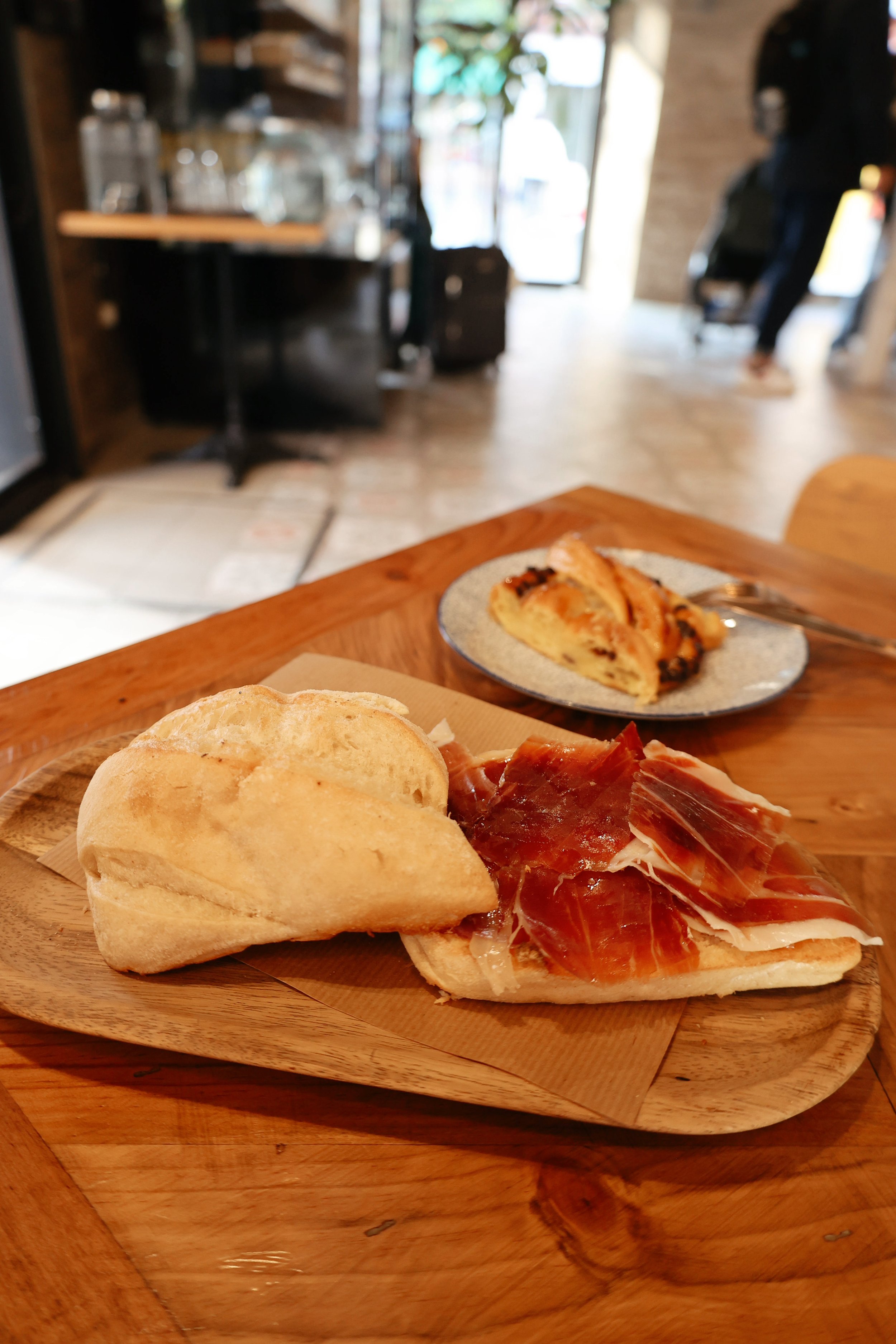
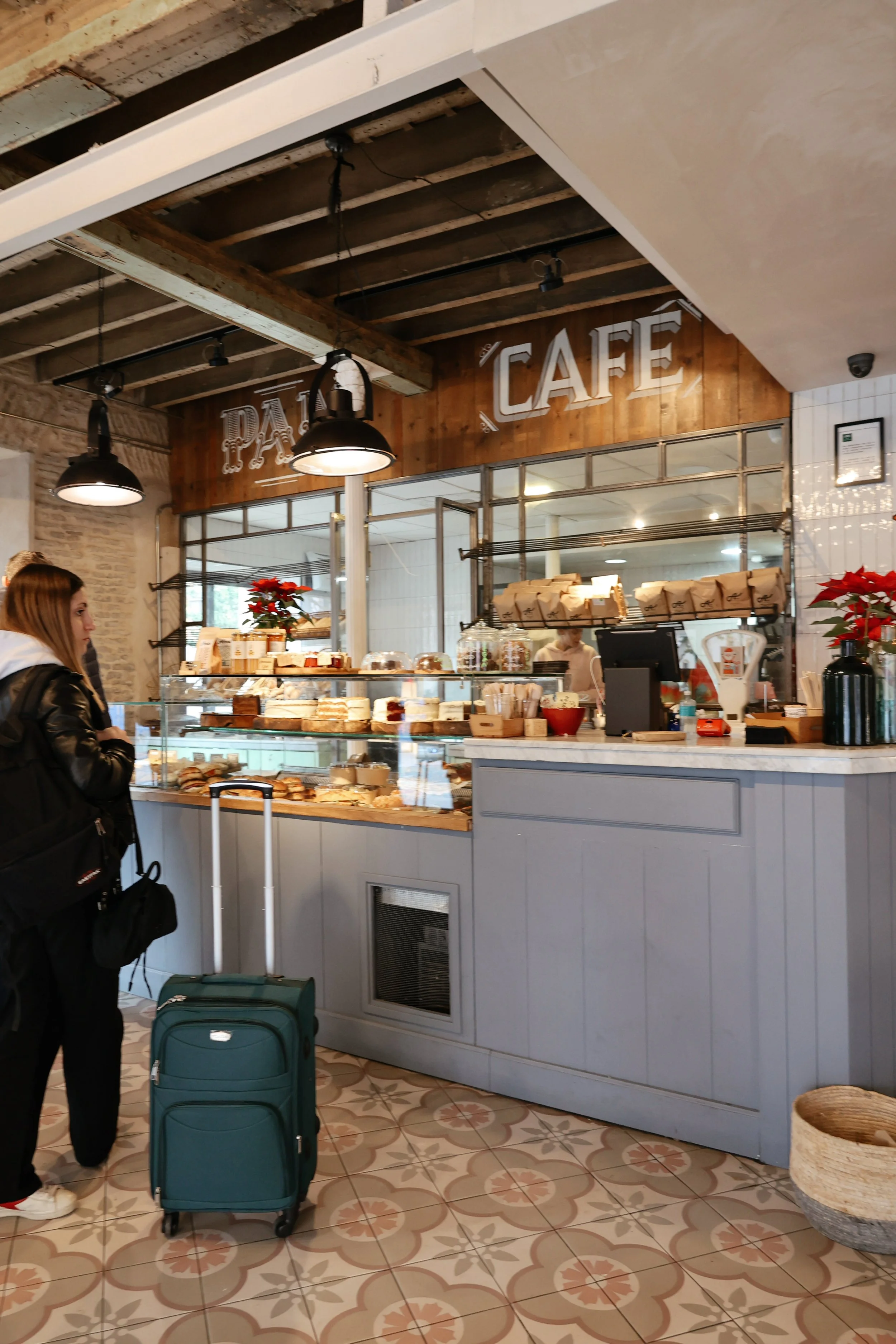
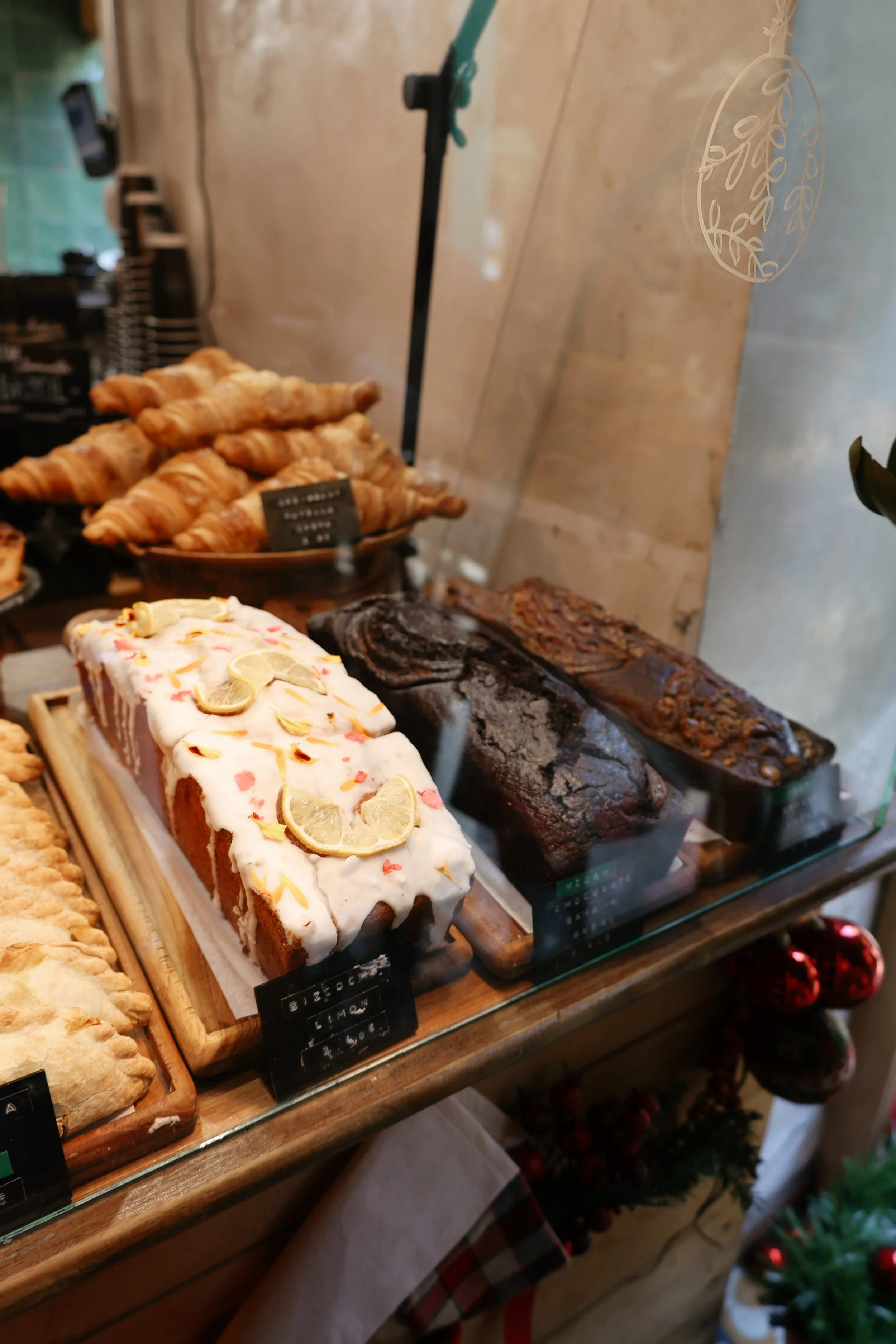
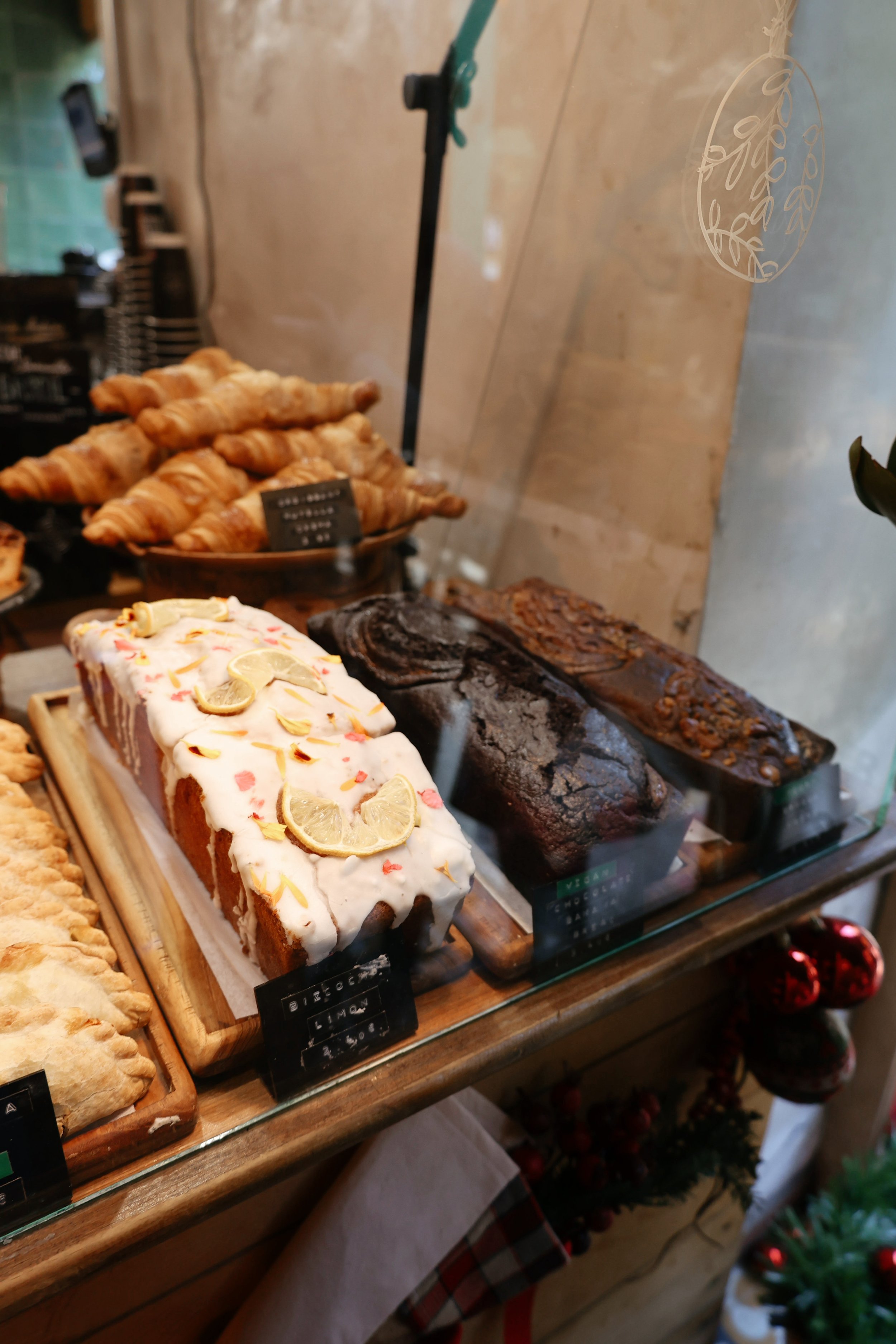
Alfonsito
Alfonsito is one of those classic Sevillian tapas bars that feels like a true neighborhood favorite. It’s casual, lively, and full of character—exactly the kind of place you want to duck into when hunger strikes while wandering through the city’s historic streets. The menu focuses on well-executed, traditional tapas that are perfect for sharing. Think hearty small plates, bold flavors, and no-fuss cooking that feels authentically Andalusian. Whether you’re pairing a glass of local wine with grilled meats, lightly seasoned fried bites, or savory spreads, the food here hits that satisfying, soul-food sweet spot.
Alfonsito isn’t fancy—it’s genuine and unpretentious, with a welcoming vibe that makes it easy to order a few dishes, linger, and soak in the bustle of local life. If you’re exploring Seville at a relaxed pace and want to eat like a local, this is a spot worth stopping by.
Muy Coffee
Muy Coffee is one of those spots in Seville that instantly feels easy and inviting. It’s cozy without being cramped, stylish without trying too hard—the kind of café you naturally gravitate toward more than once during your stay. The coffee is thoughtfully made and consistently good, whether you’re ordering a classic espresso or something a little creamier. You can tell the baristas genuinely care about what they’re serving, and that attention shows in every cup. Pair it with one of their pastries, and it’s the perfect pause in the middle of a day of exploring.
Muy Coffee has a calm, lived-in energy that makes it ideal for starting your morning, taking a quiet break, or simply sitting and soaking in Seville’s rhythm. It’s the kind of place that feels local, relaxed, and just right.
Syra Coffee
Syra Coffee quickly became one of my favorite little coffee discoveries in Seville. It strikes a perfect balance between specialty coffee craftsmanship and a relaxed, welcoming vibe—making it a go-to whether you need a morning pick-me-up or an afternoon breather. What really impressed me about Syra is the attention to detail. The espresso drinks are bold and well-balanced, the pour-overs are smooth and clean, and every cup feels like it was made with real care. It’s the kind of place where you notice the difference quality beans and skilled brewing make.
The café itself has a light, modern feel that’s still cozy rather than stark. There’s plenty of seating if you want to sit and linger, catch up on messages, or just people-watch with your coffee in hand. Whether you’re fueling up for a day of exploring or just looking for a thoughtful cup in a calm setting, Syra Coffee is an easy recommendation for coffee lovers in Seville.
Late.
Late. is one of those cafés in Seville that immediately catches your eye—not because it’s flashy, but because it feels effortlessly cool. The atmosphere strikes a great balance between relaxed and refined, making it a perfect stop whether you’re looking to kick off your morning or take a slow break in the middle of the day. The coffee here is consistently well crafted. From rich, expertly pulled espresso shots to smooth lattes and carefully brewed filter options, you can tell quality is at the forefront. What I appreciated most about Late. is how much it feels like a space built for coffee people—where the brew, the beans, and the technique matter.
The interior has a clean, minimalist vibe that still feels warm and comfortable, with spots to sit and linger if you’re enjoying a longer coffee moment. It’s the kind of place where a great cup pairs perfectly with a pause between wandering Seville’s streets—or simply a quiet moment to yourself.
East Cream Coffee
East Cream Coffee is one of those cafés that instantly earns a spot on repeat visits. Stylish, modern, and thoughtful in every detail, it’s a place where the coffee does the talking — and it does that very well. The vibe here feels contemporary and calm, a perfect little break from exploring the city’s historic streets. What stood out most to me was the consistency and care behind every cup. Whether you’re sipping a smooth espresso, a perfectly balanced flat white, or a carefully brewed pour-over, each drink feels intentional and well executed. The space itself complements the coffee culture — sleek, comfortable, and easy to settle into.
East Cream strikes that sweet spot between specialty craftsmanship and relaxed café charm. It’s ideal for a morning jolt, an afternoon reset, or simply a moment of calm with a really good cup in hand. If you’re serious about coffee while in Seville, East Cream Coffee deserves a stop.
KIOS Coffee
KIOS Coffee is a gem tucked into Seville’s ever-growing specialty coffee scene. It’s got that comfortable, neighborhood feel where the baristas know the drinks and the regulars know your name—or at least your order. The vibe is relaxed and friendly, making it a great place to pop in whether you’re just starting your day or taking a breather between wandering the city. The coffee itself is solid and dependable, with well-made espresso drinks and tasty brews that showcase quality beans without fuss. It’s the kind of spot where you grab a drink to go or settle in for a few minutes with a pastry and your phone or journal.
KIOS doesn’t try to be fancy — it’s simply a welcoming, good-coffee cafe that feels like a local favorite. If you’re exploring Seville and need a reliable coffee stop that’s unpretentious and delicious, KIOS Coffee fits the bill perfectly.
Chia Brunch & Dreams
This is the kind of place that makes brunch feel like a small celebration. Bright, cheerful, and full of life, it’s perfect when you’re craving something fresh, colorful, and satisfying without feeling heavy. Everything about the space feels inviting, from the playful energy to the thoughtfully designed menu. The dishes lean into elevated brunch favorites—smoothie bowls packed with flavor, beautifully done avocado toasts, and creative plates that feel both comforting and fun. Paired with a good coffee or a fresh juice, it’s an easy spot to settle into and enjoy a slower moment in your day.
Whether you’re meeting friends or treating yourself to a solo brunch, this spot has that feel-good vibe that lingers long after you leave. It’s relaxed, joyful, and a lovely break from the more traditional café stops around the city.
Ringo Banana
This café feels playful and refreshing—exactly the kind of spot you stumble into when you want something a little different from the usual coffee run. The atmosphere is relaxed and upbeat, with pops of color and creative energy that make it feel more than just a quick pit stop. The menu mixes fun with comfort: from quirky takes on breakfast classics to flavorful coffee and juice options that hit the spot. Whether you’re craving a bright, fresh dish in the morning or a flavorful lunch pairing, each plate feels thoughtfully put together without being overly complicated.
The overall vibe here is casual and welcoming, perfect for lingering over a drink or catching up with friends. It’s the sort of place that makes you smile as soon as you walk in—easygoing, delicious, and wholly enjoyable. If you’re looking for a café with personality and great flavors in Seville, this one definitely deserves a visit.
Where to Stay in Seville, Spain
If you’re looking to elevate your Seville experience with stylish design, impeccable service, and unforgettable comfort, you’re in the right place. These top-tier hotels combine prime locations with luxe touches—perfect for an indulgent getaway in one of Spain’s most captivating cities.
Hotel Alfonso XIII, a Luxury Collection Hotel
A true icon of Seville, this is the city’s most classic luxury hotel—and for good reason. Built in 1928 and still one of the grandest addresses in Andalusia, it blends Moorish and Andalusian design with world-class service. The rooms are elegant and spacious, the central location near the cathedral makes sightseeing effortless, and the hotel itself feels like a piece of the city’s history.
Gran Meliá Colón
Modern luxury meets classic Seville style at this five-star property. It’s just off Seville’s main shopping avenue (Calle Sierpes) and close to key sights like the cathedral and Alcázar. Expect refined rooms, a beautiful rooftop pool and terrace, excellent service, and a style that feels polished without being stuffy.
Becquer Hotel
Sleek, contemporary, and centrally located, Hotel Becquer is perfect if you want modern luxury with local flavor. Rooms are stylish and comfortable, and the rooftop terrace has one of Seville’s most iconic sunset spots—complete with views that stretch across the city’s skyline.
Corral del Rey
For something more intimate and boutique-style, this gem tucked in Seville’s historic center delivers refined comfort with a personal touch. Formerly a 17th-century palace, Corral del Rey balances historic architecture and contemporary style beautifully. The rooms are individually designed, and the atmosphere feels calm and sophisticated.
Palacio de Villapanés
Set in a beautifully restored 18th-century palace, this hotel blends historic elegance with modern luxury. The rooms are chic and spacious, there’s a tranquil courtyard pool, and it’s just a short walk from the river and historic neighborhoods.
Best Time to Visit Seville, Spain
The most popular times to visit Seville are spring and fall—and for good reason. The weather is comfortable, the city is alive with color, and everything feels perfectly balanced. But let me be honest and share my personal experience: winter completely surprised me in the best way. I visited Seville in winter, and it ended up being such a great decision. The temperatures were mild enough to explore all day without feeling drained, and the city felt calmer and more intimate without the usual crowds. The streets were softly lit with holiday lights, giving everything a cozy, almost magical feel.
What I loved most was how relaxed everything felt. Iconic landmarks were easier to enjoy, cafés and bakeries became little warm escapes, and lingering over coffee or pastries felt even more special in the cooler air. There was a festive energy without the chaos, and it allowed me to experience Seville at a slower, more personal pace. So while spring and fall are wonderful, don’t rule out winter. If you’re drawn to quieter streets, comfortable weather, and a charming, festive atmosphere, visiting Seville in winter might just show you a whole new side of the city.
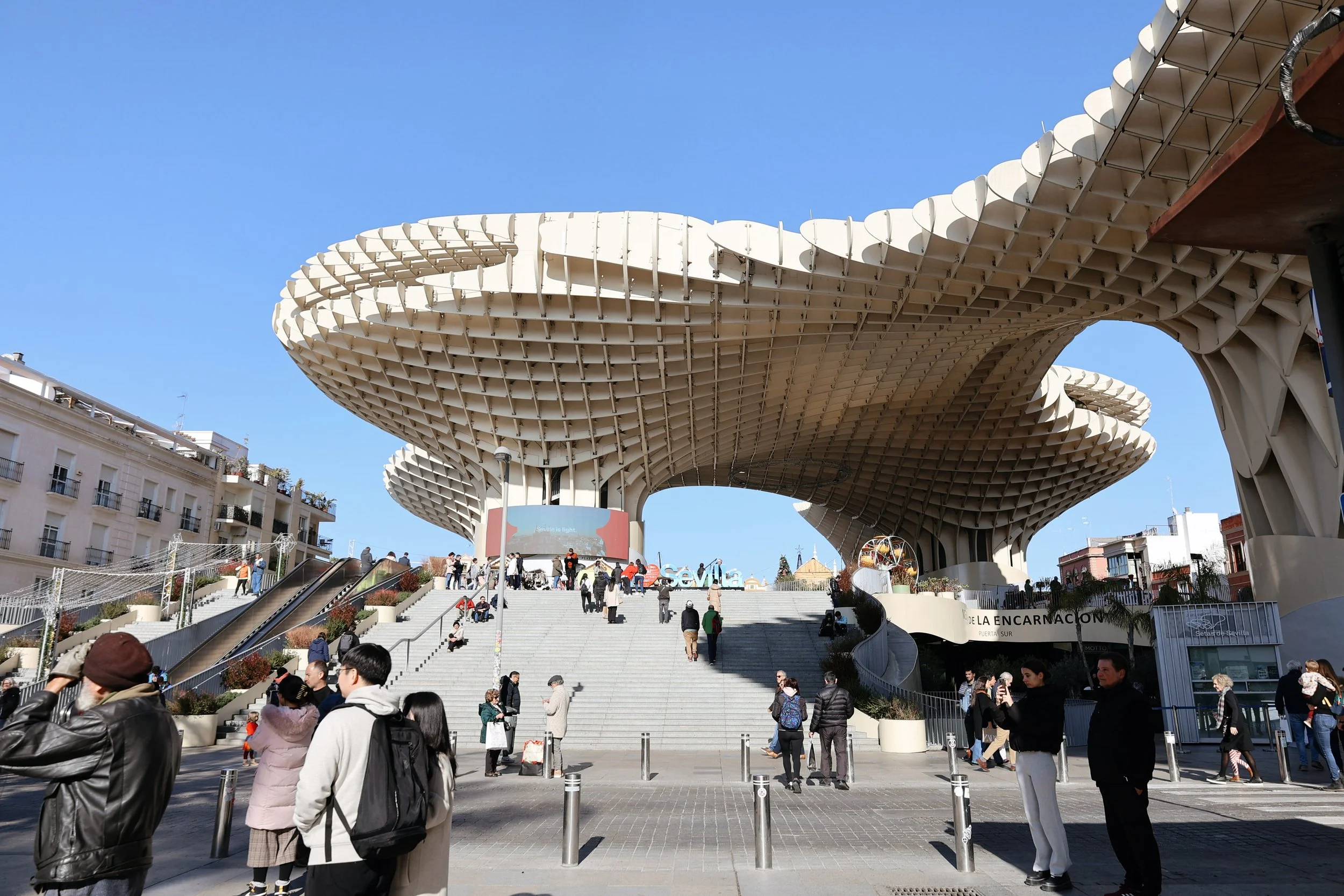
Seville is one of those places that stays with you long after you’ve left. It’s a city you don’t just visit—you feel it. From the rhythm of flamenco echoing through the streets to the intricate details carved into centuries-old architecture, everything here seems to tell a story. Wandering through Barrio Santa Cruz, standing beneath the grandeur of the Cathedral and Giralda, or lingering over tapas and pastries at a neighborhood café—each moment feels rich, layered, and deeply rooted in tradition. There’s a warmth to Seville that goes beyond the sunshine, found in its people, its food, and the way life unfolds at an unhurried pace.
Whether this is your first visit or one of many, Seville has a way of welcoming you in and leaving its mark on your heart. Come curious, take your time, and let the city work its quiet magic—you’ll understand why it’s so easy to fall in love here.
#seville #sevillespain #visitseville #visitspain #travelgram #travelguide #travelholic #traveltheworld #traveler #traveltoexplore #travelon #traveldestination #traveldiaries #travelblogger #traveltheworld #traveladdict #traveldestinations #travellover #womenwhotravel #womenwhoexplore