There’s something about Salem that pulls you in the moment you arrive. History, mystery, and a little bit of magic all seem to coexist here—and I felt it immediately. I recently visited Salem to celebrate my 10-year anniversary with my boyfriend, and it turned into one of those trips that feels both meaningful and unforgettable. Walking through Salem felt like stepping into a storybook—one that’s equal parts eerie, fascinating, and unexpectedly charming. From learning about the haunting history of the witch trials to wandering through whimsical magic shops and cozy streets, every part of the town felt layered with stories. One moment we were immersed in centuries-old history, and the next we were laughing, shopping, and soaking in the salty coastal air by the water.
What surprised me most was how balanced Salem feels. Yes, it leans into its spooky reputation—and does it well—but there’s also so much beauty here. The waterfront is peaceful, the architecture is stunning, and the town has a warmth that makes you want to linger longer than planned. It’s not just about Halloween or haunted tales; it’s about culture, connection, and moments that feel quietly special.
This guide brings together our personal experience, favorite moments, and insider tips to help you experience Salem beyond the surface. Whether you’re chasing a little Halloween magic, diving deep into American history, or simply looking for a destination that feels different from anywhere else, Salem has a way of captivating you—one story, one street, one moment at a time.
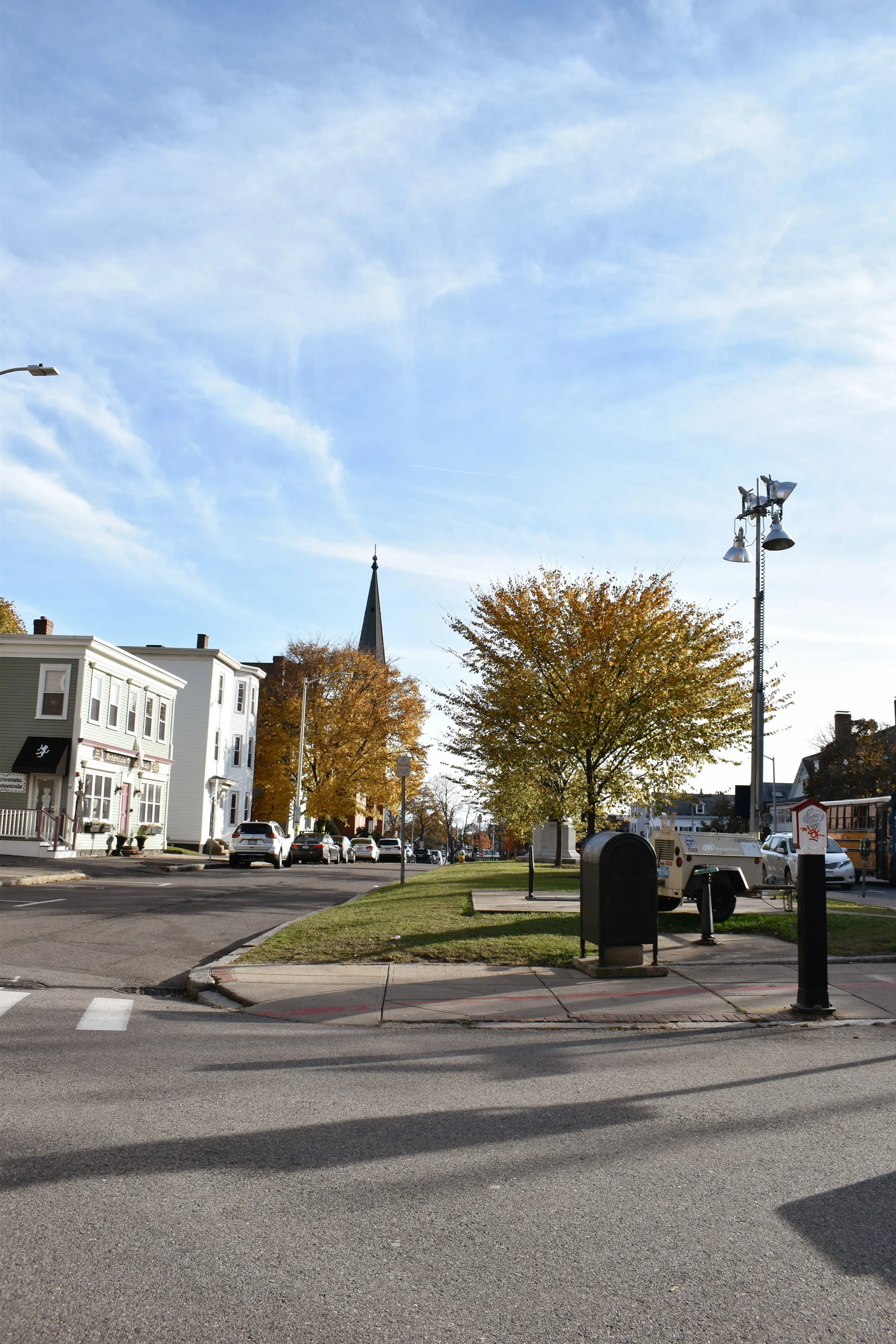
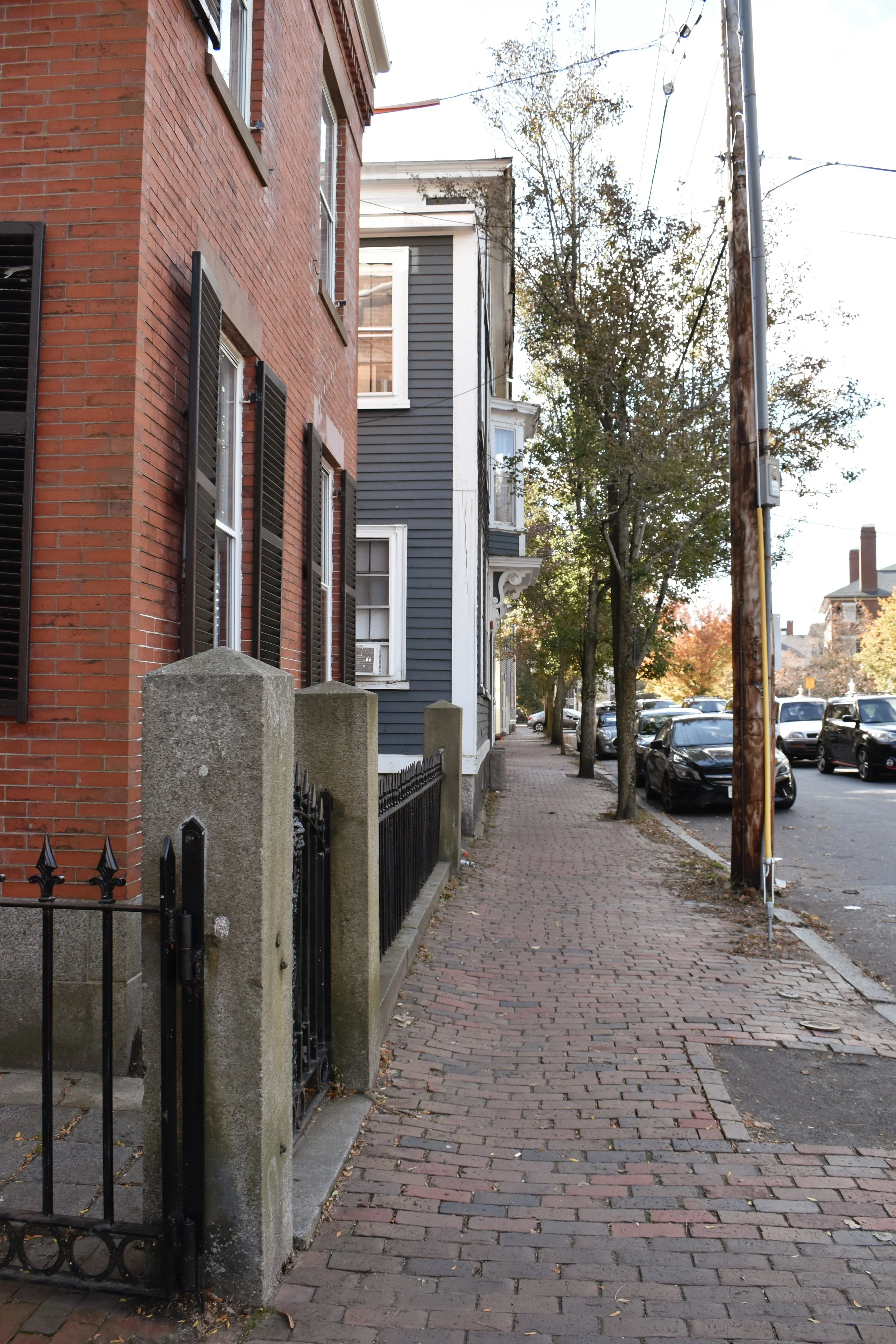
Things to Do in Salem, Massachusetts
Essex Street
Every time I think about Salem, Essex Street is the first place that comes to mind. It’s the heart of the city and the perfect place to start your visit—it immediately sets the tone for everything Salem is known for: history, energy, and a touch of magic. The cobblestone paths, historic buildings, and constant buzz make it feel alive from morning to night. I highly recommend starting with a guided walking tour that begins right on Essex Street. It’s such a great way to ground yourself in Salem’s history before wandering on your own. I like to start at one end of the street, slowly make my way down, and then branch off toward the McIntire District, where the architecture and history feel even more layered and intimate.
As you walk, Essex Street unfolds into a lively pedestrian mall filled with souvenir shops, bookstores, cafés, and little nooks that invite you to linger. It’s one of those places where you naturally slow down—grabbing coffee, popping into shops, and people-watching along the way. I especially love spending time in Salem Witch Village, where the stores fully lean into Salem’s mystical side. If you’re curious about psychic readings or witchcraft traditions, Haus Witch and Hex Old World Witchery are worth stopping into—they really embody the enchanting spirit Salem is known for. And if you’re in the mood for something less mystical but equally beautiful, Oak + Pine is a must. The space is stunning, filled with thoughtfully curated home goods and thriving plants that somehow feel perfectly at home in Salem’s historic setting.
Essex Street feels like a gateway into Salem itself—a place where the past and present coexist effortlessly. Take your time here, wander without a plan, and let the street guide you. It’s where the city’s stories begin, and where the magic of Salem really starts to unfold.
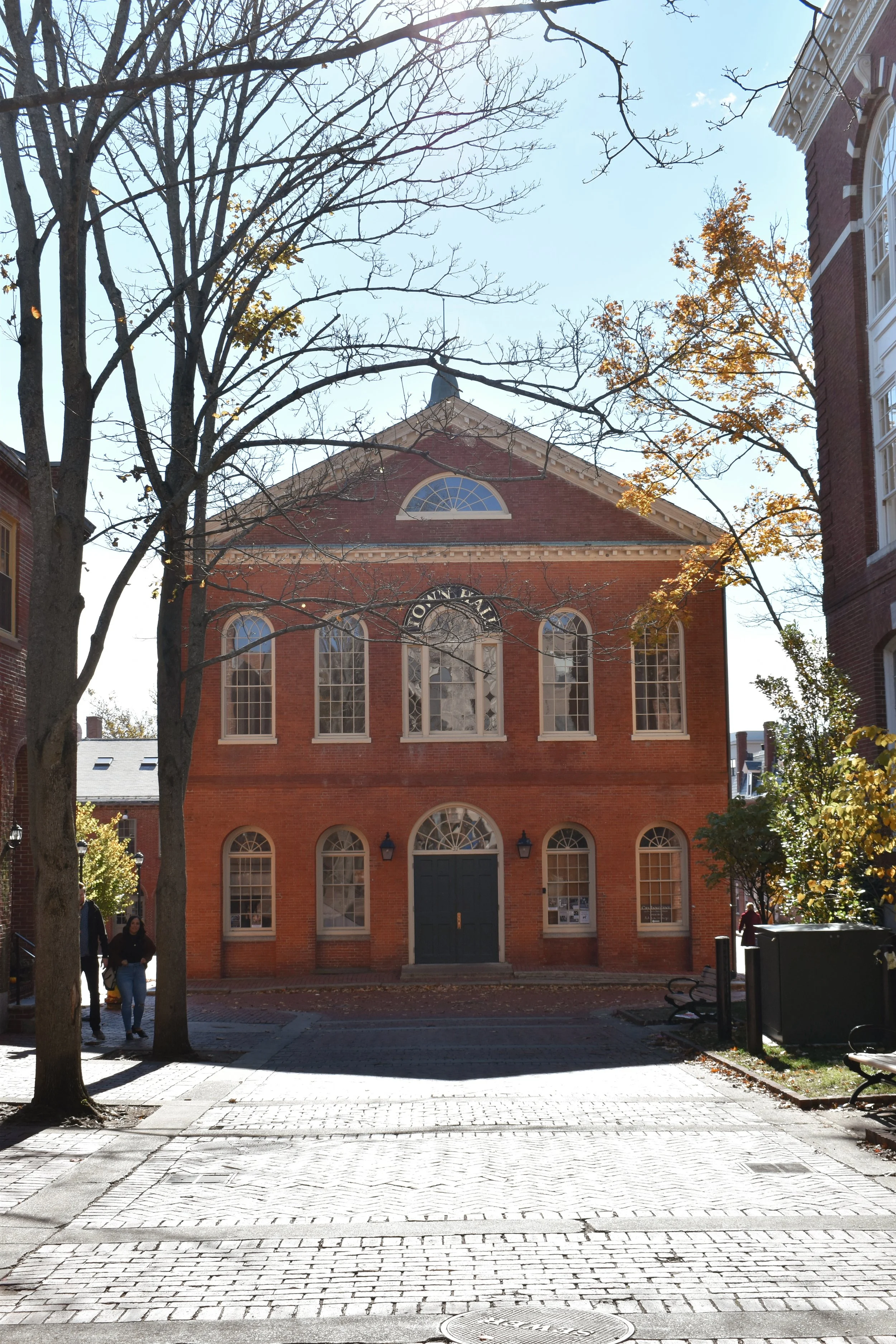
Old Town Hall
As you wander through Salem, the Old Town Hall is one of those buildings that naturally makes you slow down. The red brick façade, the symmetry, the sense of age—it quietly commands your attention. Built in 1816, it’s been standing here for over two centuries, and you can feel that history the moment you step closer. What I love most is how the building continues to evolve while still honoring its past. The second floor remains a public hall, preserving its original purpose, while the first floor has been transformed into a rotating art exhibition space that highlights local artists. It feels like a beautiful meeting point between Salem’s history and its creative present.
And then there’s the fun detail that makes it even more special—if you’re a Hocus Pocus fan, this building will look very familiar. The Old Town Hall was featured in the 1993 film, which adds an extra layer of nostalgia and charm. Standing there, it’s hard not to picture the scene and smile a little.
Old Town Hall is a perfect example of what Salem does so well: blending history, culture, and a bit of pop-culture magic into one unforgettable stop. It’s not just something you pass by—it’s something you pause for, appreciate, and remember.
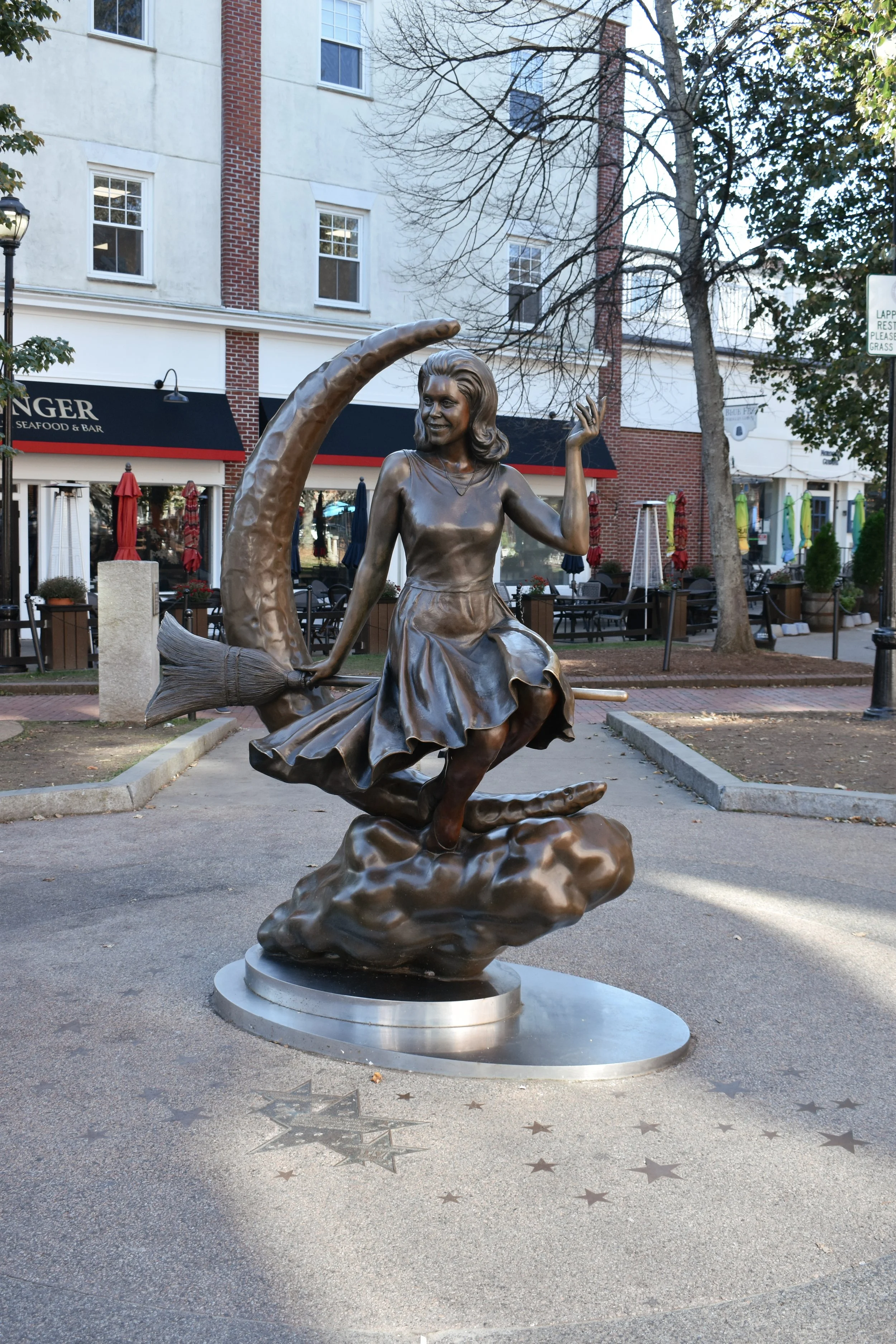
Bewitched Statue
As you make your way down Essex Street, this is one stop you can’t miss. The Bewitched Statue—featuring Elizabeth Montgomery soaring on a broom—feels playful, nostalgic, and perfectly at home in Salem. It’s a tribute to her role as Samantha in the iconic 1960s TV show Bewitched, and it’s easily one of the most recognizable landmarks in town.
I love how this statue adds a lighter, whimsical layer to Salem’s story. Amid all the history and heavier moments tied to the witch trials, this spot feels fun and celebratory—almost like a wink to Salem’s pop-culture legacy. There’s usually a small crowd gathered around snapping photos, and honestly, it’s worth joining in. It’s one of those classic Salem moments you’ll want to capture and look back on later.
Whether you grew up watching Bewitched or just appreciate a bit of vintage TV magic, the statue is a charming reminder that Salem isn’t only about the past—it also knows how to embrace its more playful side.
The House of the Seven Gables
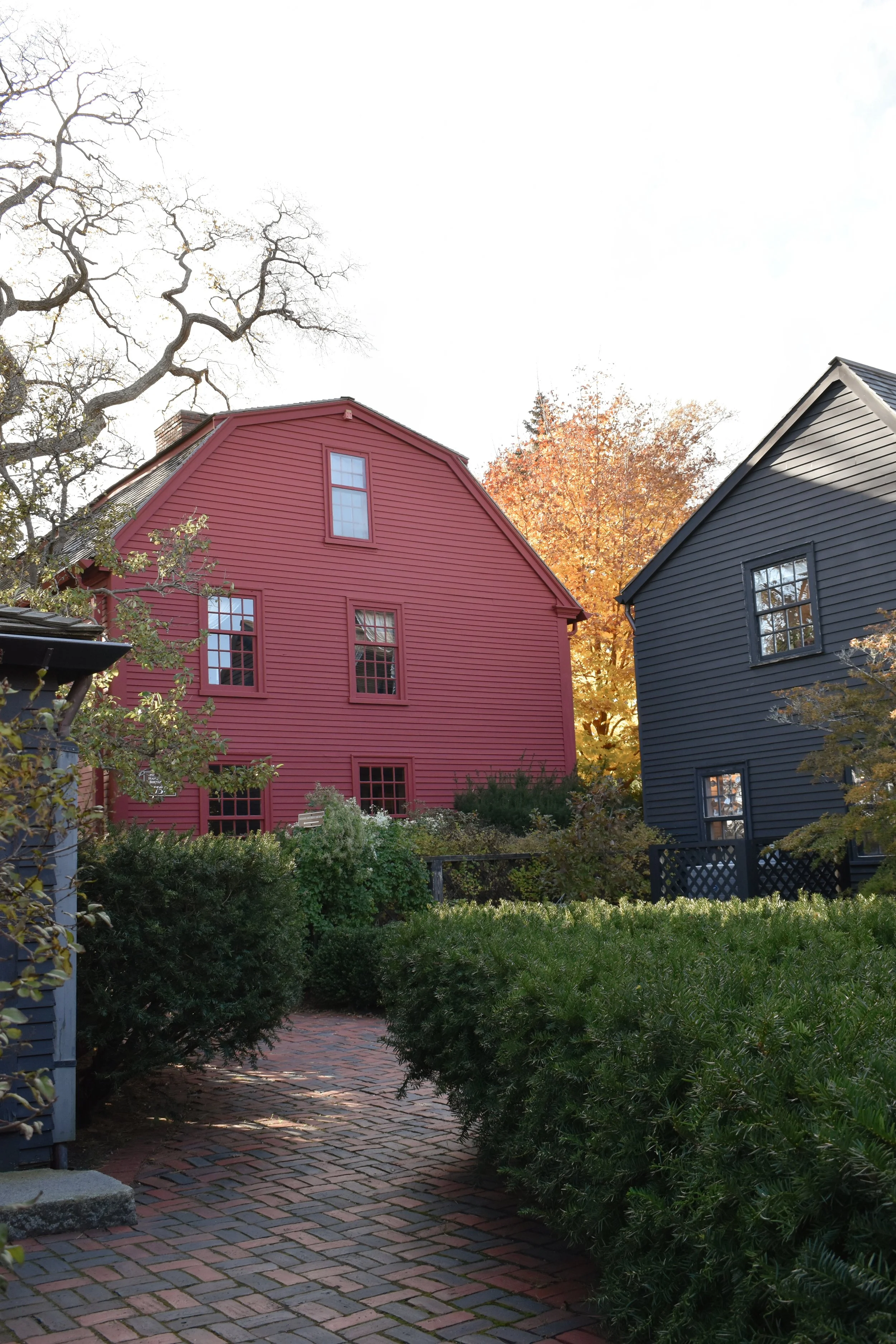
If you love literature—or simply appreciate places that feel deeply layered with history—the House of the Seven Gables is an absolute must. Walking up to this centuries-old home, you can almost feel the stories embedded in its walls. It’s quiet, atmospheric, and incredibly grounding after the busier parts of Salem. Built in 1668 by Captain John Turner, this mansion is one of the oldest surviving wooden houses in the United States, and that alone makes it remarkable. Over time, it passed through three generations of the Turner family before financial hardship forced its sale in 1782. The house eventually came into the hands of Samuel Ingersoll, and later his daughter Susanna—who happened to be the cousin of Nathaniel Hawthorne.
Hawthorne spent a great deal of time here, and the house clearly left a lasting impression on him. In 1851, he immortalized it in his novel The House of the Seven Gables, transforming the home into a lasting piece of American literary history. Today, the mansion operates as a museum, thoughtfully preserving both the architecture and Hawthorne’s legacy.
What I loved most about visiting was how immersive it felt. The creaking floors, dark wood interiors, and views toward the waterfront all make it easy to imagine life here centuries ago. It’s less about jump scares or spectacle and more about atmosphere—quiet, reflective, and deeply Salem.
This stop adds a beautiful, literary depth to your Salem itinerary and offers a slower, more contemplative experience that perfectly balances the town’s more playful and spooky attractions.
Derby Waterfront District
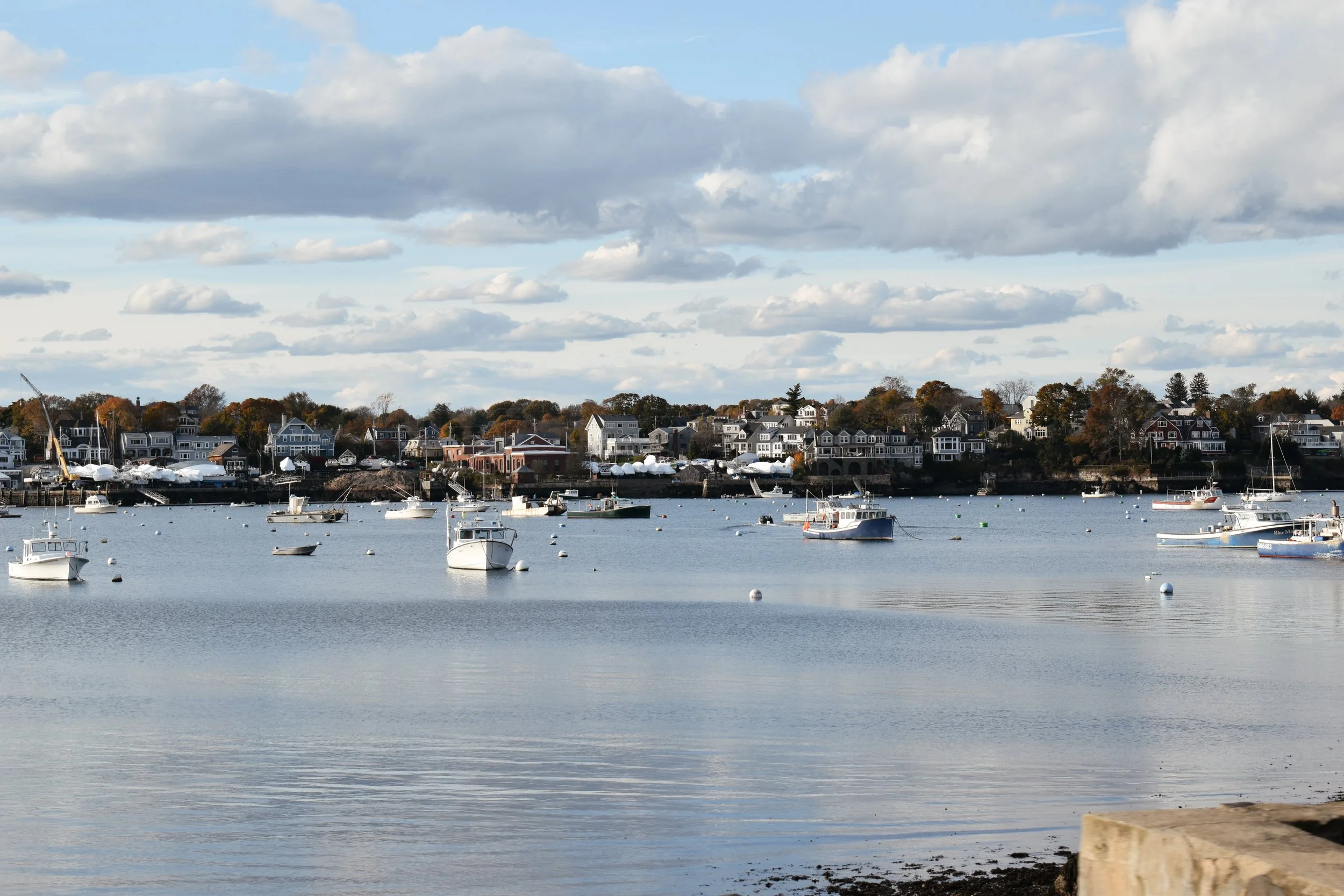
If you’re craving a slower, more scenic side of Salem, the Derby Waterfront District is where I’d send you—especially around sunset. There’s something incredibly calming about this area: sailboats gently bobbing in the harbor, the sky shifting into soft pastels, and the salty ocean air rolling in. It feels romantic without trying too hard.
One of my favorite spots here is Finz Seafood & Grill. If you love seafood, this place delivers. Their clam chowder is a must—it’s rich, comforting, and perfect after a long day of walking. The restaurant sits right by the water near the lighthouse, and watching boats drift through the bay while you eat makes the whole experience feel very “New England in the best way.” It’s an ideal dinner spot when you want great food and a view.
Salem Pioneer Village
For a completely different kind of historical experience, Salem Pioneer Village is well worth a visit. This recreated 1630s settlement offers a glimpse into Salem’s earliest days, long before the witch trials. Walking through the village feels grounding—it strips history back to its roots.
What I found especially interesting was seeing how both Native American and early British settler homes are represented, offering insight into daily life and cultural exchange during that time. It’s simple, educational, and quietly powerful—a reminder that Salem’s story goes far deeper than its most famous chapter.
Together, the waterfront and Pioneer Village show two very different sides of Salem: one peaceful and scenic, the other reflective and historical. Both add so much depth to the experience and are perfect for balancing out the town’s busier, more tourist-heavy spots.
Peabody Essex Museum
If you’re in the mood to balance Salem’s spooky energy with something more artistic and reflective, the Peabody Essex Museum is such a perfect stop. I loved how seamlessly it fits into a Halloween-leaning itinerary while still offering something entirely different. The museum has its roots in the East India Marine Society—a group of seafarers who brought back objects from their travels around the world—and that global curiosity is still felt throughout the space today. With more than 30 galleries, the exhibits span maritime history, American and decorative arts, Asian art, and so much more. It never feels overwhelming, just thoughtfully curated. One of my favorite moments was taking a break in the airy atrium, sipping tea and letting everything sink in before continuing on. If you need a quiet pause during a busy Salem day, this is it. Don’t skip the garden sanctuary either—it’s peaceful, grounding, and a lovely contrast to the darker themes elsewhere in town. One of the most unforgettable parts of the museum is Yin Yu Tang House. This 200-year-old Qing Dynasty home was carefully acquired in China and reconstructed in Salem, and walking through it feels incredibly intimate and transportive. It offers a rare, beautiful glimpse into traditional Chinese architecture and family life, and it truly stands out as something special.
Just outside the museum, on the Crowninshield–Bentley Lawn, you’ll find Stickwork, a hauntingly beautiful installation by artist Patrick Dougherty. Made entirely of saplings gathered by local volunteers, it feels organic, eerie, and perfectly placed in Salem—especially if you’re visiting in the fall. It adds just the right touch of spooky artistry to the experience.
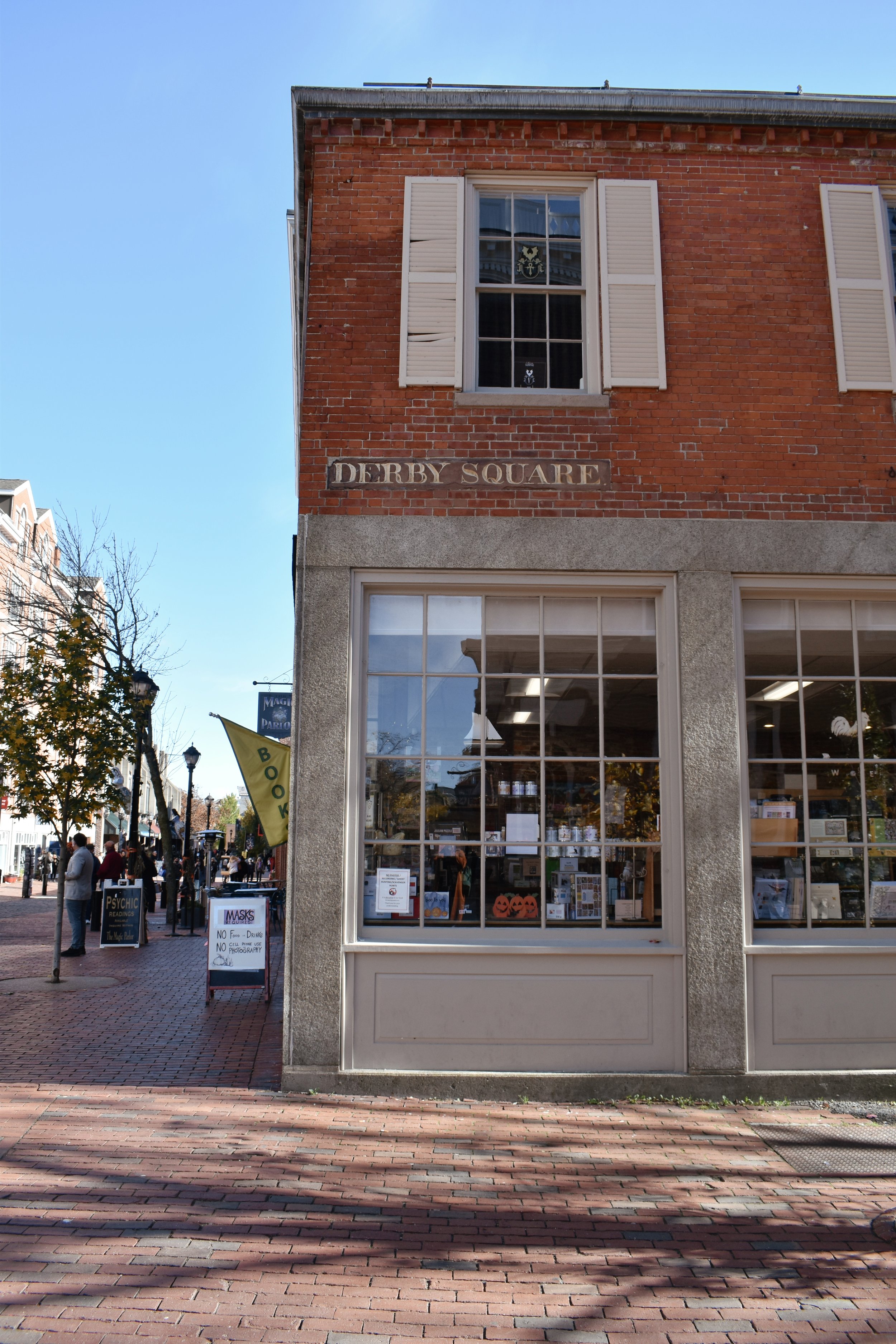
Before moving on, make sure to stop by Wicked Good Books, located right at the corner of Essex and Derby Streets. This bookstore is a dream for anyone intrigued by witchcraft, folklore, vampires, and the supernatural. Browsing here feels like the perfect final note after a museum visit—one more way to stay immersed in Salem’s enchanting world just a little longer.
Andrew-Safford House
The Andrew-Safford House is one of those places that quietly impresses you the longer you’re there. Located within the Peabody Essex Museum complex, this elegant home feels like a step back into Salem’s more refined, maritime-wealth era. Built between 1818 and 1819, it’s a beautiful example of Federal-style architecture—symmetrical, graceful, and filled with thoughtful detail. As you walk through the house, it’s easy to imagine what Salem was like during its peak years, when grand homes like this lined the streets and craftsmanship mattered deeply. The proportions, the light, and the design all feel intentional and timeless. It was officially added to the National Register of Historic Places in 1972, and it absolutely earns that recognition.
What I love most about visiting the Andrew-Safford House is how it adds another layer to Salem’s story. Beyond the witch trials and the spooky lore, this home highlights the city’s elegance, prosperity, and architectural legacy. It’s a quieter stop, but one that really deepens your understanding of Salem—and makes the history feel personal, not just legendary.
Salem Custom House
The Salem Custom House is one of those places where Salem’s literary and historical threads quietly intersect. Built in 1819, this beautiful example of Federal-style architecture once served as a hub for commerce, when Salem was a thriving port city and trade shaped daily life. Standing in front of it, you can almost picture the steady rhythm of ships coming and going, paperwork being stamped, and business unfolding along the waterfront. What makes this stop especially meaningful is its connection to Nathaniel Hawthorne. Hawthorne worked here for three years as a surveyor, and his time within these walls left a lasting mark on his writing. The experiences and observations he gathered here later influenced The Scarlet Letter, one of his most famous works, which tells the story of Hester Prynne and her public punishment in Puritan New England.
There’s also a deeply human layer to Hawthorne’s story that adds weight to this visit. He intentionally added the “w” to his last name to distance himself from his ancestor, Judge John Hathorne—one of the most notorious figures of the Salem Witch Trials, often referred to as the “Hanging Judge.” That small change in spelling feels symbolic, especially when you’re standing in a town where history, guilt, and legacy are still so present.
The Salem Custom House isn’t flashy or theatrical, but it’s powerful in a quieter way. It offers a moment to reflect on Salem beyond the spectacle—to think about ambition, conscience, and the way the past continues to echo through literature and place. It’s a meaningful stop that deepens your understanding of Salem’s story, one layer at a time.
Salem Witch Museum
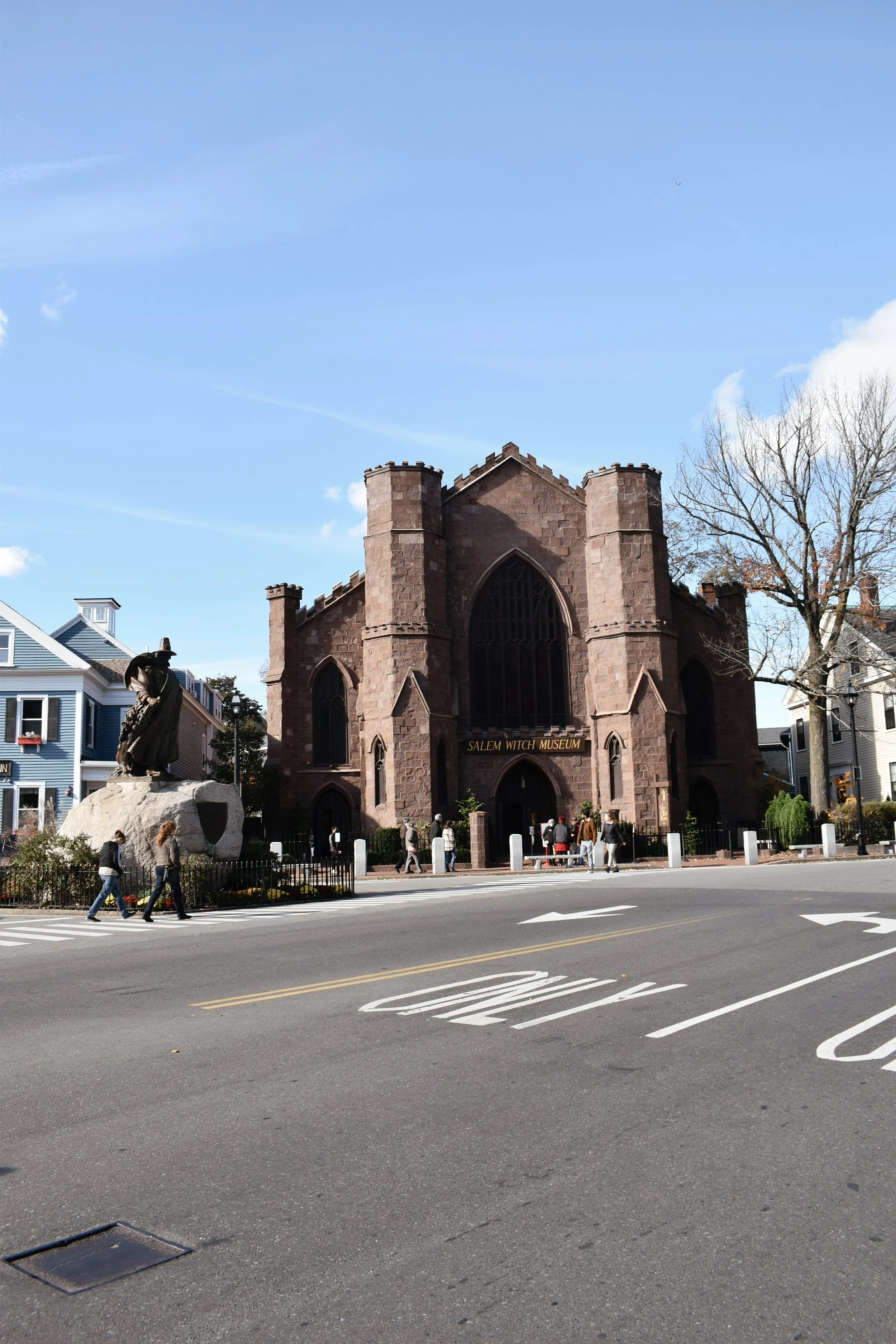
If you want an introduction to Salem’s most infamous chapter that feels immersive rather than academic, the Salem Witch Museum is a solid place to start. Housed inside a former church, the setting alone immediately sets the tone—dramatic, atmospheric, and a little eerie in the best way. Instead of traditional display cases and artifacts, the museum walks you through the events of 1692 using thirteen staged scenes, complete with lighting, narration, and life-sized figures. Sitting in the dark as the story unfolds makes the hysteria, fear, and injustice of the witch trials feel much more real and human than reading about it in a book.
It’s worth knowing ahead of time that the museum doesn’t focus on original historical artifacts—that’s not the point here. This experience is about storytelling and context, and it does that well. Admission is $15 per person, and after the main presentation, you can explore a self-guided exhibit that dives deeper into how witches have been perceived over time, as well as the trials and tragic executions that shaped Salem’s legacy.
This stop is especially impactful if it’s your first time in Salem. It gives you a strong foundation before exploring the town further—and it frames everything else you’ll see through a more thoughtful, informed lens.
Salem Witch House
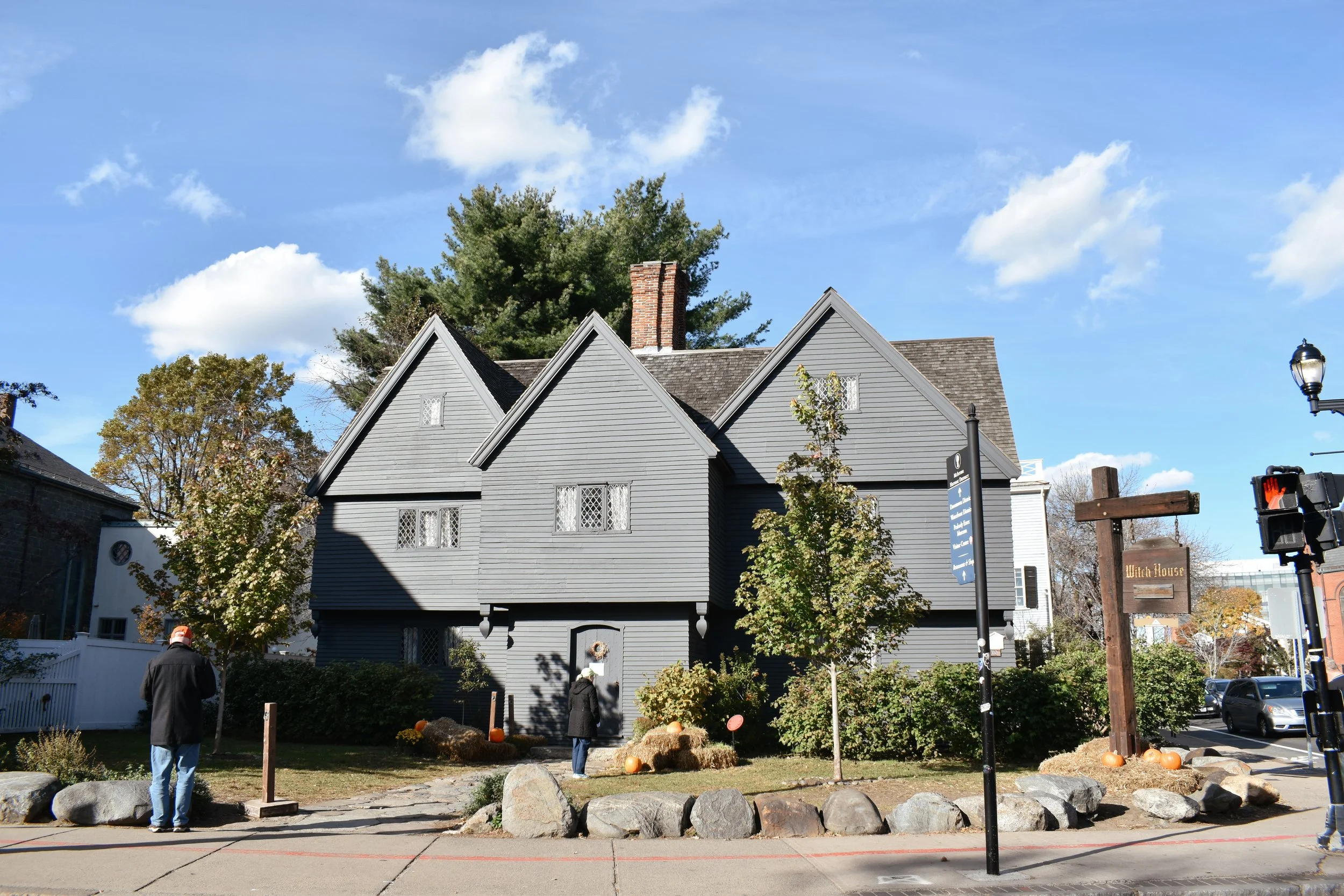
If you want a Salem Witch Trials experience that feels tangible and deeply real, the Salem Witch House is an essential stop. Also known as the Jonathan Corwin House, this is the only surviving home with direct ties to the events of 1692—and standing in front of it feels heavy in a way that’s hard to put into words. Built in 1642, the house is a striking example of “first-period” architecture, constructed by early settlers and defined by its steeply pitched roof and dark, weathered exterior. It feels stark, grounded, and unchanged by time. Jonathan Corwin, one of the judges during the Salem Witch Trials, once lived here, which adds a chilling layer to the experience.
Walking through the interior, you’re not met with spectacle or dramatization—instead, it’s quiet, restrained, and sobering. The rooms are small, the ceilings low, and the atmosphere unmistakably serious. It’s one of those places where history doesn’t feel distant or abstract—it feels close, personal, and uncomfortable in an important way.
This stop deepened my understanding of Salem more than almost anywhere else. It strips away the novelty and reminds you that the witch trials weren’t legends or stories—they were lived experiences with real consequences. The Witch House is powerful, reflective, and absolutely worth the visit if you want to understand Salem beyond the surface.
Old Burying Point Cemetery
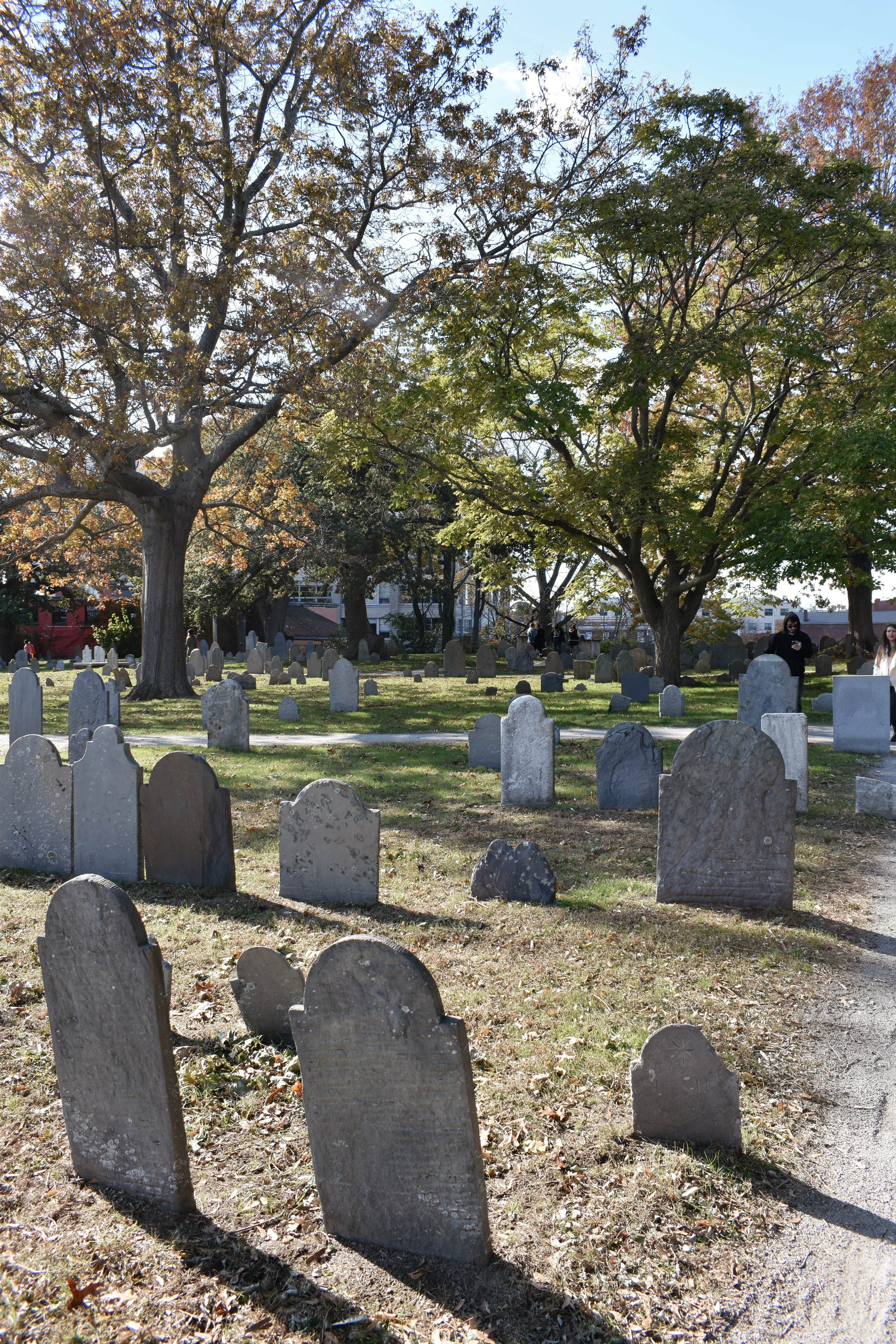
The Old Burying Point Cemetery is one of those places in Salem that makes you instinctively lower your voice. Established in 1637, it’s one of the oldest cemeteries in the United States, and walking through it feels like stepping directly into the earliest chapters of American history. The headstones here are incredibly striking—carved with angels, skulls, and even profiles of children—each one telling a quiet story of life, loss, and belief in the 17th century. I found myself slowing down, tracing the worn engravings with my eyes, and imagining the hands that carved them so long ago. There’s something haunting but also deeply moving about it.
The atmosphere adds to the experience in a way that feels almost cinematic. The trees hang overhead, their branches casting long shadows that seem to wrap the cemetery in stillness. Even on a busy Salem day, this place feels hushed and reflective, like time has chosen to move more slowly here.
Old Burying Point isn’t flashy or theatrical—it’s somber, historic, and quietly powerful. It’s a reminder that Salem’s story isn’t just told through museums and monuments, but through the people who lived here centuries ago and whose names still rest beneath these stones. It’s an essential stop if you want to feel Salem’s history, not just learn about it.
Salem Witch Trials Memorial
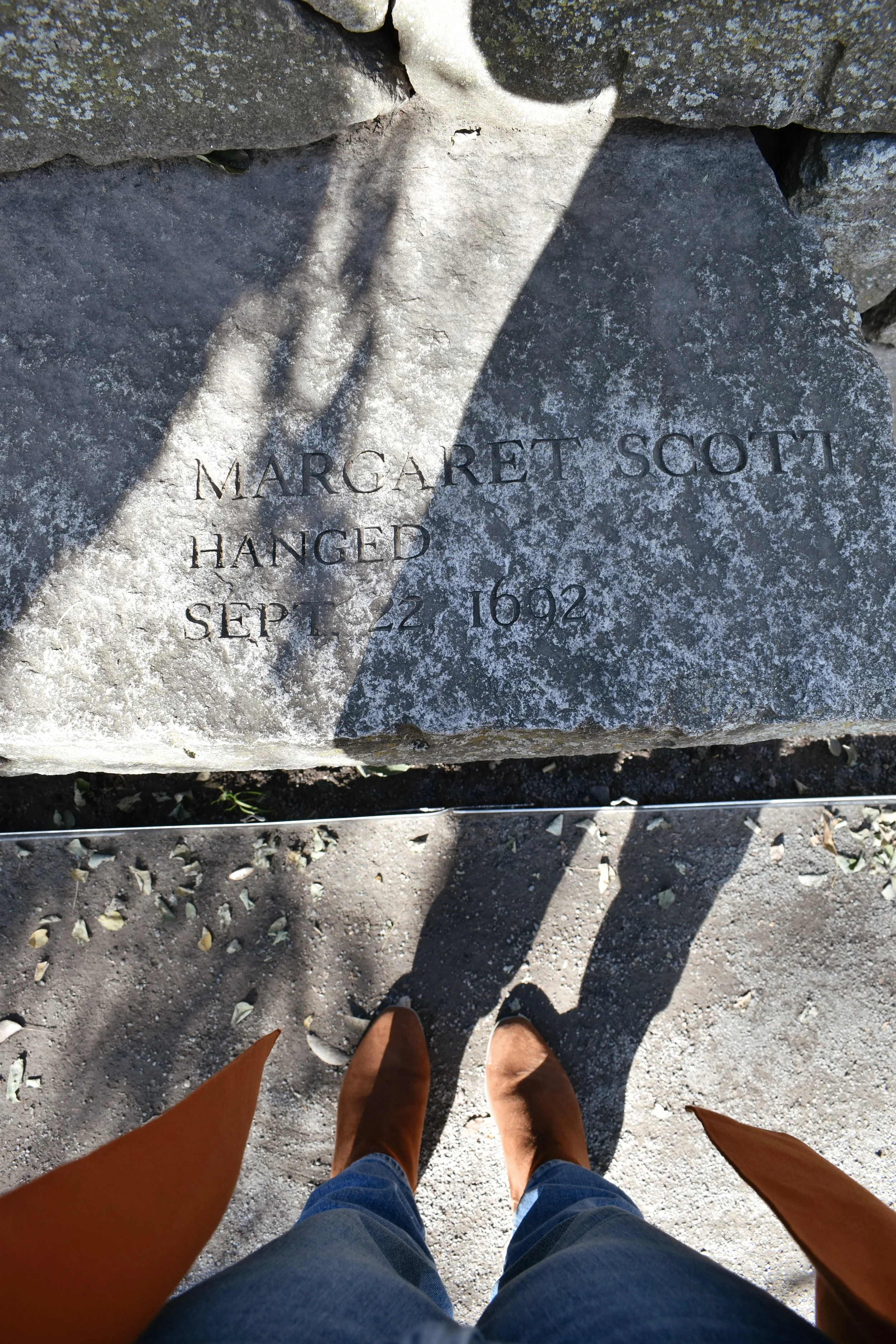
Just steps from the Old Burying Point Cemetery, the Salem Witch Trials Memorial is one of the most emotionally powerful places in the city. It’s quiet, simple, and deeply intentional—and that’s exactly what makes it so impactful. There’s no spectacle here, just space to reflect. Unveiled in 1992, the memorial honors the innocent people who lost their lives during the witch trials. Each victim is remembered with a granite stone etched with their name, how they were executed, and the date it happened. Sitting along these stones feels heavy in the best way—it forces you to slow down and truly acknowledge what took place. What stayed with me the most were the final words carved into the stone. Reading their last protests—pleas of innocence spoken in the face of unimaginable injustice—makes the history feel painfully human. It’s impossible not to pause here, to sit quietly, and to let it all sink in.
This memorial doesn’t just tell you what happened in Salem—it asks you to feel it. It’s a sobering reminder of fear, power, and loss, and one of the most important stops in the city if you want to understand the weight of Salem’s past with honesty and respect.
Ropes Mansion and Garden
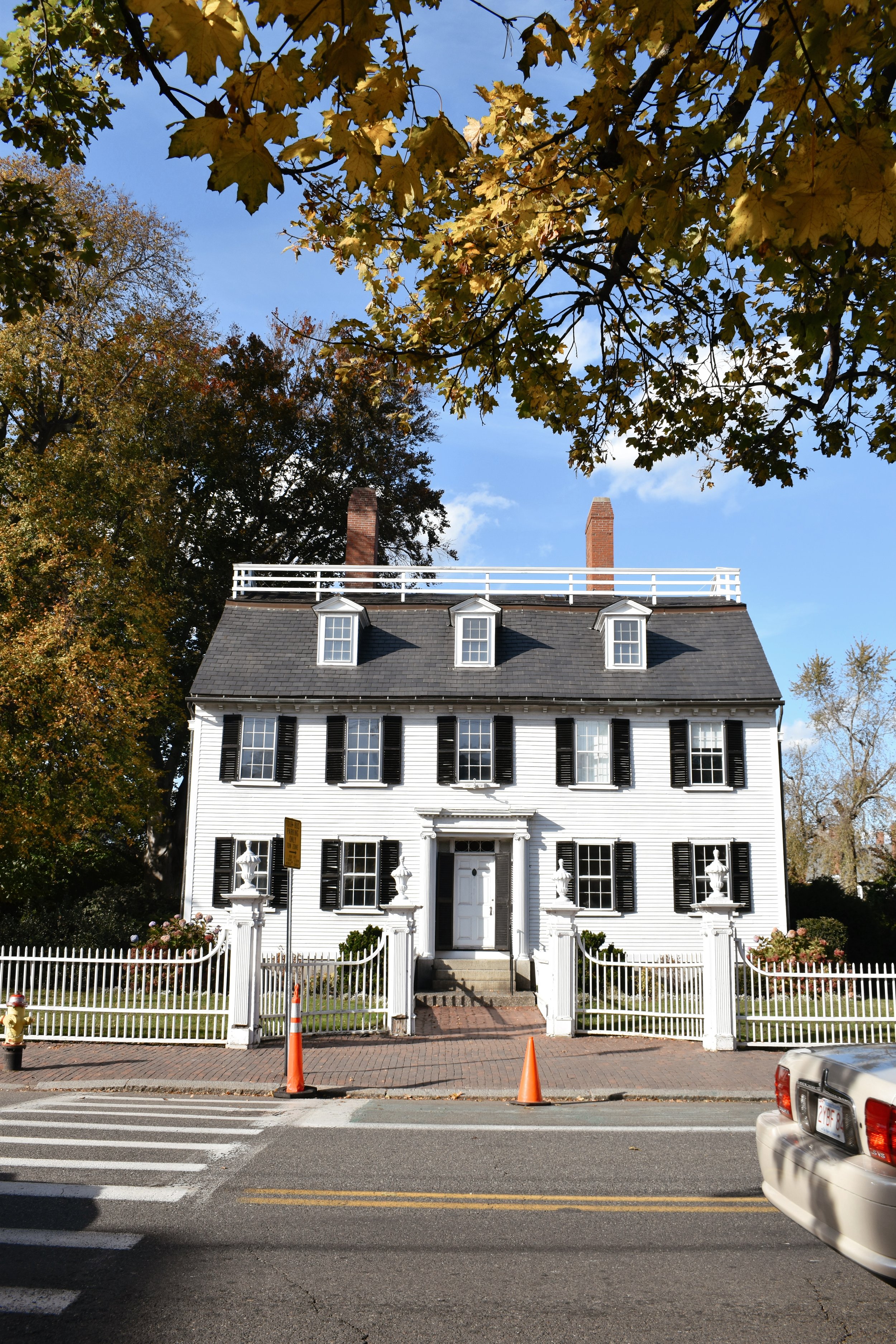
The Ropes Mansion and Garden feels like a breath of fresh air in Salem—elegant, colorful, and quietly enchanting. Built in 1876 by William Ropes, this Victorian home stands out immediately, especially in the warmer months when the garden is in full bloom. It’s one of those places that feels welcoming the moment you step onto the grounds. Inside, the mansion has been thoughtfully preserved and transformed into a museum, and walking through the rooms feels like stepping into another era. Original furniture, paintings, photographs, and historical objects fill the space, giving you a real sense of how the home once functioned. It’s intimate rather than overwhelming, and I loved how each room tells its own subtle story.
The garden is just as special. Carefully manicured and filled with a wide variety of plants, it’s a peaceful place to wander or pause for a moment—especially nice after a day of heavier, more somber historical sites. It feels calm, almost romantic, and beautifully balanced against Salem’s darker narratives.
And for Hocus Pocus fans, this stop comes with a fun bonus: the exterior of the Ropes Mansion was used as Allison’s house in the 1993 film. Seeing it in person adds a little spark of movie magic and makes the visit feel even more memorable.
The Ropes Mansion and Garden is a perfect example of Salem’s range—historic without being heavy, beautiful without being flashy, and layered with just the right amount of pop-culture charm. It’s absolutely worth adding to your itinerary.
Dennison House
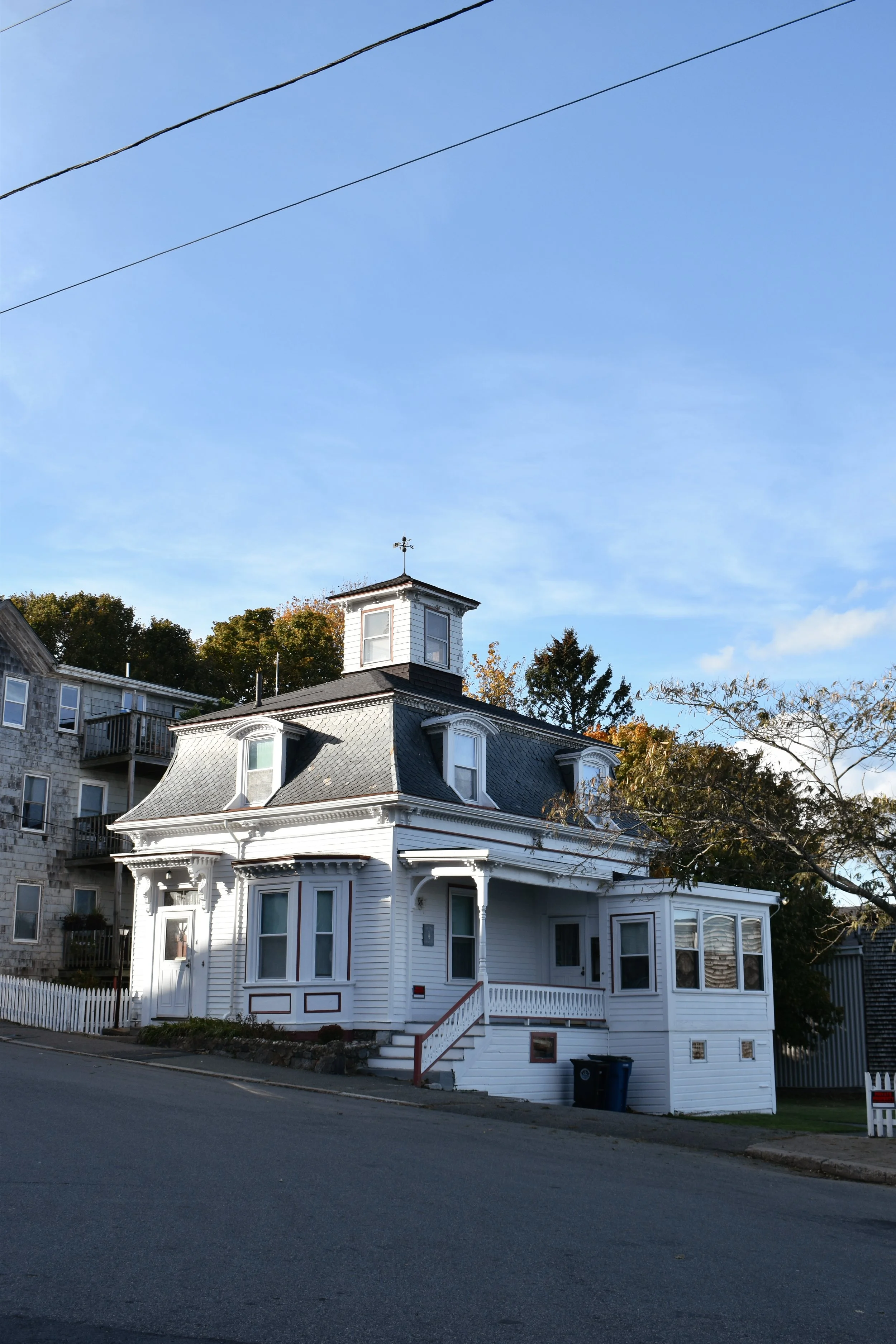
If Hocus Pocus holds a special place in your heart, this stop will feel extra magical. The Dennison Home—featured as Max and Dani’s house in the 1993 film—is one of the most iconic filming locations in Salem. Seeing it in person instantly brings back that nostalgic, autumn-in-New-England feeling. It’s important to know that this is now a private residence, but the homeowners kindly allow visitors to take photos from outside. When I visited, it felt more like a quiet appreciation moment than a tourist stop—quick, exciting, and best enjoyed respectfully. A few photos, a smile, and then moving along is the way to do it.
This spot is such a fun addition to a Salem itinerary, especially if you’re weaving in pop culture alongside history. Just remember to be mindful, keep your distance, and respect the space. That courtesy helps keep this beloved filming location accessible for future visitors—and keeps the magic intact.
Where to Eat in Salem, Massachusetts
Finz Seafood & Grill
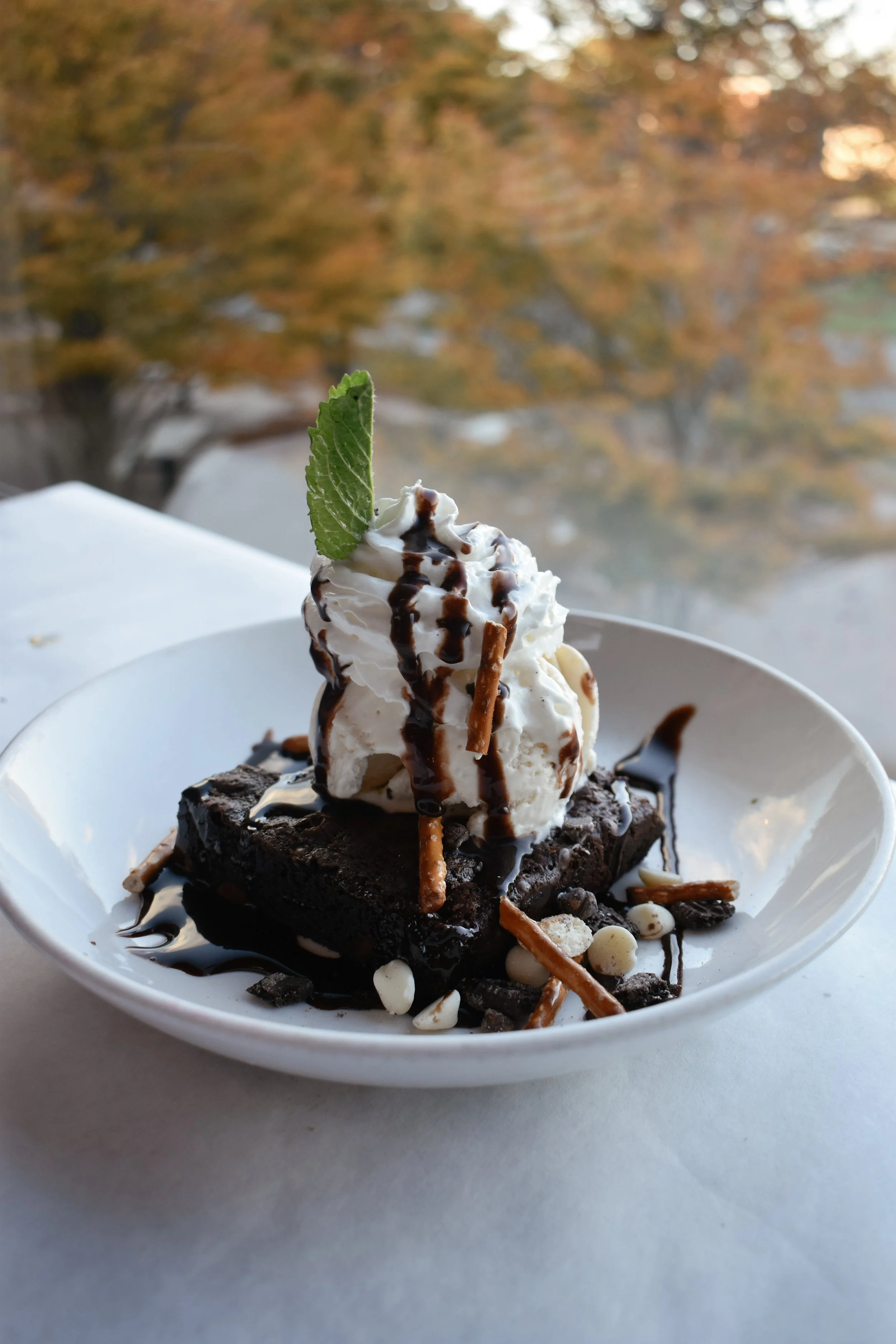
Finz Seafood & Grill is one of those places that instantly feels like a treat. Set right on the waterfront, the nautical vibe fits Salem perfectly—and the menu absolutely delivers. If you love seafood, this spot is hard to beat. From fresh raw oysters to classic surf-and-turf options, there’s something here for every kind of appetite. When I visited, I started with the crab cake appetizer, and it completely lived up to the hype. Perfectly seasoned, beautifully balanced, and just the right amount of breadcrumbs to hold everything together without taking away from the crab itself. The honey mustard sauce on the side was a subtle but delicious touch—enhancing the flavor without overpowering it.
Between the food, the harbor views, and the relaxed yet polished atmosphere, Finz feels like an ideal place to slow down and really enjoy a meal. It’s especially lovely after a day of exploring Salem—great food, a glass of wine, and boats drifting by in the background. Definitely a spot I’d return to without hesitation.

Sea Level Oyster Bar
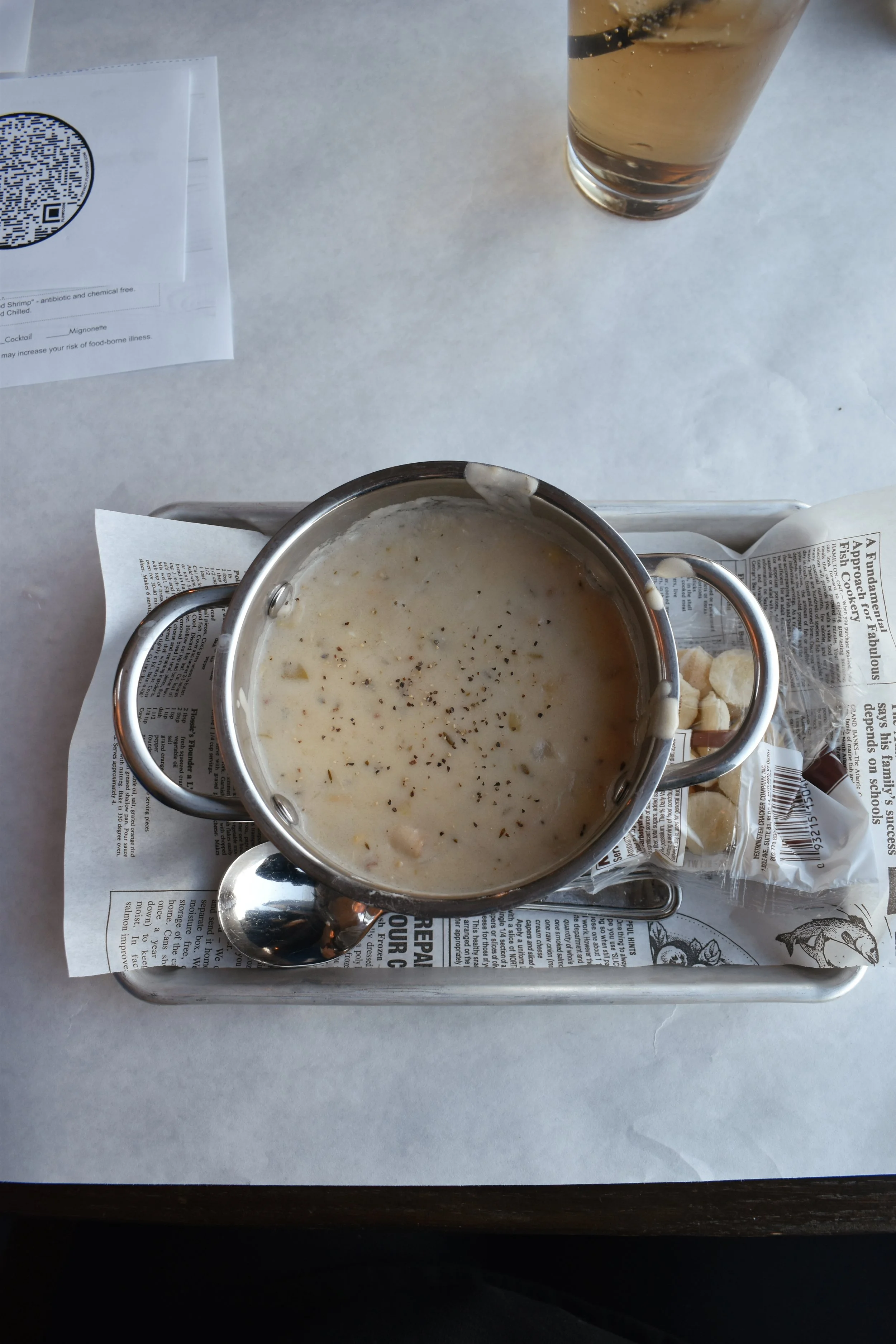
Sea Level Oyster Bar is one of those places I immediately associate with a really good meal by the water. If seafood is your thing, this spot absolutely delivers. Their raw bar is impressive, with a wide selection of oysters that are incredibly fresh and beautifully presented—whether you like them raw, fried, or somewhere in between, you’ve got options. I have to talk about the clam chowder, because it’s honestly one of the best I’ve ever had. Creamy without being heavy, perfectly seasoned, and packed with flavor—it’s the kind of bowl you think about long after the meal is over. Beyond oysters, the menu offers plenty to love, from crab cakes and shrimp cocktail to mussels and other seafood classics.
What I really enjoy about Sea Level is how relaxed yet satisfying the experience feels. It’s the kind of place where you settle in, order a few things to share, and take your time enjoying the food and the waterfront atmosphere. If you’re looking to fully indulge in Salem’s seafood scene, this is a spot you won’t want to skip.
Gulu-Gulu Cafe
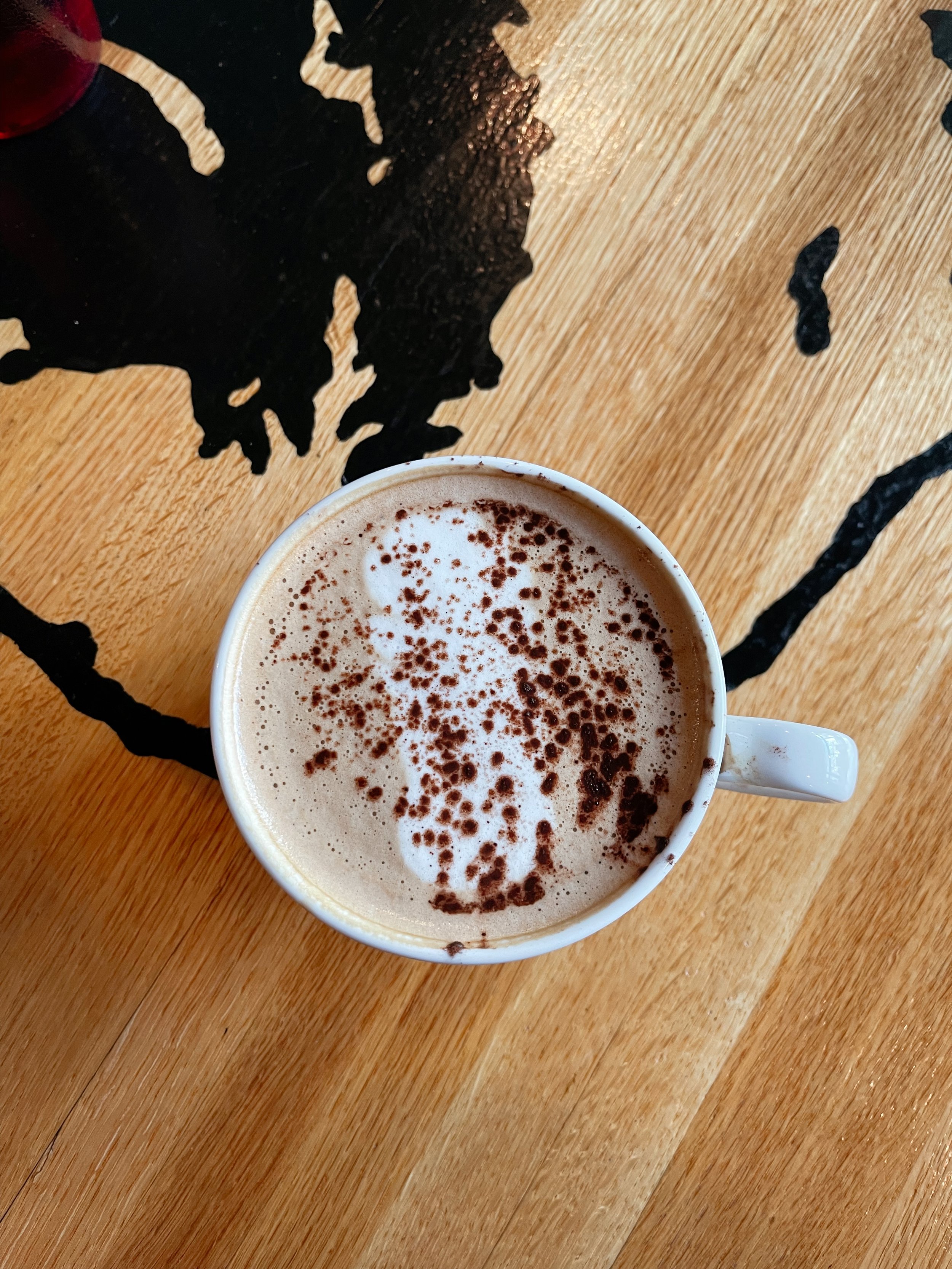
Gulu-Gulu Cafe quickly became one of those places I still think about after the trip. It’s warm, welcoming, and exactly what you want for breakfast in Salem—comforting without feeling boring. The staff is genuinely friendly, the kind that makes you feel like you picked the right spot the second you sit down. I ordered The Lumberjack, and honestly… it was everything. A Belgian waffle topped with scrambled eggs and crispy bacon, all finished with maple syrup. It sounds indulgent (because it is), but the balance is perfect. Sweet, savory, rich, and satisfying without being overwhelming. Every bite just worked, especially after a morning of walking around Salem. What I really appreciated is how inclusive the menu is. They have fantastic vegan options, so no one feels like an afterthought here. And the espresso drinks? Just as memorable. I tried their sage raspberry latte, which felt creative without being gimmicky—flavorful, cozy, and totally unique.
Gulu-Gulu Cafe feels like the kind of place locals actually love, not just a spot tourists stumble into. It’s relaxed, full of character, and perfect for easing into the day. If breakfast is important to you (it is to me), this is a must-stop in Salem.

Coffee Shops in Salem, Massachusetts
Jaho Coffee
Jaho Coffee is one of those places that instantly feels like part of Salem’s everyday rhythm. Located on Derby Street near the wharf, it’s always buzzing—with locals popping in, friends meeting up, and visitors settling in for a break. I love how versatile the space is, with both communal tables and smaller seating areas depending on your mood.
The menu is surprisingly expansive, which makes it easy to stay longer than planned. Coffee, tea, bubble tea, gelato, sandwiches—and even wine and beer—it really has a little bit of everything. Their croissants are hard to resist, and I’m especially fond of their mocha lattes—rich, comforting, and perfect on a chilly Salem day. The WiFi is solid, though you’ll need to log in with an email or social account. It’s not the quietest café in town, so if you’re planning to work or read, bringing headphones is a good idea. That said, the lively atmosphere is part of its charm—it’s a great place to feel connected to the city.
Brew Box
Brew Box feels like a cozy little secret tucked along Essex Street. From the moment you walk in, the vibe is warm and welcoming, thanks to the friendly staff and intimate setting. It fits Salem perfectly—quirky, comforting, and full of personality. The coffee here is excellent, with plenty of options ranging from classic lattes to frappes and smoothies. Their pastries really stood out to me, especially when paired with one of their mocha lattes, which quickly became a favorite. One of the most unique touches? The option to sweeten your drink with “cereal milk”—milk filtered through cereal for a nostalgic, slightly playful flavor twist. It’s unexpected and fun, and very on-brand for Salem.
Brew Box is the kind of place you pop into for a quick coffee and end up lingering longer than expected. Whether you’re warming up between sightseeing stops or just craving a cozy café moment, it’s absolutely worth adding to your Salem list.

Where to Stay in Salem, Massachusetts
Hawthorne Hotel
If you want to fully lean into Salem’s old-world charm, the Hawthorne Hotel is a classic choice. The Victorian-era details, grand interiors, and timeless elegance make it feel like you’re stepping into another era—while still enjoying modern comforts. There’s also an undeniable sense of history here that adds to the experience.
One of the most talked-about aspects of the hotel is its rumored haunting. Legend says the spirit of Bridget Bishop, one of the victims of the Salem Witch Trials, has wandered the halls since the 1920s. Whether you believe in ghosts or not, it adds an intriguing layer to an already atmospheric stay. The Hawthorne has even caught the attention of paranormal investigators over the years, which only deepens its mystique. It’s iconic Salem in every sense.
The Merchant
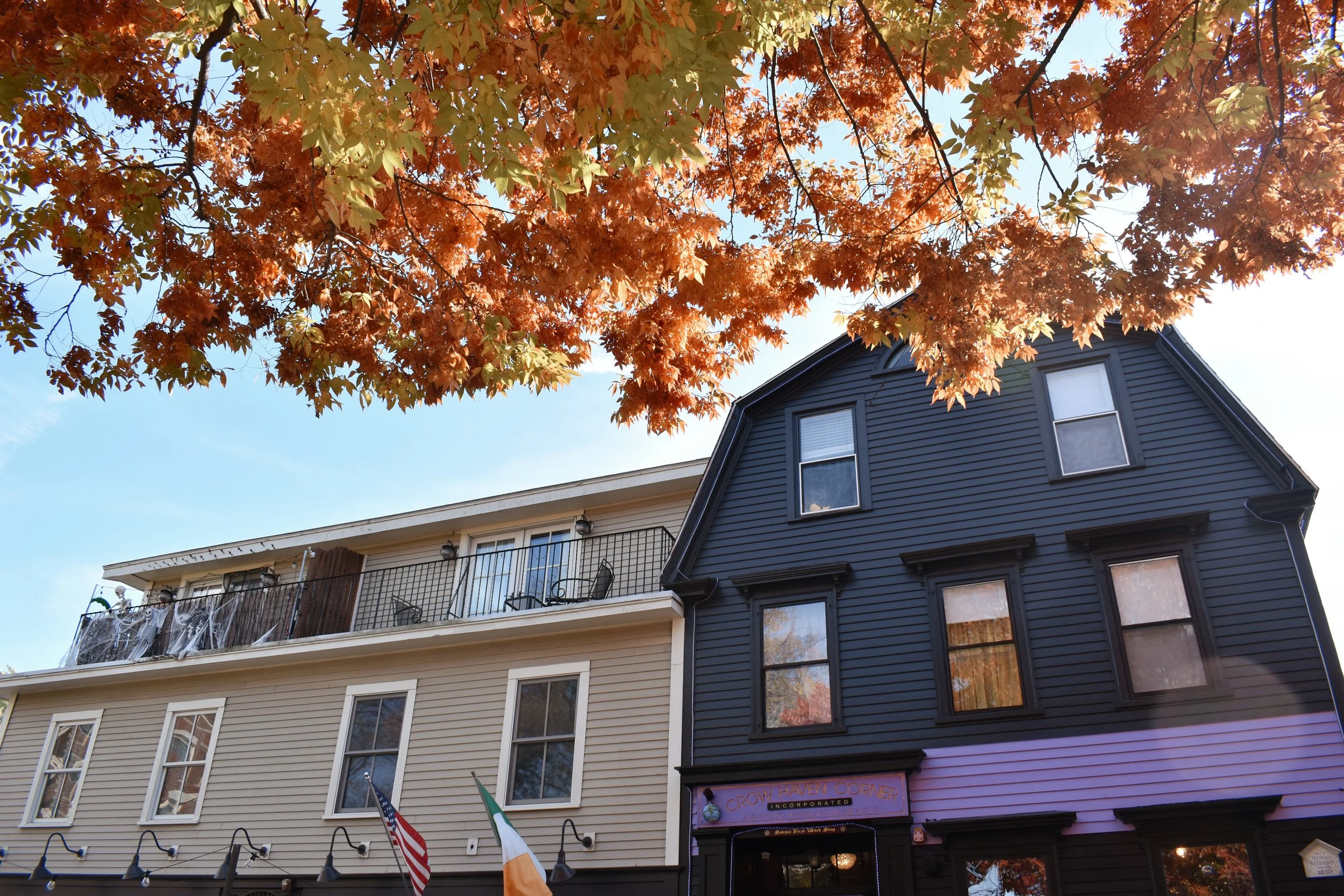
The Merchant is a beautiful blend of history and boutique luxury. Housed in a Federal-style building originally commissioned by Joshua Ward—a prominent sea merchant and privateer—this hotel feels elegant without being stiff. The rooms are thoughtfully designed, stylish, and incredibly comfortable.
What really makes The Merchant special is its location. You’re steps away from everything—shopping, dining, and some of Salem’s best spots. I loved how easy it was to step outside and immediately feel immersed in the city. HausWitch is practically around the corner for modern witchy finds, and Adriatic is right there if you’re craving Mediterranean food. It’s one of those stays where everything just feels effortless.
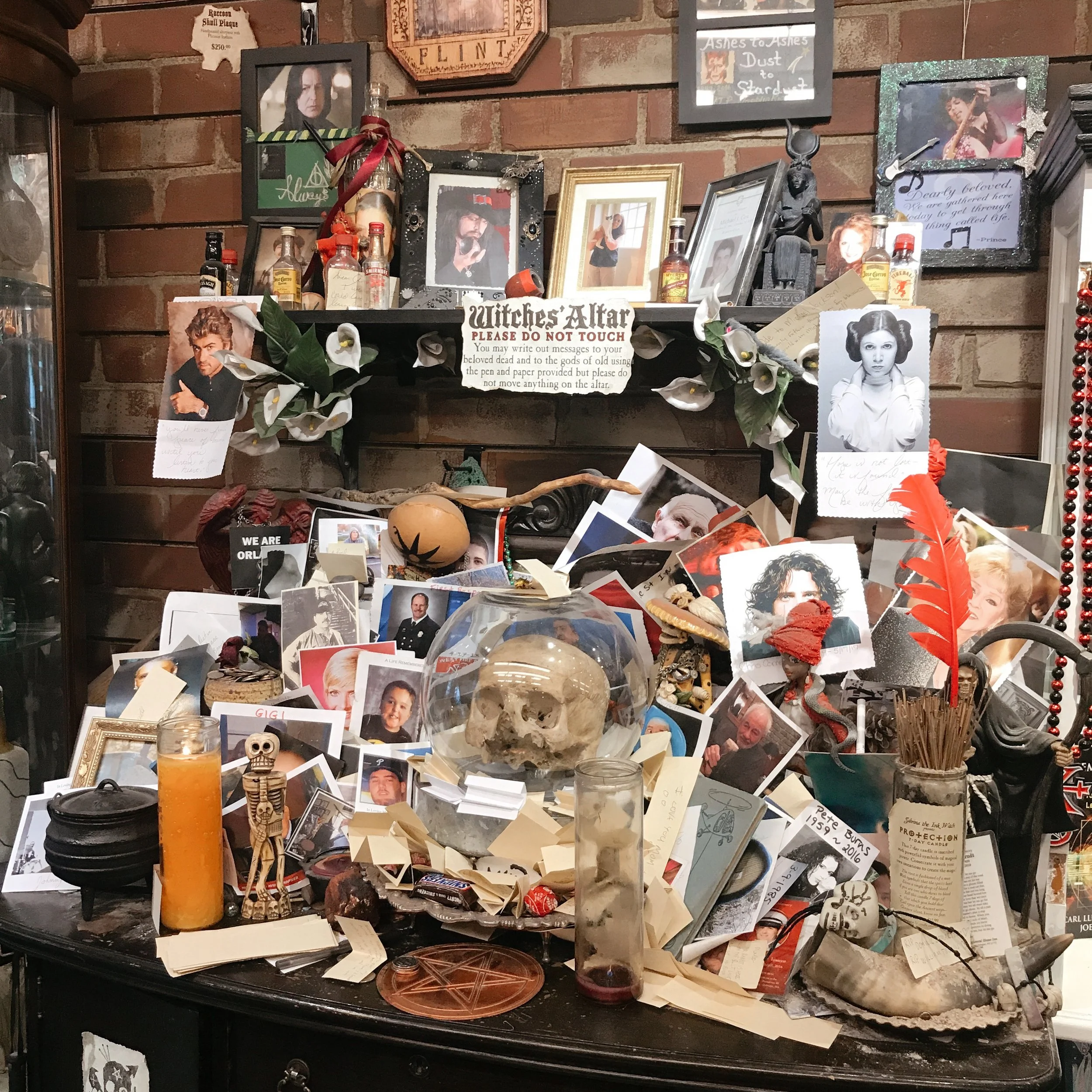
The Salem Inn
The Salem Inn feels more like staying in a beautifully preserved private home than a hotel—and that’s exactly what makes it so special. It’s warm, inviting, and full of character. The rooms are spacious and filled with antique furniture, original artwork, and luxurious linens that make the space feel both historic and comfortable.
There’s a quiet charm here that I really appreciated. After long days exploring Salem, it felt nice to come back somewhere that felt calm and personal. If you love boutique stays that feel intimate and thoughtfully curated, this one stands out.
Amelia Payson House
The Amelia Payson House is perfect if you’re looking for something truly special and intimate. This Greek Revival mansion has been beautifully renovated, blending modern luxury with historic elegance. With only three rooms available, it feels exclusive and incredibly personal—definitely book well in advance. The attention to detail here is stunning, and the atmosphere feels peaceful and refined. It’s the kind of place where mornings feel slow and intentional, and every corner has a story. If you love boutique bed-and-breakfast experiences with charm and character, this is an absolute gem in Salem.
Each of these stays offers a different way to experience Salem—whether you want haunted history, boutique elegance, or cozy, home-like charm. No matter which you choose, staying somewhere with a story makes Salem feel even more unforgettable.
Best Time to Visit Salem, Massachusetts
If I had to choose one easy, well-balanced time to visit Salem, it would be June through September. Summer in Salem is bright, lively, and comfortable—perfect for walking everywhere without worrying about layers or weather. The days are long, the waterfront is especially beautiful, and there’s a steady calendar of festivals and events that make the city feel alive without being overwhelming. It’s ideal if you want to explore at a relaxed pace and truly enjoy Salem beyond its spooky reputation.
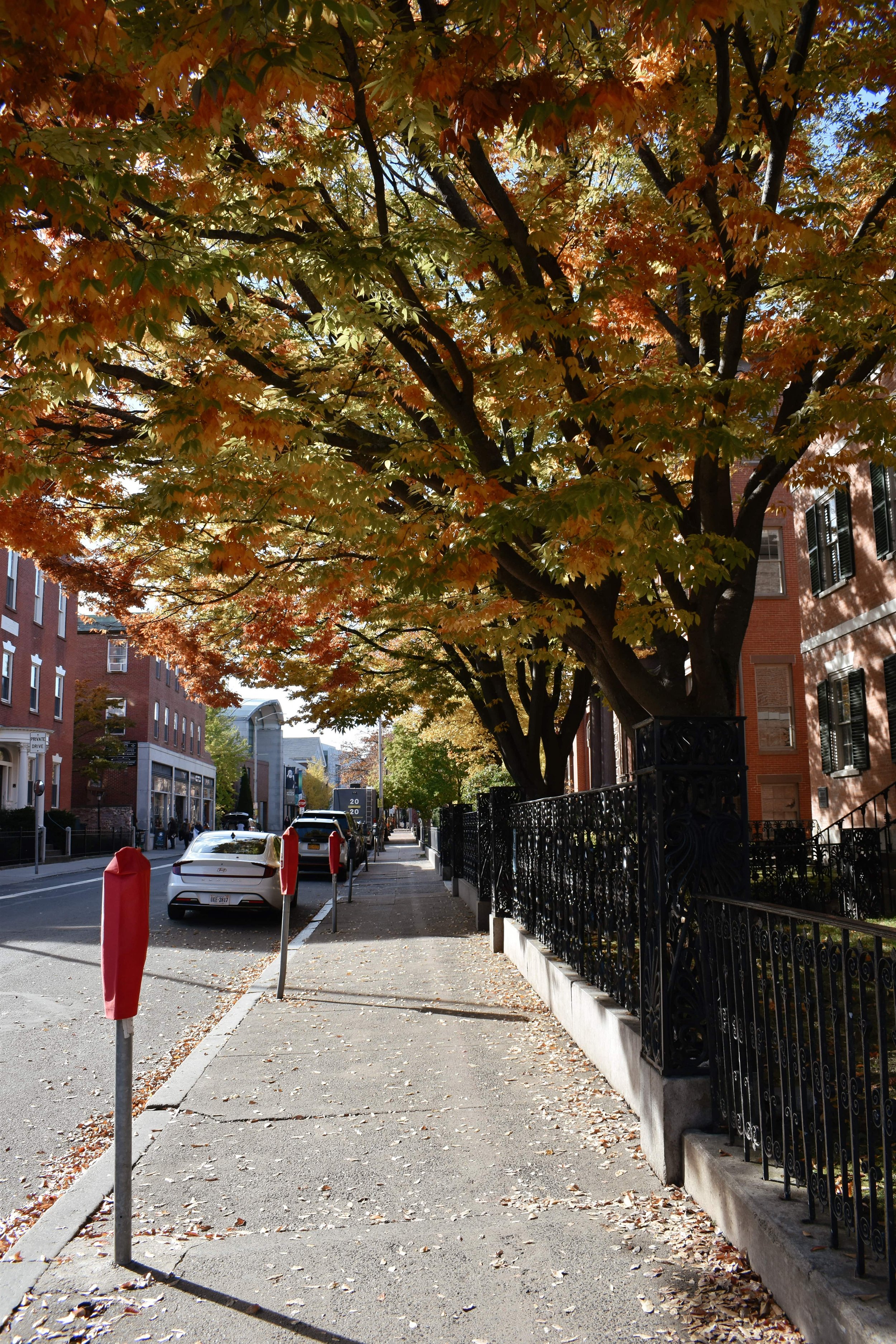
That said… Salem in October is an entirely different experience—and one that’s unforgettable if you’re prepared for it. This is peak season, when the city fully embraces its witchy, magical identity. The air turns crisp, the streets buzz with energy, and everything feels intentionally immersive. Yes, it’s crowded—very crowded—but if you’ve always dreamed of experiencing Salem at its most iconic, October delivers that atmosphere like no other month.
Early November can also be a sweet spot. You still get the cool fall weather and lingering autumn charm, but with fewer crowds and a calmer feel once Halloween passes. It’s a great option if you want a hint of Salem’s mystique without the intensity of peak season.
Salem is one of those places that manages to be many things at once—historic, mysterious, cozy, and unexpectedly charming. Whether you’re drawn in by the stories of the witch trials, the magic shops and folklore, the incredible food scene, or the idea of staying somewhere steeped in history, there’s truly something here for everyone.
#salemmassachusetts #massachusetts #salem #visitsalem #visitsalemmassachusetts #travelgram #travelguide #travelholic #traveltheworld #traveler #traveltoexplore #travelon #traveldestination #traveldiaries #travelblogger #traveltheworld #traveladdict #traveldestinations #travellover #womenwhotravel #womenwhoexplore