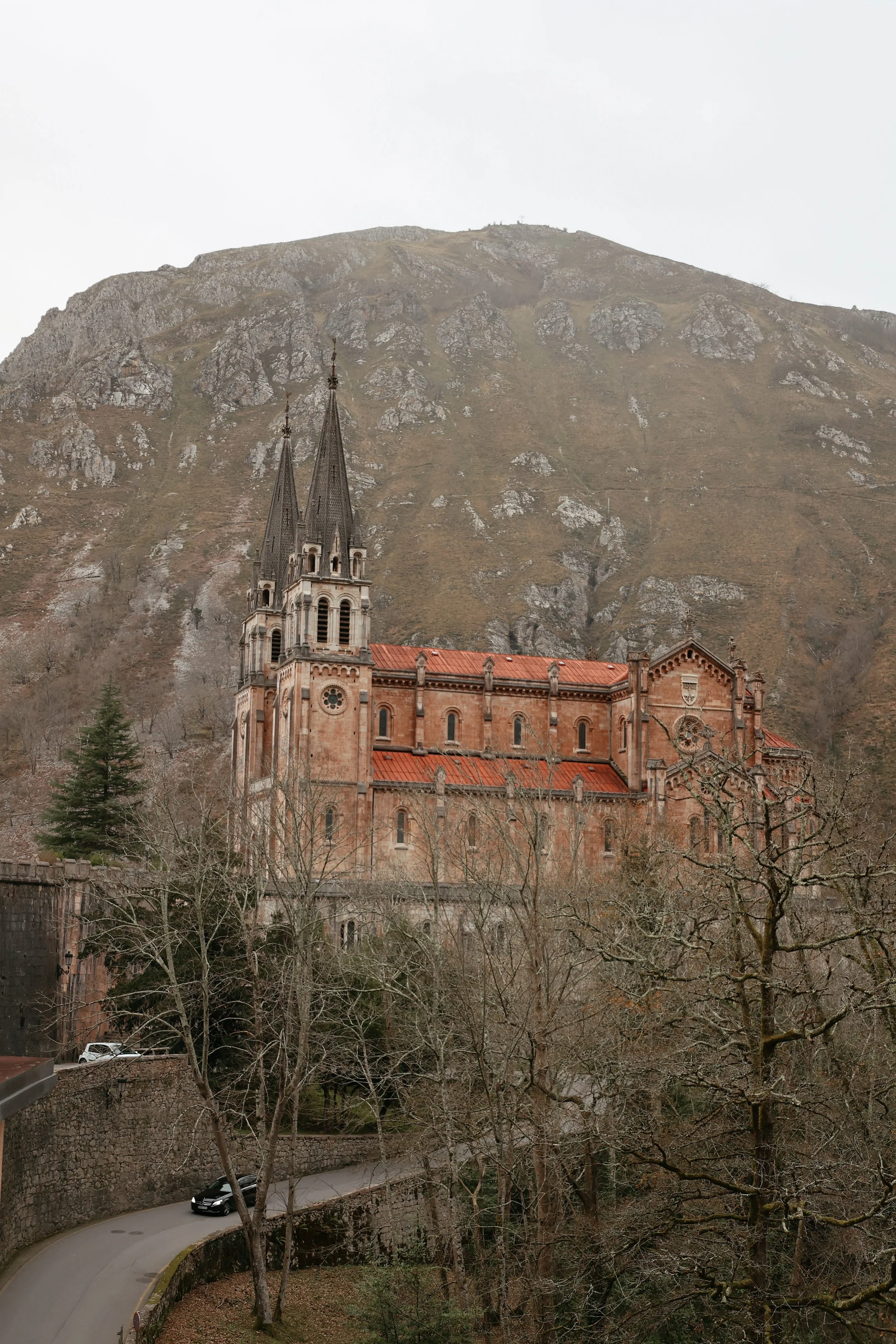
Covadonga is one of those places that completely took me by surprise—in the best possible way. It’s unlike anywhere else I’ve visited in Spain, and honestly, that’s what makes it so special. Tucked into the dramatic landscape of the Picos de Europa, Covadonga feels both peaceful and powerful at the same time, blending deep spiritual history with breathtaking natural beauty.
From the iconic Sanctuary of Covadonga and the Basilica of Santa María la Real to the jaw-dropping Lakes of Covadonga, every stop feels meaningful and awe-inspiring. Beyond the scenery, there’s also a distinct Celtic influence woven into the region’s culture, which adds another layer of charm and uniqueness. Seeing this side of Spain felt truly special, and Covadonga is without a doubt a destination I’d recommend to anyone looking for something unforgettable, soulful, and beautifully different.
Getting to Covadonga, Spain
Getting to Covadonga is surprisingly straightforward, especially if you’re already exploring northern Spain. Covadonga is located in the Asturias region and sits within easy reach of several major cities. Driving is by far the most convenient option—and it’s the route I chose. From either Oviedo or Gijón, the drive takes about an hour and is incredibly scenic, winding through lush landscapes that make the journey just as memorable as the destination itself.
If you’re not planning to rent a car, there are still great public transportation options. ALSA buses run regularly from Oviedo and Gijón, with most routes arriving in Cangas de Onís, the closest larger town to Covadonga. From there, you can hop on a local bus that takes you directly to the sanctuary area. Whether you drive or take public transit, reaching Covadonga is easy and well worth the effort once you see the beauty that awaits.
Things to Do in Covadonga, Spain
Lagos de Covadonga
The Lagos de Covadonga are absolutely stunning, but they’re also very much at the mercy of the weather. Fog can roll in quickly and completely change the experience, so if seeing the lakes is high on your list, it’s important to keep an eye on the forecast. Visibility makes all the difference here—on a clear day, the views are breathtaking, while heavy fog can limit what you’re able to see.
Because of this, it’s best to plan this part of your visit with some flexibility. Be ready to adjust your schedule and head up to the lakes when conditions are favorable. A little patience can go a long way, and catching the lakes on a clear day is absolutely worth the wait.
Santuario de Covadonga
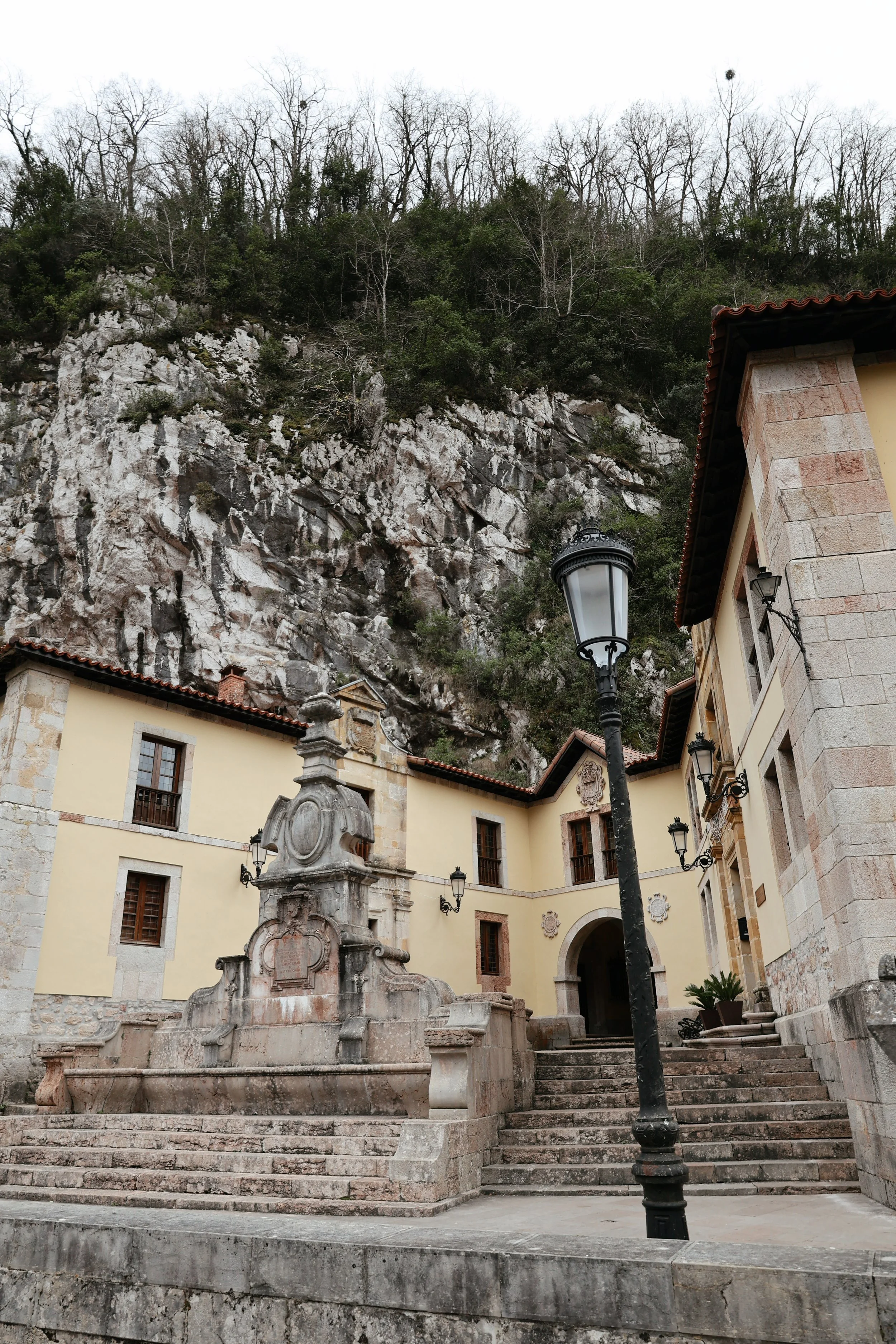
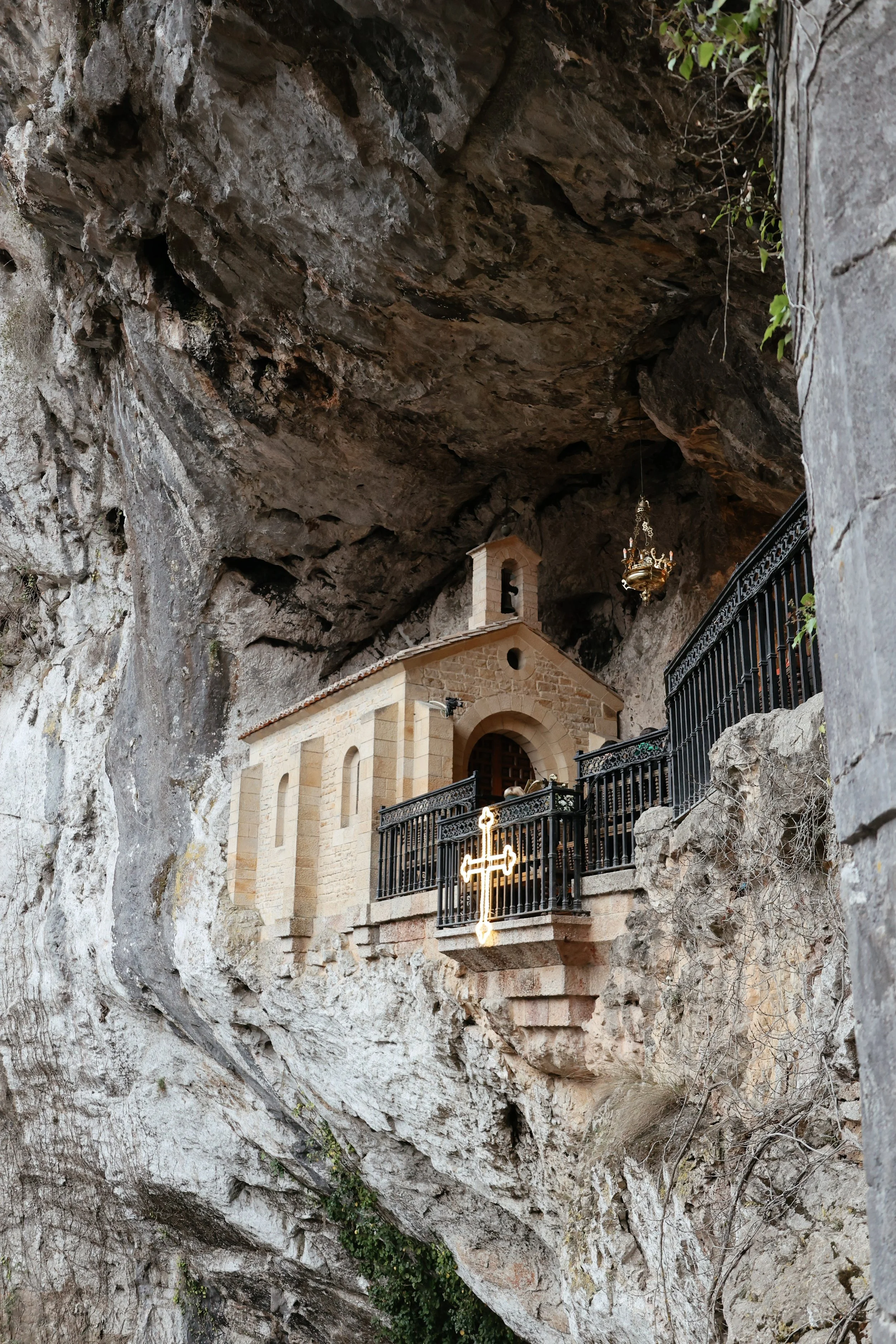
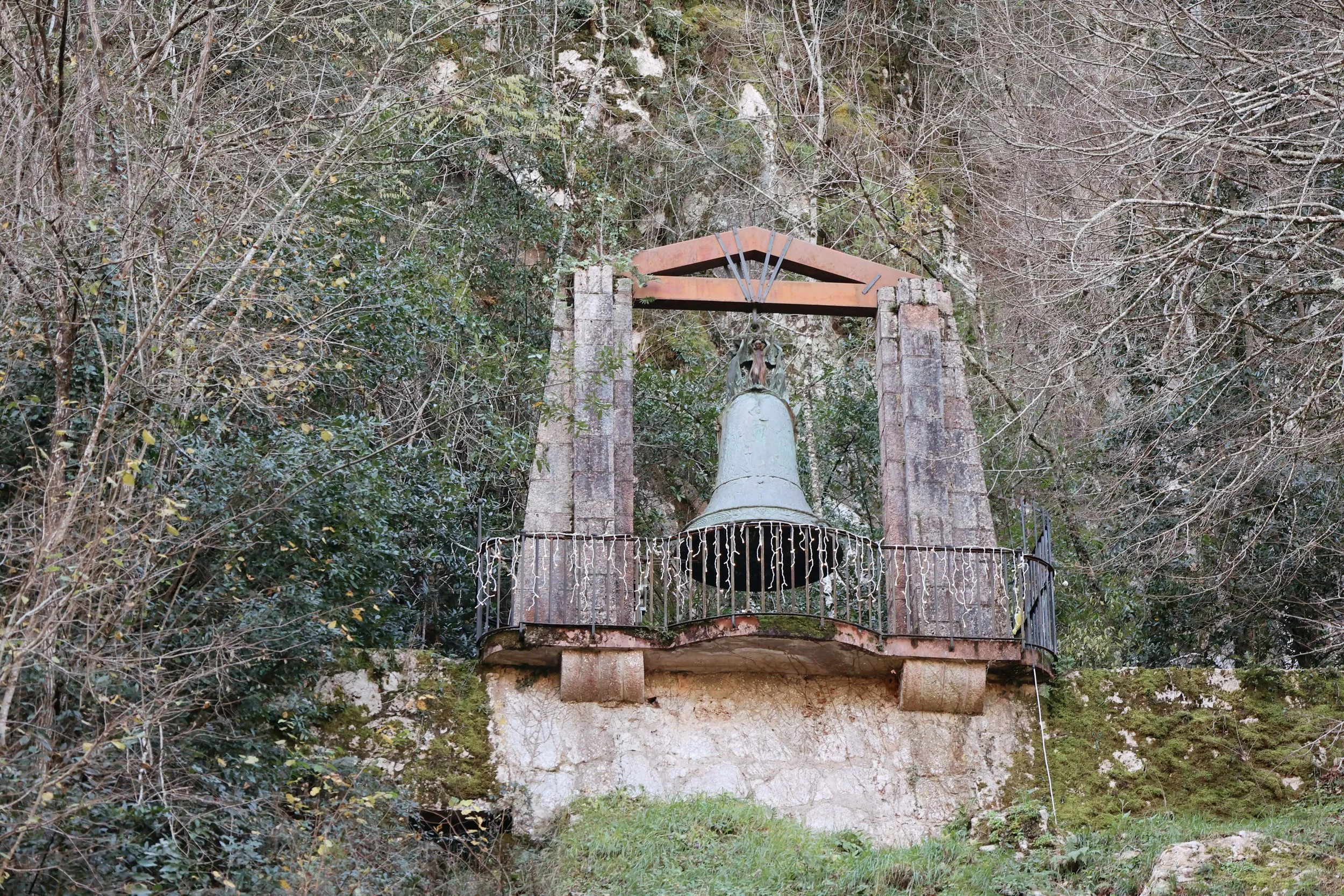
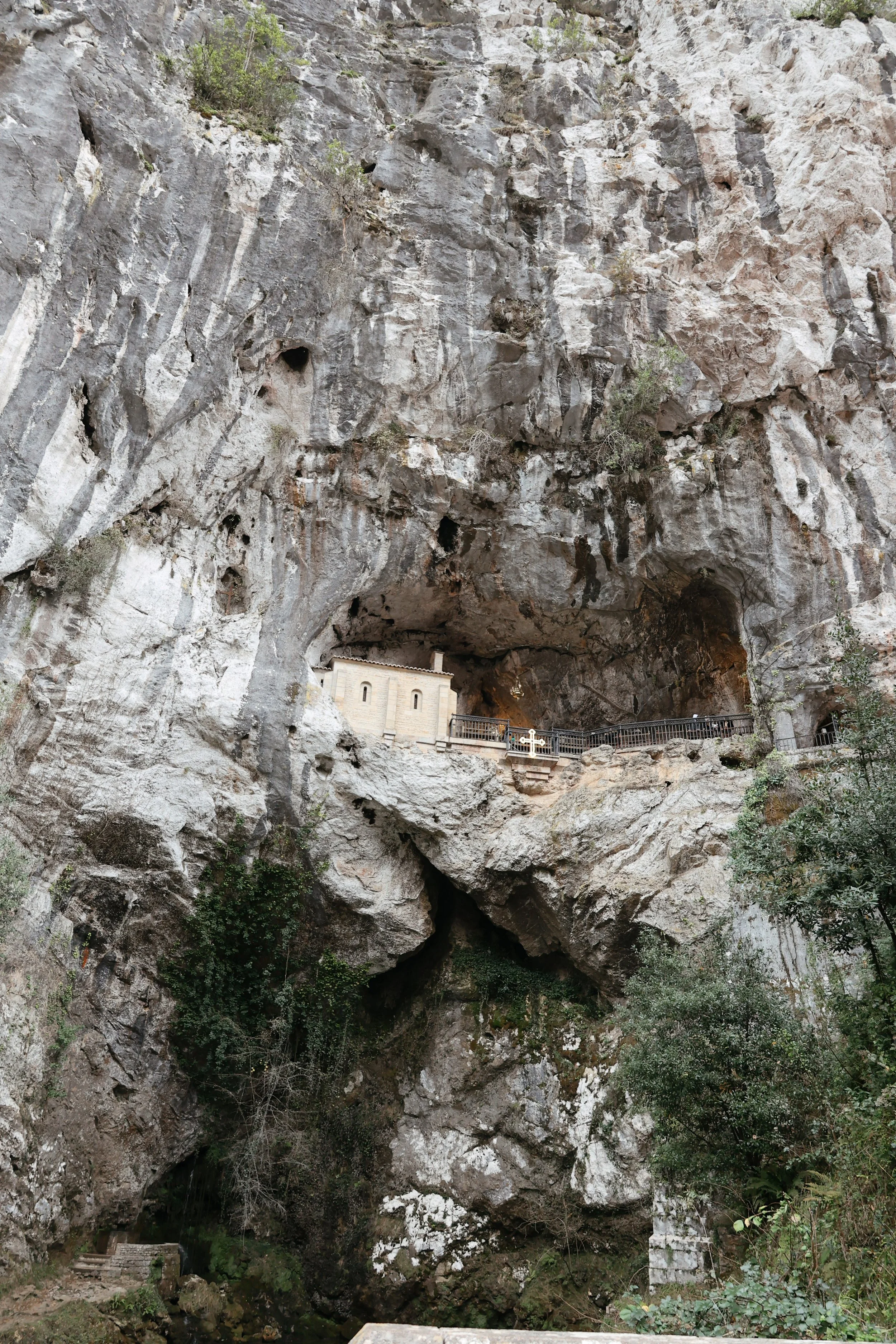
Santuario de Covadonga was one of the most fascinating stops for me, even though I’m not particularly religious. There’s something incredibly powerful about a church built directly into a natural cave—it feels raw, intimate, and deeply connected to the landscape around it. The name Covadonga itself comes from this sacred place, derived from the Latin phrase meaning “cave of our lady,” which later evolved into the name we know today.
Beyond its striking setting, the sanctuary also holds great historical significance. It is the final resting place of Pelayo, a local hero and former Asturian king who played a key role in Spanish history. Standing there, surrounded by nature and centuries of meaning, made the experience feel both grounding and memorable, regardless of religious beliefs.
Basilica de Santa María la Real de Covadonga
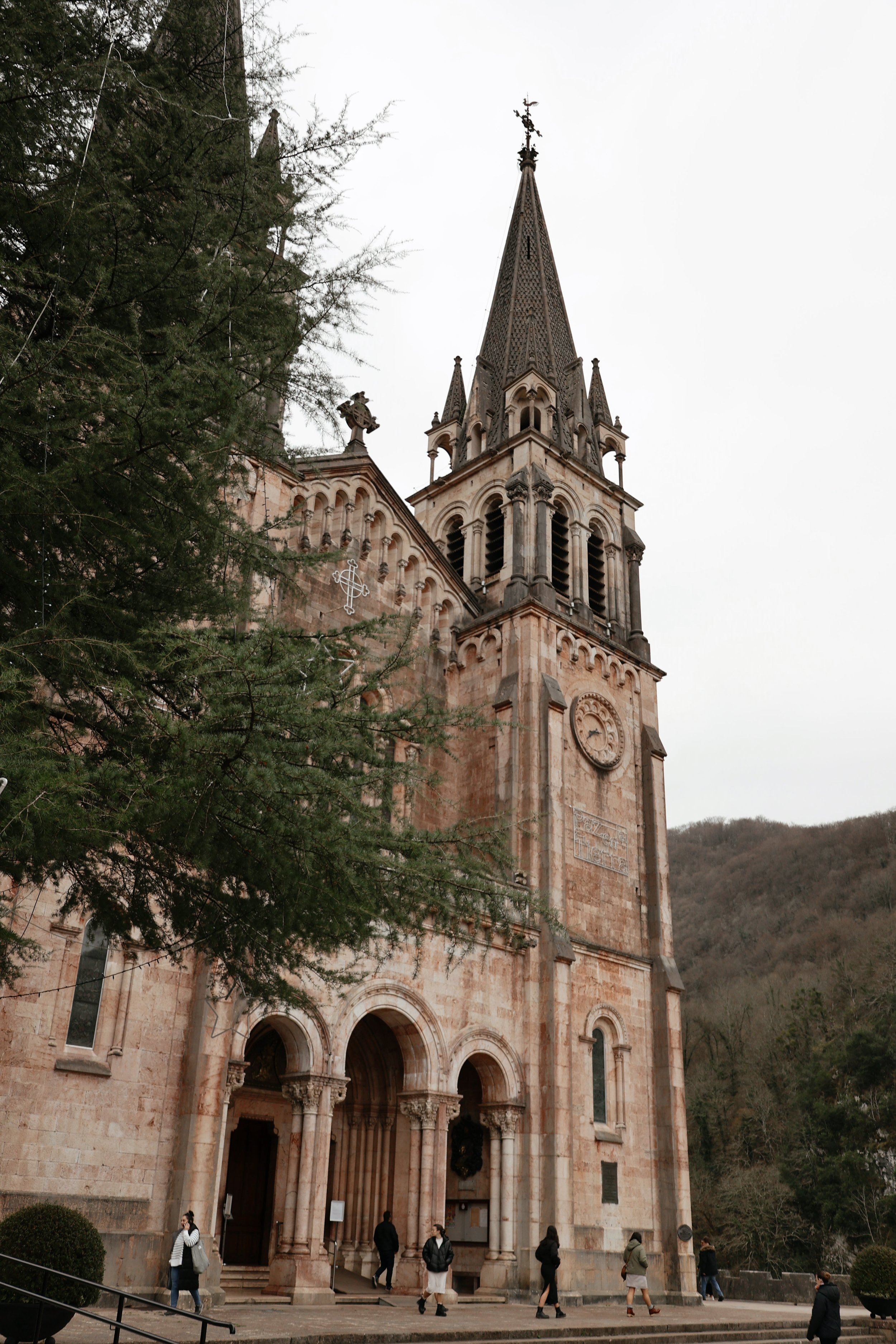
The Basilica de Santa María la Real de Covadonga is absolutely breathtaking. This neo-Romanesque masterpiece was built between 1877 and 1901 using only pink limestone, which gives it a soft, almost glowing appearance against the dramatic mountain backdrop. Perched high in the Picos de Europa, the basilica offers sweeping 360-degree views that are just as impressive as the structure itself.
Stepping inside felt just as special as seeing it from the outside. The interior is elegant and serene, perfectly matching the grandeur of its surroundings. Whether you’re drawn to architecture, history, or simply beautiful places, this church is one of those stops that leaves a lasting impression long after you’ve walked away.
Jardines del Príncipe
Just to the right of the Basilica, you’ll notice signs pointing toward Jardines del Príncipe—and this is one of those places I’m so glad I didn’t skip. It’s surprisingly overlooked, which means it stays calm and quiet even during peak season.
This trail feels like a little secret. Wooden bridges wind through lush greenery, there’s a gentle waterfall tucked along the path, and the whole area has a peaceful, almost storybook feel to it. If you’re deciding between routes, I genuinely recommend taking this path instead of the paved road. It’s slower, more scenic, and gives you a moment to really soak in the natural beauty of Covadonga without the crowds. It ended up being one of my favorite, most serene parts of the visit.
Where to Eat in Covadonga, Spain
Mesón El Repelao
Just outside of Covadonga, Mesón El Repelao is exactly the kind of place you hope to stumble upon after a day of exploring. It’s cozy, rustic, and unapologetically traditional—the type of restaurant where the food is hearty, comforting, and meant to be enjoyed slowly. They’re especially known for their grilled meats and fabada asturiana, a rich, soul-warming bean stew that feels perfect after time in the mountains. Local seafood also makes its way onto the menu, and everything tastes deeply rooted in the region. It felt authentic and welcoming, not touristy, and was the perfect way to end the day—savoring real Asturian flavors in a warm, relaxed setting.
Casa Marcial
Tucked away in the nearby village of La Salgar, Casa Marcial is a destination in itself. Run by acclaimed chef Nacho Manzano, this Michelin-starred restaurant delivers an unforgettable dining experience that feels deeply rooted in Asturias while still pushing boundaries. The menu is thoughtful and seasonal, built around ingredients sourced straight from the region, and each dish feels like a refined interpretation of traditional Asturian flavors rather than a departure from them. The atmosphere is elegant yet warm—never stiff—which makes the experience feel special without being intimidating. Dining here feels intentional, like a celebration of place, craftsmanship, and food done exceptionally well. If you’re looking for a truly memorable meal near Covadonga, Casa Marcial is absolutely worth the journey.
Sidrería Casa Pío
If trying Asturias’ famous cider is on your list (and it absolutely should be), Sidrería Casa Pío is a great place to do it. Located in Cangas de Onís, just a short drive from Covadonga, this spot feels lively, local, and wonderfully authentic.
This is where you’ll see sidra poured the traditional way—dramatically from above the head—which is part of the experience and half the fun. The food perfectly complements the cider, with classic Asturian dishes like local cheeses, tortos (cornmeal pancakes), and grilled meats that are simple, hearty, and full of flavor. It’s the kind of place where you linger a bit longer than planned, soaking up the atmosphere, enjoying good food, and feeling completely immersed in Asturian culture.
El Casín
Tucked away in the charming village of Benia de Onís, El Casín feels like the kind of place locals quietly treasure. Family-owned and deeply rooted in Asturian tradition, this restaurant focuses on comforting, home-style dishes that highlight the region’s ingredients and flavors.
The menu leans classic in the best way—think cachopo (crispy, breaded veal stuffed with cheese and ham), hearty fisherman’s stew, and a creamy arroz con leche that’s the perfect way to end the meal. The atmosphere is warm and welcoming, making it easy to settle in and enjoy a slow, satisfying meal. If you’re craving an authentic taste of Asturias in a cozy, no-frills setting, El Casín is a wonderful stop.
Sidrería El Cenador de los Canónigos
Another wonderful spot to experience Asturian cooking is Sidrería El Cenador de los Canónigos, located in Cangas de Onís. This is the kind of place where the setting is just as memorable as the food. The menu highlights classic regional dishes done really well—pitu de caleya (free-range chicken with deep, rich flavor), roasted suckling pig, and a solid selection of seafood that reflects Asturias’ coastal influence. What truly sets this restaurant apart, though, is the terrace. Sitting outside with views of the surrounding mountains makes the whole experience feel calm, scenic, and very Asturian.
It’s an ideal stop if you want to slow down, enjoy traditional flavors, and take in the natural beauty of the area all at once—especially after a day exploring Covadonga or the nearby villages.
Where to Stay in Covadonga, Spain
Gran Hotel Pelayo
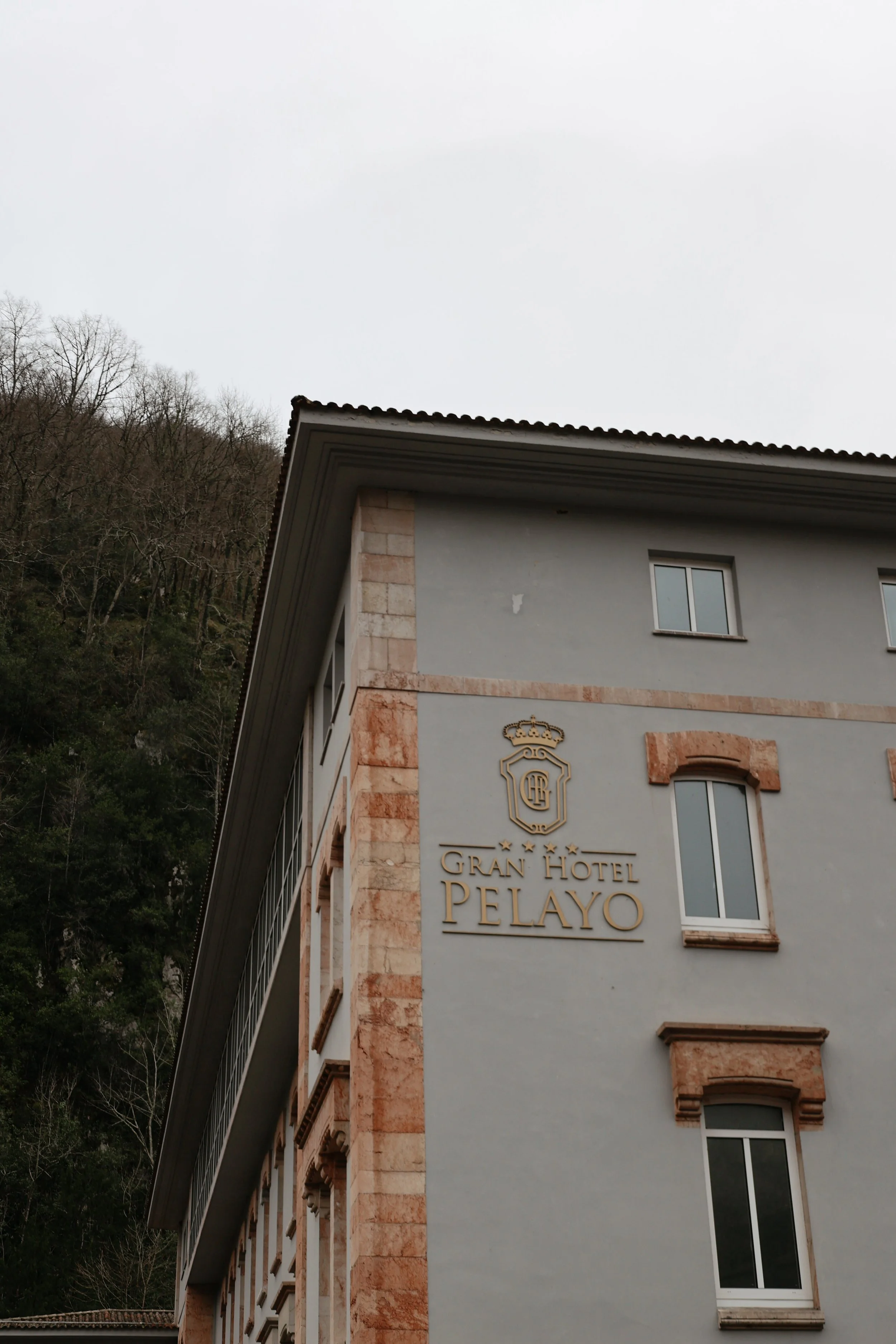
Right in the heart of Covadonga, Gran Hotel Pelayo feels like stepping into a different era. This historic hotel has classic, traditional décor and a calm, old-world atmosphere that fits perfectly with its surroundings. The location really can’t be beat—you’re just steps away from the Covadonga Sanctuary and a short drive from Picos de Europa National Park, making it an ideal base for exploring the area. With an on-site restaurant, bar, and free Wi-Fi, it’s comfortable, convenient, and especially appealing if you want to stay right where the history and scenery converge.
Hotel Rural - El Rexacu
If you’re looking for something quieter and more rural, Cangas de Onís is a great option, and Hotel Rural – El Rexacu fits that vibe beautifully. This countryside hotel feels cozy and welcoming, with rustic décor and lovely mountain views that make it easy to unwind. It offers a peaceful retreat after full days of sightseeing, with amenities like a restaurant, bar, garden, and free Wi-Fi. Being just a short drive from Covadonga, it’s a great choice if you want tranquility without sacrificing easy access to the region’s highlights.
Best Time to Visit Covadonga, Spain
When you should visit Covadonga really depends on the kind of experience you’re hoping to have—each season brings something special. Spring (April to June) is one of the most beautiful times to be here. The landscapes are lush and green, flowers are in bloom, and temperatures are mild and comfortable for exploring. It truly feels like everything is coming to life. Just keep in mind that spring can bring occasional rain showers, so packing a light jacket is a good idea. Summer (July to August) is perfect if you love warm weather and long days outdoors. Covadonga is lively during these months, with visitors enjoying the sunshine and mountain scenery. That said, it’s also the busiest time of year. Expect larger crowds and higher accommodation prices, and plan ahead—booking early and visiting popular spots earlier in the day can make a big difference.
Fall (September to November) is my personal favorite for a quieter, more atmospheric visit. The crowds thin out, the temperatures stay pleasant, and the surrounding landscapes turn into stunning shades of gold, orange, and red. September in particular is a sweet spot, offering warm days with fewer visitors and less rainfall. Winter (December to March) brings a completely different feel. Temperatures drop, snow is possible, and the area becomes peaceful and serene. If you don’t mind the cold and are looking for a more tranquil experience, winter can be incredibly rewarding. Just be aware that some attractions may have limited hours, and weather conditions can affect driving and hiking—checking forecasts and road conditions ahead of time is essential.
No matter when you visit, Covadonga has a way of feeling special. The key is choosing the season that best matches your travel style—whether that’s vibrant and lively or calm and reflective.
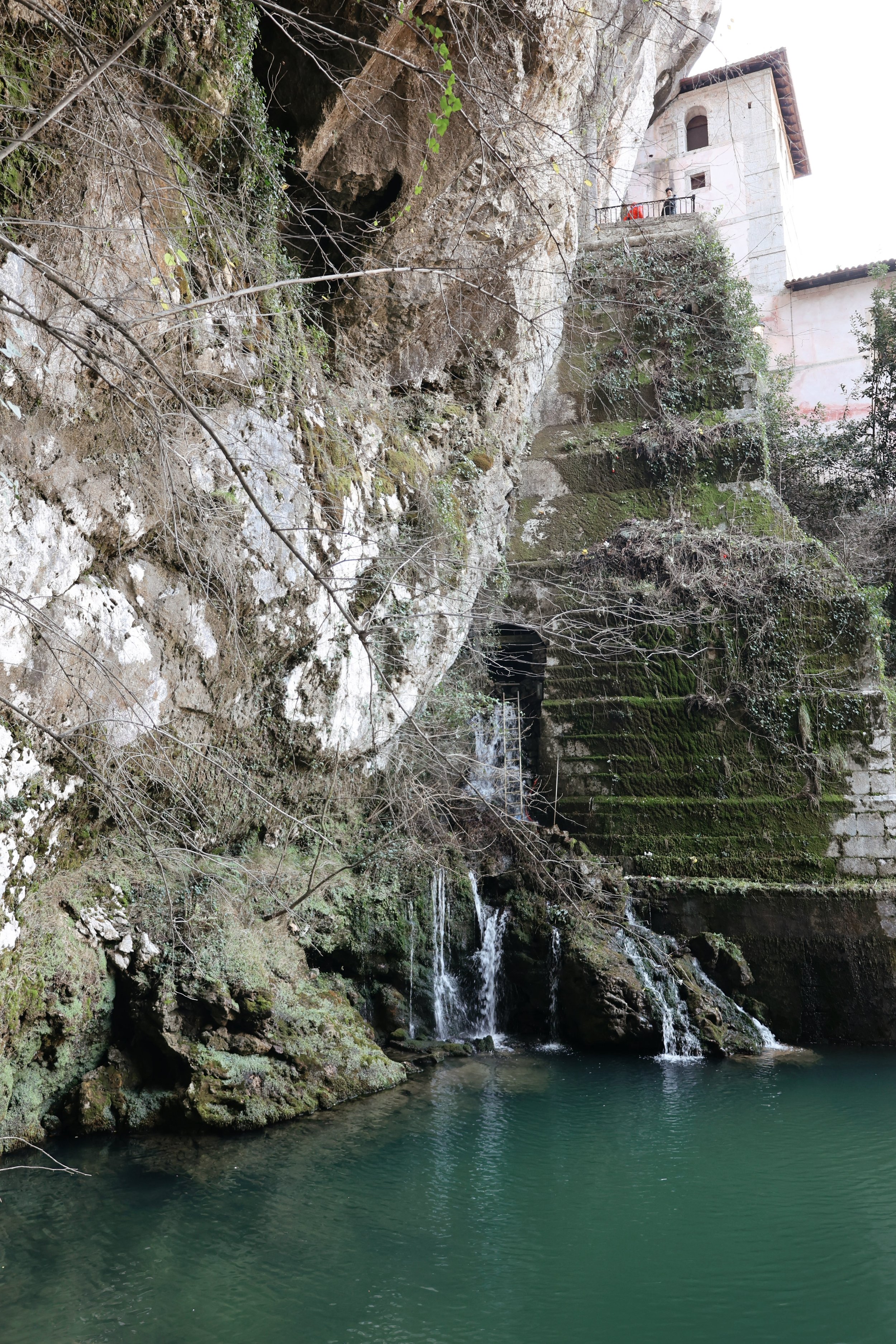
Covadonga truly left a lasting impression on me, and it’s a destination I wholeheartedly believe belongs on any Asturias itinerary. Between the spiritual presence of the Santuario de Covadonga and the breathtaking setting of the Basilica de Santa María la Real de Covadonga, there’s a sense of reverence here that you can feel even if you’re not especially religious. Add in the dramatic mountain scenery, and it becomes something truly special. And while Covadonga alone is worth the trip, it’s also the perfect gateway to discovering more of Asturias. Cities like Gijón and Oviedo add even more depth to the journey, offering coastal charm, rich history, and incredible food. Whether you’re drawn here for reflection, landscapes, culture, or simply to experience a different side of Spain, Covadonga has a way of staying with you long after you leave.
#covadonga #visitcovadonga #covadongaspain #visitspain #travelgram #travelguide #travelholic #traveltheworld #traveler #traveltoexplore #travelon #traveldestination #traveldiaries #travelblogger #traveltheworld #traveladdict #traveldestinations #travellover #womenwhotravel #womenwhoexplore