Athens is one of those cities that instantly pulls you in. From the moment you start walking its streets, you feel the contrast—in the best way. Ancient ruins sit side by side with modern cafés and shops, and it somehow all works. One minute you’re admiring centuries-old temple columns, and the next you’re browsing a sleek shopping center or sipping coffee on a lively corner. Each neighborhood has its own personality and rhythm, making Athens feel layered, dynamic, and endlessly interesting. It’s a city where history isn’t tucked away in museums—it’s woven right into everyday life.
Getting to Athens, Greece
Getting to Athens, Greece looks a little different for everyone, depending on where you’re coming from—but here’s how my journey unfolded. I started in Miami, flying out of Miami International Airport and heading north to Boston for a layover. Boston Logan International Airport was my connecting point, and I had just enough time to stretch my legs, grab a bite to eat, and mentally switch into international travel mode. From Boston, I boarded my long-haul flight to Athens. It was a longer stretch in the air, but the excitement of what was waiting on the other side made it fly by. After crossing the Atlantic, I finally landed at Athens International Airport Eleftherios Venizelos, officially touching down in Greece and ready to begin the adventure.
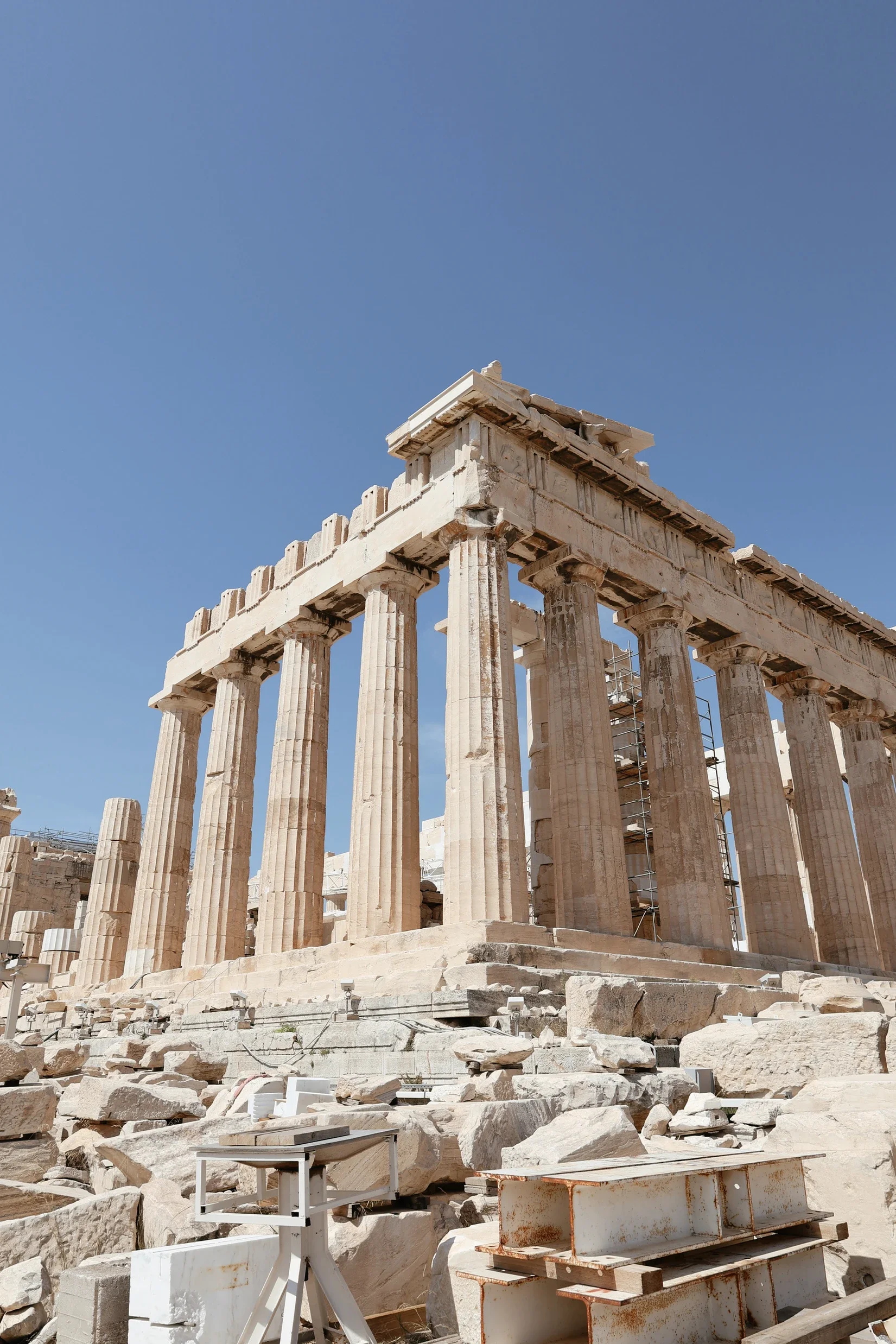
Things to Do in Athens, Greece
Acropolis
Visiting Athens felt like stepping into a living history book, where ancient ruins and everyday city life exist side by side. To truly understand the soul of the city, your first stop has to be the Acropolis. Rising high above Athens, it’s impossible to miss—and even harder to forget once you’re there. Walking among structures that have stood for thousands of years is humbling, powerful, and honestly a little surreal. This is the heart of Athens, and standing there gives you a real sense of just how much history surrounds you.
Quick tip: I visited Athens in September, and it was still very hot. If you’re planning to explore the Acropolis and nearby archaeological sites, bring plenty of water and wear comfortable shoes. These sites are completely exposed, and the heat can sneak up on you quickly—especially in summer.
Another thing I highly recommend is purchasing the combined Acropolis ticket when you enter. It’s only about €10 more than the standard ticket and gives you access to several major archaeological sites around the city. The best part? It stays valid for five days after first use, which makes it both convenient and budget-friendly. It’s an easy win if you plan on doing more than just the Acropolis—and trust me, you will.
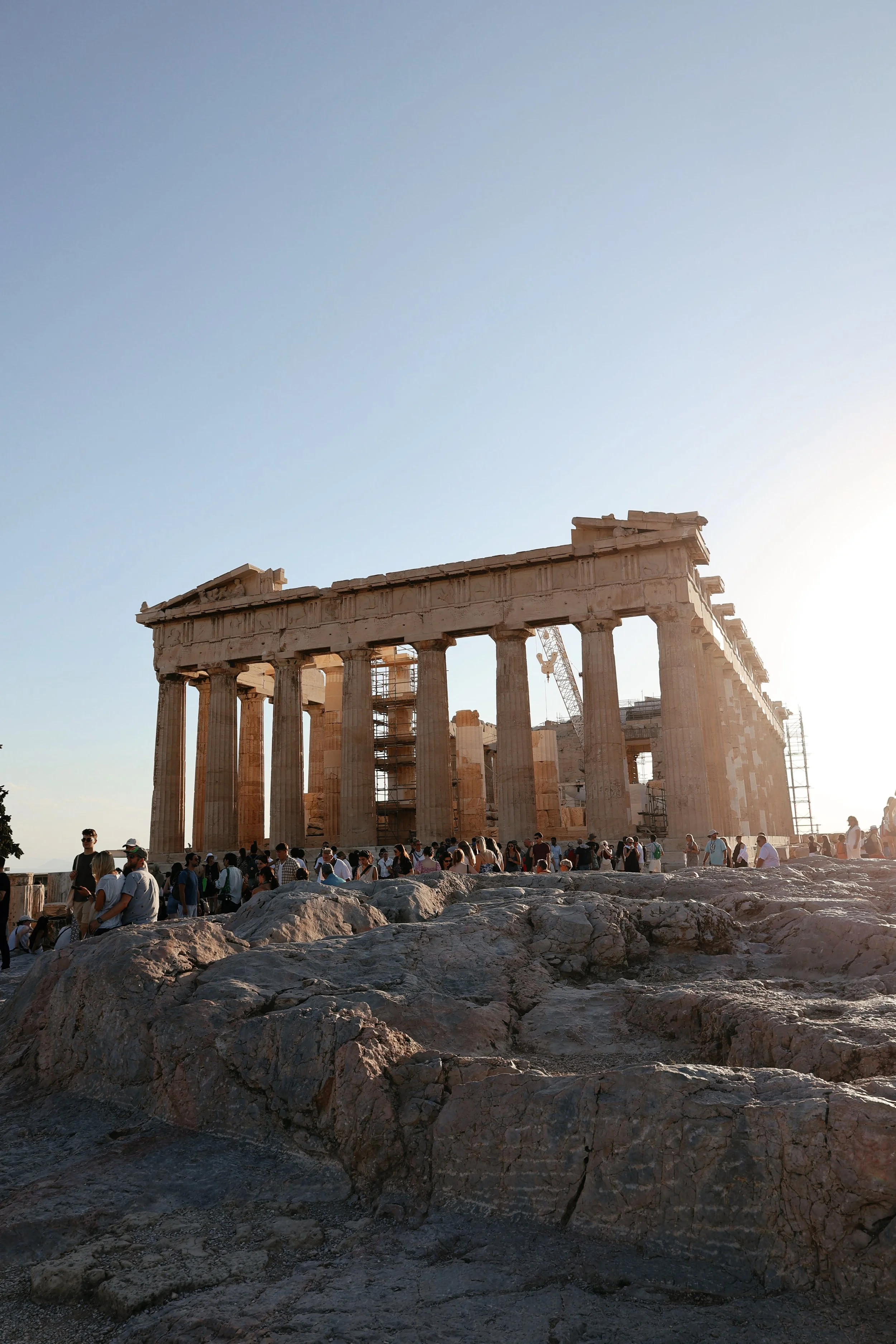
Parthenon
The Parthenon is the undeniable highlight of any visit to the Acropolis—and honestly, seeing it in person feels surreal. Built in 438 BCE as the primary temple dedicated to Athena, the city’s patron goddess, it stands as one of the most important symbols of Ancient Greece. Measuring approximately 70 by 30 meters, the scale alone is impressive, but knowing what once stood inside makes it even more powerful. At its height, the Parthenon housed a massive 12-meter-tall statue of Athena made of gold and ivory.
Today, the Parthenon stands in partial ruin, yet it somehow feels even more moving because of it. You can’t enter the structure, but walking around its entire perimeter was more than enough. I took countless photos, paused often, and really tried to take it all in. Even in its weathered state, the Parthenon radiates a quiet grandeur—one that makes you stop, reflect, and appreciate just how extraordinary this place once was (and still is).
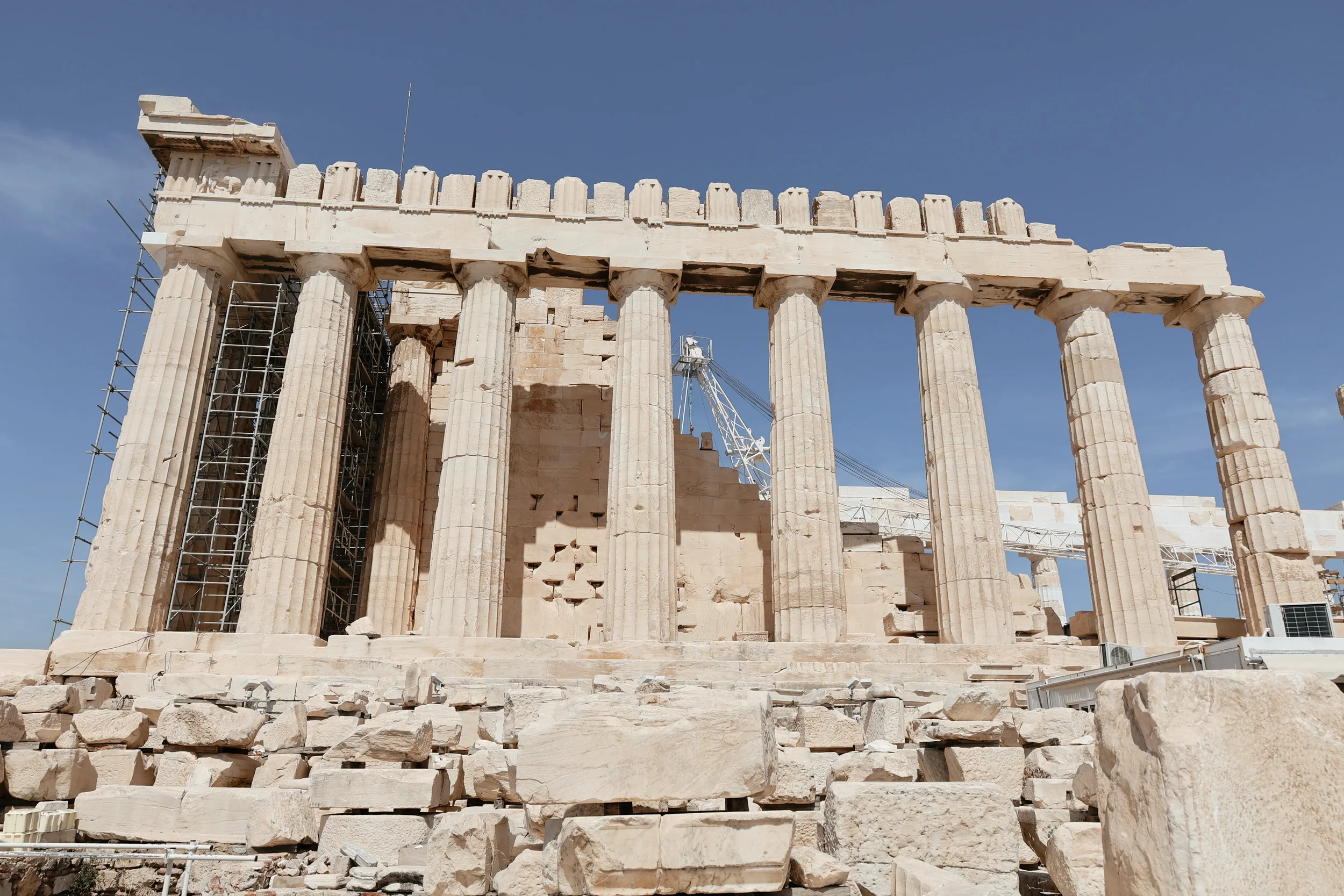
Beulé Gate
The Beulé Gate serves as a powerful and unmistakable entrance to the Acropolis—a place where history isn’t just seen, but truly felt. Named after French archaeologist Ernest Beulé, who uncovered it in 1852, this monumental gate dates back to 27 BCE and once marked the formal passage into the sacred hill.
Walking through the Beulé Gate was one of those quiet, grounding moments during my visit. It felt symbolic, like crossing a threshold between modern Athens and the ancient world beyond. The worn stone, shaped by centuries of footsteps before mine, made the experience incredibly humbling. It’s a subtle structure compared to what lies ahead, but it perfectly sets the tone—reminding you that every step forward is layered with history.
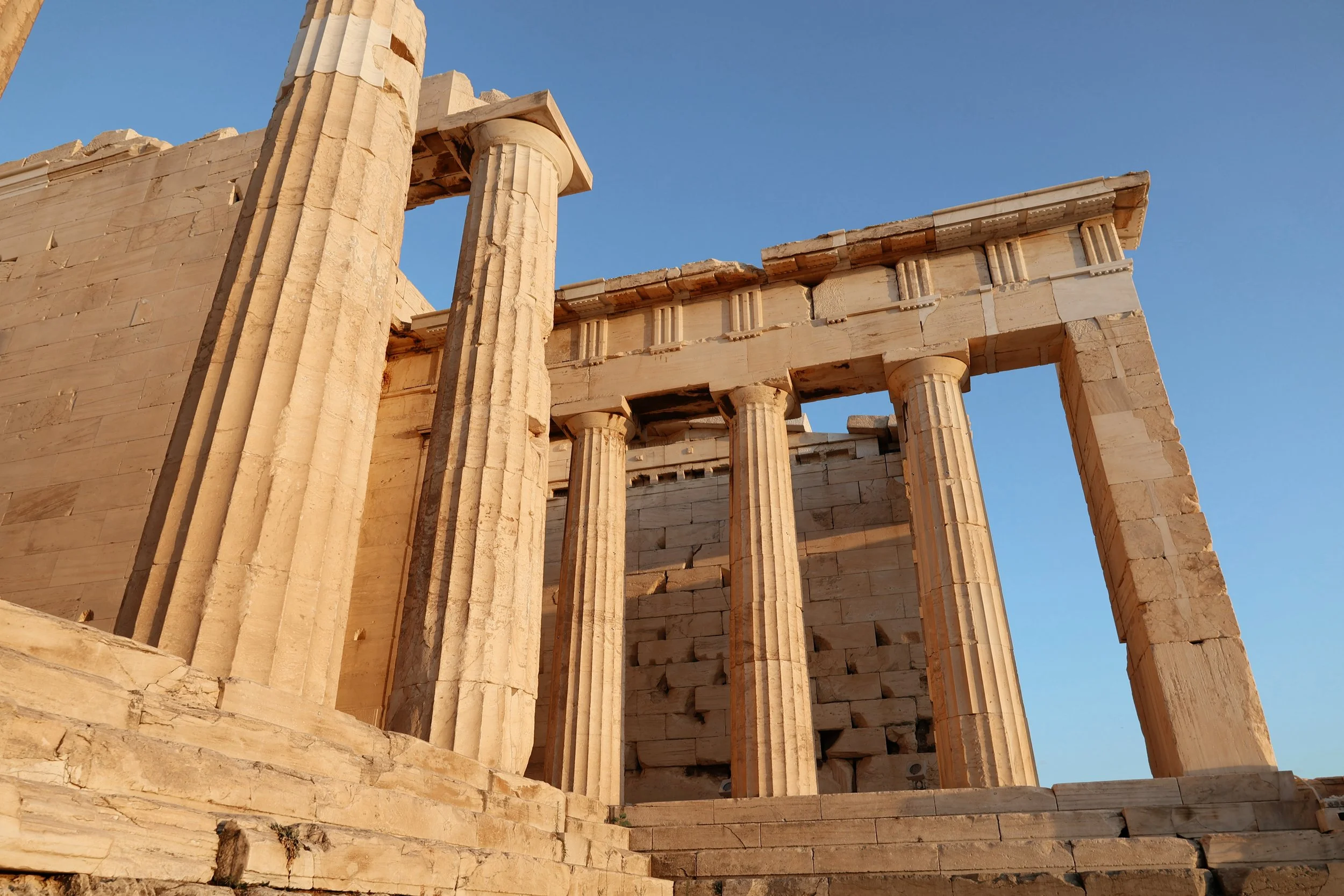
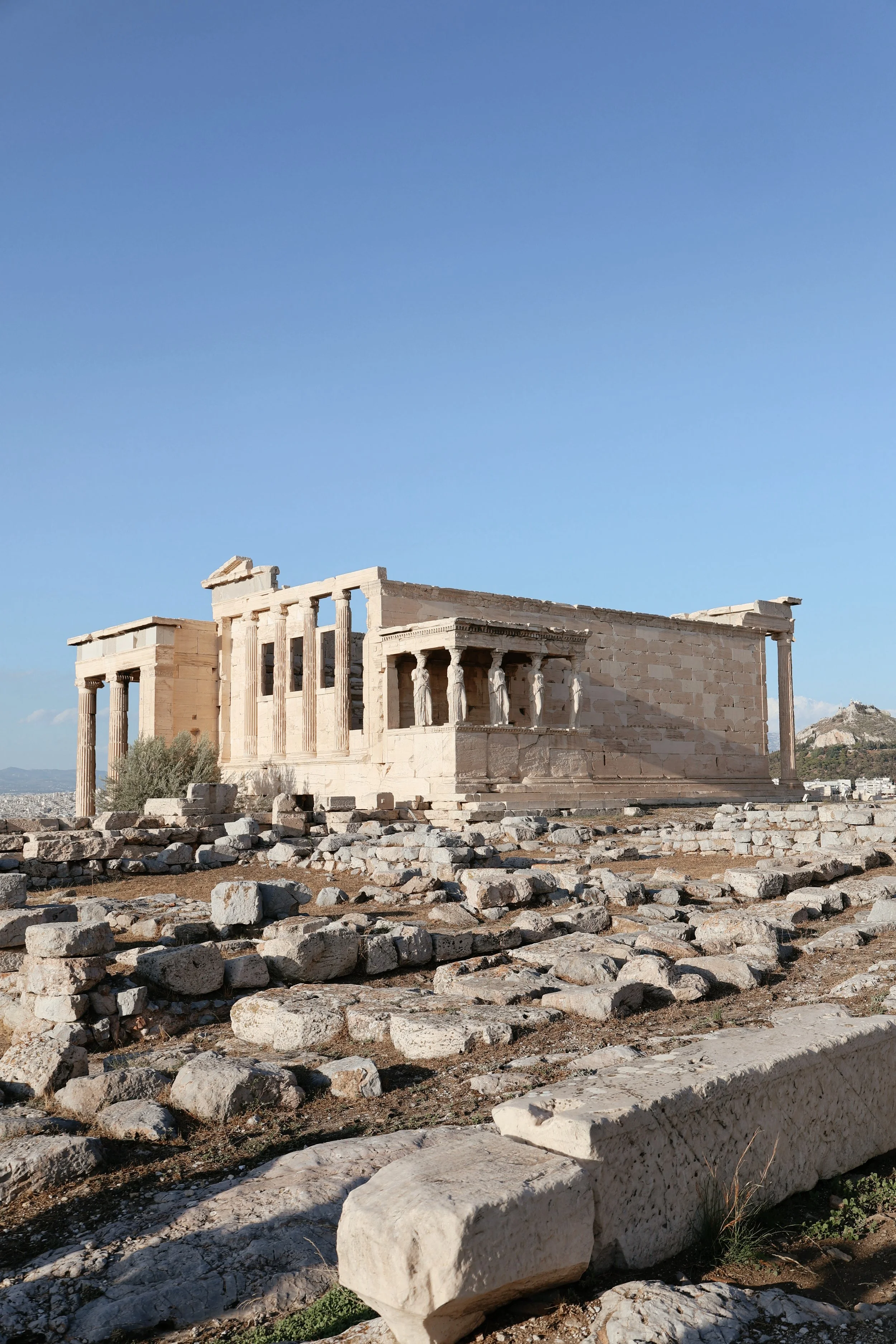
Erechtheion
Located on the north side of the Acropolis Hill, the Erechtheion is one of the most intriguing and distinctive structures on the site. While it is dedicated to Athena, this temple breaks from tradition by honoring multiple gods and sacred legends under one roof—reflecting the layered mythology and religious complexity of ancient Athens.
What truly sets the Erechtheion apart is its famous south porch, where elegant sculpted caryatids replace standard columns. These graceful maidens, carved in flowing drapery, appear both strong and serene as they support the structure above them. Although the original caryatids have been carefully preserved in museums to protect them from damage, the replicas standing today are still incredibly striking. Seeing them in person felt almost surreal—timeless figures quietly holding centuries of history in place.
Temple of Athena Nike
Perched gracefully on the southwestern edge of the Acropolis Hill, the Temple of Athena Nike is small in size but rich in meaning. Completed in 421 BCE, this elegant temple was dedicated to Athena in her role as the goddess of victory—an especially powerful symbol during a time when Athens was deeply engaged in conflict.
The temple’s delicate reliefs tell a quiet yet compelling story, depicting scenes of victory and representations of Nike, the winged goddess of triumph. These carvings add depth and emotion to the site, reminding visitors that this sacred space was not just about architecture, but about hope, resilience, and pride. Standing here, with sweeping views over Athens below, it’s easy to imagine why this spot was chosen to honor victory and protection over the city.
Theater of Dionysus
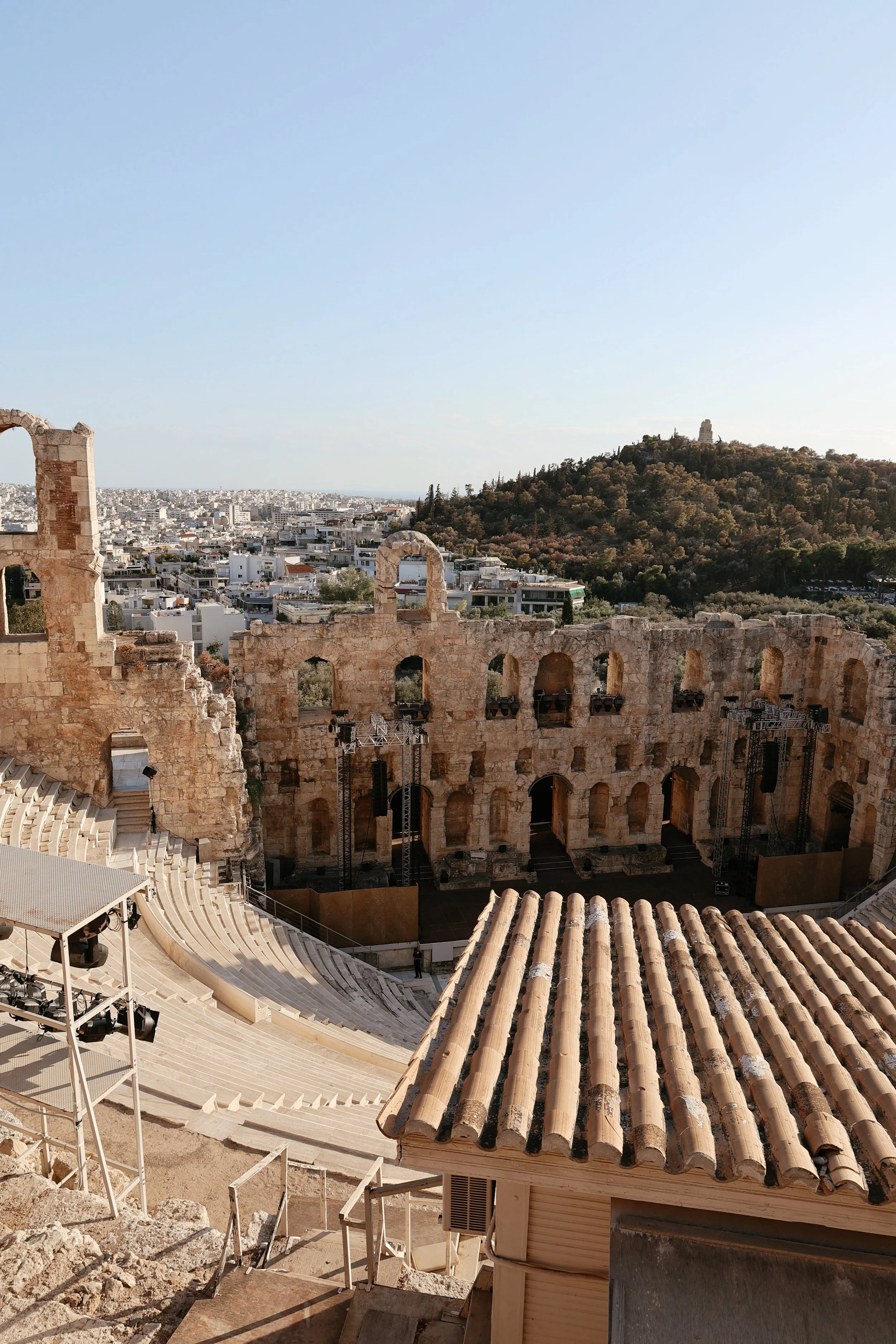
Nestled along the southern slope of the Acropolis Hill, the Theater of Dionysus is one of the most significant cultural landmarks in Athens—and truly a birthplace of theater as we know it today. Dedicated to Dionysus, the god of wine, fertility, and performance, this ancient theater once hosted grand festivals and some of the earliest plays ever written.
With seating for up to 17,000 spectators, it was an extraordinary gathering place where Athenians came together to experience tragedies and comedies by legendary playwrights like Sophocles, Euripides, and Aristophanes. Standing among its stone seats today, it’s impossible not to feel the weight of its legacy. This is where storytelling, drama, and performance took shape, making the Theater of Dionysus an essential stop for anyone wanting to truly understand Athens’ cultural soul.
Arch of Hadrian
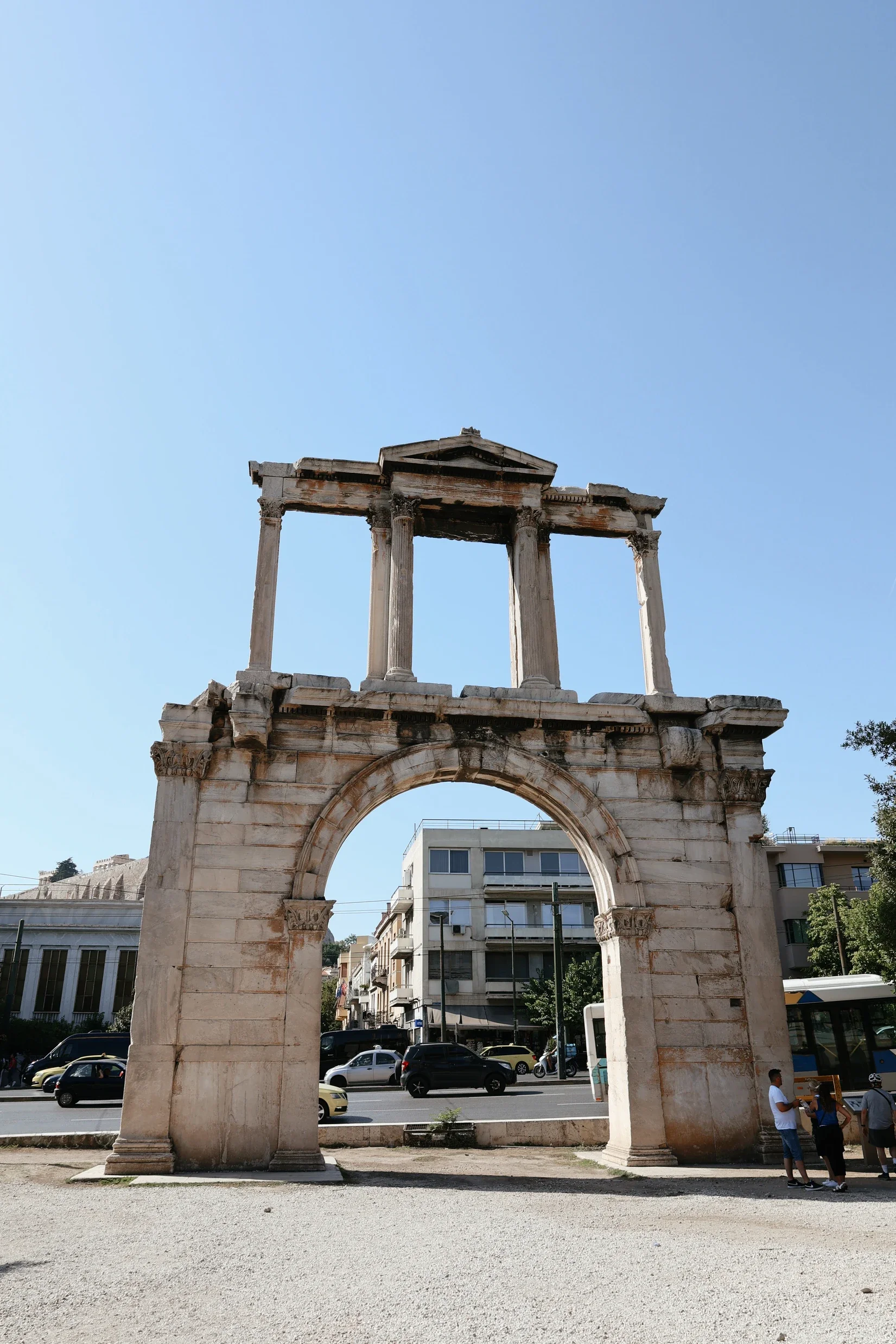
I’ve always been drawn to the Arch of Hadrian—also known locally as Hadrian’s Gate—for its quiet grandeur and symbolic presence in the city. Resembling a classic Roman triumphal arch, it once marked a significant transition point in ancient Athens. The arch stood over an important road that separated the old Greek city from the newer Roman quarter, acting almost like a gateway between two worlds.
Built in honor of the Roman emperor Hadrian, the arch led toward some of the city’s most impressive structures on the eastern side, including the awe-inspiring Temple of Olympian Zeus. Standing there today, you can really feel the blend of Greek and Roman influence that defines so much of Athens—ancient history layered seamlessly into the modern cityscape.
Temple of Olympian Zeus (Olympieion)
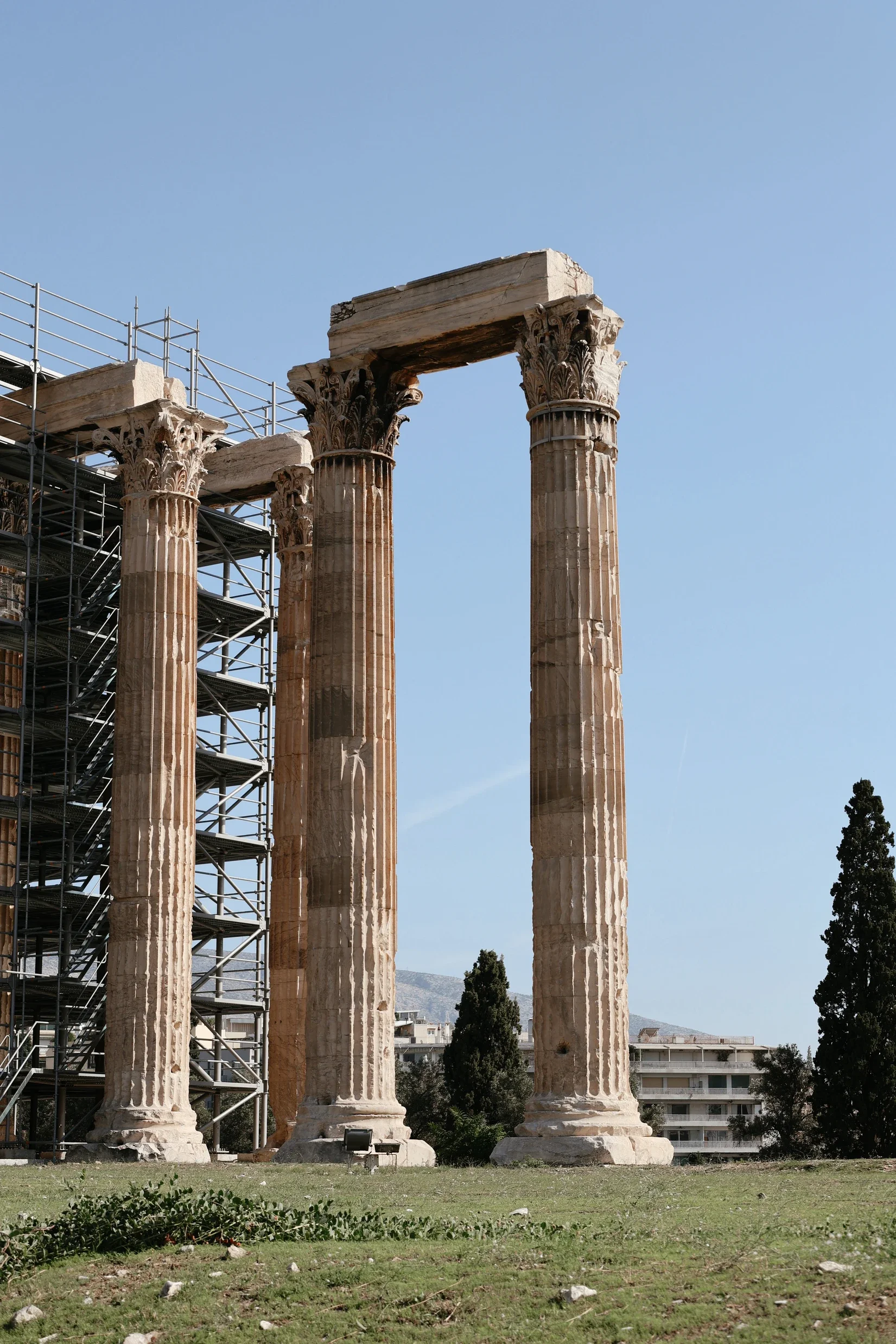
Standing before the Temple of Olympian Zeus, it’s impossible not to pause in awe. This colossal sanctuary, dedicated to Zeus—the king of the Olympian gods—once dominated ancient Athens with its sheer scale and grandeur. At its height, the temple featured an extraordinary forest of towering Corinthian columns, each one a symbol of power, devotion, and architectural mastery.
Although time has reduced the Olympieion to a handful of standing columns, their presence is still striking. They rise dramatically against the Athenian sky, offering a powerful glimpse into just how monumental this temple once was. Walking through the site, you can almost imagine the reverence it inspired in antiquity—an enduring reminder of Athens’ ambition, artistry, and reverence for the gods.
Hadrian’s Library
Walking through the ruins of Hadrian’s Library feels like stepping into a quieter, more reflective chapter of ancient Athens. Built in 132 AD by the Roman Emperor Hadrian, this vast complex was once a center of knowledge, philosophy, and scholarly exchange—a place where learning was deeply valued and carefully preserved.
As I wandered among the remaining columns and stone walls, it was easy to imagine the intellectual energy that once filled the space. The library housed reading rooms, lecture halls, and peaceful courtyards, creating an environment designed for contemplation and discussion. Even in its ruined state, Hadrian’s Library carries a sense of calm and depth, offering a powerful reminder of Athens’ long-standing relationship with wisdom, culture, and the pursuit of knowledge.
Ancient Agora of Athens
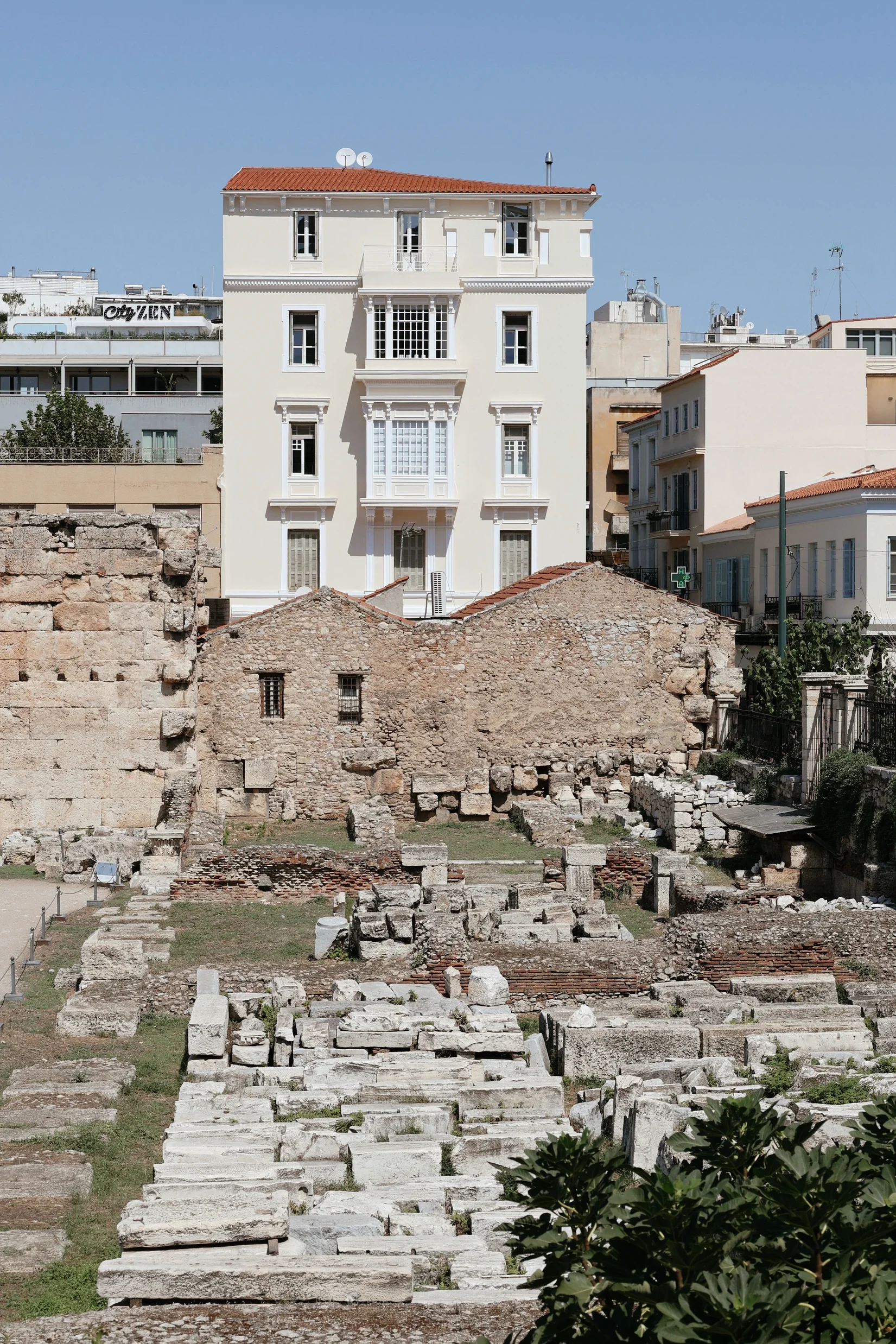
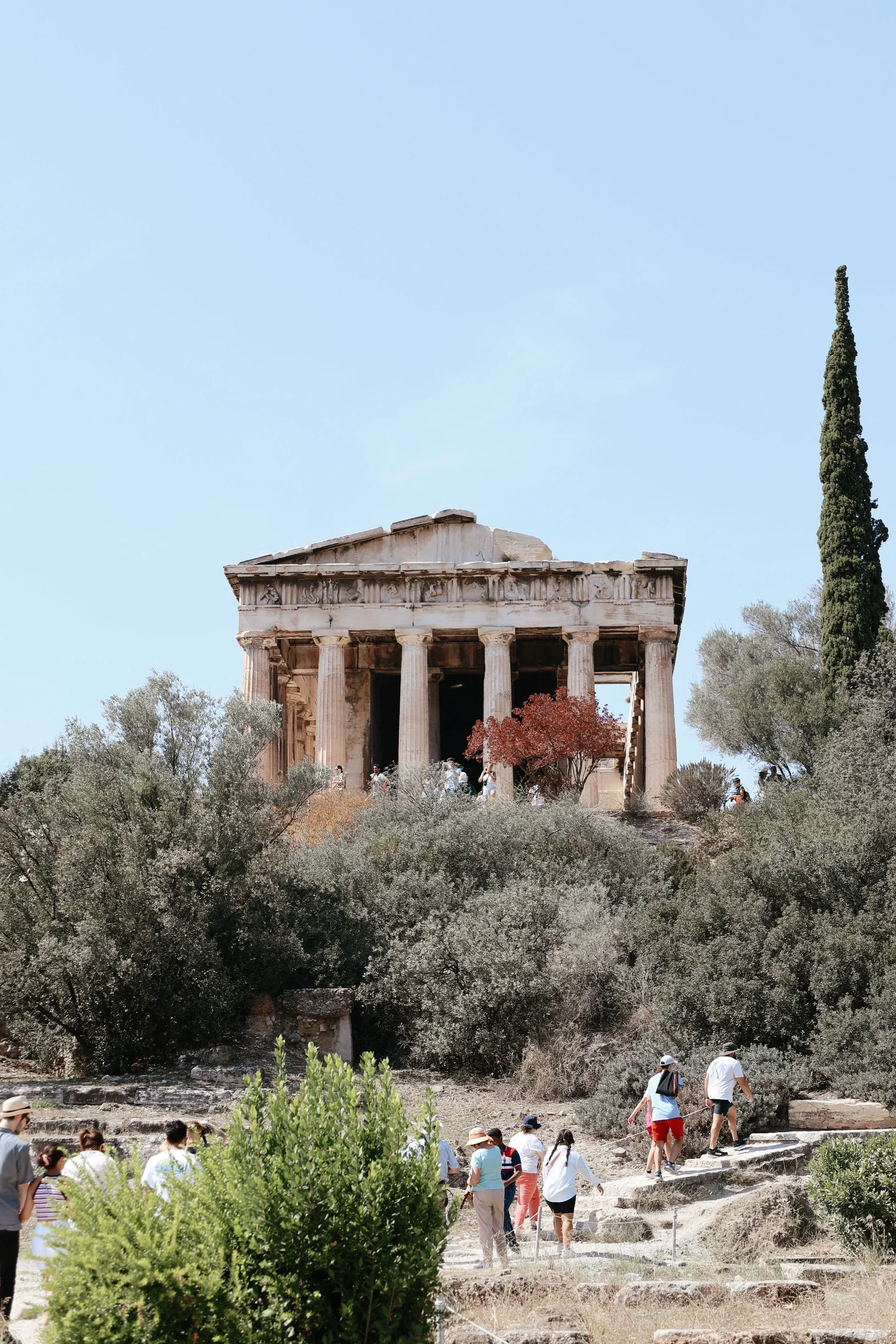
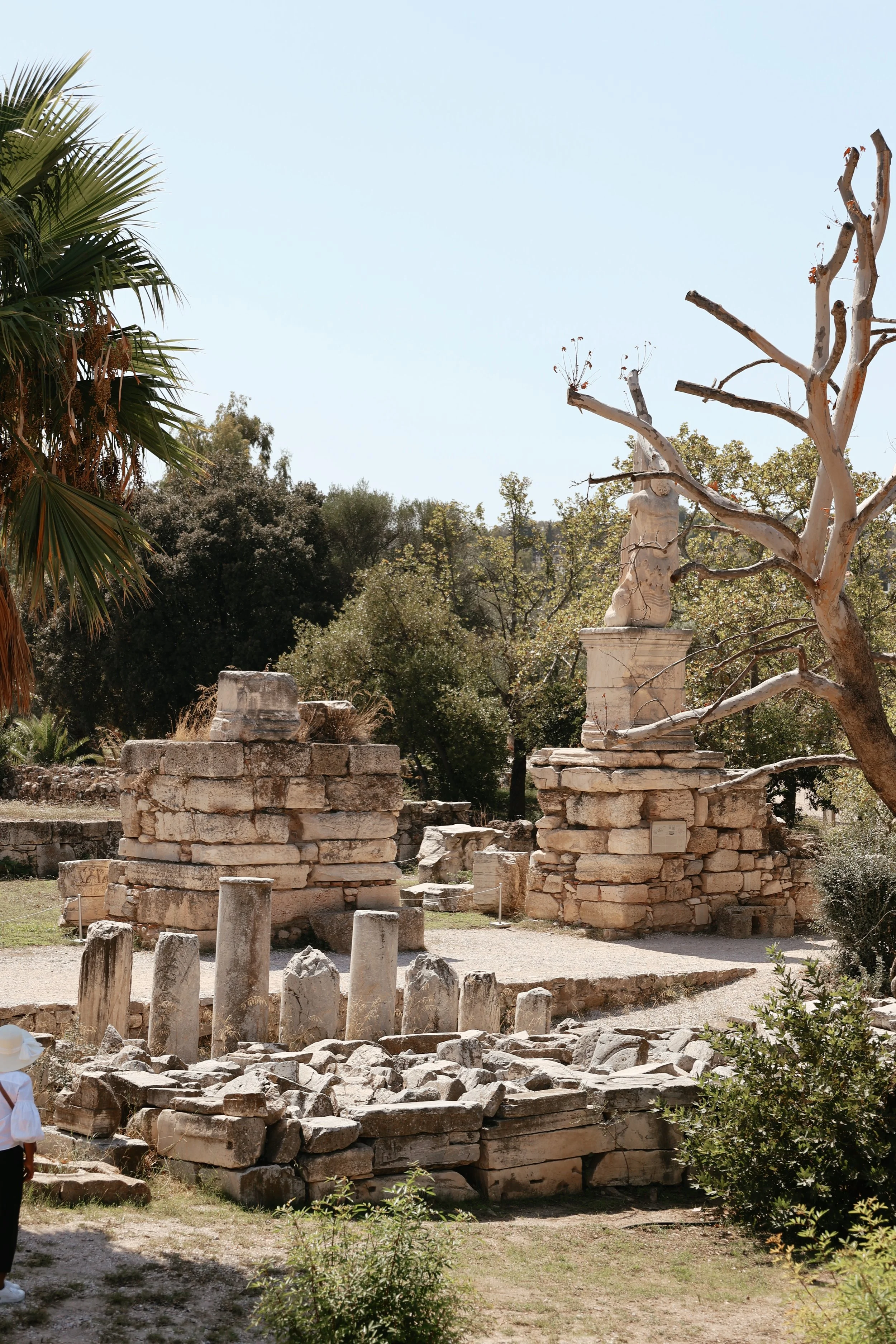
The Ancient Agora is one of those places where history feels vividly alive. Once the very heart of Athenian life, this expansive site served as the city’s political, social, and commercial center for centuries. Philosophers debated ideas here, merchants traded goods, and everyday life unfolded against a backdrop of remarkable architecture.
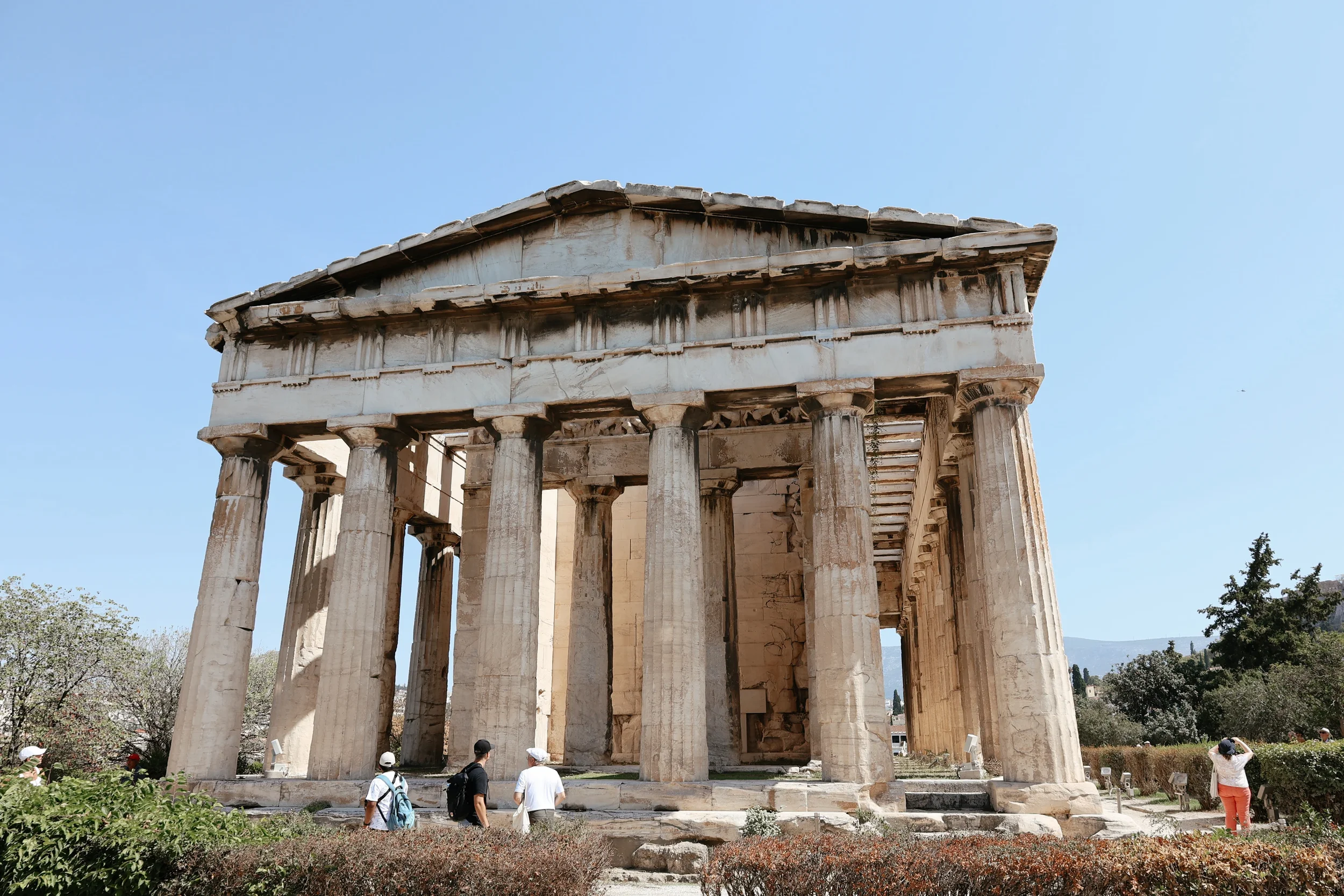
As you wander through the ruins, you’ll encounter beautifully preserved landmarks like the Stoa of Attalos—now home to a museum—and the Temple of Hephaestus, one of the best-preserved ancient Greek temples in existence. Walking these grounds, there’s a powerful sense of timelessness, as if the voices of ancient Athens still linger in the air. It’s an unmissable stop for truly understanding the rhythm and soul of the ancient city.
Roman Agora of Athens
Just steps away from the Ancient Agora, the Roman Agora offers a fascinating look at Athens during its Roman era. Built to serve as a new marketplace under Roman rule, this site reflects how the city evolved while still honoring its deep-rooted past.
The standout feature here is the Tower of the Winds—an ancient masterpiece of engineering that once functioned as a clock, weather vane, and compass all in one. Standing before it, I couldn’t help but admire the brilliance of the ancient world and how thoughtfully they observed time, wind, and weather long before modern technology. Quiet yet powerful, the Roman Agora is a beautiful reminder of Athens’ layered history and its ability to adapt while remaining timeless.
Kerameikos Archaeological Site
The Kerameikos Archaeological Site offers one of the most moving experiences in Athens—a quiet, reflective space where the stories of everyday Athenians come to life. Once both a vibrant neighborhood and the city’s main cemetery, Kerameikos reminds you that ancient Athens was as much about its people as it was about its monuments.
As you wander through the site, you’ll see beautifully carved tombstones, burial monuments, and the remains of the Sacred Gate, which once marked the entrance to the city. There’s something deeply humbling about walking among these remnants, knowing they honor generations of Athenians who lived, loved, and were laid to rest here. Peaceful and powerful, Kerameikos feels less like a tourist stop and more like a quiet conversation with the past.
Mount Lycabettus
The hike up Mount Lycabettus was a personal highlight of my Athens adventure. Well, I use the term "hike" rather lightly; it's more of a brisk walk up a steep incline. Of course, if you're feeling adventurous, you can opt for an off-piste adventure, forging your path to the summit. However, most visitors, like myself, tend to stick to the paved path, which gets you to the top in a relatively easy 20 to 40 minutes.
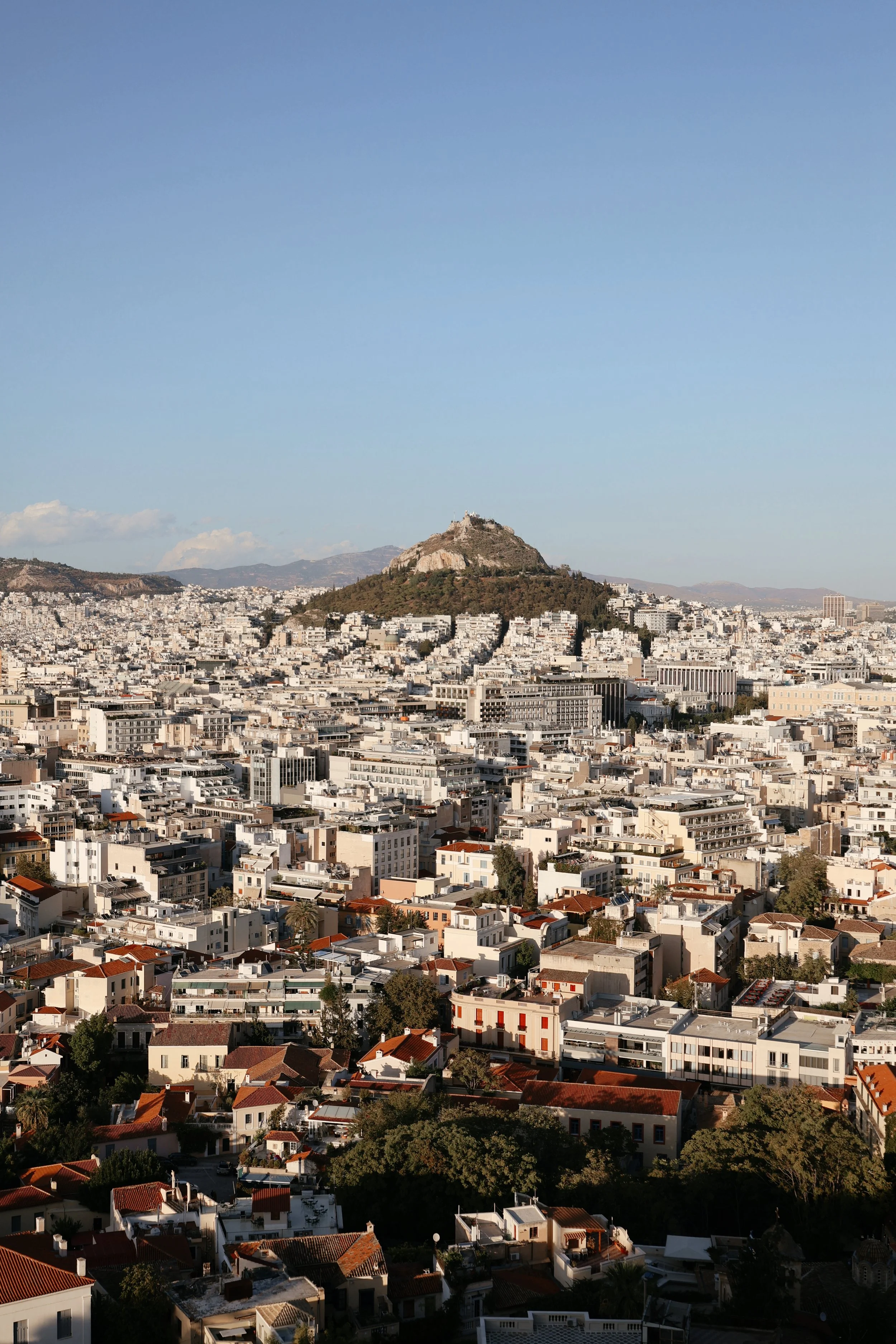
Regardless of how quickly you conquer the ascent, the reward awaiting you at the summit is beyond compare. From this vantage point, the sprawling vistas stretch as far as the eye can see, extending all the way to the mesmerizing ocean. It's a perspective that grants you an impressive view of not only the Acropolis but also the scattered archaeological sites that pepper the cityscape.
Acropolis Museum
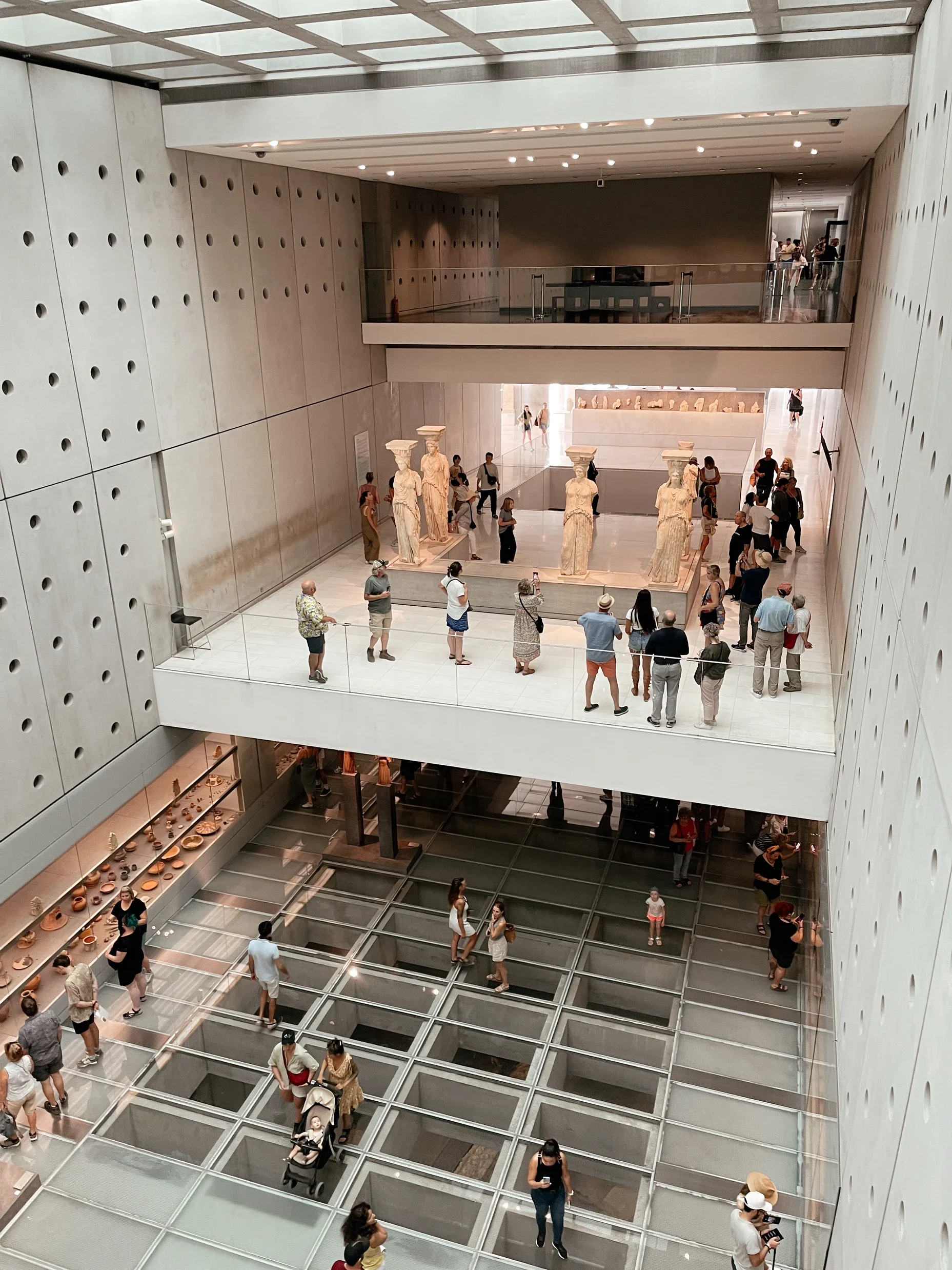
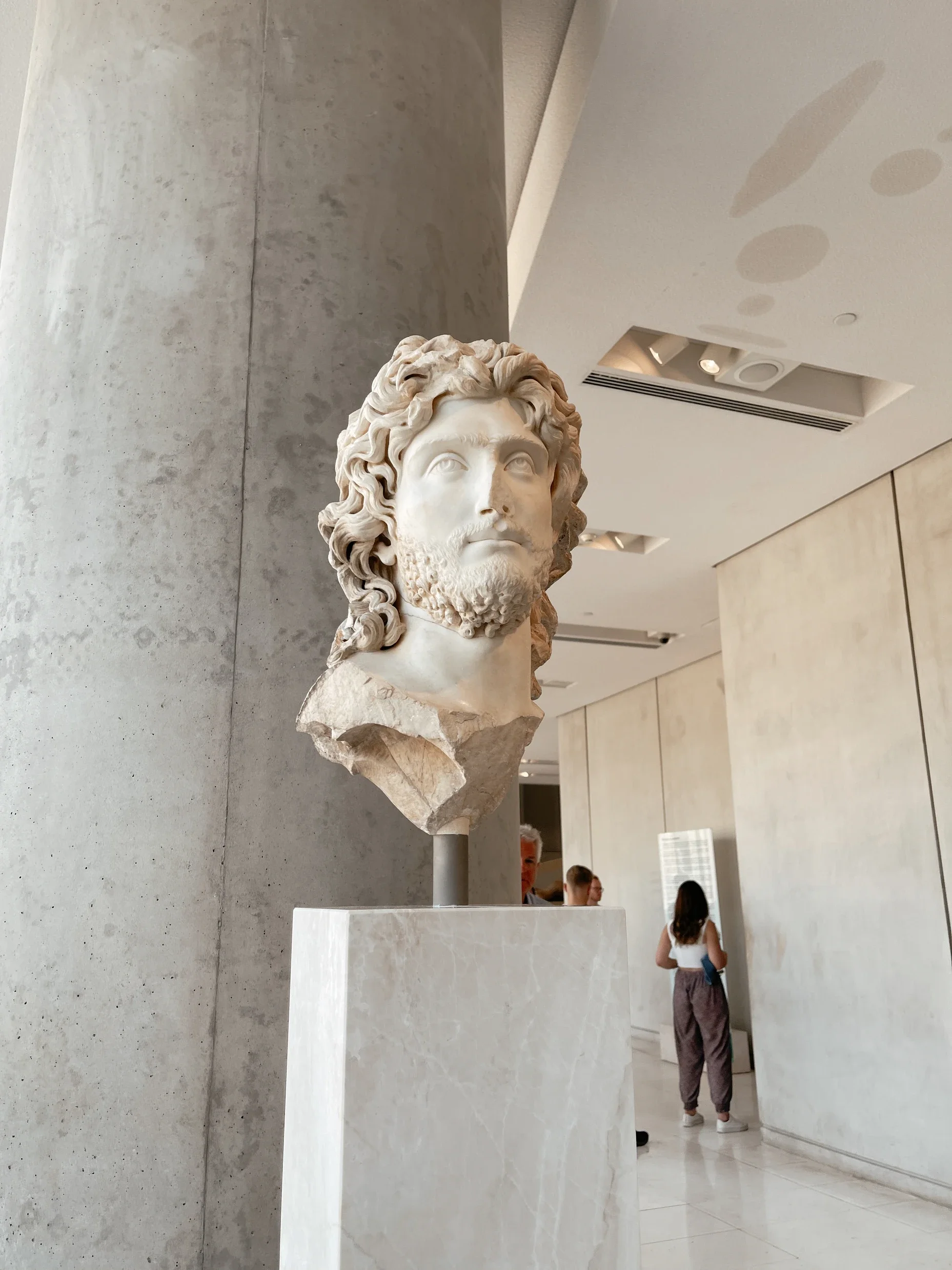
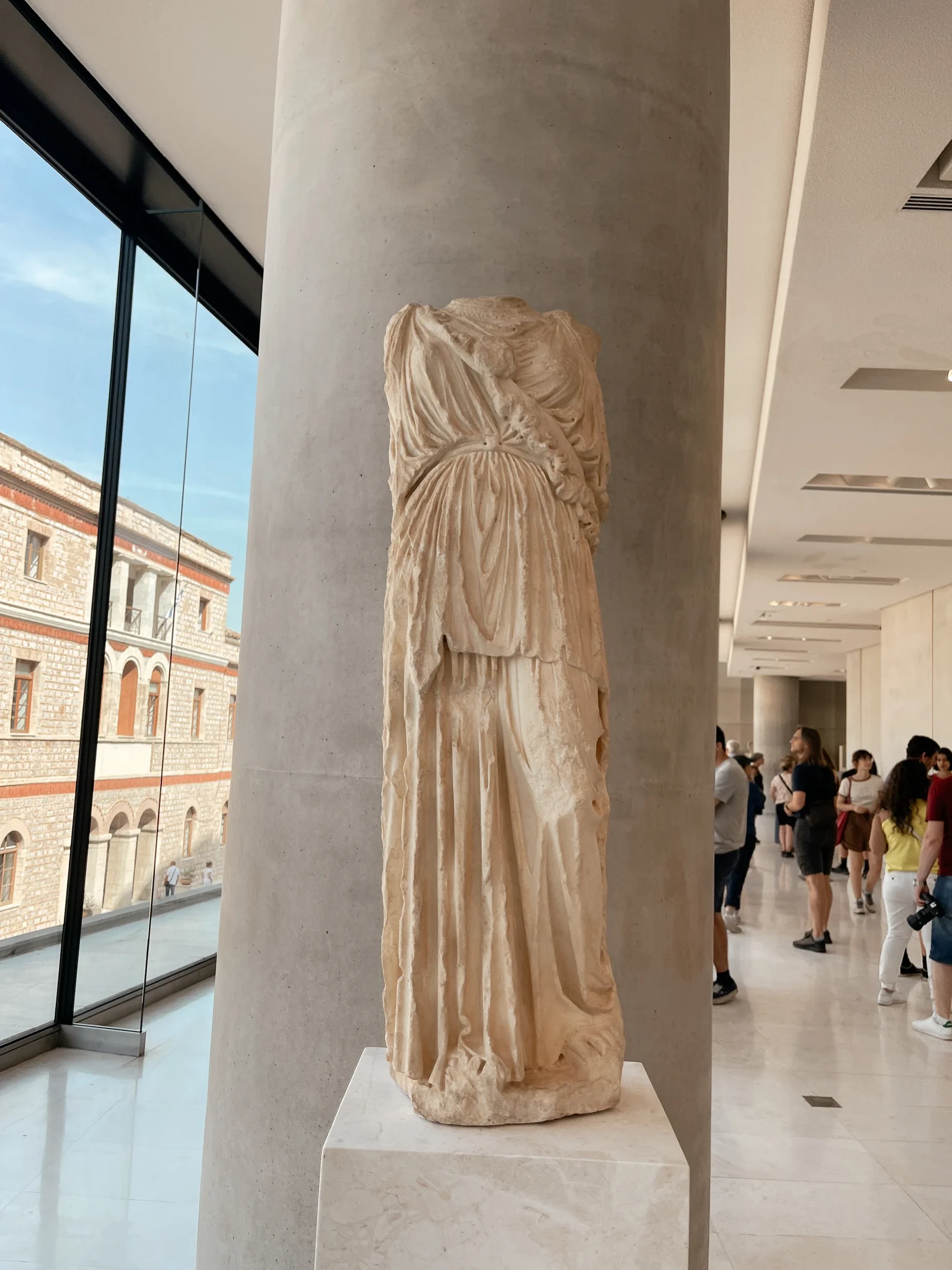
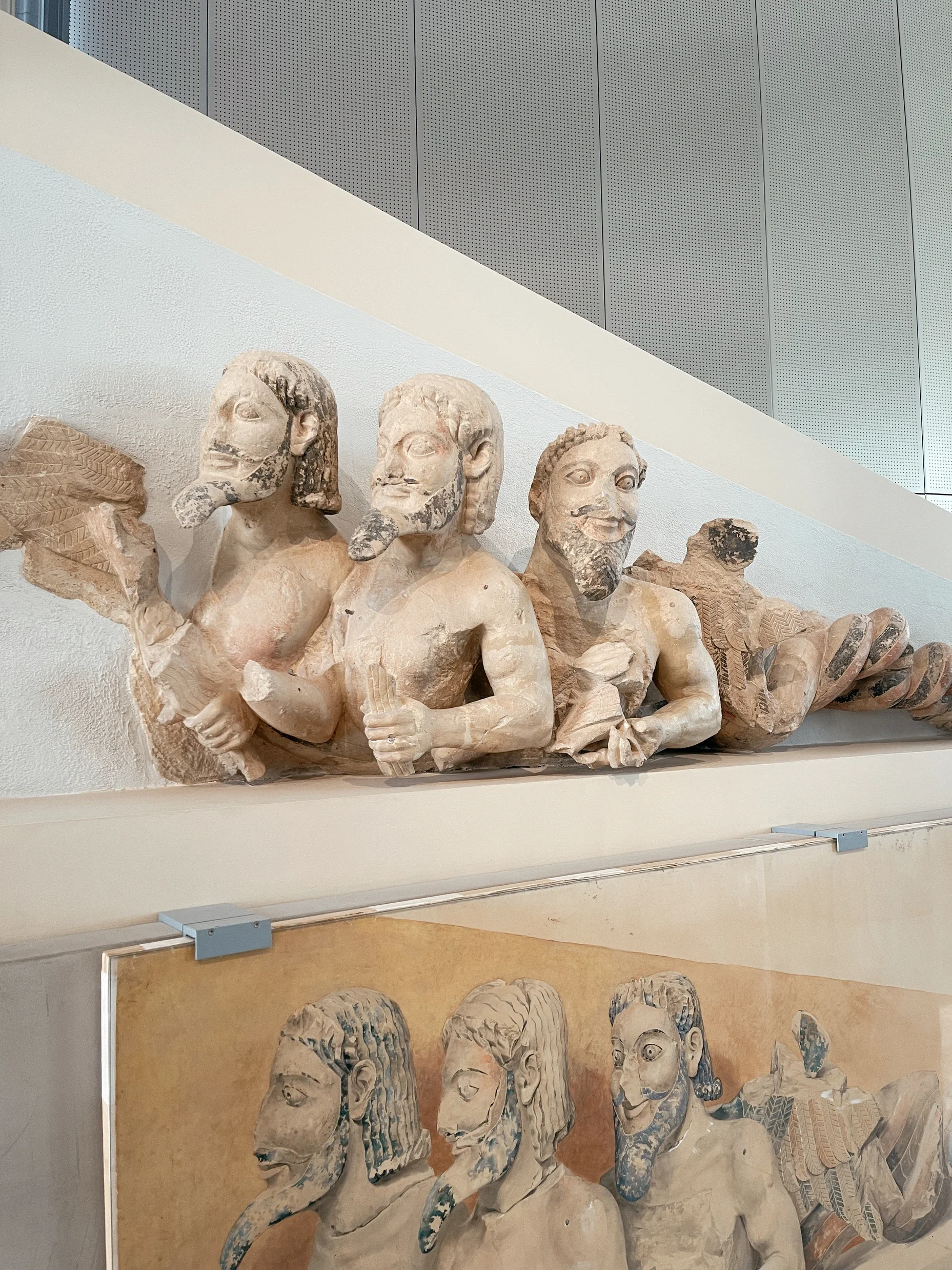
Visiting the Acropolis Museum was one of the true highlights of my time in Athens. While it isn’t massive in size, what it lacks in scale it more than makes up for in quality. The museum houses an extraordinary collection of artifacts from the Acropolis and surrounding sites—pieces that were moved here to be protected from time, weather, and pollution.
What really stopped me in my tracks, though, was something I had never experienced before: the archaeological site beneath the museum itself. Much of the floor is made entirely of glass, allowing you to look straight down into the ancient ruins below as you walk through the galleries.
Standing there—literally walking over centuries of history—felt surreal. There was something both eerie and magical about seeing the remains of ancient Athens beneath my feet while learning about the civilization that once thrived there. It gave me a deeper appreciation for the sheer scale, complexity, and brilliance of the city’s past. The Acropolis Museum isn’t just a place to view history—it’s a place where you stand inside it, and that made the experience unforgettable.
Plaka
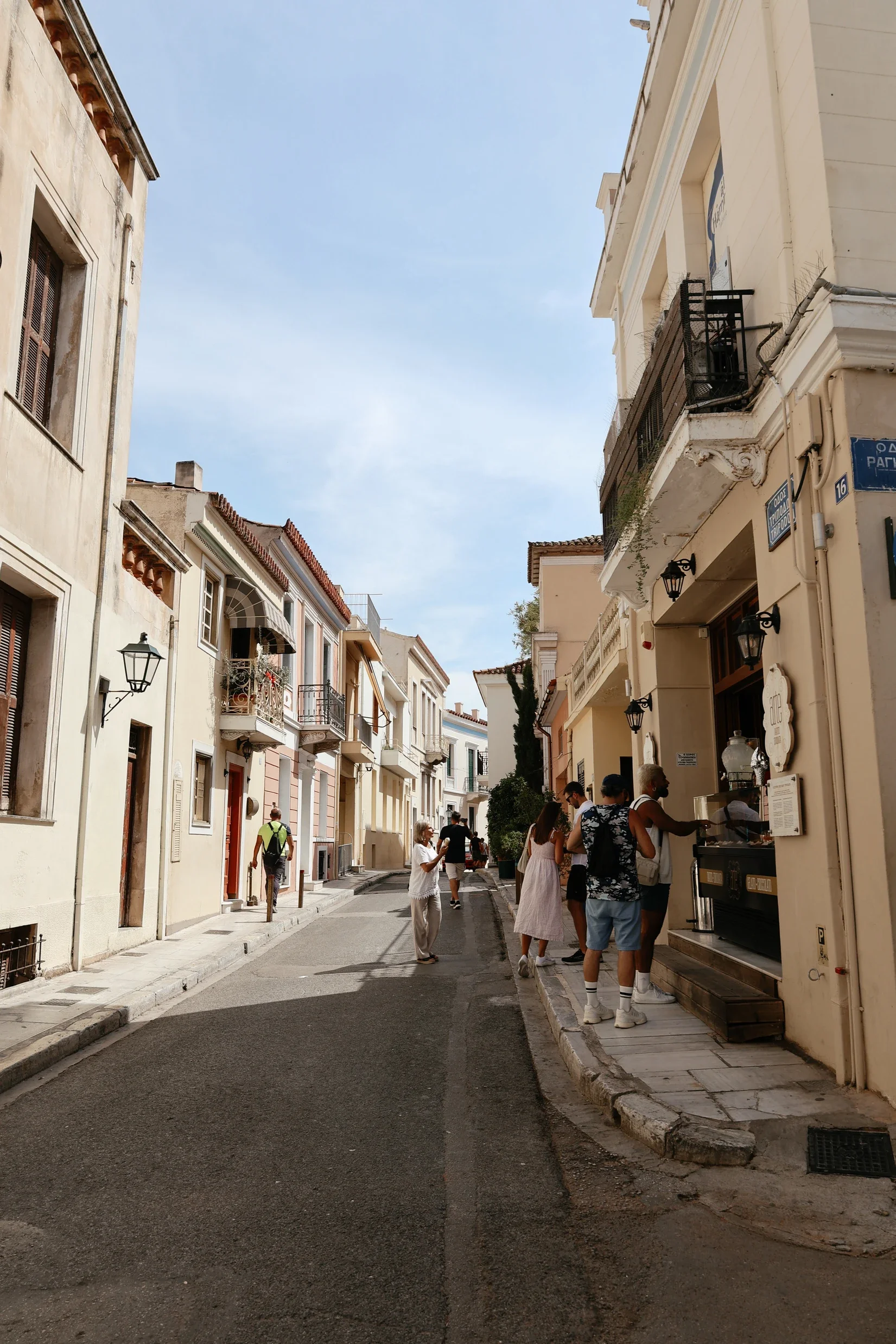
Wandering through Plaka was one of those moments in Athens that felt effortlessly special. The neighborhood has a graceful, almost romantic charm to it—definitely a bit more polished and upscale than nearby Monastiraki, and yes, slightly pricier. But honestly? Every step through Plaka feels worth it.
Its narrow, winding streets form a picture-perfect maze, lined with colorful houses that look straight out of a postcard. As I explored, I stumbled upon small boutiques filled with unique finds, cozy cafés perfect for lingering a little longer than planned, and traditional Greek tavernas where the aromas alone could convince you to sit down and stay awhile.
Plaka quickly became my go-to spot for slowing down. It’s the perfect place to enjoy a leisurely lunch, sip a coffee after exploring the Acropolis, or treat yourself to a scoop (or two) of gelato in the afternoon. What makes Plaka truly special isn’t just its beauty—it’s the warmth and authenticity that flows through the neighborhood. History, culture, and everyday life blend seamlessly here, inviting you to wander without a plan and discover something lovely around every corner.
Monastiraki
Monastiraki is where Athens truly feels alive. The moment you step into this neighborhood, you’re met with energy, movement, and a beautiful kind of chaos that somehow just works. It’s vibrant, gritty, colorful, and endlessly fascinating—one of those places where history and everyday life collide in the most authentic way. At the heart of it all is Monastiraki Square, buzzing with locals, travelers, street performers, and vendors, all set against the backdrop of the Acropolis towering above. From there, the streets spill into the famous flea market, where you’ll find everything from vintage jewelry and antiques to handmade leather goods, souvenirs, and quirky finds you didn’t know you needed. Even if you’re not shopping, wandering through the stalls is an experience in itself.
What I loved most about Monastiraki was how effortlessly it blends old and new. Ancient ruins sit just steps away from trendy cafés, rooftop bars, and casual tavernas. It’s a great place to grab a quick bite, sip a coffee while people-watching, or enjoy a drink with an unbeatable view of the Acropolis glowing at sunset.
Monastiraki feels raw and real in the best way—loud, lively, and full of character. It’s the kind of neighborhood that invites you to wander, explore, and soak it all in without rushing. If Plaka feels romantic and polished, Monastiraki is its cool, edgy counterpart—and together, they perfectly capture the soul of Athens.
Psirri
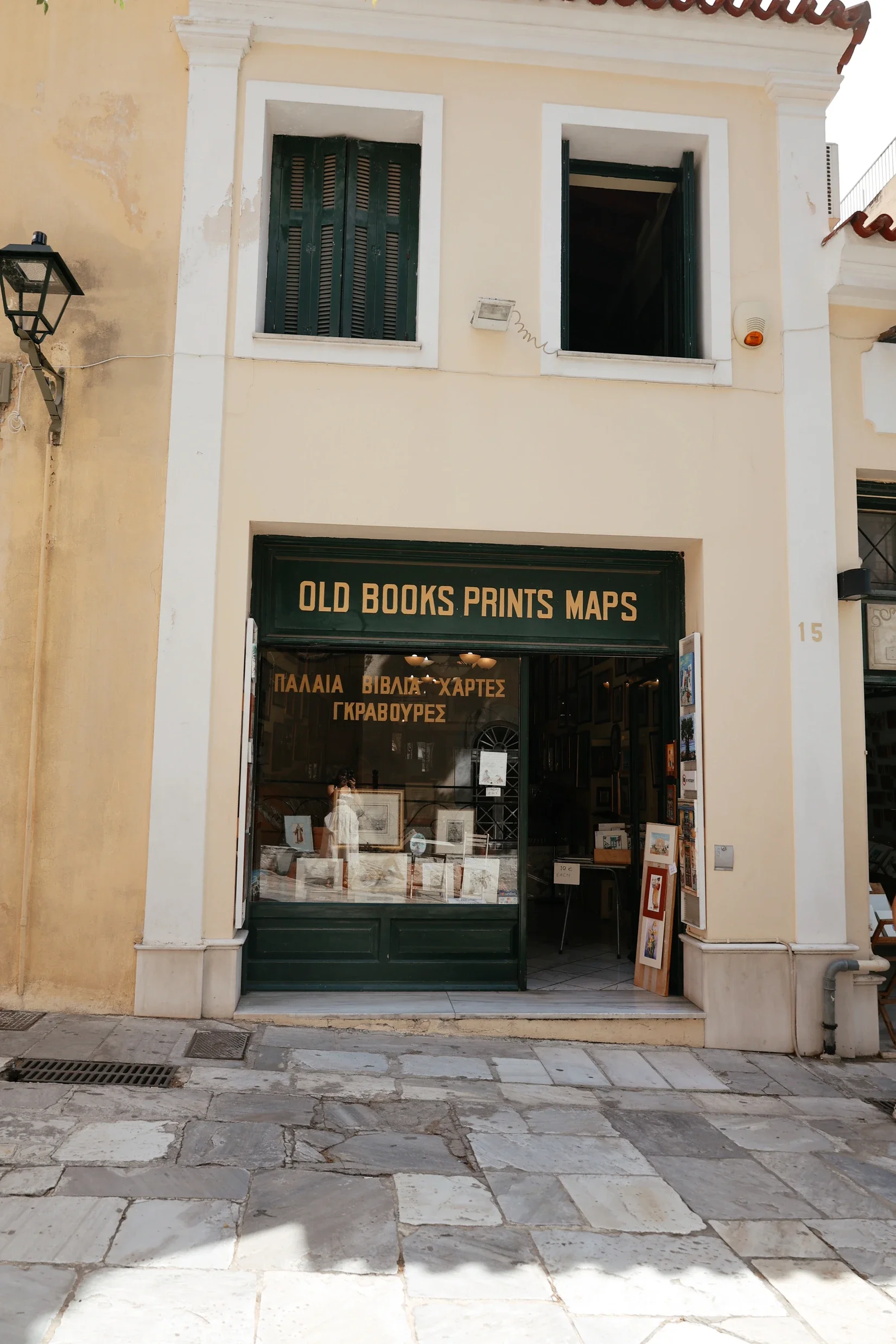
Psirri (also spelled Psyrri) is one of those neighborhoods that quietly pulls you in—and before you know it, you’re completely charmed. Tucked just behind Monastiraki, Psirri feels creative, artsy, and effortlessly cool, with a slightly bohemian edge that makes it stand out. By day, Psirri is calm and character-filled. Think narrow streets lined with colorful street art, small workshops, cozy cafés, and traditional tavernas that feel wonderfully local. It’s the kind of place where you can slow down, grab a coffee, and wander without an agenda, taking in the textures, murals, and little details that make the neighborhood feel lived-in and authentic.
As evening rolls in, Psirri transforms. The streets come alive with energy as bars, music venues, and restaurants fill up with locals and travelers alike. It’s one of the best areas in Athens for nightlife if you’re looking for something lively but not overwhelming—great cocktails, late-night dining, and live music spilling out onto the streets.
What I loved most about Psirri is its balance. It feels creative without trying too hard, historic yet modern, and vibrant without being chaotic. Whether you’re visiting for a relaxed afternoon stroll or heading out for dinner and drinks at night, Psirri offers a side of Athens that feels real, soulful, and full of personality.
Church of the Panagia Kapnikarea
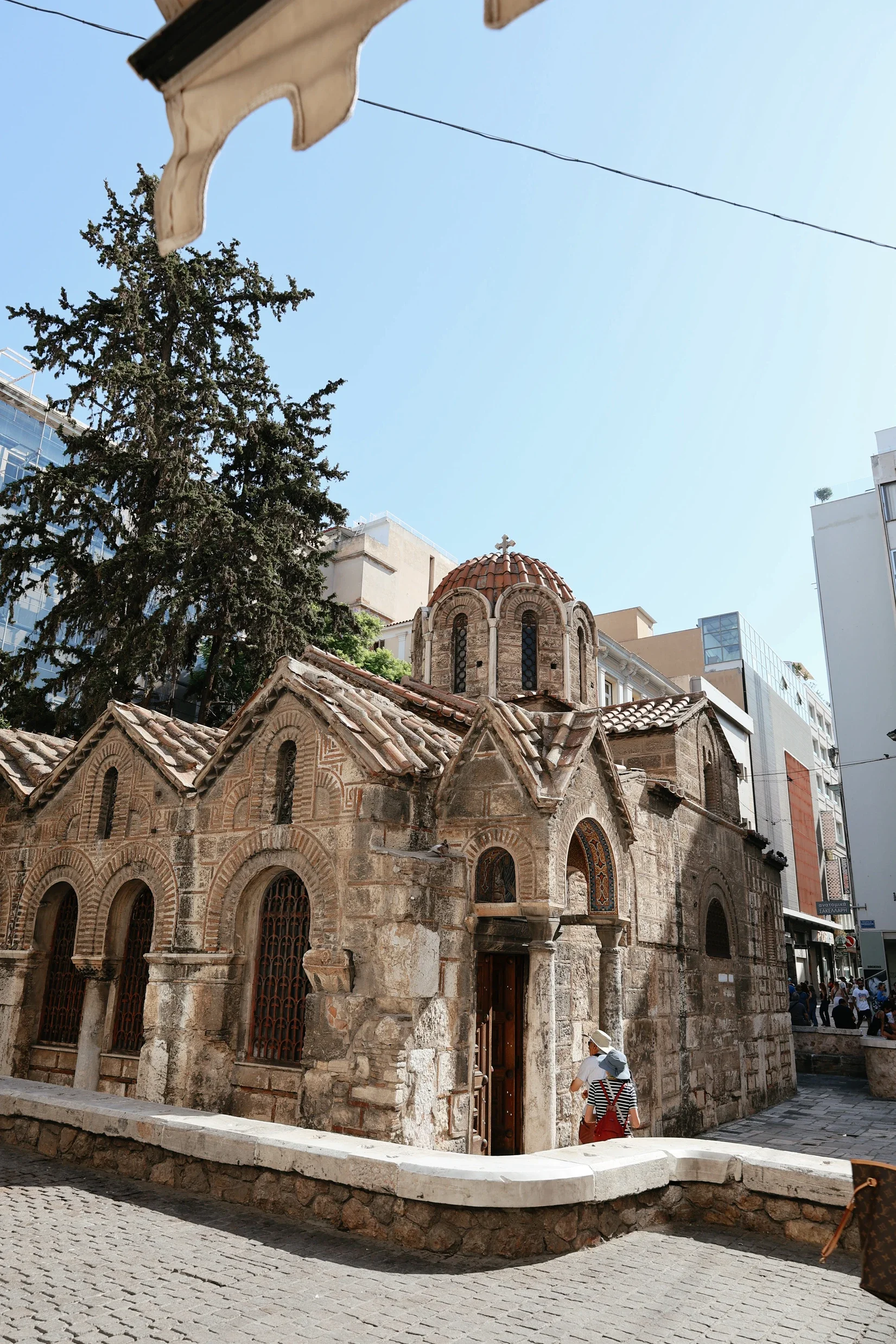
Right in the middle of the lively Ermou Street—surrounded by shops, crowds, and constant movement—you’ll suddenly come across a quiet little treasure: the Church of the Panagia Kapnikarea. It’s one of those moments that makes Athens feel truly special, where ancient history unexpectedly reveals itself in the most everyday setting. Dating back to the 11th century, this Byzantine church is one of the oldest in the city and was built atop the remains of an ancient Greek temple, adding yet another layer to Athens’ already rich past. What makes it even more interesting is that the church is actually made up of three interconnected structures, giving it a unique layout and character.
It’s not a major tourist stop, and that’s part of its charm. Stepping inside offers a brief but peaceful pause from the buzz of the city outside—a quiet reminder of how deeply history is woven into daily life in Athens. If you’re strolling Ermou for shopping or simply wandering the city, stumbling upon Panagia Kapnikarea feels like a little secret, and it’s absolutely worth taking a moment to appreciate.
Prison of Socrates
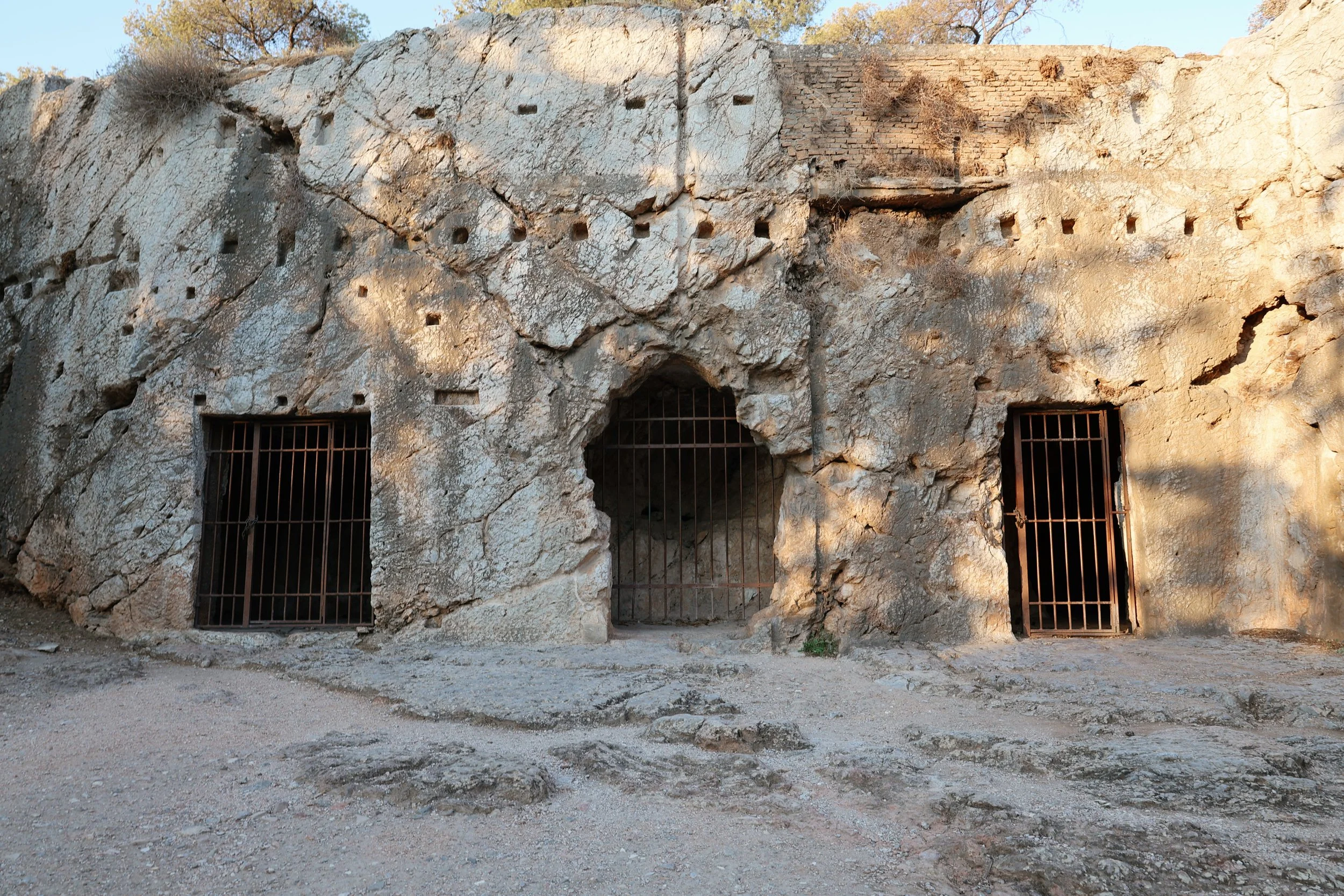
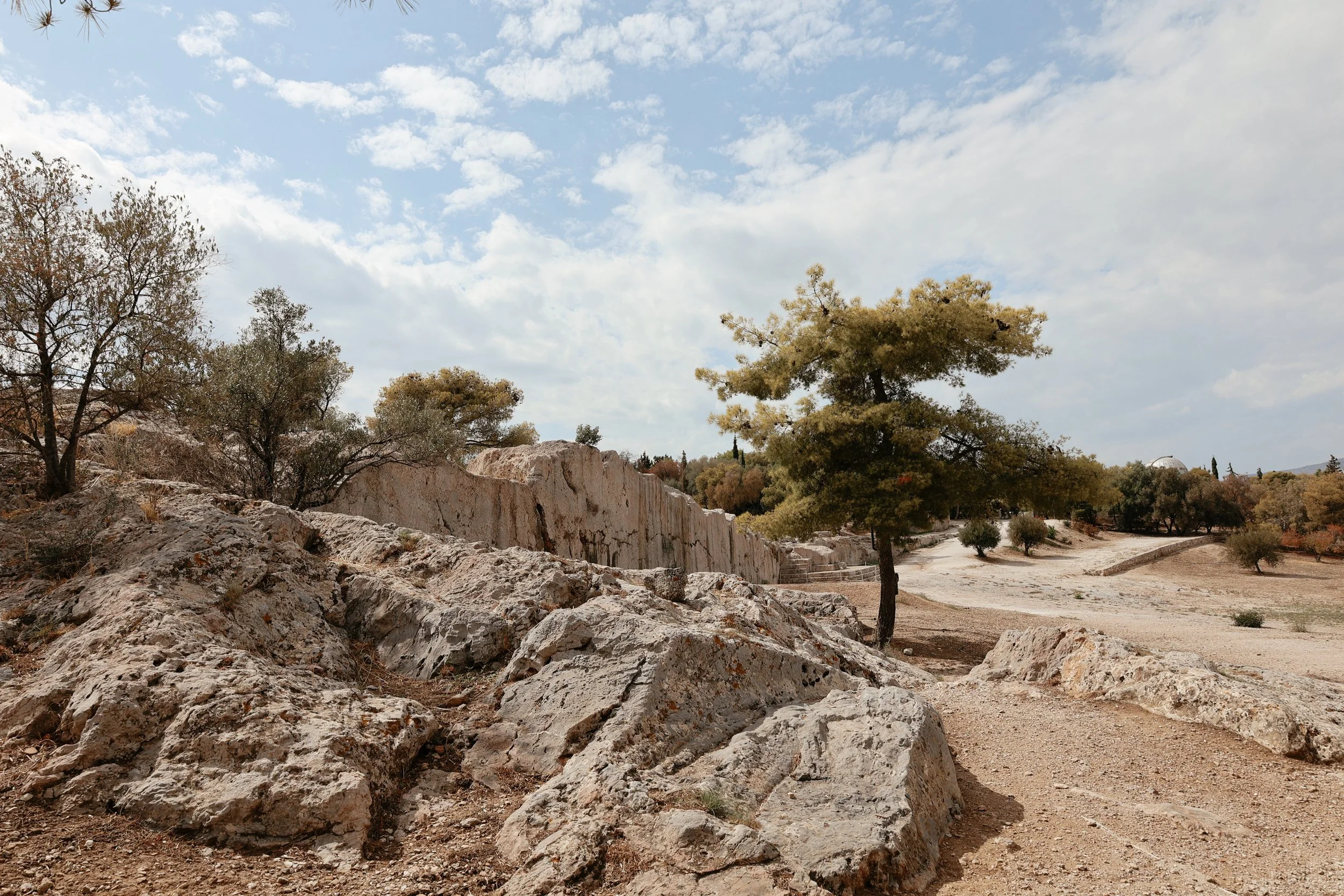
Visiting the Prison of Socrates was one of the most thought-provoking stops of my time in Athens. Tucked into the slopes of Filopappou Hill, this modest archaeological site is believed to be the place where the philosopher Socrates was imprisoned before his death in 399 BCE. Unlike the grandeur of the Acropolis or the sweeping ruins of the Agora, the Prison of Socrates feels quiet, understated, and deeply human. The site consists of rock-cut chambers carved directly into the hillside, thought to have been used as prison cells. Standing inside these spaces, it’s impossible not to pause and reflect on the weight of history and the ideas that were born—and ended—here.
What struck me most was how peaceful the area felt. Surrounded by nature and overlooking the city, it’s a calm contrast to the intensity of Socrates’ final days. Whether or not this site is definitively proven to be his prison, its symbolic importance is undeniable. It’s a place that invites contemplation, making it especially meaningful for anyone interested in philosophy, history, or the quieter corners of Athens that often go unnoticed.
If you’re exploring the area around Filopappou Hill, I highly recommend adding this stop to your walk. It’s free to visit, uncrowded, and offers a reflective moment that stays with you long after you leave.
Philopappos Monument
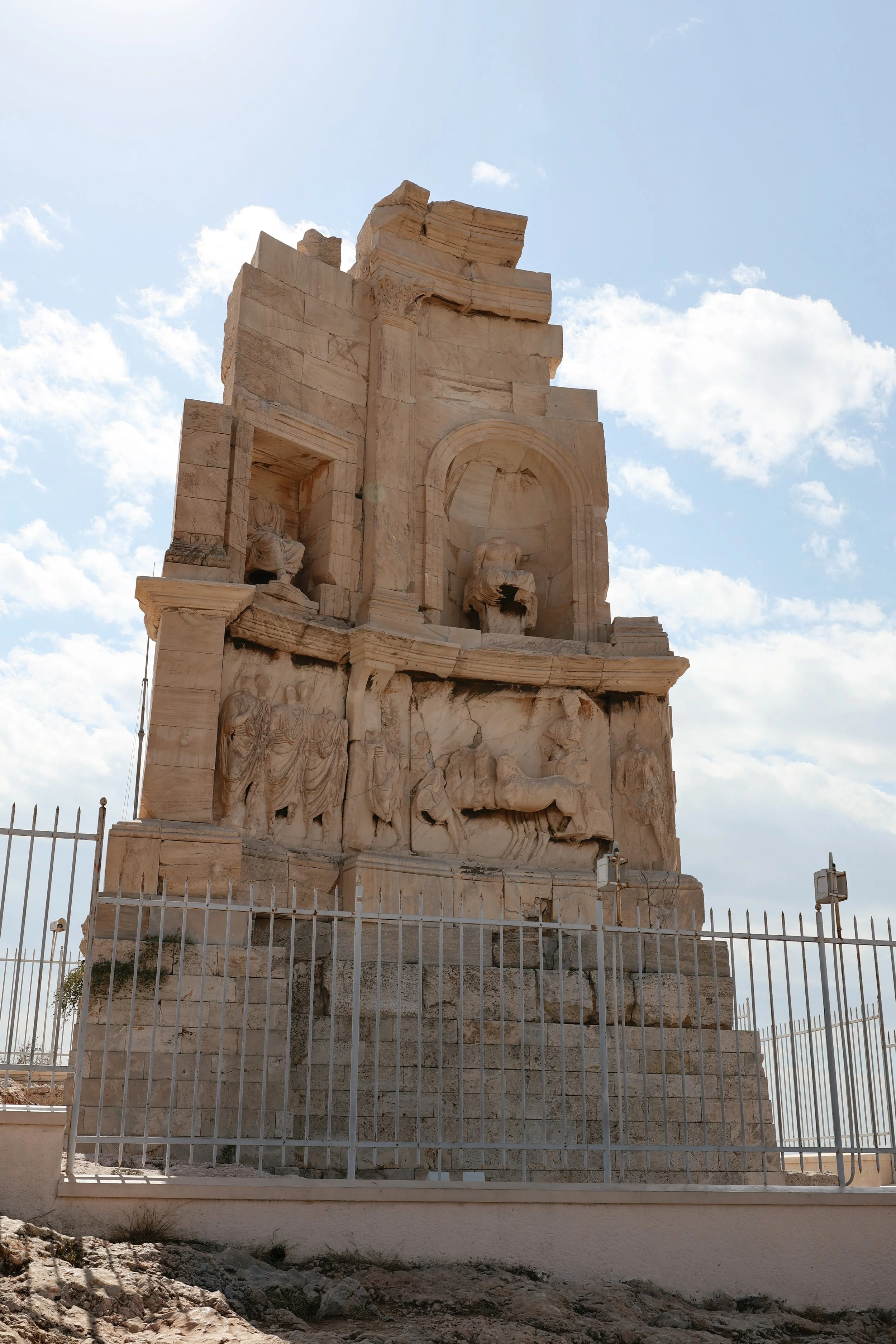
The Philopappos Monument was one of those places that quietly took my breath away. Sitting atop Filopappou Hill, this ancient marble monument was built in 114 CE in honor of Gaius Julius Antiochus Epiphanes Philopappos, a Roman senator and prince of the Kingdom of Commagene. While the history itself is fascinating, it’s the setting that truly makes this spot unforgettable. The walk up to the monument is gentle and scenic, winding through stone paths and greenery that feel worlds away from the bustle of central Athens. Once you reach the top, you’re rewarded with one of the best panoramic views in the entire city. From here, you can see the Acropolis, the Parthenon, and the city stretching all the way to the sea. It’s especially magical at sunset, when the marble ruins glow warm against the sky and Athens slowly lights up below.
What I loved most about Philopappos Hill is how relaxed and local it feels. You’ll find Athenians sitting on the rocks, chatting, playing music, or simply watching the sun dip behind the hills. It’s not overly touristy, yet it offers one of the most memorable perspectives of the city.
If you’re looking for a peaceful escape, a scenic walk, or one of the best viewpoints in Athens, the Philopappos Monument is absolutely worth the visit. It’s a place that invites you to slow down, take it all in, and appreciate Athens from a quieter, more reflective angle.
Where to Eat in Athens, Greece
Diogenes
Tucked away in charming Lysikratous Square, just beneath the Acropolis in the heart of Plaka, dining at Diogenes felt like stepping into a postcard version of Athens. The setting alone is unforgettable—candlelit tables, soft conversation floating through the square, and the Acropolis towering quietly above you. But what truly made this experience special was the food.
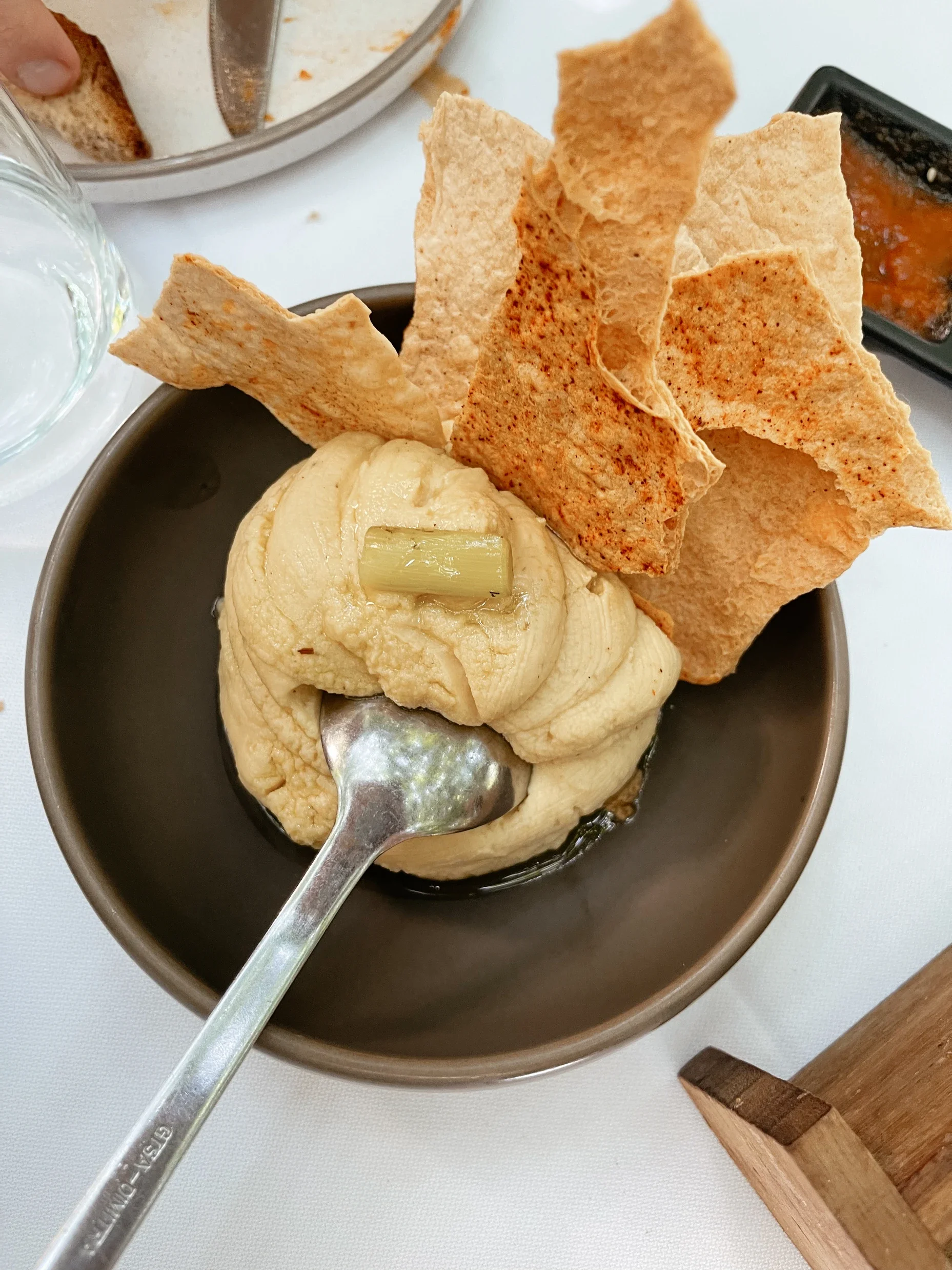
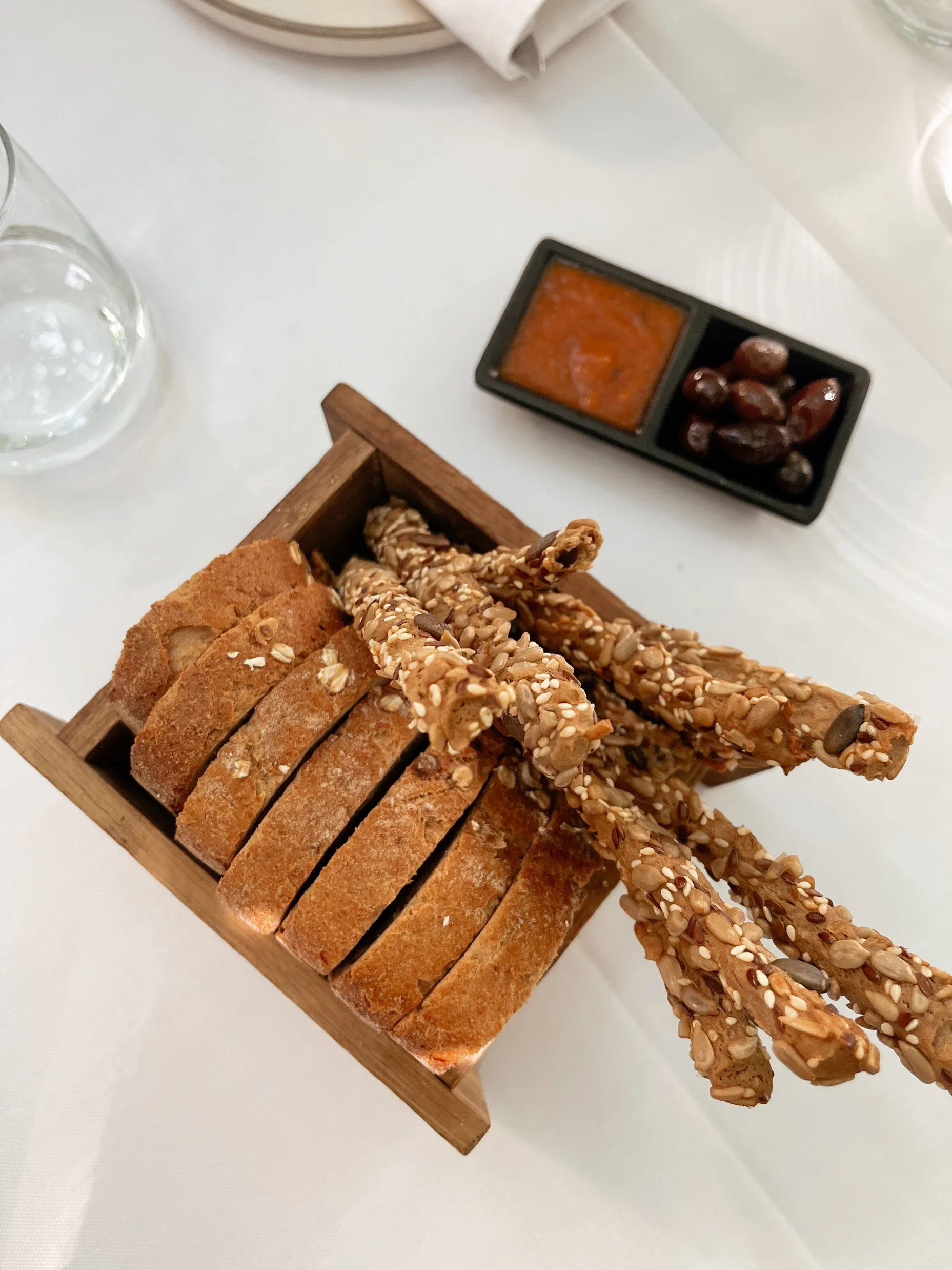
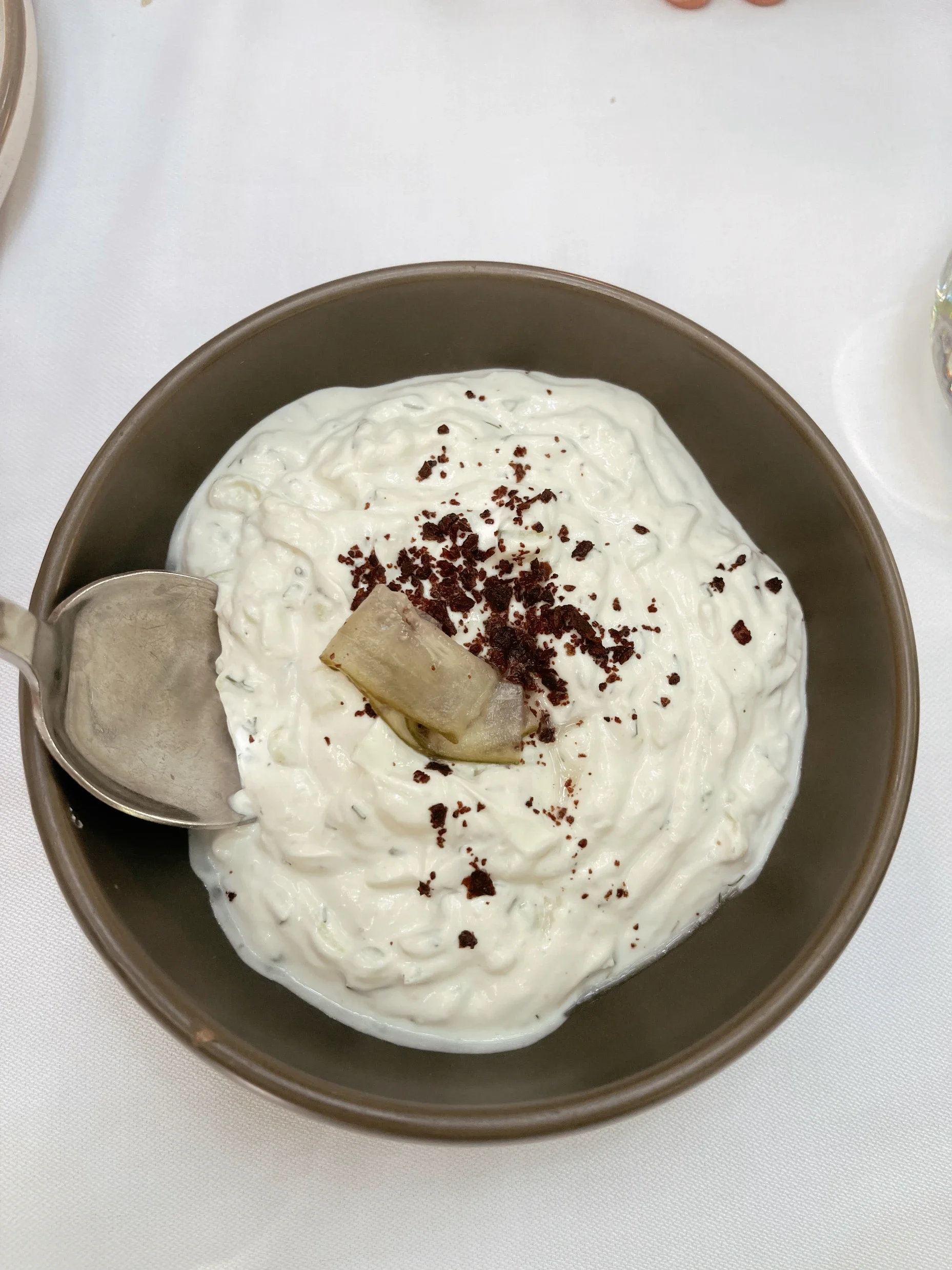
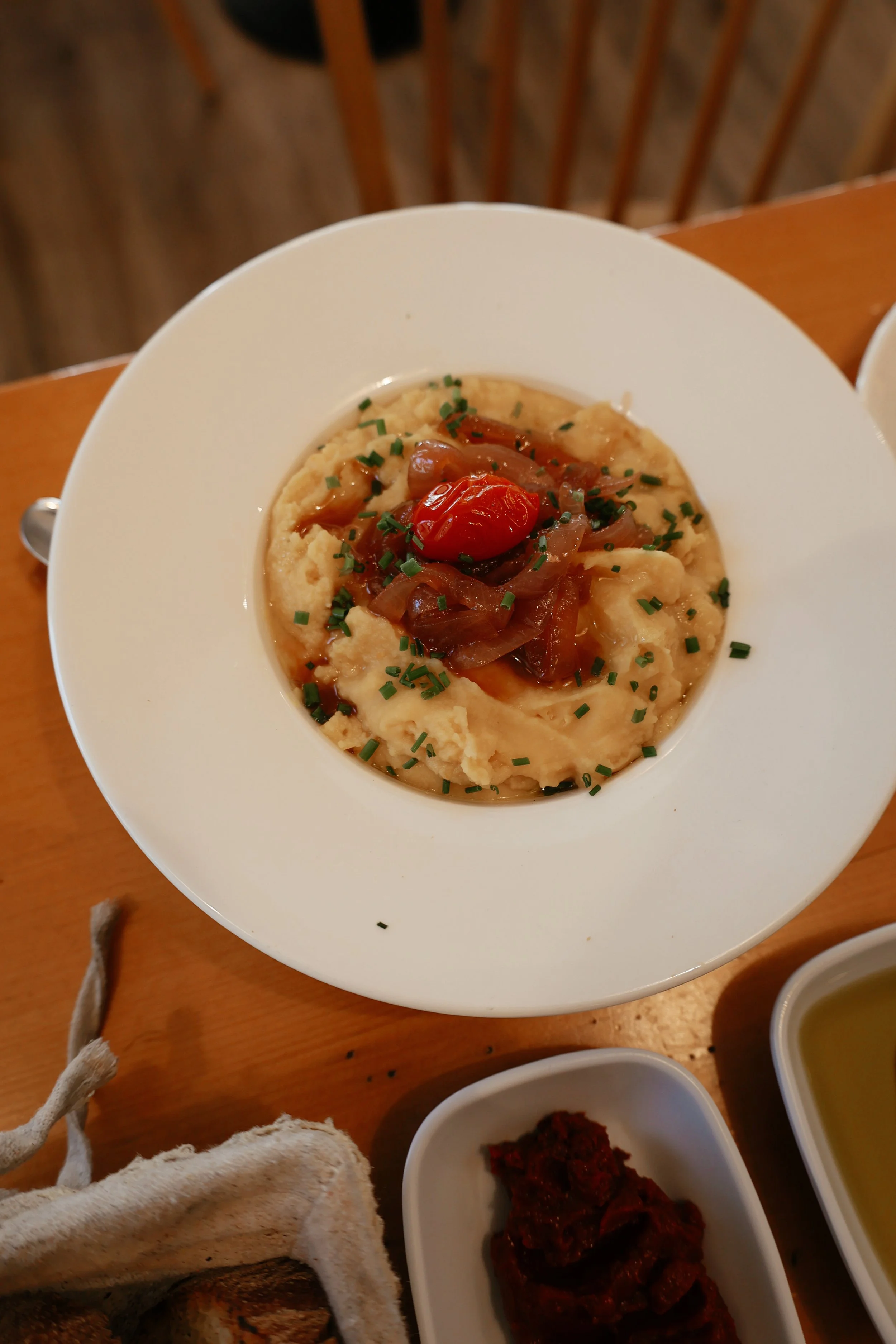
We began with a simple yet satisfying spread of bread, breadsticks, olives, and tomato dip (€1.70). It was the kind of start that instantly puts you at ease—unpretentious, comforting, and deeply Greek. Next came the tzatziki with pickled cucumber (€7.00), cool and creamy with just the right tang, followed by the fava bean hummus with leek (€7.50). This was a standout for me—silky smooth with a subtle sweetness from the leek that added a beautiful depth of flavor.
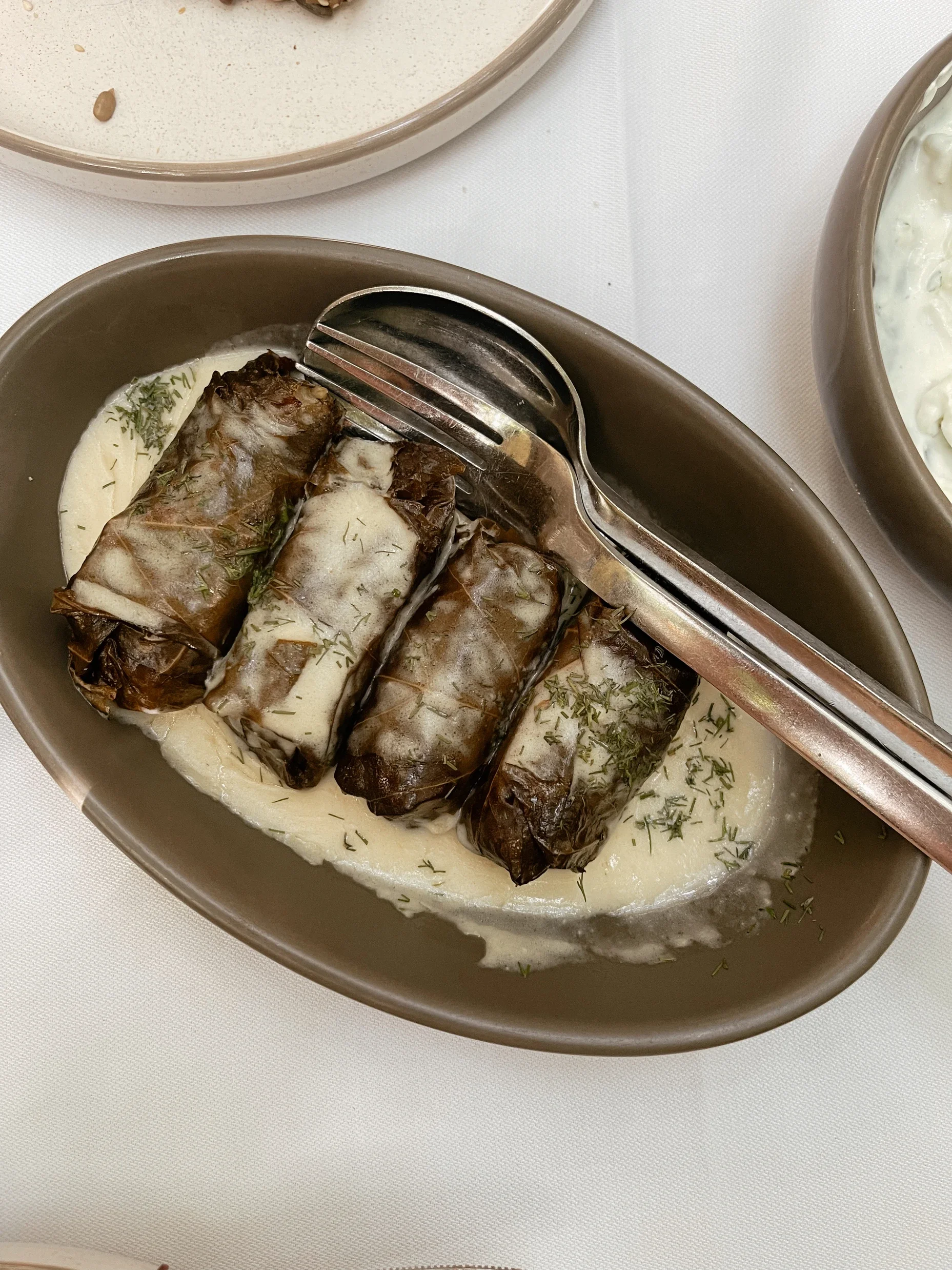
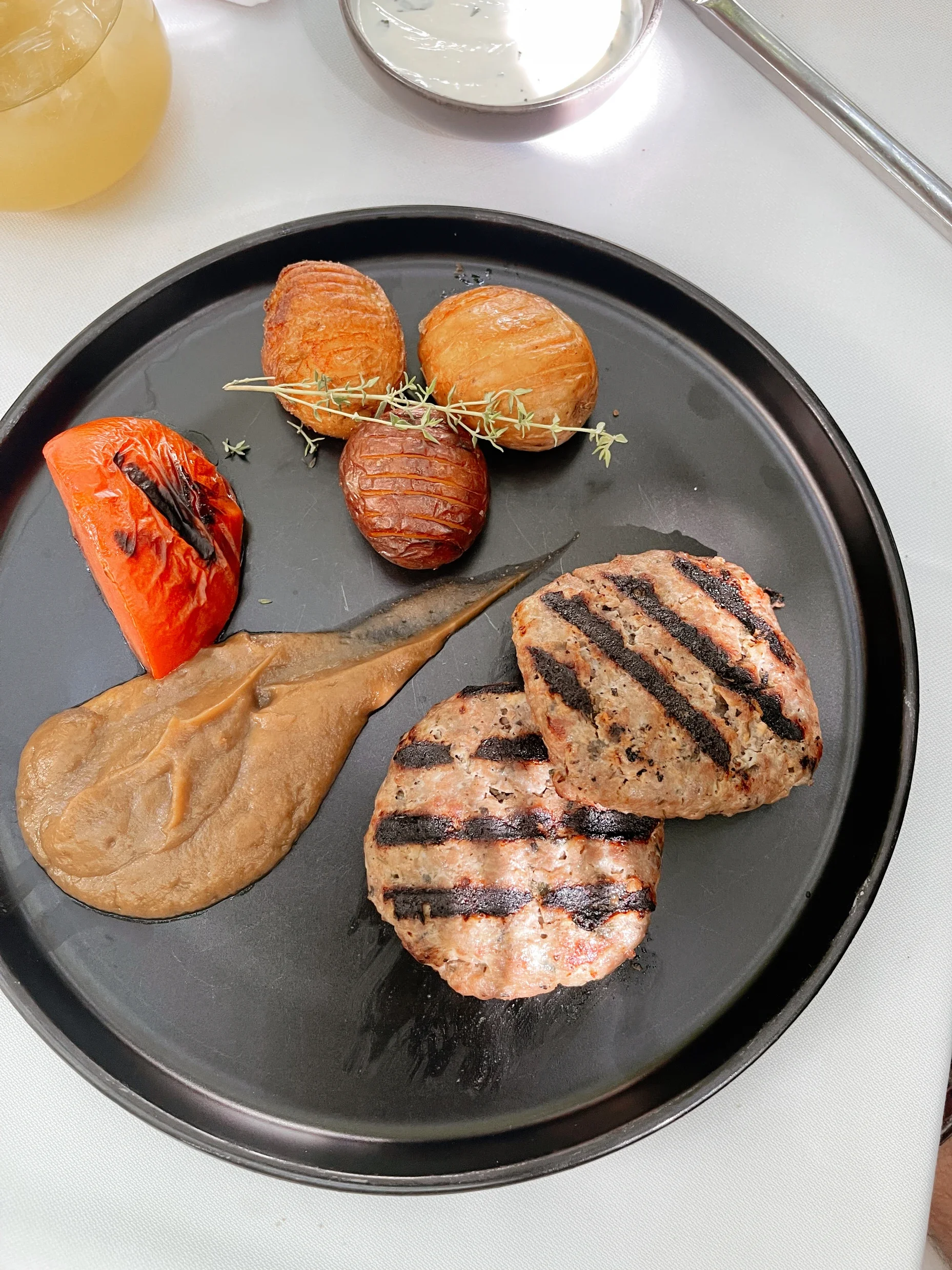
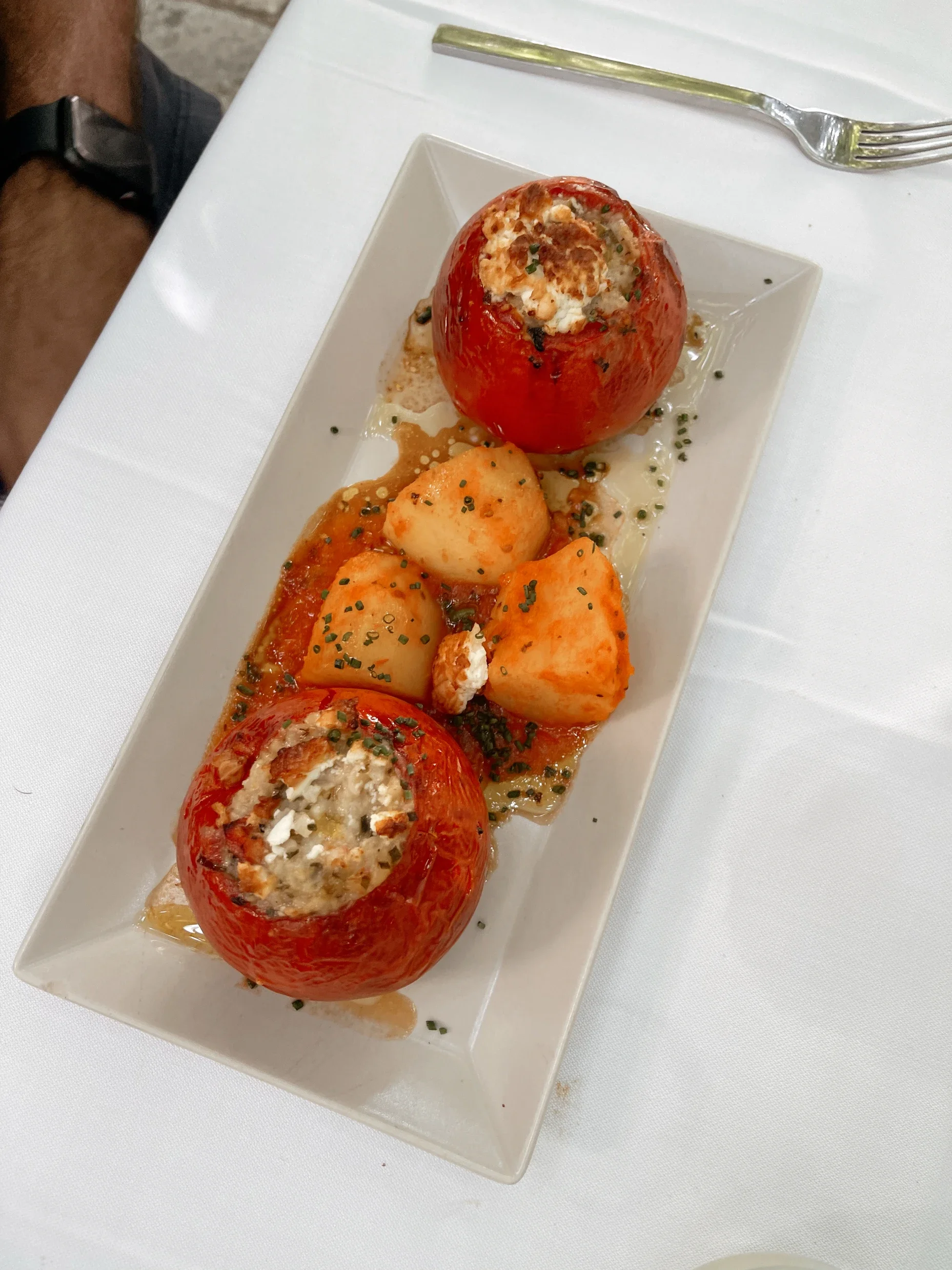
The stuffed vine leaves with rice (€9.00) were exceptional. Delicately wrapped and bursting with herbs, they were finished with a lemony fennel sauce that elevated the dish and made every bite feel thoughtfully crafted. For something heartier, the chicken salad (€13.00) delivered a perfect balance of freshness and indulgence. Crisp iceberg lettuce, crispy chicken, parmesan, sun-dried tomatoes, cashews, and a truffle dressing came together effortlessly—light enough to enjoy, yet full of flavor. The true star of the meal, though, was the beef patties (€17.00). Stuffed with goat feta and tomato, they were rich, savory, and incredibly satisfying. Served alongside crispy fried potatoes, eggplant purée, and a refreshing yogurt-mint dip, this dish felt like a modern love letter to traditional Greek comfort food.
Diogenes isn’t just a restaurant—it’s an experience rooted in place, tradition, and care. Every dish reflected a deep respect for Greek cuisine, and dining beneath the Acropolis made it all feel even more special. If you’re looking for an authentic, memorable meal in Athens—one that lingers with you long after the plates are cleared—Diogenes is absolutely worth a stop.
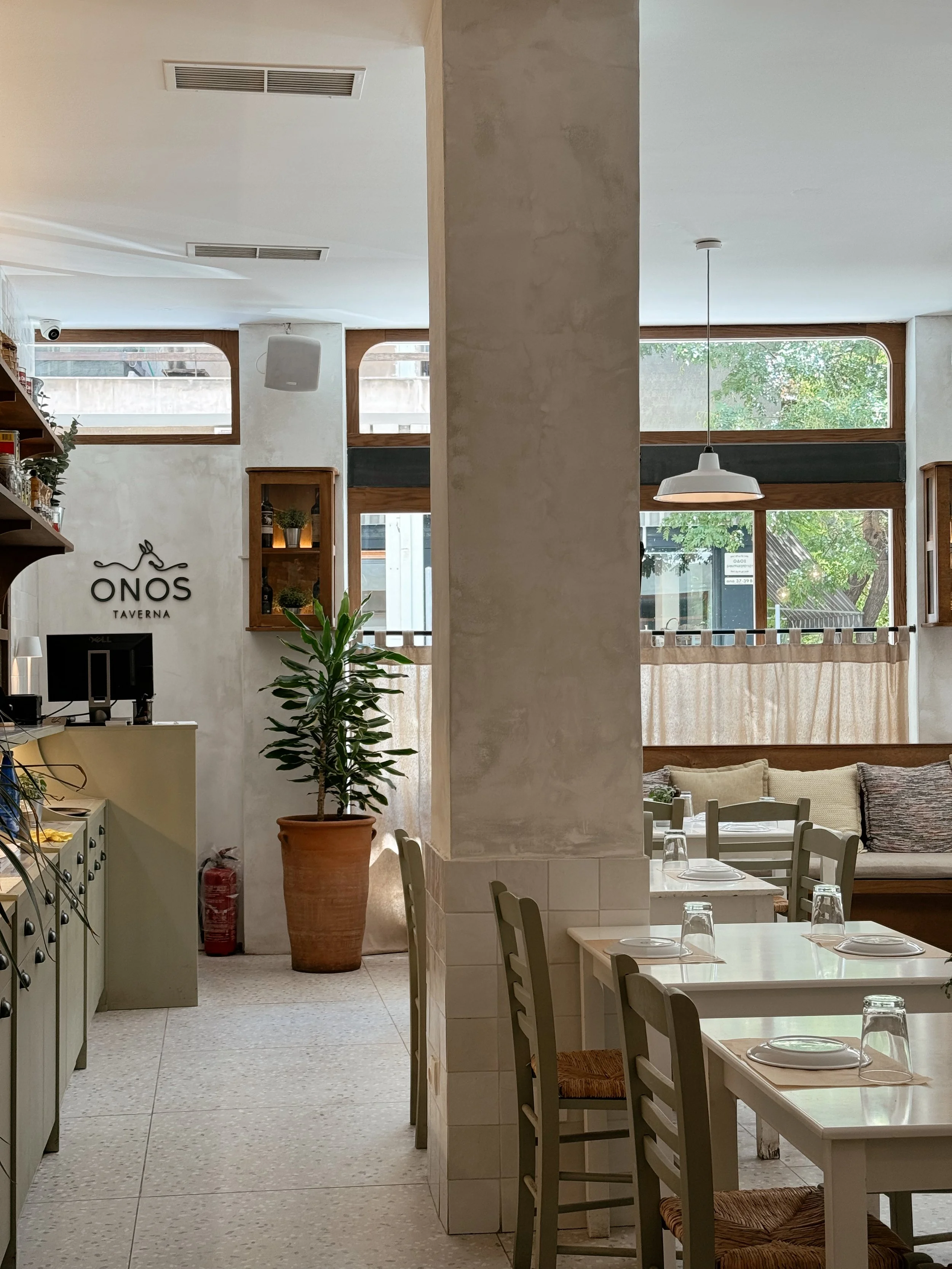
Onos Taverna
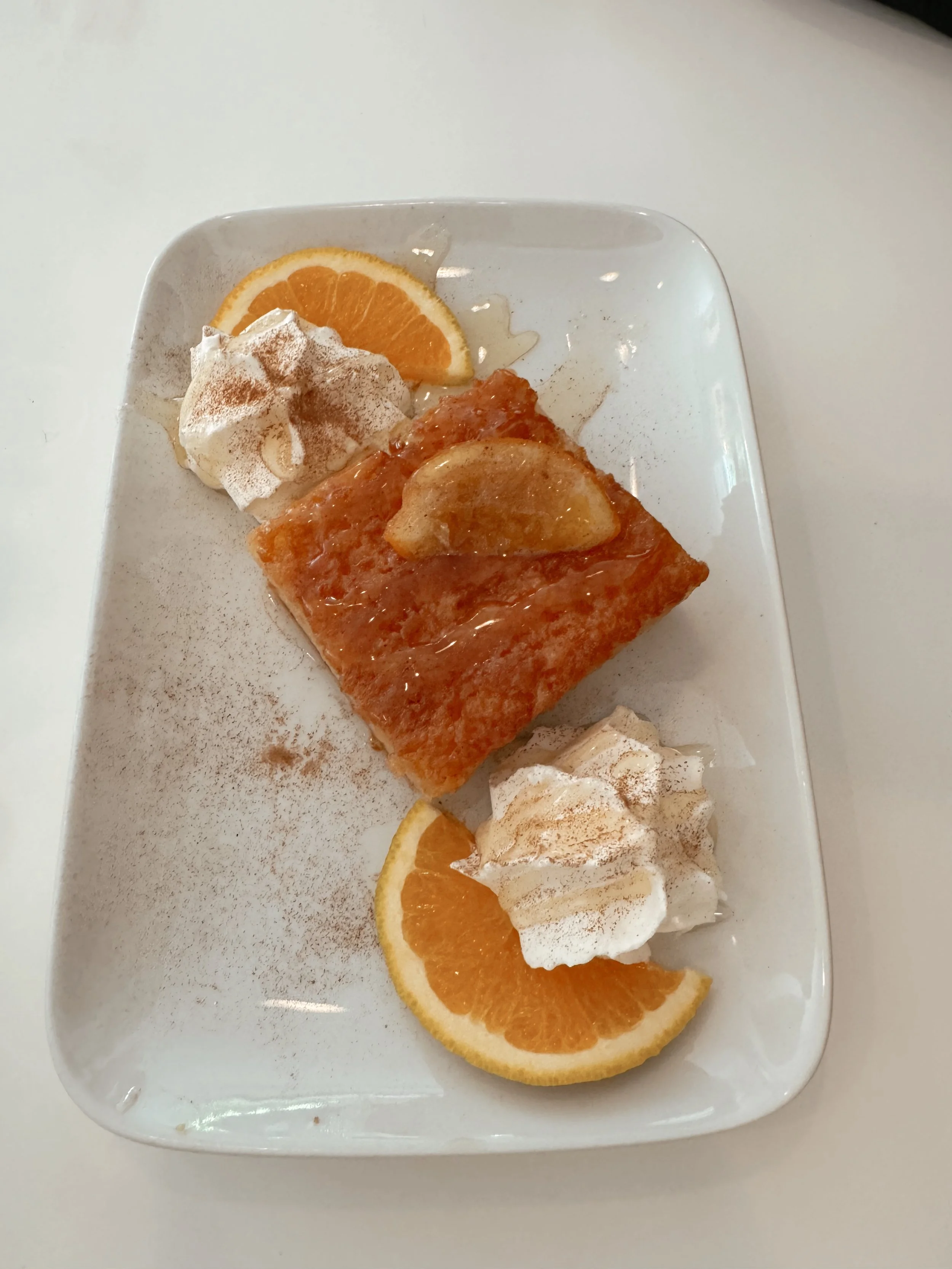
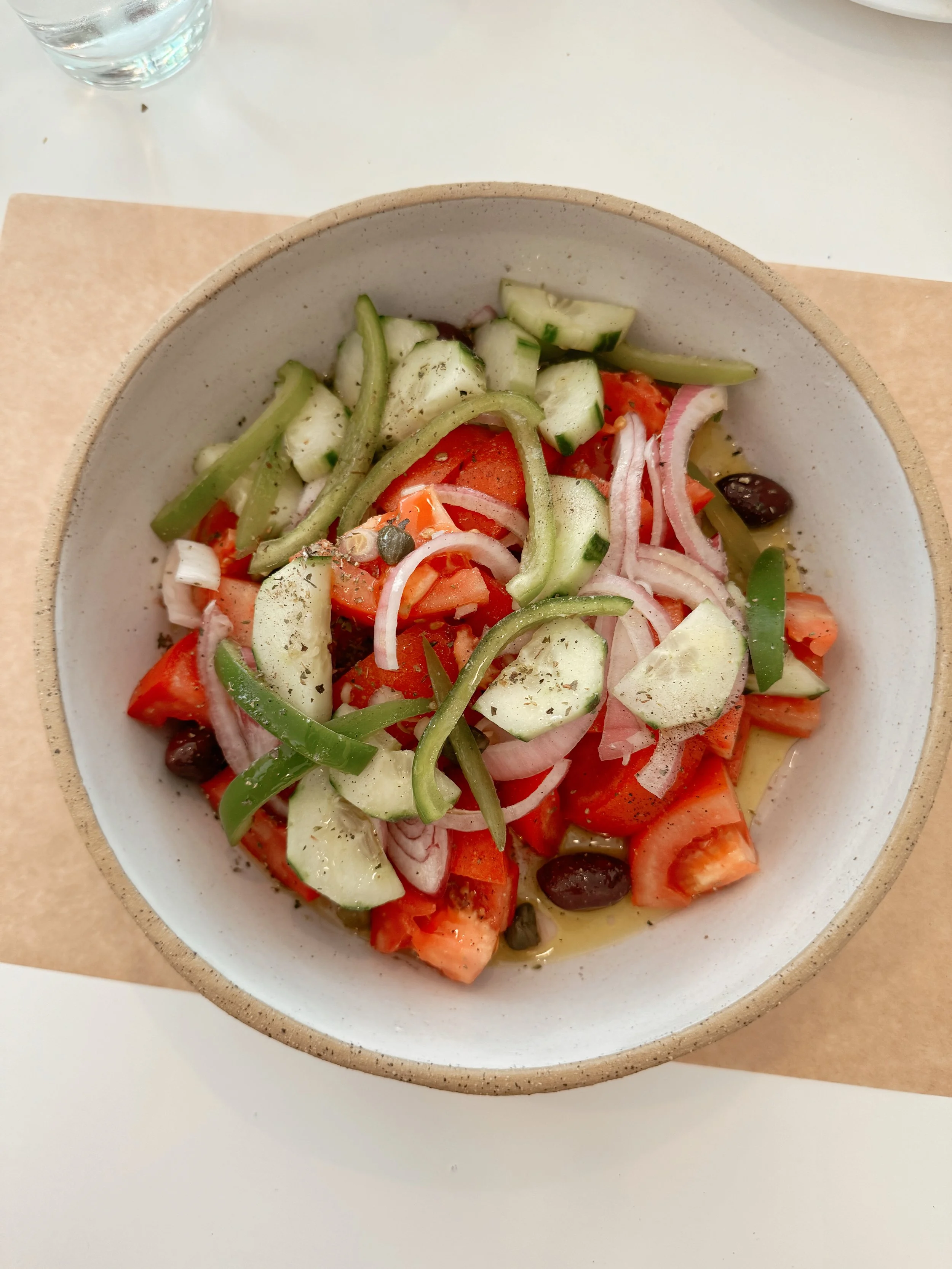
Oinos Taverna was one of those effortlessly good meals—the kind that feels comforting, authentic, and deeply rooted in Greek tradition. Tucked away from the more hectic tourist paths, this taverna delivers classic flavors done really well, without trying too hard. I started with the Greek salad, and it was exactly how it should be: ripe tomatoes, crisp cucumbers, briny olives, and a generous slab of feta that tied everything together beautifully. Simple, fresh, and full of flavor.
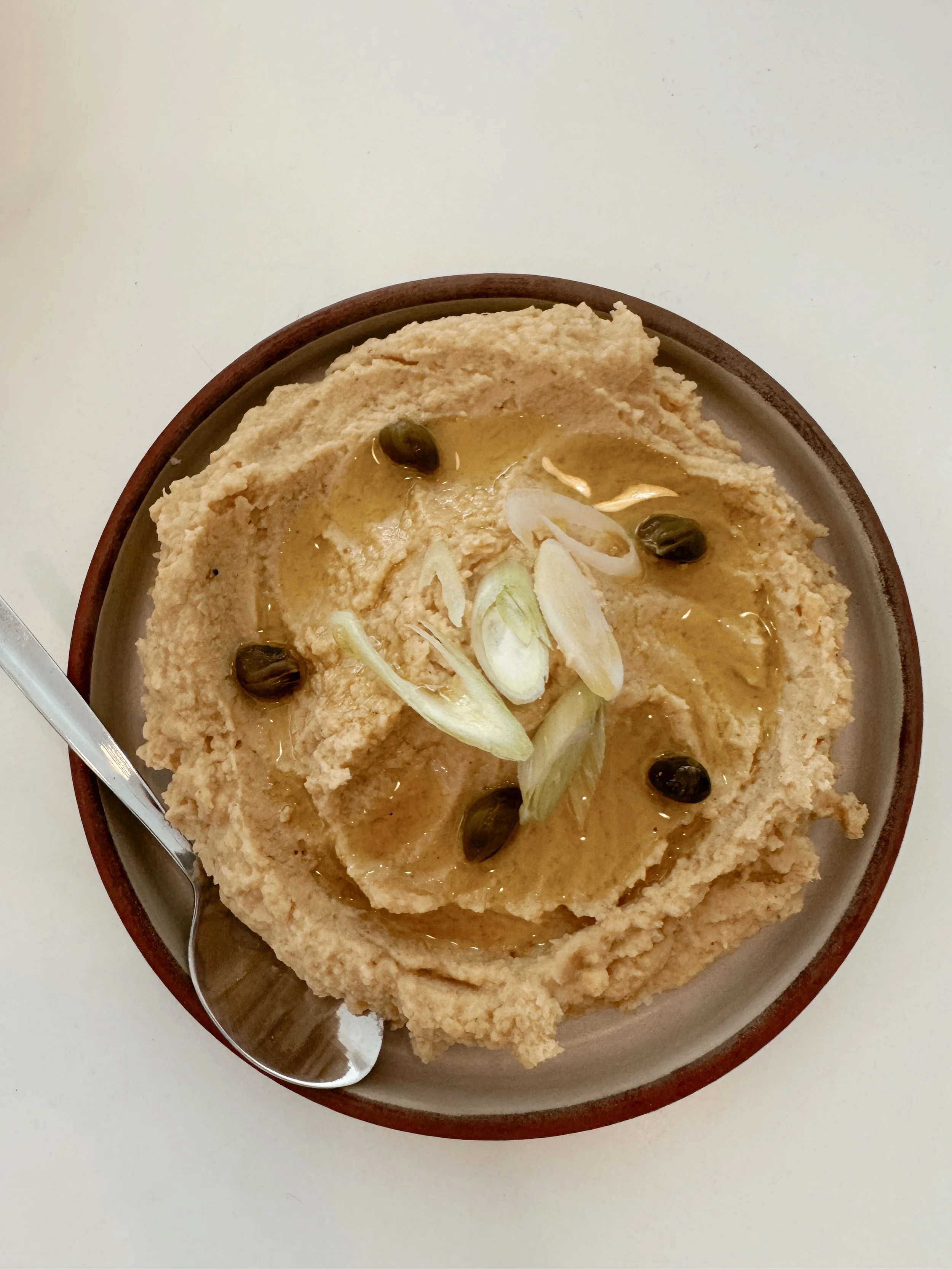
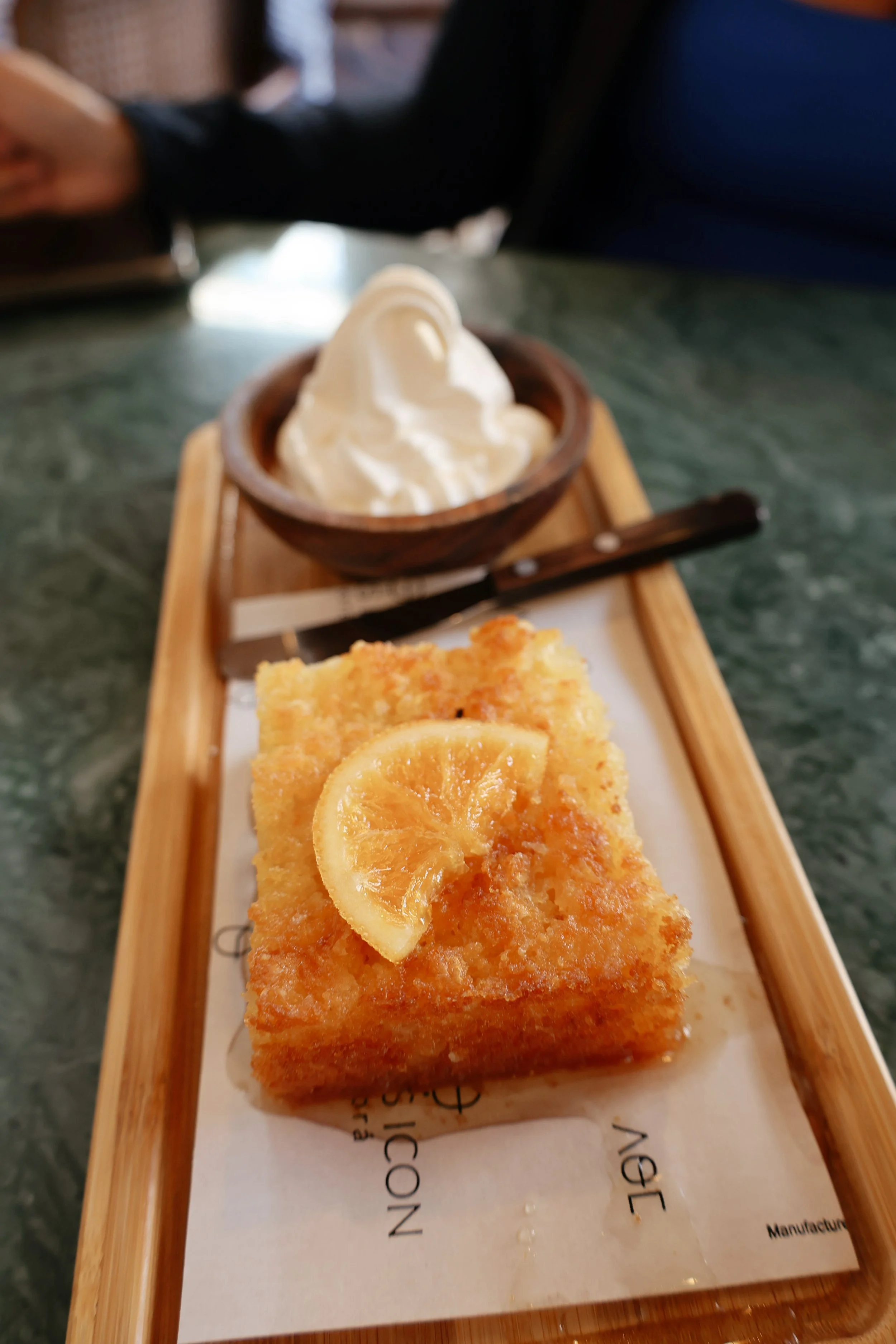
The hummus followed, smooth and well-balanced, served with warm bread that made it impossible not to keep dipping. It felt homemade in the best way—nothing overly fancy, just honest and satisfying. For dessert, I couldn’t resist the Portokalopita, Greece’s traditional orange phyllo cake. Light yet syrupy, fragrant with citrus, and subtly sweet, it was the perfect ending to the meal. If you’re unfamiliar with it, think of a moist, aromatic cake infused with orange syrup—comforting and unforgettable.
Onos Taverna is the kind of place that reminds you why Greek food is so loved around the world. It’s warm, welcoming, and rooted in tradition. If you’re craving a relaxed meal with classic flavors while exploring Athens, this is absolutely a spot worth adding to your list.
Mailo’s – The Pasta Project
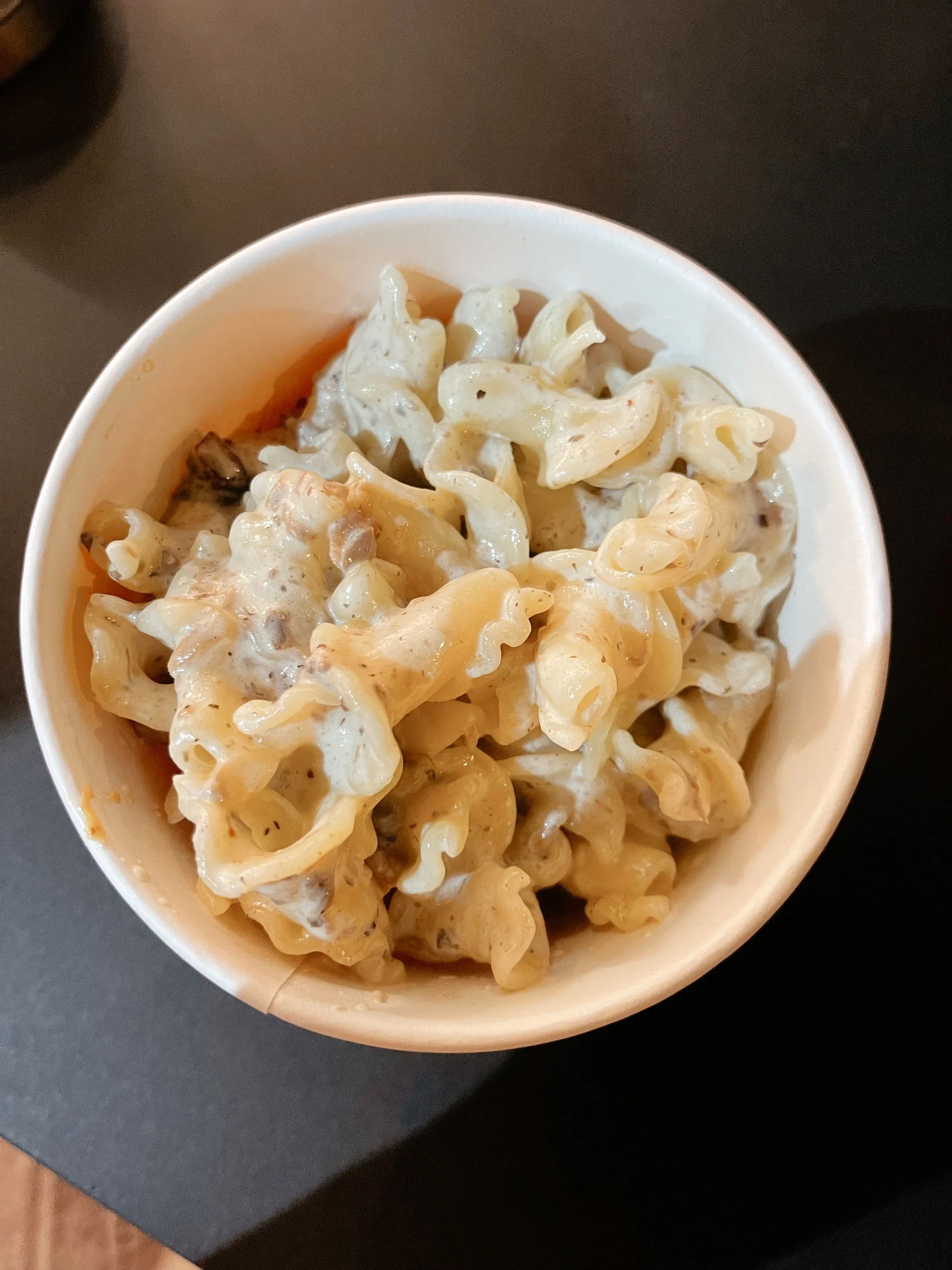
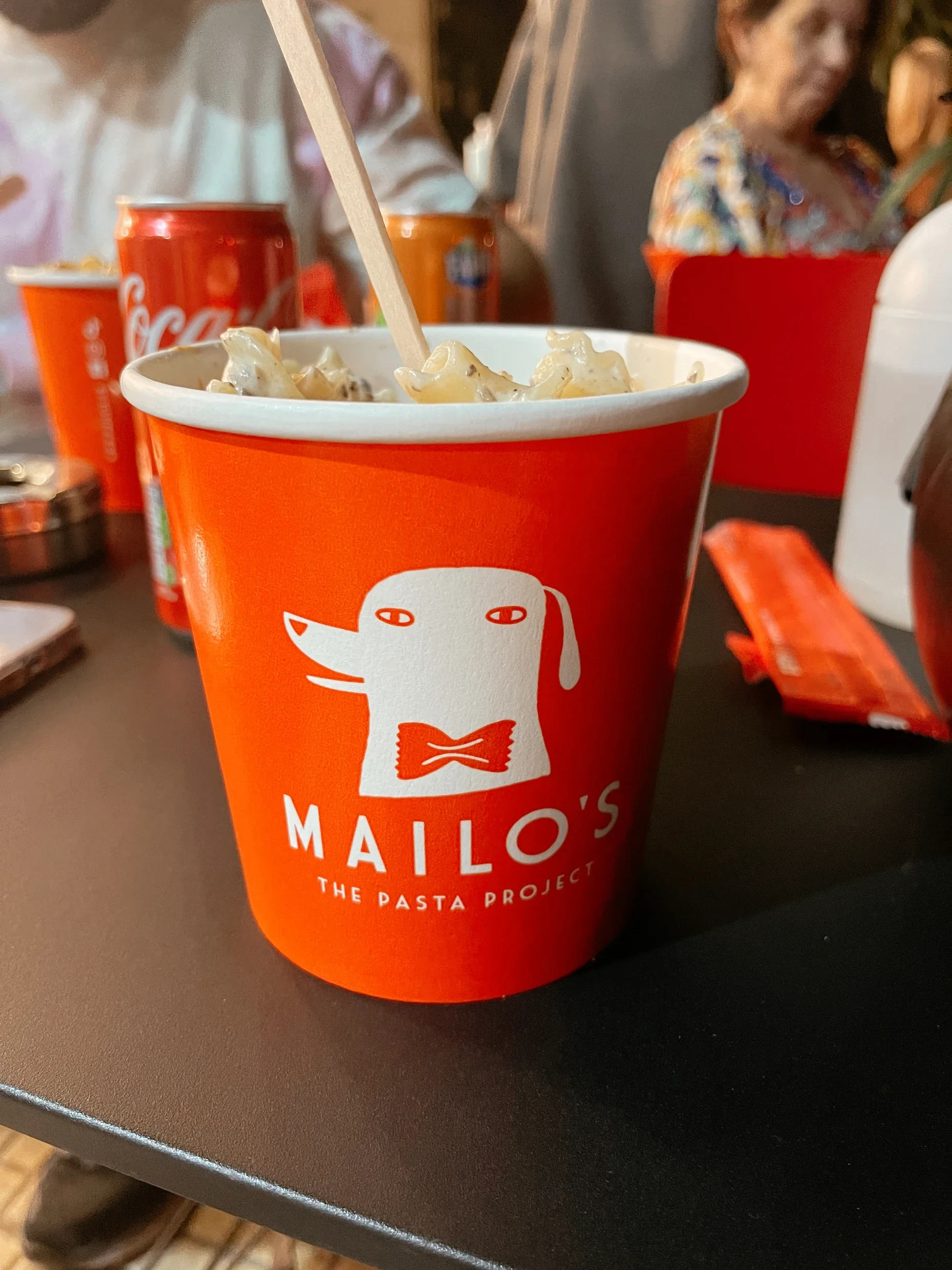
What makes this spot so fun—and so different—is the freedom to build your own dish from start to finish. It’s not just about ordering food; it’s about creating exactly what you’re craving. After scanning the options (which was honestly the hardest part), I went with the Truffle Mushrooms (€7.60)—a choice that immediately felt right. For the pasta, I picked campanelle, those beautifully ruffled shapes that are perfect for holding onto rich, creamy sauces. And because I can never say no to it, I added crispy bacon to the mix.
The result? Absolute comfort in a bowl. Earthy truffle flavor, tender mushrooms, salty bacon, and perfectly cooked pasta—all coming together in a way that felt indulgent but not overwhelming. Every bite was better than the last.
Mailo’s is one of those places that’s casual, creative, and incredibly satisfying. Whether you’re in the mood for something classic or want to experiment with bold flavors, this spot lets you do it your way. If you’re exploring Athens and need a break from traditional Greek fare (even just for one meal), Mailo’s is a delicious detour worth taking.
Athina Souvlaki
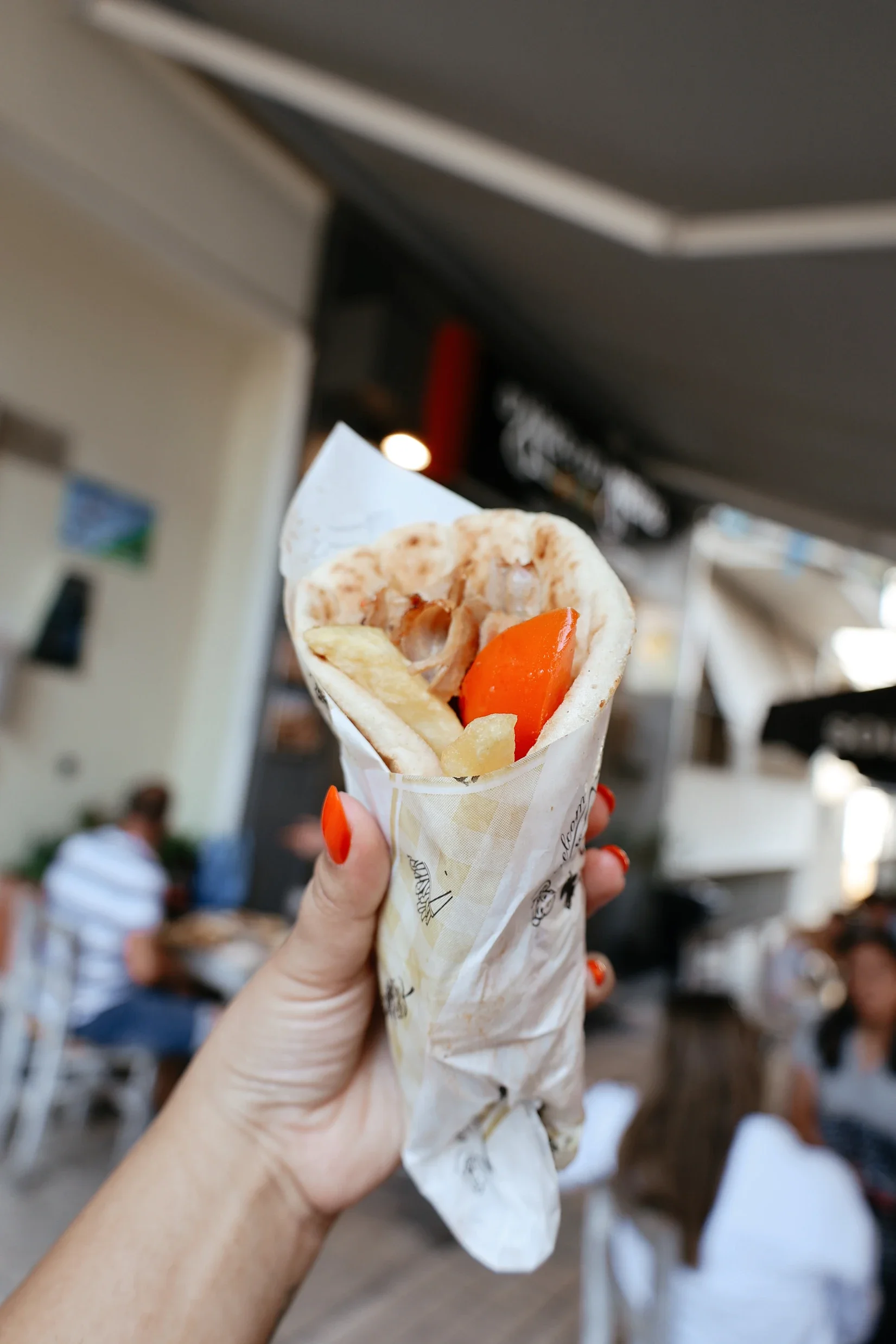
Sometimes it’s the simplest meals that end up being the most memorable—and that was absolutely the case at Athina Souvlaki. This casual, no-frills spot is all about doing one thing really well: quick, flavorful souvlaki that hits the spot every time. What made this stop extra special for me? It was my very first time ever trying souvlaki. I know—shocking. But if you’re going to have a first, this is the place to do it. I ordered a pork souvlaki gyro, and from the very first bite, I understood why this dish is such a staple in Athens. The pork was perfectly seasoned and juicy, wrapped in warm pita, and balanced with fresh toppings that tied everything together effortlessly.
There was something so satisfying about standing there, gyro in hand, soaking in the energy of the city while experiencing such a classic Greek street food for the first time. No fuss, no overthinking—just honest, delicious flavors.
Athina Souvlaki proved that you don’t need anything fancy to create a standout food memory. If you’re in Athens and want to try authentic souvlaki the way locals do—or if it’s your first time like mine—this spot is an absolute must.
Picky Brunch & Specialty Coffee
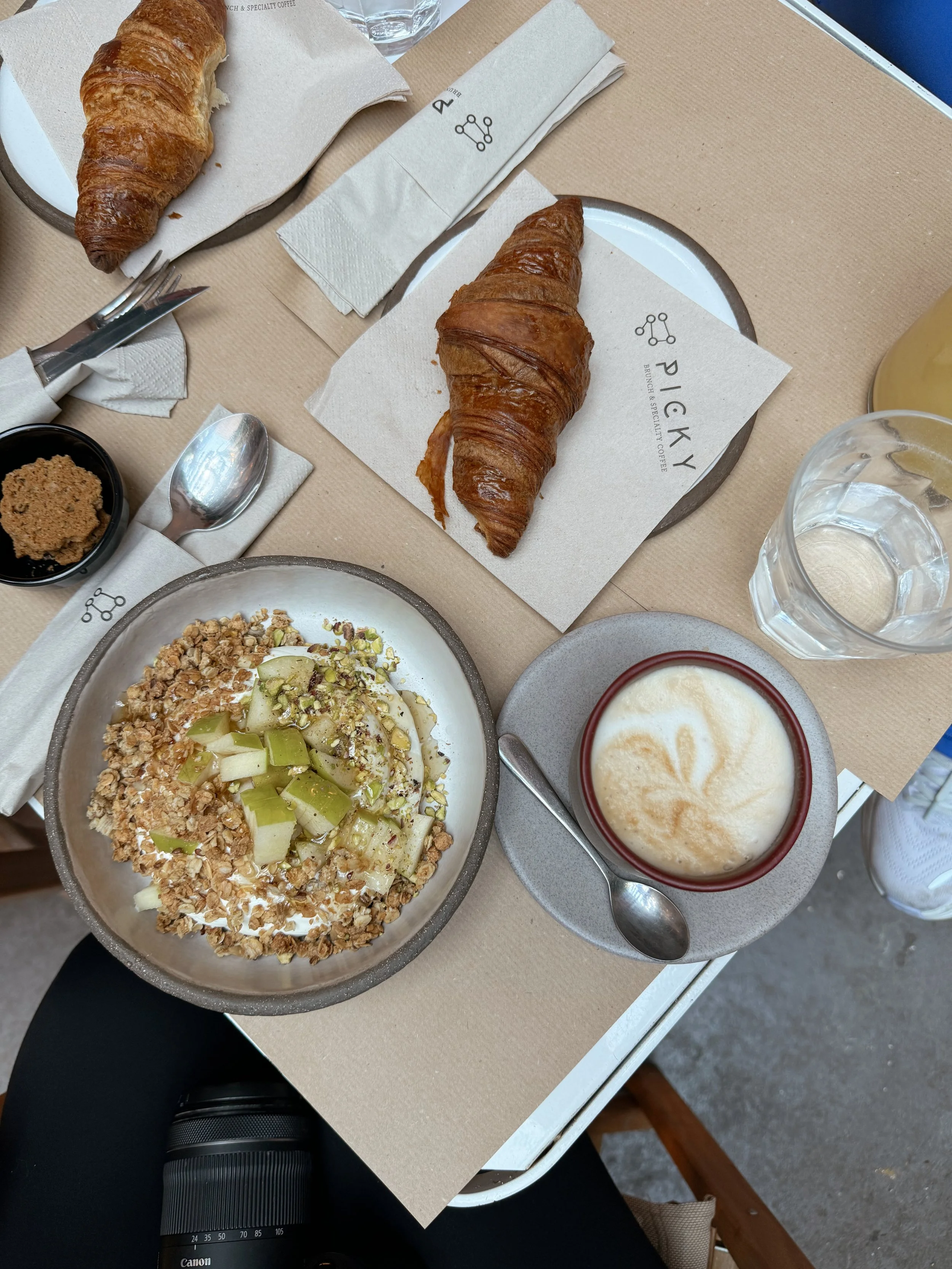
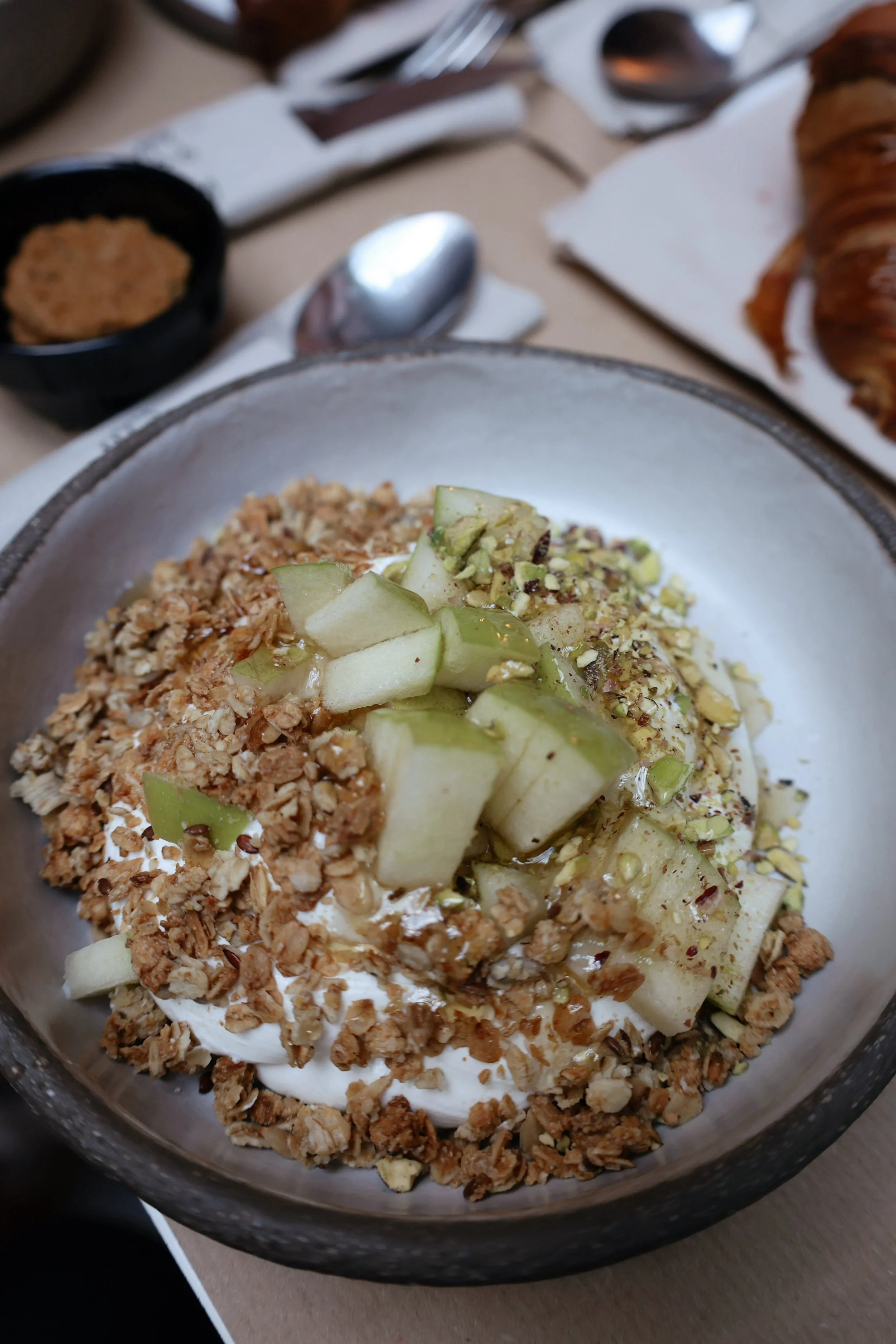
Picky Brunch & Specialty Coffee quickly became one of those places I wished I had discovered sooner. It’s bright, stylish, and effortlessly cool—the kind of café that feels perfectly at home in Athens’ modern food scene while still honoring simple, quality ingredients. I ordered a latte, which was smooth, well-balanced, and exactly what you want when you’re easing into the day. Not too strong, not too milky—just right. To go with it, I chose the Greek yogurt bowl, and it was such a refreshing choice. Thick, creamy yogurt paired with fresh fruit and toppings made it light but satisfying, especially after days of indulging in heavier meals.
The atmosphere at Picky is relaxed and welcoming, making it a great place to slow down, people-watch, and recharge between sightseeing stops. It felt like a local favorite rather than a tourist-heavy spot, which always earns bonus points in my book.
If you’re looking for a solid brunch or coffee stop in Athens—whether you want something nourishing, beautifully presented, or just a really good latte—Picky Brunch & Specialty Coffee is absolutely worth adding to your list.


Avli
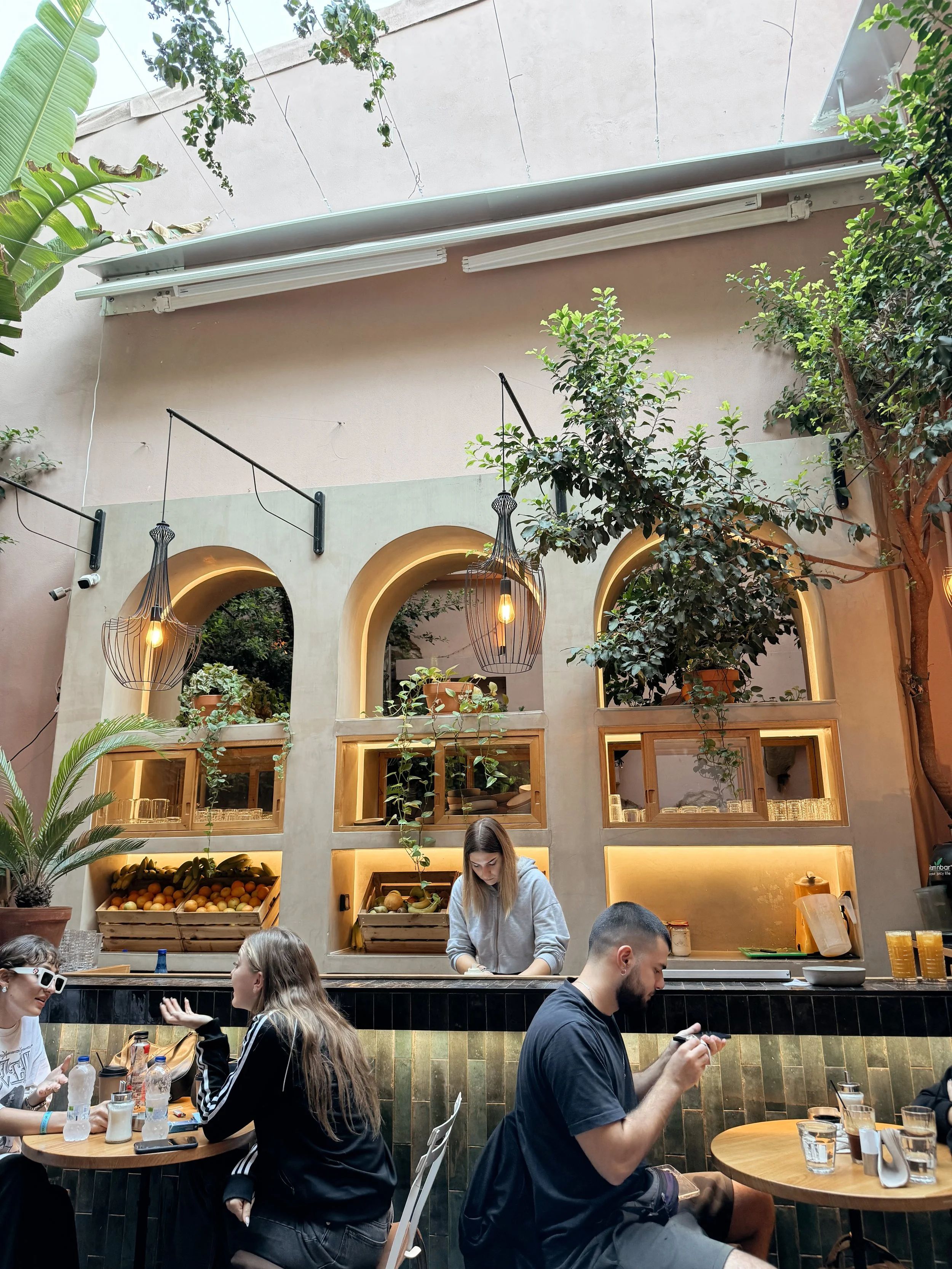
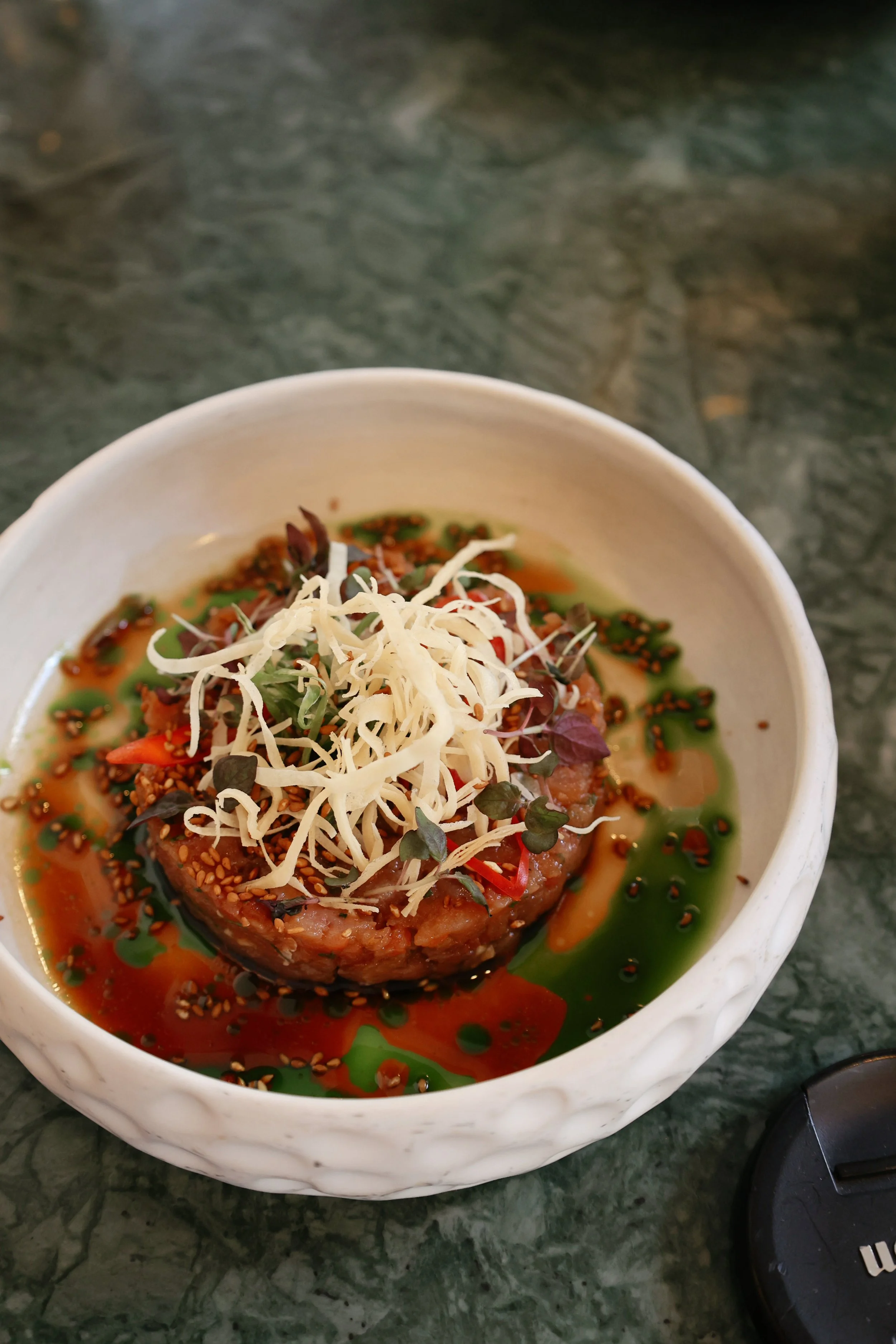
Avli (Αυλή) is one of those places that instantly makes you slow down and soak it all in. Tucked away from the busy streets, the name Avli—which translates to “courtyard”—couldn’t be more fitting. Dining here feels intimate, relaxed, and deeply rooted in Greek tradition. The setting is warm and inviting, with a cozy courtyard-style atmosphere that feels like stepping into someone’s home rather than a restaurant. It’s the kind of place where conversations linger, wine glasses refill slowly, and meals are meant to be enjoyed without rushing.
Avli focuses on classic Greek flavors, prepared with care and simplicity. Everything feels thoughtful and authentic, highlighting traditional recipes and quality ingredients rather than trying to reinvent them. It’s perfect for a laid-back lunch or a cozy dinner after a long day of exploring Athens.
If you’re craving a more local, traditional dining experience—one that feels personal and unpretentious—Avli is a beautiful spot to add to your Athens food list.

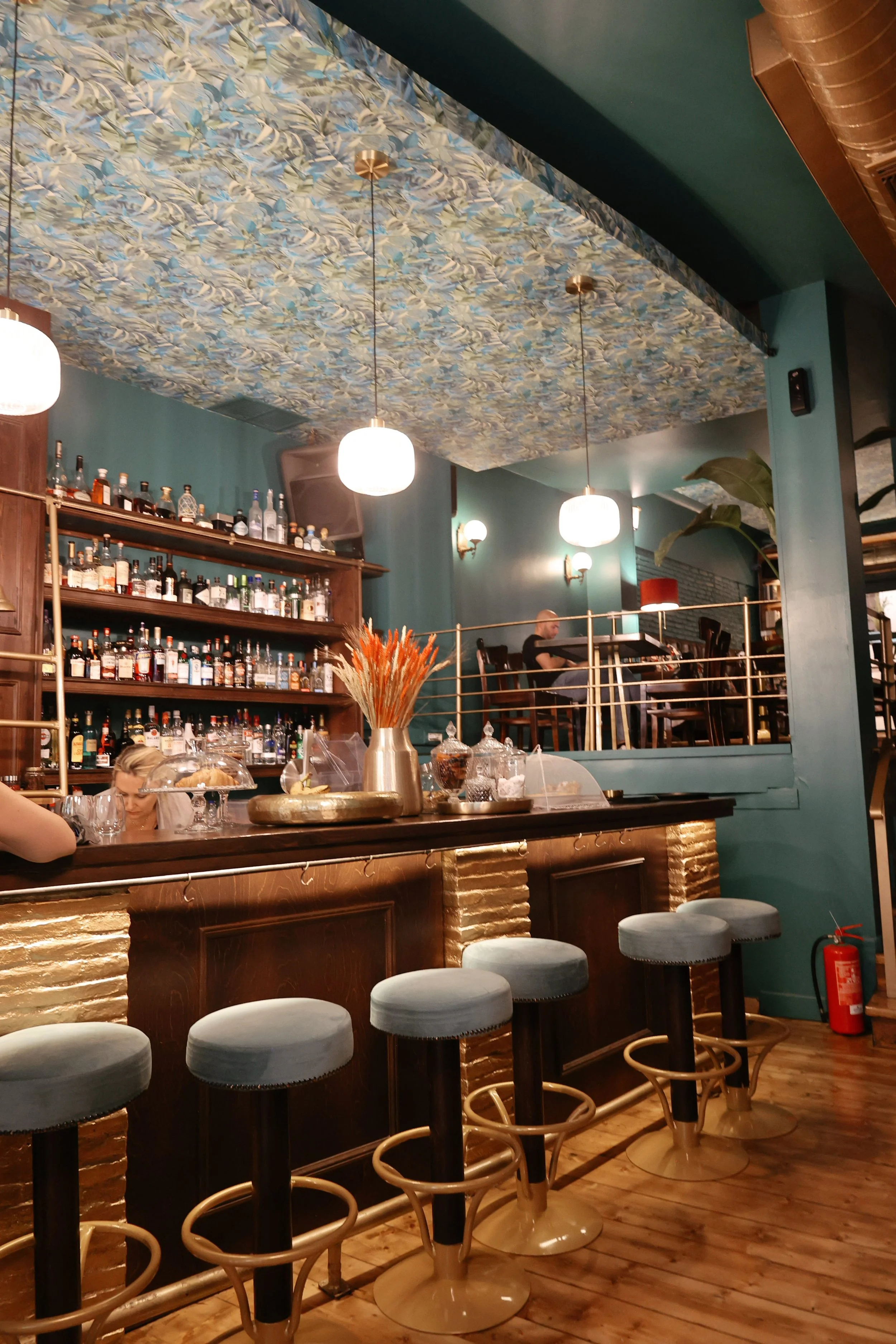
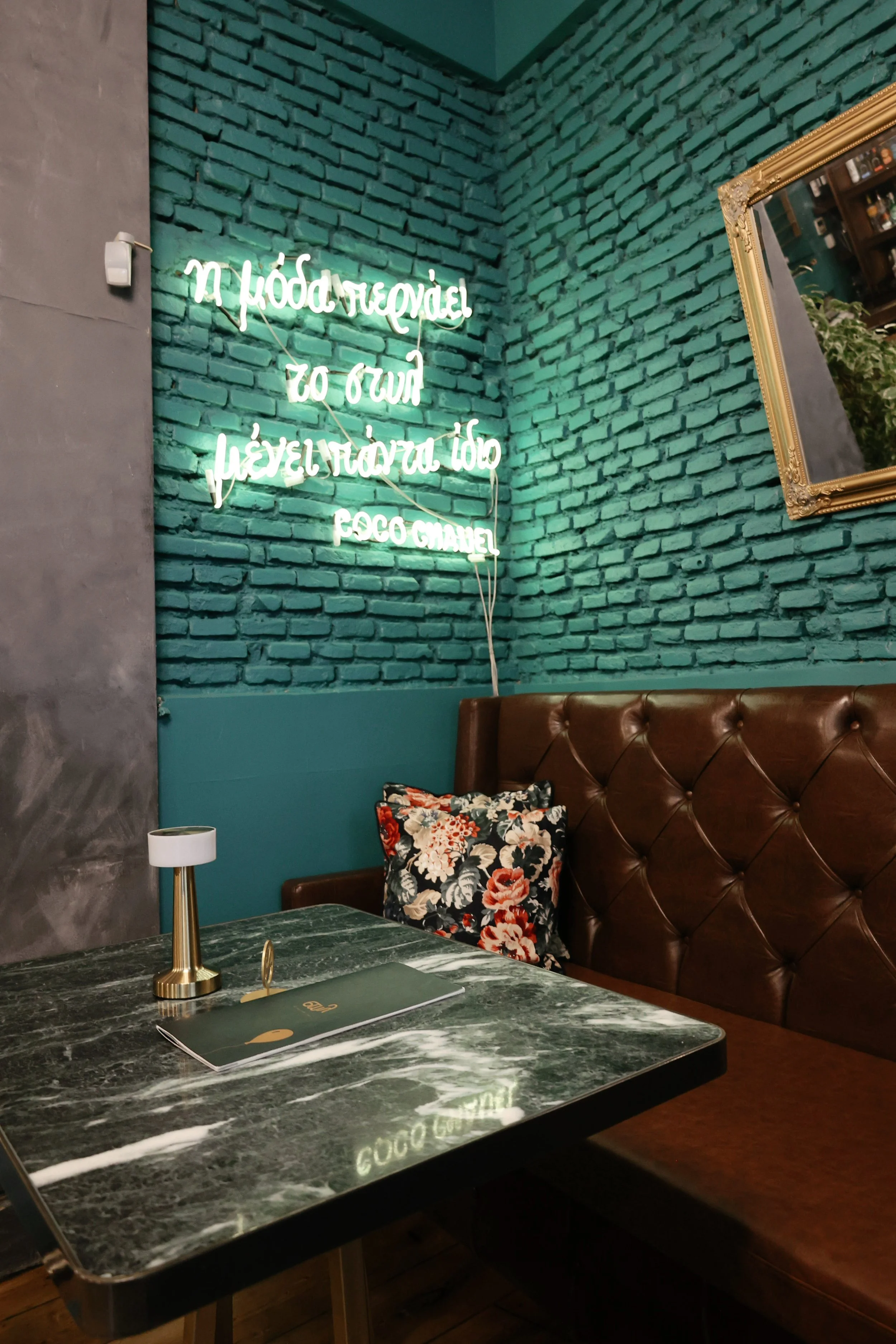
Regal
Regal was one of those unexpectedly lovely stops that ended up being a perfect pause in my Athens itinerary. Calm, cozy, and inviting, it felt like a place locals actually frequent—which is always a good sign.
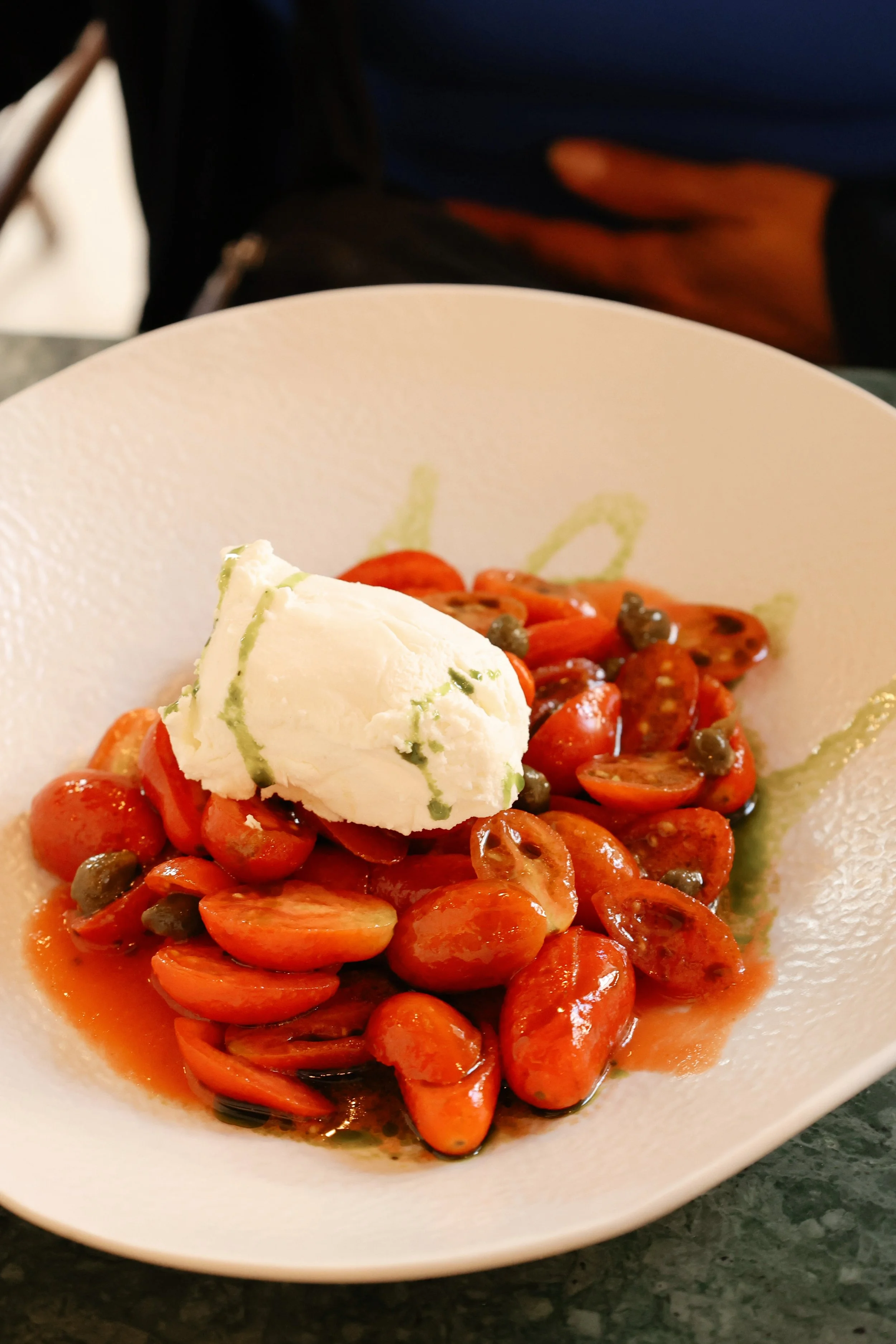
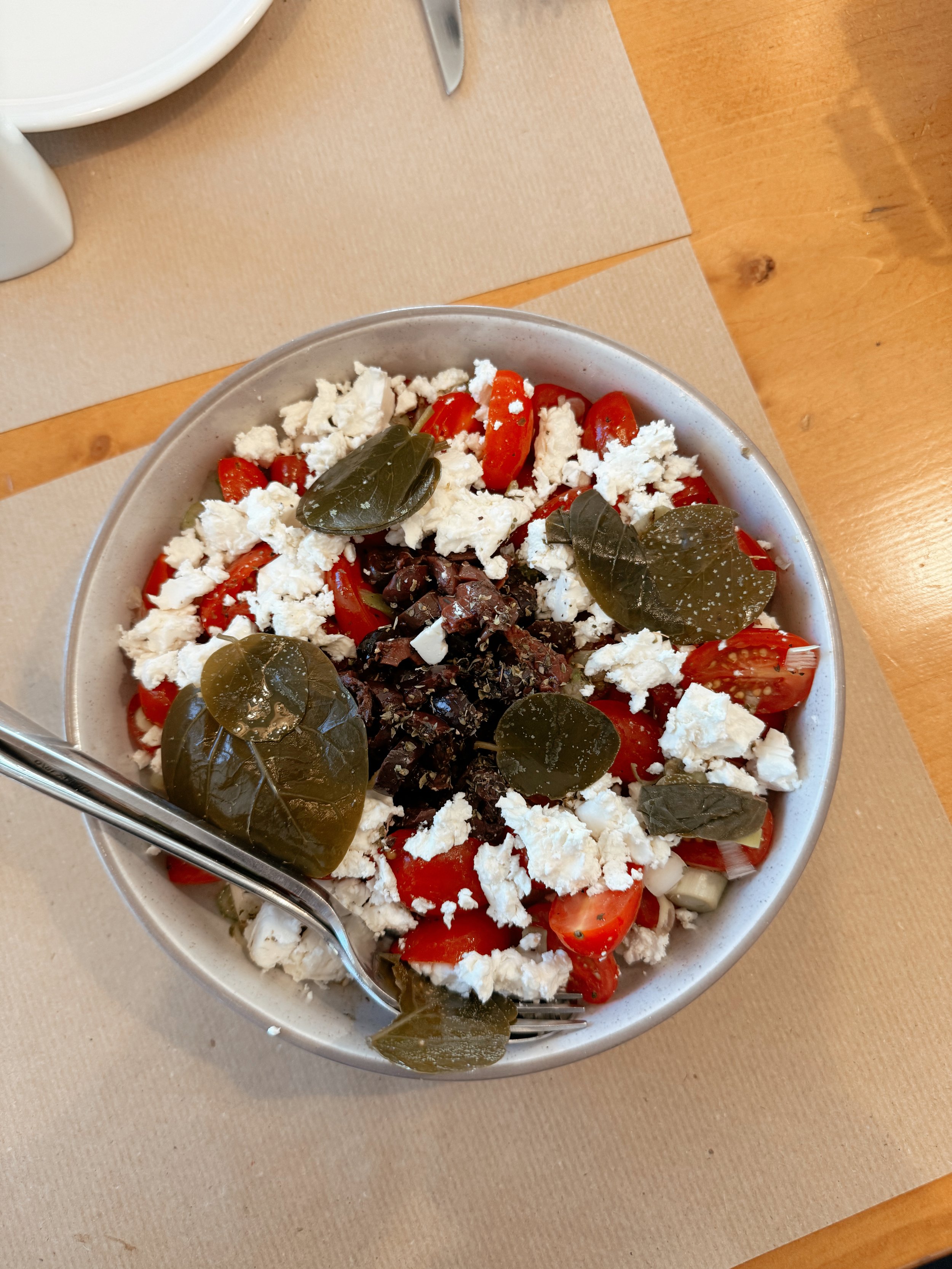
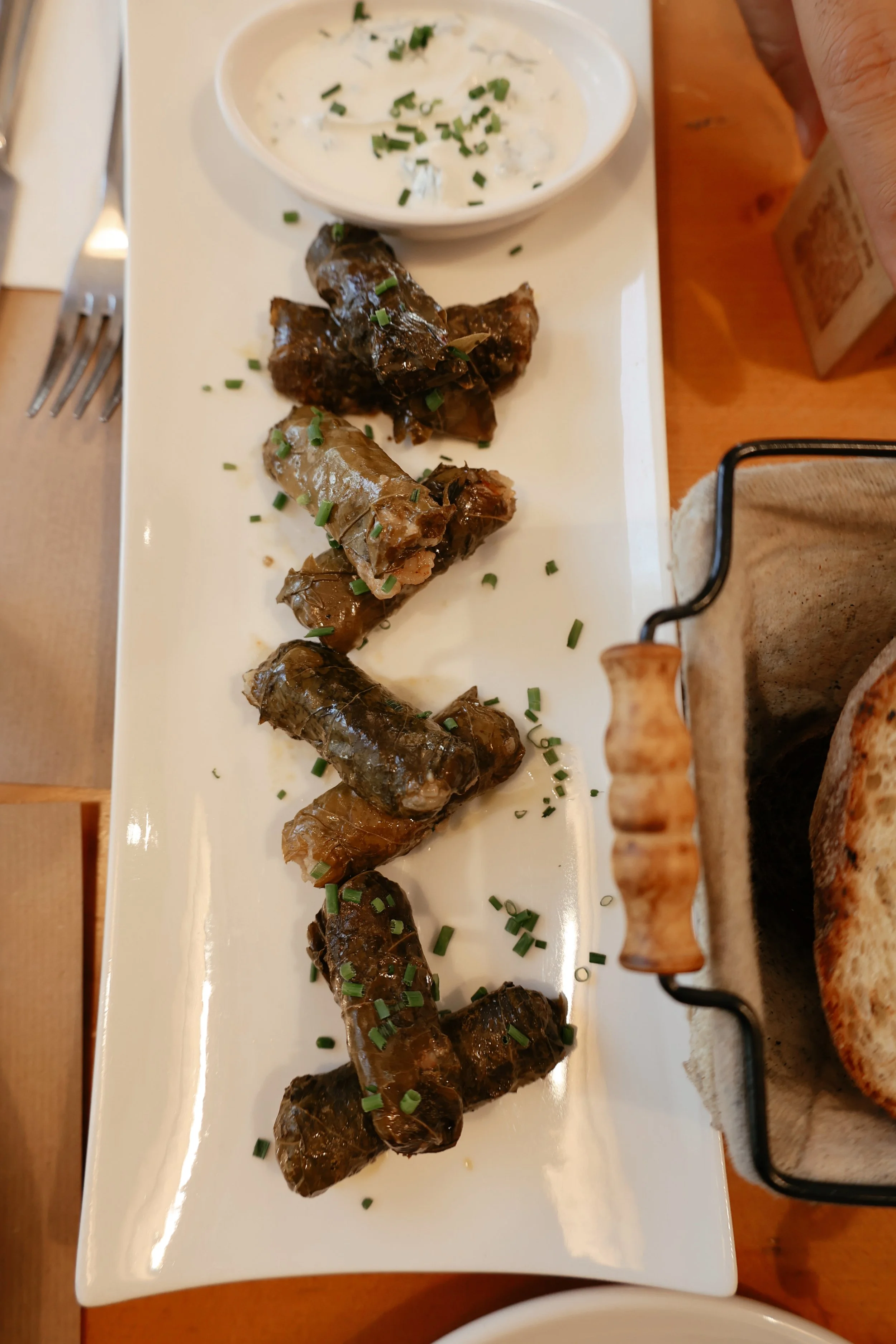
I started with dolmades, and they were exactly how I love them: tender vine leaves, perfectly seasoned rice, and that subtle lemony brightness that makes them so comforting. I also ordered a Greek salad, fresh and simple in the best way—juicy tomatoes, crisp cucumbers, briny olives, and generous chunks of feta that tasted incredibly fresh.
To round it all out, I had a latte, which was smooth and well-made, making it a great spot to slow down and recharge. Regal has that easygoing café energy where you can enjoy a relaxed meal, sip your coffee, and just take in the rhythm of the city around you.
If you’re looking for a low-key spot in Athens that serves classic Greek dishes alongside good coffee, Regal is a wonderful choice—unpretentious, satisfying, and quietly memorable.

Cafes + Bakeries in Athens, Greece
Leonidas
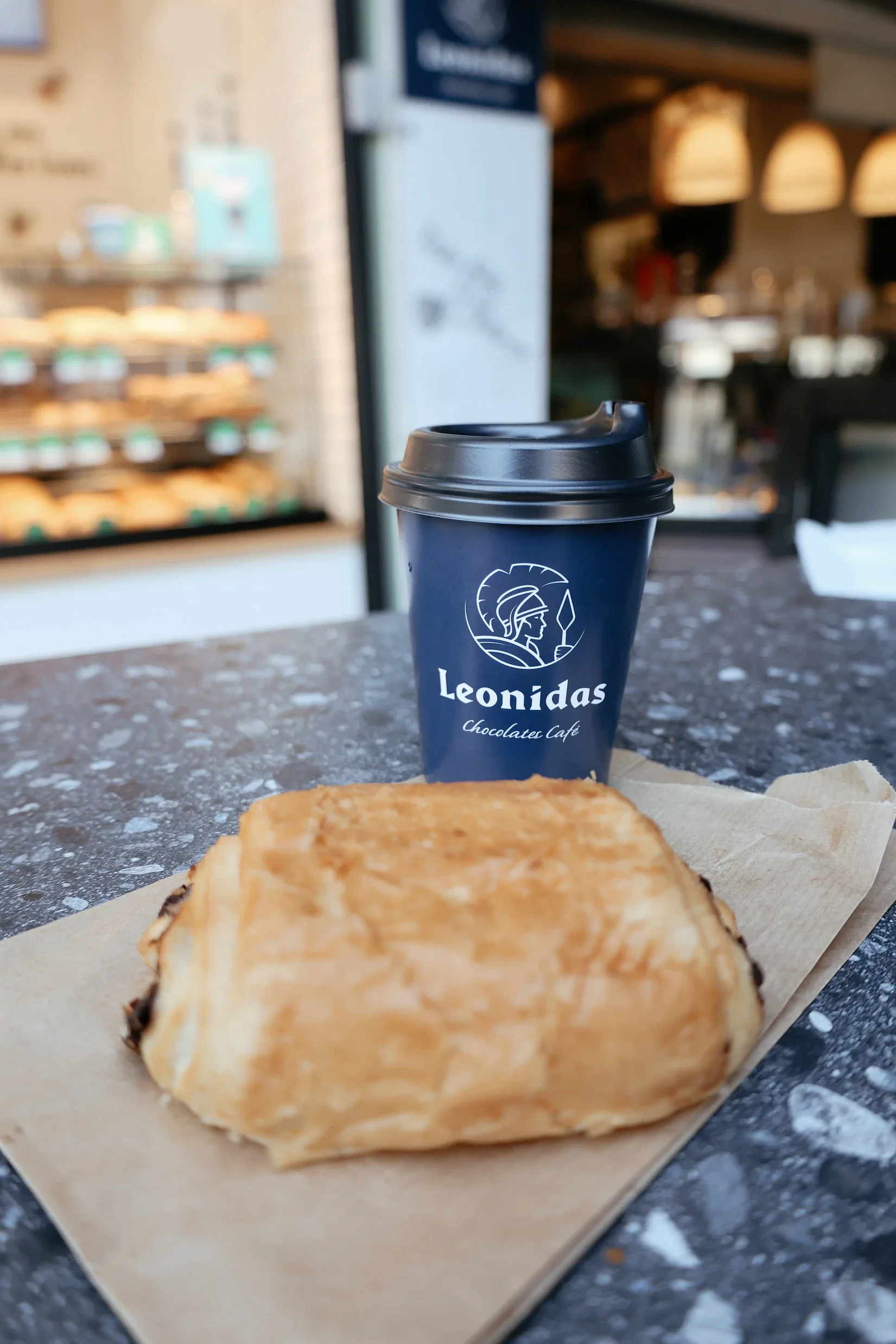
I couldn’t resist stepping into Leonidas, a little haven for anyone with a serious sweet tooth—myself very much included. After wandering Athens’ historic streets and soaking in all that ancient beauty, this stop felt like the perfect (and well-deserved) treat. The display of chocolates and confections was completely irresistible. I chose a Leonidas praline, rich and silky with that signature melt-in-your-mouth quality they’re known for. To make the moment even better, I paired it with a coffee latte (€4.76) and a chocolate-covered croissant (€4.29)—flaky, indulgent, and exactly what I was craving.
It was one of those simple but memorable pauses during the day, where you sit, sip, and savor. If you need a sweet break while exploring Athens, Leonidas is a lovely place to stop and treat yourself.
Gregory's
Every morning in Athens, I found myself returning to the same comforting ritual—starting my day at Gregory’s. It quickly became one of those simple routines that grounded my trip. The smell of freshly brewed Greek coffee mixed with warm pastries filled the space, and somehow, it always felt like the city was slowly waking up alongside me. Gregory’s wasn’t just a quick breakfast stop—it was a front-row seat to everyday Athenian life. Locals popping in before work, conversations buzzing around me, the hum of the city beginning its day. I loved sitting there, cappuccino in hand (€2.30), watching it all unfold.
And of course, no morning was complete without something sweet. Their sugar donut (€1.30) was soft, simple, and exactly what I wanted—nothing fancy, just comforting and perfect with coffee.
Those quiet mornings at Gregory’s became some of my favorite moments in Athens. Sometimes it’s not the big sights or planned stops that stay with you, but the small rituals that make a city feel familiar.

Le Greche
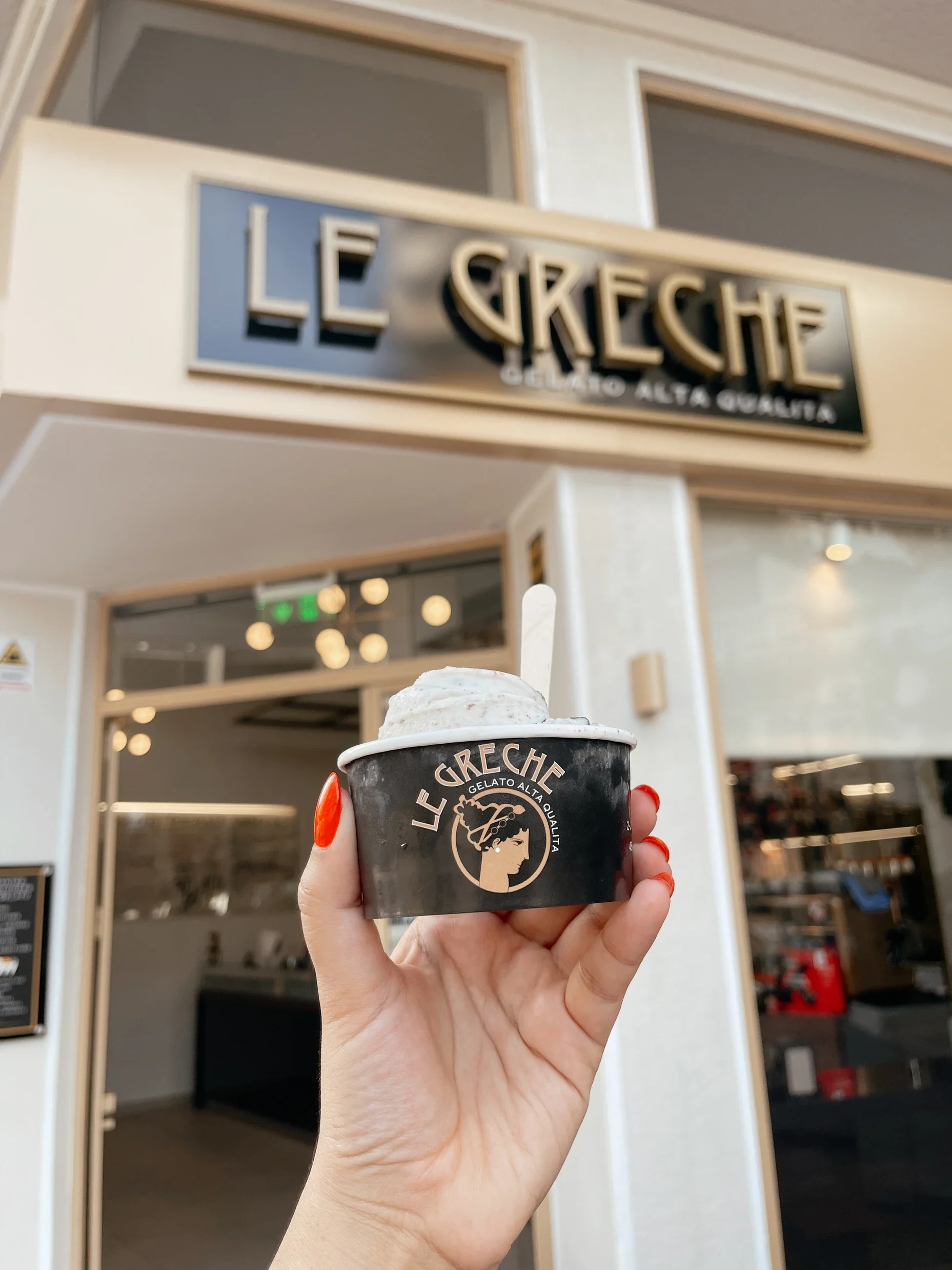
As the sun dipped below the Athenian skyline and the city softened into evening, I found myself craving something sweet—and Le Greche was the perfect place to end the day. Tucked into the rhythm of Athens, it felt like a little pause button after hours of walking, exploring, and soaking in history. Le Greche is known for its artisanal gelato and sorbet, all thoughtfully crafted with Greek ingredients and inspired by local traditions. Every flavor felt intentional, rich without being heavy, and incredibly fresh. With each spoonful, it felt like I was tasting Greece in dessert form—simple, elevated, and deeply rooted in quality.
Sitting there with my gelato as the evening buzzed around me was one of those quiet travel moments I love most. No rushing, no agenda—just good food, warm air, and the feeling that the day had ended exactly as it should. If you’re looking for a sweet finale in Athens, Le Greche is absolutely worth it.
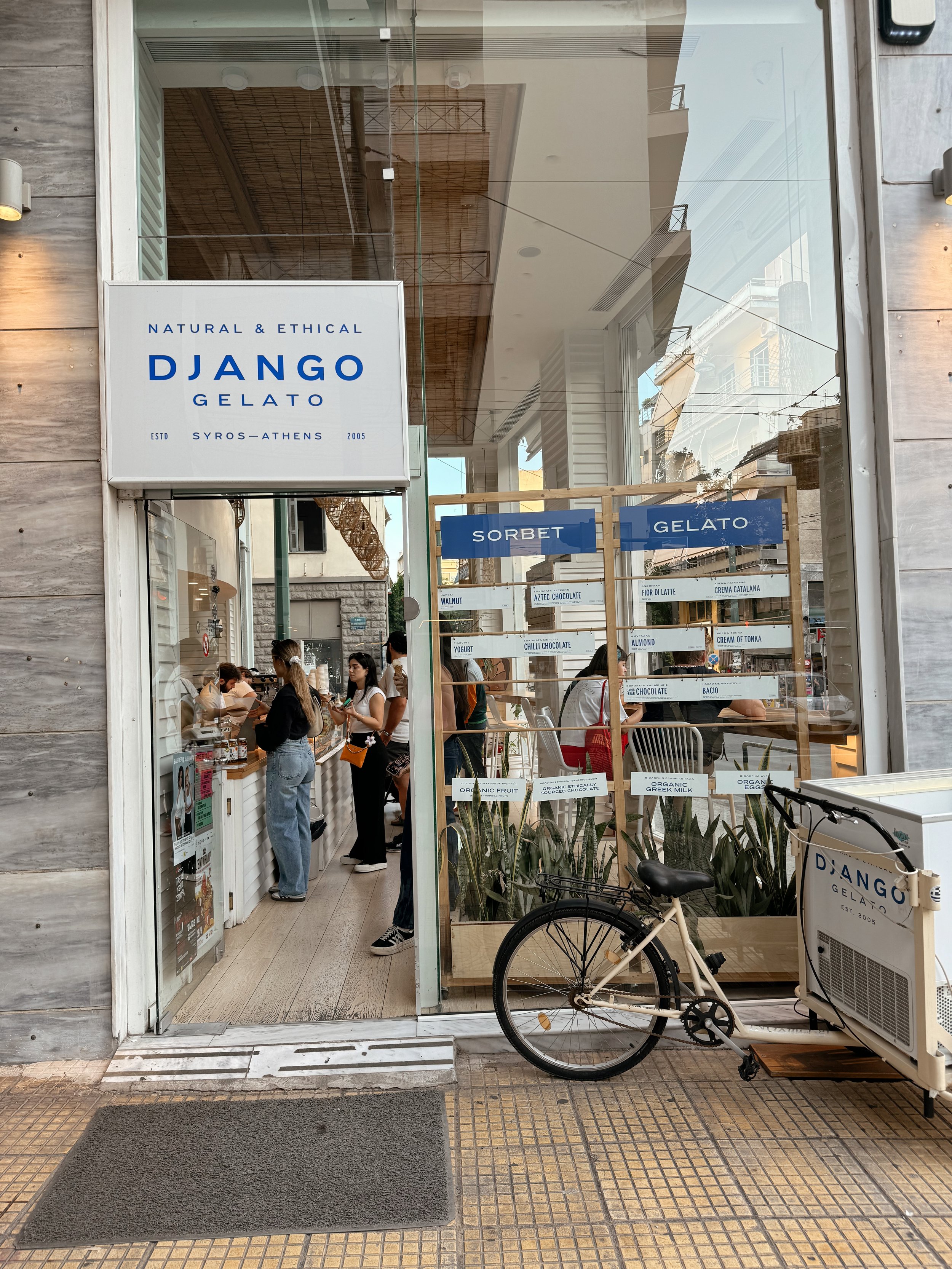
Django Gelato
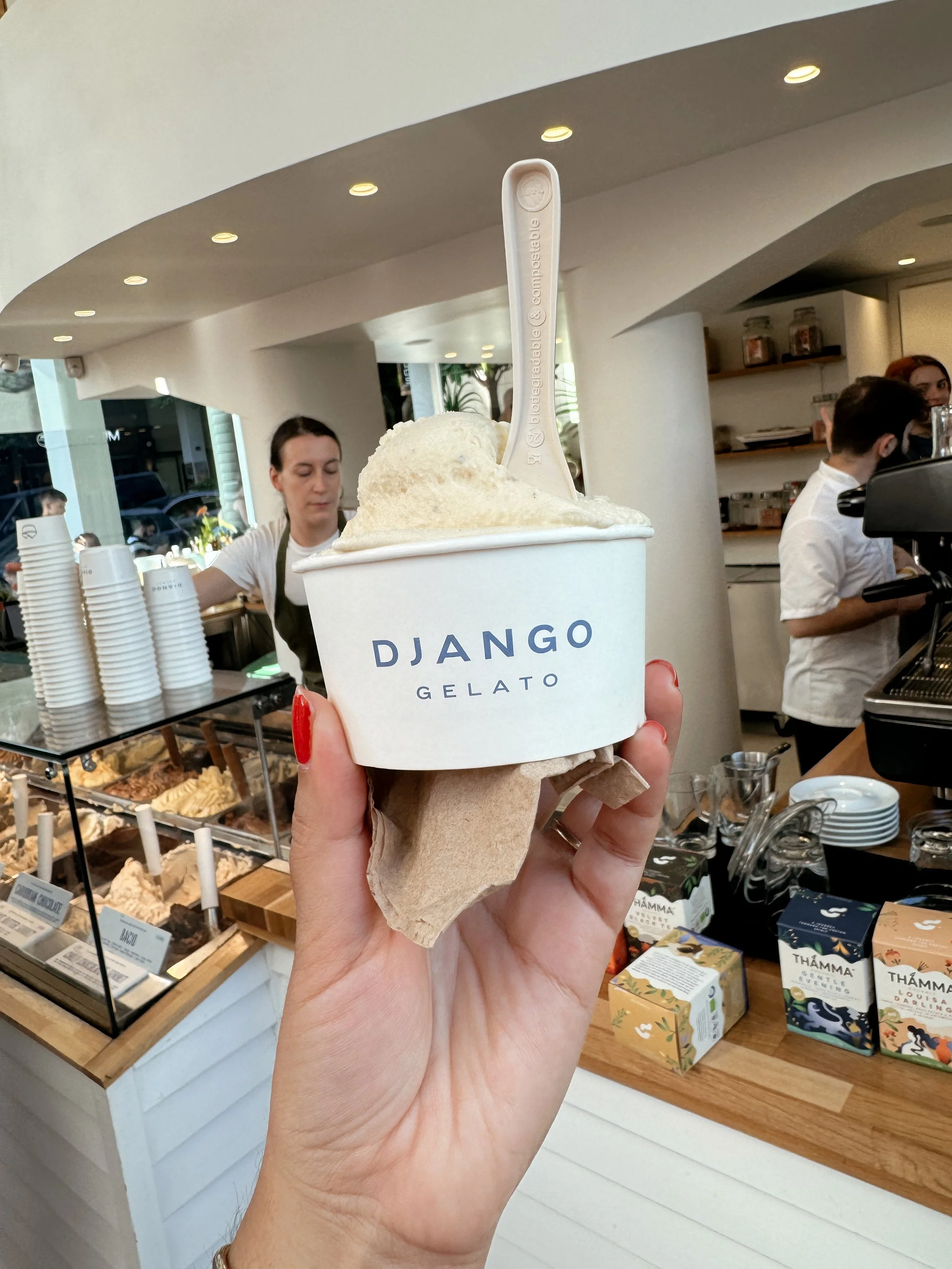
Stopping by Django Gelato felt like stumbling upon a little pocket of happiness in Athens. Simple, inviting, and effortlessly cool, this spot draws you in with its clean aesthetic and incredible selection of flavors that rotate based on season and creativity. The gelato here is incredibly smooth and well-balanced—rich without being overpowering, sweet without being heavy. You can tell real care goes into the ingredients and the process, and every scoop tastes thoughtfully crafted. It’s the kind of place where narrowing down flavors is the hardest part, and sampling becomes part of the fun.
Dope Roasting Co
Dope Roasting Co was one of those coffee stops that instantly felt right. Modern, creative, and effortlessly cool, it struck the perfect balance between specialty coffee shop and relaxed hangout—exactly the kind of place you want to linger a little longer than planned.
I ordered a latte, and it was smooth, well-balanced, and comforting in that way only really good coffee can be. Not too milky, not too strong—just right. To go with it, I couldn’t resist their blueberry lemon loaf, which was moist, bright, and perfectly tangy, with just enough sweetness to keep things interesting. And because one treat is never enough, I also grabbed a chocolate chip cookie—soft, gooey, and exactly what a chocolate chip cookie should be.
The space itself felt creative and welcoming, the kind of café where locals pop in and travelers feel instantly at ease. Whether you’re easing into the morning, taking a mid-day break from exploring, or just craving something sweet with your coffee, Dope Roasting Co is absolutely worth the stop. It’s stylish without trying too hard—and everything tastes as good as it looks.



Athina
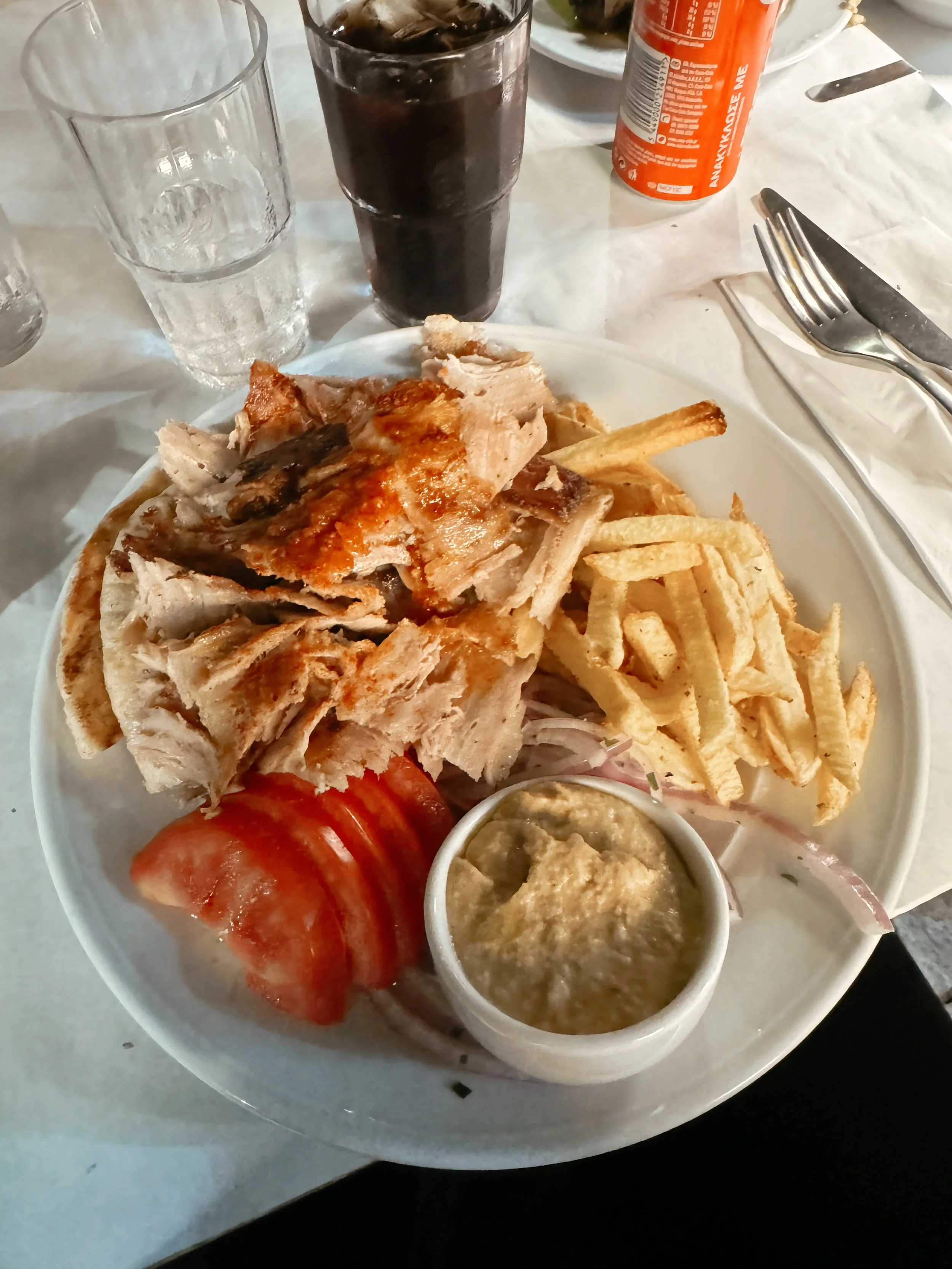
Athina was one of those meals that instantly felt comforting and satisfying—simple, traditional, and done really well. It’s the kind of place you go when you want classic Greek food without overthinking it. I ordered the gyro platter, and it absolutely delivered. The meat was flavorful and tender, paired with warm pita, crisp fries, and all the familiar sides that make a gyro platter such a classic. It was hearty, filling, and exactly what I was craving after a full day of exploring Athens.
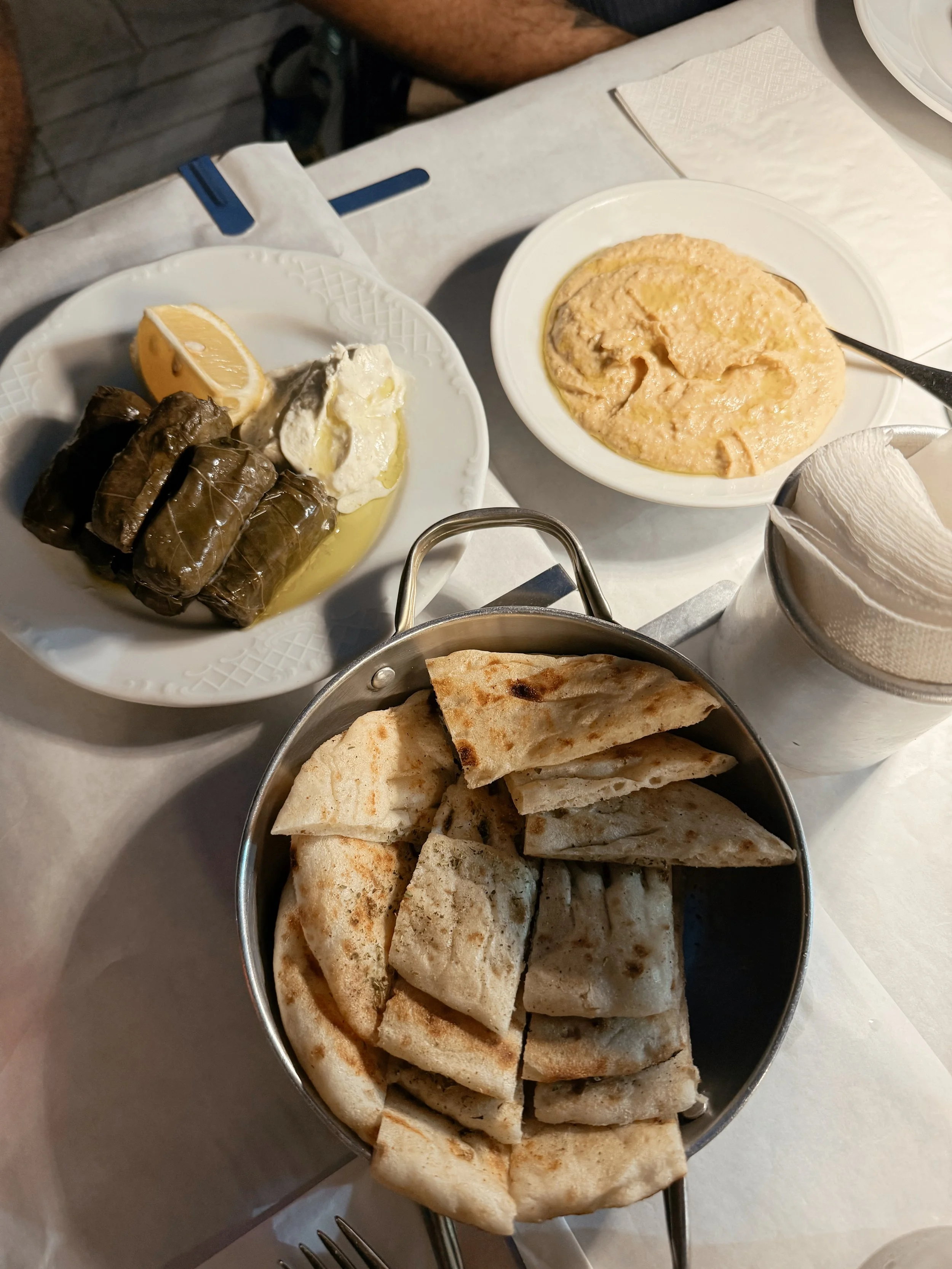
Alongside it, I had hummus—smooth, creamy, and perfectly balanced with olive oil—and dolmades that were tender and lemony, with just the right amount of seasoning. Everything tasted fresh and thoughtfully prepared, like the kind of food that’s been made the same way for generations. ATHINA is a great stop if you’re looking for an authentic, no-frills Greek meal that leaves you full and happy. It’s straightforward, satisfying, and a solid choice when you want to experience traditional flavors done right.
Where to Stay in Athens, Greece
Athens has an incredible range of accommodations, from beautiful Airbnbs tucked into historic neighborhoods to truly elevated luxury hotels. While I’ve enjoyed the charm and convenience of staying in an Airbnb during my visit, sometimes nothing beats the ease, service, and comfort that a luxury hotel can offer—especially after long days of exploring ancient sites, winding through neighborhoods like Plaka and Monastiraki, or watching the sun set over the Acropolis.
Hotel Grande Bretagne
One of Athens’ most iconic luxury hotels, the Grande Bretagne sits majestically across from Syntagma Square. With stunning views over the Acropolis and the city skyline, it offers timeless elegance, impeccable service, and world-class amenities—including a rooftop restaurant and spa. Perfect if you want classic luxury in the heart of the city.
King George, a Luxury Collection Hotel, Athens
Just next door to the Grande Bretagne, King George combines historic charm with modern comfort. The interiors are refined, the service attentive, and the location unbeatable—steps from shopping on Ermou Street and within easy reach of major attractions.
Electra Metropolis Athens
Sleek, modern, and stylish, Electra Metropolis is known for its beautiful design and incredible rooftop pool with Acropolis views. The rooms are contemporary and comfortable, and the rooftop restaurant is a destination in itself—ideal for sunset cocktails with a view.
St. George Lycabettus
Perched near the top of Lycabettus Hill, this hotel offers panoramic vistas that rival postcards. It’s perfect if you want a mix of classic Athens charm and stunning lookout points, plus easy access to one of the city’s best viewpoints.
The Athens Gate Hotel
A slightly more contemporary luxury option, this hotel is beloved for its rooftop restaurant with sweeping views of the Acropolis and Hadrian’s Arch. It’s a great mix of comfort, style, and location—especially if you want the iconic views without the flagship price tag of some larger luxury brands.
Best Time to Visit Athens, Greece
For a more relaxed experience with fewer crowds, the best time to visit Athens is during the shoulder seasons, from March to May and September to October. During these months, the weather is still beautifully warm and sunny, but the city feels far more manageable than in the height of summer. You’ll be able to explore archaeological sites, wander neighborhoods, and enjoy outdoor dining without the intense heat or peak-season congestion. I personally visited in September, and while some of the major historical sites were definitely busy, it was still an incredible time to be in Athens. The weather was hot but enjoyable, evenings were perfect for strolling and dining outdoors, and the energy of the city felt vibrant rather than overwhelming.
If you don’t mind crowds and want long, sun-filled days, summer can still be rewarding—just be prepared for higher temperatures and more visitors. Overall, Athens is a city that shines most when the weather is warm but the pace is slightly slower, making the shoulder seasons an ideal balance.
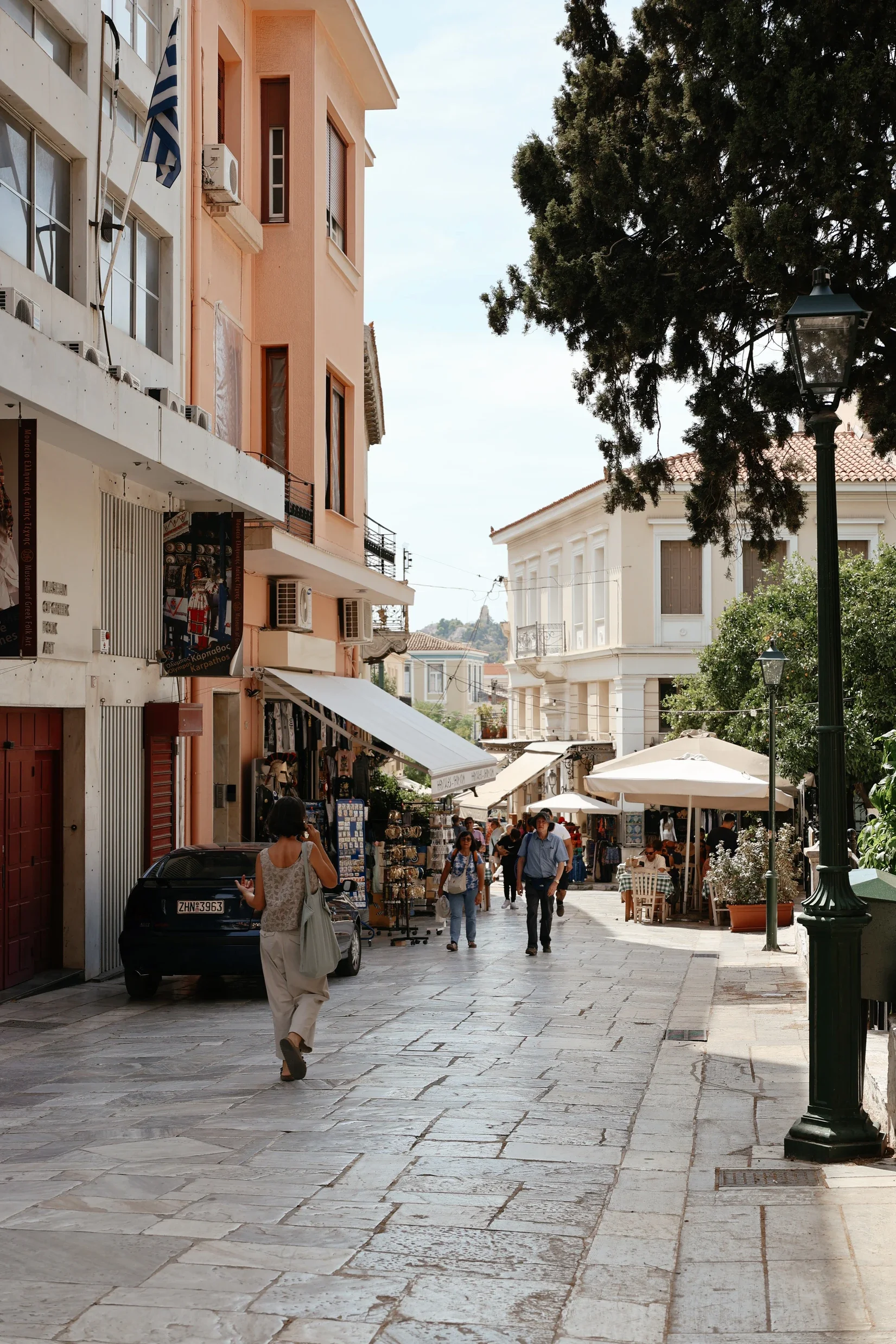
Athens is a city that stays with you long after you leave. From standing beneath the Acropolis and walking through layers of ancient history, to lingering over slow meals, strong coffee, and late-night gelato, every moment feels meaningful and alive. It’s a place where the past and present coexist effortlessly, inviting you to explore, taste, and wander at your own pace.
#athens #greece #athensgreece #visitgreece #visitathens #travel #travelphotography #travelgram #travelguide #travelholic #traveltheworld #traveler #traveltoexplore #travelon #traveldestination #traveldiaries #travelblogger #traveltheworld #traveler #traveladdict #traveldestinations #travellover #womenwhotravel #womenwhoexplore